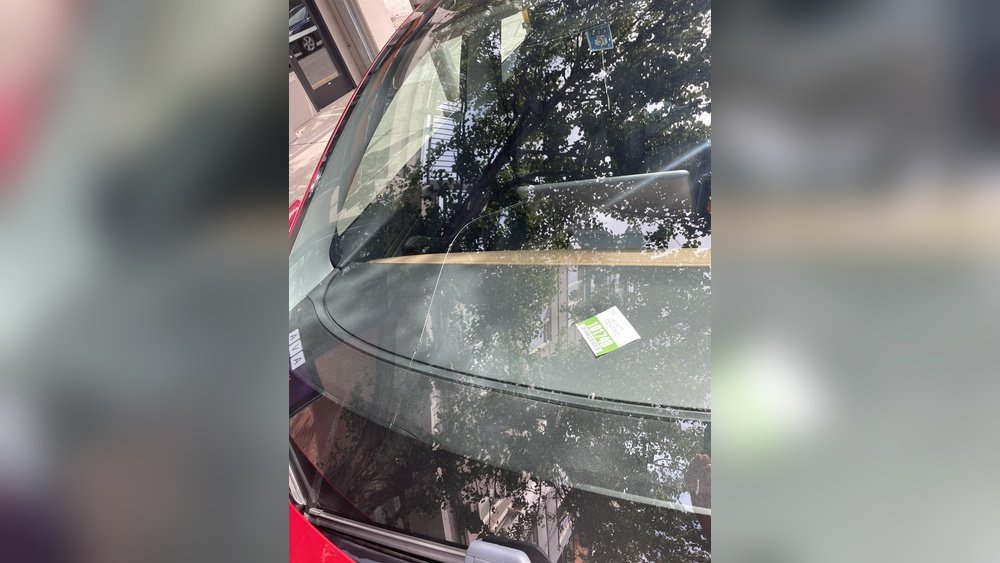
Have you ever wondered if filing a claim for a small windshield chip will make your insurance rates go up? It’s a common concern that stops many from getting their glass fixed promptly.
You want to protect your car without risking higher premiums, right? Understanding how insurance companies handle these claims can save you money and stress. Keep reading to find out exactly what happens after you file a windshield chip claim—and how it might affect your insurance costs.
How Windshield Chip Claims Work
Understanding how windshield chip claims work helps you protect your car and wallet. Insurance companies treat these claims differently from other damage claims. Knowing the process can save time and avoid surprises. It also helps decide when to claim and when to wait.
Most insurers want to fix small chips quickly to prevent bigger cracks. Many offer repair services without raising your premium. Learning which damage counts and how to file a claim is key to smart car care.
Types Of Windshield Damage Covered
Insurance usually covers chips caused by small rocks or road debris. The damage must affect the glass surface but not break it fully. Cracks longer than a few inches may need full windshield replacement.
Common covered damages include star breaks, bull’s eyes, and small cracks. Chips that block the driver’s view might require immediate repair. Damage from accidents or vandalism often falls under different coverage rules.
Claim Process For Windshield Repairs
Start by contacting your insurance provider to report the chip. Many companies offer quick online claim forms or phone support. Provide photos and details about the damage for faster service.
Next, schedule a repair appointment with an approved shop. Some insurers send a technician to fix the chip on-site. Repairs usually take less than an hour and restore glass strength.
After repair, your insurer may not increase your premium for a small chip claim. Keeping claims small and rare helps avoid higher costs later. Always check your policy for specific terms before filing.

Credit: insurancebrokersofaz.com
Impact On Insurance Premiums
Filing a windshield chip claim can affect your insurance premiums. The impact varies by insurer and claim details. Understanding these factors helps you prepare for possible changes in costs.
Factors Influencing Premium Changes
Insurance companies consider many factors before raising premiums. The size and location of the chip matter. Small chips repaired quickly may not increase costs.
Your claim history plays a big role. Multiple claims in a short time may raise premiums. The type of coverage you have also affects changes. Some policies cover windshield repairs without penalty.
Differences Between Repair And Replacement Claims
Repair claims usually have less impact on premiums. Repairs are less costly and simpler for insurers. Replacement claims often cost more and may raise premiums.
Replacing a windshield signals more damage. Insurers may see this as higher risk. Repairing chips is often cheaper and less likely to affect your rates.
When Claims Affect Your Rates
Insurance rates can change after you make a claim. Not all claims cause your rates to rise. It depends on the type of claim and how often you file them. Understanding when claims affect your rates helps you make smart decisions.
Thresholds For Rate Increases
Insurers set limits before raising rates. Small claims may not impact your premium. Many companies have a threshold for damage costs. Claims under this limit might not trigger a rate increase. Larger claims often lead to higher premiums. The exact threshold varies by insurer and policy.
Role Of Claim Frequency And Severity
Multiple claims can raise red flags. Insurers see frequent claims as higher risk. Severity of damage also matters. Minor repairs usually cost less and may not affect rates. Major damages signal greater risk and cost more. Both frequency and severity shape your premium changes.

Credit: www.infarmbureau.com
Ways To Avoid Premium Hikes
Insurance premiums can rise after a windshield chip claim. This worries many car owners. Knowing how to avoid these hikes helps save money. Simple steps can keep your costs low. Understanding your insurance options is the first step.
Using Glass Coverage Benefits
Many insurance plans include glass coverage. This covers small chips or cracks without raising premiums. Using this benefit keeps your rates steady. Check your policy to see if you have glass coverage. Claiming this benefit usually avoids a premium increase. It works best for minor damages.
Choosing Repair Over Replacement
Repairing a windshield chip costs less than replacement. Repairs are quick and less invasive. Insurance companies often prefer repairs over full replacement. Repairs keep your claim small. Small claims may not affect your premium. Replacement is more expensive and may trigger a rate hike. Choose repair when the damage is minor.
Alternatives To Filing A Claim
Filing an insurance claim for a windshield chip may raise your premiums. Many drivers want to avoid this. There are good alternatives to consider. These options can save money and keep your rates steady.
Out-of-pocket Repair Options
Small chips and cracks often cost less than the deductible. Paying out of pocket can be cheaper than claiming. Many auto shops offer quick and affordable repairs. Some use special resin to fill chips and prevent spreading. This can restore your windshield’s strength and clarity. Choose this option if the damage is minor.
Discounts And Preventive Measures
Some insurance companies offer discounts for safe driving. You may get lower rates if you avoid claims. Using a windshield protector helps reduce damage. Parking in shaded or covered areas also lowers risk. Regularly inspect your windshield for small chips. Repair them fast before they grow bigger. These steps help keep your insurance costs down.

Credit: www.reddit.com
Tips For Managing Windshield Damage
Managing windshield damage quickly helps avoid bigger problems. Small chips can grow into cracks fast. Acting early saves money and keeps driving safe. Use simple tips to care for your windshield right away.
Quick Fixes To Prevent Worsening
Cover chips with clear tape to keep out dirt and moisture. Avoid sudden temperature changes like hot water or direct sunlight. Drive carefully to reduce bumps and vibrations. These steps slow damage until professional repair is possible.
Finding Reliable Repair Services
Choose repair shops with good reviews and proper licenses. Ask about warranty on repairs to ensure quality work. Compare prices but avoid the cheapest options only. A trusted service protects your windshield and helps maintain insurance costs.
Frequently Asked Questions
Will My Insurance Premium Increase After A Windshield Chip Claim?
Most insurers do not raise premiums for small windshield chip claims. These claims are often considered minor and low risk. However, frequent claims might affect your rates. Always check your specific policy terms for exact details.
Does Filing A Windshield Chip Claim Affect My No-claim Bonus?
In many cases, windshield chip claims do not impact your no-claim bonus. This is because such claims are minor and often excluded from bonus calculations. Confirm with your insurer to understand your policy’s rules.
Are Windshield Chip Repairs Covered Without Raising Insurance Costs?
Yes, many policies cover windshield repairs without increasing your insurance premium. Insurers view chip repairs as preventive, reducing future risks. Always verify if your coverage includes glass repair for no-cost premium benefits.
How Often Can I Claim For Windshield Damage Without Penalty?
The frequency varies by insurer, but occasional claims for windshield chips typically don’t cause penalties. Frequent claims may lead to premium increases or policy reviews. Check your insurer’s claim limits and conditions to avoid surprises.
Conclusion
Claims for windshield chips usually do not raise insurance costs. Most insurers treat these claims as minor repairs. Costs often stay the same after a chip repair claim. Still, policies and rules differ between companies. Small claims rarely affect your premium or record.
It helps to ask your insurer about their rules. Careful driving and quick repairs keep costs low. Keep this in mind before filing a claim. Staying informed saves money and stress later.
Leave a Reply