
When it comes to your car, safety is always a top priority. But have you ever stopped to think about the glass that surrounds you every time you drive?
Choosing the right type of glass can make a huge difference in protecting you and your passengers during an accident. You might be surprised to learn that not all car glass is created equal. You’ll discover which glass type offers the best protection and why it matters for your safety.
Keep reading to find out how a simple choice can keep you safer on the road.
Credit: miracleagc.com
Types Of Car Glass
Car glass plays a crucial role in safety and visibility. Different types of glass offer different protection levels. Understanding these types helps you know which is safest for your vehicle. Three main types of car glass exist: tempered glass, laminated glass, and plastic glass variants.
Tempered Glass
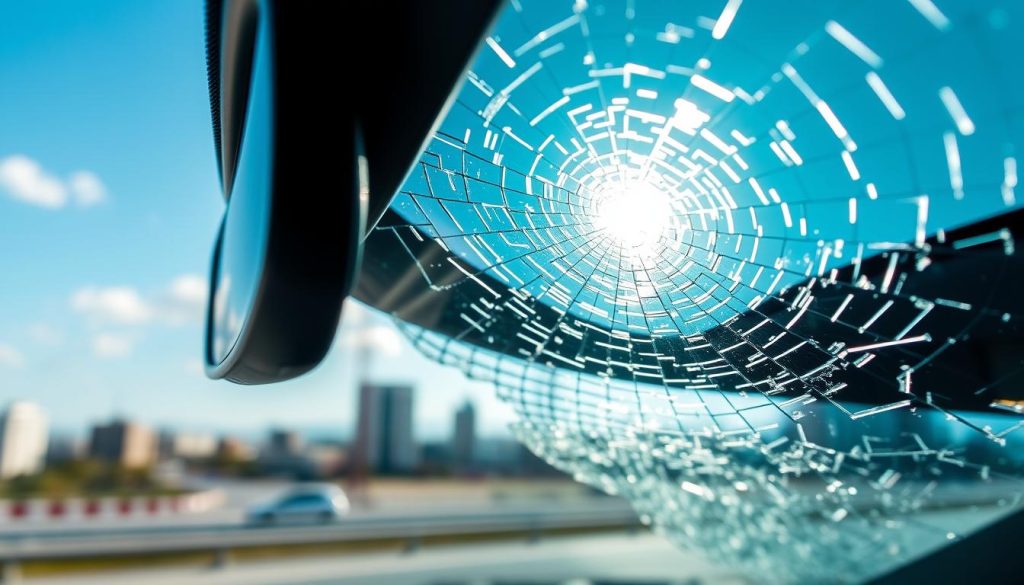
Tempered glass is heat-treated to increase strength. It breaks into small, blunt pieces when shattered. This reduces the risk of serious cuts. Tempered glass is often used for side and rear windows. It provides good safety and is less likely to cause injury.
Laminated Glass
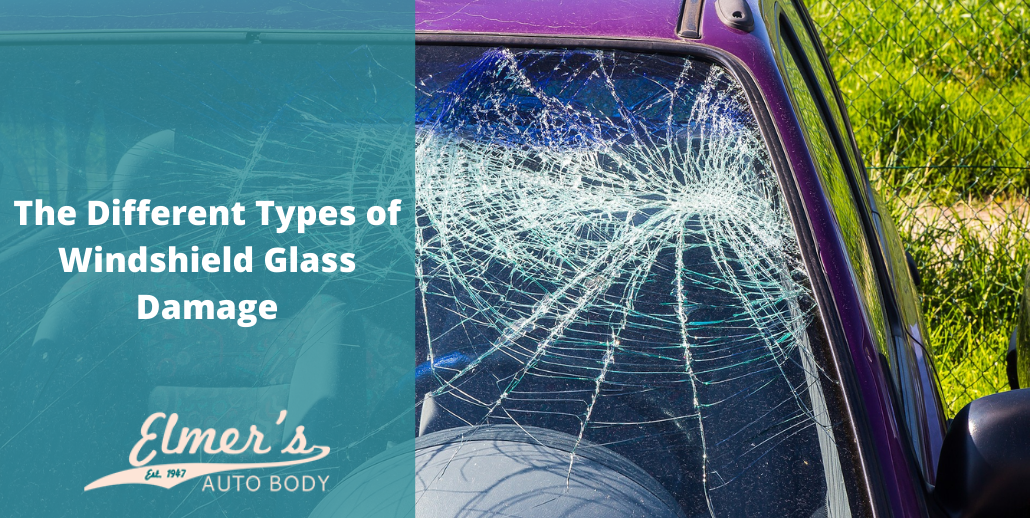
Laminated glass consists of two glass layers with a plastic layer in between. It stays in one piece after impact. This prevents passengers from being thrown out. Laminated glass is common for windshields. It offers excellent protection from road debris and accidents.
Plastic Glass Variants
Plastic glass variants include materials like polycarbonate and acrylic. These are lighter than traditional glass and highly impact-resistant. Plastic glass is used in some specialty vehicles and aftermarket parts. It resists shattering but can scratch more easily than real glass.
Credit: elmersautobody.com
Safety Features Of Car Glass
Car glass plays a big role in keeping passengers safe. It protects from wind, dust, and accidents. Not all car glass is the same. Different types have special safety features. These features help reduce injuries during crashes.
Impact Resistance
Impact resistance means the glass can absorb force without breaking easily. Strong glass protects drivers and passengers from flying objects. Laminated glass, used in windshields, holds together even if cracked. This type stops sharp pieces from hurting people inside the car.
Shatter Patterns
Shatter patterns show how glass breaks under stress. Tempered glass, found in side and rear windows, breaks into small, blunt pieces. This reduces the chance of cuts. Laminated glass cracks but stays mostly in place. This keeps the glass from falling inside the car during accidents.
Uv Protection
UV protection blocks harmful sun rays. Car glass with UV filters helps protect skin from damage. It also stops the car’s interior from fading quickly. This feature keeps passengers safer and the car looking good longer.
Comparing Glass Types
Choosing the right glass type for your car is important for safety. Different types of glass offer various benefits. Understanding these can help you decide which is safest for your vehicle. Below, we compare the main glass types used in cars.
Durability
Laminated glass is strong and holds together when broken. It uses a plastic layer between two glass sheets. This design stops sharp pieces from flying.
Tempered glass is tough and shatters into small, blunt pieces. It breaks easily under strong impact but reduces injury risk.
Toughness varies by glass type. Laminated glass offers more protection in crashes.
Visibility And Clarity
Clear vision is vital for safe driving. Laminated glass usually has better optical quality. It reduces glare and distortion.
Tempered glass offers good clarity but may cause slight distortion at edges. Both types meet safety and visibility standards.
Quality of glass affects how well you see the road and other vehicles.
Cost Implications
Tempered glass is generally cheaper to produce and replace. It costs less upfront.
Laminated glass costs more but adds safety value. Repairs can be pricier.
Consider long-term safety benefits versus initial cost when choosing glass.
Regulations And Standards
Car glass safety depends on strict regulations and standards. These rules protect drivers and passengers from injuries. Governments and organizations set clear guidelines. They ensure all automotive glass meets safety needs. Understanding these rules helps you know which glass type is safest.
Global Safety Standards
Many countries follow global safety rules for car glass. The United Nations Economic Commission for Europe (UNECE) sets key standards. These include strength, shatter behavior, and visibility. Most automakers comply with these rules. This ensures glass performs well in crashes worldwide.
Regional Variations
Different regions have unique regulations. The United States follows Federal Motor Vehicle Safety Standards (FMVSS). Europe uses UNECE regulations but with local updates. Asia and other areas may have their own rules. These variations affect glass type and installation methods.
Testing Procedures
Car glass undergoes strict tests before approval. Tests check impact resistance and how glass breaks. Laminated glass must hold together under stress. Tempered glass should shatter into small pieces. These tests confirm glass meets safety and quality standards.
Innovations In Car Glass
Car glass has improved a lot over the years. New technology makes it safer and smarter. These changes help protect drivers and passengers better than before.
Innovations in car glass focus on strength, safety, and added features. They also aim to make driving more comfortable and secure. Below are some of the latest advances in car glass.
Smart Glass Technology
Smart glass can change its transparency. It can switch from clear to tinted in seconds. This helps reduce glare and heat inside the car. Drivers get better visibility and less eye strain. Smart glass also improves privacy without needing curtains or blinds.
Self-healing Materials
Self-healing glass can fix small scratches and cracks automatically. The material uses special chemicals that react to damage. This keeps the glass clear and strong for longer. It reduces the need for costly repairs or replacements. Self-healing glass improves safety by preventing cracks from growing.
Enhanced Coatings
New coatings on car glass protect against UV rays and dirt. They make the glass easier to clean and keep it clearer. Anti-fog coatings stop moisture buildup on windows. Some coatings also strengthen the glass to resist impact. These features add safety and comfort for all passengers.

Credit: collisionhub.com
Choosing The Right Glass For Your Car
Choosing the right glass for your car is important for safety and comfort. The glass protects you from wind, debris, and accidents. Different types of glass offer various benefits. Picking the right one depends on several factors. Consider your vehicle type, the environment, and how to maintain the glass.
Vehicle Type Considerations
Different cars need different kinds of glass. Passenger cars often use laminated glass on the windshield. It holds together when cracked, preventing injuries. Side and rear windows usually use tempered glass. This glass breaks into small pieces, reducing harm. Trucks and SUVs might require stronger or thicker glass for extra protection. Choose glass that fits your vehicle’s design and safety needs.
Environmental Factors
Weather affects the type of glass you need. In hot areas, glass with UV protection keeps the car cooler. Cold climates benefit from glass that resists cracking in freezing temperatures. Dusty or windy places need glass that is scratch-resistant and durable. Consider local weather conditions to pick glass that lasts longer and keeps you safe.
Maintenance Tips
Proper care extends the life of your car glass. Clean it regularly with mild soap and water. Avoid harsh chemicals that can damage the surface. Check for chips or cracks and repair them quickly. Use sunshades to protect the glass from strong sunlight. Regular maintenance helps keep your glass clear and strong.
Frequently Asked Questions
What Glass Type Is Safest For Car Windshields?
Laminated glass is safest for windshields. It has a plastic layer between glass sheets. This prevents shattering and reduces injury risk.
Are Tempered Glass Windows Safer For Cars?
Tempered glass is strong and shatters into small pieces. It reduces injury during impact but is less safe than laminated glass for windshields.
How Does Laminated Glass Improve Car Safety?
Laminated glass holds together when broken. It prevents glass shards from flying inside the car, protecting passengers from cuts and injuries.
Why Is Laminated Glass Preferred Over Tempered Glass?
Laminated glass offers better impact resistance and stays intact. Tempered glass breaks easily, which can be dangerous during accidents or break-ins.
Conclusion
Tempered and laminated glass offer strong safety for cars. Laminated glass holds together if it breaks, protecting passengers. Tempered glass shatters into small pieces, reducing injury risk. Choosing the right glass helps keep drivers and passengers safer. Always check your vehicle’s glass type before buying or replacing.
Safety matters most on the road. Stay informed and choose wisely for peace of mind.
Leave a Reply