
Have you ever wondered what keeps you safe when you’re behind the wheel? The glass in your vehicle does much more than just let you see the road—it plays a crucial role in protecting you during accidents.
But did you know there are different types of safety glass used in cars? Understanding these can help you appreciate how your vehicle is designed to keep you secure. You’ll discover the main types of safety glass used in vehicles and why they matter for your safety every time you drive.
Keep reading to find out what’s really shielding you on the road.
Tempered Glass
Tempered glass is a strong type of safety glass used in many vehicles. It is designed to break into small, dull pieces instead of sharp shards. This reduces the risk of injury during accidents. The glass is heat-treated to improve its strength and safety features.
Manufacturing Process
Tempered glass starts as regular glass. It is cut and shaped to the needed size. Then, it is heated to very high temperatures, around 620 degrees Celsius. After heating, it cools quickly with blasts of cold air. This process creates stress inside the glass, making it much stronger.
Safety Features
Tempered glass breaks into tiny, blunt pieces. These pieces are less likely to cause cuts or serious injuries. The glass also resists impacts better than normal glass. It can withstand strong hits without breaking easily. This protects passengers and drivers during crashes or road debris strikes.
Common Uses In Vehicles
Tempered glass is mostly used for side and rear windows in vehicles. It offers good visibility and strong protection. The glass can also handle sudden temperature changes well. Windshields usually use laminated glass instead for extra safety. But tempered glass is perfect for areas needing impact resistance and easy replacement.
Laminated Glass
Laminated glass is a key safety feature in many vehicles. It keeps drivers and passengers safe during accidents. This type of glass does not shatter into sharp pieces. Instead, it holds together, reducing injury risks. Understanding laminated glass helps explain why it is so important in cars.
Composition And Layers
Laminated glass consists of two or more glass layers. Between these layers, there is a plastic film called polyvinyl butyral (PVB). This film acts like glue, holding the glass layers together. The PVB layer also absorbs energy from impacts. This structure keeps the glass from breaking apart easily.
Impact Resistance
Laminated glass absorbs the force of impacts well. When hit, the glass may crack but stays intact. The plastic layer stops the glass from falling apart. This reduces the chance of sharp shards flying inside the vehicle. It helps protect passengers from cuts and injuries.
Applications In Windshields
Most car windshields use laminated glass. This glass type offers clear visibility and strong protection. It prevents passengers from being thrown out during accidents. It also blocks harmful UV rays from the sun. Laminated glass is essential for safe driving and passenger safety.
Acoustic Glass
Acoustic glass is a special type of safety glass designed to reduce noise inside vehicles. It helps create a quiet and comfortable cabin. This glass is popular in cars where a peaceful ride matters. It blocks outside sounds like traffic, wind, and road noise.
Noise Reduction Benefits
Acoustic glass lowers harmful noise levels for drivers and passengers. It absorbs sound waves, making the cabin quieter. This reduction helps reduce fatigue during long drives. Clear conversations and music sound better inside the vehicle.
Material Structure
The glass has a special layer of sound-absorbing material. This layer is placed between two sheets of glass. It blocks vibrations and stops noise from passing through. The structure also keeps the glass strong and safe during impacts.
Usage In Luxury Vehicles
Luxury car makers often use acoustic glass for comfort. It adds a premium feel to the vehicle’s interior. This glass helps keep the cabin calm in busy city traffic. Many high-end models include it as a standard feature.
Heat-reflective Glass
Heat-reflective glass is a special type of safety glass used in many vehicles. It helps keep the car cool by reflecting heat from the sun. This glass improves comfort inside the vehicle without blocking visibility.
Car makers often choose heat-reflective glass for windshields, side windows, and sunroofs. It reduces the need for air conditioning, saving fuel and energy. This glass also protects the car’s interior from damage caused by heat.
Thermal Protection
Heat-reflective glass blocks a large amount of infrared light. Infrared light carries heat from the sun into the vehicle. This glass sends much of this heat away, keeping the cabin cooler. It helps maintain a steady temperature even on hot days.
Uv Filtering
This glass also filters out harmful ultraviolet (UV) rays. UV rays can cause skin damage and fade car interiors. Heat-reflective glass reduces UV exposure for drivers and passengers. It adds an extra layer of protection against sun damage.
Advantages For Drivers And Passengers
Drivers and passengers enjoy a cooler and more comfortable ride. The glass reduces glare, making driving safer. It also lowers the strain on the car’s air conditioning system. This helps improve fuel efficiency. Passengers feel less tired and more relaxed during trips.
Bulletproof And Security Glass
Bulletproof and security glass plays a vital role in vehicle safety. This type of glass protects passengers from bullets, blasts, and forced entry. It is common in armored cars, police vehicles, and VIP transport. The glass is strong but still allows clear vision.
Construction And Materials
Bulletproof glass is made from multiple layers of glass and plastic. These layers stick tightly together to absorb impact. Usually, layers of polycarbonate or acrylic add flexibility and strength. The thickness varies based on protection needs. This combination stops bullets and sharp objects from passing through. The glass also resists shattering and cracking.
Protection Levels
Different levels of protection exist for bulletproof glass. Some glass stops small bullets, while others block high-caliber rounds. Protection is tested and rated by standards like UL 752 or NIJ. Higher ratings mean thicker, heavier glass. Vehicles with high protection levels often have glass several inches thick. This glass can also resist explosions and forced entry.
Specialized Vehicle Applications
Bulletproof glass fits many specialized vehicles. Armored cars use it for VIP safety and security. Police vehicles have it to protect officers during dangerous missions. Cash transport trucks rely on it to guard valuables. Some military vehicles use even stronger glass for battle zones. Each application requires specific glass thickness and strength. The goal is maximum protection without losing visibility.
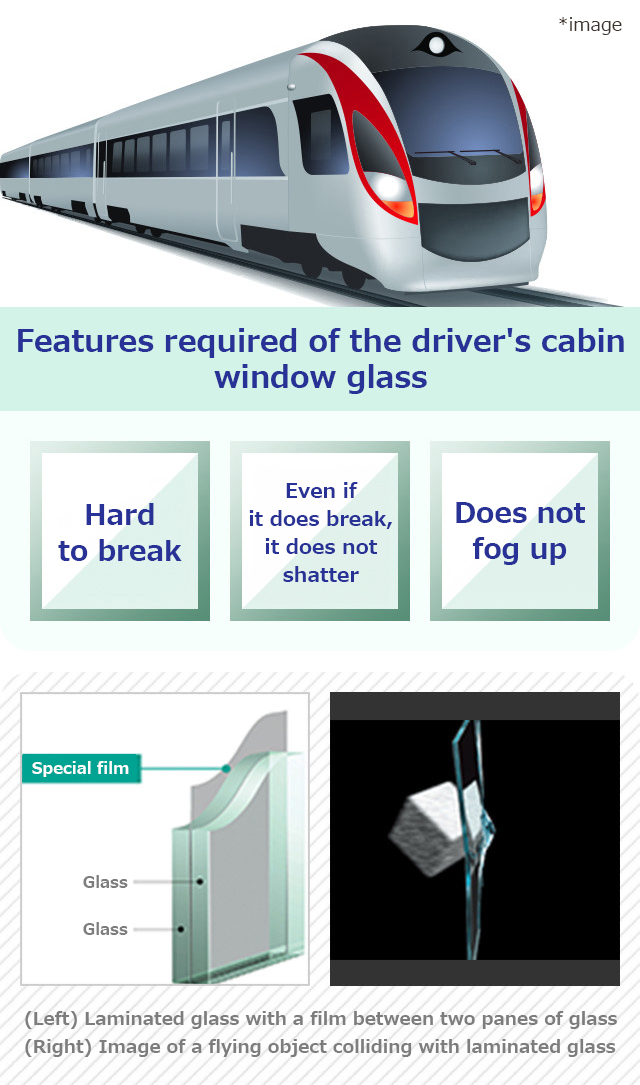
Credit: www.agc.com
Regulations And Standards
Vehicle safety glass is not random. It follows strict rules to keep passengers safe. These rules come from global and local authorities. They guide how glass is made and tested. Understanding these regulations helps us know why certain glass types are used.
Safety Requirements
Safety glass must protect passengers during crashes. It should not break into sharp pieces. Laminated glass and tempered glass are common types. Laminated glass holds together when cracked. Tempered glass shatters into small, dull pieces. These features meet safety rules for vehicles.
Testing Procedures
Glass undergoes many tests before use. Impact tests check if glass can resist hits. Temperature tests ensure glass stays strong in heat and cold. Visibility tests confirm clear vision for drivers. These checks make sure glass performs well in real conditions.
Global Compliance
Different countries have their own rules. Many follow United Nations standards. These standards cover strength, durability, and safety. Manufacturers must meet these rules to sell cars worldwide. This keeps vehicle glass consistent and safe everywhere.
Maintenance And Replacement Tips
Proper care of vehicle safety glass helps keep it strong and clear. Small problems can turn into big ones without attention. Knowing when to fix or replace glass keeps you safe on the road.
Identifying Damage
Check your glass often for cracks, chips, or scratches. Even tiny chips can grow over time. Pay attention to any changes in visibility through the glass. Dirt or moisture trapped inside can cause more damage.
Repair Vs. Replacement
Minor chips or cracks often need simple repairs. Repairs stop damage from spreading and save money. Large cracks or broken glass require full replacement. Replacement ensures the glass meets safety standards again.
Professional Services
Experts have the right tools and skills for glass care. They can spot hidden damage that you might miss. Professionals use special materials to repair or replace glass safely. Trust trained technicians to protect your vehicle and passengers.

Credit: tintacademy.store
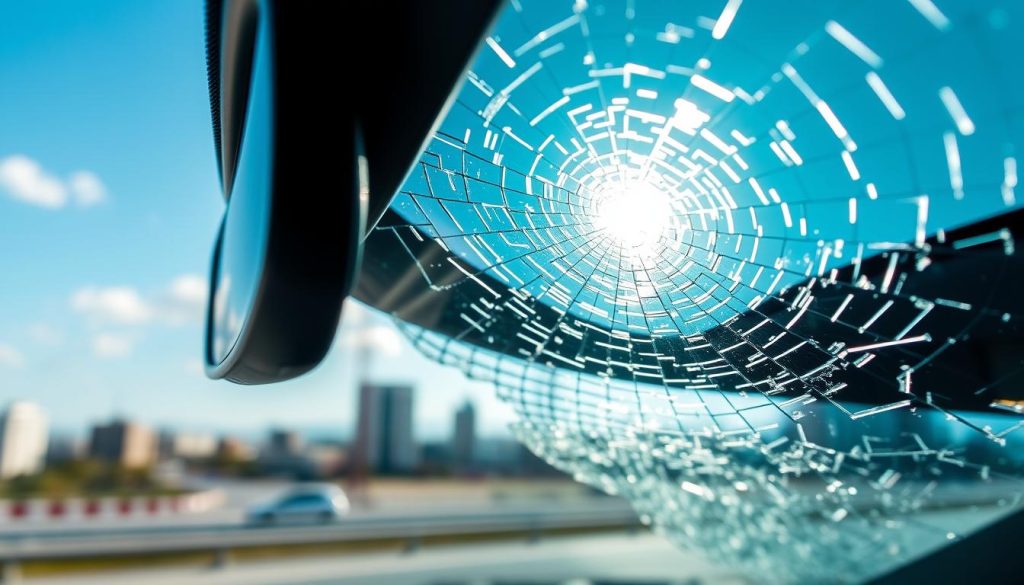
Credit: miracleagc.com
Frequently Asked Questions
What Types Of Safety Glass Are Used In Vehicles?
Vehicles primarily use laminated and tempered safety glass. Laminated glass is used for windshields and consists of two glass layers with a plastic interlayer. Tempered glass is used for side and rear windows. It shatters into small, blunt pieces to reduce injury risk.
Why Is Laminated Glass Preferred For Windshields?
Laminated glass stays intact upon impact due to its plastic interlayer. This prevents glass shards from injuring passengers. It also provides better sound insulation and UV protection, making it ideal for windshields.
How Does Tempered Glass Improve Vehicle Safety?
Tempered glass is heat-treated to increase strength. Upon impact, it breaks into small, blunt fragments. This reduces the chance of serious cuts and injuries in crashes, making it suitable for side and rear windows.
Can Safety Glass Reduce Accident Injuries?
Yes, safety glass significantly reduces injury risk. Laminated glass prevents ejection and glass shards from flying inside. Tempered glass breaks safely, minimizing cuts. Both types protect passengers during collisions.
Conclusion
Safety glass plays a key role in vehicle protection. Laminated glass helps keep passengers safe during crashes. Tempered glass breaks into small pieces to reduce injury. Each type has a special job in cars. Choosing the right glass improves overall safety on the road.
Understanding these types helps you appreciate vehicle design better. Safety glass keeps drivers and passengers secure every day. It’s a small part with a big impact.
Leave a Reply