Have you ever wondered what kind of glass keeps your car’s side windows safe and clear? The glass in your side windows does more than just let you see outside—it protects you from weather, noise, and even accidents.
Knowing what type of glass is used can help you understand your car better and keep it in top shape. You’ll discover the different types of glass used in side windows and why they matter for your safety and comfort.
Keep reading to find out what makes your side windows special and how they work to protect you every time you hit the road.
Types Of Glass For Side Windows
Side windows use different types of glass to meet safety, comfort, and style needs. Each glass type has special features. These features affect how strong, clear, or private the window is. Understanding these types helps choose the right glass for side windows.
Tempered Glass
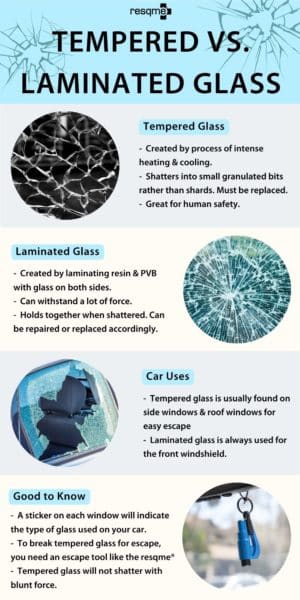
Tempered glass is strong and breaks into small pieces. This reduces the risk of injury. It is heat-treated to increase strength. Cars often use tempered glass for side windows. It resists impacts and sudden temperature changes well.
Laminated Glass
Laminated glass has two layers with a plastic film between. This keeps the glass in place if it breaks. It offers extra security and sound insulation. Many vehicles use laminated glass for side windows to improve safety and reduce noise.
Tinted And Privacy Glass
Tinted glass reduces sunlight and heat inside the vehicle. It helps keep the interior cool and protects from UV rays. Privacy glass is darker and prevents others from seeing inside. Both types add comfort and privacy for passengers.
Acoustic Glass
Acoustic glass reduces outside noise for a quieter cabin. It combines layers of glass and soundproofing materials. Drivers and passengers enjoy a calm environment. This glass type is common in luxury vehicles and high-end models.
Benefits Of Tempered Glass
Tempered glass is a popular choice for side windows in cars and buildings. It offers many benefits that improve safety and durability. This type of glass is treated with heat to make it stronger and safer than regular glass. Here are some key benefits of tempered glass.
Safety Features
Tempered glass breaks into small, blunt pieces. These pieces are less likely to cause injury. This makes tempered glass safer in accidents or breakage. It helps protect passengers and people nearby from sharp cuts. It also reduces the chance of serious damage from flying glass shards.
Durability And Strength
Tempered glass is stronger than regular glass. It can resist impacts and pressure better. This strength helps side windows withstand stones, debris, and rough conditions. It also handles changes in temperature without cracking. The durability means it lasts longer and needs fewer repairs.
Cost Considerations
Tempered glass costs more than standard glass. The manufacturing process is more complex. Despite the higher price, it saves money over time. Less damage and fewer replacements reduce long-term costs. Its safety benefits also add value beyond just price.
Advantages Of Laminated Glass
Laminated glass is a popular choice for side windows in many vehicles. It offers several benefits that enhance safety and comfort. This type of glass is made by bonding two layers of glass with a plastic layer in between. This unique structure provides distinct advantages over regular glass.
Impact Resistance
Laminated glass holds together when it breaks. The plastic layer keeps shards from flying. This reduces injury risk during accidents. It also helps prevent thieves from easily breaking the window. This makes vehicles safer and more secure.
Uv Protection
Laminated glass blocks most harmful UV rays. This protects passengers from sun damage. It also prevents the car’s interior from fading. UV protection helps keep the cabin cooler. This adds comfort on sunny days.
Noise Reduction
The plastic layer in laminated glass reduces outside noise. It creates a quieter ride inside the vehicle. This is useful in busy or noisy areas. Less noise means a more pleasant driving experience.

Credit: www.safelite.com
Choosing Glass Based On Vehicle Type
Choosing the right glass for side windows depends on the vehicle type. Different vehicles need different glass features. These features match the vehicle’s use and safety needs. Understanding these differences helps pick the best glass.
Passenger Cars
Passenger cars often use tempered glass for side windows. This glass breaks into small pieces on impact. It reduces injury risk to passengers. Tempered glass is cost-effective and strong enough for daily use. It also offers good visibility and comfort.
Suvs And Trucks
SUVs and trucks usually require tougher glass. Laminated glass is common for these vehicles. It holds together when broken, adding security. This glass helps protect occupants in rough driving conditions. It also reduces noise and blocks UV rays.
Luxury Vehicles
Luxury vehicles often use laminated glass for side windows. This glass improves sound insulation inside the car. It adds extra safety in accidents. Some luxury cars use special tinted or acoustic glass. These options increase comfort and privacy for passengers.
Installation And Maintenance Tips
Proper installation and regular maintenance keep side windows safe and clear. These steps help prevent damage and extend window life. Follow simple tips to keep your car’s side glass in top shape.
Proper Installation Methods
Use the correct tools for side window installation. Clean the window frame before placing the glass. Align the glass carefully to avoid gaps. Secure the glass firmly with the right adhesive. Check for leaks after installation.
Routine Care
Clean side windows with mild soap and water. Avoid harsh chemicals that may damage the glass. Use a soft cloth to prevent scratches. Check seals regularly for cracks or wear. Lubricate window tracks to ensure smooth movement.
When To Replace Side Window Glass
Replace glass if you see cracks or chips. Cloudy or scratched glass reduces visibility. Difficulty opening or closing windows can signal damage. Replace broken seals that cause water leaks. Address any damage quickly to stay safe.
Credit: resqme.com
Legal And Safety Regulations
Side windows on vehicles must follow strict legal and safety rules. These rules protect passengers and drivers. They also ensure that glass meets safety standards. Understanding these regulations helps you know what type of glass is used. It also explains why certain glass types are chosen over others.
Federal And State Standards
Federal laws set basic safety rules for vehicle windows. These rules apply across all states. States may have additional rules for side window glass. These laws cover glass strength, thickness, and shatter resistance. The goal is to reduce injuries during accidents. Side window glass must pass tests before it can be used. This ensures it meets safety needs.
Tinting Laws
Many drivers like to tint their side windows. Tinting can reduce glare and heat inside the car. Each state has its own rules about window tint darkness. Some states allow only light tint on side windows. Others may ban tinting on front side windows. These laws protect drivers and pedestrians by keeping visibility clear. Illegal tint can result in fines or vehicle inspection failure.
Safety Compliance
Side windows must be made from safety glass. Most use tempered glass or laminated glass. Tempered glass breaks into small pieces to reduce injury. Laminated glass holds together when broken for extra protection. Manufacturers must certify that windows meet safety standards. This certification ensures the glass can protect occupants in crashes. Regular checks help keep vehicles safe on the road.
Future Trends In Side Window Glass
The side windows of vehicles are evolving with new glass technologies. These changes aim to improve comfort, safety, and environmental impact. The future of side window glass is bright and full of innovation.
New materials and smart features will soon become common. These trends will make rides safer and more enjoyable.
Smart Glass Technology
Smart glass can change its tint based on light or heat. It helps control the temperature inside the vehicle. This reduces the need for air conditioning. Drivers and passengers get better comfort and privacy. Some smart glass can even block harmful UV rays. This technology is becoming more affordable and practical for side windows.
Improved Safety Materials
Safety is a top priority for all car makers. Future side windows will use stronger, more durable glass. Laminated glass will become more common. It holds together when broken, reducing injury risks. Some glass may include sensors to detect cracks or impacts early. This allows faster repairs and better protection. The focus is on preventing accidents and protecting passengers.
Sustainability In Glass Manufacturing
Making glass uses a lot of energy and resources. New methods aim to reduce waste and carbon emissions. Recycled glass is becoming a key material in production. Eco-friendly manufacturing processes save energy and water. This helps reduce the overall environmental footprint. Car makers are also choosing suppliers who follow green practices. Sustainable glass supports a cleaner future for transportation.

Credit: windowsdoorsmanufacturer618639074.wordpress.com
Frequently Asked Questions
What Type Of Glass Is Used In Car Side Windows?
Car side windows typically use tempered glass. This glass is heat-treated to increase strength. It shatters into small, blunt pieces for safety. Tempered glass balances visibility, durability, and safety for side windows.
Why Is Tempered Glass Preferred For Side Windows?
Tempered glass is preferred because it is strong and safe. It resists impact better than regular glass. When broken, it crumbles into small pieces, reducing injury risk. This makes it ideal for car side windows.
How Does Laminated Glass Differ From Tempered Glass?
Laminated glass has two layers with a plastic layer in between. It holds together when broken, preventing glass shards from scattering. Tempered glass, by contrast, breaks into small pieces. Laminated glass is mostly used in windshields, not side windows.
Are Side Windows Made Of Safety Glass?
Yes, side windows use safety glass, usually tempered glass. It is designed to minimize injury during accidents. Safety glass meets strict automotive safety standards for strength and breakage. This protects passengers effectively.
Conclusion
Side windows use toughened or laminated glass for safety and strength. Toughened glass breaks into small pieces to avoid injury. Laminated glass holds together when cracked, adding extra protection. These types also help reduce noise and block some sunlight. Choosing the right glass improves comfort and security in your vehicle.
Understanding glass types helps you make smart decisions for repairs or upgrades. Safe driving starts with knowing what keeps you protected on the road.
Leave a Reply