Have you noticed cracks on your windshield and wondered if you need a full replacement? Not all cracks are the same, and knowing which ones require immediate action can save you time, money, and even keep you safe on the road.
You’ll learn exactly what types of cracks mean it’s time to replace your windshield—and which ones might still be repairable. Keep reading to protect your car and yourself from unexpected dangers.
Common Windshield Crack Types
Windshield cracks come in various shapes and sizes. Knowing the common types helps decide if replacement is needed. Some cracks are small and harmless. Others can spread fast and block your view. Understanding these cracks keeps you safe on the road.
Chip Cracks
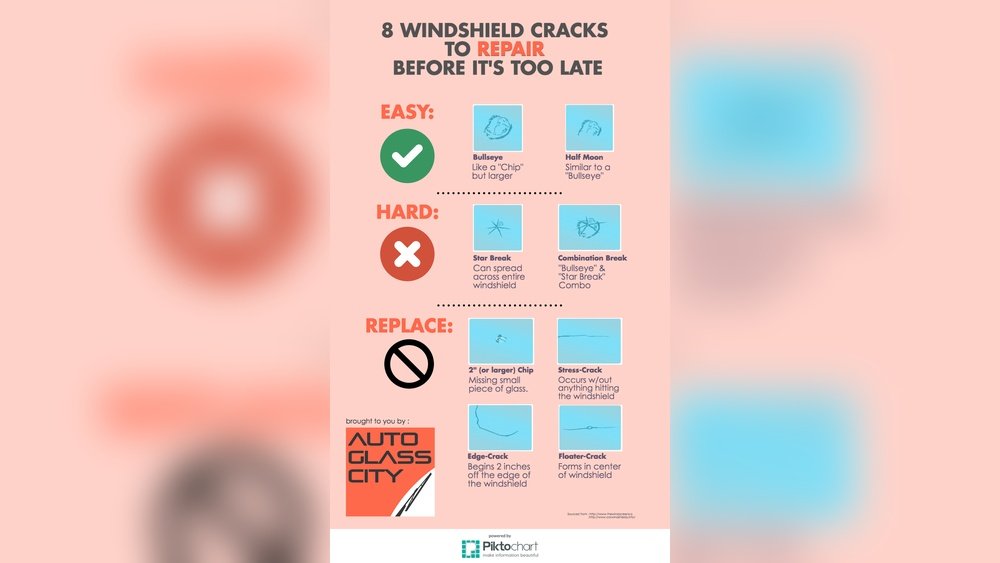
Chip cracks look like small dots on the glass. They happen when a tiny rock hits the windshield. Usually, chips are less than an inch wide. Small chips can sometimes be repaired. But chips in the driver’s line of sight often need replacement.
Bullseye Cracks
Bullseye cracks have a circular shape with a dark center. They look like a target or a bullseye. These cracks are caused by strong impacts. Bullseye cracks often weaken the glass. They can grow and cause visibility problems.
Star Cracks
Star cracks have lines radiating from the center. They look like a star shape on the glass. These cracks happen from sharp hits or stress. Star cracks can spread quickly. They usually require fast repair or replacement.
Combination Cracks
Combination cracks include more than one type of crack. They mix chips, bullseyes, and star cracks. These are the most complex and dangerous cracks. Combination cracks weaken the windshield a lot. Replacement is often the safest option.

Credit: www.krygerglass.com
Size And Location Impact
The size and location of a crack play a big role in deciding if a windshield needs replacement. Small cracks in the right spot might only need repair. Larger cracks or cracks in certain places often require a full replacement. Understanding these details helps keep your windshield safe and clear.
Crack Length Limits
Cracks longer than six inches usually need replacement. Small cracks under three inches can often be repaired. Cracks between three and six inches may need expert advice. Longer cracks spread faster and weaken the glass structure.
Edge Vs Center Cracks
Cracks near the edge of the windshield are more dangerous. They can cause the glass to break more easily. Center cracks are less risky but still need attention. Edge cracks often require replacement to keep the glass stable.
Cracks Near Sensors Or Cameras
Modern windshields have sensors and cameras for safety systems. Cracks near these parts can affect their function. Even small cracks here may need full windshield replacement. Proper sensor alignment is critical for driving safety features.
Safety Concerns With Cracks
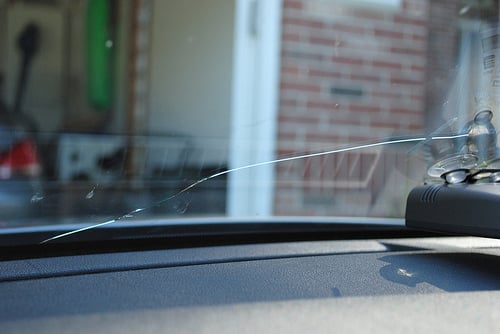
Cracks in a windshield are more than just an eyesore. They can lead to serious safety problems. Understanding these risks helps decide if a replacement is necessary. Some cracks weaken the glass, while others block the driver’s view. Both affect driving safety and car performance.
Structural Integrity Risks
The windshield helps keep the car strong. A crack can weaken this support. This makes the car less safe in crashes. The glass may break easily under pressure. This puts passengers at greater risk of injury.
Visibility Issues
Cracks can block or distort your view. This makes it hard to see the road clearly. Small cracks can grow and spread over time. Driving with poor visibility increases the chance of accidents. Clear vision is critical for safe driving.
Airbag Deployment Impact
The windshield supports airbag deployment. A damaged windshield may fail in this role. Cracks can cause airbags to deploy incorrectly. This reduces protection in a crash. A sturdy windshield helps airbags work properly.
Credit: www.waxwerks.com
When Repair Is Enough
Knowing when a windshield crack can be repaired saves time and money. Not every crack needs a full windshield replacement. Some small cracks can be fixed easily and safely. Repairing these cracks helps keep the glass strong and clear. It also prevents the damage from getting worse. Understanding the limits of repair helps you make the right choice.
Small Crack Repair Criteria
Cracks smaller than three inches often qualify for repair. Chips or bullseye cracks under this size are good candidates. The damage should not be in the driver’s line of sight. The crack must not reach the edge of the windshield. Multiple cracks close together may require replacement instead. Clear and dry damage is easier to fix well.
Cost Benefits Of Repair
Repairing a small crack costs less than replacing the windshield. Insurance often covers repair with no deductible. Repairs take less time, usually under an hour. Fixing cracks early avoids full replacement later. It helps maintain the original factory glass. This keeps the car’s value higher over time.
Repair Limitations
Large cracks or those longer than six inches need replacement. Cracks in the driver’s view can blur vision after repair. Deep cracks that penetrate the glass layers are unsafe to fix. Windshield damage near the edges weakens the glass structure. Old or dirty cracks may not bond well with repair resin. In these cases, replacement is the safer option.
Signs You Need Replacement
Knowing the signs that your windshield needs replacement can save you money and keep you safe. Not all cracks require a full replacement, but some do. Recognizing the right signs helps you act quickly. Below are key indicators that a windshield replacement is necessary.
Crack Growth Patterns
Cracks that grow larger over time need immediate attention. Small chips may stay the same, but some cracks spread fast. Temperature changes and bumps can make cracks longer. Once a crack reaches several inches, replacement is often the best choice. Stopping crack growth is very hard.
Multiple Cracks
Having more than one crack weakens the windshield a lot. Even small cracks add up and reduce strength. Multiple cracks make repairs less effective. When cracks appear in several places, replacement keeps the glass safe. A windshield with many cracks cannot protect you well.
Cracks Affecting Driver’s View
Cracks in the driver’s line of sight are dangerous. They block or blur vision, risking accidents. Repairs cannot fully clear cracks in this area. Replacement restores clear vision and safety. Any crack that distracts or hides the road needs a new windshield.

Credit: www.acg.aaa.com
Professional Inspection Tips
Professional inspection plays a key role in deciding if a cracked windshield needs replacement. Experts assess the damage carefully. This helps avoid costly mistakes. They check the size, location, and depth of cracks. Knowing these details guides the repair or replacement choice. Below are tips to understand this process better.
Choosing A Reliable Technician
Pick a technician with proper training and experience. Check for certifications and positive reviews. A skilled technician uses the right tools. They follow safety standards strictly. Trustworthy experts explain the problem clearly. They answer questions patiently. This ensures you feel confident about the service.
Inspection Procedures
The technician cleans the windshield first. Dirt can hide cracks or chips. Then, they measure the crack length and width. Cracks longer than six inches often need replacement. The location matters too. Cracks near the edges weaken the glass more. Depth is checked using special tools. Deep cracks usually mean the glass is unsafe.
Estimating Repair Vs Replacement
Small cracks or chips can often be repaired. Repairs save money and keep the glass strong. Large or deep cracks usually require replacement. Repairs might not hold if damage is severe. The technician compares costs and safety risks. They suggest the best option for your car. Your safety comes first in every decision.
Preventing Future Windshield Damage
Preventing future windshield damage helps keep your car safe and saves money. Small cracks can grow fast without care. Taking steps to protect your windshield lowers the chance of needing a full replacement. Simple habits and regular checks make a big difference.
Safe Driving Habits
Drive carefully on rough roads and avoid potholes. Keep a safe distance from other cars to avoid flying stones. Slow down when behind trucks or construction vehicles. Avoid sudden stops that can stress the windshield. These habits reduce the risk of chips and cracks.
Protective Films And Treatments
Use protective films to shield your windshield from small debris. These films add a layer of strength against impacts. Treatments can also help repel water and dirt. This keeps your glass clearer and less likely to develop damage. Applying these is an easy way to protect your investment.
Regular Maintenance Checks
Check your windshield often for small chips or cracks. Repair minor damage quickly before it worsens. Clean the glass with gentle, non-abrasive products. Inspect windshield wipers and replace them if worn out. Regular care prevents damage from growing and extends windshield life.
Frequently Asked Questions
What Types Of Windshield Cracks Need Replacement?
Long cracks over 12 inches usually need windshield replacement. Star-shaped or multiple cracks also require replacement. Small chips can often be repaired but extensive damage compromises safety.
Can A Windshield With A Bullseye Crack Be Repaired?
Bullseye cracks under 1 inch can often be repaired. Larger bullseye cracks weaken the glass and need replacement. Prompt repair prevents crack expansion and maintains windshield strength.
When Do Edge Cracks Require Windshield Replacement?
Edge cracks often spread quickly and weaken the glass. Cracks touching the windshield’s edge typically require replacement. Repair is risky as it may not restore full strength.
Are Multiple Cracks A Sign For Windshield Replacement?
Multiple cracks indicate severe windshield damage and usually require replacement. Repairing multiple cracks is difficult and may not restore safety. Replacement ensures structural integrity and driver visibility.
Conclusion
Cracks that spread or are large need windshield replacement. Small chips or cracks near the edge can grow fast. Driving with damaged glass is unsafe and risky. Replacing the windshield keeps you and others protected. Always check cracks carefully and act quickly.
A clear, strong windshield helps you see the road well. Don’t ignore damage—it can get worse over time. Safety matters most when it comes to your car.
Leave a Reply