When it comes to your vehicle, safety should always come first. But have you ever wondered what makes your auto glass strong enough to protect you on the road?
Understanding the safety standards that apply to auto glass can give you peace of mind every time you drive. You’ll discover the key rules and regulations that keep your windshield and windows safe and reliable. Knowing these standards helps you make smarter choices when it’s time to repair or replace your auto glass—because your safety truly depends on it.
Keep reading to find out what you need to know to protect yourself and your loved ones.
Auto Glass Safety Basics
Auto glass plays a crucial role in vehicle safety. It protects passengers from wind, debris, and accidents. Understanding the basics of auto glass safety helps drivers make smart choices. This knowledge ensures that the glass installed meets strict safety rules.
Types Of Auto Glass
There are mainly two types of auto glass. The first type is laminated glass. It has a plastic layer between two glass sheets. This design keeps glass pieces together if broken. The second type is tempered glass. It is heat-treated to be strong. Tempered glass breaks into small, blunt pieces to reduce injury risk.
Importance Of Safety Standards
Safety standards protect drivers and passengers in crashes. They make sure the glass can handle impact and pressure. Standards require auto glass to pass tests for strength and durability. Proper glass reduces the chance of injury during accidents. Following these rules is key to road safety.
Key Safety Standards
Auto glass safety is controlled by key standards worldwide. These rules protect drivers and passengers. They ensure glass can handle impacts and reduce injuries. Understanding these standards helps buyers and installers choose safe products.
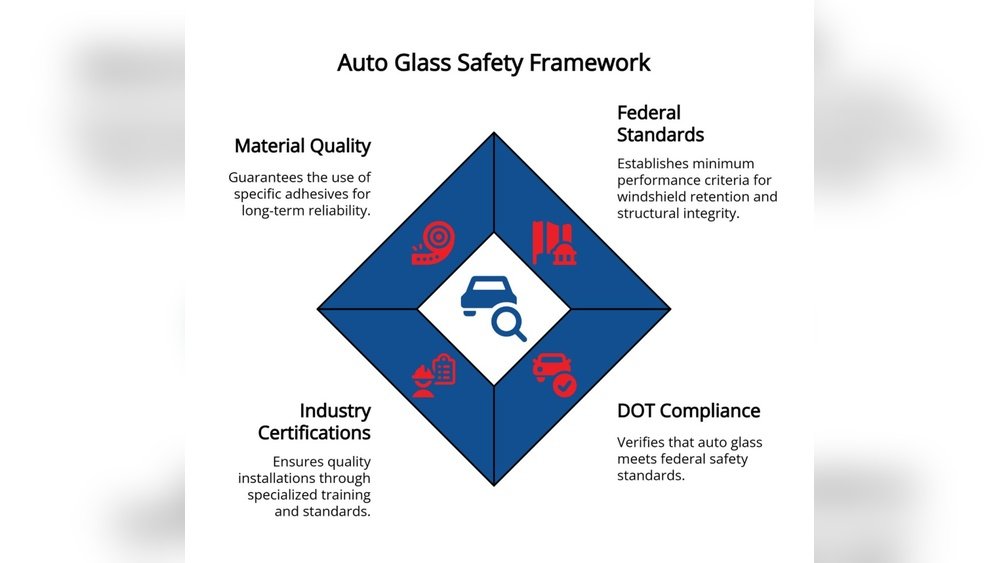
Federal Motor Vehicle Safety Standards (fmvss)
FMVSS is a set of rules in the United States. It defines how auto glass must perform. The focus is on strength and shatter resistance. For example, windshields must prevent sharp glass pieces from flying. These standards help reduce accidents and injuries.
American National Standards Institute (ansi)
ANSI sets guidelines for many products, including auto glass. It sets testing methods to check glass safety. ANSI standards cover thickness, impact resistance, and clarity. Many manufacturers use these rules to meet quality requirements.
European Ece Regulations
ECE regulations apply in Europe and many other countries. They cover all vehicle glass types. These rules require glass to resist impacts and not injure passengers. ECE also sets rules on light transmission and visibility. These standards improve road safety across regions.
Material And Manufacturing Requirements
Auto glass must meet strict material and manufacturing rules. These rules ensure safety and durability. The glass must be strong enough to protect passengers. It also must not break into sharp pieces. Different types of glass have unique properties and uses in vehicles.
Manufacturers follow these standards to keep drivers safe. The glass undergoes tests to check its strength and quality. These requirements help prevent accidents and injuries on the road.
Laminated Vs Tempered Glass
Laminated glass has two layers of glass with plastic in between. This plastic holds the glass if it breaks. It stays mostly in one piece, preventing sharp shards. Laminated glass is used for windshields. It provides clear vision and strong protection.
Tempered glass is heat-treated to become stronger. It breaks into small, blunt pieces. These pieces reduce the risk of cuts. Tempered glass is common for side and rear windows. It offers safety and durability in crashes.
Impact Resistance Tests
Glass must pass impact resistance tests. These tests check how well the glass can handle hits. A weight or ball drops on the glass. The glass must resist breaking or cracking badly. This ensures the glass protects passengers during accidents.
Tests also measure how glass holds together after breaking. Laminated glass should not shatter into sharp pieces. Tempered glass should crumble safely. Passing these tests proves the glass meets safety rules.

Credit: www.portlandglass.com
Installation And Repair Guidelines
Auto glass installation and repair require strict safety standards. These rules protect drivers and passengers from harm. Following proper guidelines ensures the glass fits securely and works correctly. It also helps keep the car’s structure strong during accidents. Understanding these standards is important for anyone involved in auto glass work.
Certified Installation Procedures
Certified installers follow exact steps to place auto glass. They clean the frame and check for damage before installation. Using the right adhesives is critical for a strong bond. Installers apply adhesives evenly and allow proper curing time. They also ensure glass fits perfectly to avoid leaks or cracks. Certification means installers meet industry safety and quality rules.
Approved Repair Techniques
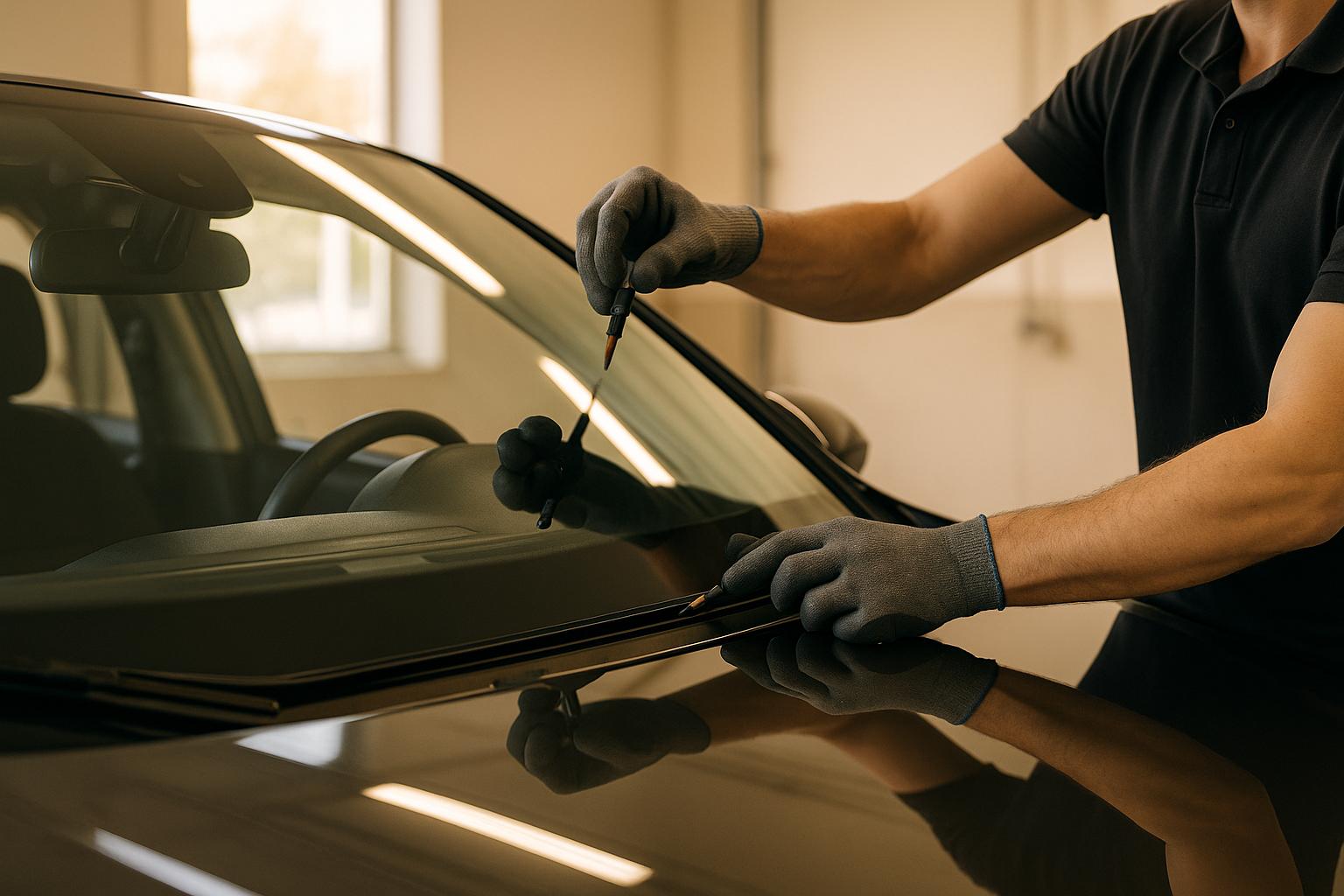
Repairing auto glass requires approved methods to keep safety intact. Small chips and cracks get repaired with special resins. These resins strengthen the glass and prevent damage from spreading. Technicians must clean and dry the damaged area before repair. They use tools designed to inject resin properly. Approved repairs restore glass clarity and durability without replacing it.
Inspection And Compliance
Auto glass safety depends on strict inspection and compliance rules. These rules ensure glass used in vehicles is strong and safe. Regular checks keep glass free from damage that could cause accidents. Compliance with safety standards helps protect drivers and passengers.
Regular Inspection Protocols
Auto glass must be inspected often. Experts check for cracks, chips, and other damage. Even small flaws can weaken the glass. Inspections follow clear steps to spot risks early. Safety checks occur during vehicle servicing and after accidents. Inspectors use tools to measure damage size and location. This process helps decide if repair or replacement is needed. Regular inspections prevent bigger problems and keep cars safe on the road.
Certification Labels And Markings
Certified auto glass carries special labels. These labels show the glass meets safety rules. They include manufacturer details and safety codes. Labels prove the glass passed quality tests. Drivers can trust certified glass for strength and clarity. Markings also indicate the type of glass, like laminated or tempered. Proper markings ensure the glass fits the vehicle’s safety design. Checking these labels helps avoid fake or unsafe glass parts.
Credit: www.customcollisiontn.com
Emerging Trends In Auto Glass Safety
Auto glass safety is evolving with new technologies and materials. These changes aim to protect passengers better during accidents. Innovations improve visibility, strength, and damage resistance.
Car manufacturers and safety experts focus on smarter, stronger glass. These updates help meet stricter safety standards worldwide. The goal is to reduce injuries from glass breakage and improve overall vehicle safety.
Smart Glass Technologies
Smart glass changes its properties based on conditions. It can tint automatically to reduce glare. This helps drivers see clearly in bright sunlight.
Some smart glass types can display information directly on the windshield. This keeps drivers informed without looking away. Such technology supports safer driving and quick decisions.
Smart glass can also control heat inside the car. It blocks harmful UV rays, protecting passengers and interior materials. These features enhance comfort and safety.
Enhanced Impact Absorption
New glass materials absorb impacts better than before. They reduce the chance of shattering on collision. This lowers the risk of cuts from broken glass.
Laminated glass layers improve strength and hold shards in place. This design keeps the windshield intact longer during crashes. It supports the vehicle’s structure and protects occupants.
Manufacturers use special polymers between glass layers. These polymers add flexibility and absorb shock energy. The result is safer, more durable auto glass.

Credit: agsc.org
Frequently Asked Questions
What Are The Main Safety Standards For Auto Glass?
Auto glass safety standards include Federal Motor Vehicle Safety Standard (FMVSS) 205. This standard regulates windshield strength and visibility. It ensures glass resists impact and shattering for occupant protection. Laminated and tempered glass types meet these requirements to enhance driver and passenger safety.
How Does Fmvss 205 Protect Vehicle Occupants?
FMVSS 205 mandates windshields to be laminated for better impact resistance. It ensures glass does not shatter into sharp pieces upon collision. This reduces injury risks from broken glass. It also maintains clear visibility to prevent accidents.
Are All Auto Glass Replacements Required To Meet Safety Standards?
Yes, replacement auto glass must comply with FMVSS 205. Certified manufacturers provide glass tested for strength and durability. Using non-certified glass can compromise safety and legal compliance. Always choose certified auto glass for replacements.
What Role Does Laminated Glass Play In Auto Safety?
Laminated glass has a plastic layer between glass sheets. This layer keeps glass intact during impact, preventing shards. It enhances crash safety by reducing occupant injuries. Laminated glass is mandatory for windshields under safety regulations.
Conclusion
Auto glass safety standards protect drivers and passengers every day. These rules ensure glass is strong and breaks safely. Choosing glass that meets these standards helps avoid injuries. It also keeps your vehicle legal and reliable. Always check for proper certification before any replacement.
Safety matters more than just looks or cost. Stay informed to keep yourself and others safe on the road. Trust only quality auto glass for peace of mind.
Leave a Reply