When you think about car safety, you probably focus on airbags and seat belts. But have you ever considered how much glass can protect you in a side impact?
The windows and doors around you do more than just let light in—they play a crucial role in keeping you safe during a crash. Understanding how glass safety works could make a real difference in your protection on the road.
Keep reading to discover why the right glass matters and how it helps shield you when every second counts.

Credit: www.maxautoglass.com
Side Impact Risks
Side impact crashes pose serious dangers to vehicle occupants. These collisions hit the car’s side, where less space exists to absorb force. The risk of injury rises sharply because side areas often lack strong barriers like those in front or rear impacts.
Glass safety plays a key role in reducing harm during these crashes. Proper glass design helps keep passengers inside and prevents sharp shards from causing cuts. Understanding where impacts happen and what injuries occur clarifies why glass matters so much.
Common Injuries In Side Collisions
Side crashes often cause injuries to the head, chest, and abdomen. Passengers may suffer broken ribs or bruised lungs from the force. The head can hit windows or door frames, leading to concussions or cuts.
Glass shards can cause deep wounds or eye injuries. Without strong safety glass, these risks increase. Side airbags and reinforced glass help lower injury chances by cushioning blows and blocking glass fragments.
Impact Zones On Vehicle Sides
Side impact zones include doors, windows, and pillars. Doors absorb most of the crash force, but windows often shatter. Pillars support the roof but are thinner than front or rear frames.
Glass in windows and doors must be strong yet break safely. Laminated glass stays mostly intact, while tempered glass breaks into small pieces. Both types reduce harm but serve different safety functions.
Glass Types In Vehicles
Vehicles use different types of glass to protect passengers during side impacts. Each glass type has unique features that help reduce injuries. Understanding these glass types shows how they improve safety.
Glass in cars is designed to stay strong or break safely during crashes. This reduces the chance of sharp glass pieces harming people inside the vehicle.
Tempered Glass Features
Tempered glass is heat-treated to become very strong. It breaks into small, blunt pieces that are less likely to cause cuts. This glass is often used in side and rear windows.
Its quick shattering helps passengers escape after an accident. The glass does not stay in large sharp shards that can hurt people.
Laminated Glass Benefits
Laminated glass has a plastic layer between two glass sheets. This layer holds the glass together if it breaks. It is mostly used in windshields but is also found in some side windows.
This glass stops objects from entering the vehicle during side impacts. It also keeps passengers inside, reducing the risk of ejection. Laminated glass improves overall vehicle safety.
Glass Behavior During Side Impacts
Glass plays a critical role during side impacts in vehicles. It must protect passengers by staying intact and resisting breakage. The way glass behaves affects both safety and injury risk. Understanding glass behavior helps improve vehicle design and passenger protection.
Fracture Patterns
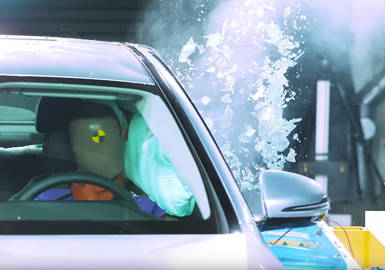
During a side impact, glass can crack in specific ways. The fracture patterns depend on the glass type and impact force. Tempered glass breaks into small, blunt pieces to reduce injury. Laminated glass, used in side windows, cracks but stays mostly in place. This prevents sharp shards from flying inside the car.
Shatter Resistance
Shatter resistance is vital for side impact safety. Laminated glass has a plastic layer between glass sheets. This layer holds broken glass pieces together. It stops glass from falling apart quickly. Shatter-resistant glass protects passengers by maintaining a barrier. It also helps keep passengers inside the vehicle during crashes.
Credit: www.instron.com
Safety Standards For Automotive Glass
Automotive glass plays a crucial role in protecting passengers during side impacts. Safety standards for automotive glass ensure that windows and windshields can withstand crashes and reduce injuries. These standards guide manufacturers to produce glass that breaks safely and keeps the car’s structure intact.
These safety standards cover materials, strength, and impact resistance. They help minimize cuts and ejections during accidents. Understanding these standards shows how much care goes into making cars safer.
Regulatory Requirements
Government agencies set rules for automotive glass to protect drivers and passengers. These rules require glass to meet specific strength and safety levels. Different countries have their own regulations, but all aim to reduce injury risks.
For example, the United States follows Federal Motor Vehicle Safety Standard 205. Europe uses the ECE Regulation 43. These regulations define what type of glass is allowed in vehicles and how it must perform.
Manufacturers must follow these laws to sell cars legally. Meeting these requirements means the glass has passed strict safety checks.
Testing Procedures
Testing is key to ensuring automotive glass meets safety standards. Labs use special machines to simulate side impacts. They drop heavy objects or use air blasts to test glass strength.
Tests check how glass breaks and how much force it can take. Tempered glass is designed to shatter into small, less dangerous pieces. Laminated glass holds together even if cracked.
These procedures help find weak points and improve glass designs. Only glass that passes all tests gets approval for cars.
Advancements In Glass Technology
Glass technology has improved a lot in recent years. These changes help protect people during side impacts in vehicles. Stronger, smarter glass means better safety for passengers. New materials and designs reduce injuries and keep glass from breaking easily.
Advancements focus on stopping glass from shattering. They also work to control how glass behaves during a crash. These improvements help save lives and reduce cuts from broken glass. Let’s explore key innovations in glass technology for side impact safety.
Smart Glass Innovations
Smart glass changes its properties based on conditions. It can become stronger or softer when needed. This helps absorb impact energy better during a side collision. Some types of smart glass can darken to reduce glare. Others can become more transparent for better visibility. These features improve safety and comfort for passengers.
Enhanced Laminates
Enhanced laminates use multiple layers of glass and plastic. This makes the glass much tougher than regular glass. In a side impact, these layers hold together instead of shattering. This reduces the risk of serious cuts from sharp glass pieces. Laminated glass also keeps passengers inside the vehicle during a crash.
Role Of Glass In Passenger Protection
Glass plays a critical role in protecting passengers during side impacts. It acts as a barrier that helps keep people inside the vehicle. The design and strength of automotive glass reduce the risk of severe injury. Side windows and windshields use special glass that breaks safely under pressure. This safety glass absorbs impact and prevents sharp shards from causing harm.
Preventing Ejection
One main job of safety glass is to stop passengers from being thrown out. During a side impact, strong forces can push occupants toward the windows. Laminated or tempered glass stays mostly intact, holding people inside the car. This reduces the chance of ejection, which often leads to serious or fatal injuries. Keeping passengers inside is vital for their survival and safety.
Minimizing Injury From Debris
Side impacts can cause glass to break and scatter inside the vehicle. Safety glass is designed to break into small, less harmful pieces. Laminated glass holds together, preventing sharp shards from flying. This limits cuts and wounds from debris during a crash. The glass also helps block outside objects from entering the passenger space. This protection lowers the risk of injury from flying debris.
Integration With Other Safety Systems
Glass safety is not just about strong glass. It works closely with other safety parts of a car. This teamwork helps protect passengers during side impacts. Each system supports the glass to reduce injury risks. Together, they create a safer environment inside the vehicle.
Side Airbags And Glass
Side airbags deploy quickly in a side crash. They create a cushion between passengers and the glass. This cushion reduces the chance of glass cutting or hitting the body. The glass is designed to break safely to help airbags work better. Both systems protect the head and chest in a crash.
Structural Reinforcements
Car frames have strong parts near the doors and windows. These reinforcements hold the glass in place during impact. They stop the glass from flying into the cabin. The strong frame also absorbs crash energy, lessening the force on passengers. This support improves how glass safety performs in crashes.

Credit: www.amazon.com
Future Trends In Glass Safety
Glass safety is evolving to better protect passengers in side impacts. New technologies will make car glass stronger and smarter. These advancements aim to reduce injuries and improve crash outcomes. Safety is not just about strength but also about how glass behaves during impact. The future holds promising solutions to enhance this critical car feature.
Nanotechnology Applications
Nanotechnology helps create stronger and lighter glass. Tiny particles improve glass resistance to cracks and shattering. This means glass can absorb more impact force. It also keeps passengers safe from sharp shards. Nanotech coatings can make glass self-cleaning and scratch-resistant too. These features add durability and safety in one package.
Real-time Damage Detection
Smart glass can now detect damage instantly. Sensors embedded in the glass monitor cracks or chips. The system alerts drivers about any glass weakness. Early warnings allow quick repairs before accidents happen. This technology improves safety by preventing sudden glass failure. It also helps maintain the glass’s protective role over time.
Frequently Asked Questions
What Is The Importance Of Glass Safety In Side Impacts?
Glass safety prevents severe injuries by reducing sharp glass shards during side impacts. It absorbs impact forces and maintains cabin integrity. Laminated or tempered glass enhances occupant protection and minimizes ejection risk, crucial for side collisions where space is limited.
How Does Tempered Glass Improve Side Impact Safety?
Tempered glass shatters into small, blunt pieces instead of sharp shards. This reduces injury risk from broken glass during side impacts. It also maintains vehicle structure by resisting breakage under stress, providing better protection for passengers.
Can Laminated Glass Prevent Ejection In Side Crashes?
Yes, laminated glass holds together when shattered, reducing occupant ejection risk. It acts as a barrier during side impacts, maintaining window integrity. This helps keep passengers inside the vehicle, significantly increasing survival chances.
How Does Glass Safety Affect Vehicle Crash Ratings?
Vehicles with advanced glass safety features score higher in crash tests. Glass strength and shatter behavior influence side impact ratings. Safer glass designs contribute to overall occupant protection and better safety evaluations.
Conclusion
Glass safety greatly reduces injuries during side impacts. Strong, well-designed glass helps protect passengers inside vehicles. It keeps sharp pieces from causing harm. Cars with better glass safety offer more peace of mind. Every driver should understand this crucial safety feature.
Choosing vehicles with safe glass can save lives. It’s a simple but important step for road safety. Safety starts with small details like side-impact glass. Stay aware, stay protected, and drive safely.
Leave a Reply