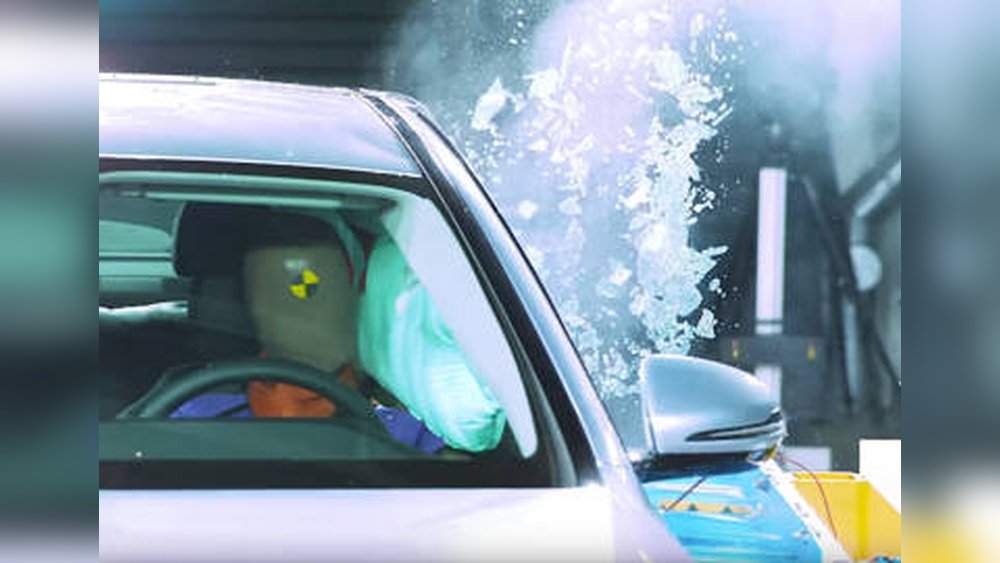
Imagine being in a car accident where every second counts and every detail can save your life. Have you ever stopped to think about how the glass in your vehicle protects you during a frontal crash?
The right kind of glass doesn’t just keep the wind out—it can be the difference between minor cuts and serious injuries. You’ll discover how glass safety plays a crucial role when impact strikes head-on, and why understanding this can change how you look at your car’s design.
Stay with us to learn how your safety depends on more than just seatbelts and airbags.
Glass Types In Vehicles
Vehicle glass plays an important role in safety during frontal crashes. Different types of glass are used in cars to protect passengers. Each glass type has special features that help reduce injuries. Knowing these types helps us understand how glass keeps us safe.
Two main types of glass are used in vehicles: laminated glass and tempered glass. Each type serves a unique purpose in crash protection. Both help keep the car structure strong and protect people inside.
Laminated Glass Features
Laminated glass consists of two glass layers with a plastic layer in between. This plastic layer holds the glass pieces together if it breaks. It prevents sharp shards from flying inside the car. Laminated glass is often used for windshields.
This glass type provides extra strength and blocks harmful UV rays. It helps maintain visibility after impact. In a frontal crash, it stops passengers from being ejected through the windshield. Laminated glass also reduces noise and protects from debris.
Tempered Glass Characteristics
Tempered glass is heat-treated to increase its strength. It is commonly used for side and rear windows. When broken, it shatters into small, blunt pieces. This reduces the risk of deep cuts and injuries.
Tempered glass breaks easily under strong impact to absorb energy. It helps the vehicle structure deform in a controlled way. This deformation protects passengers by reducing force during a crash. Tempered glass also improves visibility and resists scratches.
Credit: www.besafe.com
Glass Behavior In Frontal Crashes
Glass plays a vital role in frontal crashes. It helps protect passengers by controlling breakage and keeping people inside the car. Understanding how glass behaves during a crash reveals its safety function.
Car manufacturers design glass to respond in specific ways during impact. This design reduces injury risks and improves crash survival rates.
Shattering Patterns
Glass breaks in different patterns depending on its type. Tempered glass shatters into small, blunt pieces. This reduces cuts and wounds. Laminated glass, found in windshields, cracks but stays mostly intact. It holds together due to a plastic layer inside. This prevents passengers from being thrown out of the vehicle.
Energy Absorption Role
Glass absorbs some crash energy by cracking and bending. This lowers the force transferred to the passengers. Laminated glass slows down impact by distributing energy across the surface. It acts like a cushion during the crash. Proper glass design helps reduce injuries by softening the blow.
Injury Prevention Through Glass Safety
Glass safety plays a key role in preventing injuries during frontal crashes. Car windows and windshields must protect passengers from sharp glass and keep them inside the vehicle. Proper glass design and materials reduce the risk of cuts and serious harm.
Modern vehicle glass is made to break safely. It controls how glass breaks to avoid dangerous shards. This safety helps reduce injuries and saves lives in crashes.
Reducing Lacerations
Glass can cause deep cuts in crashes. Safety glass shatters into small, blunt pieces, not sharp shards. This lowers the chance of lacerations.
Tempered glass is common in side windows. It breaks into tiny pieces that are less likely to cut skin. Laminated glass, used in windshields, holds together even when cracked, preventing sharp edges.
Minimizing Ejection Risks
Ejection from a vehicle often leads to fatal injuries. Strong glass keeps passengers inside during impact. Laminated windshields resist breaking and help hold occupants inside.
Side windows that resist shattering also reduce ejection chances. Glass safety features work with seat belts and airbags to keep people secure and reduce injury risks.
Regulations And Safety Standards
Glass safety is vital in frontal crashes. Regulations and safety standards guide the design and use of automotive glass. These rules protect passengers by reducing injuries from shattered glass. Understanding these standards helps explain how glass behaves during a crash. It also shows the efforts to improve vehicle safety worldwide.
Global Safety Requirements
Different countries set rules for automotive glass safety. These rules ensure glass meets strong safety limits. For example, many countries require laminated glass for windshields. Laminated glass holds together when broken. This prevents sharp pieces from flying inside the car.
Safety standards also cover side and rear windows. Tempered glass is common for these areas. It breaks into small, less harmful pieces. Global safety requirements aim to reduce injuries in crashes. They also promote consistent safety across vehicles.
Testing Procedures
Glass used in cars must pass strict tests before approval. Tests measure how glass reacts to impact and pressure. One common test drops a steel ball on the glass surface. This simulates real crash forces on the glass.
Other tests check how glass stays in the frame during a crash. Strong adhesion helps keep passengers safe. Testing ensures glass will not shatter dangerously. It also confirms the glass meets safety standards worldwide.
Advancements In Automotive Glass
Automotive glass has improved greatly over the years. These changes help protect drivers and passengers in frontal crashes. Car manufacturers use new glass types to reduce injuries. The glass can absorb impact better and stay in place. These advancements make cars safer and stronger.
Smart Glass Technologies
Smart glass adjusts to light and heat. It darkens or clears based on the sun’s brightness. This helps drivers see better and stay focused. Some smart glass can even block harmful UV rays. In a crash, smart glass can crack safely without sharp pieces. This reduces the chance of cuts and wounds.
Enhanced Durability Materials
New materials make automotive glass tougher. Laminated glass has layers that hold pieces together. This stops glass from shattering into dangerous shards. Tempered glass is heat-treated to be stronger. It breaks into small, less harmful bits during impact. These materials protect the car’s occupants in crashes. They keep the glass intact longer and safer.

Credit: www.ebay.com
Case Studies Of Crash Impact
Case studies of crash impact offer valuable insights into the role of glass safety in frontal crashes. They help us understand how different types of glass behave during collisions. These studies show real situations where glass safety features either helped save lives or failed to protect occupants. By analyzing these incidents, experts can improve car design and safety standards.
Real-world Incident Analyses
One study examined a frontal crash involving tempered glass. The glass shattered into small pieces, reducing the risk of deep cuts. In another case, laminated glass stayed mostly intact, preventing ejection from the vehicle. These examples reveal how glass type affects injury severity. They highlight the importance of using the right glass for safety.
Lessons Learned
Crash analyses teach us that laminated glass offers better protection in frontal impacts. It keeps passengers inside the vehicle and reduces injury risks from flying glass shards. Tempered glass, while shattering safely, may not provide the same level of containment. These lessons guide manufacturers to choose glass that balances strength and safety. Continuous research in crash impact studies drives improvements in glass safety technology.
Future Trends In Glass Safety
Glass safety in cars is evolving fast. New technologies aim to protect passengers better during frontal crashes. The future holds smarter, stronger glass designs. These improvements focus on reducing injuries and improving overall vehicle safety.
Innovative Protective Solutions
Car manufacturers are developing glass that can absorb more impact. Laminated glass with multiple layers adds strength and prevents shattering. Some glasses now include embedded sensors to detect cracks early. These innovations reduce the risk of injury from broken glass.
Integration With Vehicle Safety Systems
Glass safety systems now connect with airbags and seatbelt sensors. This integration helps the car respond faster during a crash. Smart glass can trigger emergency systems to protect passengers better. This teamwork between glass and safety devices saves lives.

Credit: www.newyorker.com
Frequently Asked Questions
What Is The Importance Of Glass Safety In Frontal Crashes?
Glass safety prevents severe injuries by controlling glass breakage. It minimizes sharp shards and helps maintain vehicle structure during impact.
How Does Laminated Glass Improve Crash Protection?
Laminated glass holds together when shattered, reducing glass penetration risks. It protects occupants from debris and helps maintain visibility after impact.
Can Tempered Glass Cause More Injuries In Crashes?
Tempered glass breaks into small, blunt pieces to reduce cuts. However, it can still cause minor injuries compared to laminated glass.
Does Windshield Glass Affect Airbag Effectiveness?
Yes, a secure windshield supports proper airbag deployment. It ensures airbags inflate correctly, protecting occupants during frontal crashes.
Conclusion
Glass safety plays a key role in protecting passengers during frontal crashes. Strong, well-designed glass reduces injuries by staying intact or breaking safely. It helps keep people inside the vehicle and prevents sharp pieces from causing harm. Car manufacturers focus on improving glass quality to enhance overall safety.
Understanding this helps us appreciate how important glass is in crash protection. Safety is not just about airbags and seat belts. Glass matters too. It saves lives in ways many do not see.
Leave a Reply