
You might think a small crack in your windshield is no big deal. But what if ignoring it or handling it the wrong way makes things worse?
Your windshield is more than just glass—it’s a key part of your safety. You’ll learn exactly what not to do when you spot a crack. Avoid costly mistakes and keep yourself safe by reading on. Don’t let a simple crack turn into a dangerous problem.
Common Causes Of Windshield Cracks
Windshield cracks often appear suddenly, but they usually start from common causes. Understanding these causes helps you avoid damage and keep your windshield safe. Cracks can worsen fast if ignored. Knowing what causes them can save money and ensure safe driving.
Impact From Road Debris
Small rocks and debris hit your windshield while driving. These hits create chips or cracks. Even tiny stones can cause damage at high speed. The crack can spread quickly with more impacts or bumps on the road.
Temperature Fluctuations
Heat and cold make your windshield glass expand and contract. Fast changes in temperature cause stress on the glass. For example, pouring hot water on ice can crack it. This stress leads to cracks or worsens existing ones.
Poor Installation Issues
Incorrect windshield installation can cause weak spots. Poor fitting leaves gaps or uneven pressure on the glass. These issues make the windshield more likely to crack. Always choose skilled professionals for installation work.
Risks Of Ignoring A Cracked Windshield
Ignoring a cracked windshield can lead to serious problems. Small damage may seem harmless at first. Yet, it can grow quickly and cause much bigger issues. Understanding the risks helps you act fast and stay safe on the road.
Compromised Structural Integrity
The windshield supports the car’s structure. A crack weakens this support. In a crash, the car may not protect you well. The roof can collapse more easily. Airbags may not work correctly. This increases the chance of injury.
Reduced Visibility And Safety
Cracks block your view of the road. They create glare from sunlight or headlights. This can distract or blind you. Driving becomes more dangerous, especially at night or in bad weather. Clear vision is crucial for safe driving.
Legal Consequences
Many places have laws about windshield damage. Driving with a cracked windshield can lead to fines. Police may stop you for unsafe vehicle conditions. Insurance claims might get denied after accidents. Fixing cracks early avoids legal trouble and costs.
Mistakes To Avoid With A Cracked Windshield
Cracked windshields need care and attention right away. Mistakes can make the damage worse or cause safety problems. Knowing what not to do helps keep you safe and saves money.
Using Diy Repair Kits Incorrectly
DIY kits seem easy and cheap to use. Many people try to fix cracks with these kits without reading instructions. Wrong use can cause bubbles or make cracks bigger. Some cracks need special tools only professionals have. A bad repair can weaken the glass and block your view.
Delaying Professional Inspection
Ignoring cracks is risky. The glass can break while driving, causing accidents. Professionals spot hidden damage that you might miss. Quick inspection helps decide if repair or replacement is needed. Waiting too long often raises repair costs.
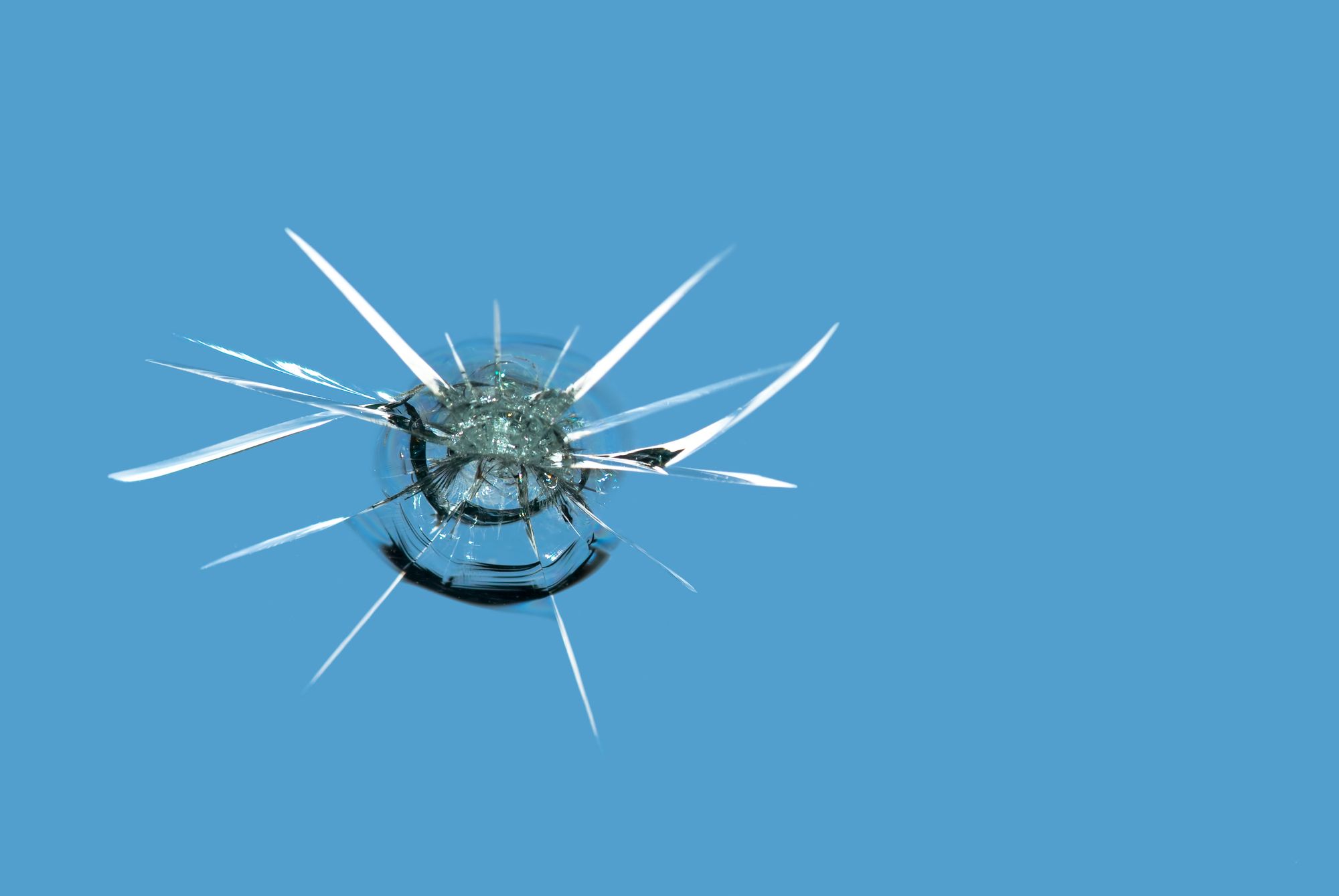
Ignoring Small Chips And Cracks
Small cracks look harmless but grow fast. Dirt and moisture enter cracks and weaken glass. Tiny chips can spread across the windshield in cold or heat. Early repair stops cracks from spreading and saves money on full replacement.
Credit: wrench.com
Why Temporary Fixes Can Backfire
Temporary fixes for a cracked windshield seem like a quick solution. They may appear to stop the crack from growing or keep water out. Many drivers use tapes or sealants hoping to save money. These fixes often cause more problems than they solve. Understanding why temporary fixes can backfire helps protect your car and safety.
Ineffective Sealants And Tapes
Sealants and tapes do not fully seal the crack. Dirt and moisture can still enter through small gaps. This makes the crack worse over time. Most tapes lose stickiness in heat or rain. Sealants may not bond well with glass. These products only cover the problem on the surface.
Risk Of Crack Spreading
Applying tape or glue does not stop crack movement. Changes in temperature and road bumps make cracks grow. Temporary fixes can create pressure points on the glass. This pressure causes the crack to spread faster. The longer a crack grows, the costlier the repair becomes.
False Sense Of Security
Drivers may ignore the crack thinking it is fixed. This false sense of security leads to dangerous driving. A cracked windshield can shatter suddenly during normal use. Waiting too long to get a professional repair increases accident risk. Treat cracks seriously for your safety and others on the road.
Safe Steps After Noticing A Crack
Noticing a crack in your windshield can be stressful. Acting quickly can prevent the damage from getting worse. Safe steps after spotting a crack help protect your safety and save money on repairs.
Taking care of the crack right away avoids bigger problems. Follow simple actions to keep yourself safe and maintain your car’s condition.
Contacting A Certified Repair Service
Call a certified repair service as soon as possible. Experts know how to fix cracks correctly. They use special tools and materials. Professional repair stops the crack from spreading further. Avoid fixing the windshield yourself. Incorrect repairs can cause more damage.
Avoiding Extreme Temperatures
Do not expose your car to very hot or cold weather. Extreme heat or cold makes cracks worse. Park in shaded or covered areas to protect the glass. Avoid washing your car with hot water. Sudden temperature changes can cause the crack to grow.
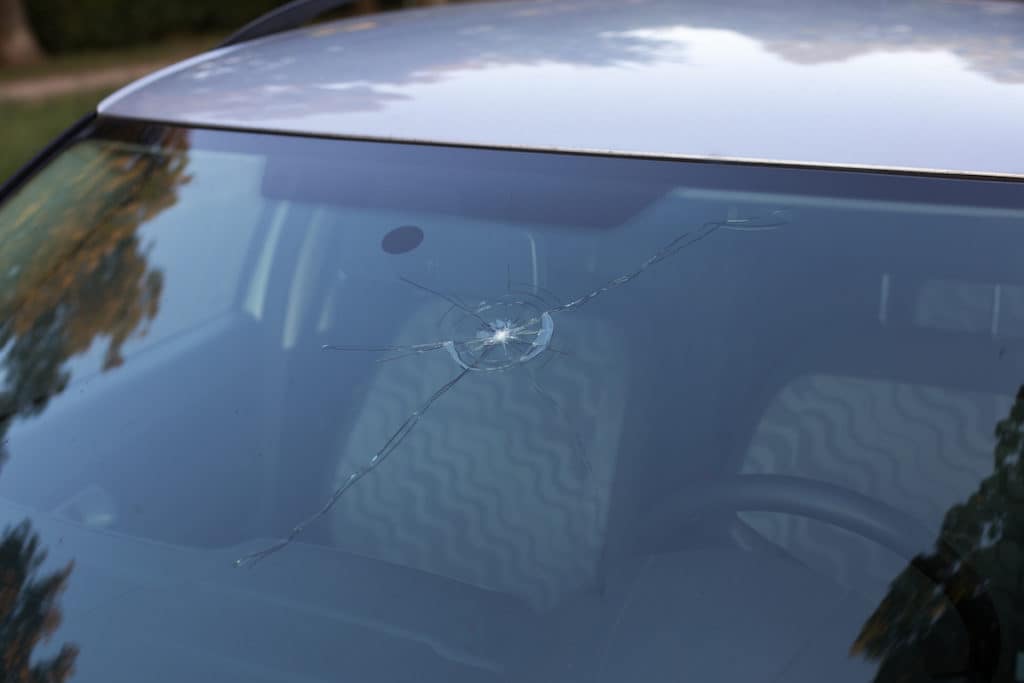
Driving Cautiously Until Repair
Drive slowly and carefully after noticing a crack. Avoid rough roads and sudden stops. Bumps and vibrations can widen the crack quickly. Keep a safe distance from other cars. This lowers the chance of debris hitting the windshield. Plan to repair the crack soon for safety.
Credit: www.toyotaofbristol.com
Choosing Between Repair And Replacement
Choosing between repairing or replacing a cracked windshield is important. The right choice saves money and keeps you safe. Understanding the crack’s size and location, cost factors, and insurance rules helps make this decision easier.
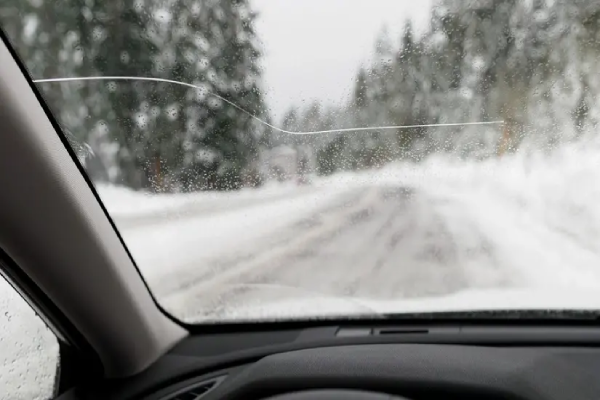
Assessing Crack Size And Location
Small cracks under six inches often qualify for repair. Cracks longer than that usually need full replacement. Cracks near the edges weaken the glass more. Damaged areas in the driver’s line of sight often require replacement. These spots affect visibility and safety the most.
Cost Considerations
Repairing a crack costs much less than replacing the windshield. Repair work can be done quickly and saves money. Replacement involves more time and higher expenses. Choosing repair saves you money if the damage is minor. Replacement is better for large or complex damage.
Insurance Coverage Tips
Check your insurance policy for windshield coverage. Some plans cover repairs with no deductible. Other plans cover replacements but may require a deductible. Using insurance for small repairs can avoid extra costs. Know your policy rules before making a decision.
Credit: glassdoctor.com
Frequently Asked Questions
What Should I Avoid Doing With A Cracked Windshield?
Avoid driving with a cracked windshield, using DIY repair kits, and exposing it to extreme temperatures. These actions worsen the damage and compromise safety.
Can I Ignore A Small Crack On My Windshield?
No, small cracks can spread quickly. Ignoring them risks visibility, structural integrity, and legal issues. Repair or replace it promptly.
Is It Safe To Use Tape On A Cracked Windshield?
Using tape is not safe or effective. Tape can trap moisture and dirt, worsening the crack and obstructing your view while driving.
Will Diy Repair Kits Fix My Cracked Windshield Permanently?
DIY kits offer temporary fixes but do not restore full strength. Professional repair or replacement is necessary for safety and durability.
Conclusion
Avoid ignoring a cracked windshield or using quick fixes that don’t last. Driving with damage can be unsafe and cause bigger problems. Don’t try to repair it yourself if unsure. Seek professional help to ensure clear vision and safety. Act quickly to prevent cracks from spreading.
Taking care of your windshield keeps you and others safe on the road. Small cracks can lead to costly repairs if left untreated. Stay cautious and maintain your vehicle well. Safety first.
Leave a Reply