
Have you ever wondered why your car’s windshield doesn’t shatter like a regular window when hit? What makes automotive glass so reliable and safe for you every time you drive?
Understanding the secrets behind automotive glass safety can change how you view your car’s protection. You’ll discover the clever design and technology that keep you safe on the road, making every trip more secure. Keep reading to learn what really makes automotive glass a critical part of your safety.

Credit: www.amazon.com
Types Of Automotive Glass
Automotive glass plays a crucial role in vehicle safety. Different types of glass protect passengers and drivers in various ways. Each type has unique features that help reduce injury during accidents. Understanding these types helps explain why automotive glass is safe and reliable.
Laminated Windshields
Laminated windshields consist of two layers of glass with a plastic layer between. This plastic layer holds the glass pieces together if it breaks. It prevents sharp glass from flying inside the car. Laminated windshields also reduce noise and block harmful UV rays. They provide strong protection against impacts and keep passengers safe.
Tempered Side And Rear Windows
Tempered glass is used for side and rear windows. It is heated and cooled quickly to increase strength. When tempered glass breaks, it shatters into tiny, blunt pieces. This reduces the risk of cuts and injuries. Tempered glass is less likely to break from small impacts. It offers good safety while allowing clear visibility for drivers.
Credit: www.plasticsengineering.org
Safety Standards And Regulations
Automotive glass plays a key role in protecting passengers during crashes and road incidents. Safety standards and regulations guide manufacturers in making glass that meets strict safety requirements. These rules ensure glass is strong, clear, and breaks safely.
Meeting these standards helps reduce injuries and saves lives. Different countries follow specific codes and tests. Understanding these rules reveals why automotive glass is safe for drivers and passengers.
Federal Motor Vehicle Safety Standards
The Federal Motor Vehicle Safety Standards (FMVSS) set rules for automotive glass in the United States. FMVSS 205 focuses on glazing materials like windshields and side windows.
This standard requires glass to resist impact and stay intact on impact. Laminated glass is common for windshields. It holds together even if it cracks, preventing sharp pieces from flying.
FMVSS also demands clear visibility and limits light distortion. The glass must not block the driver’s view or cause distractions.
International Safety Codes
Outside the U.S., many countries follow international safety codes. The Economic Commission for Europe (ECE) sets regulations like ECE R43 for automotive glass.
This code tests glass for impact resistance, light transmission, and durability. It ensures the glass can handle different weather and road conditions.
Automakers worldwide often comply with these codes. Compliance helps cars sell across borders and keeps passengers safe everywhere.
Impact Resistance
Impact resistance is a key factor in automotive glass safety. It helps protect passengers by absorbing and reducing the force of collisions. This strength prevents glass from breaking easily on impact. The design and materials work together to keep glass intact under stress.
Strength Against Collisions
Automotive glass is made to resist strong impacts from accidents. It uses tough materials that absorb energy from collisions. This helps stop the glass from shattering into sharp pieces. The glass can handle hits from stones, debris, and crashes without breaking.
Windshields have layers of glass and plastic combined. This layered structure increases strength. It holds the glass together even after a big hit. This protects passengers from flying glass shards.
Shatterproof Design
Safety glass includes a special plastic layer between two glass sheets. This layer keeps the glass from breaking apart. If the glass cracks, it holds the pieces in place. This stops sharp glass from hurting people inside the car.
Side and rear windows use tempered glass. This glass breaks into tiny, dull pieces instead of sharp shards. This reduces the chance of serious injury during accidents. Both tempered and laminated glass designs focus on safety and impact resistance.
Uv Protection Features
Automotive glass today offers special UV protection features. These features keep harmful rays from entering the car. They help protect the skin and the car’s interior. UV protection also improves the driving experience by reducing glare and heat.
Blocking Harmful Rays
UV rays can damage skin and cause sunburn. Automotive glass blocks most of these rays. This reduces the risk of skin problems for passengers. It also stops UV rays from fading car seats and dashboards. The glass uses special coatings or films to block UV light.
Enhancing Passenger Comfort
UV protection helps keep the car cooler. It reduces the heat inside during sunny days. Passengers feel more comfortable without strong sunlight burning their skin. The glass also lowers glare, making driving safer. This creates a pleasant and safe environment inside the vehicle.
Sound Insulation Properties
Automotive glass plays a big role in making the car quiet and comfortable. One key feature is its sound insulation properties. This means the glass helps block outside noise from entering the vehicle. It creates a peaceful space inside.
Good sound insulation improves the driving experience. It lets drivers and passengers talk, listen to music, or relax without loud interruptions. The glass design and materials are very important for this.
Reducing Road Noise
Road noise comes from tires, engines, and wind. Automotive glass reduces this noise by using special layers. Laminated glass has a plastic layer that absorbs sound waves. This stops noise from passing through easily.
Thicker glass also helps lower noise levels. It acts like a barrier, blocking sounds from cars and trucks outside. This makes the ride calmer and less tiring.
Improving Cabin Quietness
Quiet cabin means less stress and better focus. Automotive glass keeps the inside sound peaceful by stopping outside noise. It works with other parts like door seals and insulation materials.
Some car windows use double or triple layers of glass. These layers trap air and reduce vibrations. The result is a smooth, quiet environment inside the car.

Credit: www.safelite.com
Visibility Enhancements
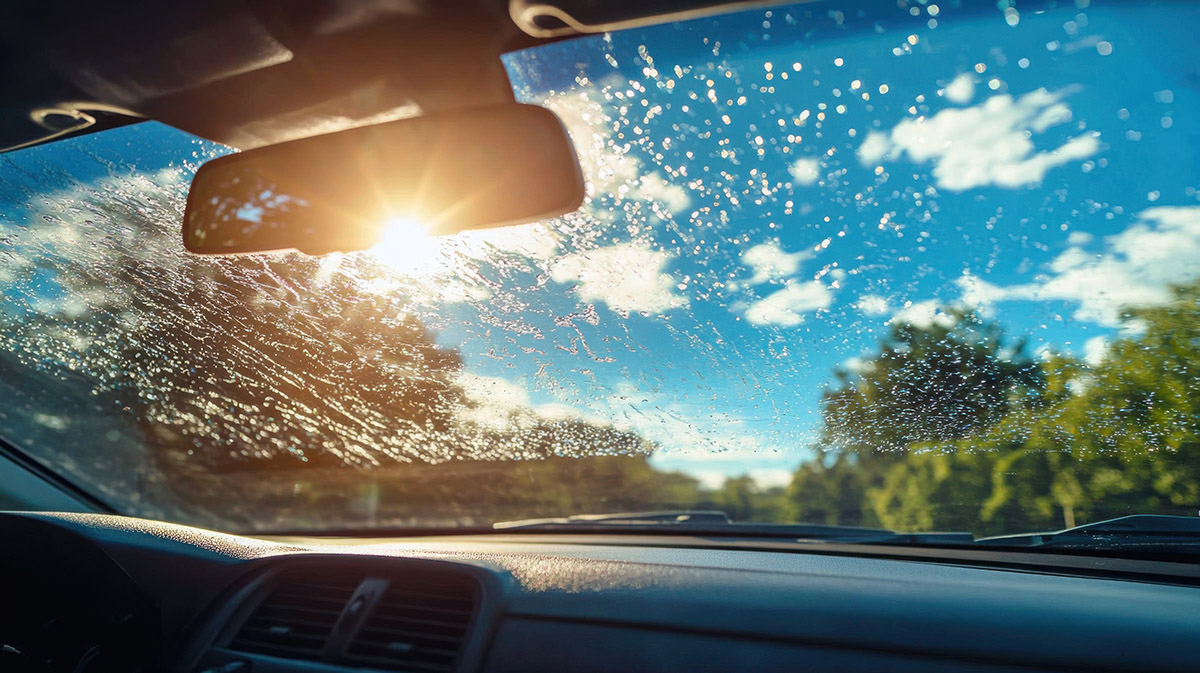
Visibility is key to safe driving. Clear automotive glass helps drivers see the road and hazards ahead. Visibility enhancements improve safety and comfort. These enhancements reduce glare and repel water. They make driving easier in different weather conditions.
Anti-glare Coatings
Anti-glare coatings reduce bright light reflections on glass. They help drivers see better in sunlight or at night. These coatings lower eye strain and fatigue. They improve focus on the road. Anti-glare coatings work by scattering light evenly. This prevents sudden bright spots from blocking vision.
Hydrophobic Treatments
Hydrophobic treatments repel water on the glass surface. Rain and moisture bead up and slide off quickly. This keeps the windshield clear during rain. It helps maintain good visibility without constant wiping. Hydrophobic coatings also reduce dirt buildup. Clean glass means safer driving in wet weather.
Repair And Replacement Insights
Automotive glass keeps drivers safe by staying strong and clear. Repairs and replacements help maintain this safety. Knowing how repair and replacement work helps you keep your vehicle secure. This section explains key points about fixing and changing automotive glass.
Crack Repair Techniques
Small cracks do not always need full replacement. Special resins fill the cracks and bond the glass. This stops cracks from growing bigger. The repair also keeps the glass strong. Professionals use tools to clean and dry the damaged area first. Then they inject resin and cure it with light. This process takes less time and costs less than replacement. The repaired glass stays clear and safe for driving.
When To Replace Glass
Some damage is too big for repair. Large cracks or broken glass need replacement. Damage near the edges weakens the whole glass. Deep cracks or shattered sections reduce visibility. Replacement restores full strength and safety. Experts remove the old glass carefully. New glass fits perfectly and meets safety rules. Timely replacement prevents accidents and keeps the vehicle safe.
Frequently Asked Questions
What Materials Are Used In Automotive Glass Safety?
Automotive glass typically uses laminated and tempered glass. Laminated glass has a plastic layer that holds shards together. Tempered glass is heat-treated to shatter into small, blunt pieces. These materials reduce injury risk during accidents and improve overall safety.
How Does Laminated Glass Protect Passengers?
Laminated glass has a plastic interlayer that keeps glass shards intact upon impact. This prevents glass from breaking into sharp pieces. It reduces the chance of passenger injury and maintains visibility. Laminated glass also enhances vehicle structural integrity during collisions.
Why Is Tempered Glass Important In Car Windows?
Tempered glass is heat-treated to increase strength. It shatters into small, blunt pieces instead of sharp shards when broken. This reduces the risk of serious cuts during accidents. Tempered glass is commonly used in side and rear windows for safety.
How Does Automotive Glass Improve Driver Visibility?
Automotive glass is designed to resist fogging and reduce glare. It often includes coatings that filter UV rays and enhance clarity. Clear visibility helps drivers react faster and avoid accidents. Quality glass also resists scratches and chips that impair vision.
Conclusion
Automotive glass keeps drivers and passengers safe every day. It is made strong to resist cracks and breaks. Special layers hold the glass together during accidents. This prevents sharp pieces from causing harm. Proper design also helps with clear vision on the road.
Choosing quality glass means better protection for everyone inside. Safety is not just about driving carefully. The right glass plays a big role too. Remember, safe glass helps save lives and reduce injuries. It is an important part of every vehicle’s safety system.
Leave a Reply