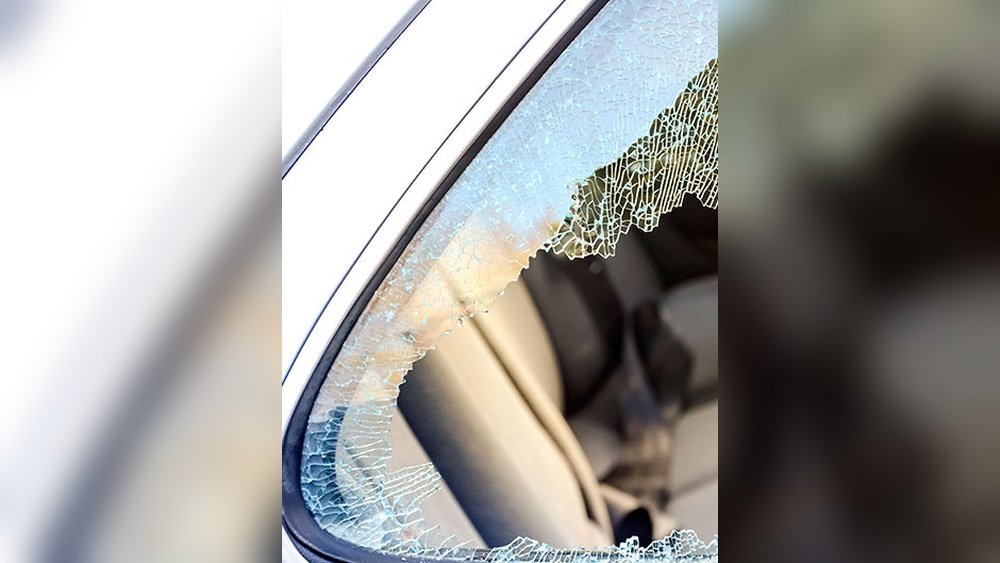
Have you ever wondered what makes your car’s side windows so important? Side window glass is more than just a piece of clear material—it plays a key role in your safety, comfort, and even your car’s style.
Whether you’re curious about how it works, what it’s made of, or why it matters, understanding side window glass can help you make better choices for your vehicle. Keep reading to discover everything you need to know about this everyday part that often goes unnoticed but is crucial every time you get behind the wheel.
Side Window Glass Types
Side window glass plays a crucial role in vehicle safety and comfort. Different types of glass offer various benefits. Each type affects strength, visibility, and protection in unique ways.
Tempered Glass
Tempered glass is common in many cars. It is strong and breaks into small, blunt pieces. This reduces the risk of serious injury during an accident. Tempered glass is heat-treated to increase its strength. It also resists scratches and minor impacts well.
Laminated Glass
Laminated glass consists of two glass layers with a plastic layer in between. This design keeps the glass in place if it breaks. It prevents sharp shards from flying inside the vehicle. Laminated glass also reduces noise and blocks some UV rays.
Hybrid Glass Options
Hybrid glass combines tempered and laminated layers. This type offers the best of both worlds. It provides strong impact resistance and safety. Hybrid glass is often found in high-end or newer vehicles. It improves security and passenger protection effectively.
Functions Of Side Window Glass
Side window glass plays a crucial role in every vehicle. It is not just clear glass on the doors. It provides many important functions that help drivers and passengers. Understanding these functions helps us appreciate this simple part of a car.
Safety Features
Side window glass helps protect passengers in case of accidents. It is made to break into small pieces, reducing injury risk. Some windows have special layers to keep glass from falling inside. This safety design stops sharp glass from causing harm.
Noise Reduction
Side window glass reduces outside noise. It blocks sounds from traffic, wind, and other vehicles. This creates a quieter cabin for a calm drive. Thicker or laminated glass improves noise control even more.
Uv Protection
Side window glass blocks harmful ultraviolet (UV) rays. It protects skin from sun damage during travel. UV protection also prevents car interiors from fading. This helps keep the car looking new longer.
Common Side Window Glass Issues
Side window glass plays a key role in vehicle safety and comfort. Many problems can affect its condition and performance. Understanding common issues helps in keeping windows clear and secure.
Cracks And Chips
Cracks and chips often happen from rocks or debris hitting the glass. Small chips can turn into bigger cracks over time. This weakens the glass and can be dangerous. Repairing cracks early can prevent costly replacements.
Fogging And Condensation
Fogging occurs when moisture gets trapped between glass layers. Condensation reduces visibility and can be annoying. It may also signal a seal problem in the window. Fixing the seal stops moisture and clears up fogging.
Wear And Tear
Daily use causes scratches, scratches, and dull spots on side window glass. Over time, this wear reduces clarity and appearance. Cleaning with proper products helps maintain the glass. Replace severely worn windows to ensure safety and clear views.
Credit: www.glassfixitauto.com
Repair Vs Replacement
Deciding between repairing or replacing side window glass depends on the damage type and extent. Both options have benefits and drawbacks. Understanding when to repair or replace helps save time and money.
When To Repair
Small chips or cracks often qualify for repair. Repairs prevent cracks from growing larger. They restore glass strength without full replacement. Repair is quick and less costly. It keeps the original glass intact.
When To Replace
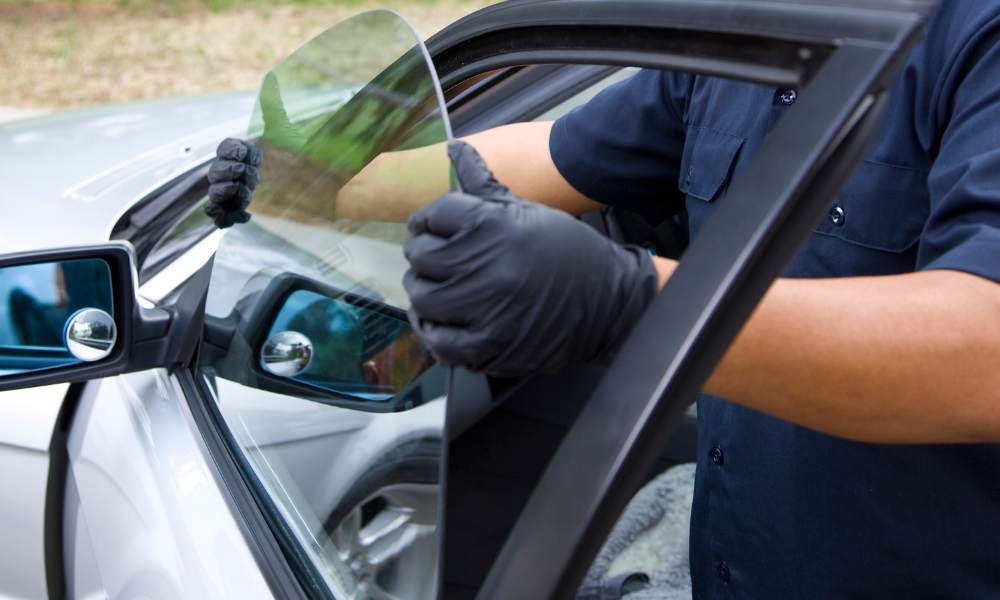
Large cracks or shattered glass need replacement. Damage near the edges weakens the glass. Replacement ensures safety and proper function. Old or worn glass may require replacement too. It guarantees clear visibility and security.
Cost Considerations
Repairs usually cost less than replacements. Repair price depends on crack size and location. Replacement costs include new glass and labor. Insurance might cover some expenses. Choosing repair or replacement affects your budget and safety.
Choosing The Right Glass
Choosing the right side window glass for your vehicle matters. It affects safety, appearance, and comfort. This guide helps you understand key options. Make an informed choice that fits your needs.
Oem Vs Aftermarket
OEM glass is made by the car’s original manufacturer. It fits perfectly and matches your vehicle’s specs. Aftermarket glass comes from other suppliers. It may cost less but can vary in quality and fit. Choose OEM for best fit and safety. Pick aftermarket to save money but check reviews carefully.
Tinted And Privacy Glass
Tinted glass reduces sunlight and glare inside the car. It helps keep the cabin cool and protects your skin. Privacy glass offers a darker shade. It hides the inside from outside view. Both types improve comfort and add style. Make sure the tint level follows local laws.
Energy Efficiency
Energy-efficient glass blocks heat from the sun. It keeps your car cooler and lowers air conditioning use. This saves fuel and reduces emissions. Some glass types have special coatings for better insulation. Choose energy-efficient glass to increase comfort and save money over time.

Credit: m.made-in-china.com
Installation And Maintenance Tips
Installing and caring for side window glass is important for safety and appearance. Proper installation ensures the glass fits well and lasts long. Good maintenance keeps the glass clear and prevents damage. Follow simple tips to keep your side window glass in top shape.
Professional Installation
Choose a skilled technician for installing side window glass. Professionals use the right tools and materials. They check the fit and seal to avoid leaks. Proper installation prevents rattling and keeps the glass secure. It also ensures the glass meets safety standards.
Cleaning Methods
Clean side window glass regularly to keep it clear. Use a soft cloth and mild soap with water. Avoid harsh chemicals that can damage the glass or tint. Wipe in gentle, circular motions to remove dirt and spots. Dry the glass with a clean, dry cloth to avoid streaks.
Preventive Care
Protect the glass from sudden impacts and extreme weather. Avoid slamming doors to reduce stress on the glass. Park in shaded areas to prevent sun damage and fading. Check for small chips or cracks and repair them early. Regular care helps the glass stay strong and clear longer.

Credit: www.safelite.com
Frequently Asked Questions
What Is Side Window Glass In Cars?
Side window glass is the glass panel on vehicle doors. It provides visibility, protection, and ventilation for passengers inside the car.
What Materials Are Used For Side Window Glass?
Side window glass is usually made from tempered or laminated glass. These materials ensure safety by resisting shattering and reducing injury risk.
How Does Side Window Glass Improve Vehicle Safety?
Side window glass offers protection during impacts. Laminated glass holds shards together, while tempered glass breaks into small, less harmful pieces.
Can Side Window Glass Be Tinted Or Customized?
Yes, side window glass can be tinted for UV protection and privacy. Customization options include different shades and decorative films.
Conclusion
Side window glass plays a key role in vehicle safety and comfort. It helps protect passengers from wind, rain, and noise. Many types of glass offer different levels of strength and clarity. Choosing the right side window glass can improve your driving experience.
Remember to check for quality and proper fit when replacing it. Keep your car safe and comfortable with good side window glass. Simple but important.
Leave a Reply