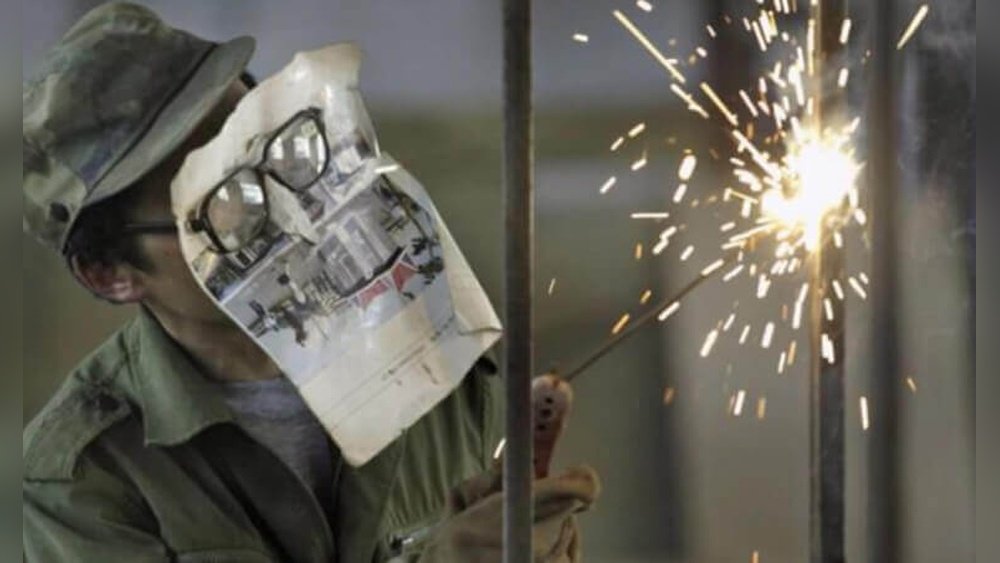
Imagine standing near a window or a glass door, feeling completely safe—until suddenly, the glass shatters unexpectedly. What happens next isn’t just about broken glass; it’s about your safety, your well-being, and the risks you might not have considered.
When glass safety fails, the consequences can be serious and sometimes even life-changing. You’ll discover exactly why glass can fail, what dangers arise when it does, and how you can protect yourself and those around you. Keep reading to learn what’s really at stake when glass safety is compromised.
Credit: inspiresafety.com
Types Of Glass Safety Failures
Glass safety failures can happen in different ways. Each type affects the glass’s strength and how it breaks. Understanding these types helps to know the risks and how to prevent accidents. Below are the most common types of glass safety failures.
Tempered Glass Breakage
Tempered glass is strong but breaks into small pieces. These pieces are less sharp than normal glass shards. The glass shatters suddenly under impact or heat changes. This breakage helps reduce serious injuries from cuts. Yet, the sudden shatter can cause hazards like falling glass fragments.
Laminated Glass Delamination
Laminated glass has layers held by a plastic film. Delamination happens when these layers start to separate. Moisture or heat can cause the plastic to peel away. This weakens the glass and lowers its safety. Cracks may form, and the glass can become brittle over time.
Annealed Glass Shattering
Annealed glass is the most basic type of glass. It breaks into large, sharp pieces when hit hard. This breakage is dangerous because shards can cause severe cuts. Annealed glass does not have safety features to hold it together. It is less safe for places with high risk of impact.

Credit: watersonusa.com
Common Causes Behind Failures
Glass safety failures can cause serious problems. Understanding the common causes helps prevent accidents. Several factors often lead to glass breaking or shattering unexpectedly. These factors include issues from the factory, mistakes during fitting, and outside forces acting on the glass.
Manufacturing Defects
Flaws during glass production can weaken the material. Tiny cracks or air bubbles may form inside. These defects reduce the glass’s strength. Poor quality control can let weak glass reach customers. Even small defects can cause glass to fail under pressure.
Improper Installation
Installing glass incorrectly puts extra stress on it. Wrong measurements or poor handling can create pressure points. Using the wrong type of sealant or fasteners also causes problems. Glass that is not supported well can crack or fall out. Proper installation is key to glass safety.
Environmental Stress Factors
Outside forces can damage glass over time. Sudden temperature changes cause glass to expand and contract. This may lead to cracks or breakage. Strong winds, impacts, or vibrations add extra strain. Chemical exposure can weaken glass surfaces. All these stresses increase the risk of failure.
Immediate Hazards Of Glass Breakage
Glass breakage creates sudden dangers. The risks appear instantly and can cause serious harm. Understanding these hazards helps to stay safe in homes and workplaces.
Risk Of Cuts And Injuries
Broken glass has sharp edges that easily cut skin. Even small shards can cause deep wounds. These injuries may lead to heavy bleeding or infections. Immediate care is crucial to prevent complications.
Falling Glass Hazards
Shattered glass can fall from windows or doors. Falling pieces might hit people below. This can cause bruises, cuts, or worse injuries. Always clear the area quickly to avoid harm.
Impact On Structural Integrity
Glass often supports parts of buildings. When it breaks, the structure may weaken. This can lead to further damage or collapse. Repairing broken glass fast helps maintain safety and strength.

Credit: spice.alibaba.com
Long-term Consequences
Glass safety failure can cause issues that last far beyond the initial break. The effects may harm your property, increase risks, and cost a lot to fix. Understanding these long-term consequences helps prepare for the impact.
Property Damage
Broken glass can lead to more damage over time. Water and weather can enter through cracks, damaging walls and floors. Pests might find their way inside through openings. Small problems turn into bigger repairs if not fixed quickly.
Increased Liability Risks
Unsafe glass raises the chance of accidents. Injuries from broken or falling glass can lead to legal claims. Businesses face higher risks if customers get hurt. Property owners may need to pay for damages and medical bills.
Costly Repairs And Replacements
Fixing broken glass is expensive and often urgent. Delayed repairs can increase costs. Replacing large or specialty glass adds to the expense. Regular maintenance helps avoid these high costs later on.
Safety Standards And Regulations
Glass safety depends on clear rules and standards. These rules guide how glass is made, tested, and used. Following safety standards helps prevent accidents and injuries from glass failure. Understanding these standards shows why glass safety matters.
Building Codes For Glass
Building codes set rules for glass in buildings. They decide where and how strong glass must be. These codes protect people from sharp glass breaks. Builders must follow these codes to keep spaces safe.
Certification And Testing Procedures
Glass gets tested to meet safety rules. Testing checks strength, impact resistance, and heat tolerance. Certified glass means it passed strict safety tests. These tests reduce risks of glass breaking unexpectedly.
Role Of Safety Labels
Safety labels tell if glass is safe and tested. Labels show glass type, strength, and certification details. They help buyers and installers choose the right glass. Ignoring labels can lead to unsafe glass use.
Preventive Measures And Best Practices
Preventing glass safety failures requires care and attention at every step. Choosing the right materials, installing them correctly, and keeping up with maintenance all help reduce risks. These actions protect both people and property. Here are important tips for each stage of the process.
Choosing The Right Glass Type
Select glass that fits the purpose and location. Tempered glass is strong and breaks into small, less harmful pieces. Laminated glass holds together when cracked, offering extra safety. Consider glass thickness based on the size and use. Using the proper glass type lowers the chance of accidents.
Professional Installation Tips
Hire experienced installers for glass fitting. Proper handling and placement prevent damage and weak spots. Ensure the frame supports the glass firmly without pressure points. Follow manufacturer guidelines for sealants and fasteners. Correct installation ensures glass stays secure and safe over time.
Regular Inspection And Maintenance
Check glass surfaces regularly for chips, cracks, or scratches. Clean glass gently to avoid scratches and weakening. Replace damaged glass immediately to prevent injury. Inspect seals and frames for wear and tear. Routine care extends glass life and keeps safety intact.
Emergency Response To Glass Breakage
Glass breakage can cause sudden danger. Knowing how to act fast helps prevent injuries and chaos. Emergency response to glass breakage is vital. It ensures safety and proper handling of the situation. Quick actions reduce harm and confusion.
First Aid For Glass Injuries
Check the injured person immediately. Stop any bleeding by applying gentle pressure. Use a clean cloth or bandage. Avoid removing glass pieces stuck in the skin. Call emergency services for serious wounds. Keep the person calm and still. Clean small cuts carefully with water.
Securing The Area
Clear the area around the broken glass. Keep people away to prevent more injuries. Use barriers or signs to block the space. Wear gloves before touching glass shards. Sweep up large pieces carefully. Use a vacuum for tiny fragments. Dispose of broken glass safely in a thick container.
Reporting And Documentation
Report the incident to the proper authorities or supervisors. Write down what happened and when. Note any injuries and actions taken. Take photos of the damage and area. Keep records for insurance or legal needs. Review safety measures to avoid future breaks.
Frequently Asked Questions
What Causes Glass Safety To Fail Unexpectedly?
Glass safety fails due to impact, thermal stress, or manufacturing defects. Improper installation and poor maintenance also increase failure risks. Identifying these causes helps prevent accidents and ensures safer glass use in homes and workplaces.
What Are The Dangers Of Glass Safety Failure?
Glass safety failure can cause severe cuts, injuries, or property damage. Shattered glass poses risks to anyone nearby. Using safety glass and proper installation minimizes these dangers and protects people and assets.
How Can Glass Safety Failure Be Prevented Effectively?
Regular inspections, correct installation, and using tempered or laminated glass prevent failures. Avoiding extreme temperature changes and impacts also helps. Following safety standards ensures glass remains strong and safe for daily use.
What Happens To Glass During A Safety Failure?
Safety glass breaks into small, blunt pieces instead of sharp shards. This reduces injury risk but still requires careful cleanup. Understanding this behavior highlights the importance of using safety glass in critical areas.
Conclusion
Glass safety failures can cause serious accidents and injuries. Broken glass may lead to cuts, falls, and damage to property. It also creates unsafe environments at home, work, or public places. Regular checks and proper glass installation help prevent these risks.
Choosing the right type of glass adds extra protection. Always stay aware of glass conditions around you. Safety matters. Protect yourself and others by acting early. Small steps make big differences in preventing glass accidents. Stay safe and keep glass secure.
Leave a Reply