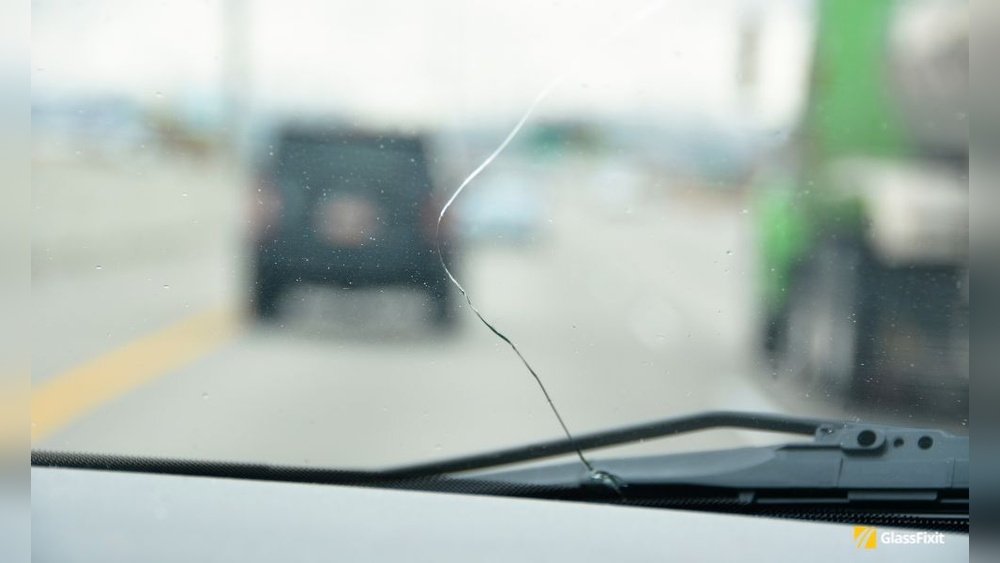
Have you ever noticed a small crack appearing on your windshield and wondered how it got there? That tiny crack can quickly turn into a big problem, putting your safety at risk and costing you more money.
Understanding what causes windshield cracks can help you prevent them and know when to take action. You’ll discover the most common reasons behind those frustrating cracks and what you can do to protect your car and yourself. Keep reading to learn how to keep your windshield strong and clear.

Credit: www.msglassoutlet.com
Common Causes Of Windshield Cracks
Windshield cracks happen for many reasons. Knowing these common causes helps protect your car. Some causes are easy to avoid. Others need quick attention to stop bigger damage. Here are the main reasons windshields crack.
Road Debris Impact
Small rocks and debris hit your windshield while driving. The force can chip or crack the glass. High speeds make impacts stronger. Even tiny stones can cause damage over time. Roads with loose gravel increase the risk.
Extreme Temperature Changes
Glass expands and contracts with temperature changes. Sudden shifts cause stress on the windshield. Hot sun followed by cold rain or ice is harmful. This stress can create cracks or worsen existing ones. Avoid parking in direct sun after cold nights.
Poor Installation
Improper windshield installation weakens the glass. Incorrect fitting causes pressure points. These spots become easy to crack under stress. Use trusted professionals for windshield replacement. Proper installation prevents many future problems.
Structural Stress
Car frame issues put extra pressure on the windshield. Bent or damaged frames cause uneven force. This stress leads to cracks and chips. Regular vehicle maintenance helps spot frame problems early. A strong frame supports windshield durability.

Credit: delawareautoglass.com
Unusual Factors Leading To Cracks
Windshield cracks often result from common causes like stones or temperature changes. Yet, some unusual factors can also lead to these cracks. Understanding these can help protect your windshield better. Here are some surprising reasons windshields crack.
Improper Car Washing Techniques
Using high-pressure water too close to the windshield can cause damage. Harsh brushes or rough sponges may create tiny scratches. These small marks weaken the glass over time. Cracks can start from these weak spots.
Chemical Exposure
Certain chemicals can harm the windshield’s surface. Strong cleaning agents or solvents may eat away at the glass. Over time, this causes the glass to become fragile. Fragile glass breaks more easily under stress.
Manufacturing Defects
Some windshields have hidden flaws from the factory. Tiny air bubbles or uneven glass layers can exist inside. These defects make the glass less strong. Cracks can appear without any outside impact.
Nearby Construction Vibrations
Heavy machinery and drilling create strong vibrations. These vibrations can slowly weaken your windshield. Cracks may develop even if nothing hits the glass. Living near construction sites increases this risk.
How Weather Affects Windshield Integrity
Weather plays a big role in the strength of your windshield. Different weather conditions can cause small cracks to grow or even create new damage. Understanding these effects helps protect your windshield from breaking.
Temperature changes and sunlight can make the glass weaker. This leads to stress inside the windshield. Over time, this stress can cause cracks or chips to spread quickly.
Heat Expansion And Contraction
Glass expands when heated and shrinks when cooled. On hot days, the windshield gets larger. At night or in cool weather, it tightens back. This constant change puts pressure on the glass. Tiny cracks can grow larger from this stress. Sudden heat, like using hot water on a cold windshield, can cause the glass to crack instantly.
Freezing Conditions
Freezing weather makes water trapped in cracks expand as it turns to ice. This expansion pushes the cracks wider. Cold air also makes the glass more brittle. Hitting a pothole or road debris in freezing weather is more likely to cause cracks. Ice scraping can scratch the surface and weaken the glass too.
Sunlight Uv Damage
Sunlight contains ultraviolet (UV) rays that slowly damage the windshield. UV rays can weaken the glass and the glue holding it. Over time, this causes the windshield to lose strength. Cracks and chips become more likely under constant sun exposure. Parking in the shade or using a sun cover helps reduce this damage.
Signs Your Windshield Is At Risk
Your windshield protects you from wind, rain, and debris. It also keeps your car strong. Small problems can turn into big cracks fast. Spotting early signs helps you act before damage spreads. Watch closely for these warning signs that your windshield is at risk.
Small Chips Turning Into Cracks
A tiny chip may seem harmless. Dirt and stress make it grow. Temperature changes also cause chips to spread. Watch small spots carefully. They can become long cracks quickly. Fixing chips early saves money and hassle.
Visible Stress Lines
Stress lines look like faint cracks on glass. They appear from pressure or bending. These lines weaken the windshield’s strength. You might not notice them at first. Check your glass under good light. Stress lines mean the windshield may break soon.
Unusual Noises While Driving
Strange sounds like clicking or popping may come from glass. These noises can mean the windshield is under strain. Wind pressure on weak spots causes noise. Pay attention to new sounds when driving. They could warn of hidden cracks or damage.
Preventing Windshield Damage
Preventing windshield damage saves money and keeps your car safe. Small cracks can grow fast. Taking simple steps helps avoid costly repairs.
Focus on habits and care that protect your windshield every day. Keep your glass strong and clear with easy actions.
Safe Driving Habits
Drive carefully on rough roads to avoid stones hitting your windshield. Keep a safe distance from other vehicles. This reduces the chance of debris flying towards your car. Slow down near construction zones and gravel paths. Avoid sudden stops and sharp turns that may cause stress on the glass.
Regular Maintenance Checks
Check your windshield often for small chips and cracks. Clean the glass gently with soft cloths and mild cleaners. Avoid harsh chemicals that can weaken the glass surface. Inspect wipers to make sure they do not scratch or damage the windshield. Replace worn wipers promptly to keep the glass clear and safe.
Choosing Quality Repairs
Fix minor chips quickly to stop cracks from spreading. Use professional services that use high-quality materials. Poor repairs may not hold and can cause bigger problems. A good repair keeps your windshield strong and clear. Trust experts who know how to restore the glass properly.

Credit: delawareautoglass.com
Frequently Asked Questions
What Common Factors Cause Windshield Cracks?
Windshield cracks commonly result from road debris, temperature changes, and vehicle accidents. Stones or gravel hitting the glass can create chips. Sudden cold or heat can expand or contract glass, causing cracks. Poor installation or structural stress may also contribute to damage over time.
How Do Temperature Changes Affect Windshield Integrity?
Rapid temperature shifts cause glass to expand and contract quickly. This stress can weaken the windshield and lead to cracks. For example, pouring hot water on frozen glass often causes immediate cracking. Maintaining gradual temperature changes helps preserve windshield strength and prevent damage.
Can Driving Habits Influence Windshield Cracks?
Yes, aggressive driving increases the risk of windshield damage. Driving too close to other vehicles raises chances of debris impact. Sudden braking or hitting potholes may stress the glass. Safe, cautious driving reduces the likelihood of cracks and prolongs windshield life.
Why Do Small Chips Turn Into Large Windshield Cracks?
Small chips weaken the glass structure, allowing cracks to spread. Vibrations from driving and temperature changes worsen the damage. Ignoring minor chips often leads to larger, costly cracks. Prompt repair helps maintain windshield strength and prevents expansion.
Conclusion
Windshield cracks happen from many causes. Small stones hitting glass create chips. Sudden temperature changes can make cracks grow. Driving on rough roads adds stress to glass. Neglecting small cracks can lead to bigger problems. Fixing cracks early saves money and keeps you safe.
Always watch your windshield for damage signs. Taking care of it helps avoid costly repairs later. Stay alert to protect your car and yourself.
Leave a Reply