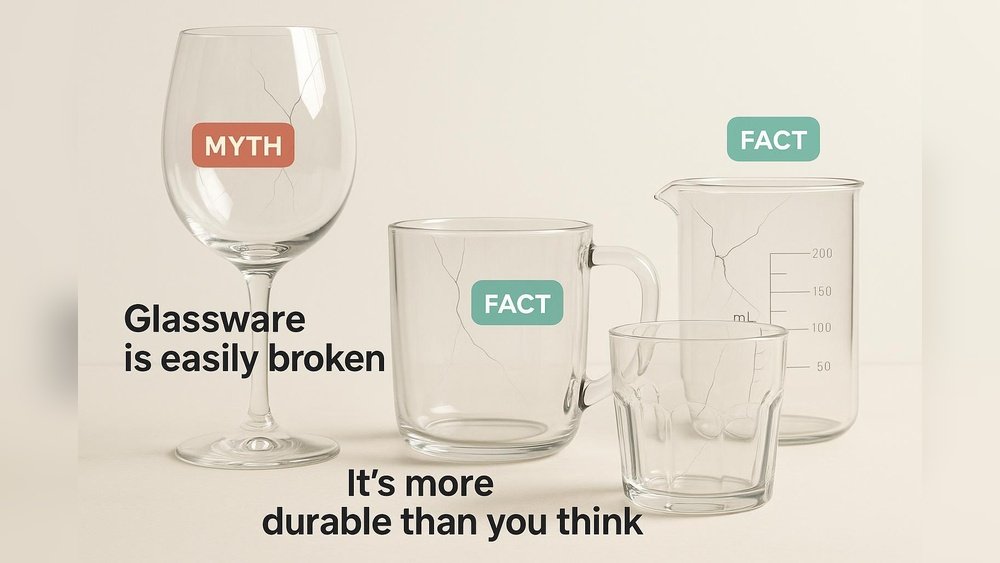
Have you ever worried about the safety of glass around your home or workplace? You might be surprised to learn that many things you believe about glass safety are actually myths.
These common misunderstandings can affect how you protect yourself and your loved ones. Knowing the truth can keep you safer and help you make smarter choices. Keep reading to uncover the facts behind the most widespread glass safety myths—you won’t want to miss what could change the way you see glass forever.

Credit: www.barrybros.com
Glass Safety Myths
Glass safety is often misunderstood due to many common myths. These myths create false ideas about how safe glass is. They can cause people to worry too much or to ignore real dangers. Knowing the truth about glass safety helps make better choices at home and work.
Myth: All Glass Breaks Into Sharp Pieces
Many believe all glass shatters into dangerous shards. This is not true. Tempered glass breaks into small, blunt pieces that rarely cause injury. Laminated glass holds together even when cracked. Understanding glass types reduces fear and improves safety.
Myth: Thicker Glass Is Always Safer
Thicker glass does not always mean safer glass. Safety depends on glass type and treatment, not just thickness. Some thin safety glasses perform better than thick regular glass. Choosing the right glass is about quality, not size.
Myth: Glass Is Too Fragile For Everyday Use
People often think glass easily breaks in daily use. Modern glass is made strong with special treatments. Many glass products resist impacts and temperature changes. Glass can be both beautiful and durable in homes and offices.
Myth: Glass Safety Is Only About Breaking
Safety is not only about glass breaking. Proper installation and maintenance also matter. Poorly installed glass can fall or cause accidents. Regular checks and care improve glass safety greatly.

Credit: goframelessaustin.com
Myth: Tempered Glass Is Unbreakable
Many people believe tempered glass is unbreakable. This is a common myth. Tempered glass is stronger than regular glass, but it can still break. It is designed to break safely into small pieces instead of sharp shards. This safety feature helps reduce injuries.
Understanding how tempered glass breaks helps clear up this misconception. It is not indestructible. Certain forces or impacts can cause it to shatter quickly. Knowing the limits of tempered glass is important for safety.
How Tempered Glass Actually Breaks
Tempered glass breaks under strong impact or sharp force. Stress points or scratches weaken it. Once broken, it shatters into tiny, blunt pieces. This reduces the chance of serious cuts. The glass breaks suddenly and completely. Small cracks do not appear first, unlike regular glass.
Extreme heat changes can also cause tempered glass to break. Rapid temperature changes create stress inside. This can cause shattering without any impact. Careful handling helps avoid these breaks. It is strong but not unbreakable.
Common Misuses Of Tempered Glass
People often use tempered glass in unsafe ways. Using it in places with high risks of sharp hits is dangerous. For example, hitting tempered glass with tools or hard objects causes breakage. Scratches or chips weaken its strength.
Another misuse is installing tempered glass where it faces sudden temperature changes. This includes areas near ovens or heaters. Improper installation can put stress on the glass edges. This increases the chance of cracks and breaks.
Tempered glass is safe when used correctly. Understanding its limits prevents accidents and injuries.
Myth: All Glass Shatters The Same Way
Many people believe that all glass breaks the same way. This is not true. Different types of glass shatter in different patterns. Understanding these differences helps explain why some glass is safer than others.
Differences Between Tempered And Laminated Glass
Tempered glass breaks into small, blunt pieces. These pieces are less likely to cause serious injury. It is often used in car windows and shower doors.
Laminated glass has a plastic layer between two glass sheets. This layer holds the glass together when it breaks. The glass may crack but stays mostly in place.
Safety Benefits Of Different Glass Types
Tempered glass reduces the risk of deep cuts. Its small fragments are safer in accidents. Laminated glass prevents glass from falling out. It keeps people protected from sharp shards.
Choosing the right glass improves safety. It also protects property and reduces repair costs. Knowing these facts helps you make better decisions.
Myth: Thick Glass Is Always Safer
Many people believe thick glass is always safer. They think thicker means stronger and harder to break. This idea is common but not always true. Safety depends on more than just thickness. Understanding the truth helps you choose the right glass for safety.
Thickness Vs. Strength
Thicker glass can be stronger, but not always safer. Strength depends on the type of glass and how it is made. Some thin glass types are designed to resist breaking. Thick glass can still break easily if it has flaws or weak points. Thickness alone does not guarantee safety.
Other Factors Affecting Glass Safety
Glass safety depends on many factors. Tempered glass is heat-treated to be stronger and safer. Laminated glass holds together even when broken. The way glass is installed also affects safety. Proper fitting and support reduce the risk of accidents. Always consider these factors along with thickness.
Myth: Glass Doors Are Less Safe Than Solid Doors
Many people think glass doors are less safe than solid doors. They worry glass breaks easily and causes injuries. This belief leads some to avoid glass doors in homes and offices. The truth is different. Modern glass doors have many safety features. These features make them very safe for daily use.
Safety Features In Modern Glass Doors
Modern glass doors use toughened or laminated glass. This type of glass is strong and hard to break. If it does break, it shatters into small, dull pieces. These pieces are less likely to cause cuts.
Many glass doors have frames made from strong materials. Frames add extra support and prevent the glass from falling out. Some doors include sensors and safety locks. These features stop accidents and unauthorized entry.
Glass doors also have clear markings or decals. These markings help people see the door and avoid walking into it. Such details improve safety in busy places.
Common Causes Of Glass Door Injuries
Injuries often happen when people do not notice the glass door. Clear glass can be hard to see. Walking or running into it causes bruises or cuts.
Another cause is poor installation. If the door is not fixed well, it may fall or jam. This can hurt people using the door.
Improper use also leads to accidents. For example, pushing the glass too hard or slamming it. Such actions increase the risk of breakage and injury.
Myth: Broken Glass Always Causes Serious Injury
Many people believe broken glass always causes serious injury. This is a common myth. While broken glass can be dangerous, it does not always lead to severe cuts or wounds. The risk depends on many factors, such as the size and shape of the glass pieces.
Small shards might only cause minor scratches. Large, sharp pieces can cause deep cuts. The type of glass also matters. Some glass types break into safer, smaller bits. Others create jagged, sharp fragments.
Safety Measures To Minimize Injury
Wear gloves when handling broken glass. Use thick cloth or paper to pick up sharp pieces. Clean the area thoroughly to remove tiny shards. Keep children and pets away from the broken glass. Dispose of glass safely in a rigid container. Avoid using bare hands to pick up shards.
When Broken Glass Is Most Dangerous
Broken glass is most dangerous when it has sharp, jagged edges. Large pieces can cut deeply. Glass on floors or walkways can cause slips and falls. Wet glass increases the risk of slipping. Glass near electrical outlets or wires is very risky. Careless handling raises injury chances.
Myth: Diy Glass Repairs Are Safe
Many people believe they can fix broken glass themselves without problems. This idea seems simple and cost-saving. Yet, DIY glass repairs can lead to serious issues. Understanding why DIY is risky helps protect your safety and property.
Risks Of Improper Glass Handling
Glass can break easily and cause sharp edges. Without the right tools, cuts and injuries are common. Poor repairs might not hold up, causing glass to shatter later. Incorrect handling can weaken the glass frame and structure. This creates hazards for everyone around the area.
When To Call Professionals
Experts have the tools and skills needed for safe repairs. They know how to handle different types of glass properly. Professionals ensure the repair lasts and meets safety standards. Call them if the damage is large or near electrical parts. Small chips might seem easy to fix, but experts still provide safer results.
Myth: Glass Safety Only Matters In Industrial Settings
Many people believe glass safety is only important in factories or large buildings. This idea is wrong. Glass is everywhere—in homes, schools, parks, and shops. It can break and cause injuries anywhere. Understanding glass safety beyond industrial sites keeps everyone safer.
Glass Safety In Homes And Public Spaces
Glass is common in windows, doors, and furniture at home. It can break from accidents or weather changes. Public places like malls and schools use glass walls and displays. Broken glass in these places can hurt children and adults. Safe glass types and proper installation reduce risks in these spaces.
Everyday Precautions To Take
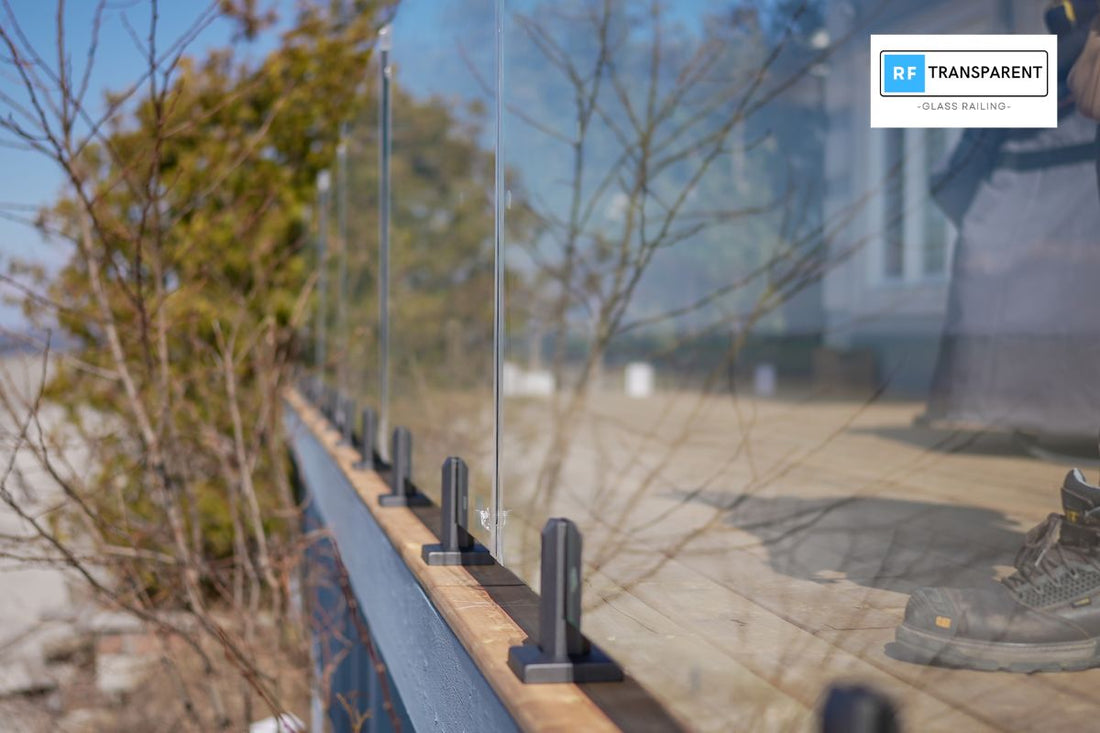
Check glass items regularly for cracks or chips. Use safety films on windows to prevent shattering. Keep sharp objects away from glass surfaces. Teach children not to play near glass doors or windows. Replace damaged glass quickly to avoid accidents. These small steps protect families and communities daily.
Credit: rftransparent.ca
Frequently Asked Questions
What Are The Most Common Glass Safety Myths?
Many believe glass always shatters dangerously, but tempered glass breaks safely. Another myth is that all glass is fragile; some types are highly durable. These myths can cause unnecessary fear or misuse of glass products.
Does Tempered Glass Never Break Into Sharp Pieces?
Tempered glass is designed to break into small, blunt pieces, reducing injury risk. However, under extreme force, it can still cause harm. Always handle glass with care, regardless of its type or treatment.
Is Laminated Glass Completely Unbreakable?
Laminated glass is highly resistant but not unbreakable. It holds together when shattered, preventing dangerous shards. This makes it safer for windows and windshields but not invincible against strong impacts.
Can Glass Cuts Heal Quickly Without Treatment?
Glass cuts can be deep and prone to infection if untreated. Proper cleaning and bandaging are essential to prevent complications. Always seek medical advice for serious glass injuries to ensure proper healing.
Conclusion
Glass safety myths can cause confusion and risk. Knowing the facts helps you stay safe. Always trust verified information, not rumors. Take care when handling glass objects at home. Simple safety steps prevent accidents and injuries. Remember, clear facts protect you and your family.
Stay aware and question common glass safety myths. Safety starts with understanding the truth.
Leave a Reply