Blog

  • How to Clean Car Window Rubber: Easy Tips for a Spotless Shine

    How to Clean Car Window Rubber: Easy Tips for a Spotless Shine

    Your car’s window rubber plays a crucial role in keeping rain, dust, and noise out. But over time, it can get dirty, cracked, or sticky, affecting both the look and function of your car.

    If you want to keep your car looking sharp and protect it from damage, learning how to clean your window rubber the right way is a must. You’ll discover simple, effective steps to bring back that fresh, clean feel—without spending a fortune or using harsh chemicals.

    Keep reading, and you’ll soon have your car’s window rubber looking and working like new.

    Choose The Right Cleaning Tools

    Choosing the right tools for cleaning car window rubber is very important. The wrong tools can damage the rubber or leave dirt behind. Using soft and gentle items helps keep the rubber flexible and clean. This section explains what tools work best for this job.

    Soft Cloths And Brushes

    Soft cloths are best for wiping the rubber without scratching it. Microfiber cloths work well because they trap dust and dirt. Use a clean, damp cloth to gently rub the rubber surface.

    Soft brushes can reach into small grooves and corners. Choose brushes with soft bristles to avoid tearing the rubber. Toothbrushes or small paintbrushes are good options. They remove dirt stuck in tight spots.

    Gentle Cleaners To Use

    Strong chemicals can harm car window rubber. Use mild cleaners like soapy water or vinegar mixed with water. These cleaners remove grime without drying out the rubber.

    Avoid bleach, ammonia, or harsh detergents. These can cause cracking or discoloration. Test any cleaner on a small rubber area first to check for damage.

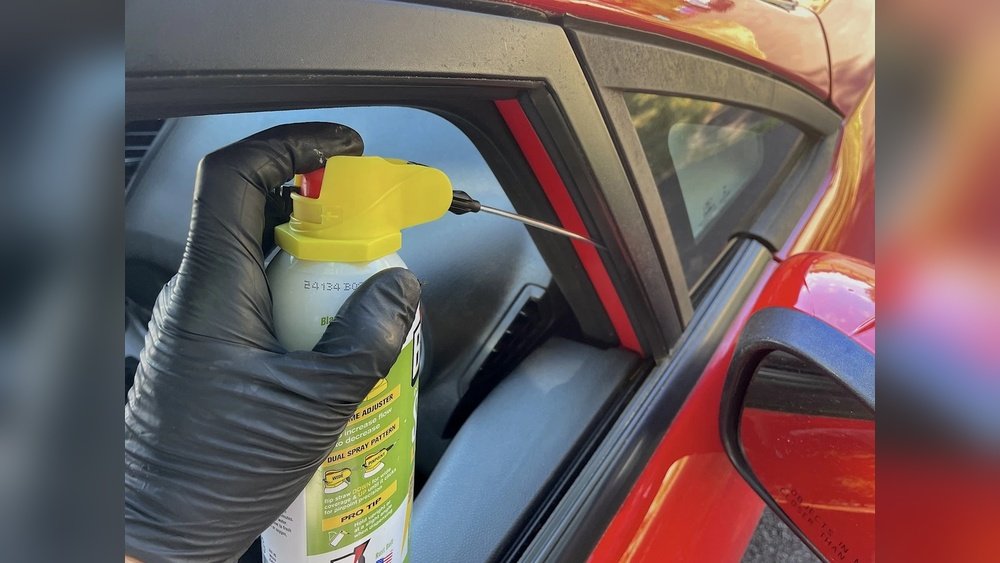
    How to Clean Car Window Rubber: Easy Tips for a Spotless Shine

    Credit: www.youtube.com

    Prepare The Car Window Rubber

    Preparing the car window rubber is an important first step before cleaning. This helps remove dirt and protect areas nearby. Clean rubber seals last longer and look better.

    Taking time to prepare also makes the cleaning process easier. It stops damage to paint or glass. Follow simple steps for the best results.

    Remove Loose Dirt And Debris

    Start by brushing off loose dirt and dust from the rubber. Use a soft brush or dry cloth. This stops dirt from scratching the rubber during cleaning.

    Check all edges carefully. Small leaves or dust can hide in corners. Removing them first helps the cleaner work better.

    Protect Surrounding Areas

    Cover car paint and glass near the rubber with tape or plastic. This prevents cleaner or water from causing spots or damage.

    Use painter’s tape or masking tape for easy removal. Cover enough area to catch drips or spills. This keeps your car safe and clean.

    Step-by-step Cleaning Process

    Cleaning car window rubber keeps it soft and stops cracks. Follow these clear steps for a fresh, long-lasting seal. The right cleaning helps your car look neat and protects against leaks.

    Apply Cleaner Carefully

    Choose a gentle cleaner made for rubber. Avoid harsh chemicals that cause damage. Use a soft cloth or sponge to apply. Work in small sections. Do not pour cleaner directly on the rubber. This prevents waste and over-soaking.

    Scrub Without Damaging Rubber

    Use a soft brush or cloth for scrubbing. Move in gentle, circular motions. Avoid hard scrubbing or sharp tools. Focus on removing dirt and grime. Take your time to protect the rubber’s surface.

    Rinse And Dry Thoroughly

    Rinse the rubber with clean water. Make sure all cleaner is washed away. Use a dry cloth to remove water. Let the rubber air dry fully. Drying stops mold and keeps rubber flexible.

    How to Clean Car Window Rubber: Easy Tips for a Spotless Shine

    Credit: www.youtube.com

    Restore Rubber Flexibility

    Rubber on car windows can dry out and crack over time. Restoring its flexibility helps keep the seal tight. Flexible rubber protects against water leaks and wind noise. It also extends the life of your car’s window seals. Simple care steps bring back softness and strength.

    Use Rubber Protectants

    Rubber protectants bring moisture back to dry seals. Choose products made for automotive rubber. Apply a small amount with a clean cloth. Rub gently along the entire rubber edge. Let it soak in for a few minutes. This process keeps the rubber soft and pliable.

    Regular use of protectants prevents cracking and hardening. Avoid products with petroleum or silicone. These can damage rubber over time. A good protectant also shields rubber from sun damage. It helps maintain a fresh, flexible surface.

    Avoid Harsh Chemicals

    Harsh chemicals dry out rubber quickly. Avoid using bleach, ammonia, or strong detergents. These substances cause rubber to become brittle. They can cause small cracks to grow larger. Always choose mild soaps or special rubber cleaners. These keep rubber healthy without harm.

    Test any cleaner on a small area first. Watch for changes in color or texture. Gentle cleaning protects the rubber’s natural oils. This keeps the material soft and flexible longer.

    Prevent Future Damage

    Protecting your car window rubber from damage extends its life and keeps your car looking good. Taking simple steps can stop cracks and drying out. Prevention saves time and money on repairs.

    Regular Maintenance Tips

    Check your window rubber every two weeks. Clean dirt and dust with a soft cloth. Use mild soap and water for deeper cleaning. Avoid harsh chemicals that can harm the rubber. Apply silicone-based spray to keep rubber soft. This stops it from drying and cracking. Regular care prevents hardening and leaks.

    Proper Parking And Storage

    Park your car in the shade or garage. Direct sunlight makes rubber dry faster. Avoid parking under trees that drop sap or leaves. Sap can stick and damage rubber seals. If you cannot avoid sun, use a car cover. In cold weather, avoid parking on ice or snow. Frozen rubber can crack when used. Proper parking protects your car’s rubber and windows.

    How to Clean Car Window Rubber: Easy Tips for a Spotless Shine

    Credit: www.r8talk.com

    Troubleshoot Common Issues

    Car window rubber can face common problems that affect its look and function. These issues need quick attention to avoid bigger damage. Troubleshooting helps you keep the rubber soft and strong. It also stops water leaks and noise.

    Dealing With Cracks And Tears

    Cracks and tears in window rubber reduce its seal. Clean the rubber first with mild soap and water. Use a soft cloth to dry it well. Apply a rubber conditioner to soften old rubber. Small tears can be fixed with rubber adhesive. Press the edges firmly and let it dry. For large cracks, consider replacing the rubber strip. Regular checks help catch damage early.

    Removing Stubborn Stains

    Stains on rubber come from dirt, tar, or tree sap. Use a mixture of water and vinegar to clean stains. Dip a cloth in the mix and rub the stain gently. Avoid harsh scrubbing to protect the rubber. For tough stains, use a rubber cleaner made for cars. Rinse with clean water and dry with a soft towel. Regular cleaning stops stains from building up.

    Frequently Asked Questions

    How Do I Clean Car Window Rubber Properly?

    Use mild soap and water with a soft cloth to clean the rubber. Avoid harsh chemicals. Rinse thoroughly and dry with a microfiber towel to prevent damage and maintain flexibility.

    What Products Are Safe For Car Window Rubber Cleaning?

    Mild detergents or dedicated rubber cleaners are best. Avoid solvents and alcohol-based products as they can dry out and crack the rubber over time.

    How Often Should Car Window Rubber Be Cleaned?

    Clean the rubber seals every 1-2 months to prevent dirt buildup and cracking. Regular cleaning helps maintain elasticity and extends the rubber’s lifespan.

    Can I Use Silicone Spray On Car Window Rubber?

    Yes, silicone spray protects and conditions the rubber. Apply sparingly after cleaning to keep the seals soft and prevent drying or cracking.

    Conclusion

    Cleaning car window rubber keeps it soft and lasting longer. Use gentle cleaners and soft cloths for best results. Avoid harsh chemicals that can damage the rubber. Regular care stops dirt and cracks from forming. A clean window seal helps protect your car from water leaks.

    Small efforts can save you from costly repairs later. Keep your car looking neat and well-maintained. Easy steps, big benefits. Try these tips and enjoy smoother rides ahead.

  • How to Clean Car Windows With Shaving Cream: Easy & Effective Tips

    How to Clean Car Windows With Shaving Cream: Easy & Effective Tips

    Are your car windows looking foggy or streaky, no matter how much you clean them? What if there was a simple, surprising trick you could try using something already in your bathroom?

    Yes, shaving cream isn’t just for your morning routine—it can make your car windows shine like new. You’ll discover how to use shaving cream to get crystal-clear windows quickly and easily. Keep reading, and you’ll never struggle with dirty car windows again!

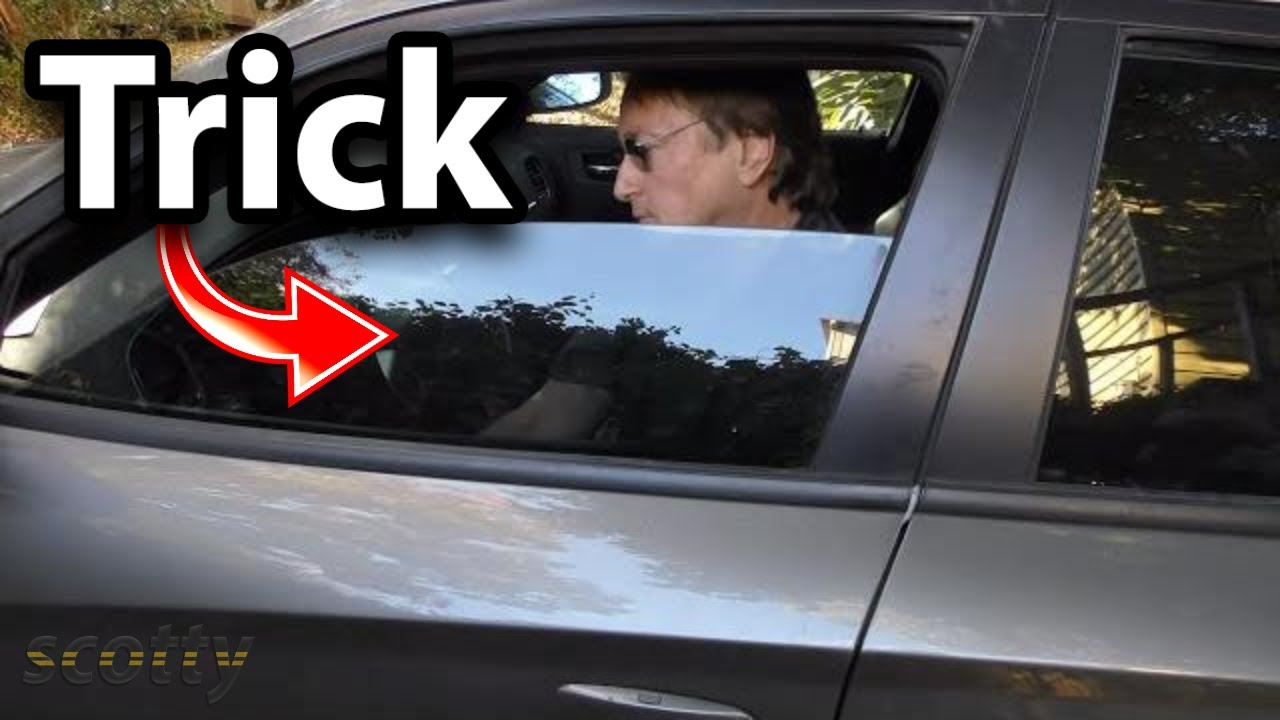
    How to Clean Car Windows With Shaving Cream: Easy & Effective Tips

    Credit: www.express.co.uk

    Benefits Of Using Shaving Cream

    Shaving cream is a surprising yet effective cleaner for car windows. It helps remove dirt, grime, and smudges easily. Using shaving cream is simple and offers several benefits that make it a great choice for your car care routine.

    Natural Cleaning Properties

    Shaving cream contains mild ingredients that break down dirt gently. These natural agents lift away grease and fingerprints without harsh chemicals. It leaves the glass clear and streak-free, improving visibility.

    Cost-effective Solution

    Most people already have shaving cream at home, so no extra purchase is needed. It works well as a cleaner, saving money on special glass products. A small amount cleans large window areas efficiently.

    Safe For Glass Surfaces

    Shaving cream is safe for all types of glass, including car windows. It does not scratch or damage the surface. This makes it a gentle option for regular cleaning without worry.

    Materials Needed

    Cleaning car windows with shaving cream needs a few simple items. Gather the right materials before starting. This helps the process go smoothly. The main item is shaving cream, but other tools help too. Prepare everything to make your windows shine.

    Choosing The Right Shaving Cream

    Select a plain, white shaving cream without added scents. Avoid gels or foams. These can leave streaks or residue on glass. A basic shaving cream works best to clean and polish. Check the label to ensure no extra oils or moisturizers are included. These can make windows slippery and hard to clean well.

    Additional Cleaning Tools

    Use a soft microfiber cloth to apply and wipe shaving cream. Paper towels can scratch the glass. A spray bottle with water helps rinse off the cream. Have a dry, clean cloth ready to polish the glass afterward. These simple tools make the cleaning process easier and more effective.

    Step-by-step Cleaning Process

    Cleaning car windows with shaving cream is simple and effective. Follow these clear steps for a streak-free shine. Each step helps remove dirt and grime, leaving your glass crystal clear. Let’s get started.

    Preparing The Window Surface

    First, park your car in a shaded area. This stops the cream from drying too fast. Use a soft cloth to wipe dust and loose dirt. Make sure the window is dry before applying shaving cream. Clean surfaces help the cream work better.

    Applying Shaving Cream

    Squeeze a small amount of shaving cream onto the window. Spread it evenly with your hand or a clean cloth. Cover the entire glass area you want to clean. Avoid using too much cream to prevent waste. The cream’s foam helps lift dirt and grime.

    Scrubbing And Polishing

    Use a microfiber cloth to scrub the window gently. Move in small circles to polish the glass. Focus on spots with stubborn stains or marks. This step clears away grease and smudges effectively. Take your time for a smooth finish.

    Removing Residue

    Take a clean, damp cloth to wipe off the shaving cream. Make sure to remove all residue to avoid streaks. Dry the window with another soft cloth for a clear shine. Check the glass from different angles for missed spots. Your windows should now look bright and clean.

    Tips For Best Results

    Cleaning car windows with shaving cream is simple and effective. To get the best results, follow some key tips. These tips help avoid streaks, improve visibility, and keep windows clear longer. Small efforts make a big difference in your car’s appearance and safety.

    Avoiding Streaks

    Use a clean, soft cloth to apply the shaving cream. Spread it evenly across the window surface. Avoid using too much cream; a thin layer works best. Wipe the window gently in circular motions. Finish with a dry microfiber cloth to remove residue. This method helps prevent streaks and smudges.

    Cleaning On A Cloudy Day

    Choose a cloudy day for cleaning car windows. Direct sunlight can dry shaving cream too fast. This causes streaks and makes cleaning harder. Cooler temperatures allow better cream absorption and easier wiping. Your windows will look clearer and cleaner after cleaning.

    Regular Maintenance

    Clean your car windows with shaving cream every two weeks. Regular cleaning stops dirt buildup and keeps glass shiny. Quick maintenance is easier than deep cleaning later. It also improves your driving safety by keeping vision clear. Consistency is key for sparkling car windows.

    Common Mistakes To Avoid

    Cleaning car windows with shaving cream can be effective. Yet, some common mistakes can reduce the results. Avoid these errors to get clear, streak-free glass every time. Simple steps matter a lot for a clean finish.

    Using Too Much Product

    Applying too much shaving cream can cause a mess. Thick layers are hard to wipe off and leave residue. Use a small amount for better control and easier cleaning. Thin, even coverage works best on glass surfaces.

    Ignoring Frame And Seals

    Many forget to clean the window frames and seals. Dirt and cream buildup there can cause damage over time. Wipe these areas gently with a damp cloth. Keep the whole window area clean for lasting results.

    Skipping Final Wipe

    Not doing a final wipe can leave streaks and spots. Use a dry microfiber cloth to remove any leftover cream. This step ensures a clear, shiny window without smudges. Always finish with a thorough dry wipe.

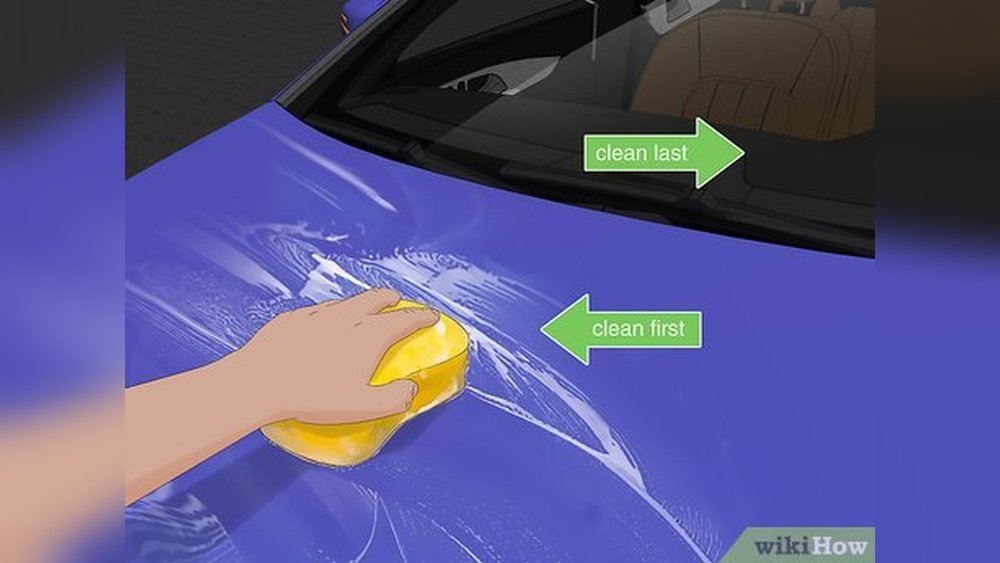
    How to Clean Car Windows With Shaving Cream: Easy & Effective Tips

    Credit: www.wikihow.com

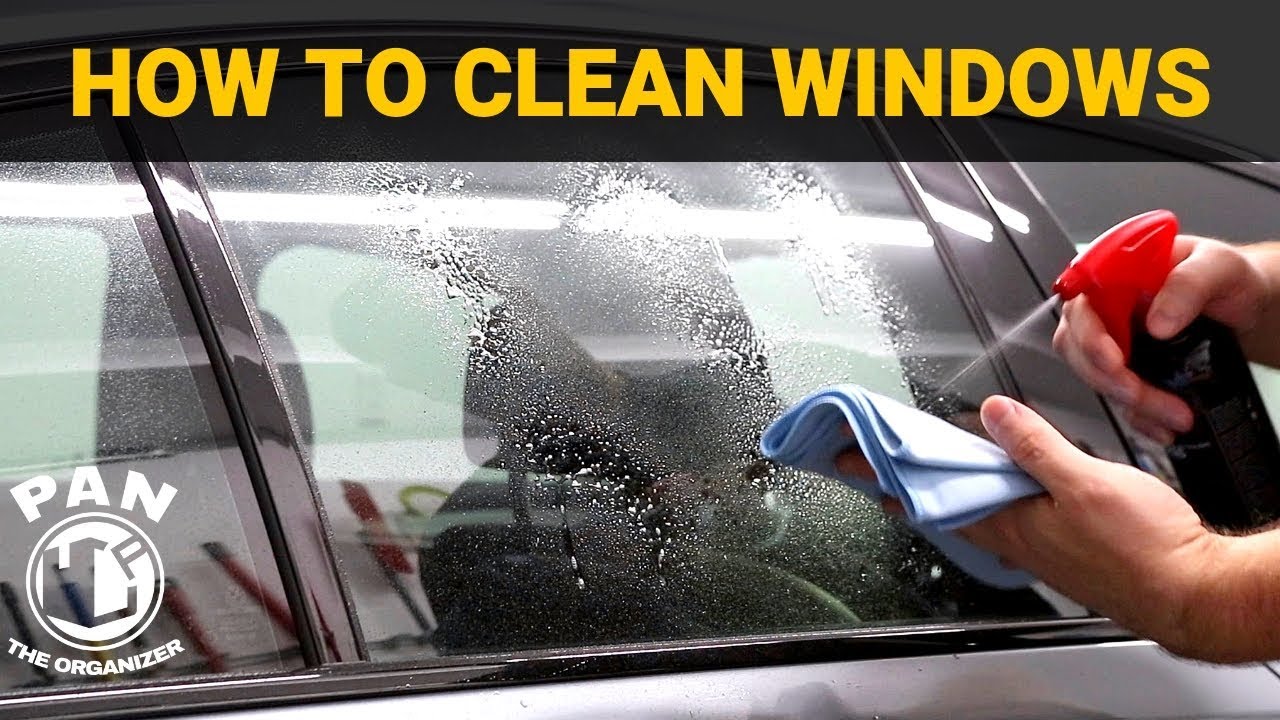
    How to Clean Car Windows With Shaving Cream: Easy & Effective Tips

    Credit: www.youtube.com

    Frequently Asked Questions

    Can Shaving Cream Effectively Clean Car Windows?

    Yes, shaving cream can clean car windows by removing dirt and grime. It contains mild abrasives and lubricants that help polish glass without scratching it.

    How Do You Apply Shaving Cream On Car Windows?

    Apply a small amount of shaving cream on a clean cloth. Rub it gently on the window in circular motions, then wipe off with a damp cloth.

    Is Shaving Cream Safe For All Car Window Types?

    Generally, shaving cream is safe for most car windows, including tinted glass. However, test a small area first to avoid any potential damage or discoloration.

    How Often Should You Clean Car Windows With Shaving Cream?

    Clean your car windows with shaving cream once every few weeks or as needed. Overuse may leave residue, so occasional application is best for clear windows.

    Conclusion

    Cleaning car windows with shaving cream is simple and effective. It removes dirt and helps prevent fogging. Just apply a small amount, spread it evenly, then wipe it off with a clean cloth. This method saves time and money. It works well on both inside and outside glass.

    Try it next time your windows look dull or dirty. Your car will look clearer and safer to drive. Give this easy tip a try and enjoy streak-free windows every day.

  • How to Clean Car Window Molding: Easy Steps for a Spotless Shine

    How to Clean Car Window Molding: Easy Steps for a Spotless Shine

    Your car’s window molding might seem like a small detail, but it plays a big role in keeping your vehicle looking sharp and protected. If you’ve noticed dirt, grime, or even mold building up around your windows, it’s time to take action.

    Cleaning your car window molding isn’t just about appearances—it can prevent damage and keep your car’s value intact. You’ll discover simple, effective steps to clean your window molding quickly and safely. Ready to bring back that fresh, polished look? Let’s dive in and make your car shine like new.

    How to Clean Car Window Molding: Easy Steps for a Spotless Shine

    Credit: www.ebay.com

    Tools And Materials Needed

    Cleaning car window molding requires the right tools and materials. Using proper supplies makes the task easier and more effective. It helps remove dirt and grime without damaging the molding. Prepare everything before you start to save time and effort.

    Cleaning Solutions

    Choose a gentle cleaner safe for rubber and plastic. Mild soap mixed with water works well. Avoid harsh chemicals that can dry or crack the molding. A dedicated automotive cleaner can also be used for tough dirt.

    Brushes And Cloths

    Use soft brushes to reach small gaps and edges. A toothbrush or a small detailing brush works best. Microfiber cloths are ideal for wiping and drying. They prevent scratches and absorb moisture efficiently.

    Protective Gear

    Wear gloves to protect your hands from cleaners. Safety glasses keep your eyes safe from splashes. Use a mask if you use strong cleaning products to avoid inhaling fumes.

    Preparing The Car Window Area

    Preparing the car window area is the first step in cleaning the window molding properly. This step helps remove dirt and dust that can scratch the molding. A clean surface allows the cleaning product to work better. Taking time to prepare the area saves effort later.

    Removing Loose Dirt

    Start by removing loose dirt and dust from the window molding. Use a soft brush or cloth to gently wipe away dirt. Avoid using hard brushes that can damage the molding. You can also use compressed air to blow away dirt from tight spots. Removing loose dirt prevents scratches during cleaning.

    Drying The Surface

    After removing dirt, dry the surface with a clean, dry cloth. Make sure the molding is completely dry before applying any cleaner. A dry surface helps the cleaner stick better and work more effectively. Avoid leaving water on the molding as it can cause streaks or spots.

    Cleaning The Window Molding

    Cleaning the window molding of your car keeps it looking fresh and helps prevent damage. Dirt and grime build up over time and can cause wear. Regular cleaning protects the rubber and plastic parts around the windows. It also improves the overall appearance of your vehicle. Follow these simple steps for effective cleaning.

    Applying Cleaning Solution

    Choose a gentle cleaner safe for rubber and plastic. Spray or apply the solution evenly on the window molding. Let it sit for a few minutes to loosen dirt. Avoid harsh chemicals that can cause cracking or fading. Use a cleaner made for car exteriors or mild soap mixed with water.

    Scrubbing Techniques

    Use a soft brush or sponge to scrub the molding gently. Focus on areas with heavy dirt or stains. Move in small, circular motions to lift grime. Avoid using stiff brushes that might scratch the surface. Take your time and be thorough for best results.

    Rinsing Off Residue

    Rinse the molding with clean water to remove all cleaning solution. Use a hose or a wet cloth to wash away soap and dirt. Make sure no residue is left behind, as it can attract more dirt. Dry the molding with a soft towel to prevent water spots.

    How to Clean Car Window Molding: Easy Steps for a Spotless Shine

    Credit: civic-eg.com

    Dealing With Stubborn Stains

    Stubborn stains on car window molding can be tough to remove. These marks may come from dirt, tar, or old grease. Cleaning them carefully helps keep the molding looking new and protects it from damage.

    Some stains need more than basic washing. Using the right tools and methods helps get rid of tough spots without hurting the molding.

    Using Specialized Cleaners

    Specialized cleaners are made for automotive use. They break down dirt and grime without harming rubber or plastic molding. Choose a cleaner labeled safe for car trim. Spray it on the stained area and let it sit for a few minutes. Use a soft cloth to wipe the stain gently. Repeat if needed until the stain fades. Always test the cleaner on a small hidden spot first.

    Gentle Abrasion Methods

    For very stubborn stains, gentle abrasion can help. Use a soft-bristle brush or a foam sponge. Avoid rough scrubbing that might scratch or damage the molding. Lightly rub the stained area with the brush in a circular motion. This helps lift dirt without harm. After scrubbing, wipe the area with a damp cloth to remove residue. Pat dry with a clean towel to finish.

    Protecting And Restoring Shine

    Protecting and restoring the shine of car window molding keeps your vehicle looking fresh. Clean moldings can brighten the whole car appearance. Proper care stops dirt and sun damage from dulling the surface. Simple steps can bring back the original shine quickly. Consistent care extends the life of the molding and protects it from cracks.

    Applying Protective Coatings

    Choose a protective coating designed for rubber or plastic moldings. These coatings create a barrier against UV rays and dirt. Apply the product with a soft cloth or sponge. Spread evenly and avoid over-application. Let the coating dry fully before touching the surface. Reapply every few months to keep protection strong. Protective coatings help keep the molding flexible and shiny.

    Polishing Tips

    Use a gentle polish made for car trim to restore shine. Apply a small amount on a microfiber cloth. Rub the polish in circular motions for best results. Polishing removes light scratches and smooths the surface. Buff the area with a clean cloth to reveal a glossy finish. Avoid harsh chemicals that can damage the molding. Regular polishing keeps the molding looking new and smooth.

    How to Clean Car Window Molding: Easy Steps for a Spotless Shine

    Credit: www.youtube.com

    Maintaining Clean Window Molding

    Maintaining clean window molding helps protect your car from damage. Dirt and grime can build up and cause the molding to crack or fade. Keeping the molding clean also improves the car’s look. Regular care makes the molding last longer and keeps your vehicle looking sharp.

    Regular Cleaning Schedule

    Set a regular time to clean the window molding. Clean it at least once every two weeks. More often if you drive on dusty or muddy roads. Use a soft cloth or sponge with mild soap and water. Rinse well to remove all soap. Dry the molding with a clean towel to stop water spots.

    Avoiding Common Mistakes

    Do not use harsh chemicals or strong cleaners on molding. They can cause damage and fade the color. Avoid rough scrubbing or using abrasive brushes. These can scratch the surface. Do not skip drying the molding after washing. Water left on the molding can cause stains or mold growth.

    Frequently Asked Questions

    How Often Should I Clean Car Window Molding?

    Clean car window molding every 1 to 2 months. Regular cleaning prevents dirt buildup and protects the molding from damage. Frequent cleaning keeps the molding looking fresh and extends its lifespan.

    What Tools Are Needed To Clean Window Molding?

    Use a soft brush, microfiber cloth, mild soap, and water. These tools gently remove dirt without damaging the molding. Avoid harsh tools to prevent scratches and discoloration.

    Can I Use Household Cleaners On Car Molding?

    Avoid harsh household cleaners; they can damage the molding. Use automotive-safe cleaners or mild soap with water instead. This ensures effective cleaning without harming the material or finish.

    How To Prevent Mold Buildup On Window Molding?

    Regular cleaning and drying after washing your car prevent mold growth. Use a protective dressing designed for rubber or plastic molding. Keeping the molding dry limits moisture that causes mold.

    Conclusion

    Cleaning car window molding keeps your vehicle looking fresh and neat. Dirt and grime can damage the molding over time. Regular cleaning helps prevent cracks and fading. Use gentle cleaners and soft cloths for best results. Taking a few minutes to clean molding protects your car’s value.

    Simple steps make the job quick and easy. Keep your car’s windows and molding in great shape. A clean car always feels better to drive.

  • How to Clean Windshield Chrisfix: Easy Steps for Crystal Clear Views

    How to Clean Windshield Chrisfix: Easy Steps for Crystal Clear Views

    Your windshield is your window to the road, and keeping it clean is more important than you might think. If you’ve ever struggled with streaks, grime, or stubborn spots that just won’t come off, you’re not alone.

    But what if you could clean your windshield quickly, effectively, and without any hassle? That’s exactly what you’ll learn with ChrisFix’s proven techniques. By the end of this article, you’ll know the simple steps to get your windshield crystal clear, improving your visibility and driving safety.

    Ready to see the road like never before? Let’s dive in.

    Tools And Materials Needed

    Cleaning your windshield properly needs the right tools and materials. Having them ready makes the job easier and gives better results. Using poor tools can leave streaks or dirt behind. This guide helps you gather everything needed to clean like ChrisFix.

    Essential Cleaning Supplies

    Start with a good glass cleaner. Choose one made for car windows. It removes dirt and grime without damage.

    Use microfiber towels. They are soft and do not scratch glass. Avoid paper towels because they leave lint.

    A spray bottle filled with water helps rinse the glass. It also dilutes the cleaner if needed.

    Have a bucket of clean water ready. It helps to rinse towels and keep dirt off the glass.

    Optional Accessories For Better Results

    A clay bar removes stubborn contaminants from the glass surface. It makes the windshield very smooth.

    Use a squeegee for a streak-free finish. It removes excess water quickly and easily.

    An extension pole can help reach the top of large windshields. It avoids stretching or standing on unstable surfaces.

    Windshield treatment sprays add water repellency. They help rain slide off faster for clearer vision.

    Preparing The Windshield

    Preparing the windshield is the first step in cleaning it effectively. A clean windshield improves visibility and safety while driving. This section explains how to prepare your windshield before deep cleaning.

    Removing Loose Dirt And Debris

    Start by removing loose dirt and debris from the windshield. Use a soft brush or a microfiber cloth to gently wipe away dust and particles. Avoid using hard or sharp objects that might scratch the glass. Removing surface dirt makes the cleaning process easier and prevents smearing.

    Checking For Damage Or Stains

    Examine the windshield for any cracks, chips, or stubborn stains. Small cracks can grow if ignored. Stains may need special cleaners or treatments. Identifying these issues early helps decide the best cleaning method. It also ensures your windshield stays in good condition longer.

    Step-by-step Cleaning Process

    Cleaning your windshield properly improves your driving safety. Dirt, bugs, and grime can block your view. A clear windshield helps you see the road better. Follow these simple steps to clean your windshield like ChrisFix shows.

    Applying The Cleaner

    Start by spraying a good glass cleaner on the windshield. Cover all dirty areas evenly. Use a cleaner made for glass, not household products. Let the cleaner sit for a few seconds to loosen dirt. Avoid spraying too much to prevent streaks.

    Scrubbing Techniques

    Use a soft microfiber cloth or sponge for scrubbing. Clean in small, circular motions to remove grime. Focus on stubborn spots like bug splatters or bird droppings. Don’t press too hard to avoid scratches. Change cloth sides when it gets dirty.

    Rinsing And Drying

    Rinse the windshield with clean water to remove cleaner residue. Use a gentle stream to avoid smearing dirt. Dry the glass with a dry microfiber towel or chamois. Wipe in vertical or horizontal strokes for a streak-free finish. Check for any missed spots and clean again if needed.

    How to Clean Windshield Chrisfix: Easy Steps for Crystal Clear Views

    Credit: tiphero.com

    Dealing With Tough Stains

    Tough stains on your windshield can block your view. Cleaning these spots needs the right methods and tools. Chrisfix shows simple ways to handle stubborn stains quickly. This guide helps keep your windshield clear and safe.

    Removing Bug Splatter

    Bug splatter can stick hard to glass. Use warm water and soap to soften it first. Let the solution sit for a few minutes. Then, gently scrub with a soft cloth or sponge. Avoid using sharp tools that can scratch the glass. For tough spots, try a bug remover spray made for windshields. Wipe the area clean and rinse well.

    Handling Water Spots And Mineral Deposits

    Water spots come from minerals left after water dries. These can look like white or cloudy marks. Use vinegar mixed with water to break down deposits. Spray the mix on the spots and let it sit for five minutes. Wipe with a clean cloth and rinse thoroughly. Repeat if spots remain. This method clears spots without chemicals that harm glass.

    Maintaining A Clear Windshield

    Maintaining a clear windshield is essential for safe driving. Dirt, dust, and grime can build up fast. This buildup reduces visibility and can cause accidents. Keeping the windshield clean helps you see the road clearly. It also makes driving more comfortable and less tiring.

    Regular care of your windshield prevents scratches and stains. It also protects the glass from long-term damage. Simple steps can keep your windshield spotless all year round. Below are key tips to maintain a clear windshield.

    Regular Cleaning Tips

    Clean your windshield often to avoid dirt buildup. Use a soft cloth or sponge with glass cleaner. Spray the cleaner evenly and wipe in a circular motion. Avoid harsh chemicals that can damage the glass. Use water and mild soap if needed. Don’t forget to clean both inside and outside surfaces. Replace windshield wipers regularly to avoid streaks. Clear wipers improve cleaning and reduce scratches.

    Using Protective Treatments

    Apply protective treatments to repel water and dirt. These treatments help water bead and roll off quickly. This keeps the windshield clearer during rain. Use products designed for automotive glass only. Follow the instructions carefully for best results. Reapply treatments every few months to maintain protection. This simple step improves visibility and driving safety.

    How to Clean Windshield Chrisfix: Easy Steps for Crystal Clear Views

    Credit: www.motorbiscuit.com

    Common Mistakes To Avoid

    Cleaning your windshield seems simple. Yet, many make mistakes that reduce the glass clarity. Avoiding these errors saves time and effort. It also protects your windshield from damage. Below are common mistakes to avoid when cleaning your windshield.

    Using Harsh Chemicals

    Harsh chemicals can damage your windshield surface. They may cause scratches or leave streaks behind. Many strong cleaners contain ammonia or bleach. These substances can weaken glass or harm car paint near edges. Use gentle, glass-specific cleaners instead. They clean well without causing damage.

    Ignoring Wiper Blade Condition

    Dirty or worn wiper blades spread dirt, causing smudges. Old blades may scratch the glass when used. Check your wipers before cleaning the windshield. Replace blades that are cracked or stiff. Clean blades help keep the glass clear longer.

    How to Clean Windshield Chrisfix: Easy Steps for Crystal Clear Views

    Credit: www.youtube.com

    Frequently Asked Questions

    How Do I Clean My Windshield Like Chrisfix?

    ChrisFix recommends using a quality glass cleaner and microfiber cloth. Spray cleaner evenly, wipe in circular motions, and dry with a clean cloth. This method removes dirt, grime, and streaks effectively, ensuring a clear, spotless windshield for safe driving.

    What Tools Does Chrisfix Use For Windshield Cleaning?

    ChrisFix uses basic tools like a glass cleaner, microfiber towels, and a soft brush. These tools help remove dirt and debris without scratching the glass. Using the right tools ensures a thorough, damage-free cleaning process for your windshield.

    How Often Should I Clean My Windshield?

    ChrisFix suggests cleaning your windshield weekly or as needed. Regular cleaning prevents buildup of dirt, bugs, and grime. This improves visibility and driving safety while maintaining the windshield’s condition over time.

    Can Chrisfix’s Method Remove Stubborn Windshield Stains?

    Yes, ChrisFix’s method can tackle stubborn stains. Using a glass cleaner with a degreaser and gentle scrubbing removes tough spots. For extreme cases, a clay bar or specialized cleaner may be recommended.

    Conclusion

    Cleaning your windshield helps you see clearly and drive safely. Use the right tools and gentle cleaners for best results. Regular cleaning stops dirt and grime from building up. Remember to clean both inside and outside surfaces. Taking a few minutes often keeps your windshield spotless.

    Clear glass means better vision and safer trips every time. Keep your car looking fresh and your view sharp. Simple steps, big difference.

  • How to Clean Windshield Camera Tesla: Easy Steps for Crystal Clear Vision

    Your Tesla’s windshield camera plays a crucial role in keeping you safe and enhancing your driving experience. But have you ever stopped to think about how clean it really is?

    A dirty camera lens can blur the view, affect performance, and even cause errors. If you want your Tesla to work at its best, knowing how to properly clean your windshield camera is a must. In this guide, you’ll discover simple, effective steps to keep your camera crystal clear—so you can drive with confidence every time.

    Keep reading to learn exactly what you need to do.

    How to Clean Windshield Camera Tesla: Easy Steps for Crystal Clear Vision

    Credit: www.youtube.com

    Why Clean Your Tesla Windshield Camera

    Cleaning your Tesla windshield camera is important. This camera helps your car see the road and surroundings clearly. Dirt or dust on the lens can block its view. A clean camera helps your Tesla work better and keeps you safe.

    Impact On Safety And Performance

    The windshield camera helps with features like Autopilot and emergency braking. Dirt or smudges can make these features less accurate. A dirty camera lens can cause wrong signals or delays. This can lead to unsafe driving situations. Keeping the camera clean supports better safety and smoother driving performance.

    Common Causes Of Dirt And Debris

    Road dust and mud often stick to the camera lens. Rain can leave water spots that blur vision. Bugs and leaves can also block the camera view. Even car wash residue or fingerprints can reduce clarity. Regular cleaning removes these common blocks quickly.

    Tools Needed For Cleaning

    Cleaning the windshield camera on your Tesla requires the right tools. Using proper materials ensures the camera stays clear without damage. This section lists what you need and what to avoid for safe cleaning.

    Recommended Cleaning Materials

    Use a soft microfiber cloth to clean the camera lens gently. Microfiber traps dust and dirt without scratching the glass. A small spray bottle with distilled water helps remove grime safely. For tougher spots, mix a mild soap with water. Avoid harsh chemicals that may damage the camera cover. Use cotton swabs for hard-to-reach areas around the camera. Always dry the lens with a clean, dry microfiber cloth to prevent streaks.

    Items To Avoid

    Never use paper towels or tissues. They can scratch the lens surface. Avoid ammonia or bleach-based cleaners. These chemicals can cloud the camera lens or damage seals. Do not use abrasive pads or brushes. They may leave permanent marks. Avoid high-pressure water sprays close to the camera. Water can seep inside and cause damage. Skip using household glass cleaners with strong chemicals. Stick to mild, safe solutions only.

    Preparing Your Tesla For Cleaning

    Preparing your Tesla for cleaning is the first step to protect its sensitive parts. The windshield camera is delicate and needs care before you start cleaning. Taking simple precautions helps avoid damage and keeps the camera working well.

    Follow these easy steps to get your Tesla ready. This way, you clean safely and maintain your car’s advanced features.

    Parking And Powering Down

    Park your Tesla on a flat surface. Turn off the car completely. This stops any automatic movements or alerts during cleaning. Use the Tesla app or the key to power down. Wait a few minutes to let the system shut off fully. This reduces the risk of electrical issues while cleaning.

    Protecting The Camera Area

    Look closely at the windshield camera location. Avoid touching or pressing it hard. Use soft cloths or covers to shield nearby parts. Do not spray cleaning liquid directly on the camera. Instead, apply cleaner to the cloth first. These steps keep the camera lens safe from scratches and moisture.

    Step-by-step Cleaning Process

    Keeping the windshield camera of your Tesla clean is essential for clear vision and safety. Dirt, dust, and smudges can blur the camera’s view. A clean lens helps the camera perform better. Follow these simple steps to clean it properly.

    Initial Dust Removal

    Start by gently brushing off loose dust and dirt. Use a soft brush or a microfiber cloth. Avoid pressing hard to protect the lens. Removing loose particles first prevents scratches later.

    Applying Cleaning Solution

    Use a gentle cleaning solution made for lenses or glass. Lightly spray it on the cloth, not directly on the camera. Too much liquid can damage the electronics. Choose a solution without ammonia or harsh chemicals.

    Gentle Wiping Techniques

    Wipe the lens softly in small circles. Do not rub too hard. Use a clean, dry microfiber cloth for this step. Gentle wiping prevents scratches and removes smudges effectively.

    Drying The Camera Lens

    Let the lens air dry or use a dry part of the microfiber cloth. Ensure no moisture remains on the lens. A dry lens keeps the camera clear and ready to work well.

    Tips To Maintain Camera Clarity

    Maintaining the clarity of your Tesla’s windshield camera is vital for safety and optimal performance. Clean and clear cameras capture better images and help the car’s systems work smoothly. Follow simple tips to keep your camera lens spotless and fully functional.

    Regular Cleaning Schedule

    Set a routine to clean the camera lens often. Dirt, dust, and water spots can blur the lens quickly. Use a soft microfiber cloth to wipe the lens gently. Avoid harsh rubbing to prevent scratches. Clean more frequently during bad weather or dusty roads.

    Using Protective Coatings

    Apply a clear protective coating on the camera lens. These coatings repel water and reduce dust buildup. Choose coatings made for glass surfaces. This helps keep the lens cleaner for longer periods. Reapply the coating as needed for best results.

    Avoiding Harsh Conditions

    Protect the camera from extreme weather and strong impacts. Avoid parking under trees where sap or bird droppings may fall. Keep the car away from heavy dust or construction areas. Shield the lens from ice and snow by warming the car before driving.

    How to Clean Windshield Camera Tesla: Easy Steps for Crystal Clear Vision

    Credit: www.youtube.com

    Troubleshooting Camera Issues

    Troubleshooting camera issues in your Tesla is key to keeping your windshield camera working well. The camera helps with safety features like Autopilot and parking. Problems can cause wrong signals or fail to record important footage.

    Regular checks and quick fixes often solve minor glitches. Knowing the signs of camera malfunction helps you act fast. Sometimes, the problem needs expert care to avoid bigger damage.

    Signs Of Camera Malfunction

    Look for blurry or dark images on the screen. The camera may not detect obstacles or lane markings clearly. Warning messages about camera failure can appear on your dashboard. The Autopilot system might stop working or show errors. Sudden changes in camera view or freezing images also indicate trouble. Dirt and smudges on the lens can cause these problems.

    When To Seek Professional Help

    If cleaning the camera lens does not fix the issue, consult a Tesla service center. Persistent warning lights or error messages require expert diagnosis. Physical damage to the camera or wiring needs professional repair. Avoid trying to open or fix the camera yourself to prevent more damage. Skilled technicians have the right tools to test and fix the camera system safely. Early professional help keeps your Tesla’s safety features reliable.

    How to Clean Windshield Camera Tesla: Easy Steps for Crystal Clear Vision

    Credit: service.tesla.com

    Frequently Asked Questions

    How Often Should I Clean My Tesla Windshield Camera?

    Clean the Tesla windshield camera every 2 to 4 weeks. Frequent cleaning ensures clear vision for safety features. Dust, dirt, and debris can block the camera’s view. Regular maintenance helps maintain optimal performance of Tesla’s autopilot system.

    What Materials Are Safe To Clean Tesla Windshield Cameras?

    Use a microfiber cloth and mild glass cleaner to clean the camera. Avoid abrasive materials or harsh chemicals that can scratch or damage the lens. Soft, lint-free cloths gently remove dirt without harming the camera’s sensitive surface.

    Can I Use Water To Clean Tesla Windshield Cameras?

    Yes, use clean water with a microfiber cloth for light cleaning. Avoid spraying water directly on the camera to prevent moisture damage. Gently wipe the lens to remove dust or smudges without causing harm.

    Why Is Cleaning Tesla Windshield Camera Important?

    Cleaning ensures the camera captures clear images for Tesla’s safety systems. Dirty lenses reduce the effectiveness of autopilot and driver-assist features. Proper cleaning improves vehicle safety and driving accuracy.

    Conclusion

    Keeping your Tesla’s windshield camera clean helps maintain clear vision. Dirt and smudges can block the camera’s view and affect safety features. Use a soft cloth and gentle cleaner to wipe the lens carefully. Regular cleaning ensures the camera works well every time you drive.

    Small efforts make a big difference in camera performance and road safety. Stay attentive and keep your Tesla’s camera in good shape for best results. Simple steps, better driving.

  • How to Clean Car Rear Window: Easy Steps for a Crystal Clear View

    How to Clean Car Rear Window: Easy Steps for a Crystal Clear View

    Your car’s rear window is more than just a piece of glass—it’s your clear view to what’s behind you. But when dirt, dust, and grime build up, your visibility drops and driving becomes risky.

    You might think cleaning it is a hassle, or that a quick spray and wipe will do the trick. What if you could make your rear window spotless with simple steps that save you time and keep you safe? Keep reading, because this guide will show you exactly how to clean your car’s rear window like a pro, so you can drive confidently every time.

    Tools And Materials Needed

    Cleaning the rear window of your car requires the right tools and materials. Using proper supplies makes the job easier and better. You avoid streaks and smudges for a clear view. Prepare everything before starting to save time and effort.

    Essential Cleaning Supplies

    A clean microfiber cloth is a must. It traps dirt without scratching glass. Use a glass cleaner made for cars. It removes dirt and grime effectively. Have a spray bottle filled with water or a water-vinegar mix. This helps rinse and wipe away residue. A soft-bristled brush can clear dust from corners. Keep paper towels handy for quick drying. Gloves protect your hands from chemicals.

    Optional Accessories For Tough Stains

    For stubborn spots, a clay bar can remove bonded dirt. Use a razor blade scraper carefully to lift stuck-on grime. A foam applicator pad helps spread cleaners evenly. Consider a small handheld vacuum to clear dust before cleaning. Extra microfiber cloths are useful for buffing and polishing. Rubbing alcohol can break down tough grease and film. These extras make cleaning easier and more thorough.

    How to Clean Car Rear Window: Easy Steps for a Crystal Clear View

    Credit: www.youtube.com

    Preparing The Car Rear Window

    Preparing the car rear window is the first step to a clean and clear surface. This stage helps avoid scratches and ensures the cleaning products work well. Taking time to prepare saves effort later.

    Start by removing any loose dirt or debris. Then, protect the areas around the window to keep them safe from cleaning liquids.

    Removing Loose Dirt And Debris

    Use a soft brush or cloth to gently wipe off dust and dirt. Avoid hard scrubbing, which can cause scratches. Clear away leaves, twigs, or bugs stuck on the glass. This prevents dirt from mixing with water and creating streaks.

    Protecting Surrounding Areas

    Cover the car paint and rubber seals near the rear window with tape or cloth. This stops cleaning solutions from damaging these parts. Be careful around sensors or cameras. Keep them dry and clean for proper function.

    Cleaning Process

    Cleaning the rear window of your car is simple with the right steps. The process ensures clear vision and safety while driving. Follow these easy steps to get a spotless rear window.

    Applying The Cleaning Solution

    Start by spraying a good glass cleaner on the rear window. Cover the entire surface evenly. Avoid spraying too much to prevent drips. Use a cleaner made for automotive glass for best results.

    Scrubbing Techniques

    Use a soft sponge or microfiber cloth to scrub the window gently. Move in circular motions to lift dirt and grime. Focus on corners and edges where dirt builds up. Avoid using rough materials that can scratch the glass.

    Wiping And Drying

    Take a clean, dry microfiber cloth to wipe the window. Use straight, vertical strokes to remove streaks. Check the glass from different angles to spot missed spots. Dry the window fully to prevent water marks.

    How to Clean Car Rear Window: Easy Steps for a Crystal Clear View

    Credit: www.reddit.com

    Dealing With Stubborn Stains

    Stubborn stains on your car’s rear window can block your view. Dirt, grime, and water spots may not come off easily. Using the right cleaning methods helps keep the glass clear and safe. Simple tools and common household items can remove tough marks. Let’s explore how to deal with these stubborn stains effectively.

    Using Vinegar Or Glass Cleaner

    Vinegar is a natural cleaner that breaks down dirt and grease. Mix equal parts of vinegar and water in a spray bottle. Spray the solution on the rear window and let it sit for a few minutes. Then, wipe with a clean microfiber cloth in circular motions. For stronger stains, use a commercial glass cleaner. These products are designed to remove grime without scratching the glass. Always use a soft cloth to avoid damage.

    Removing Water Spots And Residue

    Water spots form from hard water drying on the glass. They leave behind white or cloudy marks. To remove these, dampen a cloth with vinegar or lemon juice. Rub the spots gently until they fade away. Rinse the window with clean water afterward. Dry the glass with a fresh cloth to prevent new spots. Regular cleaning stops residue from building up and keeps the window clear.

    Maintaining A Clear Rear Window

    Maintaining a clear rear window is essential for safe driving. A clean rear window improves visibility and helps you react faster. Dirt, dust, and water spots can block your view and cause accidents. Simple habits keep your rear window spotless and clear.

    Regular Cleaning Schedule

    Set a routine to clean your rear window. Weekly cleaning removes dust and grime buildup. Use a soft cloth and a gentle glass cleaner. Avoid harsh chemicals that can damage the glass. Clean both inside and outside for best results. Regular cleaning stops dirt from hardening on the glass.

    Preventing Future Build-up

    Keep your rear window clear by preventing dirt buildup. Park in shaded or covered areas to reduce dust. Avoid driving on dusty or muddy roads when possible. Use water repellent sprays to help rainwater slide off. Check and clean rear window wiper blades often. These steps keep your rear window cleaner longer.

    How to Clean Car Rear Window: Easy Steps for a Crystal Clear View

    Credit: www.kirksdetail.com

    Frequently Asked Questions

    How Do I Clean A Car Rear Window Effectively?

    Use a glass cleaner and a microfiber cloth for best results. Spray cleaner evenly and wipe in circular motions. Avoid ammonia-based cleaners on tinted windows to prevent damage.

    What Tools Are Needed To Clean Rear Car Windows?

    You need a glass cleaner, a microfiber cloth, and optionally a soft brush. These tools help remove dirt and streaks efficiently without scratching the glass.

    How Often Should I Clean My Car’s Rear Window?

    Clean your rear window every two weeks or more often if dirty. Regular cleaning ensures clear visibility and prevents buildup of grime and dust.

    Can I Use Household Cleaners On Car Rear Windows?

    Avoid using household cleaners with ammonia or bleach. These chemicals can damage tint and rubber seals. Use automotive glass cleaners designed for vehicles.

    Conclusion

    Cleaning your car’s rear window keeps your view clear and safe. Use gentle cleaners and soft cloths to avoid scratches. Regular cleaning stops dirt and grime from building up. Take your time and clean every corner carefully. Clear windows help you drive with confidence.

    Keep this simple routine part of your car care. A clean rear window makes a big difference on the road. Try these easy steps for a spotless finish each time.

  • How to Clean Car Window Scratches: Easy Steps for a Clear View

    How to Clean Car Window Scratches: Easy Steps for a Clear View

    Have you noticed those annoying scratches on your car windows? They can be distracting and make your car look older than it really is.

    The good news is, you don’t have to live with them. With the right steps, you can clean and even reduce those scratches yourself. You’ll discover simple, effective ways to restore your car windows to a clearer, smoother finish. Keep reading, and you’ll learn how to bring back that fresh, spotless look your car deserves.

    How to Clean Car Window Scratches: Easy Steps for a Clear View

    Credit: www.youtube.com

    Identify Scratch Types

    Identifying the type of scratch on your car window is the first step in cleaning it properly. Different scratches need different care. Knowing the depth and severity helps you choose the right method and tools. It saves time and prevents further damage.

    Surface Vs Deep Scratches

    Surface scratches are light marks only on the outer layer of the glass. They usually feel smooth when you run your finger over them. These scratches are easier to clean and polish out.

    Deep scratches go beyond the surface. They feel rough or catch your fingernail. These may need special tools or professional help to fix. Deep scratches can weaken the glass if left untreated.

    Tools For Inspection

    A bright flashlight helps see scratches clearly. Shine it at an angle across the glass surface. This reveals the scratch depth and length.

    Use a magnifying glass for a closer look. It helps to spot tiny scratches invisible to the naked eye. Also, clean the glass first to avoid confusion with dirt or smudges.

    How to Clean Car Window Scratches: Easy Steps for a Clear View

    Credit: www.youtube.com

    Gather Cleaning Supplies

    Gathering the right supplies is the first step to clean car window scratches effectively. Using proper tools helps avoid further damage and ensures a smooth finish. Prepare everything before starting the cleaning process to save time and work efficiently.

    Recommended Polishing Compounds

    Choose polishing compounds made for glass surfaces. These compounds gently remove minor scratches without harming the glass. Look for products labeled as glass polish or scratch remover. Avoid abrasive materials that can cause more scratches. Using the right compound makes the scratch less visible or completely gone.

    Microfiber Cloths And Applicators

    Use soft microfiber cloths to apply polishing compounds. Microfiber cloths clean without scratching the glass. They absorb polish well and help spread it evenly. Foam or felt applicators also work to apply polish smoothly. Avoid rough cloths or paper towels that can add new scratches.

    Prepare The Window Surface

    Preparing the window surface is an important first step before cleaning scratches. A clean surface helps you see the damage clearly. It also makes the cleaning process more effective. Dirt and dust can cause more scratches if not removed first. Follow simple steps to get the window ready.

    Wash And Dry The Window

    Start by washing the window with water and mild soap. Use a soft cloth or sponge to avoid new scratches. Clean the entire window surface to remove oils and grime. Rinse with clean water to get rid of soap residue. Dry the window with a clean, soft towel. Make sure no water spots remain on the glass.

    Remove Dust And Debris

    After washing, check the window for dust and small debris. Use a microfiber cloth to gently wipe the surface. This step removes tiny particles that can interfere with scratch repair. Avoid using rough materials that can cause more damage. A dust-free window surface is ready for the next cleaning step.

    Apply Scratch Removal Techniques

    Applying scratch removal techniques can restore your car windows quickly. These methods work well for different scratch depths. Light scratches need gentle care, while deeper ones require stronger solutions. Choose the right technique for your scratch type to get the best results.

    Using Toothpaste For Light Scratches

    Toothpaste is a simple fix for small scratches. It contains mild abrasives that smooth the glass surface. Apply a small amount on a soft cloth. Rub gently in circular motions over the scratch for about a minute. Wipe clean with a damp cloth. Repeat if needed. This method is safe and easy for minor marks.

    Using Cerium Oxide For Deeper Scratches

    Cerium oxide works well on deeper window scratches. It is a powder that polishes glass effectively. Mix the powder with water to make a paste. Use a polishing pad or cloth to apply it on the scratch. Buff the area with steady pressure in circles. Clean the window afterward to see the improvement. This method takes more effort but gives great results.

    Buff And Polish The Window

    Buffing and polishing your car window helps reduce the look of scratches. It smooths the glass surface and makes scratches less visible. This process can restore clarity and shine to your window.

    Buffing requires care and the right tools. You can do it manually or with a machine. Both methods need the right technique to avoid further damage.

    Manual Buffing Tips

    Start by cleaning the window with glass cleaner. Use a soft cloth to remove dirt and dust.

    Apply a small amount of polishing compound to the scratched area. Use a microfiber cloth to rub the compound in circular motions. Keep the pressure light and steady.

    Buff the area for several minutes. Check your progress often. Stop if the glass feels too warm.

    Wipe off excess compound with a clean cloth. Repeat if scratches remain but do not overdo it.

    Machine Buffing Guidelines

    Choose a low-speed buffer with a soft foam pad. Attach a glass polishing compound to the pad.

    Keep the machine moving in slow, small circles. Do not press hard on the glass.

    Work in short intervals to avoid heat build-up. Take breaks to cool the glass if needed.

    After buffing, clean the window thoroughly. Use a glass cleaner for a clear finish.

    Protect The Window Surface

    Protecting the window surface is key to keeping car windows clear and scratch-free. A well-protected window lasts longer and stays cleaner. It also prevents small scratches from turning into bigger problems. Simple steps can make a big difference in maintaining the glass’s smooth surface.

    Apply Glass Sealant

    Apply a glass sealant to add a protective layer. This layer helps repel dirt and water. It also reduces the chance of scratches from dust and debris. Use a soft cloth to spread the sealant evenly. Let it dry fully before touching the glass. Repeat the application every few months for best results.

    Regular Maintenance Advice

    Clean windows regularly with a gentle glass cleaner. Avoid harsh chemicals that can damage the surface. Use a microfiber cloth to wipe the glass softly. Check for new scratches and treat them quickly. Keep your car in shaded areas to prevent sun damage. These steps keep windows clear and protect the glass over time.

    When To Seek Professional Help

    Not all scratches on car windows can be fixed at home. Some scratches need expert care. Knowing when to ask for professional help saves time and money. It keeps your car window safe and clear.

    Some scratches look small but run deep. Others affect the glass structure. These need special tools and skills. Professionals can assess and repair these issues properly. They also prevent further damage.

    Signs Scratches Are Too Deep

    Deep scratches often feel rough to touch. Light cannot pass through them well. If you see cracks or chips near the scratch, it’s serious. Scratches that affect your view while driving need help. Also, if scratches spread or grow, call a professional.

    Cost And Repair Options

    Professional repair costs vary by damage size and depth. Simple polishing may cost less than glass replacement. Some repairs use resin to fill scratches. Others might require replacing the whole window. A pro can give you the best option and price. Choose wisely to protect your car and budget.

    How to Clean Car Window Scratches: Easy Steps for a Clear View

    Credit: www.reddit.com

    Frequently Asked Questions

    How Can I Remove Minor Scratches From Car Windows?

    Use a glass polishing compound or toothpaste with a soft cloth. Rub gently in circular motions until the scratch fades. Clean the area with water and dry it with a microfiber cloth for best results.

    What Household Items Help Clean Car Window Scratches?

    Toothpaste and baking soda are effective for minor scratches. Apply a small amount on a damp cloth and gently rub in circles. Rinse thoroughly and dry to see improvements. Avoid harsh chemicals that may worsen the scratch.

    Is It Possible To Fix Deep Car Window Scratches At Home?

    Deep scratches usually require professional repair or glass replacement. DIY methods may not fully restore the window’s clarity. Consult an expert to prevent further damage and ensure safety while driving.

    How Long Does It Take To Clean Car Window Scratches?

    Cleaning minor scratches typically takes 10 to 20 minutes. The process involves polishing, rinsing, and drying. Deep scratches may require longer repair or professional services, which vary depending on severity.

    Conclusion

    Cleaning car window scratches takes patience and the right tools. Small scratches can often be fixed at home with simple methods. Always test on a small area first to avoid damage. Use gentle products designed for glass surfaces. Avoid harsh chemicals that might worsen the scratches.

    Regular care keeps your windows clear and safe to drive. Remember, deep scratches may need professional help. Simple steps can improve your car’s look and visibility. Keep your car windows clean for a safer drive every day.

  • How to Clean Car Window Washer Jets: Quick & Easy Guide

    How to Clean Car Window Washer Jets: Quick & Easy Guide

    Have you ever noticed your car’s windshield washer jets spraying weakly or unevenly? It’s frustrating when you need a clear view, but your washer jets don’t work properly.

    The good news is, cleaning your car window washer jets is easier than you think. By following simple steps, you can restore strong, precise spray and keep your windshield spotless. Keep reading to discover how you can quickly fix this common problem and drive with confidence again.

    Signs Of Clogged Washer Jets

    Clogged car window washer jets can cause frustration during driving. Clear visibility is vital for safety. Identifying the signs early helps maintain your washer system. Pay attention to how the washer fluid sprays on your windshield. Changes in spray quality often signal blockages. Here are key signs to watch for.

    Reduced Spray Pattern

    A smaller spray area means the jets may be clogged. Fluid covers less glass than before. The spray might look weak or narrow. This limits how well the windshield gets cleaned. Reduced spray wastes washer fluid too.

    Uneven Fluid Distribution

    Washer fluid should spread evenly across the windshield. If some spots get wet while others stay dry, jets might be blocked. Uneven spraying leaves parts of the glass dirty. This reduces your driving visibility and safety.

    Nozzle Blockage Indicators

    Jets may spray in strange directions or drip instead of spraying. Sometimes, fluid only trickles out or stops completely. Dirt, debris, or mineral buildup can block the tiny holes. Check the nozzles for visible dirt or crusty residue.

    How to Clean Car Window Washer Jets: Quick & Easy Guide

    Credit: www.youtube.com

    Tools And Materials Needed

    Cleaning car window washer jets needs the right tools. Using proper materials makes the task easier and faster. Gather these items before starting to avoid interruptions.

    Basic Cleaning Supplies

    • Clean water – for rinsing the jets and parts
    • A small bowl or container – to hold water or cleaning solution
    • Soft cloth or microfiber towel – for wiping and drying
    • Needle or pin – to gently clear small blockages in the jets
    • Mild soap or dish detergent – to remove dirt and grime
    • Spray bottle – to apply water or cleaning mix easily

    Optional Tools For Stubborn Clogs

    • Compressed air can – to blow out tough dirt inside jets
    • Thin wire or toothpick – for careful poking of deeper clogs
    • Small brush or old toothbrush – to scrub jet openings and surrounding areas
    • Plastic tubing or straw – to flush jets with cleaning solution

    Preparing Your Vehicle

    Preparing your vehicle is the first step to clean car window washer jets properly. It helps ensure safety and makes the cleaning easier. Follow these simple steps before starting the cleaning process.

    Park Safely And Turn Off Engine

    Find a flat, safe place to park your car. Avoid busy roads or slopes. Turn off the engine completely. Remove the keys from the ignition. This prevents any accidents or movement during cleaning. Also, ensure your car is cool to avoid burns.

    Locate Washer Jets And Fluid Reservoir

    Look for the washer jets on the car hood or near the windshield. They are small nozzles that spray washer fluid. Next, find the washer fluid reservoir under the hood. It is usually a clear plastic container with a windshield symbol. Knowing these spots helps you clean the jets and refill fluid easily.

    How to Clean Car Window Washer Jets: Quick & Easy Guide

    Credit: www.autotrainingcentre.com

    Step-by-step Cleaning Process

    Cleaning your car window washer jets is simple and helps keep your windshield clear. Follow these easy steps to fix blocked jets and improve spray quality. Each step takes only a few minutes and needs basic tools.

    Remove Debris From Nozzle Surface

    Start by inspecting the jets on your windshield. Dirt and dust often stick to the nozzle surface. Use a soft cloth or brush to wipe off any visible debris gently. This clears the outside and allows better fluid flow.

    Clear Nozzle With Needle Or Pin

    Take a thin needle or pin to unclog the tiny holes of the jets. Carefully insert it into each nozzle to push out dirt or dried fluid. Move the needle gently to avoid damaging the jet. This step opens blocked holes for smooth spraying.

    Flush Washer Fluid Lines

    Next, flush the washer fluid lines to remove internal blockages. Detach the hose from the jet and spray water or washer fluid through it. This clears dirt inside the line and helps fluid flow better. Reattach the hose once done.

    Test Spray Pattern After Cleaning

    Finally, test the spray by activating the washer system. Check if the fluid sprays evenly and strongly from each jet. If the spray is weak or uneven, repeat cleaning steps. A clear spray ensures a clean windshield and safer driving.

    Preventing Future Clogs

    Preventing future clogs in your car window washer jets keeps them working well. Clean jets spray washer fluid clearly. Clogs block the spray and reduce visibility. Simple steps help avoid these problems. These tips save time and effort on repairs.

    Use Quality Washer Fluid

    Choose washer fluid made for cars. It contains chemicals that prevent dirt build-up. Cheap or homemade mixes may cause clogs. Quality fluid cleans the windshield better. It also protects the washer system parts.

    Regular Maintenance Tips

    Check the jets often for dirt or blockage. Use a pin or needle to clear small holes. Clean the washer fluid reservoir every few months. Replace old fluid with fresh liquid. Regular care keeps the system smooth and reliable.

    Avoid Using Plain Water

    Plain water can cause dirt to settle in jets. It also freezes in cold weather, damaging parts. Water lacks cleaning agents needed to remove grime. Using only water may lead to faster clogs. Stick to recommended washer fluid for best results.

    How to Clean Car Window Washer Jets: Quick & Easy Guide

    Credit: www.autotrainingcentre.com

    When To Seek Professional Help

    Cleaning your car window washer jets can solve many common problems. Sometimes, the issue is more complex and needs expert care. Knowing when to seek professional help saves time and prevents damage.

    Persistent Clogs After Cleaning

    Cleaning the jets may not clear all blockages. Dirt or debris can get stuck deep inside. If jets stay clogged after several cleanings, it is a sign to get help. Professionals have special tools to clear tough clogs. They can also check for hidden damage that you might miss.

    Possible Pump Or Hose Issues

    Washer jets rely on a pump and hoses to work. Problems with these parts can stop fluid flow. If no fluid sprays despite clear jets, the pump or hoses may fail. A mechanic can test and fix these parts safely. Trying to fix pumps or hoses alone might cause more harm. Professional checks ensure your washer system works well again.

    Frequently Asked Questions

    How Do I Unclog Car Window Washer Jets?

    To unclog washer jets, use a fine needle or pin to clear debris. Spray water to test flow. Repeat if necessary to ensure a strong spray.

    How Often Should Car Washer Jets Be Cleaned?

    Clean washer jets every 6 months or when spray weakens. Regular cleaning prevents blockages and maintains clear visibility while driving.

    What Tools Do I Need To Clean Washer Jets?

    You need a needle, compressed air, and washer fluid. These tools help safely remove dirt and restore jet function without damage.

    Can I Use Homemade Solutions To Clean Washer Jets?

    Yes, mild vinegar mixed with water can dissolve mineral buildup. Avoid harsh chemicals that may damage jets or paint.

    Conclusion

    Cleaning car window washer jets keeps your windshield clear and safe. Regular maintenance stops clogs and improves spray performance. Simple steps save time and avoid costly repairs. Use basic tools and household items to fix jets fast. Check jets often, especially before long trips or bad weather.

    Clear jets mean better visibility and safer driving conditions. Keep your car ready for any road and weather challenge. A clean jet is a small task with big benefits.

  • How to Properly Clean Auto Glass: Expert Tips for a Crystal Clear View

    How to Properly Clean Auto Glass: Expert Tips for a Crystal Clear View

    Your car’s glass is more than just a window to the outside world—it’s a key part of your safety and driving experience. But how often do you stop to think about the right way to clean it?

    If you want clear, streak-free auto glass that doesn’t distract or blind you while driving, you need to do it properly. You’ll discover simple and effective tips to clean your auto glass like a pro. Keep reading, and your next drive will feel safer and look sharper.

    How to Properly Clean Auto Glass: Expert Tips for a Crystal Clear View

    Credit: www.endurancewarranty.com

    Choosing The Right Cleaning Tools

    Choosing the right tools is key to cleaning auto glass well. The right tools make the job easier and protect your glass from damage. Poor tools can leave streaks or scratches. Picking proper cloths and cleaners will help keep your glass clear and safe.

    Types Of Cleaning Cloths

    Microfiber cloths work best for auto glass. They are soft and trap dirt without scratching. Avoid rough cloths or paper towels. These can leave lint or tiny scratches on the glass. Use clean, dry cloths for wiping and slightly damp ones for washing. Change cloths often to avoid spreading dirt.

    Best Cleaners For Auto Glass

    Choose cleaners made for auto glass or windows. These cleaners remove grease, fingerprints, and dirt easily. Spray the cleaner on the cloth, not directly on the glass. This prevents drips and streaks. Avoid using household glass cleaners with ammonia. They can damage window tint or rubber seals.

    Avoiding Harmful Chemicals

    Stay away from cleaners with harsh chemicals like ammonia or bleach. They can harm your car’s glass and trims. Harsh chemicals may cause fogging or damage tint films. Use gentle, eco-friendly cleaners instead. These protect your glass and the environment. Always read labels to check ingredients before buying.

    Preparing Your Vehicle

    Preparing your vehicle before cleaning the auto glass helps achieve the best results. Taking a few simple steps makes the cleaning easier and more effective. Proper preparation protects your car and ensures a clear, streak-free finish.

    Removing Loose Dirt And Debris

    Start by brushing off loose dirt and dust from the glass surface. Use a soft brush or a microfiber cloth to avoid scratching the glass. Removing debris prevents scratches during cleaning. It also helps the cleaning solution work better. Pay attention to edges and corners where dirt collects.

    Parking In A Shaded Area

    Park your vehicle in a shaded spot before cleaning the glass. Direct sunlight can cause cleaning products to dry too fast. This leads to streaks and spots on the glass. Shade keeps the glass cool and allows even cleaning. It also makes the process more comfortable for you.

    Step-by-step Cleaning Process

    Cleaning auto glass properly ensures clear visibility and safer driving. A careful step-by-step process helps remove dirt, grime, and streaks effectively. Follow these easy steps for the best results.

    Initial Wipe Down

    Start by wiping the glass with a dry microfiber cloth. This removes loose dust and dirt particles. Avoid using rough cloths that can scratch the glass. A gentle wipe sets the stage for deeper cleaning.

    Applying Cleaner Correctly

    Spray an auto glass cleaner evenly across the surface. Use a cleaner made for automotive glass to avoid damage. Do not soak the glass; a light mist covers enough area for cleaning.

    Scrubbing Techniques

    Use a clean microfiber cloth or sponge to scrub gently. Move in small circular motions to break down grime. Focus on stubborn spots but avoid pressing too hard. This protects the glass and removes dirt effectively.

    Drying Without Streaks

    Dry the glass with a fresh, dry microfiber cloth. Use straight, horizontal strokes for an even finish. Avoid circular drying, which can cause streaks. Check from different angles to ensure a clear shine.

    How to Properly Clean Auto Glass: Expert Tips for a Crystal Clear View

    Credit: www.youtube.com

    Cleaning Inside Auto Glass

    Cleaning the inside of your car’s glass is important for clear vision and safety. Dust, smoke, and moisture can make the glass look dull. Dirt builds up over time, making it hard to see through. Regular cleaning keeps the glass shiny and helps avoid accidents. It also removes fog and smudges that block your view.

    Dealing With Fog And Smudges

    Fog inside the car glass happens when warm air meets cold glass. It blocks your vision and can be unsafe. Use a clean microfiber cloth to wipe the fog away. Avoid using your shirt or paper towels. They leave streaks and lint behind. For smudges, spray a small amount of glass cleaner on the cloth, not directly on the glass. Wipe the glass in a circular motion. This removes grease and fingerprints easily.

    Safe Products For Interior Surfaces

    Choose cleaning products made for auto glass. Avoid ammonia-based cleaners. They can damage tint and dashboard surfaces. Use water-based or vinegar solutions instead. These are gentle and safe. Test any product on a small spot first. This prevents damage to your car’s interior. Use a soft cloth to avoid scratches. Clean regularly to keep your glass clear and safe.

    Maintaining Clear Glass Over Time

    Keeping auto glass clear takes regular care and smart habits. Dirt, dust, and water spots build up over time. This makes glass look dull and can block your view. Proper maintenance keeps your glass clean and safe. It also helps stop damage that might need costly repairs.

    Regular Cleaning Schedule

    Clean your auto glass at least once a week. Use a soft cloth and a gentle glass cleaner. Wipe both inside and outside surfaces carefully. Avoid harsh chemicals that can damage glass or seals. Regular cleaning stops buildup and keeps your view sharp.

    Protective Coatings And Treatments

    Apply a protective coating to your glass. These coatings repel water and dirt. They make cleaning easier and improve visibility during rain. Some treatments also reduce glare from headlights. Follow product instructions for best results and safe use.

    Handling Hard Water Spots

    Hard water spots can leave stains on glass. Use a mixture of vinegar and water to dissolve them. Apply with a soft cloth and rub gently. Avoid scrubbing too hard to prevent scratches. Rinse and dry the glass well after treatment.

    Common Mistakes To Avoid

    Cleaning auto glass seems simple. Yet, many make common mistakes. These errors reduce glass clarity and may cause damage. Avoiding these mistakes helps keep your windshield and windows clear and safe.

    Using Paper Towels

    Paper towels look handy but can scratch your glass. They leave tiny fibers behind. These fibers create streaks and spots. Use microfiber cloths instead. They clean gently and trap dirt well.

    Cleaning In Direct Sunlight

    Sunlight heats the glass quickly. Cleaner dries too fast and leaves streaks. It makes cleaning uneven. Choose a shaded spot or clean early morning or late evening. This keeps glass cleaner and streak-free.

    Ignoring Wiper Blade Condition

    Old wiper blades can spread dirt and scratch glass. Check them regularly. Replace when they crack or leave streaks. New blades help keep your windshield clean longer.

    How to Properly Clean Auto Glass: Expert Tips for a Crystal Clear View

    Credit: www.carwash.com

    Frequently Asked Questions

    How Often Should I Clean My Auto Glass?

    Clean your auto glass at least once a week. Frequent cleaning removes dirt, grime, and streaks. It improves visibility and safety while driving. Regular cleaning also prevents damage from debris and weather elements.

    What Is The Best Cleaner For Auto Glass?

    Use a dedicated auto glass cleaner or a vinegar-water solution. Avoid ammonia-based cleaners as they can damage tint films. Choose a streak-free formula to enhance clarity. Always use a microfiber cloth for gentle cleaning.

    How Do I Prevent Streaks On Auto Glass?

    Use a clean, lint-free microfiber cloth for drying. Avoid cleaning in direct sunlight to reduce streaks. Spray cleaner evenly and wipe in a circular motion. Flip the cloth regularly to prevent re-depositing dirt.

    Can I Use Household Glass Cleaner On Car Windows?

    Household cleaners with ammonia can harm window tints and rubber seals. It’s best to use products designed for auto glass. These cleaners are safer and provide better results without causing damage.

    Conclusion

    Cleaning auto glass properly keeps your view clear and safe. Use the right cleaner and a soft cloth for best results. Avoid harsh chemicals that can damage the glass or leave streaks. Regular cleaning helps prevent dirt buildup and improves visibility.

    Take your time and clean both inside and outside surfaces. Clean windows make driving easier and reduce glare. Stay safe by keeping your auto glass spotless and clear. Simple steps make a big difference every time you clean.

  • How to Clean Windshield Cowl: Easy Steps for a Spotless Finish

    How to Clean Windshield Cowl: Easy Steps for a Spotless Finish

    Your windshield cowl might be one of the most overlooked parts of your car, but it plays a big role in keeping your windshield clear and your engine safe. Dirt, leaves, and debris can build up there, causing blockages and even damage over time.

    If you want to avoid costly repairs and keep your car running smoothly, learning how to clean your windshield cowl properly is a must. You’ll discover simple, effective steps to tackle this task quickly and easily—so your car stays in top shape without any hassle.

    Keep reading to find out how you can protect your ride and save money with just a little regular care.

    How to Clean Windshield Cowl: Easy Steps for a Spotless Finish

    Credit: www.youtube.com

    Tools And Materials Needed

    Cleaning the windshield cowl keeps your car in good shape. It helps stop leaves, dirt, and water from building up. Having the right tools and materials makes the job easier. The list below covers what you need for a smooth cleaning process.

    Basic Cleaning Supplies

    Start with a soft brush or a microfiber cloth. These help remove loose dirt without scratching the surface. A bucket of warm water and mild soap will clean away grime. Avoid harsh chemicals that can damage plastic or paint.

    Protective Gear

    Wear gloves to protect your hands from dirt and cleaning solutions. Safety glasses can keep dust and debris out of your eyes. Dress in old clothes to avoid stains.

    Tools For Hard-to-reach Spots

    Use a small vacuum cleaner or compressed air to remove debris in tight spaces. A plastic scraper can help lift stuck leaves or mud gently. Toothbrushes or detailing brushes reach narrow crevices.

    Drying Materials

    Have clean, dry towels ready to wipe away excess water. Microfiber towels work best because they absorb water quickly. Drying prevents water spots and keeps the cowl looking neat.

    Preparing The Area

    Start by clearing leaves and dirt around the windshield cowl. Make sure the area is dry for easier cleaning. Cover nearby parts to protect them from water and debris.

    Clearing Debris And Leaves

    Start by removing all leaves and dirt from the windshield cowl area. Use your hands or a soft brush to clear away loose debris. This step prevents clogging drains and makes cleaning easier. A clean surface helps you see any hidden dirt or damage.

    Protecting Nearby Components

    Cover parts near the cowl with plastic or cloth. This protects the windshield, wipers, and engine bay from water and cleaning products. Use tape to hold covers in place. Keeping these parts dry avoids damage during cleaning.

    Gathering Cleaning Tools

    Collect all tools before starting. You will need a soft brush, microfiber cloths, a vacuum, and mild cleaner. Having everything ready saves time and keeps the process smooth. Choose gentle products to avoid scratching the plastic.

    Ensuring Proper Lighting

    Good light helps spot dirt and debris easily. Work in daylight or use a bright lamp if indoors. Clear vision ensures a thorough clean. Avoid shadows that hide grime or damage.

    Removing Debris From The Cowl

    The windshield cowl collects a lot of debris over time. Dirt, leaves, and small twigs settle in this area. Removing this debris keeps your car’s ventilation working well. It also prevents water from pooling and causing damage. Cleaning the cowl regularly protects your vehicle’s parts.

    Clearing Leaves And Twigs

    Leaves and twigs block airflow and drain holes. Start by gently lifting the plastic cover of the cowl. Use your hands or a soft brush to remove the leaves and twigs. Avoid pushing debris further inside. Dispose of the debris carefully to stop it from blowing back.

    Cleaning Dirt And Dust

    Dirt and dust build up around the cowl edges. Use a vacuum or a soft brush to clean these areas. A damp cloth can wipe away stubborn dirt. Be careful not to let water seep under the cowl. Clean surfaces help keep the area dry and clear.

    Washing The Windshield Cowl

    Washing the windshield cowl is a simple but important task. Dirt and leaves can build up there. This can block water drainage and cause damage. Cleaning the cowl keeps your car in good shape. It also helps your windshield wipers work better.

    Choosing The Right Cleaner

    Pick a cleaner made for car exteriors. Avoid harsh chemicals that can damage plastic. Mild soap mixed with water works well. You can also use a dedicated car cleaner. Test the cleaner on a small area first. This prevents any unwanted damage or discoloration.

    Scrubbing Techniques

    Use a soft brush or sponge to scrub the cowl. Gently remove dirt and debris without scratching. Focus on corners and edges where grime collects. Rinse the area with clean water afterward. Repeat if necessary to remove all buildup. Dry the cowl with a soft cloth to finish.

    Rinsing And Drying

    Rinsing and drying the windshield cowl is a crucial step in the cleaning process. Proper rinsing removes all soap, dirt, and loosened debris. Drying prevents water spots and helps keep the area clean longer. Follow these simple steps for best results.

    Rinsing The Windshield Cowl Thoroughly

    Use a gentle stream of water to rinse the cowl. Avoid high pressure that can damage seals or push dirt inside. Ensure water flows over all surfaces, including corners and crevices. Clear water removes soap and dirt completely.

    Using The Right Tools For Drying

    Choose a soft microfiber cloth or a clean towel. Avoid rough materials that might scratch the surface. Gently pat the cowl dry to absorb water. Do not rub hard, as this can cause marks.

    Ensuring Complete Dryness To Prevent Mold

    Check all areas for moisture, especially under the edges. Moisture left behind can cause mold and mildew. Use a small brush or cloth to reach tight spots. Keeping the cowl dry protects your car’s interior.

    How to Clean Windshield Cowl: Easy Steps for a Spotless Finish

    Credit: www.youtube.com

    Checking For Clogs And Damage

    Checking for clogs and damage in your windshield cowl is an important step. It helps keep water flowing and prevents leaks into the engine area. A clean cowl also protects the car’s electrical parts from moisture. Take your time to carefully inspect every part before cleaning.

    Inspecting Drainage Holes

    Drainage holes let water drain away from the windshield area. Dirt, leaves, or small debris can block these holes. Blocked drainage causes water to pool and may damage your car. Use a small brush or compressed air to clear any clogs. Make sure water flows freely through all holes.

    Spotting Cracks Or Wear

    Look closely at the plastic and rubber parts of the cowl. Cracks or worn spots let water seep into unwanted areas. Even small cracks can grow larger with time and heat. Check for loose or broken clips that hold the cowl in place. Replace damaged parts to keep the cowl secure and leak-free.

    Preventive Maintenance Tips

    Keeping the windshield cowl clean helps protect your car from damage. Dirt and debris can block water flow and cause rust. Regular care stops these problems early. Preventive maintenance makes cleaning easier and keeps your car looking good.

    Regular Cleaning Schedule

    Set a routine to clean the cowl every few weeks. Remove leaves, dirt, and small debris by hand or with a soft brush. Use mild soap and water to wash away grime. Dry the area with a cloth to prevent water spots. A regular schedule keeps dirt from building up.

    Using Protective Covers

    Cover the windshield and cowl during harsh weather. Protective covers block leaves, dust, and rain. They also reduce damage from sun exposure. Choose covers that fit well and allow airflow. This simple step helps keep the cowl clean longer and reduces maintenance.

    How to Clean Windshield Cowl: Easy Steps for a Spotless Finish

    Credit: www.hagerty.com

    Frequently Asked Questions

    How Often Should I Clean My Windshield Cowl?

    Clean your windshield cowl every 3 to 6 months. Regular cleaning prevents debris buildup and ensures proper drainage. It helps avoid water leaks and windshield wiper issues. Frequent cleaning maintains your car’s appearance and function.

    What Tools Do I Need To Clean A Windshield Cowl?

    You need a soft brush, microfiber cloth, mild detergent, and a hose. A plastic scraper helps remove stuck debris without damage. These tools safely clean the cowl without scratching or harming the surface.

    Can Clogged Windshield Cowl Cause Car Problems?

    Yes, clogged cowls can cause water leaks and mold growth. Blocked drainage may damage electrical components under the cowl. Cleaning prevents costly repairs and maintains vehicle safety and performance.

    Is It Safe To Use A Pressure Washer On Windshield Cowl?

    Avoid pressure washers as they can force water into sensitive areas. Use a gentle hose spray instead. This protects seals and electrical parts, ensuring no water damage occurs.

    Conclusion

    Cleaning your windshield cowl keeps your car safe and tidy. Dirt and leaves can block water flow and cause damage. Regular cleaning stops clogs and prevents rust. Use simple tools like a brush and water for best results. Take a few minutes each month to maintain this area.

    A clean cowl helps your windshield stay clear and your car run smoothly. Keep it clean to avoid costly repairs later. Small efforts now save big problems down the road.