Blog

  • How to Clean Windshield Exterior: Easy Steps for a Crystal Clear View

    How to Clean Windshield Exterior: Easy Steps for a Crystal Clear View

    Your windshield is your window to the road, and keeping it clean is crucial for clear vision and safe driving. But how often do you stop to think about the best way to clean the outside of your windshield?

    If you want to avoid streaks, smudges, and stubborn grime, this guide is for you. You’ll learn simple, effective tips that make cleaning quick and hassle-free. Ready to see the road clearly again? Let’s dive in and discover how to clean your windshield exterior like a pro.

    How to Clean Windshield Exterior: Easy Steps for a Crystal Clear View

    Credit: www.obrien.com.au

    Gathering Cleaning Supplies

    Before cleaning your windshield’s exterior, gather all necessary supplies. Having the right tools and cleaner makes the task easier. Prepare your cleaning area and supplies for a smooth process. A clean windshield improves your driving safety and visibility.

    Essential Tools

    Start with a soft microfiber cloth. It prevents scratches on the glass. Use a sponge or soft brush for tough dirt. A bucket filled with water helps rinse off grime. A squeegee removes excess water and streaks. Keep paper towels handy for drying small spots.

    Choosing The Right Cleaner

    Select a cleaner made for automotive glass. Avoid household cleaners with ammonia; they can damage tint or rubber. Look for a product that cuts through dirt and grease. Some cleaners come in spray bottles for easy use. Test the cleaner on a small area first to avoid damage.

    Preparing The Windshield

    Preparing the windshield is an important first step before cleaning. It helps avoid scratches and makes cleaning easier. Taking time to prepare ensures a clear, spotless windshield.

    Removing Loose Debris

    Start by removing loose dirt, leaves, and dust from the windshield. Use a soft brush or microfiber cloth for this task. Gently sweep away debris without scratching the glass. This step prevents dirt from spreading during cleaning.

    Protecting Surrounding Areas

    Cover areas near the windshield to protect them from cleaning sprays. Use painter’s tape or plastic wrap on rubber seals and paint. Protecting these parts prevents damage or stains. It keeps your car looking good after cleaning.

    Cleaning Techniques

    Cleaning your windshield’s exterior is easier with the right techniques. Proper methods help remove dirt, grime, and bugs without scratching the glass. Use simple tools and steps for a clear, streak-free finish.

    Using A Microfiber Cloth

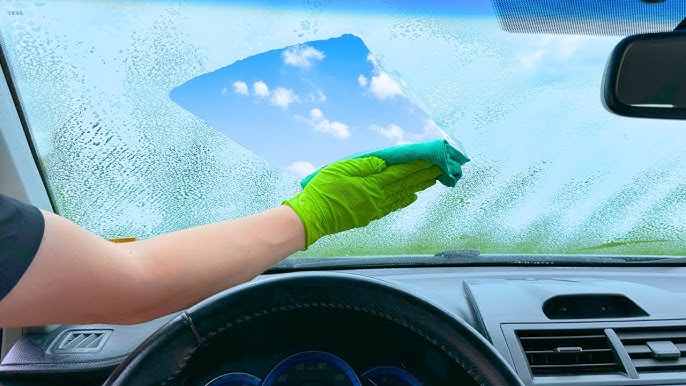
    Start with a clean microfiber cloth. These cloths are soft and gentle on glass. They trap dirt instead of spreading it around. Use a dry cloth first to wipe off loose dust. For better results, dampen the cloth slightly with water.
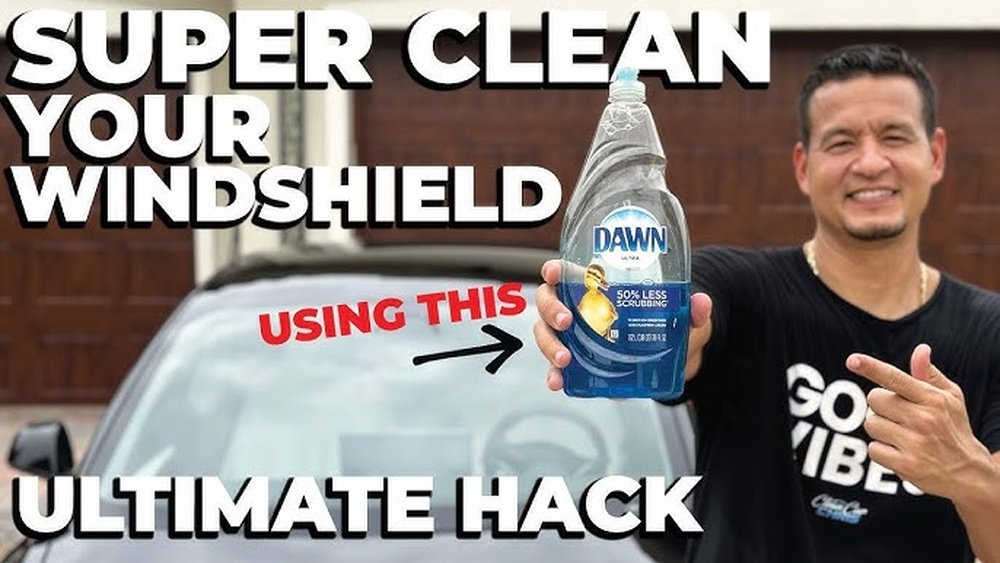
    Applying Cleaning Solution

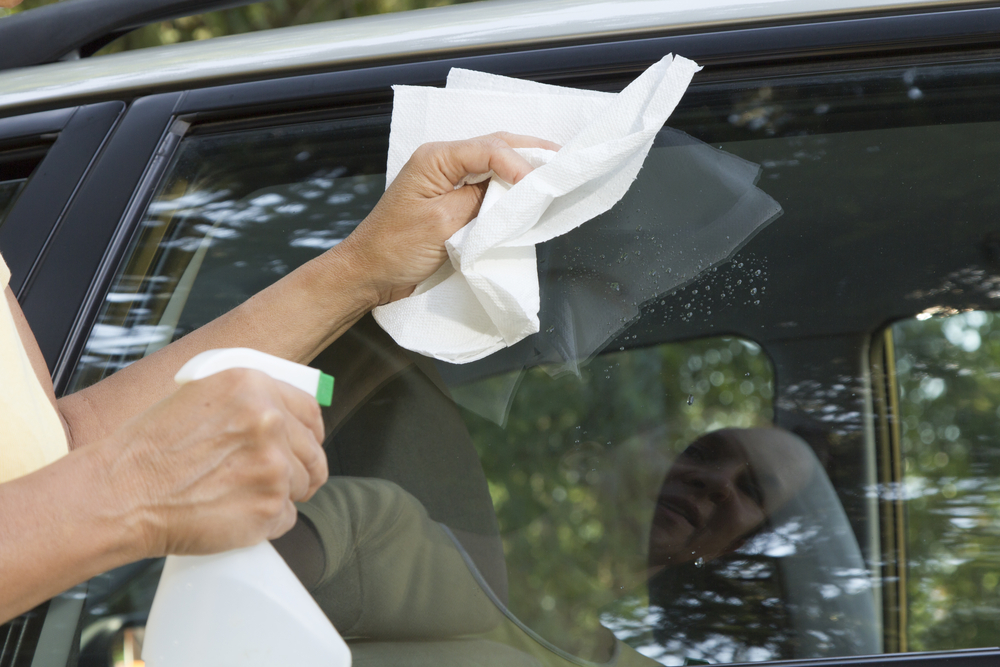
    Choose a mild, glass-safe cleaner. Avoid harsh chemicals that can damage the glass or car paint. Spray the solution directly on the cloth, not the windshield. This prevents drips and streaks. Wipe the glass in circular motions for even cleaning.

    Tackling Tough Stains

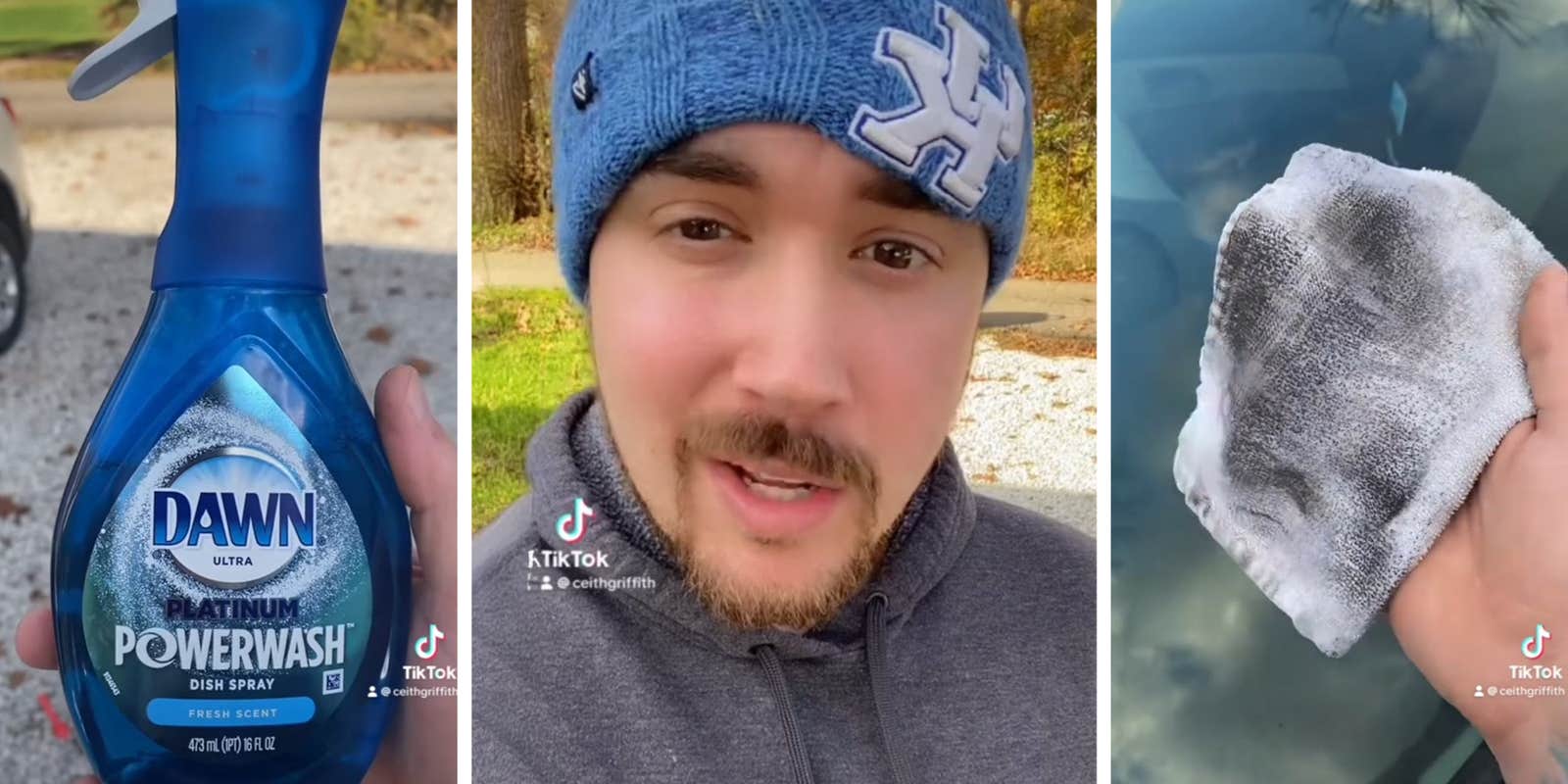
    For stubborn spots, use a little rubbing alcohol on the cloth. Rub gently to break down sap, bugs, or bird droppings. Avoid using abrasive tools that scratch the glass. Rinse the area with water after cleaning to remove residue.
    Drying And Polishing

    Drying and polishing the windshield exterior is a key step after washing. It removes water spots and prevents streaks. Proper drying keeps your windshield clear and safe for driving. Polishing adds a smooth shine and improves visibility. This step makes your windshield look like new.

    Preventing Streaks

    Use a clean microfiber cloth to dry the glass. Avoid cotton towels that leave lint behind. Pat the surface gently instead of rubbing hard. Work in small sections for even drying. Check the glass under sunlight to spot streaks. Re-dry any areas that look dull or hazy.

    Enhancing Clarity

    Apply a glass polish or cleaner made for windshields. Use a soft cloth to spread it evenly. Buff the glass with circular motions to remove residue. This step clears off fine dirt and water marks. A polished windshield improves light reflection and reduces glare. It helps you see clearly on rainy or foggy days.

    Maintaining A Clear Windshield

    A clear windshield improves driving safety and comfort. Dirt, dust, and grime can build up fast. This buildup reduces visibility and may cause accidents. Keeping the windshield clean helps you see the road clearly. It also protects the glass from damage. Simple steps help maintain a clear windshield every day.

    Regular Cleaning Schedule

    Clean the windshield at least once a week. Use water and mild soap or a special glass cleaner. Wipe with a soft cloth or sponge to avoid scratches. Clean the windshield after driving on dusty or muddy roads. Check for bug splatters and bird droppings daily. Removing these quickly stops stains and damage.

    Tips For Long-lasting Clean

    Use a good quality glass cleaner for best results. Avoid harsh chemicals that can damage the glass. Change windshield wipers every six months to keep the glass clear. Park in shaded areas to reduce dirt buildup. Avoid parking under trees to prevent sap and debris. Dry the glass fully after washing to stop water spots.

    How to Clean Windshield Exterior: Easy Steps for a Crystal Clear View

    Credit: www.pandahub.com

    How to Clean Windshield Exterior: Easy Steps for a Crystal Clear View

    Credit: www.drbeasleys.com

    Frequently Asked Questions

    How Often Should I Clean My Windshield Exterior?

    Cleaning your windshield exterior every two weeks keeps visibility clear. Regular cleaning removes dirt, bugs, and grime that impair vision. It also helps maintain the windshield’s condition and extends wiper blade life.

    What Is The Best Solution For Cleaning Windshields?

    A mixture of water and mild dish soap works well. Avoid harsh chemicals that can damage glass or wipers. Specialized glass cleaners designed for vehicles also provide streak-free results.

    Can I Use Household Cleaners On My Windshield?

    Avoid using ammonia-based household cleaners as they can damage tint and wiper rubber. Use automotive glass cleaners or gentle soap solutions instead for safe and effective cleaning.

    How Do I Remove Stubborn Bugs From My Windshield?

    Soften bugs by spraying a water-soap mixture and letting it sit for a few minutes. Then gently scrub with a soft cloth or sponge to avoid scratching the glass.

    Conclusion

    Cleaning your windshield exterior keeps your view clear and safe. Use gentle cleaners and soft cloths to avoid scratches. Regular cleaning stops dirt and grime from building up. It also helps your wipers work better and last longer. A clean windshield makes driving easier and more comfortable.

    Take a few minutes often to keep your glass spotless. Clear glass means better visibility on every trip. Simple steps lead to safer roads.

  • How to Clean Car Windshield Inside: Expert Tips for Crystal Clarity

    How to Clean Car Windshield Inside: Expert Tips for Crystal Clarity

    Your car’s windshield is your window to the road, and keeping it clean inside is just as important as cleaning the outside. If you’ve ever noticed streaks, smudges, or a foggy film that makes driving frustrating or even unsafe, you’re not alone.

    But don’t worry—cleaning the inside of your windshield doesn’t have to be a chore. In this guide, you’ll learn simple, effective steps to get your windshield crystal clear, improving your visibility and making every drive safer and more enjoyable. Ready to see the road like never before?

    Let’s dive in!

    How to Clean Car Windshield Inside: Expert Tips for Crystal Clarity

    Credit: www.youtube.com

    Tools You’ll Need

    Cleaning the inside of your car windshield needs the right tools. The right supplies make the job easier. They help remove dirt and streaks fast. This section lists tools you need for a clear, clean windshield.

    Essential Cleaning Supplies

    Start with a good glass cleaner. Choose one made for car windows. Avoid cleaners with ammonia; they can damage tint. You also need a spray bottle with water. It helps rinse off dirt and cleaner. A small bucket can hold cleaning solution if needed. Use a soft brush for tough spots. It helps lift grime without scratching glass.

    Choosing The Right Cloths

    Pick cloths that do not leave lint or fibers. Microfiber cloths work best for cleaning glass. They absorb dirt and moisture well. Use one cloth to apply cleaner. Use a separate dry cloth to wipe and polish. Avoid paper towels; they can scratch or leave streaks. Having multiple cloths helps finish cleaning faster and cleaner.

    Preparing The Windshield

    Preparing the windshield is the first step to a clear view inside your car. A clean windshield improves safety and driving comfort. Taking time to prepare the glass makes cleaning easier and more effective. Start by removing loose dirt and dust. Then set up good lighting to see all spots clearly. These steps help avoid streaks and missed areas. Proper preparation saves time and effort.

    Removing Dust And Debris

    Use a soft brush or microfiber cloth to remove dust. Gently wipe the entire windshield surface inside the car. Avoid pressing too hard to prevent scratches. Check corners and edges carefully. Remove small particles that can cause streaks later. Vacuum the dashboard and area near the glass to reduce dust. Clean glass means fewer smears during the final wipe.

    Ensuring Proper Lighting

    Good lighting reveals dirt and smudges clearly. Park your car in a shaded spot to avoid glare. Use a flashlight or a small lamp to shine on the glass. Move the light at different angles to find hidden spots. Proper light helps clean every inch of the windshield. Without good lighting, stains and marks can stay unnoticed.

    Effective Cleaning Techniques

    Cleaning the inside of your car windshield improves visibility and safety. Dirt, dust, and film build up over time, making driving harder. Using the right techniques keeps the glass clear and streak-free. Simple tools and proper methods make the task quick and effective.

    Using Homemade Cleaners

    Homemade cleaners work well and cost less. Mix equal parts of water and white vinegar in a spray bottle. Vinegar cuts grease and grime without harsh chemicals. Spray the solution on the glass and wipe with a microfiber cloth. Use circular motions to lift dirt gently. Avoid paper towels, as they can scratch the glass.

    Applying Commercial Products

    Commercial glass cleaners offer a quick cleaning option. Choose products labeled safe for automotive glass. Spray a small amount on the windshield’s inside surface. Use a clean, dry microfiber cloth to wipe the glass. Work from top to bottom for even coverage. Repeat if needed for stubborn spots or film.

    Avoiding Streaks And Smudges

    Streaks reduce visibility and can distract drivers. Use a dry microfiber cloth for the final wipe. Avoid cleaning in direct sunlight; it dries the cleaner too fast. Clean in small sections for better control. Use a second cloth to buff the glass after cleaning. Proper drying helps keep the windshield clear and shiny.

    Dealing With Tough Stains

    Cleaning the inside of your car windshield can be tricky, especially with tough stains. These marks make it hard to see clearly and can annoy every driver. Stains like grease, fingerprints, water spots, and film need special care. Using the right methods helps keep your windshield clear and safe. The following tips focus on removing these stubborn stains effectively.

    Removing Grease And Fingerprints

    Grease and fingerprints leave oily patches on the glass. Use a glass cleaner that cuts through oil well. Spray it directly on the windshield inside. Wipe with a clean microfiber cloth in circular motions. Avoid paper towels—they leave lint behind. For heavy grease, mix water with a small amount of dish soap. Apply gently and rinse with a damp cloth. Dry with a fresh microfiber cloth to avoid streaks.

    Handling Water Spots And Film

    Water spots form from minerals left by drying droplets. Film comes from smoke, dust, or air pollution. Both make the glass dull and hard to clean. Use a mixture of white vinegar and water to break down mineral deposits. Spray on the windshield and let sit for a few minutes. Wipe off with a soft cloth. For film, try a glass cleaner with ammonia. Clean in small sections to prevent streaks. Always finish by drying with a dry microfiber cloth for a clear shine.

    Maintaining Crystal Clarity

    Maintaining crystal clarity on your car windshield inside is key for safe driving. Dirt, dust, and smudges reduce visibility and create glare. Clean glass lets more light in and keeps your view sharp. Clear windshields help you spot road signs, pedestrians, and other vehicles easily.

    Cleaning inside the windshield needs regular care. It stops buildup that blocks your vision. Using the right tools and techniques keeps the glass spotless. This also helps prevent fog, which can be dangerous during cold or humid weather.

    Regular Cleaning Schedule

    Set a weekly or bi-weekly time to clean your windshield inside. Use a soft microfiber cloth to avoid scratches. Spray a glass cleaner made for cars on the cloth, not directly on glass. Wipe in circular motions for even cleaning. Pay attention to corners and edges where dirt hides. Keeping a clean windshield reduces glare and enhances safety.

    Tips To Prevent Fogging

    Fog forms when warm air meets cold glass. To stop fogging, use an anti-fog spray or wipe. Keep your car’s air conditioning or defroster on to reduce moisture. Crack a window slightly to improve air flow. Avoid breathing directly on the glass when driving. Clean windshields fog less because there is no dirt to trap moisture.

    How to Clean Car Windshield Inside: Expert Tips for Crystal Clarity

    Credit: www.thewindscreenco.co.uk

    How to Clean Car Windshield Inside: Expert Tips for Crystal Clarity

    Credit: cleanmycar.ca

    Frequently Asked Questions

    How Often Should I Clean My Car Windshield Inside?

    Clean your car windshield inside at least once a month. Frequent cleaning prevents dirt buildup and improves visibility. If you smoke or eat inside, clean it more often for better clarity and hygiene.

    What Materials Are Best For Cleaning Inside Windshield?

    Use a microfiber cloth and a quality glass cleaner. Avoid paper towels or abrasive materials that can scratch the glass. A spray bottle with a vinegar-water solution is also an effective natural cleaner.

    Can I Use Household Cleaners For Inside Windshield?

    Yes, but avoid ammonia-based cleaners as they can damage tint and dashboard. Use glass cleaners specifically made for automotive use or mild vinegar solutions to keep the glass streak-free and safe.

    How Do I Prevent Streaks On The Inside Windshield?

    Wipe the glass in a circular motion with a clean microfiber cloth. Avoid cleaning in direct sunlight to prevent quick drying. Always use a dedicated glass cleaner to minimize streaks and residue.

    Conclusion

    Cleaning your car windshield inside keeps your view clear and safe. Use a soft cloth and a gentle cleaner to avoid streaks. Clean regularly to stop dirt and fog buildup. A clean windshield helps you drive better and avoid accidents.

    Small effort, big difference. Try these simple steps and enjoy a clearer drive every time.

  • How to Clean Car Windows With Just Water: Easy & Effective Tips

    How to Clean Car Windows With Just Water: Easy & Effective Tips

    Are you tired of smudges and streaks ruining your view while driving? Cleaning your car windows doesn’t have to be complicated or expensive.

    What if you could achieve sparkling clean windows using just water? Yes, it’s possible—and easier than you think. You’ll discover simple, effective tips to get your car windows spotless without harsh chemicals or pricey cleaners. Keep reading to learn how you can save money, protect your car’s surfaces, and enjoy a clearer, safer drive every time.

    How to Clean Car Windows With Just Water: Easy & Effective Tips

    Credit: www.walmart.com

    Why Clean Car Windows Matter

    Clear car windows improve driving safety by letting in more light and reducing glare. Cleaning with just water is easy, eco-friendly, and saves money. Dirt and smudges disappear quickly without harsh chemicals.

    Clean car windows are important for safety and comfort. Dirt and grime reduce visibility. This makes driving dangerous, especially at night or in bad weather.

    Clear windows help drivers see the road and other vehicles better. They reduce glare from the sun and headlights. This lowers the risk of accidents.

    Clean windows also improve your car’s look. A clean car feels fresh and well cared for. It can boost your confidence while driving.

    Improved Visibility

    Clean windows let more light inside the car. This helps you see road signs and obstacles clearly. It also makes it easier to spot pedestrians and animals.

    Smudges and streaks blur your view. Water alone can remove dust and dirt without harmful chemicals. This keeps windows clear and safe.

    Safety On The Road

    Dirty windows can cause glare and reflections. This can blind you for a moment. Clean windows reduce these risks and keep your focus on driving.

    Using only water to clean windows avoids residue buildup. This keeps glass smooth and clear for longer periods.

    Maintaining Window Quality

    Regular cleaning prevents dirt from scratching the glass. Scratches can weaken windows and cause costly repairs. Water gently cleans without damaging the surface.

    Clean windows also help your windshield wipers work better. This improves their ability to clear rain and snow.

    Benefits Of Using Only Water

    Cleaning car windows with just water offers many benefits. It is simple, safe, and eco-friendly. Water alone can remove dust, dirt, and light grime effectively. It does not leave streaks or residue like some chemicals do.

    Using only water saves money. No need to buy expensive cleaners. It also reduces the risk of damaging window tint or seals. Water is gentle but effective for everyday cleaning.

    Safe For Car Surfaces

    Water does not harm glass or paint. It avoids chemical damage that some cleaners cause. Using water keeps window seals and rubber parts safe. It prevents fading or cracking over time.

    Environmentally Friendly

    Water is natural and non-toxic. It does not pollute soil or water sources. No harmful fumes or chemicals affect air quality. Cleaning with water helps protect the planet.

    Cost-effective Cleaning

    Water is free and easy to access. No need for special products or tools. It reduces household waste from plastic bottles. Saves money and supports a cleaner environment.

    Easy And Quick To Use

    Water cleans windows fast and simply. No mixing or measuring required. Just spray or wipe with a cloth. Great for quick touch-ups or regular maintenance.

    Tools You’ll Need

    Cleaning car windows with just water is easy and cost-effective. The right tools make the job faster and better. You don’t need many items. Just a few simple tools help you get sparkling clean windows.

    Choosing The Right Cloth

    Pick a soft, lint-free cloth. Microfiber cloths work best. They absorb water well and don’t leave streaks. Avoid rough or old towels. They can scratch glass or leave fuzz behind. Keep a clean cloth for the best results.

    Using A Spray Bottle

    A spray bottle helps control how much water you use. Fill it with clean water only. Spray a fine mist on the window. This spreads water evenly without drips. It also helps avoid wasting water. A spray bottle makes cleaning easy and neat.

    Optional Accessories

    You can use extra tools if you want. A squeegee removes water quickly and prevents streaks. A small brush cleans window edges and corners. These tools are not needed but can speed up cleaning. Use them if you want a smoother finish.

    How to Clean Car Windows With Just Water: Easy & Effective Tips

    Credit: www.amazon.com

    Step-by-step Cleaning Process

    Cleaning car windows with just water is simple and effective. Follow these easy steps for clear, streak-free windows. You need only water and a soft cloth. This method saves money and avoids harsh chemicals. Let’s start the cleaning process.

    Preparing The Windows

    Begin by parking your car in a shaded spot. This stops water from drying too fast. Use a dry cloth to remove dust and loose dirt. Clear the surface for better cleaning. Check for tough spots that may need extra attention.

    Applying Water Evenly

    Use a spray bottle or a wet cloth to apply water. Cover the entire window with a thin, even layer. Avoid soaking the glass to prevent drips. Make sure all areas get wet. This helps loosen dirt and grime gently.

    Wiping Techniques

    Take a clean, soft microfiber cloth for wiping. Start from the top of the window. Move the cloth in straight, horizontal strokes. Use light pressure to avoid scratches. Flip the cloth to a dry side often. This removes dirt and water effectively.

    Drying Without Streaks

    Dry the window with a fresh, dry microfiber cloth. Use circular motions to polish the glass. Check for any missed spots or streaks. Repeat drying if needed for a clear finish. Let the windows air out briefly to fully dry.

    Tips For Tough Stains

    Cleaning car windows with just water can be simple. But tough stains need extra care. These tips help remove stubborn marks without harsh chemicals. Stay patient and gentle for best results.

    Dealing With Bug Residue

    Bug residue can stick hard to glass. Soak a soft cloth in warm water. Place it on the stained area for a few minutes. This softens the residue. Then, wipe gently in circles. Repeat if needed until the bugs lift away.

    Removing Water Spots

    Water spots leave white, chalky marks. Use a damp cloth with warm water. Rub the spots lightly to break them down. For better results, try wiping in small circles. Dry the window with a clean, dry cloth to prevent new spots.

    Handling Fingerprints

    Fingerprints leave oily smudges on glass. Wet a microfiber cloth with water only. Wipe the fingerprints using straight, even strokes. Avoid pressing too hard to stop streaks. Finish by drying with a dry cloth for a clear shine.

    How to Clean Car Windows With Just Water: Easy & Effective Tips

    Credit: www.walmart.com

    Common Mistakes To Avoid

    Cleaning car windows with just water is simple. Yet, some mistakes can make the job harder. Avoid these common errors to keep windows clear and streak-free. These tips help you get the best results without extra products.

    Using Hard Water

    Hard water leaves spots on glass. It has minerals that dry and stay on windows. Use filtered or distilled water for a cleaner finish. This prevents marks and keeps windows shiny.

    Cleaning In Direct Sunlight

    Sunlight dries water too fast. It causes streaks and spots. Clean windows in the shade or during cooler parts of the day. This gives time to wipe without streaks.

    Skipping The Dry Wipe

    Water alone can leave streaks if not dried. Always use a clean, dry cloth after washing. This step removes water and avoids marks on glass.

    Using Dirty Cloths

    Dirty cloths spread dirt and grime. Use a clean microfiber cloth for best results. It cleans better and prevents scratches on windows.

    Ignoring Window Edges

    Dirt builds up at window edges. Clean these areas carefully to avoid streaks. Use a soft brush or cloth to reach corners and seals.

    Maintaining Clean Windows Longer

    Keeping car windows clean is easier than many think. Clean windows improve safety and give your car a fresh look. Using just water to clean your windows works well, but maintaining that cleanliness takes a bit more care. Small habits can help keep windows spotless for longer periods.

    Regular Cleaning Schedule

    Set a fixed time for cleaning your windows. Weekly or biweekly cleaning stops dirt buildup. Frequent cleaning prevents hard stains that are tough to remove. Use plain water and a soft cloth for quick touch-ups. This habit keeps your windows clear and shiny.

    Protecting Against Dust And Dirt

    Park your car in shaded or covered areas. This reduces exposure to dust and dirt. Use window shades or covers during dusty weather. Wiping windows with a damp cloth daily can reduce dust layers. Clean windows reflect sunlight better, making driving safer.

    Frequently Asked Questions

    Can I Clean Car Windows Effectively Using Only Water?

    Yes, you can clean car windows with just water. Use distilled or filtered water for best results. Wipe with a microfiber cloth to avoid streaks and dirt. This method is eco-friendly and safe for all car window types.

    What Type Of Water Is Best For Cleaning Car Windows?

    Distilled or filtered water works best for cleaning car windows. It prevents mineral spots and streaks caused by hard tap water. Using clean water ensures a clearer, streak-free finish and protects the glass from potential damage.

    How Often Should I Clean Car Windows With Water?

    Clean your car windows with water at least once every two weeks. Regular cleaning prevents buildup of dirt, grime, and dust. This keeps your windows clear, improves visibility, and maintains your car’s overall appearance.

    Does Water Alone Remove Tough Stains From Car Windows?

    Water alone may not remove tough stains like grease or sap. For stubborn spots, use a mild soap solution or glass cleaner. However, water is effective for everyday dirt and dust removal on car windows.

    Conclusion

    Cleaning car windows with just water saves time and money. It keeps your windows clear and streak-free. No need for expensive cleaners or chemicals. Just use clean water and a soft cloth. This method is safe for all types of glass.

    Regular cleaning helps improve your driving safety. Clear windows mean better vision on the road. Try this easy tip for a fresher car look. Simple, natural, and effective. Your car windows will thank you.

  • How to Clean Your Car Windshield Without Streaks: Expert Tips

    How to Clean Your Car Windshield Without Streaks: Expert Tips

    Your car’s windshield is your window to the road, and keeping it spotless is more important than you might think. Have you ever struggled with streaks and smudges that blur your view, no matter how much you clean?

    It’s frustrating and can even be dangerous. But what if you could wipe your windshield perfectly every time, with no streaks left behind? You’ll discover simple, effective tips to clean your car windshield like a pro. Say goodbye to annoying streaks and hello to clear, safe driving—let’s get started!

    Choosing The Right Cleaning Supplies

    Cleaning your car windshield without streaks starts with picking the right supplies. The wrong products can leave marks or not clean well. Choosing good cleaning solutions and tools helps achieve a clear, streak-free windshield. This section explains what cleaning solutions and tools work best for this task.

    Best Cleaning Solutions

    Use a glass cleaner made for vehicles. These cleaners remove dirt and grime without leaving streaks. Avoid household cleaners with ammonia. Ammonia can damage car tint and rubber seals. A mix of water and vinegar works well too. Use a 50/50 blend for a natural, streak-free clean. Spray the solution lightly on the glass for best results.

    Tools You Need

    Use a microfiber cloth for cleaning. It picks up dirt and absorbs liquid without scratching. Avoid regular towels or paper towels; they can leave lint or scratches. A soft sponge can help remove tough spots. A squeegee with a rubber blade works well to wipe off liquid evenly. Use separate cloths for cleaning and drying to prevent streaks.

    How to Clean Your Car Windshield Without Streaks: Expert Tips

    Credit: www.mccarthycollisioncenters.com

    Preparing Your Windshield

    Preparing your windshield is the first step to a clear, streak-free clean. A clean surface helps the cleaner work better. It also stops dirt from spreading or scratching the glass.

    Start with easy steps. Clear away loose dirt and protect areas around the glass. These simple tasks make cleaning faster and safer.

    Removing Loose Dirt And Debris

    Use a soft brush or cloth to remove dust and loose dirt. Gently sweep the windshield surface. This stops dirt from smearing during cleaning. Avoid using hard tools that can scratch the glass. If needed, rinse the windshield with water to loosen stubborn dirt.

    Protecting Surrounding Areas

    Cover parts like the dashboard and wipers with cloth or plastic. This prevents water or cleaner from damaging these areas. Protecting the paint around the windshield is important too. Use tape or paper to shield edges. Keep the cleaning process neat and safe for your car.

    Effective Cleaning Techniques

    Cleaning your car windshield without streaks needs the right techniques. Using proper tools and methods makes the glass clear and safe. Dirt, dust, and smudges can block your view while driving. Effective cleaning keeps your windshield spotless and improves visibility.

    Step-by-step Cleaning Process

    First, park your car in the shade to avoid quick drying. Spray a glass cleaner or a mix of water and vinegar on the windshield. Use a microfiber cloth to wipe the surface in circular motions. Flip the cloth to a dry side and wipe again to remove streaks. Clean both inside and outside of the windshield for the best result. Finish by drying edges and corners with a clean, dry cloth.

    Avoiding Common Mistakes

    Do not use paper towels or old rags; they leave lint and streaks. Avoid cleaning in direct sunlight; it causes cleaner to dry too fast. Do not use household cleaners like ammonia; they can damage tint or rubber. Do not spray too much cleaner; it can drip and cause streaks. Do not forget to clean windshield wipers; dirty blades cause streaks when wiping.

    Dealing With Tough Stains

    Cleaning tough stains on your car windshield takes patience and the right method. These marks can block your view and make driving unsafe. Treating them correctly helps keep the glass clear without streaks. Use gentle tools and effective cleaners for best results.

    Removing Bug Residue

    Bug residue can be sticky and hard to remove. Start by soaking the area with warm water. Let it sit for a few minutes to soften the residue. Use a soft cloth or sponge with mild soap to wipe gently. Avoid scrubbing hard to prevent scratches. For stubborn spots, try a mixture of vinegar and water. Rinse the glass well to remove any cleaner left behind.

    Handling Water Spots And Mineral Deposits

    Water spots and mineral deposits leave white marks on the windshield. Use a cleaner with a small amount of acid like vinegar or lemon juice. Apply it to the spots and wait a few minutes. Wipe the area with a clean cloth in circular motions. Rinse with water and dry with a microfiber cloth. Repeat if needed for tough deposits. This method clears spots without damaging the glass.

    Final Touches For A Streak-free Shine

    After cleaning your car windshield, the final steps matter most. These touches help remove streaks and keep the glass clear. A spotless windshield improves your view and driving safety. Focus on drying and protection to keep your glass shining longer.

    Drying Methods

    Use a clean microfiber cloth to dry the glass. Microfiber absorbs water without leaving lint behind. Pat the windshield gently instead of rubbing hard. This avoids new streaks or scratches. Air drying is slower and can leave spots. For best results, dry immediately after washing.

    Using A Glass Sealant

    Glass sealants protect the windshield from dirt and water. They create a thin, invisible layer on the glass. Apply the sealant with a soft cloth in small circles. Let it dry as per the product instructions. Sealants help rainwater bead and roll off quickly. This reduces streaks and keeps your windshield clean longer.

    How to Clean Your Car Windshield Without Streaks: Expert Tips

    Credit: www.turtlewax.com

    Maintaining A Clear Windshield

    A clean windshield helps you see the road clearly. It keeps you safe while driving. Dirt, dust, and grime can build up fast. This makes the glass hard to see through. Cleaning your windshield often stops streaks and smudges. It also prevents damage to the glass over time.

    Proper care of your windshield saves money. It keeps the car looking nice. Simple habits make a big difference. Below are tips to keep your windshield spotless and clear.

    Regular Cleaning Schedule

    Clean your windshield at least once a week. More often if you drive in dusty or rainy areas. Use a soft cloth and good cleaner. Avoid harsh chemicals that can damage glass. Wipe in a circular motion for best results. Dry with a microfiber cloth to prevent streaks.

    Check your windshield for spots and smears before driving. Clean off bugs and bird droppings quickly. These can leave stains if left too long. Regular cleaning keeps your windshield clear and safe.

    Tips For Windshield Care

    Use a quality glass cleaner made for cars. Avoid using paper towels; they can scratch the glass. Keep your wiper blades clean and replace them when worn. Dirty blades cause streaks and can scratch the windshield.

    Park your car in the shade when possible. This helps prevent dirt from sticking to hot glass. Avoid spraying cleaner under direct sunlight. This can cause the liquid to dry too fast, leaving marks.

    How to Clean Your Car Windshield Without Streaks: Expert Tips

    Credit: www.youtube.com

    Frequently Asked Questions

    How Do I Prevent Streaks On My Car Windshield?

    Use a high-quality glass cleaner and microfiber cloth. Clean in circular motions and dry thoroughly to avoid streaks. Avoid cleaning in direct sunlight.

    What Is The Best Cleaner For Car Windshields?

    A commercial glass cleaner or a mixture of vinegar and water works best. Avoid ammonia-based cleaners that can damage tint or rubber seals.

    Can Newspaper Help Clean Car Windshields Streak-free?

    Yes, newspaper can be effective as it doesn’t leave lint. Use it with a glass cleaner for a streak-free finish.

    How Often Should I Clean My Car Windshield?

    Clean your windshield at least once a week. Regular cleaning improves visibility and safety while driving.

    Conclusion

    Cleaning your car windshield without streaks takes a little care. Use the right cleaner and soft cloth for best results. Wipe in straight lines to avoid marks. Don’t forget to clean both inside and outside surfaces. Dry the glass fully to keep it clear.

    Regular cleaning helps you see better and drives safer. Small efforts make a big difference on the road. Keep your windshield spotless and enjoy a clearer view every drive.

  • How to Clean Your Car Glass: Easy Tips for a Crystal Clear Shine

    How to Clean Your Car Glass: Easy Tips for a Crystal Clear Shine

    Your car glass plays a big role in your safety and driving experience. When it’s dirty or streaky, it can make it hard to see clearly, especially in bad weather or at night.

    But cleaning your car glass doesn’t have to be a hassle. You’ll discover simple and effective ways to get your windows sparkling clean every time. By the end, you’ll know exactly how to improve your visibility and keep your car looking great.

    Ready to see the road like never before? Let’s dive in!

    Choosing The Right Cleaning Supplies

    Choosing the right cleaning supplies is key to clear, streak-free car glass. The right products make cleaning easier and protect your glass from damage. Using poor supplies can leave smudges or scratches. Select items designed for car glass to get the best results. Focus on cleaners that remove dirt without harsh chemicals. Also, pick tools that reach every corner without causing harm. Natural options can work well for gentle cleaning. Understanding these choices helps keep your car glass spotless and safe.

    Best Glass Cleaners For Cars

    Car glass cleaners differ from household products. They remove grime, bugs, and road film quickly. Look for ammonia-free formulas to protect tinted windows. Many brands offer sprays that dry fast and leave no streaks. Choose cleaners with anti-fog and water-repellent features. These help improve visibility in rain and cold. Always pick cleaners marked safe for automotive glass.

    Tools You’ll Need

    Good tools make cleaning easier and more effective. Use a microfiber cloth to avoid scratches. These cloths trap dirt and absorb moisture well. A soft sponge can help with stubborn dirt. A squeegee removes excess cleaner without streaks. Use a spray bottle for even cleaner application. Avoid rough towels or paper products that can damage glass. Keep tools clean to prevent transferring dirt back onto glass.

    Natural Alternatives

    Natural cleaners can be gentle and safe. Mix water with white vinegar for a simple glass cleaner. This solution cuts grease and leaves glass clear. Baking soda helps remove tough grime when mixed with water. Lemon juice adds shine and fresh scent. Use natural cloths like cotton or bamboo for cleaning. Test natural solutions on a small area first. They work well but may need more effort for heavy dirt.

    Preparing Your Car Glass

    Preparing your car glass is an important first step before cleaning. It helps ensure a clear view and avoids damage. Taking time to prepare saves effort later. This section explains simple ways to get your glass ready.

    Removing Loose Dirt And Debris

    Start by removing dust and loose dirt from the glass surface. Use a soft brush or a microfiber cloth. Gently sweep away leaves, bugs, and dirt. Avoid scrubbing hard to prevent scratches. Removing this debris helps the cleaner work better.

    Protecting Surrounding Areas

    Cover parts around the glass to keep them clean. Use painter’s tape or plastic sheets for trim and seals. This prevents cleaner or water from damaging paint or rubber. Protecting these areas keeps your car looking neat. Take time to secure edges well before cleaning.

    Step-by-step Cleaning Process

    Cleaning car glass is simple with the right steps. Follow this easy process to get clear, streak-free windows. Each step helps remove dirt and grime for better visibility.

    Applying Cleaner

    Start by spraying a good glass cleaner on the window. Use a cleaner made for cars or a mix of water and vinegar. Cover the entire glass surface evenly. Avoid using too much liquid to prevent drips.

    Scrubbing Techniques

    Use a soft cloth or sponge to scrub the glass gently. Move in small circles to lift dirt and spots. Pay extra attention to corners and edges. Avoid hard scrubbing to prevent scratches.

    Wiping And Drying Tips

    Wipe the glass with a clean, dry microfiber cloth. Use straight strokes from top to bottom for a streak-free finish. Change cloth sides often to avoid spreading dirt. Let the glass air dry if needed for full clarity.

    How to Clean Your Car Glass: Easy Tips for a Crystal Clear Shine

    Credit: www.endurancewarranty.com

    Dealing With Stubborn Stains

    Stubborn stains on car glass can block your view and spoil your ride’s look. They often need special care to get clean. Simple cleaning may not work for these tough spots. Use targeted methods to make your glass clear and bright again.

    Removing Water Spots

    Water spots happen from dried rain or sprinkler drops. They leave white or cloudy marks on glass. Use a mix of equal parts water and vinegar in a spray bottle. Spray the spots and let sit for a few minutes. Wipe gently with a soft cloth. Repeat if needed. Vinegar helps break down mineral deposits. Rinse with clean water and dry with a microfiber towel.

    Eliminating Bug Residue

    Bug splatters can harden and stick to your glass. Soften them with warm water and a mild soap solution. Apply with a sponge and let it soak for a minute. Use a plastic scraper gently to lift the residue. Avoid metal tools to prevent scratches. Rinse the area well. Follow up with glass cleaner for a streak-free finish.

    Handling Hard-to-clean Grime

    Grime from road dirt and grease can be sticky and dull the glass. Use a dedicated automotive glass cleaner for strong grime. Spray the cleaner and wipe with a clean microfiber cloth. For extra tough grime, apply a small amount of rubbing alcohol on a cloth. Rub gently until the grime loosens. Always finish with a dry cloth to prevent streaks.

    Maintaining Crystal Clear Glass

    Maintaining crystal clear car glass improves your driving safety and car appearance. Clean glass lets you see the road without distractions. It also stops dirt and grime from building up. Regular care keeps your glass shiny and clear longer.

    Regular Cleaning Schedule

    Set a cleaning routine for your car glass. Clean the windows at least once a week. Use a soft cloth and a good glass cleaner. Wipe in circular motions to remove dirt and smudges. Don’t forget the inside glass; it also collects dust. Clean both inside and outside for best results.

    Avoiding Common Mistakes

    Never use dirty or rough cloths on your glass. They can leave scratches and marks. Avoid cleaning in direct sunlight to stop streaks. Don’t use household cleaners with ammonia; they damage tint and glass. Use a clean, lint-free cloth for wiping. Be gentle to keep glass smooth and clear.

    Using Protective Coatings

    Apply a protective coating to your car glass. It helps repel water, dust, and dirt. Coatings make cleaning easier and faster. Use products made for automotive glass only. Follow the instructions for best results. Protective layers keep your glass clear for longer periods.

    How to Clean Your Car Glass: Easy Tips for a Crystal Clear Shine

    Credit: www.youtube.com

    How to Clean Your Car Glass: Easy Tips for a Crystal Clear Shine

    Credit: www.youtube.com

    Frequently Asked Questions

    How Often Should I Clean My Car Glass?

    Clean your car glass at least once a week. Frequent cleaning prevents dirt buildup and improves visibility while driving. Regular maintenance also avoids stubborn stains and water spots that are harder to remove later.

    What Is The Best Cleaner For Car Glass?

    Use a dedicated automotive glass cleaner or a mix of vinegar and water. Avoid ammonia-based cleaners as they can damage tint films. Choose a streak-free formula for clear, shiny results on both interior and exterior glass surfaces.

    How Do I Remove Stubborn Stains From Car Glass?

    Apply a glass-safe cleaner and gently scrub with a microfiber cloth. For tough spots, use a mixture of baking soda and water as a mild abrasive. Always rinse with clean water and dry to avoid residue and streaks.

    Can I Use Newspaper To Clean Car Glass?

    Yes, newspaper is effective for cleaning car glass without streaks. It absorbs moisture well and leaves a polished finish. However, avoid colored or glossy paper to prevent ink transfer onto the glass surface.

    Conclusion

    Cleaning your car glass is simple and quick. Use the right tools for best results. Regular cleaning keeps your view clear and safe. Avoid streaks by using soft cloths and proper cleaners. Clean windows improve your driving experience every day.

    Try these tips and see the difference yourself. Your car will look better and drive safer too. Keep your glass spotless for a clearer, safer ride.

  • How to Clean Car Front Light Glass: Easy Steps for a Crystal Clear Shine

    How to Clean Car Front Light Glass: Easy Steps for a Crystal Clear Shine

    Your car’s front lights are more than just a design feature—they’re your guide through the darkest roads and the worst weather. But when the glass gets dirty or foggy, your visibility drops, and so does your safety.

    You might think cleaning them is tricky or time-consuming, but it doesn’t have to be. You’ll discover simple, effective ways to make your car’s front light glass shine like new again. Keep reading to learn how easy it is to boost your car’s look and improve your night driving—starting right now.

    Tools Needed

    Cleaning car front light glass requires some basic tools. Having the right tools makes the job easier and safer. Each tool has a specific role in the cleaning process.

    Prepare these tools before you start. This preparation saves time and avoids mistakes. Let’s explore the essential tools you need.

    Cleaning Solutions

    Use mild soap mixed with water to clean dirt. Avoid harsh chemicals that can damage the glass. Special headlight cleaning products work well for tough stains. Rubbing alcohol helps remove grease and grime effectively. Always choose a solution that is safe for plastic or glass.

    Cloths And Brushes

    Soft microfiber cloths prevent scratching the glass surface. Avoid rough towels or paper towels that cause damage. Use a small, soft brush to reach tight spots. Toothbrushes work well for corners and edges. Have several cloths ready for wiping and drying.

    Protective Gear

    Wear gloves to protect your hands from cleaning chemicals. Safety glasses shield your eyes from splashes. Use a mask if the cleaning solution has strong fumes. Proper protection keeps you safe during the cleaning process.

    How to Clean Car Front Light Glass: Easy Steps for a Crystal Clear Shine

    Credit: glassdoctor.com

    Preparation Steps

    Cleaning car front light glass starts with proper preparation. Good preparation makes the cleaning easier and better. It also protects the car and your work.

    Park In A Shaded Area

    Choose a spot out of direct sunlight. Heat can dry cleaning solutions too fast. This causes streaks and spots on the glass. A shaded area keeps the surface cool and helps clean evenly.

    Gather Materials

    Collect everything needed before starting. You will need a soft cloth, mild soap, water, and a sponge. A small brush helps with hard-to-reach spots. Having all tools ready saves time and effort.

    Inspect The Lights

    Look closely at the front lights before cleaning. Check for cracks, chips, or deep dirt. Noting these issues helps avoid damage during cleaning. It also tells you if the light glass needs special care.

    Cleaning Process

    Cleaning car front light glass is simple with the right steps. Follow this process to make your lights clear and bright again. Each step helps remove dirt and grime safely.

    Remove Surface Dirt

    Start by wiping the light glass with a dry cloth. This removes loose dust and dirt on the surface. Avoid rubbing hard to prevent scratches. Use a soft brush if needed for stubborn dirt.

    Apply Cleaning Solution

    Use a gentle cleaning solution made for car lights or a mix of water and mild soap. Spray or apply the solution evenly on the glass. Let it sit for a minute to loosen grime and grease.

    Scrub Gently

    Take a soft sponge or cloth to scrub the glass gently. Use small circles for better cleaning. Be careful not to press too hard to avoid damage. Focus on cloudy or stained areas for best results.

    Rinse Thoroughly

    Rinse the light glass well with clean water. Make sure to remove all soap and dirt. Use a hose or a bucket of water for rinsing. Dry the glass with a clean, soft towel to prevent water spots.

    How to Clean Car Front Light Glass: Easy Steps for a Crystal Clear Shine

    Credit: www.homedepot.com

    Restoring Clarity

    Restoring clarity to your car’s front light glass improves visibility and safety. Over time, lights get cloudy or dull. Dirt, oxidation, and small scratches build up. Cleaning alone may not be enough to make them clear again. Follow these steps to bring back their shine and brightness. A clear light helps you see better at night and in bad weather.

    Use Polishing Compound

    Choose a polishing compound made for plastic or glass surfaces. Apply a small amount on the light glass. Spread it evenly using a soft cloth or sponge. The compound works to remove oxidation and minor scratches. Use gentle pressure in circular motions. This step prepares the surface for buffing and restores some shine.

    Buff The Surface

    Take a clean microfiber cloth or a buffing pad. Rub the light glass gently but firmly. Buff in circles to smooth the surface. This removes leftover polishing compound and brings out the shine. Keep buffing until the glass looks clearer and smoother. Avoid pressing too hard to prevent damage.

    Apply Protective Sealant

    After polishing and buffing, apply a protective sealant. This shields the glass from dirt and oxidation. Use a small amount and spread it evenly with a soft cloth. Let the sealant dry fully before driving. This step helps keep the lights clear longer and reduces future cleaning time.

    Maintenance Tips

    Keeping your car’s front light glass clean is key for safe driving. Dirt and grime can reduce light brightness. Regular care keeps the glass clear and bright.

    Follow these simple maintenance tips to protect your headlights. They help extend the life of the glass and improve visibility.

    Regular Cleaning Schedule

    Clean the headlights every two weeks. Use a soft cloth and mild soap with water. This prevents buildup of dirt and bugs. Regular cleaning stops stains from settling in.

    Avoid Harsh Chemicals

    Do not use strong cleaners or abrasive tools. These can scratch or cloud the glass. Stick to gentle products made for car surfaces. Harsh chemicals may damage the plastic or glass finish.

    Protect From Uv Damage

    Sunlight can fade and yellow headlight glass. Apply a UV protectant spray after cleaning. Park your car in shade or a garage when possible. UV protection keeps headlights clear longer.

    How to Clean Car Front Light Glass: Easy Steps for a Crystal Clear Shine

    Credit: www.youtube.com

    Frequently Asked Questions

    How Often Should I Clean Car Front Light Glass?

    Clean your car’s front light glass every 1-2 months. Regular cleaning ensures clear visibility and enhances safety. Frequent cleaning prevents dirt buildup that reduces light brightness. Adjust frequency based on weather and driving conditions for optimal results.

    What Materials Are Best For Cleaning Car Headlights?

    Use a soft microfiber cloth and mild soap solution. Avoid abrasive cleaners or rough materials that can scratch glass. A dedicated headlight cleaner or toothpaste works well for removing grime and oxidation. Always rinse thoroughly and dry gently.

    Can I Use Toothpaste To Clean Front Light Glass?

    Yes, toothpaste can effectively remove oxidation and minor stains. Apply a small amount on a soft cloth and rub gently in circular motions. Rinse with water and dry the surface. Avoid gel toothpaste and use plain white paste for best results.

    How Do I Prevent Fogging On Car Headlight Glass?

    Apply a thin coat of car wax or silicone spray after cleaning. This creates a protective layer against moisture and dirt. Ensure the headlights are dry before application. Regular maintenance helps keep the glass clear and fog-free.

    Conclusion

    Cleaning your car’s front light glass keeps it clear and bright. Dirt and grime reduce light and safety. Use gentle cleaners and soft cloths for best results. Regular cleaning helps avoid costly repairs later. Clear lights improve your night driving and car’s look.

    Keep this simple routine part of your car care. Your safety and visibility will thank you. Easy steps, big difference.

  • How to Clean Car Window Runners: Easy Steps for Smooth Sliding

    How to Clean Car Window Runners: Easy Steps for Smooth Sliding

    Are your car windows sticking or moving slowly? The problem might be dirty window runners.

    Keeping these tracks clean is key to smooth, hassle-free window operation. In this guide, you’ll learn simple, effective steps to clean your car window runners yourself. By the end, your windows will glide like new, saving you time and money on repairs.

    Ready to make your car feel brand new again? Let’s get started!

    Tools And Materials Needed

    Cleaning car window runners requires a few simple tools and materials. These items help remove dirt and debris effectively. Having the right supplies makes the job easier and faster.

    Gather everything before you start. This avoids interruptions and ensures a smooth cleaning process.

    Basic Cleaning Tools

    You need soft cloths or microfiber towels to wipe the runners. A small brush, like a toothbrush, helps reach narrow spaces. A plastic scraper can remove stuck dirt without scratching the surface.

    Cleaning Solutions

    Use a mild soap or car-safe cleaner mixed with water. Avoid harsh chemicals that can damage rubber or metal parts. A spray bottle helps apply the solution evenly.

    Lubricants

    After cleaning, apply silicone spray or a dry lubricant. These keep the window runners smooth and prevent rust. Avoid oil-based lubricants as they attract dust.

    Protective Gear

    Wear gloves to protect your hands from dirt and cleaning agents. Safety glasses can keep debris out of your eyes during cleaning.

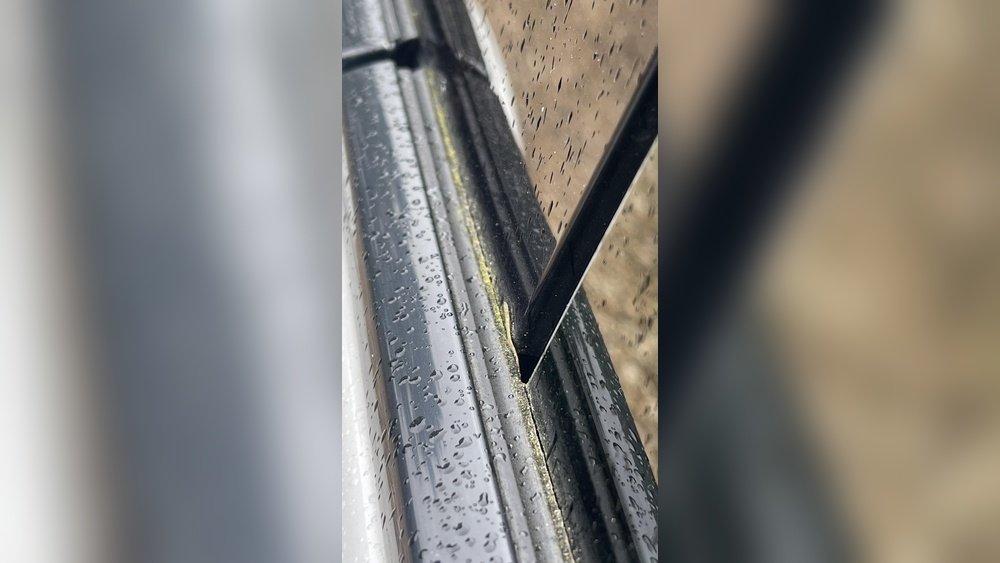
    How to Clean Car Window Runners: Easy Steps for Smooth Sliding

    Credit: www.reddit.com

    Preparing The Car Window

    Start by lowering the car window fully to access the runners easily. Clean dirt and debris from the tracks with a soft brush or cloth. This helps the window move smoothly and prevents damage.

    Clean The Window Surface

    Start by wiping the car window with a soft cloth. Remove dirt, dust, and grime. Use a mild glass cleaner for better results. Clean surfaces help spot dirt in the runners.

    Lower The Window Completely

    Roll the window down fully. This exposes the entire runner track. It makes cleaning easier and more thorough. Keep the window steady during cleaning.

    Protect The Car Interior

    Place a towel or cloth inside the door. This catches dirt and moisture. Protects the door panel from damage. Keeps the inside clean during the process.

    Removing Dirt And Debris

    Removing dirt and debris from car window runners is key to smooth window operation. Dirt can cause the window to stick or move slowly. Cleaning the runners prevents damage and noise.

    Start by checking the runners for visible dirt and grime. This helps to plan the cleaning process well. Regular cleaning keeps the window system working properly for a long time.

    Gather Cleaning Supplies

    Collect soft brushes, microfiber cloths, and a vacuum cleaner. Use mild soap and water or a specialized cleaner. Avoid harsh chemicals that may damage the runners.

    Use A Vacuum To Remove Loose Debris

    Vacuum the runners to remove dust and small particles. This step stops dirt from spreading during cleaning. Use a narrow nozzle to reach tight spaces inside the runners.

    Brush Away Stubborn Dirt

    Gently brush the runners using a soft brush. This loosens stuck dirt without scratching the surface. Brush along the runner’s length for thorough cleaning.

    Wipe Clean With A Damp Cloth

    Use a damp microfiber cloth to wipe away loosened dirt. Make sure the cloth is only slightly wet to avoid water damage. Dry the runners with a dry cloth after cleaning.

    Cleaning The Window Runners

    Cleaning the window runners is important for smooth car window movement. Dirt and dust can build up inside the runners. This buildup makes the windows hard to open or close. Regular cleaning keeps the runners clear and working well.

    Start by removing loose dirt and dust. Clean the tight spaces inside the runners carefully. Use gentle tools and cleaning solutions to avoid damage.

    Using A Soft Brush

    Use a soft brush to remove dust and small debris. A toothbrush or paintbrush works well. Gently brush inside the runners to loosen dirt. Avoid hard scrubbing to protect the metal or plastic parts.

    Applying Cleaning Solution

    Apply a mild cleaning solution to the runners. Mix water with a small amount of dish soap. Use a spray bottle or cloth to apply the solution. Let it sit for a minute to break down grime.

    Wiping With A Cloth

    Use a clean cloth to wipe the runners. Remove dirt and cleaning solution completely. Dry the runners well to stop rust or mold. Repeat if needed for very dirty runners.

    Lubricating The Runners

    Lubricating the car window runners is a key step in keeping your windows smooth and easy to move. Dirt and grime can make the runners sticky or noisy. Applying the right lubricant reduces friction. It helps the window slide up and down without trouble. Regular lubrication also protects the runners from wear and rust.

    Choosing The Right Lubricant

    Select a lubricant made for car windows or small moving parts. Silicone spray works well because it does not attract dust. Avoid thick greases that can gum up the runners. Dry lubricants are good for keeping the track clean. Check the product label to ensure it suits rubber and metal parts.

    Applying Lubricant Properly

    Clean the runners before adding lubricant. Use a cloth or brush to remove dirt. Spray or apply a small amount of lubricant along the entire runner. Move the window up and down several times. This spreads the lubricant evenly. Wipe off any extra to prevent dust buildup. Repeat this process regularly to maintain smooth window action.

    How to Clean Car Window Runners: Easy Steps for Smooth Sliding

    Credit: www.youtube.com

    Testing Window Movement

    Testing window movement is a key step after cleaning car window runners. It shows if the cleaning was effective. It also helps find any problems early. Smooth window motion means the runners are clean and well-lubricated.

    Check the window’s up and down motion carefully. Any sticking or rough spots need attention. Testing helps keep windows working safely and quietly.

    Prepare The Window For Testing

    Before testing, ensure the window is fully closed. Turn off the engine to avoid accidents. Remove any objects near the window path. This prevents damage during the test.

    Observe Window Movement

    Slowly lower the window using the switch or crank. Watch for jerks, noise, or slow movement. Raise the window back up and note any issues. Smooth movement means the runner is clean.

    Listen For Unusual Sounds

    Pay attention to grinding or squeaking sounds. These noises suggest dirt or dry runners. Clean or lubricate the runners again if sounds appear. Quiet windows indicate proper cleaning and care.

    Repeat Testing If Needed

    Test the window several times to confirm smooth action. Repeat cleaning if the window still sticks or jams. Multiple tests ensure the runners are fully clean. Proper testing extends the life of car windows.

    Maintenance Tips For Smooth Sliding

    Keeping car window runners clean helps windows slide smoothly. Dirt and debris build-up can block the runners. This causes windows to stick or move with difficulty. Proper maintenance keeps your car windows working well for years.

    Regular Cleaning Schedule

    Clean window runners every two weeks. Use a soft brush to remove loose dirt. Wipe with a damp cloth to clear grime. Dry the runners before using any lubricant. This routine prevents dirt from hardening inside the tracks.

    Choose a dry day for cleaning. Avoid rainy or humid weather. Moisture can cause rust and damage the runners.

    Avoiding Common Mistakes

    Do not use harsh chemicals on the runners. They can damage rubber seals and metal parts. Avoid spraying lubricant directly inside the car. Excess oil attracts dust and dirt quickly.

    Never force a stuck window. Forcing can break the motor or glass. Always check for blockages or damage before sliding the window.

    How to Clean Car Window Runners: Easy Steps for Smooth Sliding

    Credit: yorlenyscleaningservice.com

    Frequently Asked Questions

    How Often Should I Clean Car Window Runners?

    Clean car window runners every 3-6 months to prevent dirt buildup. Regular cleaning ensures smooth window operation and avoids damage to the runners.

    What Tools Are Needed To Clean Window Runners?

    You need a soft brush, microfiber cloth, mild detergent, and silicone spray. These tools safely remove dirt and lubricate the runners for smooth movement.

    Can I Use Wd-40 On Car Window Runners?

    It’s better to avoid WD-40 as it attracts dust and dirt. Use silicone-based lubricants instead for effective, long-lasting window runner maintenance.

    How Do I Prevent Window Runners From Rusting?

    Keep runners clean and dry, then apply a silicone lubricant. Regular maintenance protects metal parts from moisture and prevents rust formation.

    Conclusion

    Cleaning car window runners keeps windows smooth and safe. Dirt and grime cause windows to stick or move slowly. Use simple tools like brushes and cloths for best results. Regular cleaning helps avoid costly repairs later on. A little effort now saves time and money.

    Keep your car windows working well all year long. Easy steps, lasting benefits. Give your car the care it deserves.

  • How to Clean Car Windows With Hard Water Stains: Easy, Effective Tips

    How to Clean Car Windows With Hard Water Stains: Easy, Effective Tips

    Are you tired of staring through your car windows, only to see those annoying hard water stains blocking your view? These stubborn spots don’t just ruin your car’s look—they can also be a real distraction while driving.

    But don’t worry, you don’t need expensive cleaners or hours of scrubbing to fix this. You’ll discover simple, effective ways to get your car windows sparkling clean again. Keep reading, and you’ll learn the secrets to clear, spotless windows that make every drive safer and more enjoyable.

    Causes Of Hard Water Stains On Car Windows

    Hard water stains on car windows appear as white, cloudy marks. These stains reduce visibility and spoil the car’s look. Understanding the causes helps in preventing and cleaning them effectively. Hard water stains form because of minerals in water and how they react with glass.

    What Hard Water Contains

    Hard water has minerals like calcium and magnesium. These minerals dissolve in water as it flows through soil and rocks. When hard water dries on a surface, minerals stay behind. These mineral deposits create stubborn stains on car windows.

    How Stains Form On Glass

    Water droplets settle on the glass surface. As the water evaporates, minerals remain on the window. Over time, these minerals build up and form visible stains. The rough texture of the mineral deposits makes cleaning difficult. Regular washing with plain water does not remove these marks.

    How to Clean Car Windows With Hard Water Stains: Easy, Effective Tips

    Credit: www.youtube.com

    Tools And Materials Needed

    Cleaning hard water stains from car windows needs the right tools and materials. Using proper items makes the job easier and protects your glass. Gather everything before you start to avoid interruptions.

    Cleaning Solutions

    Choose cleaning solutions designed for hard water stains. White vinegar is a natural option that breaks down mineral deposits. Commercial glass cleaners with descaling ingredients work well too. Avoid harsh chemicals that may damage the window tint.

    Scrubbing Tools

    Soft cloths or microfiber towels are best for wiping windows. A non-abrasive sponge helps remove tough stains without scratching. Use a plastic scraper carefully to lift stubborn deposits. Avoid steel wool or rough brushes that can cause damage.

    Protective Gear

    Wear gloves to protect your hands from cleaning solutions. Safety glasses keep your eyes safe from splashes. Consider old clothes or an apron to prevent stains on your clothing. Proper gear ensures a safe and clean process.

    Pre-cleaning Preparation

    Preparing your car for cleaning hard water stains on windows makes the process easier. Good preparation helps protect the car and ensures better cleaning results. Taking a few simple steps before you start saves time and avoids damage.

    Choosing The Right Location

    Pick a shaded place to clean your car windows. Sunlight can dry cleaning products too fast. This leaves streaks and spots on the glass. A flat, clean surface nearby helps keep your tools and supplies organized. Avoid windy areas to stop dust from settling on wet glass.

    Protecting Car Surfaces

    Cover areas around the windows with soft cloths or plastic sheets. This stops cleaning solutions from touching paint or trim. Use painter’s tape to secure covers if needed. Protecting the car body prevents stains and damage during cleaning. Take care with cleaning tools to avoid scratches on glass and paint.

    Step-by-step Cleaning Process

    Cleaning car windows with hard water stains requires a clear, simple plan. Follow these steps carefully for the best results. Each step helps remove tough stains and restores your glass to clear shine.

    Applying Cleaning Solution

    Start by choosing a cleaning solution designed for hard water stains. Spray the solution evenly over the stained areas. Let it sit for 5 to 10 minutes. This time allows the solution to break down mineral deposits. Avoid letting the solution dry on the glass.

    Scrubbing Techniques

    Use a soft sponge or microfiber cloth for scrubbing. Work in small circles to lift stains gently. Do not use harsh tools that can scratch the glass. Focus on stubborn spots with gentle pressure. Check progress often and reapply solution if needed.

    Rinsing And Drying

    Rinse the windows with clean water to remove residue. Use a hose or a bucket for thorough rinsing. Dry the glass with a clean, dry microfiber cloth. Wipe in straight lines to avoid streaks. Repeat rinsing and drying if any stains remain.

    Natural Remedies For Stubborn Stains

    Hard water stains on car windows can be tough to remove. Natural remedies offer a safe and effective way to clean these stubborn marks. These solutions use common household items that break down mineral deposits without harsh chemicals. Let’s explore two popular methods that work well for hard water stains.

    Vinegar And Baking Soda Mix

    Vinegar is acidic and dissolves mineral buildup. Baking soda acts as a gentle scrub to lift stains. Mix equal parts vinegar and water in a spray bottle. Spray the solution on the stained area. Let it sit for five minutes to soften the deposits. Sprinkle baking soda over the vinegar. Use a soft cloth or sponge to scrub gently. Rinse with clean water and dry with a microfiber cloth. Repeat if stains remain.

    Lemon Juice Method

    Lemon juice contains natural acid that breaks down hard water stains. Squeeze fresh lemon juice into a bowl. Dip a clean cloth into the juice and apply it to the stains. Leave it for about ten minutes. The acid will help dissolve the mineral deposits. Wipe the window with a damp cloth to remove residue. Dry the glass with a soft towel. This method leaves your windows clear and streak-free.

    How to Clean Car Windows With Hard Water Stains: Easy, Effective Tips

    Credit: www.cleanandclearmn.com

    Preventing Future Hard Water Stains

    Preventing hard water stains on car windows helps keep them clear and safe. Stains can block your view and make cleaning harder. The best way to avoid stains is through regular care and smart treatments. Small steps can save time and effort later.

    Regular Cleaning Schedule

    Clean your car windows often to stop stains from building up. Use a soft cloth and mild cleaner. Wipe windows after rain or washing. This removes minerals before they dry and leave marks. Consistency keeps windows shiny and clear.

    Water Repellent Coatings

    Apply water repellent coatings to car windows. These coatings make water bead and roll off quickly. Less water stays on the glass, so fewer stains form. Reapply the coating every few months. This adds a strong shield against hard water damage.

    When To Seek Professional Help

    Cleaning hard water stains on car windows can be tough. Sometimes, stains stay even after trying many home remedies. Knowing when to get professional help saves time and avoids damage to your car. Professionals have tools and skills to handle tough stains properly.

    Signs Of Deep Or Persistent Stains

    Stains that do not fade after several cleanings need expert care. Deep mineral deposits often require special equipment. Professionals use strong cleaners that do not harm glass or car paint.

    Risk Of Scratches Or Damage

    Scrubbing too hard can cause scratches on your windows. If you feel unsure about cleaning methods, consult a professional. They know how to protect your car while removing stains.

    Limited Time Or Tools

    Cleaning hard water stains can take a long time. Professionals finish the job quickly with the right tools. This saves effort and ensures a perfect finish on your car windows.

    Complex Window Types

    Some cars have tinted or coated windows. Cleaning these requires special care to avoid damage. Experts understand the best products and methods for such windows.

    How to Clean Car Windows With Hard Water Stains: Easy, Effective Tips

    Credit: www.youtube.com

    Frequently Asked Questions

    What Causes Hard Water Stains On Car Windows?

    Hard water stains form from minerals like calcium left behind after water evaporates. These minerals create cloudy, stubborn spots on glass surfaces.

    Can Vinegar Remove Hard Water Stains From Car Windows?

    Yes, vinegar’s acidity dissolves mineral deposits effectively. Apply vinegar with a cloth, let it sit, then scrub gently for best results.

    How Often Should I Clean Hard Water Stains On Car Windows?

    Clean hard water stains promptly when noticed. Regular cleaning every few weeks prevents buildup and keeps windows clear and streak-free.

    Are Commercial Cleaners Better Than Homemade Solutions?

    Commercial cleaners are formulated for tough stains but can be harsh. Homemade solutions like vinegar are safer, eco-friendly, and often equally effective.

    Conclusion

    Cleaning car windows with hard water stains does not have to be hard. Use the right tools and gentle cleaners for best results. Small steps, like soaking and scrubbing softly, make a big difference. Regular cleaning stops stains from getting worse.

    Clear windows improve your driving safety and car look. Keep these tips handy for easy, quick cleaning next time. Your car will thank you with clearer, brighter windows. Simple care goes a long way. Try it today and see the difference yourself.

  • How to Clean Paint from Car Glass: Easy Steps for a Spotless Shine

    Have you ever spotted fresh paint splattered on your car’s glass and felt that sinking feeling? It’s frustrating, right?

    Paint on your car windows doesn’t just look bad—it can block your view and even damage the glass if left alone. But don’t worry, you’re in the right place. You’ll discover simple, effective ways to clean paint from your car glass without causing scratches or harm.

    Keep reading, and you’ll soon have your windows spotless and clear again.

    How to Clean Paint from Car Glass: Easy Steps for a Spotless Shine

    Credit: www.youtube.com

    Tools And Materials Needed

    Cleaning paint from car glass requires the right tools and materials. Using proper supplies makes the job easier and protects your glass. Gather everything before starting to avoid interruptions.

    Essential Cleaning Supplies

    Start with a razor blade scraper to remove dried paint gently. Use a plastic scraper if worried about scratches. Next, get glass cleaner to wipe off residue and dirt. Rubbing alcohol or acetone helps dissolve stubborn paint spots. Soft microfiber cloths are perfect for cleaning without scratches. Paper towels can dry the glass after cleaning. Have a bucket of warm water ready to rinse tools and wipe the glass.

    Safety Equipment To Use

    Wear protective gloves to keep chemicals off your skin. Use safety goggles to protect your eyes from splashes. Work in a well-ventilated area to avoid fumes from solvents. Wearing old clothes or an apron prevents damage from spills. Take care to avoid cuts when handling scrapers. Safety first makes the cleaning process smooth and safe.

    Preparing The Car Glass

    Preparing the car glass is the first step to remove paint safely. A clean surface helps avoid scratches during cleaning. It also makes the paint easier to spot and remove. Take your time to prepare the glass well before starting the paint removal process.

    Initial Inspection

    Look closely at the glass to find all paint spots. Check both inside and outside of the window. Notice the size and thickness of the paint. This helps choose the right cleaning method. Also, watch for any cracks or damage on the glass. Avoid harsh cleaning on fragile areas.

    Washing The Surface

    Clean the glass with water and mild soap. Use a soft cloth or sponge to avoid scratches. Remove dirt, dust, and grease from the surface. Rinse the glass with clean water afterwards. Dry it with a microfiber towel for a clear view. Clean glass helps the paint stand out clearly.

    Removing Fresh Paint

    Removing fresh paint from car glass is easier than dealing with dried paint. Act fast to prevent stains and hard spots. Fresh paint has not set, so it comes off with less effort. Use gentle methods first to avoid scratching the glass.

    Using Soap And Water

    Start by mixing warm water with mild soap. Use a soft cloth or sponge to apply the soapy water. Gently scrub the paint spots in small circles. Rinse the glass with clean water often to check progress. Repeat this process until most paint is gone. This method is safe and good for light paint spills.

    Applying Rubbing Alcohol

    Dab a small amount of rubbing alcohol on a clean cloth. Test on a small glass area first to avoid damage. Rub the paint spots gently with the cloth. Alcohol helps dissolve paint without harming the glass. Wipe the area with a wet cloth to remove residue. Use this method for tougher paint that soap can’t remove.

    Handling Dried Paint

    Dried paint on car glass can be stubborn. It sticks tightly and does not come off easily. Careful handling is necessary to avoid scratches or damage. Patience and the right tools help remove dried paint safely. Two common methods work well for this task.

    Using A Razor Blade Safely

    A razor blade can scrape dried paint from glass. Hold the blade at a low angle, about 30 degrees. This angle helps avoid scratching the glass. Use slow, gentle strokes to lift the paint. Keep the blade clean and sharp for best results. Always wet the glass before scraping. This reduces the risk of damage. Wear gloves to protect your hands. Do not press too hard to prevent cracks.

    Applying Commercial Paint Removers

    Commercial paint removers dissolve dried paint effectively. Choose a remover made for glass surfaces. Read the label and follow safety instructions closely. Apply a small amount on the paint spot. Let it sit for the time suggested on the product. Use a soft cloth or sponge to wipe away the paint. Rinse the glass well with water afterward. Avoid using harsh chemicals that can damage the glass or car paint.

    Cleaning Residue And Stains

    Removing paint from car glass often leaves behind residue and stains. These marks can blur your view and make the glass look dirty. Cleaning residue and stains carefully restores the glass to a clear, smooth surface. Use gentle, effective methods to avoid scratches or damage.

    Wiping With Glass Cleaner

    Start by spraying a good glass cleaner on the stained area. Use a soft microfiber cloth to wipe the glass in circular motions. This helps lift paint residue without scratching. Repeat spraying and wiping until the stains fade. Avoid harsh scrubbing to protect the glass surface.

    Polishing For A Clear Finish

    After cleaning, polish the glass for a shiny, clear finish. Use a glass polish product designed for cars. Apply a small amount on a clean cloth and rub gently in circles. Polishing removes leftover stains and smooths the glass. Finish by wiping with a dry cloth for extra shine.

    How to Clean Paint from Car Glass: Easy Steps for a Spotless Shine

    Credit: jerry.ai

    Preventing Future Paint Spots

    Preventing future paint spots on car glass saves time and effort. A clean windshield looks clear and keeps driving safe. Simple steps protect glass from paint splatters during repairs or painting nearby.

    Stopping paint spots early keeps your car looking neat. Use easy methods to guard your glass from damage. Small habits help avoid tough stains later.

    Protective Coatings

    Apply a protective coating on car glass before painting. These coatings create a thin barrier that paint cannot stick to. Use products like liquid glass or special sprays made for cars. They make cleaning paint spots easier and faster. Reapply coatings after washing to keep protection strong.

    Regular Maintenance Tips

    Check your car glass often for dirt or paint drops. Clean it with a gentle glass cleaner every week. Use a soft cloth to avoid scratches. Remove small paint spots right away to stop them from hardening. Cover your car or windows during home or nearby painting jobs. These habits keep your glass clear and spotless longer.

    How to Clean Paint from Car Glass: Easy Steps for a Spotless Shine

    Credit: www.youtube.com

    Frequently Asked Questions

    How Can I Safely Remove Paint From Car Glass?

    Use a razor blade at a 45-degree angle to scrape gently. Apply glass cleaner or soapy water to soften the paint. Avoid harsh chemicals that may damage the glass or tint. Clean the surface thoroughly afterward to prevent residue.

    What Household Items Remove Paint From Car Windows?

    Rubbing alcohol, vinegar, or nail polish remover can help remove paint. Apply with a soft cloth and rub gently. Test on a small area first to avoid damage. Always rinse and clean the glass after treatment for best results.

    Can I Use A Razor Blade On Tinted Car Glass?

    Yes, but be very careful. Use a new, sharp blade at a shallow angle. Avoid scratching the tint film by keeping the blade flat. If unsure, test on a small hidden area or consult a professional.

    How Long Should I Wait Before Cleaning Paint On Car Glass?

    Clean paint as soon as possible for easier removal. Fresh paint is softer and less likely to damage the glass. Older paint may need stronger solvents or professional help. Prompt action ensures better results and less effort.

    Conclusion

    Cleaning paint from car glass does not have to be hard. Use the right tools and gentle cleaners. Take your time to avoid scratches. Small steps bring good results. Keep your car glass clear and safe. Regular checks help catch problems early.

    Clean glass means better visibility and safer drives. Stay patient and careful during the process. Clear glass makes your car look well cared for. Simple actions make a big difference.

  • How to Clean Car Windows Streak Free: Expert Tips for Crystal Clarity

    How to Clean Car Windows Streak Free: Expert Tips for Crystal Clarity

    Are you tired of looking through car windows smudged with streaks and spots? Clean, clear windows don’t just improve your car’s appearance—they keep you safer by giving you a better view of the road.

    But getting that perfect, streak-free shine can feel tricky and frustrating. What if you could learn simple, effective steps to make your car windows sparkle every time? Keep reading, and you’ll discover easy tips that will save you time and leave your windows crystal clear—no streaks, no hassle.

    Your driving experience is about to get a whole lot better.

    Choosing The Right Cleaning Tools

    Choosing the right cleaning tools is key to spotless car windows. The right tools make the job easier and prevent streaks. Poor tools can leave smudges and dirt behind. This section explains the best cloths, cleaning solutions, and tools to avoid for clear windows.

    Best Cloths For Streak-free Windows

    Microfiber cloths work best for cleaning car windows. They pick up dirt without scratching glass. These cloths absorb liquid well and dry quickly. Avoid rough fabrics that leave lint or scratches. Use a clean cloth every time to avoid spreading dirt.

    Effective Cleaning Solutions

    Use a simple glass cleaner made for vehicles. Avoid cleaners with ammonia or harsh chemicals. These can damage window tint or rubber seals. Homemade solutions with water and vinegar work well too. Spray lightly to prevent drips and streaks.

    Tools To Avoid

    Never use paper towels or newspapers on car windows. They leave lint and can cause scratches. Avoid abrasive sponges and brushes that damage glass. Avoid using dirty cloths or towels. Dirt trapped in fabric scratches the surface.

    How to Clean Car Windows Streak Free: Expert Tips for Crystal Clarity

    Credit: www.walmart.com

    Preparing Your Car For Cleaning

    Preparing your car for cleaning is the first step to get streak-free windows. A clean surface helps the cleaning solution work better. It also stops dirt from spreading and causing marks. Taking a few minutes to prepare can make the whole process faster and easier.

    Removing Dust And Dirt

    Start by wiping off loose dust and dirt from the windows. Use a soft cloth or a microfiber towel. This stops dirt from scratching the glass during cleaning. Avoid using harsh materials that may damage the surface. Gently remove all visible debris before applying any cleaner.

    Selecting The Ideal Environment

    Choose a shaded area to clean your car windows. Direct sunlight can dry the cleaner too fast. This causes streaks and spots on the glass. A cool, dry place works best. Also, avoid windy spots that can blow dust onto the wet windows.

    Step-by-step Cleaning Process

    Cleaning car windows without streaks requires a clear plan. Follow this step-by-step process for bright, clear glass. Each step ensures no smudges or marks remain.

    Initial Wiping Techniques

    Start by removing loose dirt and dust. Use a dry microfiber cloth for this task. Wipe gently in circular motions to avoid scratches. This step prevents dirt from spreading during cleaning. Make sure to cover all window corners and edges.

    Applying Cleaning Solution

    Choose a good glass cleaner or make your own with water and vinegar. Spray the solution evenly on the window surface. Avoid soaking the cloth directly to stop dripping. Use a clean microfiber cloth to wipe the glass. Move in vertical strokes for best results.

    Drying For Clarity

    After cleaning, dry the glass immediately to prevent streaks. Use a fresh, dry microfiber cloth or a lint-free towel. Wipe in horizontal strokes this time. Check the window from different angles to spot any streaks. Repeat drying if needed until the glass shines.

    How to Clean Car Windows Streak Free: Expert Tips for Crystal Clarity

    Credit: www.youtube.com

    Tackling Tough Stains And Spots

    Cleaning car windows can be tricky when tough stains and spots appear. These marks do not come off with regular cleaning. They need special care and the right method. Tackling these stains helps keep your windows clear and streak-free. It also improves your driving safety by giving you better vision.

    Removing Water Spots

    Water spots form from hard water drying on glass. They leave white or cloudy marks. Use a mix of vinegar and water to break down these spots. Spray the solution on the spots and let it sit for a few minutes. Wipe gently with a soft cloth. Avoid scrubbing too hard to prevent scratches.

    Dealing With Bug Residue

    Bug residue can be sticky and hard to remove. Spray a bug remover or a mild soap solution on the area. Let it soak for some minutes to soften the residue. Use a soft cloth or sponge to wipe it away. Repeat if needed, but be gentle to protect your glass.

    Handling Tree Sap And Other Residues

    Tree sap is sticky and tough. Use rubbing alcohol or a special sap remover for best results. Apply it on the sap and wait a few minutes. Then, wipe the sap off with a clean cloth. For other residues like bird droppings, use warm soapy water first. If residue stays, try the alcohol method carefully.

    Maintaining Crystal Clear Windows

    Maintaining crystal clear car windows is key to safe driving and a fresh look. Clean windows improve visibility and reduce eye strain on the road. Regular care helps avoid buildup of dirt and water spots. It also prevents streaks that blur your view. Follow simple steps to keep your car windows shining bright every day.

    Regular Cleaning Schedule

    Set a routine to clean your car windows every week. Dirt and dust settle quickly, especially in busy areas. Clean both inside and outside glass for best results. Use a gentle glass cleaner and a microfiber cloth. Wipe in a circular motion to lift grime without scratching. Regular cleaning stops dirt from hardening and causing stains.

    Protective Treatments

    Apply a protective coating to repel water and dirt. These treatments help water bead and roll off quickly. This keeps windows cleaner longer after rain or car washes. Choose products made for automotive glass. Follow instructions carefully to avoid residue and streaks. Protective layers make cleaning easier and improve window clarity.

    Tips For Avoiding Future Streaks

    Use clean, dry microfiber cloths for wiping windows. Avoid paper towels or old rags that leave fibers behind. Clean windows in the shade or on cool surfaces. Heat causes cleaners to dry too fast and leave streaks. Spray cleaner on the cloth, not directly on glass. This prevents excess liquid that can drip and streak.

    Common Mistakes To Avoid

    Cleaning car windows seems simple. Yet, many make mistakes that cause streaks and smudges. Avoiding these common errors helps keep windows clear and shiny. Here are some key mistakes to watch out for.

    Using The Wrong Cloths

    Not all cloths work well on glass. Paper towels can leave lint behind. Old rags might have dirt that scratches the glass. Use a clean microfiber cloth for the best results. It picks up dirt and dries without streaks.

    Cleaning In Direct Sunlight

    Cleaning windows under bright sun causes cleaning solutions to dry too fast. Fast drying leaves spots and streaks. Choose a shaded spot or clean early morning or late afternoon. This keeps the glass wet longer for a smooth finish.

    Overusing Cleaning Products

    Using too much cleaner does not clean better. Excess product can leave residue and streaks on the glass. Spray a small amount on the cloth or glass. Wipe gently and repeat if needed. Less is more with window cleaners.

    How to Clean Car Windows Streak Free: Expert Tips for Crystal Clarity

    Credit: speedcleanservices.com

    Frequently Asked Questions

    How Do I Clean Car Windows Streak Free?

    Use a microfiber cloth and a quality glass cleaner. Spray cleaner on the cloth, not the window. Wipe in circular motions, then finish with vertical strokes. Avoid cleaning in direct sunlight to prevent streaks.

    What Is The Best Cleaner For Car Windows?

    A dedicated automotive glass cleaner works best. It removes dirt, grime, and oils without leaving residue. Avoid ammonia-based cleaners as they can damage tint and rubber seals.

    How Often Should I Clean My Car Windows?

    Clean car windows every two weeks or when visibly dirty. Regular cleaning prevents buildup and improves visibility. Frequent cleaning also protects the glass from damage and streaks.

    Can Vinegar Clean Car Windows Effectively?

    Yes, diluted white vinegar is an effective natural cleaner. Mix equal parts water and vinegar, and use a microfiber cloth. It removes dirt and grime but avoid using on tinted windows.

    Conclusion

    Cleaning car windows streak free takes patience and the right tools. Use a good cleaner and soft cloth for best results. Wipe windows in a circular motion to avoid marks. Dry windows well to keep them clear and shiny. Regular cleaning helps maintain visibility and safety.

    Try these simple steps for a spotless finish every time. Clean windows make driving more enjoyable and safer. Keep your car looking fresh with easy window care.