Blog

  • How to Clean Car Light Glass: Easy Steps for a Crystal Clear Shine

    How to Clean Car Light Glass: Easy Steps for a Crystal Clear Shine

    Your car lights play a crucial role in keeping you safe on the road, especially at night or in bad weather. But over time, dirt, grime, and foggy buildup can dull the glass, making your lights less effective.

    If you want your car lights to shine bright and keep you visible, you need to know how to clean car light glass properly. In this guide, you’ll discover simple steps to restore clarity and improve your driving safety. Keep reading, because a quick clean could make a big difference for you and your car.

    How to Clean Car Light Glass: Easy Steps for a Crystal Clear Shine

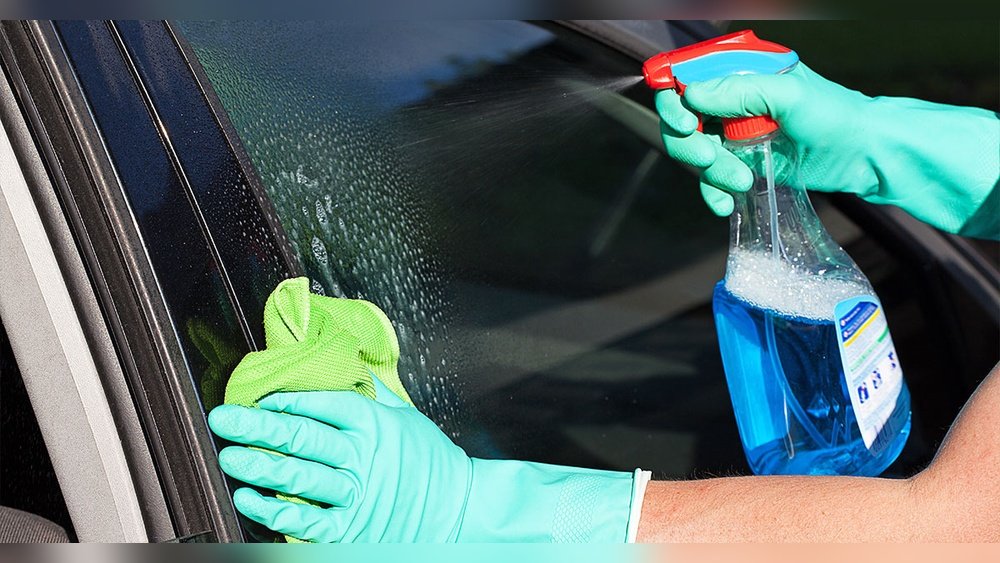
    Credit: www.homedepot.com

    Tools And Materials Needed

    Cleaning car light glass needs the right tools and materials. Using proper supplies makes the job easier and safer. You will also need to protect yourself while cleaning.

    Cleaning Supplies

    Start with a soft microfiber cloth to avoid scratches. Use a gentle glass cleaner or a mix of water and mild soap. A small brush can help reach corners and edges. For tough stains, a bit of baking soda works well. Avoid harsh chemicals that can damage the glass or plastic.

    Protective Gear

    Wear gloves to protect your hands from cleaning chemicals. Safety glasses shield your eyes from splashes. A mask helps if you use strong cleaners or powders. Protecting yourself ensures a safe and smooth cleaning process.

    Preparing The Car Lights

    Preparing your car lights before cleaning is an important step. It helps you get the best results and protects your car. Taking time to prepare the lights makes the cleaning process easier and safer. Follow these simple steps to get started.

    Removing Dirt And Debris

    Start by removing loose dirt and debris from the light glass. Use a soft brush or a clean cloth to wipe away dust. Avoid using harsh tools that can scratch the glass. This step clears the surface for a better clean.

    Protecting Surrounding Areas

    Cover the areas around the lights with tape or plastic sheets. This prevents damage to the car’s paint or trim. Protecting these parts saves time and money on repairs. It also keeps your car looking neat during cleaning.

    Cleaning Techniques

    Cleaning car light glass improves visibility and safety. Dirt, grime, and bugs can cover the glass. Proper cleaning techniques restore clarity and brightness. Use simple tools and products for best results.

    Using Soap And Water

    Start with a mild soap and warm water. Mix soap and water in a bucket. Use a soft cloth or sponge to wipe the glass. Gently scrub to remove dirt and dust. Rinse thoroughly with clean water. Dry the surface with a clean towel to avoid streaks.

    Applying Glass Cleaner

    Choose a glass cleaner designed for automotive use. Spray the cleaner evenly on the light glass. Use a microfiber cloth to wipe the surface. Work in small circles to remove smudges and stains. Avoid harsh chemicals that can damage the glass. Repeat if needed for a spotless finish.

    Polishing For Shine

    Polishing adds extra shine and smoothness to the glass. Use a plastic polish or headlight restoration product. Apply a small amount to the glass surface. Rub gently with a soft cloth in circular motions. Buff the glass until it looks clear and bright. Polishing also helps protect the glass from future damage.

    How to Clean Car Light Glass: Easy Steps for a Crystal Clear Shine

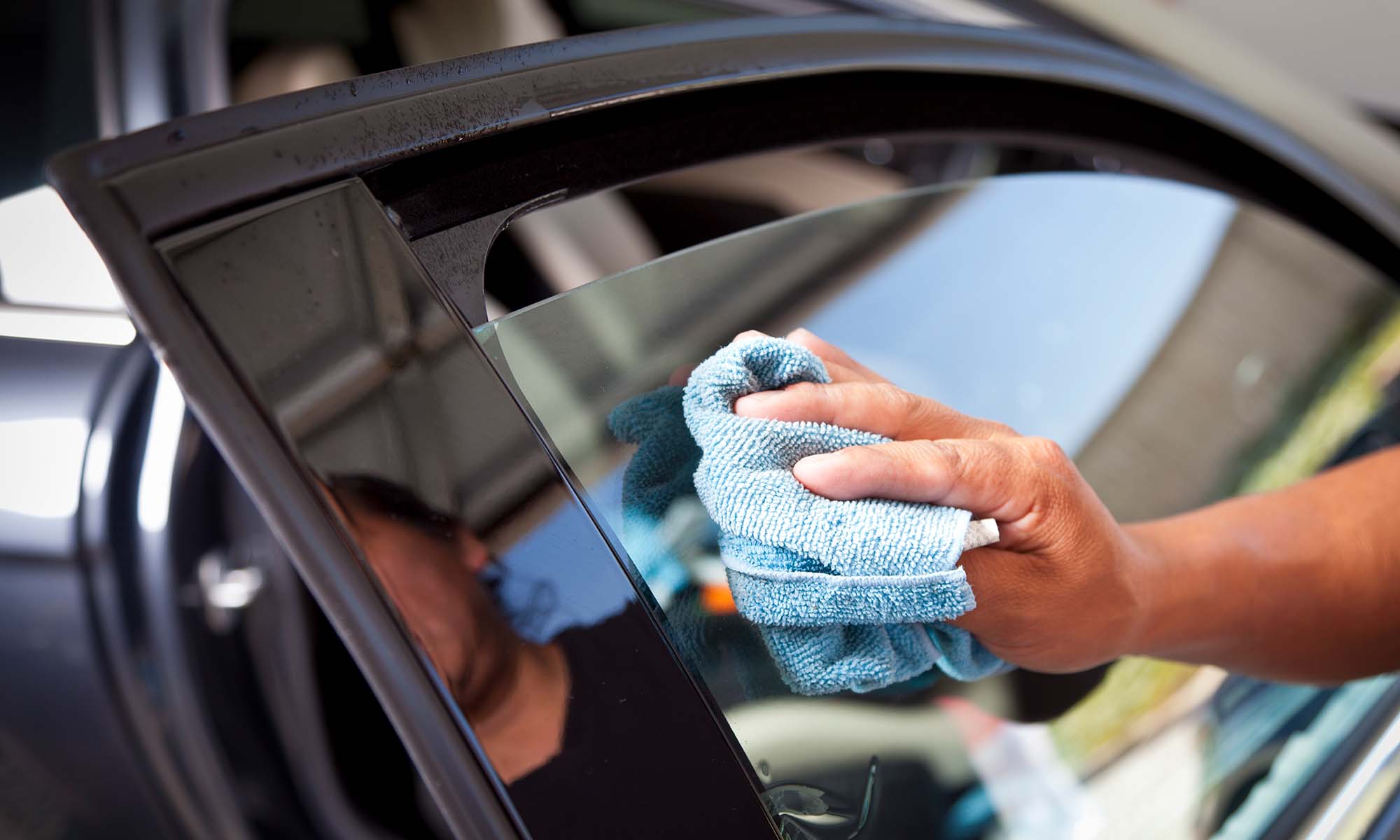
    Credit: www.thedrive.com

    Removing Stubborn Stains

    Removing stubborn stains from car light glass can be tricky. Dirt, grime, and oxidation build up over time. These stains block the light and make your car look old. Cleaning them properly improves safety and car appearance. Use simple household items for effective cleaning. Focus on gentle methods that do not damage the glass.

    Using Vinegar Or Baking Soda

    Vinegar and baking soda are natural cleaners. Vinegar breaks down dirt and grime easily. Mix equal parts of vinegar and water in a spray bottle. Spray the solution on the stained glass. Let it sit for 5 minutes. Wipe with a soft cloth in circular motions. For tough stains, make a baking soda paste. Mix baking soda with a little water until thick. Apply the paste to the stains. Rub gently with a cloth or sponge. Rinse with clean water and dry with a microfiber cloth.

    Dealing With Oxidation

    Oxidation causes cloudiness and yellowing on car lights. Use toothpaste as a mild abrasive cleaner. Apply a small amount of toothpaste to the glass. Rub it gently with a soft cloth in circles. The mild abrasives remove the oxidized layer. Rinse the glass with water afterward. Dry the surface with a clean towel. Repeat if the oxidation is heavy. For severe cases, use a commercial headlight restoration kit. Follow the kit instructions carefully for best results.

    Preventing Future Cloudiness

    Keeping your car light glass clear is not just about cleaning it once. It needs care to avoid cloudiness over time. Dirt, UV rays, and weather can make the glass hazy again. Taking steps to protect the glass helps maintain brightness and safety while driving.

    Applying Protective Coating

    Protective coatings create a barrier on the glass surface. They stop dust and dirt from sticking. Some coatings also block harmful UV rays that cause cloudiness. Use a product made for car lights. Apply it evenly and let it dry fully. This simple step keeps the glass clearer for longer.

    Regular Maintenance Tips

    Check your car lights often. Wipe the glass gently with a soft cloth and mild soap. Avoid harsh chemicals that can damage the surface. Clean the lights at least once a month to prevent buildup. Quick cleaning prevents hard stains and scratches. Keep your lights bright and your driving safe.

    When To Seek Professional Help

    Knowing when to seek professional help for cleaning car light glass is important. Some problems need expert care to avoid damage or poor results. Professionals have the right tools and skills to handle tough issues.

    Trying to fix certain problems yourself can make things worse. It saves time and money to get help early. Here are signs that show it is time to ask a professional.

    Damaged Or Cracked Light Glass

    Cracks or chips in the light glass need expert repair. Cleaning will not fix physical damage. Professionals can replace or repair the glass safely. Driving with damaged lights is unsafe and may be illegal.

    Severe Fogging Or Yellowing

    Yellow or foggy lights reduce visibility at night. If home cleaning fails to clear the haze, seek help. Experts use special techniques to restore clarity. This improves light brightness and driving safety.

    Electrical Or Moisture Issues

    Moisture inside the light or electrical faults require professional care. These problems can cause lights to stop working. Professionals can open lights, dry them, and fix wiring properly. Avoid risking electrical damage by acting fast.

    Persistent Dirt Or Stains

    Some stains remain after regular cleaning. Professionals have stronger cleaning solutions and tools. They can remove tough grime without scratching the glass. This keeps lights clear and looking new.

    How to Clean Car Light Glass: Easy Steps for a Crystal Clear Shine

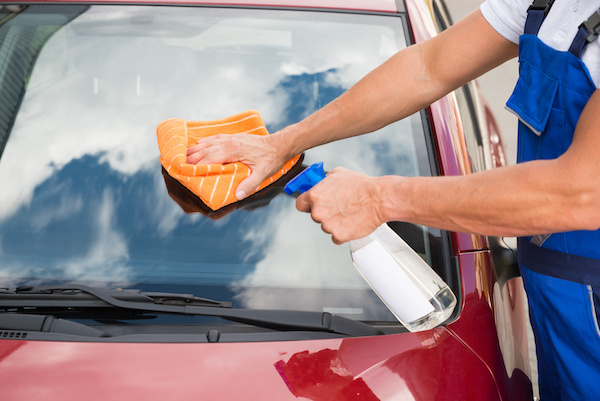
    Credit: www.youtube.com

    Frequently Asked Questions

    How Often Should I Clean Car Light Glass?

    Clean car light glass every 1-2 months to maintain brightness. Frequent cleaning prevents dirt buildup and improves visibility. Regular maintenance ensures safer driving conditions during day and night.

    What Materials Are Best For Cleaning Car Light Glass?

    Use a soft microfiber cloth and mild soap solution. Avoid abrasive materials that scratch the glass. Specialized car glass cleaners also work well for removing grime and streaks.

    Can Homemade Solutions Effectively Clean Car Light Glass?

    Yes, a mix of vinegar and water works well. It removes dirt and light oxidation without harsh chemicals. Always rinse thoroughly and dry with a clean cloth to avoid residue.

    How Do I Remove Stubborn Stains From Car Light Glass?

    Use a paste of baking soda and water applied gently. Rub in circular motions to lift stains. Rinse thoroughly and dry to restore clarity and shine.

    Conclusion

    Cleaning car light glass keeps your lights bright and clear. It improves safety while driving at night or in bad weather. Use simple tools like soap, water, and a soft cloth. Regular cleaning stops dirt and grime from building up.

    Taking small steps now saves money on repairs later. A clean light also makes your car look better. Try these easy tips to keep your lights shining. Your car will thank you with better visibility and safety.

  • How to Clean Your Car Windows: Easy Tips for a Crystal Clear Shine

    How to Clean Your Car Windows: Easy Tips for a Crystal Clear Shine

    Your car windows play a big role in your driving experience. Clean windows mean clearer vision, safer trips, and a more polished look for your vehicle.

    But getting them spotless isn’t always easy. If you’ve struggled with streaks, smudges, or stubborn dirt, you’re not alone. In this guide, you’ll discover simple, effective ways to clean your car windows quickly and thoroughly. Keep reading, and you’ll learn tips that save you time and give your car that fresh, clear shine every time.

    How to Clean Your Car Windows: Easy Tips for a Crystal Clear Shine

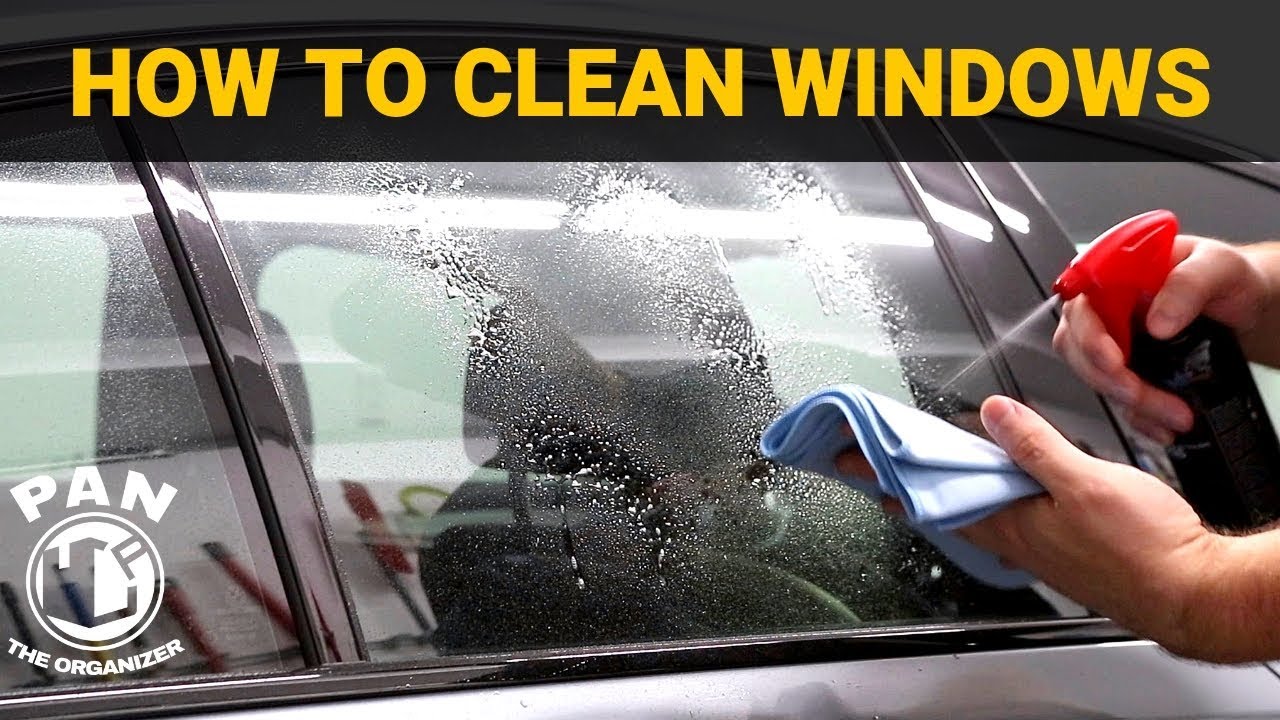
    Credit: www.obrien.com.au

    Choosing The Right Cleaning Supplies

    Choosing the right cleaning supplies makes car window cleaning easier and more effective. The right products remove dirt, grime, and streaks quickly. They protect the glass and keep it clear for safe driving.

    Select cleaners and tools designed for car windows. Household cleaners can leave residue or damage tint. Using proper supplies saves time and gives better results.

    Best Cleaners For Car Windows

    Pick cleaners made specifically for automotive glass. These are usually ammonia-free, so they do not harm tint or rubber seals. A good car window cleaner removes grease, bugs, and fingerprints without streaks.

    Look for products with anti-fog or water-repellent features. These help keep windows clear in rain or cold weather. Spray cleaners with a gentle formula work well for regular use.

    Tools That Make Cleaning Easier

    Microfiber cloths are ideal for cleaning car windows. They absorb dirt and water without scratching the glass. Use separate cloths for cleaning and drying to avoid streaks.

    A soft sponge or scrub pad helps remove tough grime. Use a squeegee for a smooth, streak-free finish. Extendable handles can reach large or curved windows easily.

    Preparing Your Car For Window Cleaning

    Preparing your car before cleaning the windows makes the task easier and more effective. A clean surface helps the glass cleaner work better. Taking time to prepare saves effort and gives better results. Follow simple steps to get ready.

    Park In A Shaded Area

    Find a spot with shade to park your car. Sunlight heats the glass and dries the cleaner too fast. This can leave streaks on the windows. Shade keeps the surface cool and helps you clean smoothly. Choose a spot under a tree or a covered area.

    Gather Necessary Materials

    Collect all tools before you start cleaning. You will need a glass cleaner or a mix of water and vinegar. Use a microfiber cloth or a soft towel to wipe the glass. Have a sponge or brush for tough dirt. Prepare a bucket of clean water for rinsing. Having everything ready saves time and keeps you organized.

    Step-by-step Cleaning Process

    Cleaning car windows is simple with the right steps. Following a clear process makes the job easier and faster. Clean windows improve visibility and keep your car looking fresh.

    Here is a step-by-step guide to clean your car windows effectively.

    Removing Dust And Debris

    Start by wiping off loose dust and dirt from the windows. Use a soft brush or dry microfiber cloth. This step prevents scratches during cleaning. Make sure to clean all corners and edges well.

    Applying Cleaner Correctly

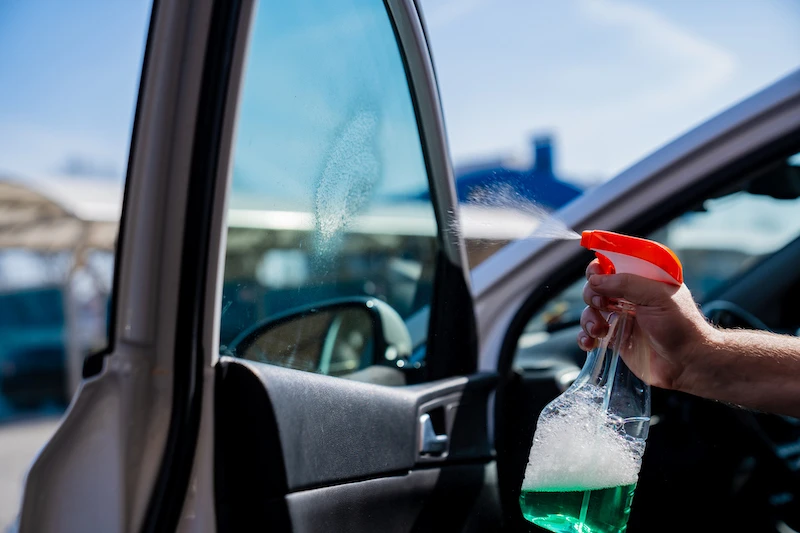
    Spray a good glass cleaner evenly on the window surface. Avoid soaking the edges to stop drips. Let the cleaner sit for a few seconds to break down grime. Use a cleaner made for automotive glass for best results.

    Wiping For A Streak-free Finish

    Use a clean microfiber cloth to wipe the glass in a circular motion. Follow up with vertical and horizontal strokes to remove streaks. Flip the cloth to a dry side for final polishing. Repeat if needed until the glass shines clear.

    How to Clean Your Car Windows: Easy Tips for a Crystal Clear Shine

    Credit: www.wikihow.com

    Cleaning Inside Windows

    Cleaning the inside of your car windows improves visibility and safety. Dirt, dust, and smudges build up quickly. These marks block your view and make driving harder. A clean window inside helps you see clearly and drives safely.

    Handling Interior Surfaces

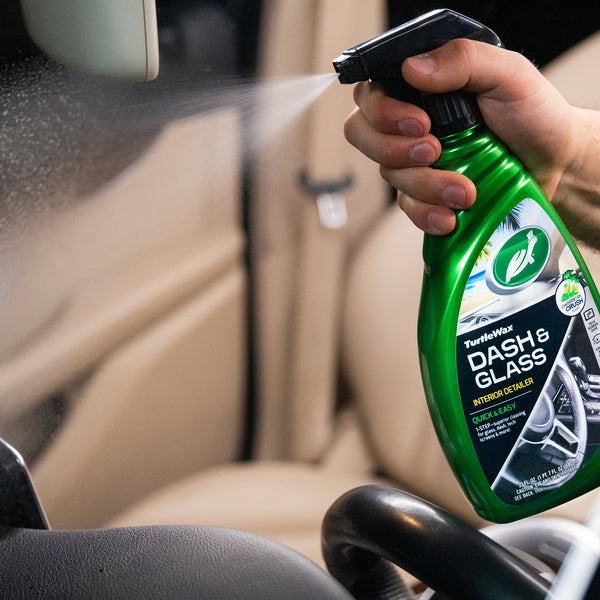
    Choose a soft microfiber cloth to avoid scratches. Spray a gentle window cleaner on the cloth, not directly on the glass. This prevents liquid from dripping into the door panel or electronics. Wipe the glass in small circles or vertical strokes. Focus on corners where dirt collects. Use a dry cloth to remove any leftover streaks.

    Avoiding Common Mistakes

    Never use ammonia-based cleaners inside your car. These can damage tinted windows and plastic parts. Avoid paper towels; they leave lint and can scratch. Don’t spray too much cleaner; excess liquid causes streaks. Clean windows in the shade to prevent quick drying. Quick drying leaves marks and makes cleaning harder.

    Dealing With Stubborn Stains

    Stubborn stains on car windows can block your view and spoil your car’s look. Cleaning these spots takes patience and the right methods. Some stains need special care to come off without scratching the glass. Use gentle but effective steps to get your windows clear and shiny again.

    Removing Water Spots

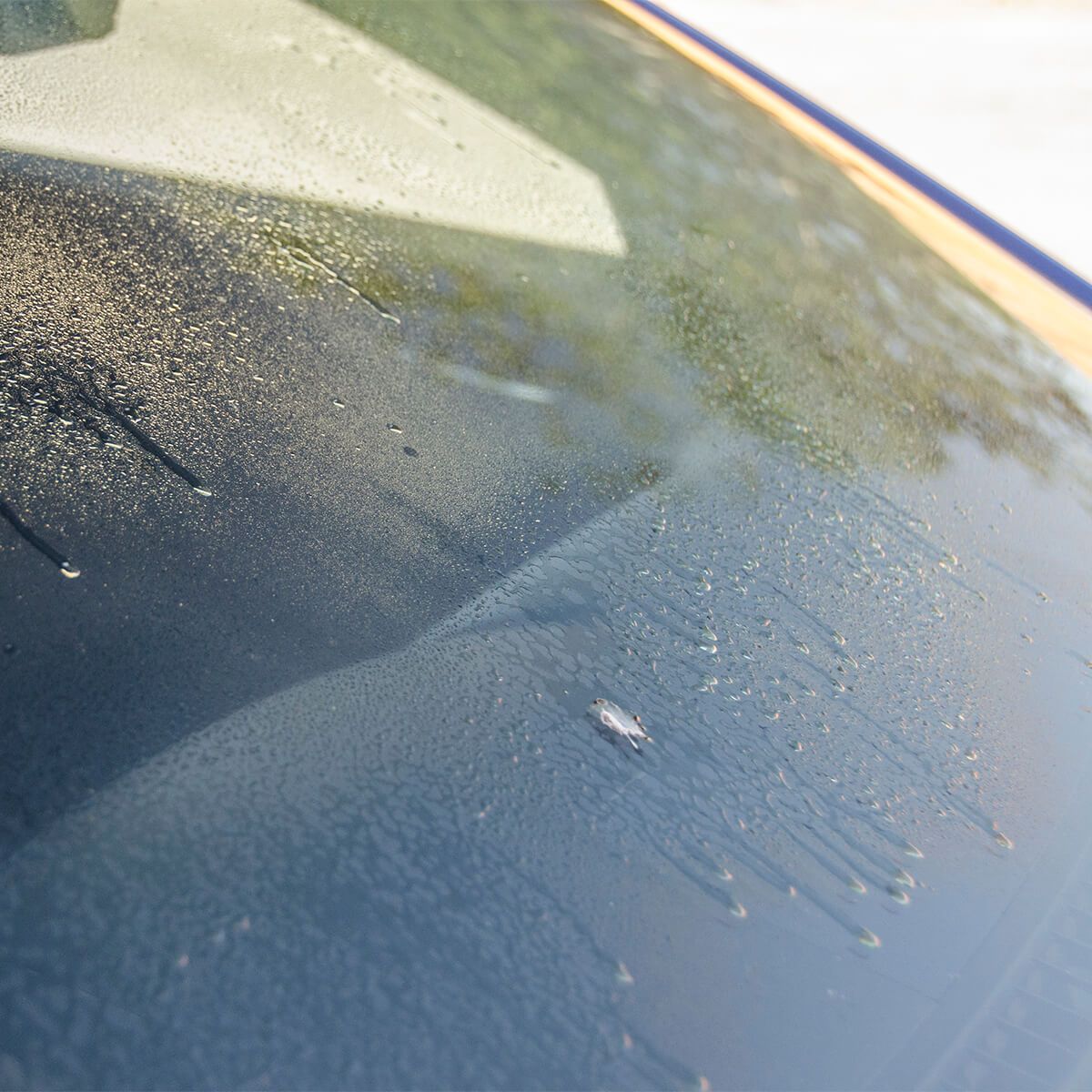
    Water spots form from minerals left after water dries. These spots look like small white marks on the glass. Start by spraying a mix of equal parts white vinegar and water. Let it sit for a few minutes to break down the minerals. Then, wipe the glass with a soft cloth in a circular motion. Rinse with clean water and dry with a microfiber towel to avoid new spots.

    Handling Bug Splatters And Grime

    Bug splatters and grime are sticky and hard to remove. Use a bug and tar remover or a mix of dish soap and warm water. Apply the solution to the stained area and let it sit for a few minutes. Gently scrub with a soft sponge or cloth. Avoid using rough tools that can scratch the glass. Rinse well and dry with a clean towel for a clear finish.

    How to Clean Your Car Windows: Easy Tips for a Crystal Clear Shine

    Credit: www.endurancewarranty.com

    Maintaining Clear Windows

    Clear car windows improve your view and keep you safe. Dirt, dust, and water spots can build up fast. Regular care keeps windows spotless and easy to see through. A clean window also makes your car look neat and well-kept.

    Maintaining clear windows does not require much time. Small, steady efforts can protect your glass and keep it bright.

    Regular Cleaning Schedule

    Set a routine to clean your windows often. Dirt and grime stick better over time. Clean windows every two weeks to stop buildup. Use a soft cloth and a gentle cleaner. Avoid harsh chemicals that can damage glass or tint. Wipe in circular motions for best results. Don’t forget to clean both inside and outside surfaces. Dry windows with a microfiber cloth to avoid streaks. Regular cleaning helps you spot cracks or chips early.

    Using Protective Treatments

    Protective sprays and treatments keep water and dirt away. They create a thin layer that repels dust and grime. Apply these treatments after cleaning for best effect. Some products also reduce glare and improve visibility in rain. Follow product instructions carefully for safe use. Reapply treatments every few months to maintain protection. These treatments save time and effort on future cleaning. They also help your windows last longer and stay clearer.

    Frequently Asked Questions

    How Often Should I Clean My Car Windows?

    Clean your car windows at least once every two weeks. Frequent cleaning prevents dirt buildup. It ensures clear visibility and safer driving conditions.

    What Is The Best Cleaner For Car Windows?

    Use a glass cleaner specifically designed for automotive use. Avoid ammonia-based cleaners as they can damage window tint. A mixture of vinegar and water also works well for streak-free results.

    How Do I Remove Stubborn Stains From Car Windows?

    Apply a mixture of vinegar and water to the stain. Let it sit for a few minutes. Then, scrub gently with a microfiber cloth to avoid scratches.

    Can I Use Household Glass Cleaner On Car Windows?

    Avoid household cleaners with ammonia for tinted windows. These can cause damage and discoloration. Instead, opt for automotive glass cleaners for safe and effective cleaning.

    Conclusion

    Cleaning your car windows is simple and helps your safety. Use the right tools and cleaner for best results. Wipe in circular motions to avoid streaks. Don’t forget the inside of windows for clear vision. Regular cleaning keeps dirt and grime away.

    Clear windows make driving easier and more pleasant. Try these easy steps to keep your car looking great. Clean windows mean better views and safer trips. Keep your car windows spotless with little effort.

  • How to Clean Car Windows With a Magic Eraser: Quick & Easy Guide

    How to Clean Car Windows With a Magic Eraser: Quick & Easy Guide

    Are your car windows looking streaky or covered in stubborn grime that just won’t come off? You might have tried countless cleaners and endless scrubbing, only to get frustrated with the results.

    What if there was a simple, almost magical way to make your windows crystal clear again? You’re about to discover how a Magic Eraser can transform your car windows without the hassle or expensive products. Keep reading, and you’ll learn the easy steps to get your windows spotless, so you can drive with a clearer view and more confidence.

    Benefits Of Using A Magic Eraser

    Using a Magic Eraser to clean car windows offers clear advantages. It makes the cleaning task easier and faster. The unique texture of the eraser removes dirt and grime without harsh chemicals. This tool can restore the shine of your car windows with little effort.

    Many people find traditional cleaning methods leave streaks or spots. A Magic Eraser helps avoid this problem. It reaches tough stains that regular cloths cannot remove. This makes your car windows look clearer and brighter after cleaning.

    Easy To Use And Handle

    Magic Erasers are simple to use and need no special skills. Just wet the sponge and gently rub the window surface. No need for extra cleaning products or sprays. This makes it a quick solution for everyday cleaning.

    Effective On Stubborn Stains

    These erasers remove tough dirt, bugs, and water spots easily. They work well on oily marks and fingerprints too. You get cleaner windows without hard scrubbing or damage.

    Safe For Most Glass Surfaces

    Magic Erasers are gentle enough for car windows. They clean without scratching or harming the glass. This keeps your windows looking new for a longer time.

    Cost-effective Cleaning Option

    Magic Erasers are affordable and last through many uses. One eraser can replace several cloths or sprays. This saves money and reduces waste from multiple products.

    How to Clean Car Windows With a Magic Eraser: Quick & Easy Guide

    Credit: www.youtube.com

    Materials Needed

    Cleaning car windows with a magic eraser is simple and fast. Having the right materials makes the process smooth. Gather everything before you start for the best results.

    Magic Eraser

    The magic eraser is the main tool. It removes dirt and stains without harsh chemicals. Use a clean, new eraser for best cleaning power.

    Water

    Water helps to wet the eraser and the window. Use clean, plain water for rinsing and dampening the eraser. It prevents scratching and helps lift dirt.

    Microfiber Cloth

    A microfiber cloth dries the windows after cleaning. It wipes away leftover water and streaks. Soft and gentle on glass surfaces.

    Spray Bottle (optional)

    A spray bottle makes applying water easier. Spray the window or the eraser lightly. Helps control moisture and avoid over-wetting the glass.

    Preparing The Car Windows

    Cleaning car windows with a Magic Eraser starts with good preparation. Clean windows make the Magic Eraser work better. Dirt and dust can scratch glass if not removed first. Preparing the windows helps you get clear, streak-free results.

    Remove Loose Dirt And Dust

    Begin by wiping the windows with a soft cloth or microfiber towel. This removes loose dirt and dust from the surface. Use gentle, sweeping motions to avoid scratching the glass. For heavy dirt, rinse the windows with water first. Removing surface dirt prevents smudges during cleaning.

    Dry The Surface

    Dry the windows completely before using the Magic Eraser. Use a clean, dry microfiber cloth to wipe the glass. Moisture can cause streaks and reduce the eraser’s effectiveness. A dry surface ensures the Magic Eraser glides smoothly over the glass. This step helps achieve a clear, polished finish.

    How to Clean Car Windows With a Magic Eraser: Quick & Easy Guide

    Credit: www.amazon.ie

    Cleaning Steps With A Magic Eraser

    Cleaning car windows with a Magic Eraser is simple and effective. This tool removes dirt and grime without harsh chemicals. Follow these easy steps for clear, streak-free windows.

    Wet The Magic Eraser

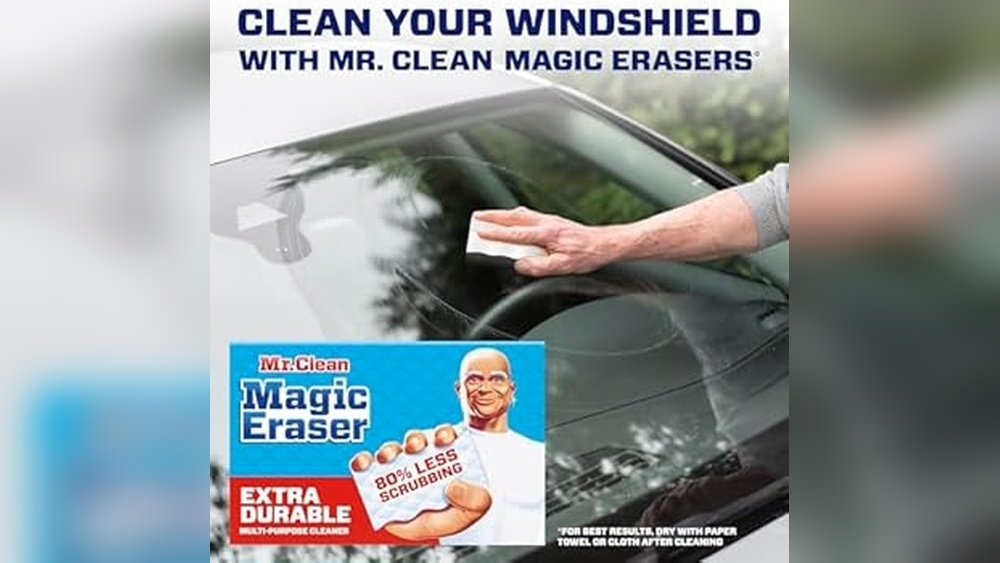
    Start by dampening the Magic Eraser with water. Squeeze out any extra liquid. The eraser should be moist but not dripping. This helps it clean better and prevents scratches.

    Gently Rub The Window

    Use light pressure to rub the window surface. Move the eraser in small circles. Avoid pressing too hard to protect the glass. The Magic Eraser lifts dirt and smudges easily.

    Focus On Stubborn Spots

    For tough marks, apply a bit more pressure. Rub the spot gently until it fades. Keep the eraser wet to avoid damage. Repeat if needed, but always be gentle.

    Post-cleaning Tips

    After using a Magic Eraser to clean your car windows, some final steps help keep them crystal clear. These post-cleaning tips ensure no spots or streaks remain. A clean window looks better and improves your driving safety.

    Wipe Off Residue

    Magic Erasers can leave a thin residue on glass surfaces. Use a clean, damp microfiber cloth to gently wipe the windows. This removes any leftover particles and prevents cloudiness. Avoid harsh rubbing to keep the glass scratch-free.

    Dry The Windows

    Moisture can cause streaks if left to air dry. Use a dry, soft cloth to carefully dry every part of the window. This step helps the glass shine and stops water spots from forming. Pat dry rather than rubbing hard.

    Check For Streaks

    Look at the windows from different angles in daylight. Streaks often appear when light hits the glass at certain points. If you spot any, gently buff those areas with a clean cloth. This final check ensures perfect clarity for your car windows.

    Precautions And Safety Tips

    Using a Magic Eraser to clean car windows is easy and effective. Still, it requires care to avoid damage. Follow these safety tips to protect your car and yourself.

    Protect Your Hands

    Wear gloves before using the Magic Eraser. It can irritate your skin. Gloves keep your hands safe and clean.

    Test On A Small Area

    Try the Magic Eraser on a small, hidden window spot. Check for scratches or marks. This step prevents damage to the whole window.

    Avoid Using On Tinted Windows

    The Magic Eraser may harm window tint film. Do not use it on tinted glass. Use a soft cloth and mild cleaner instead.

    Use Light Pressure

    Press gently while cleaning. Too much force can scratch the glass. Move the eraser softly in circles for best results.

    Keep Away From Painted Surfaces

    Magic Erasers can remove car paint. Stay clear of painted areas near windows. Use only on glass to avoid damage.

    Alternatives To Magic Erasers

    Magic erasers clean car windows well but are not the only option. Some people may want gentler or cheaper choices. Others might prefer natural cleaners or items they already have at home. Here are some good alternatives to magic erasers for cleaning car windows.

    Using Vinegar And Water Solution

    A mix of vinegar and water works well to clean glass. It removes dirt, grease, and smudges easily. Use equal parts of white vinegar and water in a spray bottle. Spray on the window and wipe with a soft cloth. This method is gentle and safe for car windows.

    Microfiber Cloths For Streak-free Shine

    Microfiber cloths pick up dust and dirt without scratching. Use a damp microfiber cloth to wipe the window surface. For tough spots, add a little glass cleaner. These cloths dry fast and leave no streaks behind. They are reusable and easy to wash.

    Baking Soda Paste For Stubborn Stains

    Baking soda can help remove tough stains on windows. Make a paste with baking soda and water. Apply gently with a soft cloth or sponge. Rub in small circles and rinse with clean water. This scrubbing action removes grime without damage.

    How to Clean Car Windows With a Magic Eraser: Quick & Easy Guide

    Credit: www.amazon.com

    Frequently Asked Questions

    What Is The Best Way To Use A Magic Eraser On Car Windows?

    Dampen the Magic Eraser slightly, then gently scrub the car windows in circular motions. Avoid excessive pressure to prevent scratches and streaks.

    Can Magic Erasers Remove Tough Stains From Car Windows?

    Yes, Magic Erasers effectively remove dirt, grime, and stubborn stains from car windows without harsh chemicals, making them ideal for deep cleaning.

    Are Magic Erasers Safe For Tinted Car Windows?

    Magic Erasers may damage tinted windows if used aggressively. Test on a small area first and use light pressure to avoid peeling or discoloration.

    How Often Should You Clean Car Windows With A Magic Eraser?

    Cleaning with a Magic Eraser once a month is sufficient to maintain clear, streak-free windows and remove buildup without damaging the glass.

    Conclusion

    Cleaning car windows with a Magic Eraser is simple and fast. It removes dirt and grime without harsh chemicals. Just wet the eraser and gently scrub the glass. Avoid using too much pressure to protect the surface. This method saves time and leaves windows clear.

    Try it on your car for a streak-free shine. Clean windows improve visibility and safety. Keep a Magic Eraser in your car for quick touch-ups. Easy, effective, and affordable—what’s not to like? Give it a try today and see the difference yourself.

  • How to Clean Up Broken Car Window Glass: Quick & Safe Tips

    How to Clean Up Broken Car Window Glass: Quick & Safe Tips

    Imagine this: you return to your car and find your window shattered. The sight of broken glass can feel overwhelming and even dangerous.

    But don’t worry—you can clean it up quickly and safely. In this guide, you’ll discover simple, step-by-step tips to tackle the mess without risking cuts or missing tiny shards. By the time you finish reading, you’ll know exactly what to do to get your car back in shape and keep yourself safe.

    Ready to take control and clear that broken glass? Let’s dive in.

    Assess The Damage

    Assessing the damage is the first step after a car window breaks. It helps you know how serious the problem is. This step guides your cleaning and repair process. Start by checking how much glass is broken and where the shards are.

    Check The Size Of The Damage

    Look closely at the broken window. Is it a small crack or a large hole? Small cracks may need less cleanup and repair. Large breaks require more care and protection. Knowing the size helps you prepare the right tools.

    Inspect Glass Shards Inside And Outside

    Glass pieces can fall inside and outside the car. Check the car seats, floor, and dashboard for shards. Outside, check the ground near the car. This helps avoid injuries and keeps the car clean.

    Look For Loose Or Hanging Glass

    Some glass pieces may still be stuck but loose. These shards can fall suddenly. Carefully check the edges of the window frame. Remove any loose glass with gloves or tape to prevent accidents.

    Assess The Window Frame Condition

    Damage may affect the window frame or door. Check if the frame is bent or cracked. A damaged frame can cause leaks or stop the window from closing. Note any problems to fix them later.

    Gather Safety Gear

    Cleaning up broken car window glass can be risky without the right safety gear. Protecting yourself is the first step. Safety gear reduces the chance of cuts and injuries. Prepare your tools before starting the cleanup.

    Wear Thick Gloves

    Gloves protect your hands from sharp glass pieces. Choose thick gloves made of leather or heavy-duty fabric. Avoid thin gloves that can tear easily. Proper gloves keep your hands safe while picking up shards.

    Use Safety Glasses

    Safety glasses shield your eyes from flying glass bits. Broken glass can cause serious eye injuries. Use wraparound glasses for full protection. Protecting your eyes is crucial during cleanup.

    Put On Long Sleeves And Pants

    Wear long sleeves and pants to protect your skin. Glass shards can scratch or cut exposed skin. Choose clothes made of sturdy material. Cover as much skin as possible before starting.

    Have A Sturdy Container Ready

    Use a strong container to collect broken glass. A plastic or metal container works best. Avoid using bags that can tear easily. Secure disposal keeps your area safe and clean.

    Clear Large Glass Pieces

    Start by carefully picking up large glass pieces with thick gloves to avoid cuts. Place the shards in a sturdy container to keep them safe during disposal. Clear the area thoroughly to prevent any missed fragments from causing harm.

    Wear Protective Gloves And Gear

    Start by putting on thick gloves to protect your hands. Use safety glasses to shield your eyes. Broken glass can cut skin or cause injury. Protect yourself before touching any shards.

    Carefully Pick Up Large Pieces

    Look for big glass pieces first. Pick them up slowly and carefully. Avoid rushing to stop cuts or accidents. Place the glass in a strong container or box.

    Use A Broom And Dustpan For Remaining Pieces

    After removing large shards, use a broom to sweep smaller pieces. Sweep gently to avoid spreading glass. Collect the shards with a dustpan. Dispose of them safely.

    Vacuum Small Glass Shards

    Vacuuming small glass shards is a crucial step in cleaning broken car windows. Tiny pieces of glass can hide in corners and crevices. These shards can cause injury or damage if left behind. Using a vacuum helps remove these dangerous bits safely and quickly.

    Choosing the right vacuum is important. A vacuum with strong suction and a narrow nozzle works best. It reaches small spaces and picks up tiny shards easily.

    Prepare Your Vacuum Cleaner

    Remove any large debris from the vacuum before use. Attach a crevice tool or small nozzle. This helps reach tight areas inside your car.

    Vacuum The Seats And Floor

    Start with the car seats and floor mats. Slowly vacuum each area to catch glass pieces. Move the nozzle carefully to avoid missing shards.

    Check Under And Between Seats

    Glass often falls into hard-to-see spots. Slide the seats forward and backward. Vacuum under and between them thoroughly.

    Inspect Door Panels And Crevices

    Glass shards can stick to door panels and crevices. Use the vacuum nozzle to clean these spots well. Repeat if you find new shards.

    Dispose Of Vacuum Contents Safely

    After vacuuming, empty the vacuum bag or canister carefully. Seal the contents in a plastic bag. This keeps shards from spreading or causing harm.

    Use Tape For Tiny Fragments

    Tiny glass fragments from a broken car window can be hard to see and remove. Using tape is a simple way to pick up these small pieces safely. Tape helps gather shards without touching them directly.

    This method reduces the chance of injury and makes cleanup faster. It works well after removing larger glass pieces. Choose a strong tape like duct tape or packing tape.

    Choose The Right Tape

    Pick tape with good stickiness. Duct tape or packing tape works best. Avoid thin or weak tape that might tear easily. Strong tape grabs tiny glass pieces better.

    Press Tape Gently On The Surface

    Cut a strip of tape and press it softly on the glass area. Do not press too hard to avoid pushing shards deeper. Lift tape slowly to pull tiny fragments off.

    Repeat Until Surface Is Clear

    Use fresh tape strips repeatedly. Keep pressing and lifting until no more glass sticks. Check the area well by running your hand carefully over it.

    Dispose Of Tape Carefully

    Wrap used tape around itself. Place it in a sealed bag or container. This stops glass shards from causing harm later. Throw it away with regular trash safely.

    How to Clean Up Broken Car Window Glass: Quick & Safe Tips

    Credit: www.reddit.com

    Dispose Of Broken Glass Properly

    Disposing of broken car window glass safely is very important. Small pieces can hurt people and animals. Proper disposal keeps your home and environment safe. It also helps local waste workers handle trash better.

    Never throw sharp glass directly into regular trash bags. Use special methods to avoid accidents. Follow local rules for disposing of glass. They might have specific bins or drop-off points. This helps recycle the glass properly.

    Use Thick, Durable Containers

    Put broken glass in a strong container. A thick plastic or metal box works well. Avoid thin plastic bags that can tear easily. Label the container “Broken Glass” to warn others. Seal the container tightly before disposal.

    Wrap Glass Pieces Carefully

    Wrap sharp glass shards in newspaper or cloth. This adds a safety layer to prevent cuts. Bundle small pieces together before placing in the container. Use tape to secure the wrapping. This step protects trash handlers.

    Check Local Disposal Guidelines

    Many cities have rules for broken glass disposal. Some require special recycling centers. Others allow sealed glass in regular trash. Find your local waste management website. Follow their instructions exactly to avoid fines.

    Consider Recycling Options

    Glass can often be recycled. Contact local recycling centers to confirm. Drop off broken car glass at designated locations. Recycling reduces waste and saves resources. Never mix glass with regular recyclables without checking.

    Clean And Inspect The Area

    Cleaning and inspecting the area after a car window breaks is very important. It helps remove all glass pieces and checks for any damage. This step keeps you safe and ready for repairs. Take your time to make sure the area is clean and safe.

    Wear Protective Gear

    Put on gloves and safety glasses before touching broken glass. This protects your hands and eyes from sharp pieces. Use thick gloves that do not tear easily. Safety glasses stop tiny glass shards from hurting your eyes.

    Remove Large Glass Pieces

    Pick up big glass chunks carefully with your gloved hands. Place them in a sturdy container or thick bag. Avoid dropping or shaking these pieces to prevent more breakage. Clear out all visible large shards from the window frame and car floor.

    Vacuum Small Glass Fragments

    Use a vacuum cleaner to pick up tiny glass pieces. Focus on the seats, floor mats, and door panels. Go slowly to make sure no shards remain. Empty the vacuum bag or container right after cleaning to avoid spreading glass again.

    Inspect For Hidden Glass

    Look closely inside door crevices and around the window frame. Use a flashlight to see small glass shards. Remove any hidden pieces with tweezers or a soft brush. Check seat cushions and under the car seats for missed fragments.

    Check For Damage

    Examine the window frame and car door for dents or cracks. Look for bent metal or broken seals. Damage may affect how well the new glass fits. Note any issues before starting the repair or replacement process.

    How to Clean Up Broken Car Window Glass: Quick & Safe Tips

    Credit: www.mrmautoglass.ca

    Prevent Future Breakage

    Preventing future breakage of your car window is key after cleaning up broken glass. Taking simple steps can protect your vehicle and save money. Small efforts help keep your car safe and your windows strong.

    Follow easy tips to reduce the risk of damage. Protect your car from bad weather and impacts. Keep your windows clean and well-maintained.

    Protect Your Car From Extreme Weather

    Extreme heat or cold can weaken car windows. Park your car in the shade or a garage. Use a sunshade to block direct sunlight. Avoid sudden temperature changes on the glass.

    Drive Carefully To Avoid Road Debris

    Small stones and debris can crack windows. Keep a safe distance from other vehicles. Drive slowly on gravel or rough roads. Watch for flying objects that may hit your car.

    Regularly Inspect And Maintain Window Seals

    Damaged seals let water and dirt inside. Check seals for cracks or gaps often. Replace worn seals to keep windows tight. Good seals protect glass from pressure and moisture.

    Avoid Slamming Car Doors

    Slamming doors cause vibrations that weaken glass. Close doors gently to prevent stress on windows. Teach passengers to handle doors with care. Less force means fewer chances of cracks.

    How to Clean Up Broken Car Window Glass: Quick & Safe Tips

    Credit: www.reddit.com

    Frequently Asked Questions

    How Do I Safely Remove Broken Car Window Glass?

    Wear thick gloves and eye protection before starting. Use a vacuum to pick up small shards. Carefully collect larger pieces by hand. Dispose of glass in a sturdy container to avoid injury.

    What Tools Are Needed For Cleaning Broken Car Glass?

    You need thick gloves, eye protection, a vacuum cleaner, a brush, and a dustpan. Optional items include tape to pick up tiny shards and a flashlight to spot missed pieces.

    How To Prevent Injury While Cleaning Broken Car Window Glass?

    Always wear protective gloves and eyewear. Avoid using bare hands. Work slowly and carefully. Keep children and pets away from the area. Dispose of glass safely in a rigid container.

    Can Broken Car Window Glass Damage The Car Interior?

    Yes, glass shards can scratch upholstery and damage electronics. Clean thoroughly to prevent long-term damage. Use a vacuum and brush to remove all fragments from seats and floor mats.

    Conclusion

    Cleaning up broken car window glass is important for safety and comfort. Use gloves and a broom to avoid cuts. Dispose of glass pieces carefully in a sturdy bag. Vacuum the area thoroughly to catch tiny shards. Take your time and work step-by-step for best results.

    This simple process helps keep your car clean and safe. Stay patient and cautious throughout the cleanup. Your efforts will prevent injuries and damage inside the vehicle.

  • How to Clean Car Main Glass: Expert Tips for a Crystal Clear View

    How to Clean Car Main Glass: Expert Tips for a Crystal Clear View

    Your car’s main glass is more than just a window—it’s your clear view to the road ahead. But dirt, smudges, and streaks can quickly blur that view, making driving unsafe and frustrating.

    You might think cleaning it is simple, yet many miss key steps that leave behind streaks or even damage the glass. What if you could learn the exact way to clean your car’s main glass so it stays spotless, clear, and safe every time?

    Keep reading, because mastering this easy skill will change the way you see your drives forever.

    How to Clean Car Main Glass: Expert Tips for a Crystal Clear View

    Credit: www.obrien.com.au

    Choosing The Right Cleaning Tools

    Choosing the right tools makes cleaning your car’s main glass easier and more effective. The right cloths and cleaning solutions help remove dirt without leaving streaks. Avoiding harsh chemicals protects the glass and your health. This section covers the best tools for a clear, spotless finish.

    Best Cloths For Streak-free Finish

    Microfiber cloths work best for cleaning car glass. They are soft and absorbent. Microfiber picks up dirt and dust without scratching. Avoid using paper towels or rough fabrics. These can leave lint or tiny scratches. Use a clean cloth each time to avoid spreading dirt.

    Recommended Cleaning Solutions

    Use water mixed with a small amount of mild dish soap. This solution cleans well and is gentle on glass. Commercial glass cleaners made for cars also work fine. Choose products that do not leave residue. Spray the cleaner on the cloth, not directly on the glass. This helps control the amount used and avoids drips.

    Avoiding Harmful Chemicals

    Stay away from cleaners with ammonia or bleach. These chemicals can damage car glass and tint. Harsh chemicals also harm your skin and lungs. Use natural or gentle cleaning products instead. Always check the label before buying any cleaner. Safe cleaning protects your car and your health.

    How to Clean Car Main Glass: Expert Tips for a Crystal Clear View

    Credit: www.armorall.com

    Preparing The Glass Surface

    Preparing the glass surface is a key step for a clear, spotless car windshield. Dirt, dust, and sticky spots can block your view and make cleaning harder. Taking time to prepare the glass helps the cleaner work better. Your windshield will look shiny and streak-free.

    Removing Loose Dirt And Debris

    Start by brushing off loose dirt with a soft brush or microfiber cloth. Dirt and dust can scratch the glass if rubbed harshly. Use gentle, circular motions to avoid damage. Clearing loose particles first prevents streaks and spots during cleaning.

    Handling Bugs And Stubborn Residue

    Bugs and sticky residue need extra care. Spray a small amount of glass cleaner or a mix of water and vinegar on the spots. Let it sit for a minute to soften the grime. Use a soft cloth or sponge to wipe away the residue gently. Avoid scrubbing hard to protect the glass surface.

    Step-by-step Cleaning Process

    Cleaning your car’s main glass is easy with the right steps. Follow this simple guide to get clear, streak-free windows. Use the correct tools and methods for the best results. Take your time and clean carefully for a spotless finish.

    Applying Cleaner Properly

    Spray a small amount of glass cleaner on the surface. Avoid soaking the glass to prevent drips inside the car. Use a cleaner made for automotive glass. Spread it evenly to cover all areas.

    Techniques For Wiping And Polishing

    Use a clean microfiber cloth to wipe the glass. Move the cloth in circular motions to remove dirt. Flip the cloth often to avoid smearing. For polishing, use a dry part of the cloth. Buff the glass gently for a clear shine.

    Dealing With Hard Water Spots

    Hard water spots need special care. Apply a mixture of vinegar and water to the spots. Let it sit for a few minutes to break down minerals. Wipe with a soft cloth until spots fade. Repeat if necessary for tough stains.

    Maintaining Glass Clarity

    Maintaining glass clarity is key for safe driving and a clean look. Clear glass helps you see the road better and avoids distractions. Dirt, dust, and smudges can block your view and reduce safety. Keeping your car’s main glass spotless makes every drive safer and more pleasant.

    Regular Cleaning Schedule

    Clean your car glass at least once a week. Use a soft cloth and a good glass cleaner. Avoid harsh chemicals that can damage the glass surface. Wipe in circular motions to remove all dirt and grime. Regular cleaning stops buildup and keeps the glass clear longer.

    Using Protective Coatings

    Apply a protective coating to your car glass. These coatings repel water and dirt. They make cleaning easier and reduce smudges. Choose a coating safe for automotive glass. Reapply every few months to keep protection strong.

    Tips For Preventing Fog And Smudges

    Use your car’s defogger to clear inside glass quickly. Avoid touching the glass with greasy or dirty hands. Use a microfiber cloth for wiping smudges gently. Park in shaded areas to reduce heat buildup. These small habits keep your glass clear and fog-free.

    Troubleshooting Common Issues

    Troubleshooting common issues with car main glass helps keep your view clear and safe. Some problems like scratches or cloudy glass need special care. Fixing these issues early improves visibility and driving comfort. Use the right tools and methods to avoid damage. Here are ways to handle typical glass problems easily.

    Removing Scratches Safely

    Small scratches on car glass can block your vision. Use a glass polishing kit made for cars. Apply the polish gently with a soft cloth. Rub in a circular motion to avoid more scratches. Clean the glass before and after polishing. If scratches are deep, consult a professional. Avoid harsh chemicals that can harm glass or seals.

    Addressing Cloudy Or Hazy Glass

    Cloudy glass makes driving risky, especially at night. This happens due to dirt, oxidation, or hard water stains. Clean the glass with a mixture of vinegar and water. Use a microfiber cloth to wipe the surface. For tough haze, use a glass restoration kit. Always dry the glass to stop streaks. Regular cleaning prevents haze from building up again.

    How to Clean Car Main Glass: Expert Tips for a Crystal Clear View

    Credit: www.youtube.com

    Frequently Asked Questions

    How Often Should I Clean My Car’s Main Glass?

    Clean your car’s main glass at least once a week. Regular cleaning prevents dirt buildup and improves visibility. More frequent cleaning is needed during rainy or dusty seasons for safety.

    What Is The Best Cleaner For Car Main Glass?

    Use a glass cleaner specifically designed for automotive use. Avoid ammonia-based cleaners as they can damage tint or rubber seals. A mixture of water and vinegar also works well.

    Can I Use Household Glass Cleaner On Car Windows?

    Household glass cleaners may contain chemicals harmful to car surfaces. They can leave streaks or damage tint film. It’s best to use automotive glass cleaners for safe and effective results.

    How Do I Remove Stubborn Stains On Car Glass?

    Use a soft cloth with a mild cleaner and gently scrub stains. For tough spots, a mixture of baking soda and water can help. Avoid abrasive tools to prevent scratches.

    Conclusion

    Cleaning your car’s main glass keeps your view clear and safe. Use gentle cleaners and soft cloths to avoid scratches. Regular cleaning stops dirt from building up and blocking your sight. Clean windows make driving easier and more comfortable. Take a few minutes often to wipe your glass well.

    Clear glass means better driving and fewer accidents. Simple steps bring big benefits for your car and you. Keep your windshield spotless for a safer ride every time.

  • How to Clean Car Windows With Tint: Easy Steps for a Streak-Free Shine

    How to Clean Car Windows With Tint: Easy Steps for a Streak-Free Shine

    Are your car windows looking dull or streaky even after cleaning? If you have tinted windows, you know that using the wrong products or methods can damage the tint and ruin your car’s appearance.

    But don’t worry—you don’t have to choose between clean windows and preserving your tint. You’ll discover simple, effective ways to clean your car windows with tint safely. Keep reading to learn how to make your windows sparkle without harming the tint, so your car always looks its best.

    How to Clean Car Windows With Tint: Easy Steps for a Streak-Free Shine

    Credit: thetintguy.com

    Choosing The Right Cleaning Materials

    Choosing the right cleaning materials is key to keeping car windows with tint clear and safe. Wrong products can damage the tint or leave streaks. Use gentle, effective cleaners and soft cloths. This ensures the tint stays in good condition for a long time.

    Safe Cleaners For Tinted Windows

    Use cleaners that do not contain ammonia. Ammonia can ruin the tint film. Choose water-based or mild soap solutions instead. These cleaners remove dirt without harming the tint. Avoid harsh chemicals and abrasive substances. They can cause bubbles or peeling on tinted windows.

    Recommended Cloths And Tools

    Use microfiber cloths to clean tinted windows. They are soft and trap dirt well. Avoid paper towels or rough fabrics that scratch the tint. A spray bottle helps control the cleaner amount. Use a soft sponge for tough spots. Gentle tools protect the tint from damage during cleaning.

    How to Clean Car Windows With Tint: Easy Steps for a Streak-Free Shine

    Credit: www.youtube.com

    Preparing Your Car For Cleaning

    Preparing your car for cleaning is a key step to keep your tinted windows safe. Proper preparation helps avoid damage and ensures a clear, streak-free finish. Taking time to prepare makes the cleaning process easier and more effective.

    Park In A Shaded Area

    Choose a spot away from direct sunlight. Sunlight can cause cleaning solutions to dry too fast. This can leave streaks or spots on your tinted windows. A shaded area keeps the windows cool and helps the cleaner work better.

    Gather Necessary Supplies

    Collect all your cleaning tools before starting. You will need a soft microfiber cloth, a gentle glass cleaner safe for tinted windows, and a spray bottle. Avoid ammonia-based cleaners as they can damage the tint. Having everything ready saves time and keeps the process smooth.

    Step-by-step Cleaning Process

    Cleaning car windows with tint requires care and the right steps. Follow this step-by-step process to keep your windows clear and your tint safe.

    Initial Dust Removal

    Start by removing loose dust and dirt from the window surface. Use a soft brush or a microfiber cloth. Gently wipe the window to avoid scratching the tint film. This step prevents dirt from spreading during cleaning.

    Applying Cleaner Gently

    Choose a cleaner safe for tinted windows. Spray a small amount onto a clean microfiber cloth. Avoid spraying directly on the window to protect the tint edges. Use gentle pressure to apply the cleaner evenly.

    Wiping Techniques To Avoid Streaks

    Wipe the window using horizontal or vertical strokes. Avoid circular motions to reduce streaks. Use a dry cloth to buff the window afterward. Repeat if needed to achieve a clear, streak-free shine.

    How to Clean Car Windows With Tint: Easy Steps for a Streak-Free Shine

    Credit: www.chemicalguys.com

    Drying And Polishing Tips

    Drying and polishing car windows with tint requires care. It helps keep the tint safe and the glass clear. Proper drying stops streaks and water spots. Polishing enhances the shine without harming the tint. Follow these tips for the best results.

    Best Practices For Drying

    Use a clean, soft microfiber cloth. Avoid rough materials that can scratch the tint. Pat the glass gently instead of rubbing hard. Work from top to bottom for even drying. Replace the cloth if it gets too wet. Let the windows air dry a little if possible. Avoid direct sunlight during drying to prevent spots.

    Enhancing Shine Without Damage

    Choose polish made for tinted windows. Avoid products with ammonia or harsh chemicals. Apply polish with a soft cloth in small circles. Use light pressure to protect the tint. Polish only clean, dry windows for best results. Buff the glass gently until it shines. Regular polishing keeps windows clear and bright.

    Maintaining Tinted Windows

    Maintaining tinted windows keeps them clear and protects the tint film. Dirt and dust can build up fast. This makes the glass look dull and can damage the tint. Clean windows improve visibility and keep your car looking sharp. Proper care extends the life of the tint and saves money on repairs.

    Regular Cleaning Schedule

    Clean tinted windows every two weeks for best results. Use a soft cloth or microfiber towel to avoid scratches. Choose a gentle, ammonia-free cleaner made for tinted glass. Spray cleaner on the cloth, not directly on the window. Wipe gently in a circular motion. Dry the glass with a clean towel to prevent streaks.

    Avoiding Common Mistakes

    Do not use harsh chemicals or abrasive tools. They can peel or fade the tint film. Avoid paper towels, as they can scratch the surface. Never spray cleaners directly on the window. Excess liquid can seep under the tint and cause bubbles. Wait at least a month before cleaning new tint. This lets the adhesive cure fully.

    Frequently Asked Questions

    How Do I Clean Tinted Car Windows Safely?

    Use a soft microfiber cloth and a gentle, ammonia-free cleaner. Avoid harsh chemicals or abrasive materials to prevent damage. Spray the cleaner on the cloth, not directly on the glass. Wipe gently in circular motions for a streak-free finish.

    What Products Are Best For Tinted Window Cleaning?

    Choose ammonia-free, pH-balanced glass cleaners designed for tinted windows. Avoid cleaners with alcohol, vinegar, or abrasive ingredients. These can cause tint peeling or discoloration. Always check product labels for tint-safe confirmation before use.

    Can I Use Regular Glass Cleaner On Tinted Windows?

    No, regular glass cleaners often contain ammonia, which can damage tint film. Use only ammonia-free products formulated for tinted windows. This protects the tint and maintains clarity without causing bubbles or fading.

    How Often Should I Clean Car Windows With Tint?

    Clean tinted windows every 1-2 weeks or when visibly dirty. Frequent cleaning prevents buildup of dirt and grime, preserving tint quality. Regular maintenance ensures clear visibility and extends the life of your tint.

    Conclusion

    Cleaning car windows with tint needs care and the right tools. Use gentle cleaners and soft cloths to avoid damage. Regular cleaning keeps your windows clear and tint lasting longer. Avoid harsh chemicals that can peel or crack the tint film.

    Take your time and be gentle for the best results. Clear windows improve your driving safety and car appearance. Keep up with these easy steps to protect your tinted windows every time. Simple habits make a big difference.

  • How to Clean Car Glass Stain: Easy Tips for a Crystal Clear View

    How to Clean Car Glass Stain: Easy Tips for a Crystal Clear View

    Are stubborn stains on your car glass blocking your view and ruining your ride’s look? You’re not alone, and the good news is, you don’t need expensive products or professional help to fix it.

    Imagine driving with crystal-clear windows that make every trip safer and more enjoyable. You’ll discover simple, effective ways to clean those tough stains quickly and easily. Keep reading, and you’ll learn the secrets to restoring your car glass to spotless perfection—your car deserves it!

    Common Causes Of Car Glass Stains

    Car glass stains appear from different everyday causes. These stains make your windows look dirty and reduce visibility. Knowing the common causes helps you clean them better and protect your glass. Below are the main reasons for car glass stains.

    Water Spots And Mineral Deposits

    Water spots form when rain or water dries on the glass. Minerals in the water leave white or cloudy marks. Hard water has more minerals, causing stubborn stains. These spots can build up over time and become tough to remove.

    Bird Droppings And Tree Sap

    Bird droppings contain acids that can damage glass. They dry fast and leave hard stains. Tree sap is sticky and attracts dirt. It leaves dark, shiny marks that are hard to clean. Both need quick removal to avoid permanent marks.

    Road Grime And Pollution

    Dust, dirt, and pollution from the road stick to your glass. These particles mix with rain or moisture and form grime. Pollution can cause a film that blurs your view. Regular washing helps prevent this buildup and keeps glass clear.

    How to Clean Car Glass Stain: Easy Tips for a Crystal Clear View

    Credit: www.amazon.com

    Essential Tools And Materials

    Cleaning car glass stains needs the right tools and materials. Using proper items helps remove stains fast. It also protects the glass from scratches. Having these essentials makes the job easier and safer. Below are the key tools and materials to prepare before starting.

    Cleaning Solutions To Use

    Choose a cleaning solution made for car glass. Vinegar mixed with water works well for light stains. For tougher stains, use a commercial glass cleaner. Avoid ammonia-based cleaners; they can damage window tint. Always test the cleaner on a small spot first. This ensures no harm to the glass or tint.

    Recommended Cloths And Brushes

    Use microfiber cloths for wiping glass surfaces. They do not leave lint or scratches behind. Soft-bristled brushes help remove dirt from edges and corners. Avoid rough sponges or towels that can scratch the glass. Replace cloths if they become dirty during cleaning. Clean tools give better results every time.

    Safety Gear For Cleaning

    Wear gloves to protect your hands from chemicals. Safety glasses shield your eyes from splashes. Work in a well-ventilated area to avoid inhaling fumes. Use a mask if you feel sensitive to smells. Taking safety steps keeps you safe and comfortable.

    Preparing Your Car Glass For Cleaning

    Preparing your car glass for cleaning is an important step. It helps remove dirt and dust that can scratch the glass. Proper preparation also makes cleaning easier and more effective. Taking time now saves effort later. Follow simple steps to get the best results.

    Choosing The Right Location And Time

    Pick a shaded area to clean your car glass. Direct sunlight can dry the cleaning solution too fast. This may leave streaks on the glass. Choose a cool day or early morning for cleaning. Avoid windy places to stop dust from settling back.

    Initial Rinse And Inspection

    Start by rinsing the glass with clean water. This removes loose dirt and grime. Use a hose or a bucket of water for this step. After rinsing, check the glass for stains or spots. Note areas that need extra attention during cleaning.

    How to Clean Car Glass Stain: Easy Tips for a Crystal Clear View

    Credit: www.championautoglass.com.au

    Effective Cleaning Techniques

    Cleaning car glass stains requires the right methods. Using effective techniques saves time and keeps the glass clear. Different stains need different care. This section explains how to remove common stains safely and easily. Follow these tips to restore your car glass to its best condition.

    Removing Water Spots And Mineral Buildup

    Water spots form from dried minerals in rain or tap water. Use white vinegar and water in equal parts. Spray the solution on the spots and let it sit for a few minutes. Wipe gently with a soft cloth. Repeat if necessary. Avoid harsh scrubbing to protect the glass surface.

    Dealing With Bird Droppings And Sap

    Bird droppings and sap can damage glass quickly. Soften them by applying warm, soapy water. Let it soak for five to ten minutes. Use a plastic scraper or soft cloth to remove the residue. Clean the area with glass cleaner afterward. Act fast to prevent permanent marks.

    Cleaning Road Grime And Dust

    Road grime and dust build up from driving. Start with rinsing the glass with water. Use a mild car shampoo and a microfiber cloth to wash away dirt. Rinse again and dry with a clean towel. This method avoids scratches and keeps the glass shiny.

    Diy Natural Cleaning Remedies

    DIY natural cleaning remedies offer simple and safe ways to remove car glass stains. These methods use common household ingredients. They are gentle on glass and the environment. You save money and avoid harsh chemicals.

    Natural cleaners work well on dirt, water spots, and light stains. They help keep your car glass clear and shiny. Here are three easy remedies to try at home.

    Vinegar And Water Solution

    Mix equal parts white vinegar and water in a spray bottle. Spray the solution on the stained glass. Let it sit for a few minutes. Wipe gently with a soft cloth or paper towel. Vinegar breaks down mineral deposits and grime. It leaves glass streak-free and clear.

    Baking Soda Paste

    Combine baking soda with a little water to make a paste. Apply the paste to the stain using a soft cloth. Rub gently in small circles. Baking soda acts as a mild abrasive. It helps lift tough stains without scratching glass. Rinse with clean water and dry the surface.

    Lemon Juice Application

    Squeeze fresh lemon juice onto the stained area. Let the acid work on the stains for a few minutes. Use a clean cloth to wipe the glass. Lemon juice removes hard water spots and adds shine. It also leaves a fresh, natural scent.

    Preventing Future Stains

    Preventing stains on car glass keeps your windows clear and safe. Clean glass improves visibility and adds to your car’s look. Taking simple steps stops stains from forming again. Protect your glass to save time and effort in cleaning.

    Applying Protective Coatings

    Use a good protective coating on your car glass. These coatings create a barrier that repels water and dirt. They help stops stains from sticking to the surface. Apply the coating as the product instructions say. Reapply it every few months for best protection.

    Regular Maintenance Tips

    Clean your car glass regularly to avoid stain buildup. Use a soft cloth and a glass cleaner made for cars. Avoid harsh chemicals that can damage the glass or coatings. Wipe away bird droppings and tree sap quickly. These substances can cause stains if left too long.

    Parking And Environmental Considerations

    Park your car in shaded or covered areas. This reduces exposure to sun, rain, and tree sap. Avoid parking under trees that drop leaves or sap. Dust and pollution also cause stains over time. Wash your car more often if you live in dusty or rainy places.

    Troubleshooting Tough Stains

    Tough stains on car glass need special care. Some stains resist regular cleaning. These marks may come from hard water, bird droppings, or road grime. Removing them requires extra effort and the right method. Understanding how to handle these stains saves time and protects your glass.

    When To Use Commercial Cleaners

    Commercial cleaners work well on stubborn stains. Choose a cleaner made for car glass. Test a small area first to avoid damage. Follow the instructions on the label carefully. Use a soft cloth to apply the cleaner. Rub gently in circles to lift the stain. Avoid harsh scrubbing to protect the glass surface.

    Handling Scratches And Etching

    Scratches and etching look like stains but need different care. Light scratches can be polished with a glass polish. Use a microfiber cloth and apply polish in small amounts. For deep scratches or etching, seek professional help. Do not try to fix severe damage yourself. Proper care maintains clear, safe glass for driving.

    Maintaining Crystal Clear Visibility

    Clear car glass improves safety on the road. Clean windows help you see better and avoid accidents. Dirt, stains, and smudges can block your view. Keeping glass spotless is an easy way to drive safer every day.

    Regular care keeps your car glass looking like new. It also stops stains from building up over time. Small daily efforts make a big difference in visibility and comfort.

    Daily Cleaning Habits

    Wipe your car glass with a soft microfiber cloth daily. This removes dust and light grime before it sticks. Use a gentle glass cleaner that does not leave streaks. Clean both inside and outside windows for the best results. Avoid harsh chemicals that might damage the glass or tint.

    Check for spots after rain or parking under trees. Bird droppings and sap can stain glass quickly. Clean these off as soon as possible to prevent permanent marks. A quick daily wipe keeps your windows clear and easy to see through.

    Seasonal Care Adjustments

    Different seasons affect car glass in unique ways. In winter, salt and grime from roads cause stains and corrosion. Rinse and clean your windows more often during cold months. Use an ice scraper gently to avoid scratches on frozen glass.

    Summer brings dust and pollen that stick to glass surfaces. Wash your car regularly to remove these particles. Protect your windows from sun damage by parking in shaded areas. Seasonal care helps maintain clear visibility all year long.

    How to Clean Car Glass Stain: Easy Tips for a Crystal Clear View

    Credit: www.reddit.com

    Frequently Asked Questions

    What Causes Stains On Car Glass?

    Stains on car glass usually come from hard water, tree sap, bird droppings, or road grime. These substances leave mineral deposits or organic residue, making the glass appear cloudy or spotted. Regular cleaning prevents buildup and maintains clear visibility while driving.

    How To Remove Water Spots From Car Glass?

    To remove water spots, use a mixture of vinegar and water or a dedicated glass cleaner. Apply it with a microfiber cloth, then gently scrub the stains. Rinse with clean water and dry with a lint-free towel for a streak-free finish.

    Which Cleaning Products Work Best On Car Glass Stains?

    Glass cleaners with ammonia or vinegar are effective for car glass stains. Avoid abrasive cleaners that can scratch the surface. Microfiber cloths help prevent streaks and damage. Using automotive-specific glass cleaners ensures safety and optimal results.

    Can Diy Solutions Clean Tough Car Glass Stains?

    Yes, DIY solutions like vinegar-water mix or baking soda paste can clean tough stains. They break down mineral deposits and grime effectively. Apply gently and rinse thoroughly to avoid residue. Always test on a small area first to prevent damage.

    Conclusion

    Cleaning car glass stains does not need to be hard. Use gentle cleaners and soft cloths for best results. Regular cleaning keeps your windshield clear and safe. Avoid harsh chemicals that can damage the glass. Small efforts now save bigger problems later.

    Clear glass improves your driving experience every day. Try these simple steps and see the difference yourself. Keep your car glass spotless for a safer drive ahead.

  • How to Clean Car Windows at Home: Easy Steps for a Crystal Clear Shine

    How to Clean Car Windows at Home: Easy Steps for a Crystal Clear Shine

    Are your car windows looking dull or streaky? Cleaning them doesn’t have to be a frustrating chore or an expensive trip to the car wash. You can get crystal-clear windows right at home, saving time and money.

    In this guide, you’ll discover simple, effective steps to make your car windows shine like new. Ready to see the road more clearly and boost your car’s overall look? Keep reading—you’re just a few easy moves away from spotless windows.

    How to Clean Car Windows at Home: Easy Steps for a Crystal Clear Shine

    Credit: www.youtube.com

    Tools And Materials Needed

    Cleaning car windows at home requires the right tools and materials. Having these supplies makes the job easier and delivers better results. Prepare everything before starting to avoid interruptions.

    Essential Cleaning Supplies

    • Glass cleaner: Use a streak-free formula made for automotive glass.
    • Microfiber cloths: Soft and absorbent, they prevent scratches.
    • Bucket of warm water: Helps rinse and remove dirt gently.
    • Sponge or soft scrub brush: For removing tough grime without damage.
    • Paper towels: Useful for quick drying and wiping edges.

    Optional Accessories For Better Results

    • Clay bar: Removes stubborn contaminants from glass surfaces.
    • Extension pole: Reaches high or large windows easily.
    • Rubber squeegee: Offers a clean, streak-free finish.
    • Compressed air canister: Blows away dust from tight corners.
    • Masking tape: Protects trim and seals during cleaning.

    Preparing Your Car

    Preparing your car before cleaning the windows helps achieve better results. Taking simple steps improves the cleaning process. It also protects your car’s surface from damage. Start by setting up a good workspace and clearing the windows of dust.

    Choosing The Right Location

    Select a shaded spot outside to clean your car windows. Direct sunlight can dry cleaning products too fast. This causes streaks and spots on the glass. A flat surface helps keep cleaning tools steady. Avoid windy areas to stop dust from settling on wet windows.

    Removing Loose Dirt And Debris

    Brush or wipe off loose dirt from the windows and frames. Use a soft cloth or a microfiber towel for this task. Removing dirt prevents scratches while cleaning. Check the window edges and corners for stuck debris. Clean these areas gently to avoid damage.

    Cleaning Interior Windows

    Cleaning the interior windows of your car improves visibility and safety. Dust, fingerprints, and smudges can build up quickly inside. Regular cleaning keeps your windows clear and fresh. It also helps reduce glare while driving. Follow simple steps for a spotless finish.

    Selecting The Best Cleaner

    Choose a cleaner made for glass surfaces. Avoid harsh chemicals that may damage window tint or dashboard parts. A mixture of water and vinegar works well and is safe. Commercial glass cleaners are effective too. Use a spray bottle for easy application. Test the cleaner on a small spot first.

    Techniques To Avoid Streaks

    Use a microfiber cloth for best results. Paper towels can leave lint or scratches. Spray the cleaner directly on the cloth, not the glass. Wipe in a circular motion to lift dirt. Follow with vertical or horizontal strokes to clear streaks. Avoid cleaning in direct sunlight to prevent quick drying.

    How to Clean Car Windows at Home: Easy Steps for a Crystal Clear Shine

    Credit: www.homemadesimple.com

    Cleaning Exterior Windows

    Cleaning the exterior windows of your car improves visibility and safety. Dirt, dust, and road grime build up quickly outside. Regular cleaning keeps your windows clear and your car looking fresh. Simple tools and common household items make the job easy. Follow these steps to clean exterior windows effectively at home.

    Removing Tough Grime

    Start by rinsing the windows with water. This removes loose dirt and dust. Mix water with a few drops of dish soap. Use a soft sponge or microfiber cloth. Gently scrub the windows to remove grime. For stubborn spots, try a vinegar and water solution. Spray it on and let it sit for a minute. Then, scrub gently until the grime loosens. Avoid harsh chemicals that can damage glass or paint.

    Wiping And Drying Tips

    Use a clean microfiber cloth for wiping. Avoid paper towels as they leave lint behind. Wipe in a circular motion to avoid streaks. Dry the windows completely to prevent water spots. Use a separate dry cloth for drying. For a streak-free shine, buff the glass lightly after drying. Clean on a cloudy day or in shade to stop cleaning solution from drying too fast.

    Dealing With Stubborn Stains

    Stubborn stains on car windows can be tough to remove. Dirt, sap, or hard water spots may not come off with regular cleaning. These marks reduce visibility and spoil your car’s look. Special methods can help you get rid of these stains at home. Using natural ingredients or specific products works well for deep cleaning.

    Using Vinegar And Baking Soda

    Vinegar and baking soda form a strong cleaning duo. Mix equal parts of white vinegar and water in a spray bottle. Spray the solution onto the stained glass. Let it sit for a few minutes to break down grime. Then, sprinkle baking soda on the window. Use a soft cloth or sponge to scrub gently. This removes tough dirt without scratching the glass. Rinse with clean water and wipe dry with a microfiber cloth. Repeat if stains remain.

    When To Use Glass Polishing Products

    Glass polishing products work on very stubborn stains. These products contain mild abrasives that smooth the glass surface. Use them only if vinegar and baking soda do not help. Apply a small amount to a clean cloth. Rub the stained area in circular motions. Clean off the residue with water and dry the window. Always follow product instructions carefully. Avoid using harsh chemicals that can damage the glass.

    How to Clean Car Windows at Home: Easy Steps for a Crystal Clear Shine

    Credit: www.amazon.com

    Maintaining Crystal Clear Windows

    Clear car windows improve visibility and safety while driving. They also enhance the car’s overall look. Keeping windows spotless at home is easy with the right routine and care.

    Regular Cleaning Schedule

    Clean your car windows at least once every two weeks. This keeps dirt and grime from building up. Use a soft cloth and a gentle glass cleaner. Wipe in circular motions for a streak-free shine. Don’t forget the inside of the windows. Dust and fingerprints can reduce clarity.

    Protective Measures To Prevent Dirt Build-up

    Park your car in a covered area or garage. This reduces dust and bird droppings on the glass. Use windshield covers during bad weather. Avoid touching the windows with dirty hands. Wash your car regularly to keep the windows clean longer. These small steps help keep windows crystal clear.

    Frequently Asked Questions

    How Do I Clean Car Windows Without Streaks?

    Use a microfiber cloth and a vinegar-water mix. Wipe in circular motions, then finish with vertical strokes. Avoid direct sunlight to prevent quick drying and streaks.

    What Household Items Can I Use To Clean Car Windows?

    You can use white vinegar, water, and dish soap. Mix vinegar and water 50/50 for an effective cleaner. Dish soap helps remove grease and grime gently.

    How Often Should I Clean My Car Windows?

    Clean your car windows every two weeks. Frequent cleaning ensures clear visibility and removes dirt buildup. More frequent cleaning is needed if exposed to dust or pollution.

    Can I Use Newspaper To Clean Car Windows?

    Yes, newspaper can clean windows without leaving lint. It’s an eco-friendly option that helps remove grime. Avoid colored or printed paper to prevent ink transfer.

    Conclusion

    Cleaning car windows at home saves time and money. Use simple tools like cloth and cleaner. Wipe in circles for a streak-free shine. Clean both inside and outside for best results. Regular cleaning keeps windows clear and safe. A clean window improves your driving view.

    Easy steps make the job quick and simple. Keep your car looking fresh with regular care. Try these tips next time you clean your car. Clear windows make every drive better and safer.

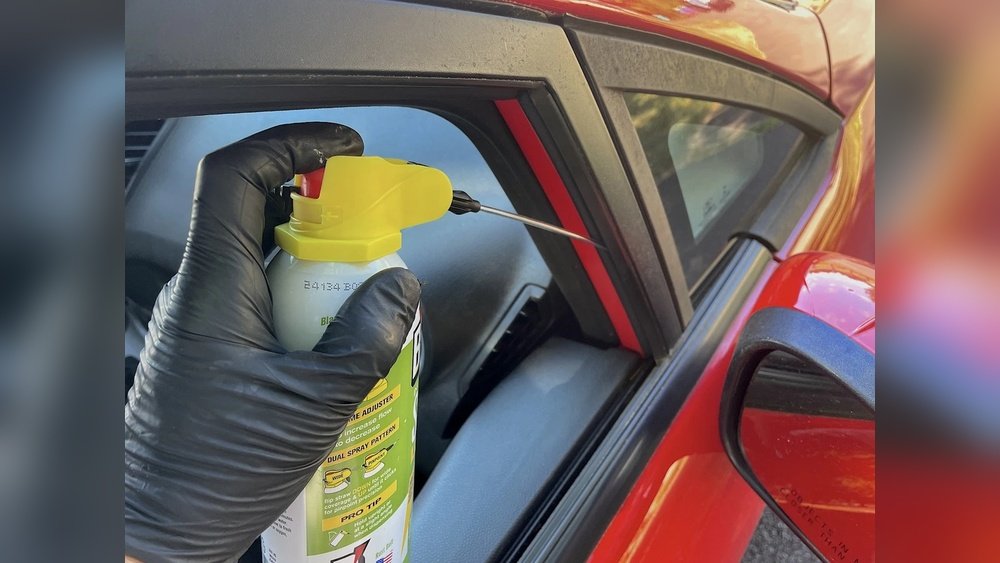
  • How to Clean Car Window Channels: Easy Steps for Spotless Windows

    How to Clean Car Window Channels: Easy Steps for Spotless Windows

    Your car windows slide up and down every day, but have you ever stopped to think about what’s hiding inside the window channels? Dirt, dust, and grime can build up there, making your windows stick or even damage the seals.

    Cleaning these channels might sound tricky, but it’s easier than you think—and it can save you money on repairs. In this post, you’ll learn simple, effective steps to clean your car window channels like a pro. Keep reading to discover how a little maintenance can make your windows work smoothly and keep your car looking great.

    How to Clean Car Window Channels: Easy Steps for Spotless Windows

    Credit: www.youtube.com

    Tools Needed

    Cleaning car window channels requires the right tools to do the job well. Using proper tools helps remove dirt and debris from tight spaces. It also prevents damage to the car’s window seals. Prepare these tools before starting to save time and effort.

    Essential Cleaning Supplies

    A small brush is key for scrubbing dirt from channels. Choose one with soft bristles to avoid scratching. Microfiber cloths help wipe away dust and moisture gently. A spray bottle with water or mild cleaner loosens grime inside channels. Cotton swabs reach narrow corners that cloths cannot. A vacuum with a narrow nozzle removes loose dirt quickly.

    Optional Accessories For Tough Dirt

    Plastic pry tools help lift stubborn debris without scratching surfaces. Foam pipe cleaners fit well inside narrow channels for deep cleaning. Compressed air cans blow out dust trapped in hard-to-reach areas. Rubber gloves keep your hands clean and provide a better grip. Use these if dirt is old or tightly packed inside the channels.

    How to Clean Car Window Channels: Easy Steps for Spotless Windows

    Credit: seashorerubber.com

    Preparing The Car

    Preparing the car is the first step to clean car window channels effectively. It helps you work safely and comfortably. Proper preparation saves time and avoids damage to your vehicle. Follow simple steps to get ready before starting the cleaning process.

    Parking In A Suitable Location

    Find a flat and open space to park your car. Avoid places with heavy traffic or dirt. Shade is best to protect from sun glare and heat. This makes cleaning easier and safer. Keep the area clear around your car for easy access.

    Gathering Materials

    Collect all tools and cleaning supplies before you begin. Use a small brush, microfiber cloth, and a vacuum cleaner if possible. Mild soap and water work well for cleaning. Avoid harsh chemicals that can damage window seals. Keep everything close to avoid interruptions.

    Removing Window Seals

    Removing window seals is a key step in cleaning car window channels. These seals protect the window and keep water out. Taking off the seals carefully helps avoid damage to both the seal and the car. This process needs patience and the right tools.

    Careful Seal Removal Techniques

    Start by pulling the seal gently at one corner. Use a plastic trim tool to lift the seal without scratching the paint. Work slowly along the edge, loosening the seal bit by bit. Avoid using metal tools that can cause dents or tears. Keep the seal intact to reuse it later.

    Handling Fragile Components

    Window seals are made of soft rubber and can tear easily. Hold the seal firmly but gently to prevent stretching. Watch for clips or fasteners that hold the seal in place. Remove these parts carefully and keep them safe. Treat every part with care to protect your car’s finish.

    Cleaning The Channels

    Cleaning the car window channels is a key step to keep your windows working smoothly. Dirt and debris often get stuck in these narrow spaces. This can cause the windows to jam or move slowly. Regular cleaning helps avoid damage and keeps your car looking neat.

    Removing Dirt And Debris

    Start by opening the car window halfway. Use a small, soft cloth to wipe out loose dirt. You can also use a plastic scraper or an old credit card. Gently scrape the edges to lift stuck debris. Take your time to reach all corners of the channel.

    Using Brushes And Vacuum

    Use a narrow brush to sweep out remaining dirt. A toothbrush or a small paintbrush works well. Brush along the channel edges and corners carefully. Then, use a vacuum cleaner with a thin nozzle. Vacuum the channel to remove loosened dust and dirt. This prevents grime from settling back inside.

    Applying Cleaning Solutions

    Choose a mild cleaner, like a mix of water and dish soap. Lightly spray the solution inside the channels. Avoid soaking the area too much. Use a cloth or sponge to wipe the channel surfaces. This removes grease and sticky residues. Finally, dry the channels with a clean cloth before closing the window.

    Drying And Inspecting

    After cleaning the car window channels, drying and inspecting are vital steps. Water or moisture left inside can cause rust or mold. Taking time to dry well helps keep the channels in good shape. Checking for damage ensures the channels work smoothly and prevent leaks.

    Ensuring Complete Dryness

    Use a clean, dry cloth to wipe the channels thoroughly. Reach into corners and tight spaces to remove all moisture. Let the channels air dry for a few minutes after wiping. Avoid closing the windows too soon to stop trapping moisture inside. A fully dry channel prevents rust and mold buildup.

    Checking For Damage Or Wear

    Look closely at the rubber seals and metal parts in the channel. Check for cracks, tears, or worn-out spots in the rubber. Inspect for rust, dents, or bends in the metal frame. Damaged parts can cause window leaks and noise. Replace or repair any worn areas to keep your windows working well.

    Reinstalling Window Seals

    Reinstalling window seals is a key step after cleaning car window channels. It protects the window from water and dust. Proper installation helps the window move smoothly. Take time to place the seals correctly. This prevents leaks and noise while driving.

    Proper Seal Placement

    Start by aligning the seal with the window frame. Make sure the rubber fits snugly in the channel. Press the seal evenly along the edges. Avoid stretching or twisting the seal. Check for gaps or loose spots. Use gentle pressure to secure the seal in place. A well-placed seal keeps out dirt and water effectively.

    Testing Window Movement

    After installing the seals, test the window’s movement. Slowly roll the window up and down several times. Listen for any unusual sounds or sticking points. The window should move smoothly without resistance. If the seal blocks the window, adjust it carefully. Proper testing ensures the seal fits well and works as intended.

    Maintaining Clean Channels

    Keeping car window channels clean helps windows slide smoothly. Dirt and debris can build up in these narrow spaces. This causes windows to stick or make noise. Clean channels also stop water leaks and rust. Simple care keeps them working well longer.

    Regular Cleaning Schedule

    Clean the window channels every few weeks. Use a soft brush or cloth to remove loose dirt. For stubborn grime, use a mild soap solution. Dry the channels fully to avoid rust. Regular cleaning prevents buildup and damage.

    Tips To Prevent Dirt Build-up

    Park your car away from dusty areas. Keep windows closed when not driving. Wipe channels with a damp cloth after rainy days. Avoid spraying water directly into the channels. Use a silicone spray to keep channels smooth and clean.

    How to Clean Car Window Channels: Easy Steps for Spotless Windows

    Credit: www.youtube.com

    Frequently Asked Questions

    How Often Should Car Window Channels Be Cleaned?

    Car window channels should be cleaned every 3 to 6 months. Regular cleaning prevents dirt buildup and ensures smooth window operation. Frequent maintenance also avoids damage to seals and reduces noise while driving.

    What Tools Are Best For Cleaning Window Channels?

    Use a soft brush, microfiber cloth, and a vacuum cleaner. A small brush helps remove debris in tight spaces. Avoid harsh tools that can damage the rubber seals or metal surfaces.

    Can I Use Household Cleaners On Window Channels?

    Avoid harsh household cleaners as they can damage rubber seals. Use mild soap and water or a dedicated automotive cleaner. This protects the channels and prevents premature wear or corrosion.

    What Causes Window Channels To Get Dirty Quickly?

    Dust, pollen, leaves, and road grime commonly accumulate in window channels. Frequent driving in dusty or wet conditions speeds up dirt buildup. Regular cleaning helps maintain window function and vehicle appearance.

    Conclusion

    Cleaning car window channels keeps windows running smooth and quiet. Dirt and debris block movement and cause damage over time. Regular cleaning prevents costly repairs and improves window function. Use simple tools like brushes and cloths for best results. Take your time and be gentle to avoid harm.

    Clean channels help your car look better and work well. Small efforts make a big difference in car care. Keep your windows clear and easy to open every day.

  • Best Way to Clean Car Windows at Home: Easy, Streak-Free Tips

    Best Way to Clean Car Windows at Home: Easy, Streak-Free Tips

    Are your car windows looking foggy, streaky, or just plain dirty? Cleaning them might seem like a simple task, but getting that crystal-clear shine without leaving marks can be tricky.

    You want your windows spotless for better visibility and a safer drive, but how do you do it right at home without expensive tools or harsh chemicals? You’ll discover the best way to clean your car windows quickly and easily, using simple products you probably already have.

    Keep reading, and you’ll learn insider tips that make your windows gleam like new—so you can enjoy a clearer view every time you hit the road.

    Choosing The Right Cleaning Supplies

    Choosing the right cleaning supplies makes a big difference in cleaning car windows. The right products help remove dirt, grime, and streaks quickly. They protect the glass and keep it clear for a long time. Using poor supplies can leave marks or even damage the glass. Focus on supplies that are easy to use and safe for car windows.

    Best Cleaners For Car Windows

    Pick cleaners made for automotive glass. These cleaners remove tough dirt without harming tint or glass. Avoid household cleaners with ammonia or harsh chemicals. Ammonia can damage window tint and cause cloudiness. Look for water-based or vinegar-based cleaners. They clean well and are gentle on surfaces. Some car window cleaners also repel water, improving visibility in rain.

    Essential Tools And Materials

    Use soft, lint-free cloths to avoid scratches. Microfiber cloths work best for cleaning and drying. Have a spray bottle to apply cleaner evenly. Use a soft-bristle brush to clean edges and corners. Paper towels can leave lint, so avoid them. Also, keep a squeegee handy for quick, streak-free drying. Gloves protect your hands from chemicals during cleaning.

    Best Way to Clean Car Windows at Home: Easy, Streak-Free Tips

    Credit: www.youtube.com

    Preparing Your Car For Window Cleaning

    Preparing your car for window cleaning is a key step for clear results. It helps remove dirt and avoids streaks on the glass. This preparation makes cleaning easier and faster. A clean surface allows the cleaning solution to work better.

    Taking time to prepare your car prevents damage to the paint and windows. It also keeps the cleaning process smooth and effective. Follow these simple steps to get your car ready for window cleaning.

    Park In Shade

    Choose a shaded spot to park your car before cleaning. Direct sunlight can dry the cleaning solution too fast. This causes streaks and spots on the windows. Shade keeps the glass cool and wet longer. It helps the cleaner work properly and gives better results.

    Remove Dirt And Debris

    Use a soft brush or cloth to remove dirt from the windows. Dust and debris can scratch the glass during cleaning. Cleaning the surface first prevents damage and makes the windows shine. Remove leaves, bugs, and other particles for a smooth clean. This step prepares your car for the next cleaning stage.

    Step-by-step Cleaning Process

    Cleaning car windows at home is easy with the right steps. Follow this simple process to get clear, streak-free glass every time. This step-by-step guide helps you clean efficiently and safely. It works for both inside and outside windows.

    Initial Wipe Down

    Start by removing loose dirt and dust from the windows. Use a dry microfiber cloth for this job. Wipe gently but cover the entire surface. This step stops dirt from scratching the glass later. It also helps the cleaner work better.

    Applying Cleaner

    Spray a quality window cleaner evenly on the glass. Do not soak the surface. A light mist is enough to break down grime. Choose a cleaner made for car windows to avoid damage. Let it sit for a few seconds to loosen dirt.

    Scrubbing And Detailing

    Use a clean microfiber cloth or sponge to scrub the glass gently. Focus on edges and corners where dirt hides. Use circular motions to lift stubborn spots. After scrubbing, wipe the glass dry with a fresh cloth. Check for streaks and repeat if needed.

    Tips For Streak-free Windows

    Cleaning car windows at home can be simple and effective. The key is to avoid streaks that spoil the shine. Follow these tips to keep your glass clear and spotless.

    Use Microfiber Cloths

    Microfiber cloths lift dirt without scratching glass. They absorb water and cleaner well. Using old rags or paper towels often leaves lint behind. A soft microfiber cloth cleans better and dries faster. Keep a few cloths handy for best results.

    Avoid Direct Sunlight

    Sunlight heats the glass quickly. This causes cleaning solution to dry too fast. Spots and streaks form as a result. Clean windows in the shade or on a cool day. This helps the cleaner work longer and cleans better.

    Proper Drying Techniques

    Dry windows immediately after washing. Use a dry microfiber cloth or a squeegee. Move from top to bottom to prevent drips. Wipe edges carefully where moisture gathers. This stops streaks and keeps glass crystal clear.

    Cleaning Interior Windows

    Cleaning interior car windows is important for clear vision and safety. Dirt, dust, and fingerprints can build up quickly on the inside glass. This can cause glare and make driving unsafe, especially at night. Regular cleaning keeps your windows spotless and your drive comfortable.

    Interior windows need gentle care. Harsh chemicals can damage the glass or leave streaks. Using the right tools and products makes cleaning easier and better. Focus on removing all smudges and film for a clear view every time.

    Safe Products For Inside Glass

    Choose gentle cleaners made for glass. Avoid ammonia-based products; they can harm window tint and plastic parts. Water mixed with a little dish soap works well. You can also buy special interior glass cleaners from auto stores. Use a soft microfiber cloth to avoid scratches. This keeps the glass clean without damage.

    Removing Film And Smudges

    Film on windows comes from smoke, dirt, and pollution. It makes windows look cloudy and hard to see through. Spray your cleaner lightly on the glass. Wipe in circular motions to break up the film. Use a dry cloth to buff and remove any streaks. For tough spots, repeat cleaning gently. This keeps your windows clear and shiny.

    Best Way to Clean Car Windows at Home: Easy, Streak-Free Tips

    Credit: www.homemadesimple.com

    Maintaining Clean Windows Longer

    Keeping car windows clean is not just about washing them once. It’s about making the clean last longer. Clean windows improve visibility and keep your car looking fresh. Small habits help keep dirt and grime away for many days. Here are some easy tips to maintain your car windows.

    Regular Cleaning Schedule

    Set a regular time to clean your car windows. Clean windows often prevent buildup of dust and stains. Wipe windows every two weeks or more if needed. Use a soft cloth and gentle cleaner for best results. This habit stops dirt from sticking hard to glass. Regular cleaning saves time and effort later.

    Protective Treatments

    Apply a protective treatment on your car windows. These treatments create a thin layer that repels water and dirt. They help water slide off quickly during rain. This reduces spots and keeps glass clearer longer. Choose products made for car windows only. Follow instructions carefully for best protection and shine.

    Best Way to Clean Car Windows at Home: Easy, Streak-Free Tips

    Credit: www.homemadesimple.com

    Frequently Asked Questions

    What Is The Best Homemade Solution For Cleaning Car Windows?

    A mix of vinegar and water works best. Use equal parts white vinegar and water in a spray bottle. It removes grime and streaks effectively without chemicals.

    How Do I Avoid Streaks When Cleaning Car Windows?

    Use a microfiber cloth for wiping. Spray the cleaner evenly and wipe in circular motions. Avoid cleaning windows in direct sunlight to prevent streaks.

    Can I Use Newspaper To Clean Car Windows?

    Yes, newspaper is great for a streak-free shine. It absorbs moisture well and won’t leave lint. Avoid colored or printed paper to prevent residue.

    How Often Should I Clean My Car Windows At Home?

    Clean your car windows every two weeks. Regular cleaning prevents buildup of dirt and grime. It also improves visibility and driving safety.

    Conclusion

    Cleaning car windows at home is simple and cost-effective. Use basic supplies like vinegar, water, and microfiber cloths. Clean both inside and outside for clear views and safety. Avoid harsh chemicals that can damage glass or tint. Regular cleaning keeps your windows bright and streak-free.

    A small effort brings big results. Enjoy a clearer drive every day. Try these easy steps and see the difference yourself.