Blog

  • Can Windshield Be Replaced in Cold Weather: Essential Tips Revealed

    Can Windshield Be Replaced in Cold Weather: Essential Tips Revealed

    Have you ever wondered if your windshield can be replaced when the weather turns cold? You might think that freezing temperatures could make the process tricky or even impossible.

    But what if waiting could actually cause more damage to your car or put your safety at risk? You’ll discover the truth about windshield replacement in cold weather and learn how to protect your vehicle no matter the season. Keep reading to find out what you need to know before making a decision that affects your safety and your wallet.

    Challenges Of Cold Weather Replacement

    Replacing a windshield in cold weather brings many challenges. The low temperatures affect the glass and adhesives. These factors can slow down the installation or cause problems later. Knowing these issues helps prepare for a smooth replacement.

    Effects Of Low Temperatures On Windshields

    Cold weather makes glass more fragile and prone to cracking. The windshield can contract and become less flexible. Adhesive materials also harden and lose their bonding power. This can lead to poor sealing and leaks. Windshield curing time increases in low temperatures. The car might need to stay in a warm place after replacement.

    Common Issues During Winter Installation

    Installing windshields in winter can cause delays. Adhesive may not stick well on cold surfaces. Moisture and ice on the glass can affect bonding. Technicians must work faster to avoid cold damage. Windshield edges may not seal properly, causing air and water leaks. Extra care and special tools often become necessary. Waiting for a warm day is sometimes the best option.

    Preparing For A Cold Weather Replacement

    Preparing for a cold weather windshield replacement takes careful planning. Cold can make glass and adhesives behave differently. Proper preparation helps avoid cracks and poor seals. It also ensures safety and durability after installation.

    Several factors influence the success of a cold weather replacement. Choosing the right environment and having the right tools ready makes the process smoother. Understanding these basics saves time and money.

    Choosing The Right Time And Place

    Pick a warm day if possible. Even a few degrees above freezing helps. Avoid windy or snowy conditions that can slow down work. Indoor spaces like garages are best. They protect the vehicle from cold and moisture. A heated area keeps adhesives at the right temperature. This helps them stick properly and dry faster.

    Tools And Materials Needed

    Have all necessary tools ready before starting. Use a proper windshield removal tool to avoid damage. Clean cloths help keep the glass and frame dry. A quality adhesive designed for cold weather is important. Also, have a heater or heat gun to warm the glass edges. This prevents cracking and helps the glue set. Safety gloves protect hands from sharp edges and cold temperatures.

    Step-by-step Replacement Process

    Replacing a windshield in cold weather needs careful steps. Cold affects the glass and adhesive. Following the right process ensures a safe and strong fit. Here is a simple step-by-step guide for the replacement.

    Removing The Old Windshield

    Start by cleaning around the windshield edges. Use special tools to cut the old adhesive. Gently lift the glass out without breaking it. Make sure all glass pieces are removed. Clean the frame to remove old glue and dirt.

    Applying Adhesive In Cold Conditions

    Use adhesive designed for cold weather. Keep it warm before applying. Apply a smooth, even layer around the frame. Avoid thick or uneven layers. This helps the glue cure well in low temperatures.

    Installing The New Windshield

    Place the new glass carefully on the frame. Press it firmly to seal with the adhesive. Check for gaps or uneven spots. Let the adhesive dry for the recommended time. Avoid moving the car during this period.

    Can Windshield Be Replaced in Cold Weather: Essential Tips Revealed

    Credit: only1autoglass.com

    Tips To Ensure A Secure Installation

    Replacing a windshield in cold weather needs care and attention. Proper steps help keep the glass safe and strong. Follow these tips to make sure the installation is secure and lasts long.

    Maintaining Proper Temperature

    Keep the work area warm. Cold glue can freeze and not stick well. Use heaters or warm blankets around the car. The glass and frame should be above freezing before starting. This helps the adhesive bond tightly.

    Curing Time Adjustments

    Cold weather slows down glue drying. Give more time for the adhesive to cure. Avoid driving or moving the car too soon. Check the product instructions for cold temperature curing times. Patience now prevents leaks and cracks later.

    Avoiding Common Mistakes

    Do not rush the job. Skipping steps weakens the seal. Avoid using too much or too little adhesive. Clean the frame and glass well before applying glue. Protect the fresh seal from snow or wind until fully set.

    When To Seek Professional Help

    Knowing when to get professional help for windshield replacement is key in cold weather. The cold affects glass and adhesives differently. Some problems need expert care to keep you safe and avoid further damage. Watch for warning signs and understand why experts are better in winter.

    Signs You Need Expert Assistance

    Cracks that grow quickly need professional attention. Small chips in freezing weather can spread fast. If the glass is shattered or has sharp edges, do not drive. Visibility issues like fogging or strange reflections also signal trouble. Uneven or loose glass means the adhesive failed. These problems require tools and skills only pros have.

    Benefits Of Professional Replacement In Winter

    Experts use special adhesives that work in cold temperatures. They ensure the glass seals tightly to prevent leaks and drafts. Professionals handle glass carefully to avoid cracking from cold stress. Proper installation keeps your car safe in accidents. They finish the job faster, reducing exposure to cold. Trusting experts protects your investment and your safety.

    Can Windshield Be Replaced in Cold Weather: Essential Tips Revealed

    Credit: stonedesignbysantos.com

    Maintaining Your Windshield Post-replacement

    After replacing your windshield in cold weather, proper care is crucial. The glass needs time to settle and bond firmly. Taking good care of it will keep your windshield strong and clear. Follow these steps to maintain your windshield and avoid future problems.

    Winter Care Tips

    Use a soft brush to remove snow gently. Avoid scraping ice hard, as it can cause scratches. Park your car in a garage or covered spot if possible. This protects the windshield from extreme cold and frost. Warm up the car slowly to prevent sudden temperature changes. Avoid pouring hot water on the glass. It can lead to cracks or damage.

    Preventing Damage And Cracks

    Check for small chips or cracks regularly. Fix them early to stop spreading. Avoid driving on rough roads immediately after replacement. Sudden bumps can weaken the new glass. Do not slam car doors hard; the vibration can affect the seal. Use windshield washer fluid that works in freezing temperatures. Water alone can freeze and damage the glass.

    Can Windshield Be Replaced in Cold Weather: Essential Tips Revealed

    Credit: bosnaindustrial.com

    Frequently Asked Questions

    Can Windshield Be Replaced In Freezing Temperatures?

    Yes, windshield replacement is possible in freezing temperatures. Professionals use special adhesives that cure in cold weather. However, curing time may be longer, so extra care is needed to avoid damage.

    Is Cold Weather Bad For Windshield Adhesives?

    Cold weather can slow adhesive curing but won’t ruin it. Modern adhesives work well in low temperatures but require more time to set fully.

    How Long Does Windshield Adhesive Take To Cure In Winter?

    In cold weather, adhesive curing can take 2 to 4 hours or longer. It’s best to avoid driving or washing the car during this time.

    Should I Wait For Warmer Weather To Replace My Windshield?

    Not necessarily. Windshield replacement can be done in winter safely with proper tools and adhesives. Delaying repair can risk safety and worsen damage.

    Conclusion

    Windshield replacement can happen even in cold weather. Experts use special tools and techniques to keep the glass safe. Cold temperatures may slow the process but do not stop it. Proper care after replacement helps the new windshield settle well.

    Always choose a trusted technician for best results. Don’t wait too long if your windshield is damaged. Staying safe on the road is the top priority. Winter does not have to delay necessary repairs. Simple steps ensure your car stays protected year-round.

  • How Glass Safety Impacts Rollover Accidents: Crucial Life-Saving Insights

    Imagine being in a rollover accident—your car flips, glass shatters around you. What happens next can make all the difference between minor injuries and something far worse.

    You might not realize it, but the safety of your car’s glass plays a crucial role in protecting you during these terrifying moments. You’ll discover how glass safety affects rollover accidents and why it’s something you can’t afford to ignore.

    Keep reading to learn what can keep you safer when the unexpected happens.

    Glass Behavior In Rollover Crashes

    Glass behavior plays a crucial role in rollover accidents. It affects how well the vehicle protects its occupants. During a rollover, glass can either stay intact or break into pieces. This impacts injury risk and escape chances. Understanding glass behavior helps improve car safety and reduce harm.

    Types Of Automotive Glass

    Cars use mainly two types of glass: laminated and tempered. Laminated glass consists of two glass layers with a plastic layer between. Tempered glass is heat-treated to increase strength. Each type reacts differently during crashes. Knowing these types helps explain their safety effects.

    Shatter Patterns And Consequences

    Tempered glass breaks into small, blunt pieces. This reduces cuts but allows glass to fall out. Laminated glass cracks but usually stays in place. This prevents ejection and keeps the car structure stable. Shatter patterns influence injury risk and protection during rollovers.

    Role Of Laminated And Tempered Glass

    Laminated glass is often used for windshields. It holds together after impact, protecting occupants. Tempered glass is common in side and rear windows. It breaks away more easily, which can be dangerous in rollovers. Choosing the right glass type improves safety in rollover crashes.

    How Glass Safety Impacts Rollover Accidents: Crucial Life-Saving Insights

    Credit: www.rkmlaw.net

    Injury Risks From Glass In Rollovers

    Glass plays a big role in the dangers of rollover accidents. Broken glass can cause serious injuries and make rescue harder. Understanding these risks helps improve safety in vehicles.

    Common Injuries Caused By Broken Glass

    Sharp glass pieces can cut the skin deeply. These cuts may cause heavy bleeding and infections. Eyes can get injured from flying glass shards. Small glass fragments can cause painful scratches and bruises. Glass injuries often need medical care and stitches.

    Impact On Passenger Ejection

    Broken glass can increase the chance of passengers being thrown out. Windows and windshields may shatter, leaving openings. Without glass barriers, passengers can be ejected during the rollover. Ejection greatly raises the risk of serious injuries or death.

    Glass-related Complications For Rescue

    Rescuers face challenges with glass shards blocking access. Sharp glass can harm both victims and emergency workers. Removing broken glass takes extra time during rescue. Delays may reduce the chances of saving injured passengers.

    Advancements In Glass Safety Technology

    Advancements in glass safety technology have greatly improved protection during rollover accidents. Car manufacturers now use stronger and smarter glass to reduce injuries. These changes help keep drivers and passengers safer inside the vehicle. The glass not only resists breaking but also works with other safety features.

    Innovations In Strength And Durability

    Modern automotive glass is much stronger than before. Laminated glass layers hold together even if cracked. Tempered glass breaks into small, less harmful pieces. These features prevent sharp shards from injuring passengers. The glass also resists impacts from debris during rollovers. This strength helps keep the car’s structure intact.

    Smart Glass Features

    Smart glass can change its properties based on conditions. Some types darken automatically to reduce glare. Others become more shatter-resistant when sensors detect a crash. This glass can help limit the spread of cracks. It also improves visibility for drivers in tough situations. Smart glass adds an extra layer of safety and comfort.

    Integration With Vehicle Safety Systems

    Glass safety now works with airbags and seat belts. Sensors in the glass can trigger airbags faster during rollovers. The glass also supports the roof to prevent collapse. It helps maintain the passenger space inside the car. Connected safety systems create a better overall protection network. This teamwork reduces injuries in serious accidents.

    How Glass Safety Impacts Rollover Accidents: Crucial Life-Saving Insights

    Credit: www.hyundaioflouisville.com

    Regulations And Standards For Glass Safety

    Glass safety plays a crucial role in protecting passengers during rollover accidents. Strict regulations and standards guide the design and testing of vehicle glass. These rules aim to reduce injuries caused by glass breakage. Understanding these standards helps explain how glass safety improves crash outcomes.

    Global Safety Standards

    Different countries follow specific global safety standards for vehicle glass. The most common rules come from organizations like the United Nations and the International Organization for Standardization. These standards set minimum strength and durability requirements. They ensure glass can withstand impacts and prevent passengers from being ejected. Many manufacturers design glass to meet or exceed these global standards.

    Testing Procedures For Rollover Scenarios

    Testing vehicle glass for rollover accidents involves strict procedures. Simulated rollovers measure how glass reacts under pressure and impact. Tests check if the glass stays intact or breaks safely into small pieces. Glass must protect occupants while avoiding sharp shards. These tests help improve glass design for stronger, safer windows and windshields.

    Compliance And Enforcement Challenges

    Ensuring all vehicles meet glass safety standards is a challenge. Some regions lack strict enforcement of these rules. Older cars may have outdated or weak glass. Monitoring compliance requires regular inspections and recalls. Weak enforcement can increase risks during rollovers. Strong regulations need equal enforcement to protect all drivers and passengers.

    Practical Tips To Enhance Glass Safety

    Glass safety plays a key role in protecting passengers during rollover accidents. Strong, well-maintained glass can prevent serious injuries by keeping people inside the vehicle and blocking sharp debris. Taking practical steps to improve glass safety helps reduce risks and increases survival chances in such crashes.

    Choosing Vehicles With Advanced Glass

    Select cars with laminated or tempered glass for better protection. Laminated glass holds together after breaking, reducing injury from sharp edges. Tempered glass shatters into small, less harmful pieces. Check for vehicles with side and rear windows made of safety glass. These features add extra safety during rollovers.

    Maintenance And Inspection Guidelines

    Regularly check your vehicle’s glass for cracks or chips. Small damage can weaken the glass and make it break easily. Clean windows often to spot hidden cracks early. Replace damaged glass quickly to keep safety intact. Follow your car manual for specific care instructions.

    Emergency Response Strategies

    Learn how to safely exit a vehicle if glass breaks during a rollover. Keep a glass-breaking tool in your car for emergencies. Practice calm and slow movements to avoid injury from broken glass. Teaching passengers about glass safety can save lives in critical moments.

    How Glass Safety Impacts Rollover Accidents: Crucial Life-Saving Insights

    Credit: www.chappell.law

    Frequently Asked Questions

    How Does Glass Safety Affect Rollover Accident Injuries?

    Glass safety reduces the risk of severe cuts and ejections during rollovers. Strong, laminated glass stays intact longer, protecting passengers from flying shards and keeping them inside the vehicle, which significantly lowers injury severity.

    What Types Of Glass Improve Rollover Accident Survival?

    Laminated and tempered glass are key for rollover safety. Laminated glass holds together when shattered, while tempered glass breaks into small, less harmful pieces. Both types enhance passenger protection by minimizing glass-related injuries during accidents.

    Why Is Windshield Strength Crucial In Rollover Crashes?

    The windshield supports the vehicle’s roof during rollovers. A strong windshield prevents roof collapse and keeps passengers inside. Laminated windshields offer better structural integrity, increasing survival chances in rollover accidents.

    Can Improved Glass Safety Reduce Fatal Rollover Accidents?

    Yes, enhanced glass safety can lower fatalities. By preventing ejections and reducing sharp glass injuries, safer glass materials improve occupant protection. This leads to fewer life-threatening injuries in rollover crashes.

    Conclusion

    Glass safety plays a key role in rollover accident outcomes. Strong, well-designed glass helps keep passengers inside. It also reduces injuries from broken shards. Car makers must focus on improving glass quality. Drivers should choose vehicles with safe glass features.

    Understanding glass safety can save lives during rollovers. Small changes in glass design make a big difference. Safety starts with the materials that protect us. Remember, glass safety matters more than many realize. Stay informed and drive with caution every time.

  • Does Insurance Cover Full Windshield Replacement? Expert Insights

    Does Insurance Cover Full Windshield Replacement? Expert Insights

    Have you ever wondered if your insurance will cover a full windshield replacement? When your windshield gets damaged, it can be stressful and confusing to figure out who pays for the repair or replacement.

    You want to get back on the road quickly without breaking the bank. Understanding how insurance works in this situation can save you time, money, and hassle. Keep reading to find out exactly what your policy might cover and what steps you should take next.

    Insurance And Windshield Coverage

    Understanding how insurance handles windshield damage is important. Many drivers want to know if their policy covers full windshield replacement. Insurance coverage for windshields varies. It depends on the type of policy and any extra options chosen.

    Knowing your coverage can save money and stress during repairs. This section explains how different auto insurance policies handle windshield claims. It also highlights the difference between comprehensive and collision coverage. Finally, it covers special glass coverage add-ons.

    Types Of Auto Insurance Policies

    Auto insurance comes in several types. Each type offers different protection. Liability insurance covers damage you cause to others. It does not cover your windshield. Comprehensive insurance covers non-collision damage. This includes theft, vandalism, and weather damage. Collision insurance covers damage from accidents with other vehicles or objects.

    Only comprehensive and collision policies may cover windshield damage. Knowing your policy type helps understand your coverage options. Some policies may exclude glass damage entirely.

    Comprehensive Vs. Collision Coverage

    Comprehensive coverage usually pays for windshield repair or replacement. It covers cracks from rocks or storms. Collision coverage covers damage after a crash. If your windshield breaks in an accident, collision may pay for it.

    Comprehensive insurance often has lower deductibles for glass claims. Collision deductibles can be higher, making replacement costly. Some insurers waive the deductible for windshield repair under comprehensive coverage.

    Glass Coverage Add-ons

    Many insurers offer glass coverage add-ons. These add-ons cover full windshield replacement without a deductible. They save money on repairs and replacements. Glass coverage can be part of comprehensive insurance or a separate rider.

    Check if your policy includes glass coverage. It often covers side and rear windows too. Adding glass coverage is a good idea for drivers in areas with frequent road debris or storms.

    Does Insurance Cover Full Windshield Replacement? Expert Insights

    Credit: stormwisehailrepair.com

    Factors Influencing Full Windshield Replacement

    Several factors affect whether insurance covers a full windshield replacement. Understanding these can help you know what to expect during a claim. Each insurance policy has its rules and conditions. The details of your situation also matter.

    Extent Of Damage

    The size and location of the damage affect coverage. Small chips or cracks might only need repair. Large cracks or shattered glass usually require full replacement. Insurance often covers full replacement if the damage blocks your view or weakens the windshield.

    Cause Of The Damage

    How the damage happened plays a key role. Damage from road debris or accidents is often covered. Damage from wear and tear or neglect may not be covered. Some policies exclude damage caused by natural disasters or vandalism. Knowing the cause helps in filing the right claim.

    Policy Deductibles And Limits

    Your deductible affects how much insurance pays. Deductibles are the amount you pay before coverage starts. A high deductible may mean you pay for the replacement yourself. Some policies have limits on windshield coverage. Check your policy to understand these rules.

    Claims Process For Windshield Replacement

    The claims process for windshield replacement can feel confusing. Knowing the right steps helps you get your windshield fixed quickly. Insurance companies have clear rules for filing and approval. Understanding these rules makes the process smoother. Below are key points to guide you.

    Filing A Claim

    Start by contacting your insurance company. Call their claims department or use their online portal. Give details about the damage and how it happened. Provide your policy number and vehicle information. Keep notes of your conversation for reference.

    Documentation Needed

    Collect proof of the damage. Take clear photos of the cracked or broken windshield. Get a repair estimate from a certified glass shop. Some insurers may ask for a police report if damage was severe. Submit all documents with your claim form promptly.

    Approval And Service Providers

    Your insurance will review your claim and documents. They decide if full replacement is covered under your policy. Some companies work with specific glass repair shops. You may have to use their approved providers. After approval, schedule your windshield replacement quickly.

    Does Insurance Cover Full Windshield Replacement? Expert Insights

    Credit: www.connectbyamfam.com

    Out-of-pocket Costs And Deductibles

    Out-of-pocket costs and deductibles play a big role in windshield replacement. Knowing these costs helps avoid surprise expenses. Insurance may cover some or all of the replacement. Still, deductibles can affect what you pay. Understanding these details saves money and stress.

    When Full Coverage Applies

    Full coverage insurance often pays for windshield replacement. This coverage depends on your policy type. Comprehensive insurance usually covers glass damage. Some policies cover full replacement without deductibles. Check your policy details to know your benefits.

    Common Deductible Amounts

    Deductibles usually range from $100 to $500. This amount is what you pay before insurance pays. Lower deductibles mean higher premiums but less out-of-pocket cost. Higher deductibles lower premiums but increase initial costs. Choose a deductible that fits your budget and risk.

    Cost-saving Tips

    Use insurance that waives the deductible for glass. Some states require zero deductible for windshield repair. Shop around for repair shops with insurance partnerships. Ask if your insurer offers direct billing. Early repair stops damage from getting worse and costing more.

    State Laws And Regulations

    State laws and regulations shape how insurance covers windshield replacement. These rules vary by location. Understanding them helps you know your rights and costs. States set standards to protect drivers and ensure fair claims. Let’s explore key legal aspects that affect windshield coverage.

    Mandatory Coverage Requirements

    Some states require insurance to cover full windshield replacement. This means insurers must pay for repairs or replacements. The law often applies to comprehensive car insurance. It helps drivers avoid large out-of-pocket expenses. These rules aim to keep windshields safe and intact.

    No-deductible Laws

    Several states have no-deductible laws for windshield claims. Policyholders do not pay a deductible for glass repairs. This rule encourages quick repairs and reduces damage risks. It makes insurance claims easier and less costly. No-deductible laws support safer driving conditions.

    Consumer Protection Measures

    States also enforce consumer protection measures for windshield services. These laws regulate repair shops and insurance practices. They prevent unfair fees and low-quality repairs. Consumers gain more confidence in their claims process. Protection rules ensure proper and timely windshield care.

    Does Insurance Cover Full Windshield Replacement? Expert Insights

    Credit: www.plymouthrock.com

    Expert Tips For Windshield Maintenance

    Taking care of your windshield helps keep it strong and clear. Proper maintenance reduces the chance of cracks and chips. It saves money and avoids the need for full replacements. Here are some expert tips for windshield care.

    Preventing Damage

    Drive carefully on rough roads and avoid gravel areas. Park in shaded spots to protect from sun damage. Clean your windshield gently with soft cloths and mild soap. Replace old wiper blades to stop scratches. Avoid slamming doors, which can cause small cracks.

    When To Repair Vs. Replace

    Small chips and cracks under six inches usually need repair. Repairs save time and cost less than replacements. Large cracks or damage near edges mean full replacement. Deep damage that blocks your view also requires replacement. Act quickly to stop cracks from growing.

    Choosing Reliable Repair Shops

    Pick shops with good reviews and proper licenses. Ask about their experience with windshield repairs. Check if they use high-quality materials and modern tools. Confirm if the shop offers warranty on their work. Avoid cheap services that might use poor parts.

    Frequently Asked Questions

    Does Insurance Cover Full Windshield Replacement?

    Most comprehensive auto insurance policies cover full windshield replacement. Coverage depends on your specific policy and deductible. Check your insurance terms to confirm if glass damage is included.

    Will I Pay A Deductible For Windshield Replacement?

    You might pay a deductible depending on your insurance policy. Some insurers offer glass coverage with zero deductible. Verify your policy details to know if you owe any out-of-pocket costs.

    Is Full Windshield Replacement Covered Under Comprehensive Insurance?

    Yes, comprehensive insurance typically covers full windshield replacement from damage like cracks or chips. This coverage helps reduce repair costs and protects your vehicle.

    Can I Choose Any Repair Shop For Windshield Replacement?

    You can usually choose your preferred repair shop. However, some insurers have preferred providers offering faster service or discounts. Confirm with your insurer before proceeding.

    Conclusion

    Insurance may cover full windshield replacement depending on your policy. Comprehensive coverage often includes glass damage. Deductibles and limits can affect your out-of-pocket cost. Always check your insurance details before repairs. Some companies offer free windshield replacement with no deductible.

    Quick action helps prevent further damage and ensures safety. Choose a trusted repair shop for best results. Knowing your coverage helps avoid surprises later. Clear visibility keeps you safe on the road. Stay informed and protect your vehicle wisely.

  • How to Clean Car Window Trim: Easy Tips for a Stunning Shine

    How to Clean Car Window Trim: Easy Tips for a Stunning Shine

    Your car’s window trim might seem like a small detail, but it plays a big role in keeping your vehicle looking sharp. Dirt, grime, and fading can make your trim look old and worn out fast.

    If you want your car to stand out and shine, knowing how to clean your window trim properly is key. In this guide, you’ll discover simple, effective steps to restore that fresh, polished look—without spending hours or using harsh chemicals.

    Ready to make your car look its best? Keep reading and learn how easy it is to clean your car window trim like a pro.

    Tools And Materials Needed

    Cleaning car window trim is simple with the right tools and materials. Having everything ready makes the job faster and easier. It helps protect the trim and gives a clean, polished look.

    Essential Cleaning Supplies

    • Soft microfiber cloths for gentle cleaning
    • Mild soap or car wash detergent
    • Soft-bristle brush for tough dirt
    • Plastic trim cleaner or all-purpose cleaner
    • Water bucket for rinsing
    • Spray bottle for easy application
    • Trim protectant or conditioner to finish

    Optional Protective Gear

    • Rubber gloves to protect hands
    • Safety glasses to shield eyes
    • Old towel or apron to keep clothes clean
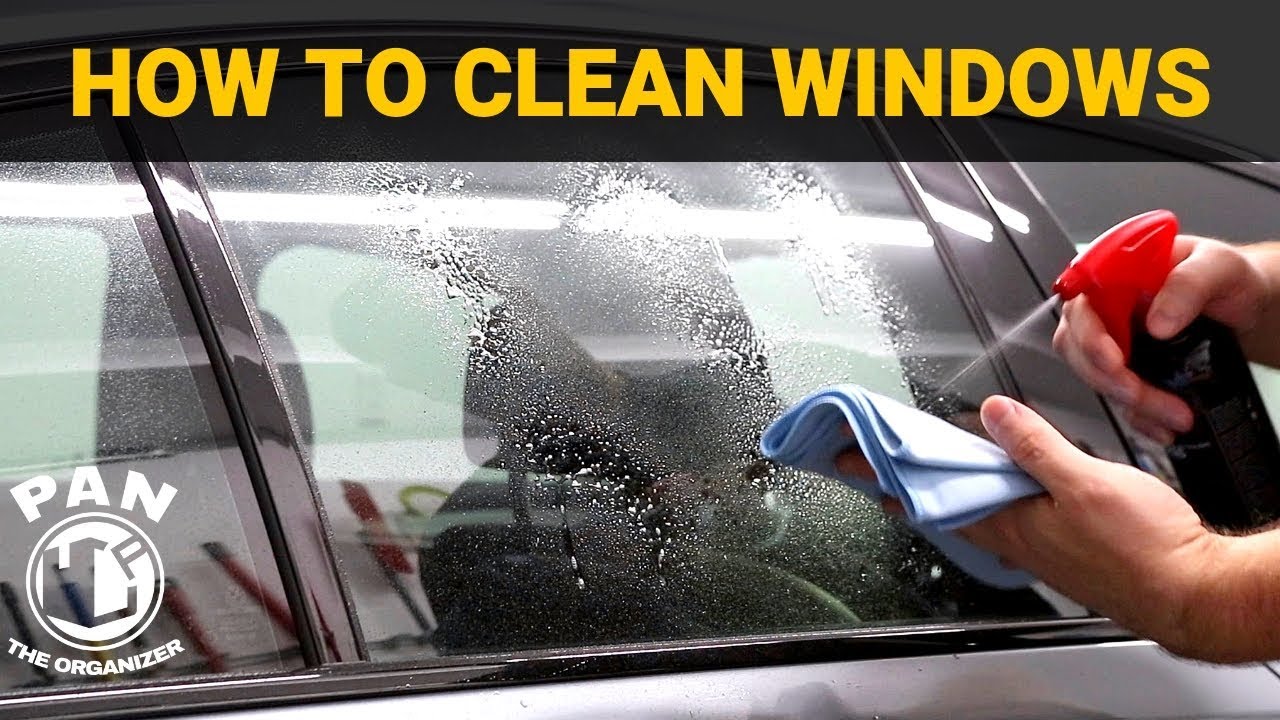
    How to Clean Car Window Trim: Easy Tips for a Stunning Shine

    Credit: www.youtube.com

    Preparing The Window Trim

    Preparing the window trim is the first step in cleaning car window trim. It ensures the surface is ready for a deeper clean. Proper preparation helps remove dirt that can scratch the trim during washing. It also allows cleaning products to work better on the trim surface.

    Removing Loose Dirt And Debris

    Start by removing loose dirt and debris from the trim. Use a soft brush or a microfiber cloth. Gently brush along the trim edges to lift dirt away. Avoid pressing too hard to prevent damage. Clear away leaves, dust, and small stones carefully. This step prevents scratching during washing.

    Washing The Trim Surface

    Next, wash the trim surface with mild soap and water. Mix a small amount of car soap in a bucket of water. Dip a soft cloth or sponge in the solution. Wipe the trim gently to remove grime and stains. Rinse the cloth often to avoid spreading dirt. After washing, rinse the trim with clean water. Dry the trim with a clean towel to stop water spots.

    Choosing The Right Cleaner

    Choosing the right cleaner is key to keeping your car window trim looking fresh and new. Different trims need different care. Using the wrong cleaner can cause damage or leave streaks. Picking a product that fits your trim material will make cleaning easier and safer.

    Types Of Cleaners For Different Materials

    Car window trims can be plastic, rubber, or metal. Each material needs a special cleaner. Plastic trims do well with mild soap and water or plastic-safe cleaners. Rubber trims need gentle cleaners that won’t dry or crack the material. Metal trims often need cleaners that remove dirt without causing rust or scratches. Always check the cleaner’s label to match your trim type.

    Natural Vs Commercial Products

    Natural cleaners use ingredients like vinegar, baking soda, or lemon juice. They are gentle and eco-friendly. These can work well for light dirt and regular cleaning. Commercial products are made for tougher grime and stains. They often contain chemicals that clean deeper but may be harsh. Choose natural cleaners for regular care and commercial ones for stubborn dirt. Test any cleaner on a small area first.

    How to Clean Car Window Trim: Easy Tips for a Stunning Shine

    Credit: www.reddit.com

    Cleaning Techniques

    Cleaning car window trim needs care and the right methods. Good techniques remove dirt without damage. Using proper tools helps protect your trim and keeps it looking new.

    Using Soft Brushes And Cloths

    Soft brushes are gentle on the trim surface. They remove dirt and dust without scratching. Use a brush with soft bristles for best results. Microfiber cloths work well to wipe the trim clean. They pick up dirt without leaving lint behind. Always use clean cloths to avoid rubbing dirt back on the trim.

    Detailing Hard-to-reach Areas

    Trim often has small crevices that collect grime. Use a small brush or cotton swab to clean these spots. These tools reach places cloths cannot. Spray a little cleaner on the brush for better dirt removal. Take your time to clean every corner carefully. This attention keeps the trim looking fresh and well maintained.

    Restoring Shine And Protecting Trim

    Restoring shine and protecting car window trim keeps your vehicle looking fresh and clean. Over time, trim loses its color and becomes dull. Dirt, sun, and weather can cause damage. Proper care brings back the original look and adds a layer of protection. This helps prevent cracking and fading. A few simple steps can extend the life of your trim and keep it looking new.

    Applying Conditioners Or Protectants

    Choose a conditioner made for car trim. These products restore color and add moisture. Apply a small amount to a clean cloth. Rub it gently onto the trim in circular motions. Let it sit for a few minutes. Wipe off any extra product with a dry cloth. Avoid using products meant for tires or interiors. These can damage the trim or leave a sticky residue.

    Tips For Long-lasting Shine

    Clean the trim regularly to avoid buildup. Use mild soap and water before applying protectants. Park in shaded areas to reduce sun damage. Avoid harsh chemicals that can strip the trim. Reapply conditioners every few weeks for best results. Check the trim often for cracks or fading. Early care keeps the trim healthy and shiny for longer.

    How to Clean Car Window Trim: Easy Tips for a Stunning Shine

    Credit: www.reddit.com

    Common Mistakes To Avoid

    Cleaning car window trim seems easy but many make simple mistakes. These errors can damage the trim or reduce its lifespan. Avoiding common pitfalls helps keep your car looking neat and fresh. Here are two mistakes to watch out for.

    Using Harsh Chemicals

    Harsh chemicals can ruin the trim’s finish. Many cleaners contain acids or strong solvents. These substances cause fading, cracking, or discoloration. Choose gentle, trim-safe products instead. Always test a cleaner on a small area first. Protect the trim by avoiding bleach, ammonia, or strong detergents.

    Neglecting Regular Maintenance

    Cleaning trim only once in a while causes dirt buildup. Dust and grime stick to the surface, making cleaning harder later. Regular washing prevents damage and keeps the trim shiny. Set a schedule to clean the trim every few weeks. This simple habit extends the life of your car’s trim.

    Frequently Asked Questions

    How Often Should I Clean Car Window Trim?

    Cleaning car window trim every two weeks keeps it free from dirt and grime. Regular maintenance prevents buildup and damage, preserving the trim’s appearance and durability.

    What Products Work Best For Cleaning Window Trim?

    Use mild soap, water, and a soft cloth for gentle cleaning. Specialized trim cleaners and protectants are ideal for tougher stains and UV protection.

    Can I Use Household Cleaners On Car Window Trim?

    Avoid harsh household cleaners as they can damage trim material. Stick to automotive-specific products to ensure safe and effective cleaning.

    How Do I Remove Stubborn Stains From Window Trim?

    Apply a dedicated trim cleaner or use isopropyl alcohol on a soft cloth. Gently rub stains until they lift, then rinse and dry the area.

    Conclusion

    Cleaning car window trim keeps your vehicle looking neat and cared for. Use gentle cleaners to avoid damage and clean regularly. Simple tools and a bit of effort make a big difference. Clean trim helps protect your car from dirt and wear.

    Keep up this easy routine to enjoy a fresh, polished look. Your car will thank you with better appearance and longer-lasting parts. Small steps add up to great results. Try it today and see the change yourself.

  • How Glass Safety Relates to Airbag Deployment: Critical Insights

    How Glass Safety Relates to Airbag Deployment: Critical Insights

    Have you ever wondered what happens to the glass around you the moment an airbag deploys? It’s not just a random break or crack.

    The way glass reacts during airbag deployment is carefully designed to keep you safe. Understanding this connection could make a big difference the next time you’re in a car. Keep reading to discover how glass safety plays a crucial role in protecting you when airbags spring into action.

    This knowledge might surprise you—and could even save your life.

    Glass Types In Vehicles

    Vehicles use different types of glass for safety and durability. Each glass type plays a specific role during an airbag deployment. Understanding these types helps explain how glass behaves in a crash.

    Tempered Glass Features

    Tempered glass is strong and breaks into small pieces. This reduces the risk of serious cuts during accidents. It is used mainly for side and rear windows. The glass shatters quickly to avoid trapping passengers. Its fast breakage allows airbags to deploy without delay.

    Laminated Glass Benefits

    Laminated glass consists of two layers with a plastic layer between. This design keeps the glass mostly in place when broken. It is used for windshields to protect passengers from flying glass. Laminated glass supports airbags by staying intact longer. It also helps maintain visibility after impact, aiding driver safety.

    How Glass Safety Relates to Airbag Deployment: Critical Insights

    Credit: www.dreamstime.com

    Airbag Deployment Mechanics

    Airbag deployment mechanics play a key role in vehicle safety. These systems work fast to protect passengers during a crash. Understanding how airbags deploy helps explain their connection to glass safety. The process starts with detecting a collision and ends with inflating the airbag cushion.

    Every step must happen within milliseconds. This quick response reduces injuries from impact and broken glass. The system relies on precise sensors and a rapid inflation process.

    Triggering Sensors

    Triggering sensors detect a crash almost instantly. They monitor sudden changes in speed or force. These sensors send an electric signal to the airbag system. This signal starts the inflation sequence. Sensors are placed in key vehicle areas to catch impacts quickly.

    Some sensors also detect the angle of collision. This helps the system decide which airbags to deploy. Correct airbag deployment can prevent passengers from hitting glass surfaces. Sensors play a vital role in timing and safety.

    Inflation Process

    The inflation process happens in a split second. Once triggered, a small explosive charge ignites gas generators. These generators produce nitrogen gas to fill the airbag. The airbag inflates fully within 20 to 30 milliseconds.

    The inflated bag forms a soft barrier between passengers and hard surfaces. It cushions impact forces and broken glass shards. The material and design of airbags help absorb energy safely. Quick inflation protects passengers from flying glass during a collision.

    Interaction Between Glass And Airbags

    Airbags and glass in vehicles work closely during a crash. Their interaction affects how well airbags protect passengers. Understanding this link helps improve car safety designs.

    Glass Breakage Patterns

    Car glass is made to break in certain ways. Windshields usually crack but stay mostly in one piece. Side windows shatter into small, blunt pieces. This design lowers injury risks from sharp glass. The pattern of glass breakage can change how airbags unfold. Broken glass may block or slow airbag deployment. Safe glass breakage helps airbags work without delay.

    Impact On Airbag Effectiveness

    Airbags need clear space to inflate quickly. Sharp glass fragments can damage airbags or hurt passengers. Proper glass design reduces these risks. When glass breaks safely, airbags cushion passengers better. Poor glass breakage can cause airbags to fail or cause extra harm. Car makers test airbags and glass together for best results.

    How Glass Safety Relates to Airbag Deployment: Critical Insights

    Credit: www.modifiedrides.net

    Safety Standards For Glass And Airbags

    Safety standards for glass and airbags protect passengers during accidents. Proper glass design works with airbags to reduce injuries. Both must meet strict rules to keep people safe. These rules guide how glass breaks and how airbags deploy.

    Regulatory Requirements

    Government agencies set rules for car safety parts. Glass must meet standards for strength and shatter patterns. Airbags must inflate quickly and correctly to protect passengers. Both parts must pass safety checks before cars are sold. These rules help save lives in crashes.

    Testing Procedures

    Testing ensures glass and airbags work well together. Glass is tested to break safely without sharp pieces. Airbags are tested for timing and force during deployment. Crash tests show how glass and airbags protect people. These tests improve car safety designs every year.

    Common Risks During Deployment

    Airbags save lives by inflating quickly during a crash. But the sudden force can cause glass to break inside the car. This broken glass can create serious risks for passengers. Knowing these risks helps improve safety and reduce injuries.

    Glass shards can fly with great speed and sharp edges. These shards can cut skin or damage eyes. The windshield and side windows are the main glass sources. The type of glass used affects the risk level.

    Glass Shards Hazards

    Windshields use laminated glass. It holds together when cracked but can still produce small shards. Side and rear windows use tempered glass. It breaks into tiny, less harmful pieces. Despite this, shards can still cause cuts and bruises.

    During airbag deployment, glass shards can hit the face and hands. This adds to the trauma of the crash. Injuries may include cuts, eye damage, and infections. Quick medical care is important to treat these wounds.

    Mitigation Strategies

    Car makers use special glass and coatings to reduce shard risks. Laminated glass is common on windshields. It stays in place even if cracked. Side windows may have safety films to hold shards together.

    Some cars have airbags designed to reduce glass impact. Sensors control airbag force and timing. This helps lower the chance of glass injuries. Keeping windows intact is a key safety goal.

    Passengers should sit properly and wear seat belts. This reduces movement during crashes. Less movement means fewer chances of hitting broken glass. Safe seating habits add an important layer of protection.

    Advancements In Glass Technology

    Advancements in glass technology have improved car safety significantly. These changes help airbags work better and protect passengers more effectively. Modern glass designs focus on strength and smart features. These features support airbag deployment and reduce injuries during crashes.

    Smart Glass Integration

    Smart glass can change its properties during a crash. It can become more rigid to support airbags. This helps keep passengers safe by controlling the glass breakage. Smart glass also helps sensors detect impacts faster. Faster detection means airbags deploy at the right time. This reduces the risk of injury from broken glass.

    Improved Material Strength

    New materials make car glass stronger and tougher. Laminated glass holds together even when cracked. It prevents sharp pieces from flying inside the car. This allows airbags to work without glass shards causing harm. Stronger glass also absorbs some crash energy. This helps reduce the force on airbags and passengers. These materials improve overall crash safety and comfort.

    Future Trends In Vehicle Safety

    Vehicle safety continues to improve with new technology. Future trends focus on better protection for passengers. Glass safety and airbag deployment work together to reduce injuries. Innovations aim to make cars safer in crashes.

    Enhanced Airbag Systems

    Airbags will become smarter and faster. Sensors will detect crash types and adjust inflation speed. Some airbags will cover windows and doors. This protects passengers from broken glass and impact. New designs will reduce airbag-related injuries. The goal is to offer better cushioning for all body parts.

    Innovative Glass Solutions

    Glass technology will improve to support airbag safety. Stronger, more flexible glass will reduce sharp shards. Some glass will absorb impact energy to protect passengers. Smart glass may change transparency during a crash. It can help airbags deploy more safely. Combining glass and airbag tech will create safer cabins.

    How Glass Safety Relates to Airbag Deployment: Critical Insights

    Credit: www.gotodobbs.com

    Frequently Asked Questions

    How Does Glass Safety Affect Airbag Deployment?

    Glass safety impacts airbag deployment by ensuring proper sensor activation. Modern safety glass breaks in a controlled way, allowing sensors to detect impact quickly. This leads to timely and effective airbag inflation, protecting passengers during collisions.

    Why Is Tempered Glass Important For Airbags?

    Tempered glass shatters into small, blunt pieces, reducing injury risk. It also triggers crash sensors accurately, enabling airbags to deploy swiftly. This glass type enhances overall vehicle safety by working seamlessly with airbag systems.

    Can Windshield Glass Influence Airbag Timing?

    Yes, windshield glass quality influences airbag timing. A properly installed, safety-rated windshield helps sensors detect collisions instantly. This ensures airbags deploy at the right moment, maximizing passenger protection.

    What Role Does Laminated Glass Play In Airbag Safety?

    Laminated glass holds shards together during impact, preventing debris injuries. It maintains structural integrity, aiding sensor function for airbag activation. Laminated glass thus supports safer, more reliable airbag deployment.

    Conclusion

    Glass safety plays a key role in how airbags work during crashes. Strong glass helps airbags deploy correctly and protect passengers. Weak or broken glass can cause problems and reduce safety. Car makers test glass and airbags together for best results.

    Understanding this link helps you see why both matter for your safety. Always choose cars with good safety ratings for glass and airbags. Safe glass means safer airbag action and better crash protection. Keep these facts in mind when thinking about car safety.

  • Does Windshield Replacement Affect Sensors: What You Must Know

    Have you ever wondered if replacing your windshield could mess with your car’s sensors? If your vehicle relies on advanced safety features like rain sensors, cameras, or lane assist, this question is more important than you might think.

    Your windshield isn’t just glass—it’s a key part of your car’s smart system. You’ll discover exactly how windshield replacement can affect these sensors and what you need to watch out for. Keep reading to make sure your car stays safe and fully functional after the repair.

    Does Windshield Replacement Affect Sensors: What You Must Know

    Credit: hightech-autoglass.com

    Role Of Windshield Sensors

    Windshield sensors play a key part in modern car safety systems. These sensors are built right into the glass. They help the vehicle detect and respond to its environment.

    The sensors collect data that supports important safety features. These include automatic braking and lane keeping. They also assist with lighting and wiper control. Proper sensor function helps keep drivers safe on the road.

    Types Of Sensors Embedded

    Many windshields have several types of sensors. Rain sensors detect water on the glass. This triggers the wipers to start. Light sensors measure outside brightness. They adjust the headlights automatically.

    Some windshields include cameras for lane departure warnings. Others have sensors to detect collisions. These sensors send signals to activate safety systems fast.

    Functions In Vehicle Safety

    Windshield sensors support many safety features. They help avoid accidents by alerting the driver. Sensors activate emergency brakes when a crash is likely. Lane assist sensors keep the car centered on roads.

    Automatic lights improve visibility at night. Rain sensors turn on wipers for clear vision. All these functions depend on sensors working well. A damaged sensor can reduce safety system effectiveness.

    Impact Of Replacement On Sensors

    Replacing a windshield can affect the sensors attached to it. Modern vehicles use sensors on or near the windshield for safety features like lane assist, rain detection, and automatic headlights. These sensors rely on precise positioning and calibration to work correctly. If the windshield is replaced without proper care, sensor problems may arise. Understanding the impact of replacement on sensors helps prevent issues and keeps safety features functioning well.

    Common Sensor Issues After Replacement

    Sensors may stop working or give wrong signals after windshield replacement. Some sensors might fail to detect rain or lane markings properly. Others may cause warning lights on the dashboard to appear. The main cause is often misalignment or damage during the replacement process. Dirt or adhesive on the sensor can also block its view. These problems reduce the effectiveness of safety systems and can cause frustration.

    Calibration Needs Post Replacement

    Calibration is essential after replacing a windshield with sensors. It adjusts the sensors to their exact positions and settings. Without calibration, sensors may not perform as intended. Calibration often requires special tools and software. It ensures features like automatic braking and lane keeping work safely. Professional technicians usually handle this step. Skipping calibration can lead to malfunctioning sensors and safety risks.

    Replacement Process And Sensor Care

    Replacing a windshield is not just about glass. Modern vehicles have many sensors attached to the glass. These sensors help with safety features and driver assistance. Careful handling during replacement keeps these sensors working well. The process requires skill and attention to detail. Proper care avoids sensor damage and keeps your vehicle safe.

    Choosing A Qualified Technician

    Pick a technician with experience in sensor-equipped windshields. They understand sensor locations and how to avoid damage. Certified technicians follow proper steps for removal and installation. They use special tools to protect sensors. Trusting an expert reduces the risk of sensor failure.

    Steps To Protect Sensors During Replacement

    First, the technician inspects sensors before removal. This helps identify any pre-existing issues. Next, sensors are carefully disconnected if needed. The windshield is removed slowly to avoid sensor damage. New glass is aligned precisely with sensor positions. After installation, sensors are tested and recalibrated. This ensures they work correctly and safely.

    Sensor Calibration Techniques

    Sensor calibration is crucial after replacing a windshield. Sensors help with safety features like automatic braking and lane assist. Proper calibration ensures these systems work correctly. Different techniques exist to adjust the sensors back to their original settings.

    Manual Vs. Automatic Calibration

    Manual calibration involves a technician adjusting sensors by hand. It requires skill and knowledge of the vehicle’s systems. Technicians use specific instructions to align sensors perfectly. This method can be time-consuming but is very precise.

    Automatic calibration uses special machines to reset sensors. The vehicle often needs to be driven on a test track or road. Sensors adjust themselves based on data from the drive. This method is faster and less prone to human error.

    Tools And Equipment Used

    Calibration needs advanced tools to measure sensor positions accurately. Laser alignment tools help ensure sensors point in the right direction. Diagnostic scanners connect to the car’s computer to reset sensor data.

    Some tools include camera calibrators and radar alignment devices. These devices check that sensors detect objects correctly. Using the right equipment prevents sensor malfunctions and safety risks.

    Costs And Warranty Considerations

    Replacing a windshield can affect your car’s sensors. These sensors help with safety and driving features. Understanding the costs and warranty details is important. This helps you avoid surprises after the replacement.

    Additional Expenses For Sensor Services

    Windshield replacement may require sensor recalibration. This service costs extra and varies by vehicle type. Some sensors need removal before the glass is replaced. Reinstalling and testing them adds to the bill. Ask your service provider about these extra fees. Budget for these costs to avoid unexpected expenses.

    Warranty Implications Of Windshield Replacement

    Check if your windshield warranty covers sensor issues. Some warranties become void if sensors are not handled correctly. Proper installation by trained technicians keeps the warranty valid. Ask about warranty terms before starting the repair. A good warranty protects you from future sensor problems.

    Does Windshield Replacement Affect Sensors: What You Must Know

    Credit: www.mnadas.com

    Signs Of Sensor Malfunction

    After a windshield replacement, sensors on your car may not work properly. It is important to spot signs of sensor malfunction early. This helps keep your vehicle safe and avoids costly repairs. Pay attention to changes in dashboard lights and vehicle behavior. These signs often show sensor problems.

    Warning Indicators On Dashboard

    Your dashboard shows warning lights if sensors fail. Look for symbols like the check engine light or ABS warning. A sudden or constant warning light after windshield work is a red flag. These lights mean the sensor data is off or missing. Do not ignore them. They signal a need for inspection.

    Performance Changes To Watch

    The car may drive oddly if sensors malfunction. Notice changes in braking, lane assist, or cruise control. The system might react late or not at all. Sensors help with safety features. Poor performance means sensors may be misaligned or damaged. Report these issues to a mechanic quickly.

    Preventing Sensor Damage

    Preventing sensor damage during windshield replacement is very important. Modern cars have many sensors in or near the windshield. These sensors help with safety features like automatic braking and lane keeping.

    Wrong handling or poor installation can harm these sensors. Damage can cause sensors to stop working or give wrong information. This can make driving unsafe and lead to costly repairs.

    Best Practices For Windshield Maintenance

    Keep your windshield clean using soft cloths and gentle cleaners. Avoid harsh chemicals that can damage sensor covers. Check for cracks or chips early to prevent sensor problems. Use sunshades to protect sensors from extreme heat. Schedule regular inspections to ensure sensors work properly.

    Tips For Safe Driving Post Replacement

    Drive carefully after windshield replacement. Avoid sudden stops or sharp turns for a few days. Let the adhesive fully cure to keep the glass and sensors stable. Watch for warning lights on your dashboard. Report any unusual sensor behavior to your mechanic immediately.

    Does Windshield Replacement Affect Sensors: What You Must Know

    Credit: blog.glass.net

    Frequently Asked Questions

    Does Windshield Replacement Affect Adas Sensors?

    Yes, windshield replacement can impact ADAS sensors. Proper recalibration ensures sensors like cameras and radar work accurately after replacement.

    How Is Sensor Recalibration Done After Windshield Replacement?

    Technicians use specialized tools to recalibrate sensors. This step aligns the sensors with the new windshield for optimal performance.

    Can Ignoring Sensor Recalibration Cause Safety Issues?

    Ignoring recalibration can lead to sensor errors. This affects safety features like collision warnings and lane assist, risking driver safety.

    Is Sensor Recalibration Included In Windshield Replacement Cost?

    Sensor recalibration is sometimes an additional cost. Always confirm with your service provider to ensure proper sensor functionality.

    Conclusion

    Windshield replacement can impact your car’s sensors. Sensors need proper alignment to work right. Poor installation may cause sensor errors or failures. Always choose a skilled technician for replacement. They ensure sensors stay accurate and safe. Regular checks after replacement help catch issues early.

    A well-done job keeps your car’s safety features working. Don’t ignore sensor problems after changing your windshield. Your car’s smart systems depend on clear, correct sensor signals. Take care of your windshield and sensors together.

  • Does Tempered Glass Improve Safety: Essential Facts Revealed

    Have you ever wondered if tempered glass really makes a difference when it comes to your safety? Whether it’s in your car, home, or office, the glass around you plays a bigger role than you might think.

    Imagine a window that won’t shatter into dangerous shards or a phone screen that can survive a drop. Sounds reassuring, right? You’ll discover how tempered glass works and why it could be the smart choice to protect you and your loved ones.

    Keep reading to find out if upgrading your glass is worth it for your peace of mind.

    Does Tempered Glass Improve Safety: Essential Facts Revealed

    Credit: www.amazon.com

    Tempered Glass Basics

    Tempered glass is a special type of glass made to be stronger and safer than regular glass. It is common in windows, doors, and car windshields. Understanding the basics helps explain why it improves safety.

    This section covers what tempered glass is, how it is made, and its key properties. These points show why it is a popular choice for safety applications.

    What Is Tempered Glass

    Tempered glass is glass that has been heat-treated to increase its strength. It is much stronger than normal glass. It is designed to break into small, less harmful pieces instead of sharp shards. This reduces the risk of injury.

    Manufacturing Process

    The glass is first cut and shaped. Then it is heated to about 600 degrees Celsius. After heating, it cools quickly with cold air. This process creates tension in the glass, making it stronger. The fast cooling is called quenching.

    Key Properties

    Tempered glass can resist high impact and temperature changes. It also resists scratches better than regular glass. When broken, it crumbles into small, blunt pieces. This reduces cuts and injuries. Its strength makes it a safer option for many uses.

    Safety Features

    Tempered glass is designed with safety in mind. It has special features that reduce injury risks. These features make it a popular choice for many applications like car windows and building doors.

    The safety features mainly focus on how the glass reacts to impacts and breaks. Understanding these details helps to see why tempered glass is safer than regular glass.

    Impact Resistance

    Tempered glass is stronger than regular glass. It can handle strong hits without breaking easily. This strength comes from a special heating and cooling process during production.

    Because of this process, tempered glass resists impacts better. It is less likely to crack or shatter from bumps or hits. This makes it safer in places prone to accidents.

    Shatter Behavior

    If tempered glass breaks, it does not form sharp shards. Instead, it breaks into small, blunt pieces. These pieces are less likely to cause serious cuts or injuries.

    This shatter behavior is a key safety feature. It protects people from deep cuts and accidents caused by broken glass. It is very useful in homes, cars, and public buildings.

    Comparison With Regular Glass

    Regular glass breaks into large, sharp pieces. These pieces can cause serious injuries. It also cracks more easily under pressure or impact.

    Tempered glass offers much better protection. It is stronger and breaks safer. This makes it a smarter choice for many safety-critical uses.

    Common Applications

    Tempered glass is used in many areas to improve safety. Its strength and break-resistance make it a popular choice. Many industries rely on tempered glass to protect people and property. Below are common places where tempered glass is essential.

    Automotive Use

    Cars often use tempered glass for side and rear windows. It breaks into small, blunt pieces instead of sharp shards. This reduces injury during accidents. Windshields usually use laminated glass, but tempered glass is common elsewhere in vehicles. It also helps resist impacts from road debris.

    Building And Architecture

    Tempered glass is common in buildings. It is used for doors, windows, and glass walls. It offers safety in case of breakage, avoiding dangerous shards. Many public spaces use tempered glass for partitions and railings. It also meets strict building codes for safety and durability.

    Consumer Electronics

    Screen protectors on phones and tablets often use tempered glass. It helps prevent scratches and cracks from drops. Some laptops and monitors also have tempered glass screens. This protects devices and extends their lifespan. The glass stays clear and smooth for easy use.

    Limitations And Risks

    Tempered glass offers better safety than regular glass in many cases. It breaks into small, less harmful pieces. But it has its limits and risks. Knowing these helps in making smart choices.

    Edge Vulnerability

    The edges of tempered glass are weaker than the center. Small chips or cracks at the edge can cause the glass to shatter suddenly. Handling and installation need care to protect the edges. Damage during transport or fitting raises the risk of breakage.

    Thermal Stress Issues

    Tempered glass handles heat better than normal glass. Still, rapid temperature changes can cause it to crack. Putting hot and cold objects on the glass surface quickly may lead to thermal stress. This stress can cause unexpected breaks even without strong impact.

    Misconceptions About Safety

    Many think tempered glass never breaks. It does break, just safer. Some believe it stops all injuries. It reduces risk but does not remove it completely. Using tempered glass does not replace the need for caution around glass.

    Standards And Regulations

    Tempered glass must follow strict rules to ensure safety. These rules come from different standards and laws. They guide how tempered glass is made and used. These rules help protect people in homes, cars, and buildings. Understanding these standards shows how tempered glass improves safety.

    Safety Certifications

    Tempered glass earns certifications after passing tests. These tests check strength and break patterns. Certified glass breaks into small, less harmful pieces. This reduces injury risk during accidents. Certifications prove the glass meets safety demands.

    Building Codes

    Building codes require tempered glass in many places. These include doors, windows, and glass walls. Codes aim to prevent serious injuries from broken glass. Builders must follow these rules to get approval. This keeps buildings safer for all occupants.

    Automotive Standards

    Cars use tempered glass for side and rear windows. Automotive rules ensure glass can handle impacts. Glass must shatter safely, protecting passengers. These standards reduce injuries in crashes. They make roads safer for drivers and passengers.

    Does Tempered Glass Improve Safety: Essential Facts Revealed

    Credit: www.amazon.com

    Maintenance And Care

    Proper maintenance and care extend the life of tempered glass and keep it safe. Regular attention prevents damage and maintains clarity. Understanding how to clean, protect, and know when to replace tempered glass improves safety significantly.

    Cleaning Tips

    Use a soft cloth or sponge for cleaning tempered glass. Avoid abrasive materials that can scratch the surface. Mild soap and water work well for daily cleaning. Rinse with clean water and dry with a lint-free cloth. Avoid harsh chemicals like ammonia or bleach, which can weaken the glass.

    Damage Prevention

    Prevent heavy impacts or sudden temperature changes to avoid cracks. Do not hit or drop hard objects on the glass surface. Use protective films or coatings in high-risk areas. Avoid placing hot items directly on tempered glass. Keep sharp objects away from the edges to reduce chipping risk.

    When To Replace

    Replace tempered glass if cracks or chips appear. Small damages can quickly grow and compromise safety. Cloudy or scratched glass reduces visibility and strength. If the glass no longer fits securely, replace it immediately. Regularly inspect tempered glass for any signs of wear or damage.

    Does Tempered Glass Improve Safety: Essential Facts Revealed

    Credit: www.moyesglass.com

    Frequently Asked Questions

    What Is Tempered Glass And How Is It Made?

    Tempered glass is heat-treated to increase strength. It is rapidly cooled after heating, creating balanced internal stresses. This process makes it stronger and more resistant to impact than regular glass.

    Does Tempered Glass Reduce Injury Risk During Accidents?

    Yes, tempered glass reduces injury risk. When broken, it shatters into small, blunt pieces instead of sharp shards, minimizing cuts and serious injuries.

    Can Tempered Glass Improve Home Safety Significantly?

    Tempered glass enhances home safety by being more impact-resistant. It withstands force better and reduces breakage risk during accidents or natural events like storms.

    Is Tempered Glass Safer For Car Windows?

    Tempered glass is commonly used in side and rear car windows. Its break pattern improves passenger safety by reducing sharp edges during collisions.

    Conclusion

    Tempered glass offers better protection than regular glass. It breaks into small, less harmful pieces. This reduces the risk of serious injury. Many buildings and cars use tempered glass for safety. It also resists heat and pressure well. Choosing tempered glass means choosing safer environments.

    Simple steps can protect you and your loved ones. Safety matters, and tempered glass helps keep it. Consider it for homes, offices, and vehicles. Small changes create a big difference in safety.

  • What is Star Crack Windshield: Causes, Risks & Repair Tips

    What is Star Crack Windshield: Causes, Risks & Repair Tips

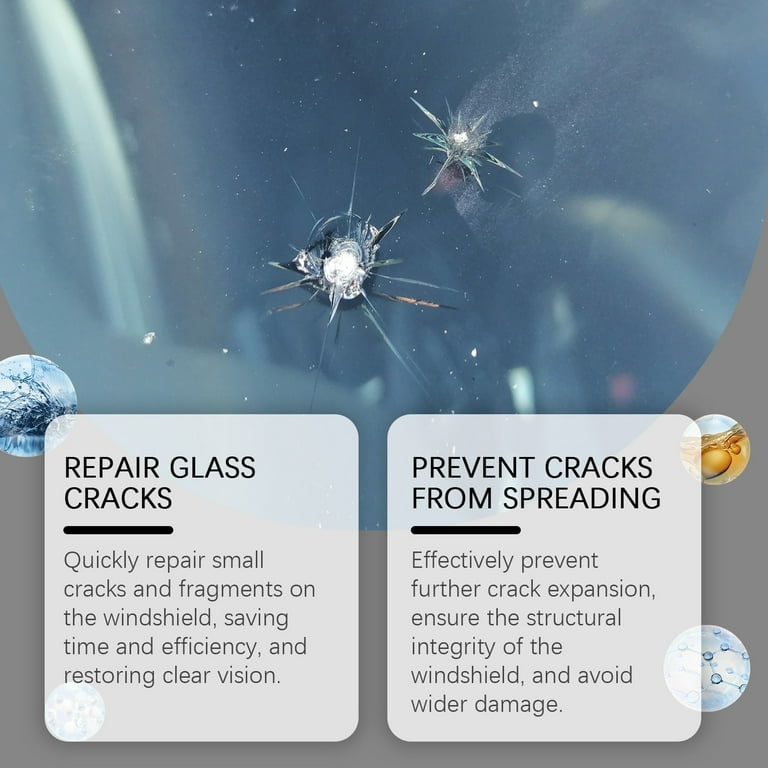
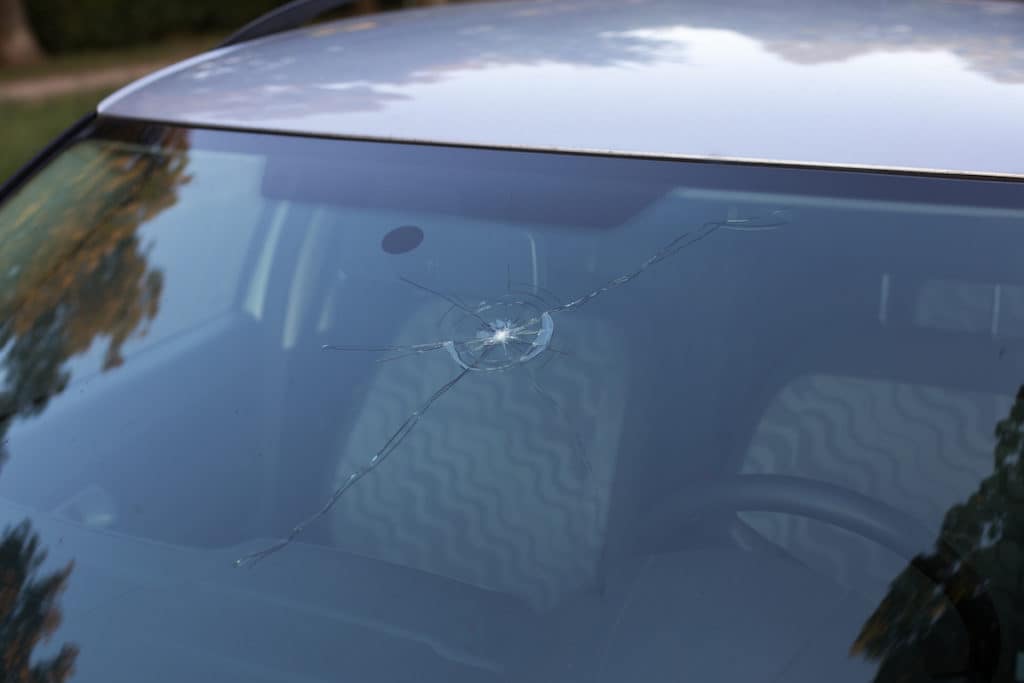
    Have you ever noticed a tiny crack on your windshield that looks like a starburst? That’s called a star crack windshield.

    It might seem small and harmless at first, but ignoring it can lead to bigger problems. You’ll discover exactly what a star crack is, why it happens, and what you should do if you find one on your car. Understanding this simple yet important issue can save you money and keep you safe on the road.

    Keep reading to learn how to spot a star crack and what steps to take next.

    What is Star Crack Windshield: Causes, Risks & Repair Tips

    Credit: www.nuvisionautoglass.com

    Star Crack Windshield Basics

    Understanding the basics of star crack windshields helps protect your car glass. These cracks can start small but quickly grow larger. Early knowledge helps you spot and address damage fast. Let’s explore what star cracks are and how they form.

    What Is A Star Crack

    A star crack looks like a small star on your windshield. It has a central point with lines radiating outward. These cracks are usually caused by sharp impacts on the glass. They can weaken the windshield and spread over time.

    How Star Cracks Form

    Star cracks form when a hard object hits the windshield. The force creates a tiny break at the impact spot. The glass then cracks outward in several directions. Changes in temperature or pressure can make the cracks grow bigger.

    Common Causes

    Star crack windshields happen for several reasons. Understanding these causes helps prevent damage and fix cracks early. Most star cracks start small but can grow fast. This makes knowing the causes important for every driver.

    Impact From Road Debris

    Small rocks and debris hit the windshield at high speeds. Even tiny stones can cause star cracks. Road debris often strikes when driving on highways or gravel roads. The glass chips on impact, forming star-shaped cracks.

    Temperature Fluctuations

    Heat and cold cause the glass to expand and contract. Sudden temperature changes create stress on the windshield. For example, pouring hot water on frozen glass can cause cracks. These shifts weaken the glass and lead to star cracks.

    Structural Stress

    The car frame can bend or twist while driving. This movement puts pressure on the windshield glass. Old cars or damaged frames increase this risk. Stress points can cause cracks to spread in a star pattern.

    Risks Of Ignoring Star Cracks

    Star cracks on a windshield look small but cause big problems. Ignoring these cracks can lead to serious risks. The damage can grow quickly, making the windshield weaker. This puts drivers and passengers in danger. Understanding these risks helps to keep everyone safe and avoid unnecessary costs.

    Safety Hazards

    A star crack weakens the windshield’s strength. It can shatter easily during a crash or impact. The windshield protects occupants from flying glass and debris. A damaged windshield may fail to support the roof in a rollover. This increases the chance of injury or death.

    Visibility Issues

    Star cracks distort your view of the road. Light reflects unevenly through the damaged glass. This causes glare and distractions while driving. Small cracks can grow and spread, blocking your sight. Poor visibility raises the risk of accidents.

    Costly Repairs

    Ignoring a star crack can lead to full windshield replacement. Repairing a small crack is cheaper and faster. Once the crack spreads, replacement costs increase. Insurance may not cover damage caused by neglect. Early repair saves money and stress later on.

    What is Star Crack Windshield: Causes, Risks & Repair Tips

    Credit: autoglassottawa.ca

    Repair Options

    Star crack windshields need quick attention to avoid further damage. Repair options vary based on the size and location of the crack. Choosing the right method helps save money and keeps your car safe.

    Diy Repair Kits

    DIY repair kits are available at many stores. They include resin, curing strips, and instructions. These kits work best for small star cracks. Clean the area well before starting the repair. Follow the steps carefully to fill the crack. The resin hardens and stops the crack from growing. This method is affordable but may not be perfect for all cracks.

    Professional Repair Services

    Experts use special tools to repair star cracks. They inject resin with high pressure for a strong fix. Professionals can handle larger or complex cracks. They also polish the glass to improve visibility. The repair is faster and more reliable than DIY kits. Many shops offer warranties on their repairs. This option costs more but ensures safety and quality.

    When To Replace The Windshield

    Replacement is necessary if the crack is too big. Cracks longer than a few inches are unsafe to repair. Damage near the edges weakens the windshield structure. Multiple cracks or shattered glass require full replacement. A new windshield restores full strength and clarity. Driving with a badly damaged windshield is risky. Check with a professional to decide the best action.

    Preventive Measures

    Preventive measures help stop star crack windshields before they start. A small crack can grow fast and cost more to fix. Taking simple steps protects your windshield and saves money.

    Safe Driving Practices

    Drive carefully to avoid stones and debris on roads. Keep a safe distance from trucks that may drop rocks. Avoid sudden stops and sharp turns that stress the windshield.

    Parking Tips

    Park in shaded areas to reduce glass stress from heat. Avoid parking under trees that drop branches or sap. Choose spots away from busy roads to lower the risk of flying debris.

    Regular Windshield Inspections

    Check your windshield often for small chips or cracks. Early detection helps fix problems before they spread. Use a clean cloth to inspect clearly in daylight.

    What is Star Crack Windshield: Causes, Risks & Repair Tips

    Credit: bluediamondautoglass.com

    Frequently Asked Questions

    What Is A Star Crack Windshield?

    A star crack windshield is a small, spider-like chip on car glass. It usually forms from impact by stones or debris. The crack’s center is the impact point, with lines radiating outward. Early repair is important to prevent spreading and costly replacements.

    How Does A Star Crack Affect Windshield Safety?

    A star crack weakens the windshield’s structural integrity. It can reduce visibility and increase accident risk. The crack may spread due to temperature changes or vibrations. Repairing it promptly helps maintain safety and avoids windshield failure during collisions.

    Can A Star Crack Windshield Be Repaired?

    Yes, most star crack windshields can be repaired if the damage is small. Repair kits or professionals inject resin to fill cracks and restore strength. Timely repair prevents crack expansion and saves money compared to full windshield replacement.

    What Causes Star Crack Windshields?

    Star cracks are caused by small objects hitting the windshield at high speed. Common causes include road debris, gravel, or hail. Sudden temperature changes can worsen existing cracks. Avoiding these hazards helps protect your windshield from star cracks.

    Conclusion

    Star crack windshields can worsen if not fixed early. Small cracks spread fast and weaken glass. Repairing quickly saves money and keeps you safe. Always check your windshield for any damage. Taking care of your car protects your drive. Simple fixes prevent bigger problems later.

    Don’t ignore star cracks—they matter more than you think. Keep your windshield clear and strong for better road safety.

  • Clean Glass Car Windows: Ultimate Tips for a Sparkling Shine

    Clean Glass Car Windows: Ultimate Tips for a Sparkling Shine

    Have you ever noticed how a simple streak on your car window can ruin your entire driving experience? Clean glass car windows don’t just make your vehicle look great—they keep you safe by giving you a clear view of the road.

    If you want to avoid glare, smudges, and annoying spots that distract you while driving, this guide is for you. Keep reading to discover easy tips and tricks that will make your car windows sparkle like new, helping you drive with confidence every time.
    Choosing The Right Cleaning Tools

    Choosing the right tools is key for clean glass car windows. The right tools make cleaning easier and give better results. Using poor tools can leave streaks or even scratch the glass. It is important to pick tools that work well on glass surfaces.

    Best Cloths For Streak-free Windows

    Microfiber cloths are the best choice for cleaning car windows. They are soft and absorbent. Microfiber picks up dirt without scratching the glass. Avoid rough or old cloths that can leave lint behind. Use a clean cloth for each window to prevent dirt spread. Cotton cloths work but may leave fibers on the glass.

    Recommended Cleaning Solutions

    Use a gentle, ammonia-free glass cleaner. Ammonia can damage window tint and rubber seals. Simple mixtures of water and vinegar work well too. Avoid harsh chemicals that can harm car surfaces. Spray the cleaner lightly and wipe with a clean cloth. For tough spots, let the cleaner sit briefly before wiping.

    Tools To Avoid

    Do not use paper towels for cleaning car windows. They leave fibers and cause streaks. Avoid abrasive pads or scrapers that can scratch the glass. Household glass cleaners with ammonia can damage tint. Never use dirty cloths or sponges; they spread dirt and create smudges. Choose tools designed for automotive glass for best results.

    Preparing Your Car For Window Cleaning

    Preparing your car for window cleaning is an important step. It helps get the best results and protects your car’s inside. A clean window starts with a clean surface. Small dirt and dust can cause streaks or scratches during cleaning. Taking time to prepare makes the process smoother and safer.

    Removing Dust And Debris

    Start by wiping off loose dust and dirt from the windows. Use a soft cloth or a microfiber towel. Avoid using rough materials that can scratch the glass. A gentle brush can help remove stuck dirt from corners. Cleaning dust first stops it from mixing with cleaning liquids. This step prevents smudges and damage.

    Protecting Interior Surfaces

    Protect the inside of your car before cleaning windows. Cover seats and dashboard with old towels or cloths. This keeps cleaning sprays and water from damaging these areas. Close windows and doors tightly to stop water from entering. Taking these steps keeps your car interior safe and dry during cleaning.

    Effective Cleaning Techniques

    Clean glass car windows improve your driving safety and car appearance. Using the right cleaning techniques makes this task easier and more effective. Follow simple steps and use proper tools for the best results. Focus on both inside and outside surfaces for a clear view. Tackle tough stains with the right methods to keep windows spotless.

    Step-by-step Cleaning Process

    Start by gathering cleaning supplies: microfiber cloth, glass cleaner, water, and a bucket. First, rinse the windows with water to remove loose dirt. Spray the glass cleaner evenly on the surface. Use a clean microfiber cloth to wipe in circular motions. Flip the cloth to a dry side and buff the glass. Repeat if needed to remove all smudges and streaks. Finish by wiping window edges and corners carefully.

    Cleaning Interior Vs Exterior Windows

    Exterior windows often have more dirt and grime from weather and road dust. Rinse the outside before applying cleaner to avoid scratches. Interior windows need gentle cleaning to protect tint and dashboard reflections. Use less cleaner inside to prevent streaks. Clean interior windows more often to remove fingerprints and fog. Always dry both sides well for clear visibility.

    Dealing With Tough Stains And Spots

    Bird droppings, tree sap, and bug splatters need special care. Soften stains by spraying glass cleaner and letting it sit for a few minutes. Use a soft cloth or sponge to gently scrub the spots. For stubborn stains, try a mixture of vinegar and water. Avoid harsh chemicals that can damage window tint or seals. Always rinse and dry the area after treatment to avoid residue.

    Clean Glass Car Windows: Ultimate Tips for a Sparkling Shine

    Credit: www.youtube.com

    Preventing Fog And Smudges

    Clean car windows improve driving safety and comfort. Fog and smudges block vision. They cause distractions and reduce clarity. Preventing fog and smudges keeps windows clear. It helps maintain a smooth driving experience. Simple methods work well to keep glass spotless.

    Anti-fog Treatments

    Anti-fog treatments stop moisture from forming on glass. These products create a thin layer that repels water. Apply the treatment on the inside of windows. It reduces fogging during cold or humid weather. Some sprays come in easy-to-use bottles. Others are wipes that leave no residue. Regular use keeps windows clear longer. Choose treatments made for car glass only. Avoid using household cleaners that may damage glass.

    Tips To Maintain Clarity

    Clean windows regularly with a soft cloth. Use a glass cleaner made for cars. Avoid harsh chemicals that leave streaks or damage. Wipe windows in a circular motion for better results. Keep the car’s interior dry to reduce fog. Use the air conditioner or defroster to control humidity. Do not touch windows with dirty hands. Clean smudges immediately to prevent buildup. Small habits help keep glass clear and safe.

    Maintaining Sparkling Windows

    Clean glass car windows improve driving safety and enhance your vehicle’s look. Maintaining sparkling windows requires simple, regular care. Clear windows help you see better and keep your car fresh. Follow easy steps to keep your glass spotless all year.

    Regular Cleaning Schedule

    Set a weekly routine to clean your car windows. Use a soft cloth and a gentle glass cleaner. Wipe both inside and outside surfaces thoroughly. Avoid harsh chemicals that can damage the glass or tint. Clean windows prevent dirt build-up and reduce glare while driving.

    Seasonal Care Tips

    Adjust your cleaning habits for different seasons. In winter, remove salt and ice residue quickly. Use a scraper carefully to avoid scratches. In summer, clean off dust and pollen often. Protect windows from direct sunlight damage by parking in shade. Seasonal care keeps glass clear and extends its life.

    Clean Glass Car Windows: Ultimate Tips for a Sparkling Shine

    Credit: www.rainx.com

    Clean Glass Car Windows: Ultimate Tips for a Sparkling Shine

    Credit: www.turtlewax.com

    Frequently Asked Questions

    How Do I Clean Glass Car Windows Effectively?

    Use a glass cleaner and microfiber cloth for streak-free windows. Spray cleaner, wipe in circular motions, then finish with vertical strokes. Avoid ammonia-based cleaners on tinted windows to prevent damage. Regular cleaning improves visibility and safety.

    What Is The Best Solution For Car Window Cleaning?

    A mixture of water and vinegar or a commercial glass cleaner works best. Both remove dirt, grime, and smudges effectively. Use a microfiber cloth for a streak-free finish. Avoid paper towels as they leave lint.

    How Often Should I Clean My Car Windows?

    Clean car windows at least once every two weeks. More frequent cleaning is needed if you drive in dusty or rainy conditions. Regular cleaning prevents buildup and maintains clear visibility for safe driving.

    Can I Use Household Glass Cleaner On Car Windows?

    Yes, but avoid ammonia-based cleaners on tinted windows. Ammonia can damage window tint films. Use automotive glass cleaners or vinegar-water mix for tinted glass. Always test a small area first.

    Conclusion

    Clean glass car windows improve your safety and driving comfort. Clear windows help you see the road and other vehicles better. Regular cleaning stops dirt and grime from building up. Use simple tools like microfiber cloths and mild cleaners. Avoid harsh chemicals that can damage glass or tint.

    Keeping windows clean also makes your car look neat. Small efforts bring big benefits for your daily drive. Take a few minutes often to wipe your windows. Enjoy clearer views and safer trips every time you drive.

  • How Does Glass Safety Reduce Injuries: Proven Protection Tips

    How Does Glass Safety Reduce Injuries: Proven Protection Tips

    Have you ever stopped to think about how glass in your home or workplace keeps you safe? Glass safety might seem like a small detail, but it plays a huge role in preventing injuries.

    Imagine a broken window or a shattered glass door—without the right safety measures, accidents can happen in an instant. You’ll discover exactly how glass safety works to protect you and your loved ones from harm. Keep reading to learn simple yet powerful ways glass safety reduces injuries and why it matters more than you might think.

    How Does Glass Safety Reduce Injuries: Proven Protection Tips

    Credit: www.hillcrestvision.com

    Glass Hazards At Home And Work

    Glass is common in homes and workplaces. It adds beauty and light but also brings risks. Glass hazards can cause serious injuries if not handled well. Understanding these risks helps prevent accidents and keeps everyone safe.

    Common Injury Causes

    Broken glass is the main cause of injuries. Sharp edges cut skin easily. Slippery glass surfaces lead to falls. Glass doors and windows can hit people unexpectedly. Poorly installed glass may fall and break. Handling glass without proper tools increases danger.

    High-risk Areas

    Kitchens often have glass jars and containers. Bathrooms have mirrors and glass shelves. Office spaces use glass partitions and doors. Shops display items behind glass cases. Construction sites handle large glass panels. Each area needs special attention to avoid accidents.

    Types Of Safety Glass

    Safety glass plays a key role in reducing injuries from broken glass. Different types of safety glass have unique features. Each type helps protect people in various settings like homes, cars, and public places.

    Understanding these types helps choose the right glass for safety and durability.

    Tempered Glass Features

    Tempered glass is strong and breaks into tiny pieces. These small pieces are less likely to cause cuts. It is made by heating glass and cooling it quickly. This process makes it much tougher than regular glass. You often find tempered glass in car windows and shower doors. It resists heat and impact well.

    Laminated Glass Benefits

    Laminated glass has two layers of glass with a plastic layer between them. If it breaks, the plastic holds the pieces together. This stops glass shards from flying and causing injuries. Laminated glass also blocks noise and harmful UV rays. It is common in car windshields and building windows. This glass provides extra protection against break-ins and accidents.

    Other Safety Glass Varieties

    Other types include wired glass and heat-strengthened glass. Wired glass contains a metal mesh for added strength. It holds together even if cracked. Heat-strengthened glass is stronger than regular glass but not as strong as tempered glass. These types suit specific safety needs in schools and factories. Choosing the right safety glass depends on the use and risk involved.

    Installation Best Practices

    Installation best practices play a key role in glass safety. Correct installation helps prevent glass from breaking. It also reduces risks of injuries from sharp edges or falling glass. Following simple steps ensures strong, safe glass fittings. Proper framing and sealing are essential parts of this process.

    Proper Framing Techniques

    Framing must fit the glass size exactly. Frames that are too tight can stress the glass. Loose frames let the glass move and break easily. Use materials that hold glass firmly in place. Metal or wood frames should be smooth and free of splinters. Frames should support the entire edge of the glass. This support prevents pressure points that cause cracks.

    Sealing And Support Tips

    Sealing stops water and air from reaching the glass edges. Moisture can weaken the glass over time. Use high-quality sealants made for glass installation. Sealants should be flexible to absorb movement without cracking. Support under glass panels adds extra safety. Use rubber or plastic pads to cushion glass edges. These pads reduce impact and protect from damage.

    Protective Measures For Glass Use

    Using glass safely can greatly reduce injuries in homes and workplaces. Protective measures help keep glass strong and prevent accidents. These methods also protect people from sharp edges and broken pieces.

    Simple changes can make glass much safer. They help avoid cuts and serious harm. Two common protective steps include using films and coatings, and adding safety bars and guards.

    Using Films And Coatings

    Films and coatings stick to glass surfaces. They hold glass pieces together if the glass breaks. This stops sharp shards from flying around.

    These layers add strength and reduce the chance of cracks. They also block harmful UV rays, protecting skin and furniture. Applying films is an easy way to improve glass safety.

    Safety Bars And Guards

    Safety bars and guards act as physical barriers. They stop people from hitting glass or falling through it. These supports are common on windows and glass doors.

    They absorb impact and help hold glass in place. Guards reduce injuries by preventing direct contact with glass. Installing these bars adds a strong layer of protection.

    Maintenance And Inspection

    Maintenance and inspection play a key role in glass safety. Regular care helps spot problems early. This stops accidents before they happen. Safe glass reduces injuries and keeps everyone secure.

    Routine Checks

    Routine checks find cracks, chips, or loose fittings. Inspect glass surfaces and frames often. Use a soft cloth and gentle light for better view. Small issues can turn into big dangers. Catch them early to keep glass strong and safe.

    Repairing Minor Damages

    Minor damages need quick repair to avoid risks. Fix chips and cracks with proper tools and products. Replace broken seals or worn-out parts fast. Timely repairs stop damage from growing. Safe glass means fewer injuries and safer spaces.

    How Does Glass Safety Reduce Injuries: Proven Protection Tips

    Credit: bisonlifeusa.com

    Emergency Response To Glass Injuries

    Glass injuries can cause pain and bleeding quickly. Knowing how to act fast helps reduce damage. Emergency response to glass injuries is key to safer outcomes. Proper care lowers the risk of infection and serious harm.

    First Aid Steps

    Stop the bleeding by applying gentle pressure with a clean cloth. Avoid using dirty materials to prevent infection. Clean the wound carefully with water to remove dirt and glass shards. Do not rub the injury, as it may cause more damage. Cover the wound with a sterile bandage or dressing. Keep the injured area raised to reduce swelling and bleeding. Watch for signs of shock, such as pale skin or dizziness. Stay calm and keep the person still until help arrives.

    When To Seek Medical Help

    Seek medical care if the wound is deep or bleeding does not stop. Large or jagged cuts need professional treatment. Go to the doctor if glass remains inside the wound. Visit emergency services if the injury is near the eyes or face. Get help if there are signs of infection like redness or pus. Call for help if the injured person feels weak or faint. Always better to be safe than sorry with glass injuries.

    Regulations And Standards

    Glass safety plays a key role in reducing injuries in homes and workplaces. Regulations and standards guide how glass should be made and used. These rules help prevent accidents by ensuring glass is strong and safe. They set clear safety requirements for manufacturers and builders. Following these rules protects people from cuts and falls caused by broken glass.

    Building Codes

    Building codes include specific rules about glass safety. They require using tempered or laminated glass in certain areas. For example, glass near doors and windows must resist breaking easily. These codes also set size limits for glass panels. They ensure glass is installed securely to avoid accidents. Builders must follow these codes to meet safety standards. Inspectors check compliance to protect public safety.

    Industry Safety Guidelines

    Industry safety guidelines help manufacturers create safer glass products. These guidelines cover the type of glass, thickness, and treatment. They recommend safety features such as shatterproof coatings. Factories test glass to meet these guidelines before selling it. Workers handling glass also follow safety protocols. These guidelines reduce risks during production and use. They help lower injury rates related to glass accidents.

    Innovations In Glass Safety

    Innovations in glass safety have greatly reduced injuries in homes, cars, and public spaces. New technologies focus on making glass stronger and smarter. These advances help prevent accidents and protect people from sharp shards.

    Smart Glass Technologies

    Smart glass changes its properties based on the environment. It can become opaque or clear with a simple switch. This helps reduce glare and heat, making spaces safer and more comfortable. Some smart glass types can even detect impacts and alert users. This early warning helps avoid injuries.

    Impact-resistant Materials

    Impact-resistant glass uses special layers to absorb shocks. Laminated glass holds together even when it breaks. This stops sharp pieces from falling and hurting people. Tempered glass is heat-treated for extra strength. It breaks into small, less harmful pieces. Both materials are common in cars and buildings for safety.

    How Does Glass Safety Reduce Injuries: Proven Protection Tips

    Credit: joegardener.com

    Frequently Asked Questions

    What Is The Role Of Glass Safety In Injury Prevention?

    Glass safety reduces injuries by using stronger, shatter-resistant materials. It prevents sharp shards from causing cuts during breakage. Safety glass absorbs impact to minimize harm. This protective design is crucial in homes, vehicles, and workplaces.

    How Does Tempered Glass Reduce Injury Risks?

    Tempered glass is heat-treated to enhance strength. When broken, it shatters into small, blunt pieces. This reduces the chance of deep cuts and serious injuries. It’s commonly used in car windows and shower doors for safety.

    Why Is Laminated Glass Safer Than Regular Glass?

    Laminated glass contains a plastic interlayer that holds shards together. Upon impact, it cracks but stays intact. This prevents glass from flying and causing injuries. It is widely used in windshields and skylights for added protection.

    Where Is Safety Glass Most Commonly Used?

    Safety glass is used in vehicles, building windows, doors, and furniture. It’s essential in public spaces and homes to prevent injury. Its use is mandated by safety codes in many regions for risk reduction.

    Conclusion

    Glass safety plays a key role in preventing injuries. Stronger glass breaks less and holds together when cracked. This reduces sharp edges and flying shards. Safety glass protects people in homes, cars, and offices. It helps avoid cuts and serious accidents.

    Choosing the right glass can save lives and lower risks. Simple safety steps make a big difference every day. Stay aware and pick safer glass options. Your health and safety matter most.