Blog

  • Can Police Stop You for Unsafe Glass? Know Your Rights Now!

    Can Police Stop You for Unsafe Glass? Know Your Rights Now!

    Have you ever wondered if the police can pull you over just because of your car’s glass? Maybe you didn’t think your windshield or windows could cause trouble.

    But the truth is, unsafe glass can be more than a small issue—it can put you at risk and catch the attention of law enforcement. You’ll discover exactly when and why police can stop you for unsafe glass. Knowing this could save you from unexpected fines or even accidents.

    Keep reading to protect yourself and your vehicle on the road.

    Can Police Stop You for Unsafe Glass? Know Your Rights Now!

    Credit: www.askadamskutner.com

    When Police Can Stop You

    Police have the authority to stop drivers for various safety concerns. Unsafe glass on your vehicle can be one reason for a traffic stop. Understanding when police can stop you helps you stay aware and prepared during a drive.

    Legal Grounds For Traffic Stops

    Police need a valid reason to stop your vehicle. Unsafe glass is one such reason if it affects your visibility. Cracks, chips, or missing glass can be seen as safety hazards. Officers must believe the glass condition breaks traffic laws. They can then pull you over to inspect the issue. This stop is legal and meant to protect all road users.

    Signs Of Unsafe Glass

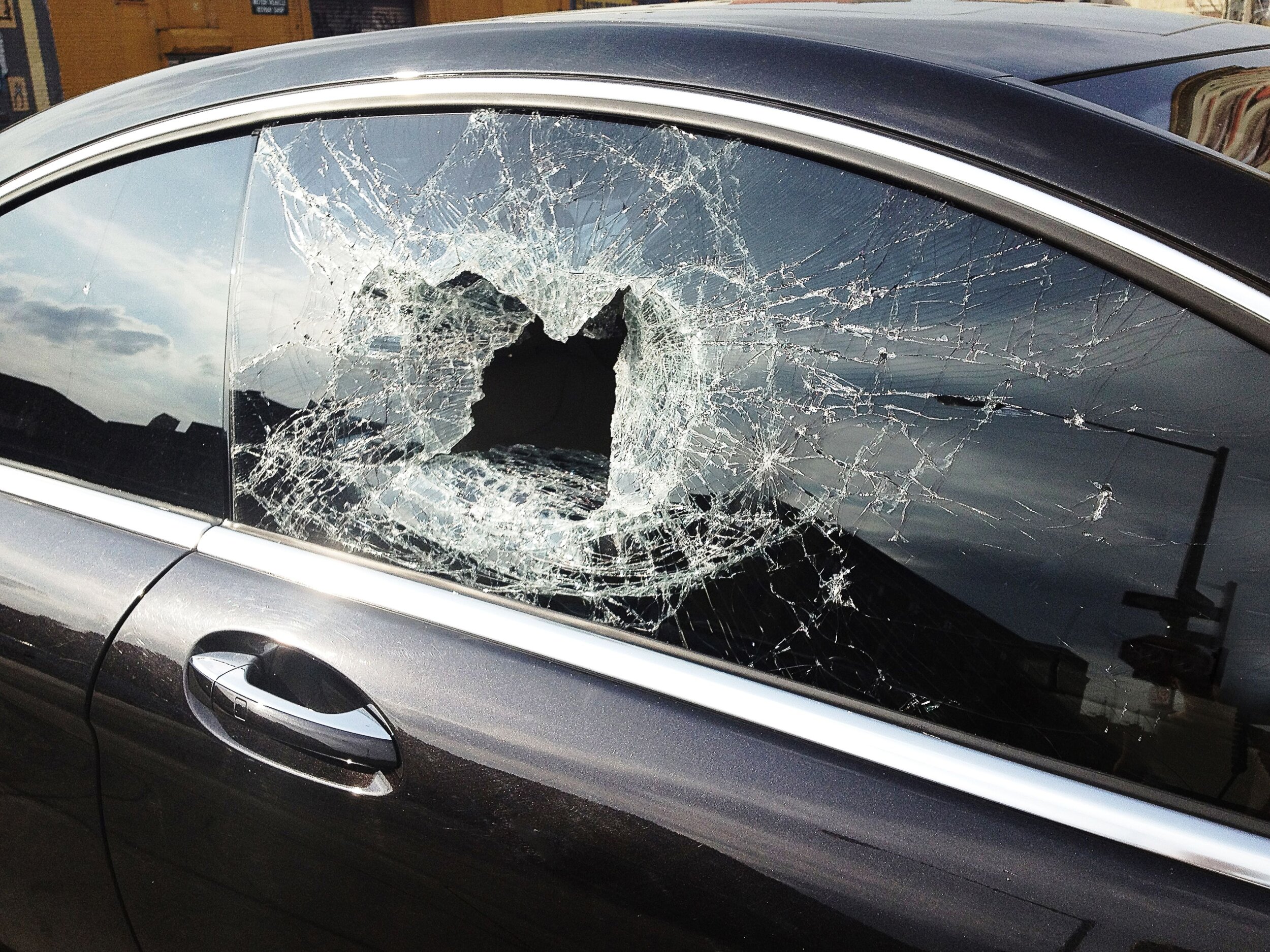
    Police watch for visible damage on your vehicle’s glass. Large cracks or shattered windows catch their attention quickly. Tinted glass that is too dark or peeling can also cause stops. Missing or loose glass parts are dangerous and illegal. Obstructed views from damaged glass pose risks to drivers and others. Police use these signs to justify a traffic stop and ensure road safety.

    Types Of Unsafe Glass Issues

    Unsafe glass in vehicles can cause serious problems on the road. Police watch for certain issues that can make glass unsafe. These problems can affect your safety and visibility while driving. Understanding these types helps you stay safe and avoid fines.

    Cracks And Chips

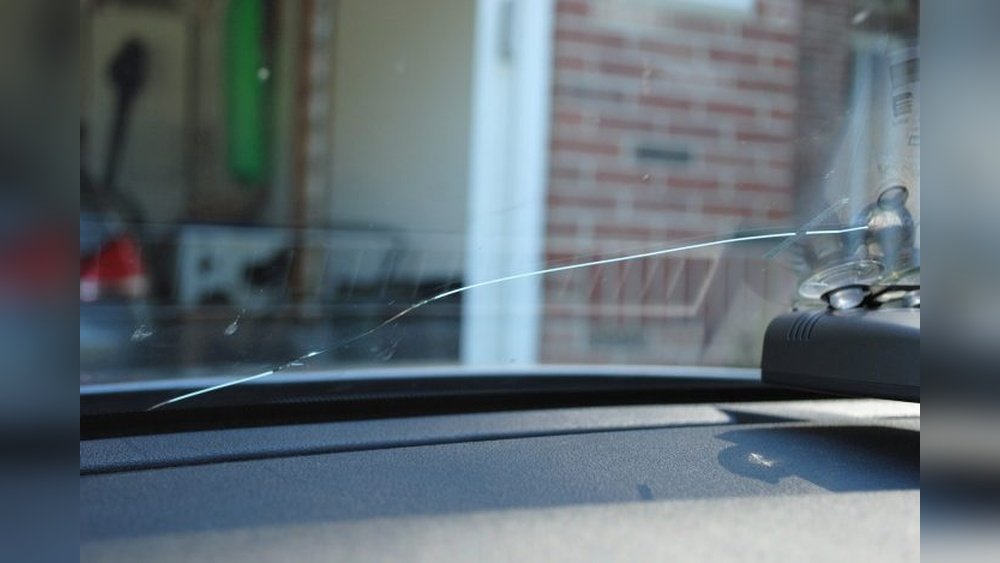
    Cracks and chips weaken the glass structure. Small cracks can grow quickly with heat or bumps. Even tiny chips can block the driver’s view. Police may stop you if cracks are large or block vision. Fixing cracks early can prevent accidents and tickets.

    Tinting Violations

    Window tinting reduces glare and heat inside the car. But too dark tinting is unsafe and often illegal. It can stop police from seeing inside your vehicle. Different states have rules about how dark tint can be. Illegal tinting can lead to fines and stops by police.

    Obstructed Views

    Objects on or around the glass can block your view. Stickers, dirt, or decorations on the windshield can be dangerous. Rearview mirrors or hanging items can also block vision. Police may stop drivers if views are obstructed. Clear glass helps keep you and others safe.

    Your Rights During A Traffic Stop

    Knowing your rights during a traffic stop helps you stay calm and safe. Police officers have the authority to stop you for unsafe glass on your vehicle. This could include cracked windows or tint that blocks too much light. Understanding what to do and say protects your rights and keeps the encounter smooth.

    Responding To Officer’s Questions

    Answer questions politely and clearly. You must provide your driver’s license, registration, and proof of insurance. You do not have to answer other questions about where you are going or what you are doing. Keep your answers short and simple. Saying too much can sometimes cause confusion or suspicion.

    Handling Searches And Inspections

    Officers may ask to inspect your vehicle for unsafe glass. You can say no to a search without a warrant or your permission. If the officer has a warrant or probable cause, they can search your car. Stay calm and do not resist. Tell the officer you do not consent to the search but comply with their requests.

    Can Police Stop You for Unsafe Glass? Know Your Rights Now!

    Credit: www.mattbodmanlaw.com

    Consequences Of Unsafe Glass

    Unsafe glass on a vehicle can lead to serious trouble. Police treat it as a safety risk. This means drivers face strict consequences. These rules protect everyone on the road. Understanding these consequences helps you avoid fines and other problems.

    Fines And Penalties

    Police can issue fines for unsafe glass violations. The amount varies by state and severity. Small cracks or excessive tint can trigger a ticket. Paying fines promptly avoids extra charges. Repeat offenses may lead to higher penalties.

    Vehicle Impoundment

    In some cases, police may impound the vehicle. This happens if the glass issue is severe. Driving with unsafe glass risks accidents. Police may hold your car until repairs are done. This step ensures road safety for everyone.

    Impact On Driving Record

    Unsafe glass violations can affect your driving record. Points may be added, raising insurance costs. A poor record can lead to license suspension. Keeping your glass safe helps maintain a clean record. This protects your driving privileges long term.

    How To Avoid Issues With Glass

    Keeping your car’s glass safe and legal helps avoid police stops. Police check for glass that blocks vision or breaks safety rules. Taking care of your glass ensures smooth driving and fewer troubles. Follow simple steps to keep your glass in good shape and meet the law.

    Regular Maintenance Tips

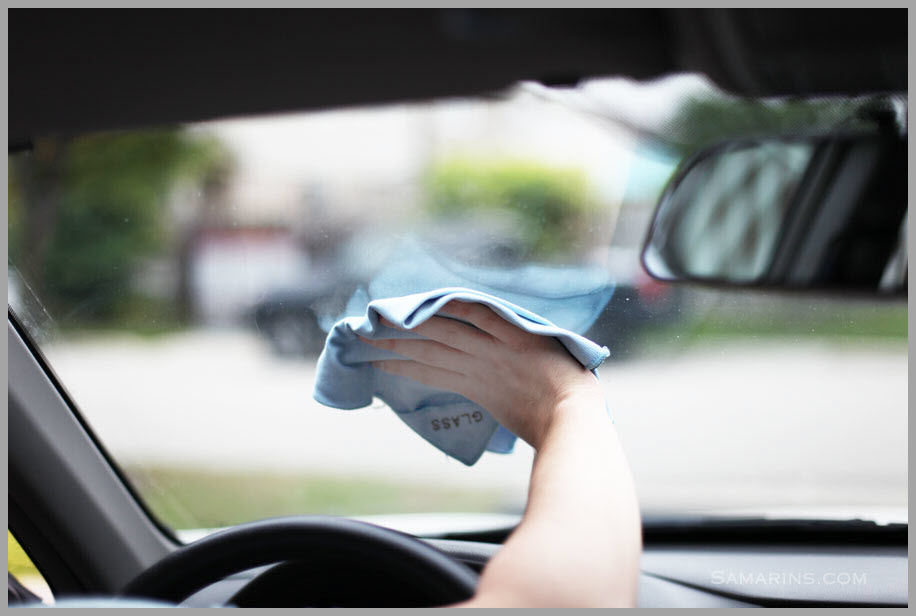
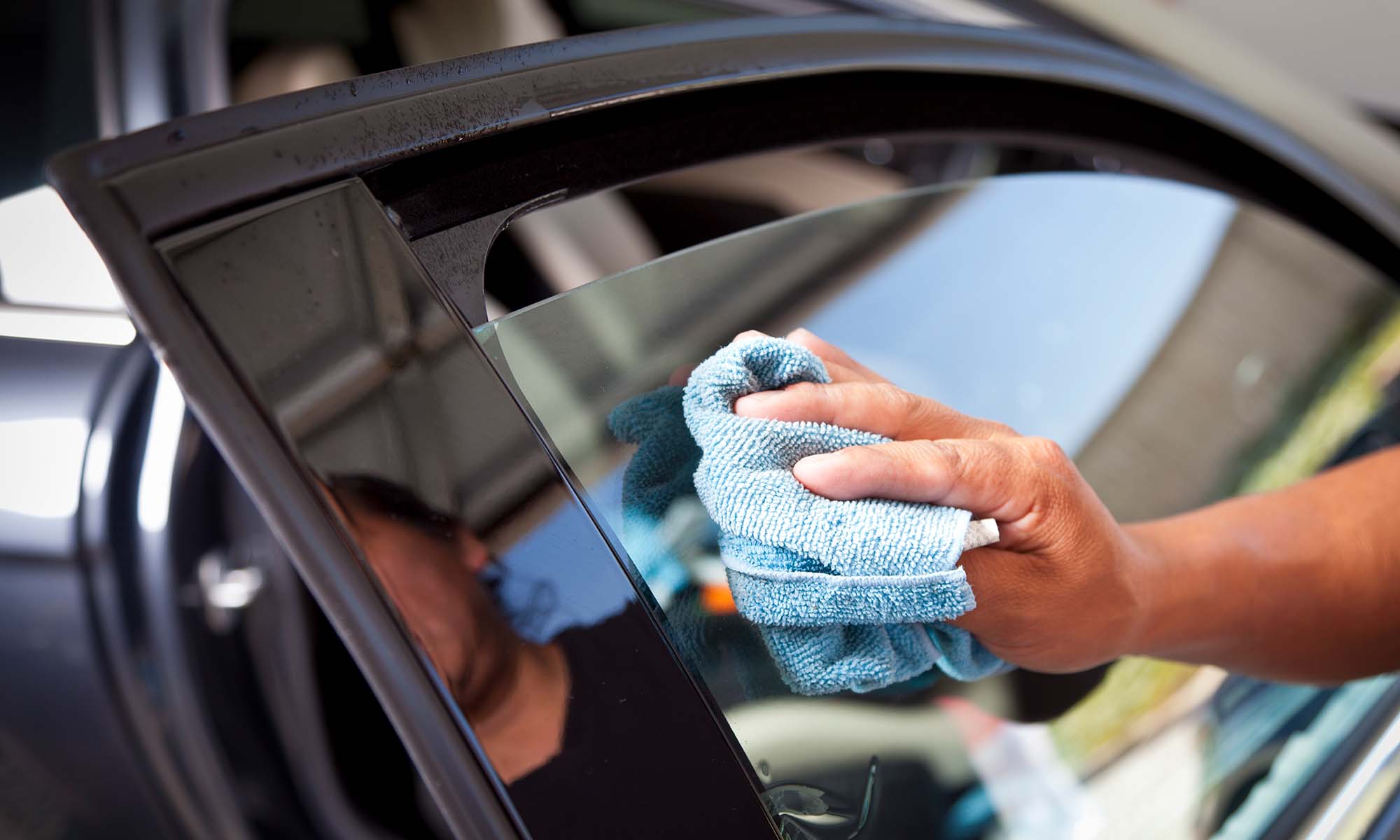
    Check your glass often for cracks or chips. Small damage can grow and cause bigger problems. Clean the glass with soft cloths and mild cleaners. Avoid harsh chemicals that can damage the surface. Replace damaged glass quickly to keep safety high. Inspect seals around windows to stop leaks and fog. Clear glass improves your view and keeps you safe.

    Legal Tinting Standards

    Know your state’s rules on window tint darkness. Too dark tint can block police view and cause stops. Use tint films approved by local laws. Keep documentation of tint approval in your vehicle. Avoid covering front windshield with tint except allowed strips. Follow rules for side and rear windows carefully. Proper tint keeps your car legal and protects you from fines.

    What To Do If You Disagree With The Stop

    Disagreeing with a police stop for unsafe glass can feel unfair. Knowing the right steps helps protect your rights. Stay calm and follow these actions to handle the situation properly.

    Filing Complaints

    Write down details about the stop while they are fresh. Include officer names, badge numbers, and exact time. Visit the police department’s website or office to submit a formal complaint. Keep copies of all documents and communications. Complaints help hold officers accountable for improper stops.

    Seeking Legal Advice

    Talk to a lawyer experienced in traffic or civil rights law. They can review your case and explain your options. Legal advice guides you on the best way to respond. A lawyer may help challenge the stop or any fines. Acting quickly is important to protect your rights.

    Can Police Stop You for Unsafe Glass? Know Your Rights Now!

    Credit: www.nj.gov

    Frequently Asked Questions

    Can Police Stop You For Unsafe Glass On Your Vehicle?

    Yes, police can stop you if your vehicle’s glass is unsafe. Unsafe glass can impair visibility and pose safety risks. Officers ensure compliance with vehicle safety laws to protect all road users.

    What Defines Unsafe Glass In Traffic Laws?

    Unsafe glass usually means cracks, excessive tint, or damage that reduces driver visibility. Laws vary by state but focus on safety and clear vision.

    Are There Legal Limits On Window Tint Darkness?

    Yes, most states set specific limits on window tint darkness and reflectivity. Exceeding these limits can lead to stops and fines.

    What Should I Do If Stopped For Unsafe Glass?

    Stay calm and cooperate with the officer. Provide vehicle documents and explain if you plan to fix the issue promptly.

    Conclusion

    Police can stop you for unsafe glass on your vehicle. Clear windows help officers see inside and keep everyone safe. Tinted or damaged glass may raise concerns during a traffic stop. Laws about glass safety vary by location, so know your area’s rules.

    Keep your windows clean and undamaged to avoid trouble. Staying safe on the road is important for all drivers. Remember, safe glass means safer driving for you and others. Always check your vehicle’s glass before hitting the road.

  • How to Clean Car Window Switch: Easy Steps for a Sparkling Result

    How to Clean Car Window Switch: Easy Steps for a Sparkling Result

    Your car window switch is something you use every day, yet it rarely gets the cleaning attention it deserves. Over time, dirt, dust, and grime build up, making your switches sticky or unresponsive.

    If you’ve noticed your windows acting slow or not moving at all, the switch might be the culprit. But don’t worry—you don’t need to be a mechanic to fix it. In this guide, you’ll learn simple, step-by-step ways to clean your car window switch quickly and safely.

    Keep reading to bring smooth control back to your windows and avoid costly repairs down the road.

    How to Clean Car Window Switch: Easy Steps for a Sparkling Result

    Credit: www.shopfesler.com

    Tools Needed

    Cleaning a car window switch needs the right tools for best results. Using proper tools helps avoid damage and makes the job easier.

    Prepare all tools before starting. This saves time and keeps the process smooth.

    Small Flathead Screwdriver

    This tool helps gently pry out the switch panel. It fits into tight spots without scratching the surface.

    Soft Brush

    A soft brush removes dust and dirt from inside the switch. It reaches small crevices without causing harm.

    Microfiber Cloth

    Use a microfiber cloth to wipe the switch surface. It cleans well and does not leave lint behind.

    Isopropyl Alcohol

    Isopropyl alcohol cleans sticky residue and kills germs. Use a small amount on the cloth for safe cleaning.

    Compressed Air Can

    Compressed air blows out dust from hard-to-reach areas. It prevents dirt build-up that blocks switch function.

    Safety Precautions

    Cleaning your car window switch is a simple task. Safety is important before you start. Taking precautions protects you and your car’s electrical parts. Follow these steps to stay safe while cleaning.

    Turn Off The Car Power

    Always switch off your car’s engine. Remove the key from the ignition. This stops any electrical flow to the switch. It prevents short circuits or shocks during cleaning.

    Use Proper Tools

    Use small, soft tools like a cotton swab or soft cloth. Avoid sharp or metal objects. They can damage the switch or wiring. Gentle tools help clean without harm.

    Avoid Wetting Electrical Parts

    Do not spray water or cleaning liquid directly on the switch. Use a slightly damp cloth instead. Excess moisture can cause electrical faults. Keep the area dry to protect the switch.

    Wear Protective Gloves

    Wear gloves to protect your hands from dirt and chemicals. Gloves also reduce the risk of static electricity. Static can damage sensitive car electronics. Choose gloves that fit well for better control.

    Work In A Well-lit Area

    Good lighting helps you see dirt and parts clearly. It reduces mistakes and accidents. A bright space makes cleaning easier and safer. Use a flashlight if needed.

    Accessing The Window Switch

    Accessing the window switch is the first step to clean it properly. This part is usually inside the door panel. You need to remove the door panel carefully to reach the switch. Understanding this process helps avoid damage to your car door.

    Removing Door Panel

    Start by lowering the window completely. Use a screwdriver to remove screws around the door panel. Some screws hide behind covers or handles. Gently pry the panel away using a trim tool or flat plastic object. Work slowly to avoid breaking clips. Once loose, lift the panel upward to detach it from the door.

    Locating The Switch

    The window switch is attached to the door panel’s inner side. Look for a small plastic box with buttons. It connects to the car’s wiring with a plug. Carefully unplug the connector to free the switch. Now you can clean or replace the switch as needed.

    Cleaning Materials

    Choosing the right cleaning materials is key to cleaning a car window switch safely. Using harsh tools or liquids can damage the switch. Soft and gentle items work best to avoid scratches or electrical problems.

    It is important to gather all needed materials before starting. This makes the process smooth and quick. Clean tools also help keep dirt from spreading inside the switch.

    Microfiber Cloth

    A microfiber cloth is perfect for cleaning car window switches. It traps dirt and dust without scratching the surface. Use it dry or slightly dampened with water for best results.

    Isopropyl Alcohol

    Isopropyl alcohol cleans well and dries fast. It removes grease and sticky residue effectively. Use a small amount on a cloth or cotton swab. Avoid pouring alcohol directly on the switch.

    Cotton Swabs

    Cotton swabs reach tight spots inside the switch. Dip them lightly in alcohol or water. Swab gently to clean corners and edges without damaging parts.

    Soft-bristle Brush

    A soft-bristle brush helps remove dust and debris. Choose a small brush like a paintbrush or a toothbrush. Brush carefully to loosen dirt without pushing it further inside.

    Cleaning Process

    Cleaning the car window switch keeps it working smoothly and extends its life. Dirt and dust can build up inside the switch, causing it to stick or fail. A careful cleaning process removes these particles and restores proper function. This process is simple and can be done with a few basic tools.

    Dust And Debris Removal

    Start by turning off the car’s power to avoid any accidents. Use a soft brush or a can of compressed air to remove dust from around the switch. Gently clean the gaps and crevices where dirt hides. Be careful not to push debris further inside the switch. This step clears loose particles and prepares the surface for deeper cleaning.

    Using Cleaning Solutions

    Choose a mild electronic cleaner or a mix of water and isopropyl alcohol. Dampen a cotton swab or soft cloth with the solution. Wipe the switch surface and buttons carefully. Avoid soaking the switch to prevent damage. Cleaning solutions dissolve grime and help lift sticky residue.

    Drying The Switch

    After cleaning, let the switch air dry for several minutes. Use a dry cloth to remove any leftover moisture. Ensure no liquid remains inside the switch before turning the power back on. Proper drying prevents short circuits and keeps the switch safe to use.

    How to Clean Car Window Switch: Easy Steps for a Sparkling Result

    Credit: www.automerchants.com

    Reassembling The Door Panel

    Reassembling the door panel is the final step after cleaning the car window switch. It requires careful handling to avoid damage and ensure everything fits properly. Taking time to align parts correctly makes the panel look neat and work well.

    Follow simple steps to put the door panel back on. Check each part before securing it in place. Doing this helps avoid loose pieces and rattling sounds while driving.

    Aligning The Door Panel With Clips And Screws

    Start by positioning the door panel close to the door frame. Line up the clips with their holes carefully. Press gently to snap them in place without forcing. Use the screws you removed earlier to tighten the panel securely. Tight screws keep the panel stable and stop it from moving.

    Reconnecting Electrical Connectors

    Find all electrical connectors you unplugged before cleaning. Attach each connector firmly to its socket. Make sure connections are tight to avoid switch problems. Check the wires are not pinched or twisted. Proper connections help the window switch work smoothly.

    Testing The Window Switch Function

    Before closing the door completely, test the window switch. Press each button to check if windows move up and down. Confirm all functions respond correctly. Fix any issues by adjusting connections or panel position. Testing saves time and prevents rework later.

    Testing The Switch

    Testing the car window switch ensures it works correctly after cleaning. This step checks if the switch sends the right signals to the window motor. Testing helps find any hidden problems before reinstalling the switch. It saves time and prevents future issues with the window operation.

    Gather Necessary Tools

    Prepare a multimeter to measure electrical signals. Have a screwdriver ready to remove the switch panel. Keep the car keys nearby to turn on the ignition. These tools make testing easy and safe.

    Remove The Switch From The Door

    Use the screwdriver to carefully pry out the switch panel. Disconnect the wiring harness from the back of the switch. Keep track of screws and parts to avoid losing them. Handle the switch gently to prevent damage.

    Check For Power Supply

    Turn the car ignition on without starting the engine. Use the multimeter to check voltage at the switch terminals. A reading near 12 volts means power is present. No voltage means a wiring or fuse problem.

    Test The Switch Function

    Press the switch and measure if the multimeter shows voltage change. The switch should allow current flow when pressed. No change means the switch contacts may be dirty or broken. Clean or replace the switch if needed.

    Reinstall The Switch

    Once testing is complete, reconnect the wiring harness. Snap the switch panel back into the door frame. Tighten any screws removed during disassembly. Test the window operation again to confirm success.

    Maintenance Tips

    Maintaining your car window switch keeps it working smoothly and lasts longer. Dirt and dust can block the switch and cause problems. Simple steps can help avoid sticky or unresponsive switches. Regular care saves money on repairs and keeps your car comfortable.

    Clean The Switch Regularly

    Use a soft cloth to wipe the switch surface. Avoid wetting the switch directly with water. A small brush can remove dust from tight spaces. Keep the switch free from dirt and grime.

    Use Proper Cleaning Products

    Choose mild cleaners like rubbing alcohol or electronic cleaner spray. Avoid harsh chemicals that can damage plastic parts. Spray cleaner on a cloth, not directly on the switch. This prevents moisture from entering the switch.

    Check For Signs Of Wear

    Look for cracks, loose buttons, or unusual sounds when pressing. Early detection helps fix issues before they worsen. Replace damaged parts as soon as possible. Safe driving needs reliable window controls.

    Avoid Forceful Pressing

    Press the switch gently to avoid damage. Hard pressing may break internal components. Smooth operation extends the switch’s life. Teach others in the car to handle controls carefully.

    Keep The Interior Dry

    Moisture can cause corrosion inside the switch. Avoid spilling drinks or water near the controls. Use floor mats and keep windows closed during rain. Dry any wet spots immediately.

    How to Clean Car Window Switch: Easy Steps for a Sparkling Result

    Credit: www.youtube.com

    Frequently Asked Questions

    How Often Should I Clean My Car Window Switch?

    Clean your car window switch every 3 to 6 months. Regular cleaning prevents dirt buildup and ensures smooth operation. Frequent use attracts dust and grime, which can cause malfunctions.

    What Tools Are Needed To Clean A Car Window Switch?

    Use a soft cloth, cotton swabs, and isopropyl alcohol. A small brush helps remove dirt from crevices. Avoid harsh chemicals to prevent damage to the switch.

    Can I Clean The Switch Without Removing It?

    Yes, gently clean the switch surface with a cloth and cotton swabs. Avoid excessive moisture to prevent electrical damage. For deep cleaning, removing the switch is safer.

    What Should I Avoid When Cleaning The Window Switch?

    Avoid using excessive water or harsh chemicals. Do not spray cleaners directly on the switch. Prevent moisture from entering electrical components to avoid damage.

    Conclusion

    Cleaning your car window switch keeps it working smoothly. Dirt and dust can cause problems over time. Use a soft cloth and gentle cleaner for best results. Take care not to let moisture inside the switch. Regular cleaning helps avoid costly repairs later.

    Simple steps save time and money. Keep your car’s controls clean and responsive. A little effort goes a long way. Try this easy task today for better car care.

  • Does Laminated Glass Improve Safety: Top Benefits Revealed

    Have you ever wondered if the glass in your windows or doors actually keeps you safer? When it comes to protecting your home, your family, or even your car, the type of glass you choose matters a lot.

    Laminated glass is often talked about as a safer option, but what does that really mean for you? You’ll discover how laminated glass works, why it might be a smart choice for your safety, and what benefits it can bring to your everyday life.

    Keep reading to find out if laminated glass is the upgrade your space needs to feel more secure.

    What Is Laminated Glass

    Laminated glass is a special type of safety glass. It holds together when shattered. This glass is made by bonding two or more layers of glass with a plastic layer in between.

    The plastic layer is usually made of polyvinyl butyral (PVB). This layer keeps the glass pieces stuck together. It stops the glass from breaking into sharp shards.

    How Laminated Glass Is Made

    First, two sheets of glass are cleaned and prepared. Then, the plastic layer is placed between them. The three layers are heated and pressed together. This process creates a strong, clear sheet of laminated glass.

    Where Laminated Glass Is Used

    Laminated glass is common in car windshields. It is also used in windows, doors, and skylights. Many buildings use it for added security and noise reduction.

    Benefits Of Laminated Glass

    This glass improves safety by staying in place after breaking. It reduces the risk of injury from sharp glass pieces. It also blocks harmful UV rays and reduces noise.

    How Laminated Glass Enhances Safety

    Laminated glass adds a strong layer of safety to homes and buildings. It uses a special plastic layer between two glass sheets. This design helps protect people and property in many ways.

    Each feature of laminated glass works together to improve safety. It makes glass harder to break and safer if it does. Let’s explore how laminated glass enhances safety.

    Impact Resistance

    Laminated glass resists strong impacts better than regular glass. The plastic layer holds the glass together. This means the glass does not break easily from hits or blows. It helps stop accidents and damage from storms or vandalism.

    Shatter Prevention

    Normal glass can shatter into sharp pieces. Laminated glass stays in place even if cracked. The plastic layer keeps shards together. This lowers the risk of cuts and injuries from broken glass. It protects people inside homes or cars.

    Sound Insulation

    The plastic layer in laminated glass also reduces noise. It blocks outside sounds better than single glass panes. This creates a quieter, safer environment. Less noise means less stress and better comfort indoors.

    Benefits In Residential Settings

    Laminated glass offers many safety benefits for homes. It adds strength and protection to windows and doors. This glass type helps keep families safe and secure. It also provides comfort during bad weather.

    Its use in residential settings improves overall safety in several ways. Here are some key benefits of laminated glass in homes.

    Child Safety

    Laminated glass reduces the risk of cuts and injuries. If broken, it holds together instead of shattering. This prevents sharp pieces from falling out. It creates a safer space for children to play near windows.

    Burglary Deterrence

    This glass is harder to break than regular glass. It slows down intruders trying to enter the home. The extra time can scare off burglars or alert neighbors. It makes homes less attractive targets for theft.

    Weather Protection

    Laminated glass resists strong winds and flying debris. It keeps rain and dust from entering during storms. This glass helps protect the inside of the house. It reduces damage from harsh weather conditions.

    Does Laminated Glass Improve Safety: Top Benefits Revealed

    Credit: skybuildingmaterials.com

    Advantages For Commercial Use

    Laminated glass offers many benefits for commercial buildings. It helps protect people and property. This glass type is strong and holds together even when broken. It improves safety and adds value to businesses. Below are key advantages for commercial use.

    Employee Protection

    Laminated glass keeps employees safer during accidents. It does not shatter into sharp pieces. Instead, it stays in place, reducing injury risks. This glass also protects from flying debris in storms or impacts. Businesses can create a safer work environment with laminated glass.

    Theft Reduction

    Burglars find laminated glass harder to break. It takes longer to penetrate than regular glass. This delay helps prevent quick thefts and vandalism. Many businesses use laminated glass to secure windows and doors. It acts as a strong barrier against break-ins.

    Energy Efficiency

    Laminated glass can improve building energy use. It reduces heat loss in winter and heat gain in summer. This helps keep indoor temperatures stable. Businesses spend less on heating and cooling. Energy-efficient glass supports cost savings and comfort.

    Comparison With Other Glass Types

    Choosing the right glass for safety is important. Different types of glass offer different levels of protection. Comparing laminated glass with other common glass types helps to understand its benefits better.

    Tempered Glass

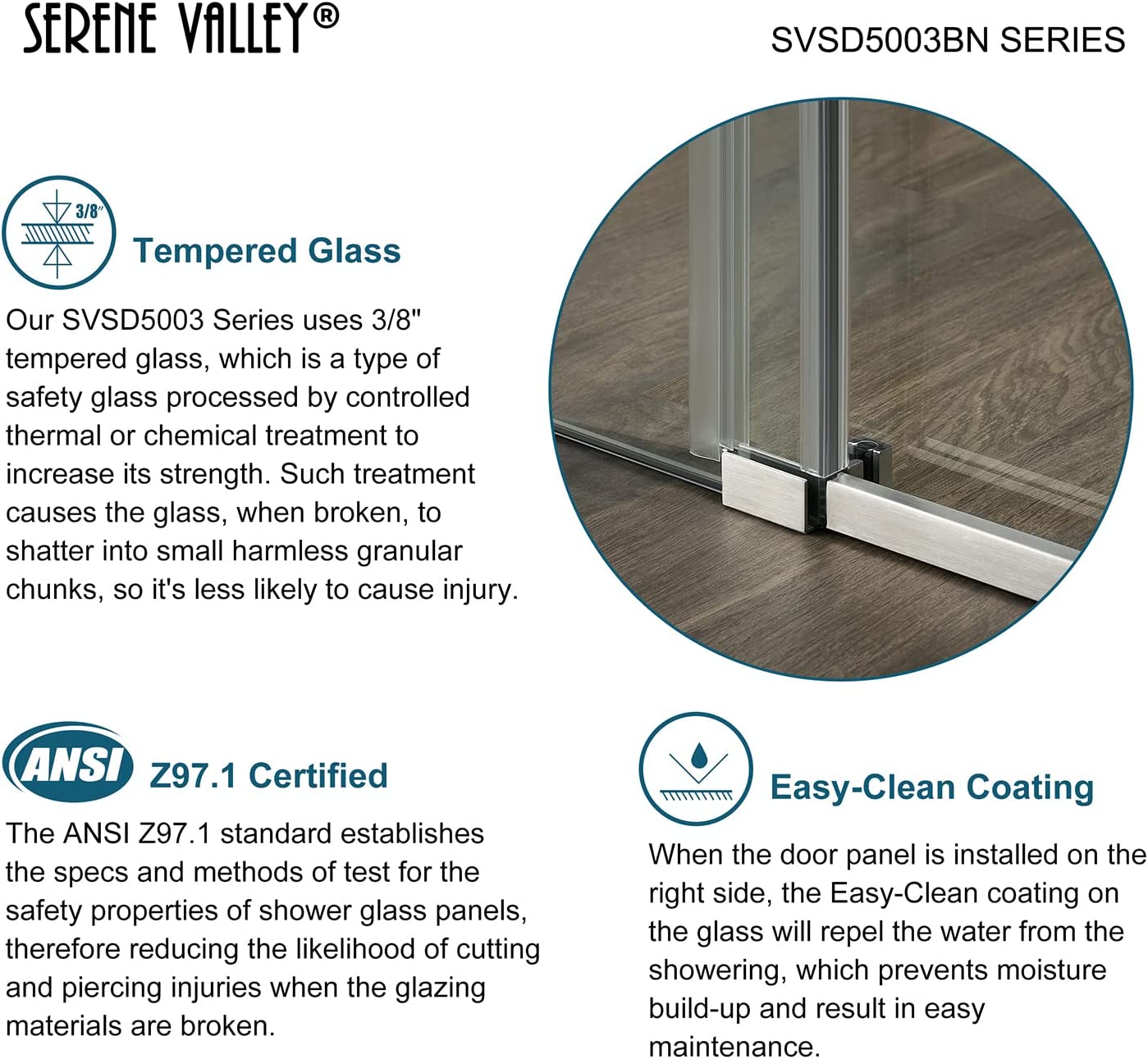
    Tempered glass is stronger than regular glass. It breaks into small, blunt pieces. This reduces the chance of serious injury. It is often used in car windows and doors. However, tempered glass can shatter completely under strong impact. It does not hold together like laminated glass.

    Annealed Glass

    Annealed glass is the standard type of glass. It is not treated for extra strength. When it breaks, it shatters into large, sharp shards. These shards can cause serious injury. Annealed glass is less safe for areas prone to impact. Laminated glass offers much better safety than annealed glass.

    Maintenance And Durability

    Laminated glass stands out for its strong maintenance and durability features. These qualities make it a popular choice for safety applications in homes, cars, and buildings. Understanding how to care for laminated glass helps keep it safe and lasting longer.

    This type of glass has a special plastic layer between two glass sheets. This layer holds the glass together if it breaks. It also resists scratches and impact, making it tough for everyday use.

    Easy Cleaning And Upkeep

    Laminated glass needs simple cleaning to stay clear and strong. Use mild soap and water with a soft cloth. Avoid harsh chemicals or abrasive tools. These can damage the plastic layer inside the glass.

    Regular cleaning removes dust and grime that can wear down the glass over time. A clean surface also helps maintain visibility and safety.

    Resistance To Weather And Damage

    Laminated glass resists weather changes well. It does not crack easily from heat or cold. The plastic layer absorbs shocks from storms or impacts.

    This glass type lasts longer than regular glass in harsh environments. It stands up to wind, rain, and even hail better. This durability reduces repair and replacement costs.

    Longevity And Cost-effectiveness

    The strong build of laminated glass means fewer repairs. It keeps its safety features even after minor damage. This saves money over time by avoiding frequent replacements.

    Its long life adds value to homes and vehicles. A small investment in laminated glass leads to lasting protection.

    Cost Factors And Investment Value

    Choosing laminated glass involves understanding its cost and the value it adds. The price of laminated glass is higher than regular glass. This is due to its special layers that hold the glass together. These layers add strength and safety but increase production costs.

    Investing in laminated glass means spending more upfront. Yet, it can reduce costs later. Its durability means fewer repairs and replacements. Also, it can lower insurance premiums because of its safety benefits. This makes laminated glass a smart choice for long-term savings.

    Initial Cost Compared To Standard Glass

    Laminated glass costs more than standard glass. This is because it uses extra layers for safety. The production process takes more time and materials. Buyers pay more at the start. But this cost supports higher safety and strength.

    Long-term Savings And Maintenance

    Laminated glass lasts longer than regular glass. It resists cracks and breaks better. This lowers repair and replacement needs. Cleaning costs stay the same as with normal glass. The strong build means less chance of damage over time.

    Impact On Property Value

    Homes and buildings with laminated glass can sell for more. Buyers appreciate the added safety and security. This type of glass can make a property more attractive. It may also help the property stand out in the market. This adds real value beyond the initial cost.

    Does Laminated Glass Improve Safety: Top Benefits Revealed

    Credit: www.ecotechwindows.ca

    Does Laminated Glass Improve Safety: Top Benefits Revealed

    Credit: smartechonline.com

    Frequently Asked Questions

    What Makes Laminated Glass Safer Than Regular Glass?

    Laminated glass holds together when shattered. Its plastic layer prevents sharp shards from causing injuries. This reduces accidents and enhances protection.

    Does Laminated Glass Resist Impact Better Than Standard Glass?

    Yes, laminated glass absorbs and disperses impact energy. It is less likely to break on force, offering superior resistance and safety.

    Can Laminated Glass Prevent Break-ins Effectively?

    Laminated glass delays forced entry by holding fragments in place. This extra time deters burglars and improves security.

    Is Laminated Glass Safer In Car Windows?

    Laminated glass prevents glass shards from scattering during accidents. It protects passengers from cuts and improves overall vehicle safety.

    Conclusion

    Laminated glass offers strong protection against impacts. It holds together when broken, reducing injuries. This makes it safer for homes, cars, and buildings. It also blocks harmful UV rays, protecting skin and furniture. Choosing laminated glass means choosing safety and peace of mind.

    Small changes like this can prevent big accidents. Safety matters, and laminated glass helps ensure it. Consider it a smart choice for any space.

  • How to Clean Windshield With Chip Safely: Expert Tips Revealed

    How to Clean Windshield With Chip Safely: Expert Tips Revealed

    Your windshield is one of the most important parts of your car, keeping you safe while you drive. But what do you do when it has a chip?

    Cleaning your windshield with a chip requires extra care to avoid making the damage worse. If you want to keep your glass clear and your chip from spreading, you need the right steps. This guide will show you exactly how to clean your windshield with a chip safely, so you can protect your view and your vehicle.

    Keep reading to learn simple, effective tips that anyone can follow.

    Assessing The Chip Damage

    Before cleaning a windshield chip, it is important to assess the damage. This step helps decide the best way to clean and repair the chip. Careful assessment protects the glass from further harm. It saves time and money by preventing unnecessary repairs.

    Assessing chip damage means checking its type, size, and depth. This information guides the cleaning process and repair methods. Proper assessment ensures the chip does not spread or worsen.

    Identifying Chip Types

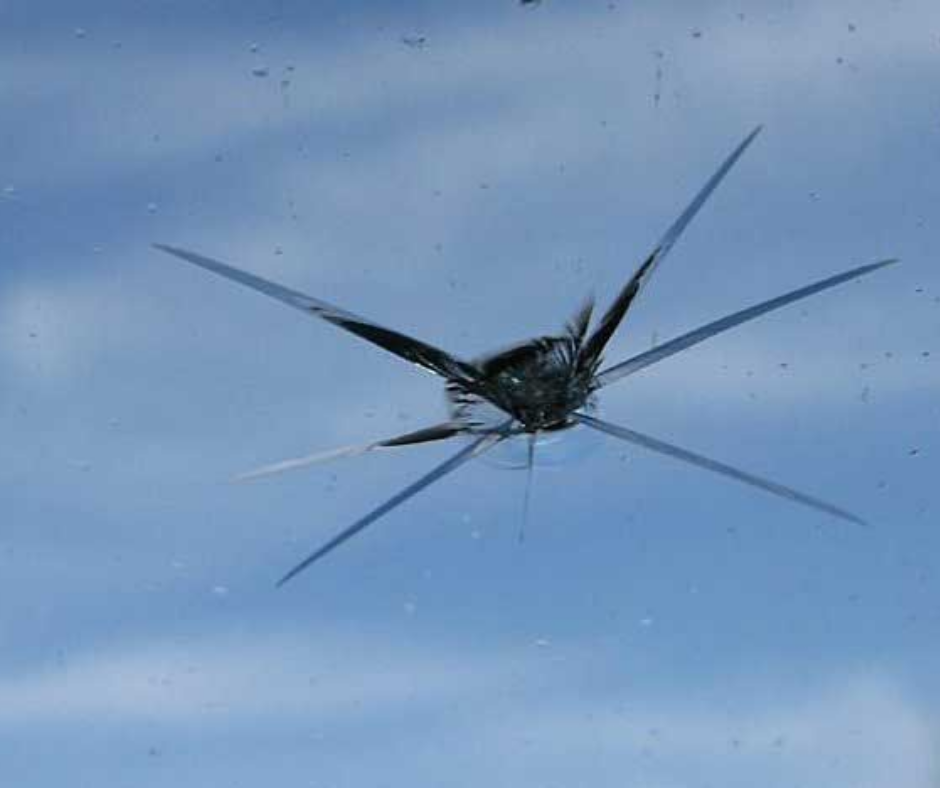
    There are different types of chips on windshields. Common ones include bullseye, star, and combination chips. Bullseye chips look like a circle with a dark center. Star chips have cracks radiating from the impact point. Combination chips show features of both bullseye and star chips. Identifying the type helps choose the right cleaning and repair tools.

    Evaluating Chip Size And Depth

    Chip size matters for cleaning safety. Small chips under the size of a quarter are easier to clean. Large chips may require professional repair. Depth is also important. Surface chips are shallow and less risky. Deep chips reach the inner layers of glass. Deep chips can weaken the windshield. Measuring size and depth guides the cleaning approach.

    How to Clean Windshield With Chip Safely: Expert Tips Revealed

    Credit: www.glassfixitauto.com

    Gathering Cleaning Supplies

    Gathering the right cleaning supplies is the first step to clean a windshield with a chip safely. Using the proper materials protects the glass and prevents the chip from getting worse. It also makes the cleaning process easier and more effective. This section covers how to pick safe cleaning solutions and suitable tools for the job.

    Choosing Safe Cleaning Solutions

    Pick cleaning solutions made specifically for glass surfaces. Avoid harsh chemicals that can damage the windshield or the chip. Mild soap mixed with water works well and is gentle. Alcohol-based cleaners can help remove grease but use them sparingly. Stay away from ammonia or bleach, as they can weaken the glass. Always test the cleaner on a small area first to check for any damage.

    Selecting Appropriate Tools

    Use soft, non-abrasive cloths like microfiber towels to avoid scratching. Avoid rough sponges or brushes. A soft-bristle brush can help clean dirt around the chip carefully. Use a spray bottle to apply the cleaning solution evenly. Avoid applying too much pressure when cleaning near the chip. Gentle wiping helps keep the chip intact and stops it from spreading.

    Preparing The Windshield

    Preparing the windshield is the first step to cleaning it safely when it has a chip. This step helps avoid making the chip worse. It also makes the cleaning process easier and more effective.

    Start by clearing away any loose dirt and debris. Then, protect the areas around the chip. This prevents damage to your car’s paint and parts. Careful preparation saves time and keeps your windshield safe.

    Removing Loose Dirt And Debris

    Use a soft brush or a microfiber cloth to remove dirt from the windshield. Gently sweep away dust, leaves, and small stones. Avoid pressing hard near the chip to stop cracks from spreading.

    If needed, rinse the windshield with clean water. This loosens stuck dirt without harming the glass. Dry the surface with a clean cloth before moving to the next step.

    Protecting Surrounding Areas

    Cover the area around the chip with painter’s tape or masking tape. This shields the car’s paint from cleaners or tools. Make sure the tape sticks well but does not touch the chip directly.

    Also, use plastic sheets or paper to cover nearby parts. Protect the windshield wipers and the car hood. This prevents accidental scratches or damage during cleaning.

    How to Clean Windshield With Chip Safely: Expert Tips Revealed

    Credit: soldierglass.com

    Cleaning Around The Chip

    Cleaning around a windshield chip requires care. Dirt and grime can hide in the small cracks. Removing them gently keeps the chip from getting worse. This step helps prepare the glass for repair. Use soft tools and mild cleaners to protect the glass.

    Gentle Cleaning Techniques

    Start with a soft microfiber cloth. Dampen it slightly with water or a mild soap solution. Wipe gently around the chip, not directly on it. Avoid scrubbing hard or using rough sponges. Use a soft brush to remove dirt from edges. Pat dry with a clean cloth afterward.

    Avoiding Further Damage

    Do not use harsh chemicals or glass cleaners with ammonia. Avoid pressing too hard near the chip. Do not use sharp objects to scrape dirt. Protect the chip from sudden temperature changes during cleaning. Keep the area dry to prevent water from seeping inside. Clean carefully to keep the chip stable before repair.

    Treating The Chip Area

    Treating the chip area on your windshield is important to stop damage from growing. Dirt and moisture can enter the chip and cause cracks to spread. Cleaning and sealing the chip helps keep your windshield strong and clear. Use gentle methods to protect the glass and avoid making the chip worse.

    Applying Resin Or Sealant

    Resin fills the chip and bonds with the glass. It stops moisture from getting inside the crack. First, clean the chip area with a soft cloth. Avoid pushing dirt deeper into the chip. Apply the resin carefully, using a small tool or brush. Let the resin dry fully before touching the glass. This process makes the chip less visible and safer.

    Using Repair Kits Safely

    Repair kits have all the tools needed to fix small chips. Follow the instructions step-by-step. Wear gloves to keep hands clean and avoid oils on the glass. Work in a shaded place to prevent resin from drying too fast. Use the included curing strips to harden the resin properly. Take your time for the best results. Avoid rushing to keep the repair neat and effective.

    Post-cleaning Care

    Post-cleaning care is important after cleaning a windshield with a chip. It helps keep the chip from getting worse. Taking care of the chip can save you money and keep your windshield safe. Simple steps after cleaning protect the glass and avoid bigger problems.

    Monitoring The Chip Condition

    Check the chip often for any changes. Look for cracks spreading from the chip. Watch for dirt or moisture getting inside the chip. Take photos to compare the chip over time. Early signs of damage can warn you to act fast.

    When To Seek Professional Help

    Contact a professional if the chip grows or cracks appear. Seek help when the chip blocks your view while driving. Get advice if dirt or water stays inside the chip. Experts can repair or replace the windshield safely. Acting quickly can prevent costly damage later.

    How to Clean Windshield With Chip Safely: Expert Tips Revealed

    Credit: www.walmart.com

    Frequently Asked Questions

    How Do I Clean A Windshield With A Chip Safely?

    Use a soft microfiber cloth and gentle glass cleaner. Avoid harsh chemicals and abrasive tools. Clean around the chip carefully to prevent damage. Always dry the area with a clean cloth to avoid streaks.

    Can I Use Household Cleaners On Chipped Windshields?

    No, avoid household cleaners with ammonia or alcohol. These can worsen the chip and damage the glass. Use a cleaner specifically designed for automotive glass instead. This ensures safe and effective cleaning.

    Should I Repair A Windshield Chip Before Cleaning?

    It is best to clean gently before repair. Cleaning removes dirt and debris that can affect repair quality. Avoid applying pressure on the chip to prevent cracks. After cleaning, seek professional repair promptly.

    What Tools Are Safe For Cleaning Chipped Windshields?

    Use a soft microfiber cloth and automotive glass cleaner. Avoid abrasive pads or brushes that can scratch the glass. A gentle touch prevents further damage around the chip. Always handle chipped areas with care.

    Conclusion

    Cleaning a windshield with a chip needs care and patience. Use gentle tools and soft cloths to avoid damage. Always clean in small, circular motions around the chip. Avoid harsh chemicals that can worsen the crack. Regular cleaning keeps your windshield clear and safe.

    This simple routine protects your glass and saves money. Take your time, and handle your windshield gently. Clear vision matters for safe driving every day.

  • Will Insurance Increase After Windshield Chip Claim? Find Out Now!

    Will Insurance Increase After Windshield Chip Claim? Find Out Now!

    Have you ever wondered if filing a claim for a small windshield chip will make your insurance rates go up? It’s a common concern that stops many from getting their glass fixed promptly.

    You want to protect your car without risking higher premiums, right? Understanding how insurance companies handle these claims can save you money and stress. Keep reading to find out exactly what happens after you file a windshield chip claim—and how it might affect your insurance costs.

    How Windshield Chip Claims Work

    Understanding how windshield chip claims work helps you protect your car and wallet. Insurance companies treat these claims differently from other damage claims. Knowing the process can save time and avoid surprises. It also helps decide when to claim and when to wait.

    Most insurers want to fix small chips quickly to prevent bigger cracks. Many offer repair services without raising your premium. Learning which damage counts and how to file a claim is key to smart car care.

    Types Of Windshield Damage Covered

    Insurance usually covers chips caused by small rocks or road debris. The damage must affect the glass surface but not break it fully. Cracks longer than a few inches may need full windshield replacement.

    Common covered damages include star breaks, bull’s eyes, and small cracks. Chips that block the driver’s view might require immediate repair. Damage from accidents or vandalism often falls under different coverage rules.

    Claim Process For Windshield Repairs

    Start by contacting your insurance provider to report the chip. Many companies offer quick online claim forms or phone support. Provide photos and details about the damage for faster service.

    Next, schedule a repair appointment with an approved shop. Some insurers send a technician to fix the chip on-site. Repairs usually take less than an hour and restore glass strength.

    After repair, your insurer may not increase your premium for a small chip claim. Keeping claims small and rare helps avoid higher costs later. Always check your policy for specific terms before filing.

    Will Insurance Increase After Windshield Chip Claim? Find Out Now!

    Credit: insurancebrokersofaz.com

    Impact On Insurance Premiums

    Filing a windshield chip claim can affect your insurance premiums. The impact varies by insurer and claim details. Understanding these factors helps you prepare for possible changes in costs.

    Factors Influencing Premium Changes

    Insurance companies consider many factors before raising premiums. The size and location of the chip matter. Small chips repaired quickly may not increase costs.

    Your claim history plays a big role. Multiple claims in a short time may raise premiums. The type of coverage you have also affects changes. Some policies cover windshield repairs without penalty.

    Differences Between Repair And Replacement Claims

    Repair claims usually have less impact on premiums. Repairs are less costly and simpler for insurers. Replacement claims often cost more and may raise premiums.

    Replacing a windshield signals more damage. Insurers may see this as higher risk. Repairing chips is often cheaper and less likely to affect your rates.

    When Claims Affect Your Rates

    Insurance rates can change after you make a claim. Not all claims cause your rates to rise. It depends on the type of claim and how often you file them. Understanding when claims affect your rates helps you make smart decisions.

    Thresholds For Rate Increases

    Insurers set limits before raising rates. Small claims may not impact your premium. Many companies have a threshold for damage costs. Claims under this limit might not trigger a rate increase. Larger claims often lead to higher premiums. The exact threshold varies by insurer and policy.

    Role Of Claim Frequency And Severity

    Multiple claims can raise red flags. Insurers see frequent claims as higher risk. Severity of damage also matters. Minor repairs usually cost less and may not affect rates. Major damages signal greater risk and cost more. Both frequency and severity shape your premium changes.

    Will Insurance Increase After Windshield Chip Claim? Find Out Now!

    Credit: www.infarmbureau.com

    Ways To Avoid Premium Hikes

    Insurance premiums can rise after a windshield chip claim. This worries many car owners. Knowing how to avoid these hikes helps save money. Simple steps can keep your costs low. Understanding your insurance options is the first step.

    Using Glass Coverage Benefits

    Many insurance plans include glass coverage. This covers small chips or cracks without raising premiums. Using this benefit keeps your rates steady. Check your policy to see if you have glass coverage. Claiming this benefit usually avoids a premium increase. It works best for minor damages.

    Choosing Repair Over Replacement

    Repairing a windshield chip costs less than replacement. Repairs are quick and less invasive. Insurance companies often prefer repairs over full replacement. Repairs keep your claim small. Small claims may not affect your premium. Replacement is more expensive and may trigger a rate hike. Choose repair when the damage is minor.

    Alternatives To Filing A Claim

    Filing an insurance claim for a windshield chip may raise your premiums. Many drivers want to avoid this. There are good alternatives to consider. These options can save money and keep your rates steady.

    Out-of-pocket Repair Options

    Small chips and cracks often cost less than the deductible. Paying out of pocket can be cheaper than claiming. Many auto shops offer quick and affordable repairs. Some use special resin to fill chips and prevent spreading. This can restore your windshield’s strength and clarity. Choose this option if the damage is minor.

    Discounts And Preventive Measures

    Some insurance companies offer discounts for safe driving. You may get lower rates if you avoid claims. Using a windshield protector helps reduce damage. Parking in shaded or covered areas also lowers risk. Regularly inspect your windshield for small chips. Repair them fast before they grow bigger. These steps help keep your insurance costs down.

    Will Insurance Increase After Windshield Chip Claim? Find Out Now!

    Credit: www.reddit.com

    Tips For Managing Windshield Damage

    Managing windshield damage quickly helps avoid bigger problems. Small chips can grow into cracks fast. Acting early saves money and keeps driving safe. Use simple tips to care for your windshield right away.

    Quick Fixes To Prevent Worsening

    Cover chips with clear tape to keep out dirt and moisture. Avoid sudden temperature changes like hot water or direct sunlight. Drive carefully to reduce bumps and vibrations. These steps slow damage until professional repair is possible.

    Finding Reliable Repair Services

    Choose repair shops with good reviews and proper licenses. Ask about warranty on repairs to ensure quality work. Compare prices but avoid the cheapest options only. A trusted service protects your windshield and helps maintain insurance costs.

    Frequently Asked Questions

    Will My Insurance Premium Increase After A Windshield Chip Claim?

    Most insurers do not raise premiums for small windshield chip claims. These claims are often considered minor and low risk. However, frequent claims might affect your rates. Always check your specific policy terms for exact details.

    Does Filing A Windshield Chip Claim Affect My No-claim Bonus?

    In many cases, windshield chip claims do not impact your no-claim bonus. This is because such claims are minor and often excluded from bonus calculations. Confirm with your insurer to understand your policy’s rules.

    Are Windshield Chip Repairs Covered Without Raising Insurance Costs?

    Yes, many policies cover windshield repairs without increasing your insurance premium. Insurers view chip repairs as preventive, reducing future risks. Always verify if your coverage includes glass repair for no-cost premium benefits.

    How Often Can I Claim For Windshield Damage Without Penalty?

    The frequency varies by insurer, but occasional claims for windshield chips typically don’t cause penalties. Frequent claims may lead to premium increases or policy reviews. Check your insurer’s claim limits and conditions to avoid surprises.

    Conclusion

    Claims for windshield chips usually do not raise insurance costs. Most insurers treat these claims as minor repairs. Costs often stay the same after a chip repair claim. Still, policies and rules differ between companies. Small claims rarely affect your premium or record.

    It helps to ask your insurer about their rules. Careful driving and quick repairs keep costs low. Keep this in mind before filing a claim. Staying informed saves money and stress later.

  • Is Cracked Glass Unsafe to Drive With? Essential Safety Tips

    Is Cracked Glass Unsafe to Drive With? Essential Safety Tips

    Have you ever noticed a crack spreading across your car’s windshield and wondered if it’s safe to keep driving? That small crack might seem harmless, but it could be putting you and others at risk every time you get behind the wheel.

    Understanding the dangers of cracked glass isn’t just about avoiding fines—it’s about protecting your safety and peace of mind on the road. Keep reading to discover why driving with cracked glass can be more dangerous than you think and what you should do to stay safe.

    Risks Of Driving With Cracked Glass

    Driving with cracked glass poses several risks. It affects your safety and the safety of others on the road. Cracks can worsen quickly, leading to bigger problems. Understanding these risks helps you decide when to fix or replace the glass.

    Impact On Visibility

    Cracks distort your view of the road. Light can scatter through the cracks, causing glare. This can make it hard to see clearly, especially at night or in bright sunlight. Small cracks can grow and block important details like traffic signs or pedestrians.

    Structural Integrity Concerns

    The glass is part of your car’s structure. Cracks weaken the glass and reduce its strength. During a collision, cracked glass is more likely to shatter. This increases the risk of injury from flying glass shards. The roof’s support may also be compromised if the windshield is damaged.

    Legal Implications

    Many places have laws against driving with cracked glass. Police can stop you and issue fines for unsafe glass. Insurance may not cover accidents if your glass was not fixed. Driving with cracked glass can put your license at risk. It is best to check local rules and fix the glass promptly.

    Is Cracked Glass Unsafe to Drive With? Essential Safety Tips

    Credit: www.reddit.com

    Types Of Windshield Damage

    Windshields can suffer different types of damage. Each type affects your safety and the car’s structure differently. Recognizing these types helps you decide what action to take. Some damages are small and fixable. Others are serious and need immediate attention.

    Chips And Small Cracks

    Chips are tiny breaks in the glass. They often happen from small stones hitting the windshield. Small cracks usually start from these chips. These damages rarely block your view. They can grow bigger if ignored. Repairing chips early is cheaper and safer.

    Long Cracks

    Long cracks run across the windshield. They can stretch several inches. These cracks weaken the glass. They can spread quickly with temperature changes. Driving with long cracks is risky. The windshield may shatter in a crash.

    Spider Web Cracks

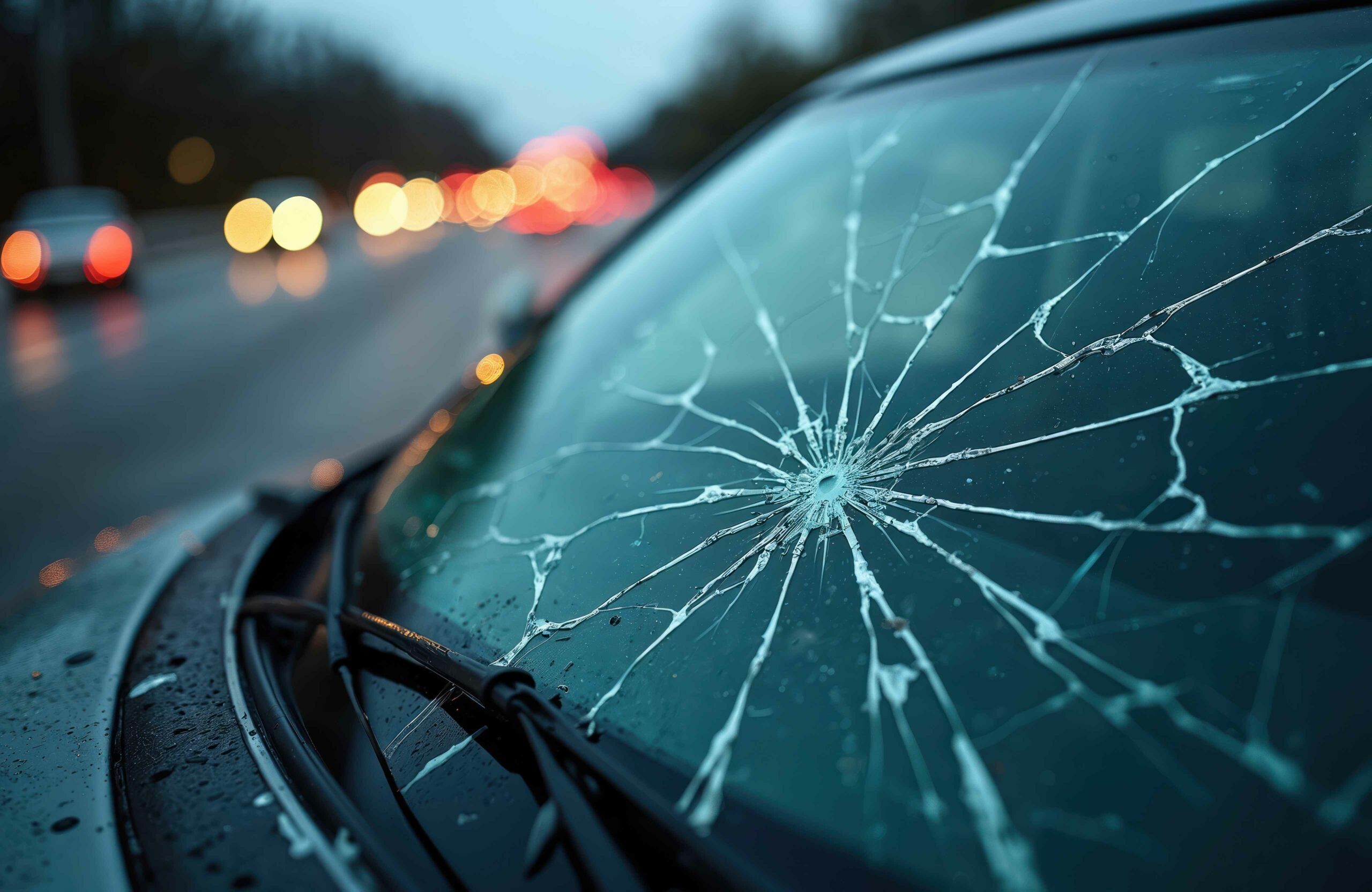
    Spider web cracks look like spider webs. Many small cracks spread from one point. This damage often happens after a strong impact. The glass becomes fragile and unstable. Spider web cracks usually need full windshield replacement.

    When To Repair Vs. Replace

    Deciding whether to repair or replace cracked glass on your vehicle is important for safety and cost. Not all cracks need full replacement. Some can be fixed quickly and cheaply. Understanding the size, location, and damage helps make the right choice.

    Size And Location Factors

    Small chips or cracks less than six inches often qualify for repair. Cracks that spread across the windshield or near the edges usually need replacement. Damage in the driver’s direct line of sight also requires full glass change. Repairs here may blur vision or weaken the glass.

    Cost Considerations

    Repairing glass costs less than replacing it. Insurance may cover repairs fully or partially. Replacement involves higher parts and labor expenses. Choosing repair over replacement saves money when damage is minor and safe to fix.

    Professional Assessment

    A trained technician can evaluate the crack precisely. They check if repair will restore strength and clarity. Experts also spot hidden damage that may worsen later. Their advice helps avoid unsafe driving and unexpected costs.

    Safety Tips For Driving With Cracked Glass

    Driving with cracked glass requires extra care to stay safe on the road. Cracks can weaken the glass, making it more likely to break further. Following simple safety tips can help reduce risks and keep you protected while driving. These tips focus on preventing the crack from growing and avoiding dangerous situations.

    Avoid Extreme Temperatures

    Extreme heat or cold can make cracks worse. Hot sun can cause glass to expand, and cold weather makes it contract. This movement can cause the crack to spread quickly. Park your car in shaded areas or garages to keep glass cooler. Avoid washing your car with very hot or cold water.

    Limit Sudden Movements

    Sudden stops, sharp turns, or hitting potholes can stress cracked glass. This stress might cause the crack to grow or even shatter the glass. Drive smoothly and avoid rough roads when possible. Slow down on bumps and be gentle with the steering wheel.

    Regularly Monitor Crack Progression

    Check your cracked glass often to see if the crack is getting bigger. Use a marker to outline the crack edges and watch for changes. If the crack grows, repair or replace the glass as soon as possible. Early action prevents accidents and keeps visibility clear.

    Preventing Windshield Damage

    Preventing windshield damage is important for safe driving and clear vision. Small cracks can grow over time and cause bigger problems. Taking steps to protect your windshield helps avoid costly repairs. It also keeps you and others safe on the road.

    Safe Driving Habits

    Drive carefully, especially on rough roads or gravel. Avoid following large trucks too closely. Stones and debris can hit your windshield and cause cracks. Slow down on uneven surfaces to reduce windshield stress. Always wear your seatbelt to prevent injuries if the glass breaks.

    Parking Strategies

    Park your car in shaded areas to protect the glass from heat. Avoid parking under trees where branches or falling debris can damage the windshield. Choose garages or covered parking spots when possible. Keep your car away from places with heavy traffic or construction work.

    Using Protective Films

    Apply protective films on your windshield for extra strength. These films help resist cracks and chips from small impacts. They also reduce glare and block harmful UV rays. Protective films are an affordable way to extend your windshield’s life.

    Is Cracked Glass Unsafe to Drive With? Essential Safety Tips

    Credit: www.novusglass.com

    Emergency Steps If Glass Shatters

    Glass shattering while driving can cause panic and danger. Knowing what to do instantly helps keep everyone safe. Quick actions reduce risks and prevent injuries. Focus on calm steps to manage the situation. Your safety and others’ safety depend on how you respond.

    Safely Pulling Over

    Slow down without sudden moves. Use your turn signal to show your intent. Find a safe spot away from traffic. Avoid sharp turns or braking hard. Stop the car completely before checking the damage. Stay inside the vehicle until it is safe to exit.

    Protecting Yourself And Passengers

    Cover your eyes and face to avoid glass cuts. Ask passengers to do the same. Keep everyone calm and seated. Avoid touching broken glass or sharp edges. Use a cloth or jacket to shield from falling shards. Check for injuries and provide basic first aid if needed.

    Getting Immediate Repairs

    Call roadside assistance or a glass repair service right away. Describe the damage clearly for quick help. Avoid driving long distances with shattered glass. Temporary fixes can prevent further breakage but seek professional repair. Schedule a full replacement as soon as possible to ensure safety.

    Is Cracked Glass Unsafe to Drive With? Essential Safety Tips

    Credit: www.bakerglassinc.com

    Frequently Asked Questions

    Is It Dangerous To Drive With Cracked Glass?

    Yes, driving with cracked glass is unsafe. It reduces visibility and weakens the windshield’s structural integrity. Cracks can spread, increasing accident risk. Repair or replace damaged glass promptly for safety.

    Can Cracked Glass Cause Accidents While Driving?

    Cracked glass can cause accidents by obstructing the driver’s view. It may also shatter on impact, leading to loss of control. Timely repair helps maintain clear visibility and vehicle safety.

    How Quickly Should Cracked Glass Be Fixed?

    Cracked glass should be fixed immediately. Delaying repairs can worsen damage and increase repair costs. Quick action ensures clear vision and protects vehicle occupants during collisions.

    Does Cracked Windshield Affect Vehicle Safety Features?

    Yes, cracked windshields can impair safety features like airbags. The windshield supports airbag deployment and vehicle structure. Damaged glass compromises these systems, reducing overall safety during crashes.

    Conclusion

    Driving with cracked glass puts you and others at risk. Cracks can block your view and distract you. They may also weaken the glass, causing it to break suddenly. Fixing or replacing damaged glass keeps your car safe and legal.

    Don’t wait until the crack grows larger. Stay alert and protect yourself by repairing cracks quickly. Safe driving starts with clear, strong windows.

  • How Long Does Windshield Crack Repair Take: Quick & Easy Guide

    How Long Does Windshield Crack Repair Take: Quick & Easy Guide

    Have you just noticed a crack on your windshield and wondered, “How long will this repair take?” You’re not alone. When your car’s windshield is damaged, you want a quick fix that gets you back on the road safely without wasting your day.

    The good news is, windshield crack repair is often faster than you think. But the exact time depends on a few important factors you should know. Keep reading to discover how long you can expect the process to take—and why acting quickly can save you time and money.

    How Long Does Windshield Crack Repair Take: Quick & Easy Guide

    Credit: www.ultrabond.com

    Factors Affecting Repair Time

    Repair time for a cracked windshield varies. Several factors influence how long the process takes. Knowing these helps set the right expectations. The size and type of crack, its location, and the repair method all matter.

    Each factor affects the repair speed and complexity. Some cracks fix quickly, while others take more time. Understanding these details helps you plan better.

    Size And Type Of Crack

    Small cracks usually take less time to fix. Chips or tiny cracks can be repaired in about 30 minutes. Long or deep cracks need more work and time. The repair might take an hour or more. The crack type also affects repair. Star cracks, bullseye cracks, and cracks with multiple branches differ in repair time.

    Location On The Windshield

    Cracks near the edges of the windshield take longer to repair. These areas are more delicate and require extra care. Cracks in the driver’s line of sight may need special attention. Repairs here must ensure clear visibility. Center cracks might be simpler and faster to fix.

    Repair Method Used

    Different repair techniques take different times. Resin injection is a common fast method. It usually finishes within 30 to 60 minutes. More complex cracks may require glass replacement. Replacing a windshield takes several hours. The choice of method depends on the crack’s size, type, and location.

    Typical Repair Duration

    Understanding how long windshield crack repair takes helps you plan your day better. Repair times vary depending on the crack size and type. Quick repairs mean less hassle and safer driving soon after.

    Minor Chips And Small Cracks

    Minor chips and small cracks usually take about 30 minutes to fix. The technician cleans the damaged area first. Then, they inject resin to fill the crack or chip. A special light cures the resin fast. This process stops the crack from growing and improves visibility.

    Larger Or Complex Cracks

    Larger or complex cracks need more time and care. Repairs can take one to two hours or more. The technician may use extra resin and special tools. Sometimes, the damage is too big for repair and needs glass replacement. Complex cracks require patience but help avoid full windshield change.

    Step-by-step Repair Process

    The windshield crack repair process is simple and quick. It involves clear steps to fix the damage and restore safety. Each step plays a key role in making the repair strong and invisible. Understanding these steps helps you know what to expect during the repair.

    Inspection And Assessment

    The technician first checks the crack carefully. They measure the size and look for deep damage. This step decides if the crack can be fixed or if the glass needs full replacement. A clear view helps plan the best repair method.

    Cleaning The Damaged Area

    Next, the cracked spot is cleaned well. Dirt, dust, and moisture get removed from the crack. This cleaning is important to help the repair material stick inside the crack. A clean surface ensures a strong and clear repair.

    Applying Resin

    After cleaning, a special resin is injected into the crack. This resin fills all gaps and seals the damaged glass. The resin also stops the crack from growing larger. It seeps deep into the crack to restore the glass strength.

    Curing And Polishing

    The resin then hardens using UV light or heat. This curing process takes several minutes. Once hardened, the surface is polished smooth. Polishing removes extra resin and clears the repair spot. The windshield looks clear and safe again.

    Diy Vs Professional Repair Times

    Deciding between fixing a windshield crack yourself or hiring a professional affects the time spent on repair. Both options have different steps and tools, which change how long the process takes. Understanding these differences helps you pick the best choice for your needs and schedule.

    Benefits Of Professional Repair

    Professionals finish windshield crack repairs quickly, often within 30 minutes. They use special tools and resins designed for strong, clear repairs. Their experience reduces mistakes and ensures the crack does not spread. Professionals also clean and prepare the glass well, improving repair quality. Choosing a professional saves time and gives peace of mind that the job is done right.

    Time Considerations For Diy Kits

    DIY kits usually take longer to complete, often between 1 to 2 hours. The process involves cleaning the crack, applying resin, and waiting for it to cure. Some kits require sunlight or a UV lamp to harden the resin, adding extra wait time. Mistakes can cause delays or require repeating steps. DIY repair may save money but demands patience and careful work.

    Tips To Speed Up Windshield Repair

    Speeding up windshield crack repair saves time and hassle. Small steps help get the job done faster. Proper planning and smart choices make a big difference. Follow these tips to reduce waiting time and finish repairs quickly.

    Scheduling And Preparation

    Book your repair early to avoid delays. Morning appointments often mean quicker service. Clear your schedule to allow enough time for the repair. Remove any items from your car that might block access to the windshield. Keep the area clean and dry to help the technician work efficiently.

    Choosing The Right Repair Service

    Pick a service with good reviews and fast turnaround times. Experienced technicians usually complete repairs faster. Check if the shop uses modern tools and materials. Some places offer mobile repairs, saving you travel time. Confirm the estimated repair time before booking to plan better.

    How Long Does Windshield Crack Repair Take: Quick & Easy Guide

    Credit: www.youtube.com

    How Long Does Windshield Crack Repair Take: Quick & Easy Guide

    Credit: weareprotech.com

    Frequently Asked Questions

    How Long Does A Typical Windshield Crack Repair Take?

    A typical windshield crack repair usually takes about 30 to 60 minutes. This depends on the crack size and repair method used. Most shops complete repairs quickly to minimize your wait time.

    Can I Drive Immediately After Windshield Crack Repair?

    Yes, you can drive right after the repair. However, avoid washing your car or exposing the windshield to extreme conditions for at least 24 hours. This ensures the resin fully cures and provides a strong bond.

    Does The Repair Time Vary By Crack Size?

    Yes, repair time varies with crack size. Small chips or cracks take around 30 minutes. Larger or more complex cracks may require up to an hour or more for proper repair.

    Is Windshield Crack Repair Faster Than Replacement?

    Yes, repair is much faster than replacement. Repair typically takes under an hour, while replacement can take several hours. Repair is also less costly and preserves your original windshield.

    Conclusion

    Windshield crack repair usually takes less than an hour. Small cracks fix quickly, letting you get back on the road fast. Repair time depends on the crack size and location. Most shops offer same-day service to save your time. Quick repairs stop cracks from spreading and keep you safe.

    Don’t wait too long; early repair helps avoid costly replacements. Simple, fast, and effective — that’s how windshield crack repair works. Taking care of it soon keeps your windshield strong and clear.

  • Car Glass Cleaning Hacks: Expert Tips for a Crystal Clear Shine

    Car Glass Cleaning Hacks: Expert Tips for a Crystal Clear Shine

    Your car’s glass can make or break your driving experience. Imagine cruising down the road with spotless, streak-free windows that give you crystal-clear views every time.

    But cleaning car glass isn’t always easy—smudges, dirt, and streaks can be stubborn. What if you could learn simple, effective hacks to make your glass shine like new, without spending a fortune or hours scrubbing? Keep reading, because these car glass cleaning hacks will change the way you clean your windows forever—and save you time and frustration.

    Choosing The Right Cleaning Tools

    Choosing the right tools makes car glass cleaning easier and more effective. Using proper items saves time and avoids scratches or streaks. It also helps keep your glass clear and safe for driving. Here are some essential tools to consider for a spotless finish.

    Microfiber Cloths Vs Regular Rags

    Microfiber cloths trap dirt and dust better than regular rags. They absorb moisture quickly and dry without leaving lint. Regular rags often leave streaks and tiny fibers behind. Microfiber cloths are gentle on glass and reduce scratches. Choose microfiber for a cleaner, clearer shine every time.

    Best Squeegees For Car Glass

    Squeegees remove water and cleaning solution efficiently. A good squeegee has a soft rubber blade to avoid glass damage. Small or handheld squeegees fit well on curved car windows. Look for squeegees with ergonomic handles for better grip. They help prevent streaks and speed up drying.

    Recommended Brushes For Tough Spots

    Brushes reach dirt in corners and edges where cloths cannot. Soft-bristle brushes avoid scratching the glass surface. Use brushes to clean stubborn grime and bug residue. Choose brushes with long handles for better control. They improve cleaning in hard-to-reach areas without damage.

    Car Glass Cleaning Hacks: Expert Tips for a Crystal Clear Shine

    Credit: www.youtube.com

    Effective Cleaning Solutions

    Keeping your car glass spotless requires the right cleaning solutions. The right products help remove dirt, grime, and streaks. Choose solutions that clean well without damaging the glass or car finish. This section covers simple DIY cleaners and trusted commercial products. It also highlights chemicals to avoid for safe cleaning.

    Diy Natural Cleaners

    Natural cleaners use ingredients found at home. Mix equal parts water and white vinegar for a strong cleaner. Add a few drops of dish soap to cut grease. Use a spray bottle for easy application. Clean with a microfiber cloth for best results. Baking soda also helps remove tough stains. These natural options are safe and cheap.

    Commercial Products That Work

    Many commercial glass cleaners offer quick, streak-free results. Look for products made specifically for car glass. These cleaners remove bugs, sap, and road grime well. Choose ammonia-free formulas to protect tinted windows. Spray on, wipe with a soft cloth, and watch the glass shine. Test a small area first to avoid damage.

    Avoiding Harmful Chemicals

    Harsh chemicals can damage your car’s glass and paint. Avoid cleaners with ammonia, bleach, or strong acids. These can cause discoloration or weaken window seals. Stay away from abrasive powders or rough scrubbing tools. Gentle cleaners and soft cloths keep your car looking its best. Protect your investment by choosing safe products.

    Step-by-step Cleaning Process

    Cleaning car glass can be simple with the right steps. Follow this clear process to get shiny, clear windows. Each step helps remove dirt and smudges without scratching the glass. This guide works for all car windows, inside and out.

    Preparing The Glass Surface

    Start by removing loose dirt and dust. Use a soft brush or dry cloth to wipe the glass. Avoid harsh scrubbing that can cause scratches. Make sure the glass is dry before applying any cleaner. This step helps the cleaner work better on the surface.

    Applying Cleaner Properly

    Choose a glass cleaner made for cars or a simple mix of water and vinegar. Spray the cleaner evenly on the glass. Use a microfiber cloth to spread the cleaner in small circles. Cover the entire window to avoid streaks. Work on one section at a time for best results.

    Removing Stubborn Stains

    For tough spots like bird droppings or sap, apply a little rubbing alcohol on a cloth. Gently rub the stain without pressing hard. Repeat if needed, but do not overdo it. After removing stains, wipe the glass again with a clean cloth. This will clear any leftover residue.

    Tips For Inside And Outside Glass

    Cleaning car glass both inside and outside is key for safety and clear views. Dirt, dust, and smudges can block your vision. Proper care keeps glass shiny and streak-free. These tips help clean every part of your car windows easily.

    Cleaning Interior Windows

    Start by rolling down the windows slightly. This makes cleaning corners easier. Use a soft microfiber cloth to avoid scratches. Spray a glass cleaner or a mix of vinegar and water. Wipe in a circular motion to remove dirt and fingerprints. Avoid strong chemicals that can harm the interior. Finish with vertical strokes to prevent streaks.

    Exterior Glass Maintenance

    Rinse the outside glass with water to remove loose dirt. Use a gentle car soap and a soft sponge. Clean in straight lines to avoid swirl marks. Dry with a clean microfiber towel for a clear finish. Check windshield wipers often and replace them when worn. Dirty wipers can leave streaks and scratch glass.

    Handling Tinted Windows

    Use mild cleaners safe for tint films. Avoid ammonia-based products as they damage tint. Apply cleaner to the cloth, not directly on glass. Clean gently to protect the tint layer. Dry the glass with a soft cloth to stop water spots. Careful cleaning keeps tints clear and long-lasting.

    Preventing Future Smudges And Streaks

    Keeping car glass clean is not just about wiping it once. It needs care to stop smudges and streaks from returning fast. Clean glass helps you see better and drives safer.

    Preventing future marks on your car glass makes every drive clearer. Small steps can keep your windshield shiny and neat longer. Let’s explore easy ways to protect your car glass.

    Using Water Repellents

    Water repellents create a thin layer on glass. This layer pushes water and dirt away. Rain slides off quickly, leaving less chance for spots. Apply repellents every few months for best results. Use a clean cloth to spread it evenly. Let it dry before driving.

    Regular Maintenance Schedule

    Clean your car glass often to avoid buildup. Set a weekly or biweekly cleaning time. Use gentle glass cleaner and soft cloths. Avoid harsh chemicals that damage glass or coatings. Check wiper blades regularly. Replace them if they leave streaks.

    Avoiding Common Mistakes

    Do not clean glass under direct sunlight. It causes cleaner to dry too fast and streak. Avoid using paper towels; they leave lint and scratches. Don’t spray too much cleaner; excess makes smudges. Wipe in circular motions or straight lines. Always clean inside and outside glass surfaces.

    Car Glass Cleaning Hacks: Expert Tips for a Crystal Clear Shine

    Credit: www.familyhandyman.com

    Seasonal Glass Care

    Seasonal changes affect your car glass in many ways. Each season brings unique challenges for glass care. Proper cleaning and protection help keep your glass clear and safe. Simple habits can make a big difference all year round.

    Follow these easy tips for each season to maintain spotless car windows. Your view stays clear and your driving safer.

    Winter De-icing Techniques

    Frost and ice form quickly on cold mornings. Avoid scraping hard with metal tools to protect your glass. Use a mixture of water and rubbing alcohol as a spray. This melts ice fast without damage. Cover your windshield with a towel or plastic sheet at night. It stops ice from building up. Start your engine early and turn on the defroster. Warm air loosens ice for easy removal.

    Summer Dust And Bug Removal

    Summer heat dries dust on your glass, making it hard to clean. Use a soft microfiber cloth with water to wipe dust gently. For bugs, soak the area with a vinegar and water mix. Let it sit a few minutes before wiping. Avoid harsh scrubbing that can scratch glass. Clean your windows often to prevent build-up and keep clear vision.

    Protecting Glass In Harsh Weather

    Strong sun, rain, and wind can wear down your car glass. Apply a water-repellent treatment to help rain slide off quickly. This reduces water spots and improves visibility. Park your car in shaded or covered areas to prevent sun damage. Regular cleaning removes dirt and grime that can scratch glass. Use gentle cleaners made for car windows only.

    Car Glass Cleaning Hacks: Expert Tips for a Crystal Clear Shine

    Credit: www.novusglass.com

    Frequently Asked Questions

    How Do I Clean Car Glass Without Streaks?

    Use a microfiber cloth and a vinegar-water mix for streak-free glass. Wipe in circular motions and finish with vertical strokes. Avoid cleaning in direct sunlight to prevent streaks.

    What Household Items Clean Car Windows Effectively?

    Vinegar, dish soap, and rubbing alcohol are great for cleaning car glass. Mix vinegar and water or a drop of dish soap with water. Apply with a microfiber cloth for best results.

    Can I Use Newspaper To Clean Car Glass?

    Yes, newspaper can clean car glass effectively. It absorbs moisture and leaves a streak-free finish. Avoid colored or glossy newspapers to prevent ink transfer.

    How Often Should I Clean My Car Windows?

    Clean car windows every two weeks or more often if dirty. Regular cleaning improves visibility and removes dirt, grime, and pollutants. It also prolongs the life of your glass.

    Conclusion

    Clean car glass helps you see clearly and drive safely. Use simple hacks to keep your windows spotless. Regular cleaning stops dirt and grime from building up. Try natural ingredients like vinegar or baking soda for best results. Small efforts save money and time in the long run.

    Keep your car glass clear and enjoy better visibility. A clean windshield also improves your car’s look. Start using these easy tips today and notice the difference. Clear glass means safer trips and a nicer ride.

  • Does Glass Safety Affect Passenger Protection: Essential Insights

    Does Glass Safety Affect Passenger Protection: Essential Insights

    Have you ever wondered how the glass in your car affects your safety during an accident? The type of glass used might seem like a small detail, but it plays a big role in protecting you and your passengers.

    Understanding how glass safety works can help you make smarter choices about your vehicle and feel more secure every time you hit the road. Keep reading to discover why glass safety matters more than you think and how it could save your life.

    Does Glass Safety Affect Passenger Protection: Essential Insights

    Credit: www.ebay.com

    Glass Types In Vehicles

    Vehicles use different types of glass to protect passengers. The glass must be strong and safe. It also needs to keep the driver’s view clear. Two common types of glass are tempered and laminated. Each type has special features that help in accidents. Understanding these types helps us see how glass safety affects passenger protection.

    Tempered Glass Features

    Tempered glass is heat-treated to become stronger. It breaks into small, dull pieces instead of sharp shards. This reduces the risk of serious cuts. Tempered glass is often used for side and rear windows. It also resists impacts better than regular glass. This makes it safer for passengers during crashes.

    Laminated Glass Benefits

    Laminated glass has two layers with a plastic sheet between. This plastic holds the glass together if it breaks. It does not shatter easily, keeping passengers inside the vehicle. Laminated glass is mostly used for windshields. It also reduces noise and blocks harmful UV rays. This glass type improves both safety and comfort.

    Comparison Of Glass Materials

    Tempered glass breaks into small pieces quickly. Laminated glass stays mostly intact after impact. Tempered glass offers good protection for side and rear windows. Laminated glass protects better in frontal crashes. Laminated glass also provides extra noise and UV protection. Both types work together to improve passenger safety.

    Impact On Passenger Safety

    Passenger safety depends heavily on the type and quality of glass used in vehicles. Glass safety features can reduce injuries and protect passengers during crashes. Understanding how glass behaves helps improve car designs for better protection.

    Car manufacturers use special glass to enhance safety. This glass can prevent sharp shards and keep passengers inside the vehicle. Its role in crash situations is critical for reducing harm.

    Shatter Resistance And Injury Prevention

    Shatter-resistant glass breaks into small, dull pieces instead of sharp shards. This lowers the risk of cuts and serious injuries inside the car. Laminated glass, common in windshields, holds together even when cracked. It acts as a barrier against flying glass.

    Tempered glass, used in side and rear windows, is designed to crumble safely. This reduces the chance of deep wounds during impact. Both types of glass work to protect passengers from glass-related injuries.

    Glass Behavior In Crashes

    During a crash, glass must absorb energy and stay in place. Laminated glass bends but does not break easily. It helps maintain the vehicle’s structure and protects passengers from debris.

    Tempered glass breaks quickly into small pieces to clear exit paths. This can be crucial if passengers need to leave the vehicle fast. Proper glass behavior helps reduce the risk of harm inside the car during accidents.

    Role In Ejection Mitigation

    Glass safety plays a key role in preventing passengers from being thrown out. Strong laminated glass acts as a barrier to keep occupants inside. This greatly lowers the chance of serious injuries or death.

    Windows that break too easily increase the risk of ejection. Well-designed safety glass supports seat belts and airbags by keeping the cabin intact. This helps protect passengers throughout a crash event.

    Safety Standards And Regulations

    Safety standards and regulations play a crucial role in protecting passengers inside vehicles. Vehicle glass must meet strict rules to ensure it does not harm passengers during accidents. These rules guide manufacturers on the type of glass used and its strength. Understanding these standards helps us see how glass safety affects passenger protection.

    Global Glass Safety Requirements

    Different countries have specific rules for vehicle glass safety. Most follow international guidelines to keep standards uniform. These rules cover glass types, thickness, and impact resistance. Laminated glass is often required for windshields due to its strength. Tempered glass is common for side and rear windows. These requirements help reduce injuries from broken glass.

    Testing Procedures For Vehicle Glass

    Glass undergoes many tests before it reaches vehicles. Impact tests check if glass can withstand strong hits. Shatter tests ensure glass breaks into small, less harmful pieces. Visibility tests confirm glass does not distort the driver’s view. Weather resistance tests protect glass from sun and cold damage. These procedures guarantee glass performs well in real-world conditions.

    Compliance And Certification

    Manufacturers must prove their glass meets safety standards. Certification shows glass passed all required tests. Regulatory bodies inspect and approve glass products regularly. Certified glass carries marks indicating its compliance. Using certified glass in vehicles improves passenger safety. It prevents legal issues and builds trust with car buyers.

    Advancements In Glass Technology

    Glass technology in vehicles has improved a lot in recent years. These changes help keep passengers safer during accidents or sudden impacts. New types of glass not only protect better but also add comfort and convenience.

    Advances focus on strength, smart features, and how glass works with other safety tools. These developments make vehicle glass an important part of passenger protection.

    Smart Glass Innovations

    Smart glass can change transparency with a simple switch. It helps control light and heat inside the car. This reduces glare and keeps the cabin cooler. Some smart glass can darken automatically based on sunlight. This lowers driver distraction and improves focus.

    Smart glass also offers privacy without using curtains or shades. It increases passenger comfort and safety on long trips.

    Enhanced Strength Materials

    Modern vehicle glass uses stronger materials like laminated and tempered glass. Laminated glass holds together even if broken, preventing sharp shards. Tempered glass breaks into small, less harmful pieces. These materials reduce injuries in crashes.

    Some glasses have layers that absorb energy from impacts. This helps protect passengers by reducing glass penetration during collisions.

    Integration With Safety Systems

    Glass now works with vehicle safety systems like airbags and sensors. Sensors in the glass can detect impacts quickly. This allows airbags to deploy faster and more accurately.

    Glass sensors also help alert drivers to cracks or damage. Early warnings can prevent accidents caused by poor visibility or glass failure.

    Maintenance And Replacement

    Maintaining and replacing glass in vehicles plays a vital role in passenger safety. Damaged or poorly repaired glass can reduce protection during accidents. Proper care ensures the glass performs its safety functions well.

    Regular checks and timely replacements help keep the glass strong and reliable. Understanding how to spot damage and choose quality replacements protects everyone inside the vehicle.

    Identifying Glass Damage

    Look for cracks, chips, or deep scratches on the glass surface. Even small damage can spread and weaken the glass. Pay attention to any fogging or discoloration. These signs mean the glass may not protect well in a crash.

    Check the edges of the glass for any chips or breaks. Damaged edges can cause the glass to shatter easily. Early detection helps avoid bigger problems later.

    Effects Of Improper Repairs

    Using the wrong repair methods can make glass weaker. Poor repairs can cause cracks to grow faster. The glass may lose its ability to hold together on impact.

    Improper repairs might also affect visibility through the glass. This creates a safety risk while driving. Only skilled technicians should handle glass repairs.

    Choosing Quality Replacements

    Replace damaged glass with parts that meet safety standards. High-quality glass ensures strong protection and clear visibility. Cheap or non-certified glass can fail easily in crashes.

    Always select replacements designed for your vehicle model. Proper fit and material improve passenger safety. Trust certified suppliers and professional installation for best results.

    Does Glass Safety Affect Passenger Protection: Essential Insights

    Credit: tprsglass.com

    Does Glass Safety Affect Passenger Protection: Essential Insights

    Credit: www.army.mil

    Frequently Asked Questions

    Does Glass Safety Improve Passenger Protection In Accidents?

    Glass safety significantly enhances passenger protection by reducing injury risks during crashes. Laminated and tempered glass prevent sharp shards and provide better impact resistance, keeping occupants safer.

    What Types Of Glass Offer The Best Passenger Protection?

    Laminated glass and tempered safety glass offer the best protection. Laminated glass holds together when broken, while tempered glass shatters into small, less harmful pieces.

    How Does Glass Safety Affect Vehicle Crash Outcomes?

    Glass safety minimizes injuries by preventing glass from breaking into dangerous shards. It helps maintain vehicle structure integrity and reduces occupant ejection risks during collisions.

    Are Modern Car Windows Safer For Passengers?

    Yes, modern car windows use advanced laminated and tempered glass technologies. These enhance durability, reduce injury severity, and improve overall passenger safety in crashes.

    Conclusion

    Glass safety plays a key role in protecting passengers during accidents. Stronger, well-designed glass reduces injury risks. It keeps passengers inside the vehicle and blocks sharp shards. Choosing the right glass matters for overall safety. Car makers focus on improving glass to save lives.

    Safe glass means safer journeys for everyone inside. Always consider glass quality when thinking about passenger protection. Small changes in glass can make a big difference. Safety starts with the materials used in every car.

  • How to Care for New Windshield: Essential Tips for Lasting Clarity

    How to Care for New Windshield: Essential Tips for Lasting Clarity

    Getting a new windshield is a smart investment in your car’s safety and appearance. But did you know that how you care for it right after installation can make a big difference in how long it lasts?

    If you want to avoid cracks, chips, or foggy spots, there are simple steps you can take today. You’ll discover easy and effective ways to protect your new windshield, keep your view crystal clear, and save yourself from costly repairs down the road.

    Keep reading to learn exactly what you need to do to keep your windshield in perfect shape.

    Choosing The Right Windshield

    Choosing the right windshield is key for your car’s safety and comfort. It protects you from wind, rain, and debris. A good windshield lasts long and fits perfectly. Understanding different types and quality matters helps you make a smart choice. Professional installation ensures the windshield works well and stays secure.

    Types Of Windshields

    There are several types of windshields. Laminated glass is common and has two layers with a plastic layer between. This type holds together if cracked. Tempered glass is stronger but breaks into small pieces. Some windshields have special coatings to block UV rays or reduce glare. Pick one that suits your climate and driving style.

    Quality And Durability Factors

    Quality affects how long your windshield lasts. Look for glass that resists chips and cracks. Thickness and type of glass matter. Check if it meets safety standards. Durable windshields keep you safer in accidents. Avoid cheap materials that break easily or cloud over time.

    Professional Installation Importance

    Proper installation is crucial. Experts fit the windshield to your car’s frame exactly. They use the right tools and adhesives. A poor fit can cause leaks or reduce strength. Professionals ensure the windshield seals tightly and stays fixed. This keeps you safe and prevents damage from weather.

    How to Care for New Windshield: Essential Tips for Lasting Clarity

    Credit: www.msglassoutlet.com

    Cleaning Techniques

    Cleaning your new windshield is important for clear vision and long life. Proper cleaning helps remove dirt, dust, and smudges. Using the right techniques keeps the glass safe and scratch-free. Here are easy steps and tips to clean your windshield well.

    Safe Cleaning Materials

    Use soft microfiber cloths to clean the windshield. These cloths do not scratch the glass. Choose a gentle spray cleaner made for glass surfaces. Avoid rough sponges or paper towels. They can leave marks or damage the glass.

    Avoiding Harsh Chemicals

    Stay away from ammonia-based cleaners. These chemicals can damage windshield tint or seals. Do not use bleach or strong acids. They weaken the glass and rubber parts. Stick to mild, glass-safe cleaning solutions only.

    Step-by-step Cleaning Process

    First, rinse the windshield with water to remove loose dirt. Spray the glass cleaner evenly across the surface. Wipe gently with a microfiber cloth in circular motions. Flip the cloth to a dry side and polish the glass. Clean both inside and outside for best clarity.

    Protecting Against Damage

    Protecting a new windshield is important to keep it clear and strong. Small damages can turn into big problems. Taking simple steps helps avoid chips, cracks, and other harm. Care now saves money and trouble later.

    Preventing Chips And Cracks

    Drive carefully on roads with loose gravel or stones. Keep a safe distance from trucks. Flying debris can hit and damage your windshield. Avoid sudden stops and sharp turns. This reduces stress on the glass.

    Parking Tips To Avoid Harm

    Park your car in a safe place. Avoid spots near construction or trees. Falling branches and debris can crack the glass. Choose shaded areas to prevent heat damage. A good parking spot protects your windshield from harm.

    Using Windshield Covers

    Windshield covers protect against sun, frost, and dirt. They reduce temperature changes that may cause cracks. Covers keep the glass clean and scratch-free. Use them especially in extreme weather conditions. This simple tool extends your windshield’s life.

    Maintenance Routines

    Maintaining a new windshield is key to keeping it clear and safe. Simple routines help avoid damage and extend its life. Pay attention to small details every day. These habits protect your view and keep driving safe.

    Regular Inspections

    Check your windshield often for cracks or chips. Small damage can spread fast if not fixed. Look for dirt or haze that blocks your view. Clean your windshield with a soft cloth and mild cleaner. Spotting problems early saves money and prevents bigger issues.

    Wiper Blade Care

    Wiper blades must stay in good shape. Replace them every six months or when they leave streaks. Clean blades with a damp cloth to remove dirt. Dirty or worn blades can scratch the glass. Proper wiper care ensures clear vision in rain or snow.

    Handling Minor Repairs Early

    Fix small chips and cracks quickly. Use a repair kit or visit a professional. Early repair stops damage from growing. Avoid driving on rough roads until fixed. Prompt action keeps your windshield strong and safe longer.

    Weather Considerations

    New windshields need special care in different weather conditions. Weather can affect the glass and the seal around it. Knowing how to protect your windshield helps it last longer and keeps you safe.

    Dealing With Extreme Temperatures

    Hot weather can make glass expand. Cold weather makes it shrink. This can cause cracks or weaken the seal. Avoid parking in direct sunlight for long hours. Use a sunshade inside your car to keep temperatures lower. In cold weather, warm the car gradually. Sudden temperature changes can damage the windshield.

    Ice And Snow Removal Tips

    Never use hot water to remove ice. It can crack the glass. Use a plastic scraper to clear ice gently. Avoid metal tools that can scratch the surface. De-icing sprays help melt ice safely. Clear snow from the windshield before driving. Snow left on the glass can block your view and cause accidents.

    Sun Protection Measures

    UV rays from the sun can weaken the glass over time. Use a windshield cover to block sunlight when parked. Regularly clean the glass to remove dirt and grime. Dirty windshields get damaged faster by the sun. Keep the dashboard protected to prevent heat buildup. This reduces stress on the windshield seal.

    How to Care for New Windshield: Essential Tips for Lasting Clarity

    Credit: www.safelite.com

    How to Care for New Windshield: Essential Tips for Lasting Clarity

    Credit: asapspokane.com

    Frequently Asked Questions

    How Soon Can I Wash My New Windshield?

    Wait at least 24 hours before washing your new windshield. This allows the adhesive to cure fully and prevents leaks or damage.

    How To Avoid Damaging A New Windshield?

    Avoid slamming doors, harsh chemicals, and sudden temperature changes. Drive carefully and keep the windshield clean with gentle products.

    What Should I Do If My New Windshield Leaks?

    If you notice leaks, contact the installer immediately. A properly installed windshield should be watertight and free from gaps.

    Can I Drive Immediately After Windshield Installation?

    Yes, you can drive after installation, but avoid rough roads for 24 hours. This helps the adhesive set and keeps the windshield secure.

    Conclusion

    Taking care of a new windshield helps keep it clear and strong. Clean it gently with soft cloths and safe cleaners. Avoid sudden temperature changes to stop cracks. Check for small chips and fix them fast. Drive carefully to prevent damage from stones or debris.

    Regular care saves money and keeps your view safe. Simple steps make your windshield last longer. Stay safe on the road with good windshield habits.