Imagine walking down a busy street and suddenly encountering shattered glass nearby. It’s scary, right?
But what if that glass was designed to keep you safe instead of harm you? Glass safety plays a huge role in protecting pedestrians like you every day. Understanding how it works can change the way you see the world around you and keep you more secure on your daily walks.
Let’s dive into how glass safety shields you from danger and why it matters more than you might think.

Credit: us.amazon.com
Glass Hazards For Pedestrians
Glass hazards pose serious dangers to pedestrians every day. Broken or misplaced glass can cause injuries and disrupt safe walking paths. Urban areas face higher risks due to heavy foot traffic and many glass structures. Understanding these hazards helps communities improve safety measures.
Common Glass Injuries
Pedestrians often suffer cuts and scrapes from broken glass. Deep wounds may require medical attention. Slips and falls can happen on wet or shattered glass surfaces. Eye injuries occur if glass shards fly during accidents. Even small pieces can cause pain and infection.
Risk Zones In Urban Areas
Busy sidewalks near shops and cafes often have glass hazards. Construction sites with glass windows pose dangers to passersby. Bus stops and subway entrances may have broken glass from accidents. Areas with glass walls or doors need extra care. Poor lighting increases the risk of not seeing glass pieces.
Impact Of Broken Glass
Broken glass creates unsafe walking conditions. It can block pathways, forcing pedestrians onto roads. Injuries lead to medical costs and lost work time. Fear of glass hazards may reduce outdoor walking. Cleaning broken glass quickly protects public health and safety.

Credit: www.greenproventures.com
Types Of Safety Glass
Safety glass plays a key role in protecting pedestrians near roads and buildings. It reduces injuries by breaking in safer ways. Different types of safety glass offer unique features and benefits. Understanding these types helps in choosing the right glass for safety needs.
Tempered Glass Features
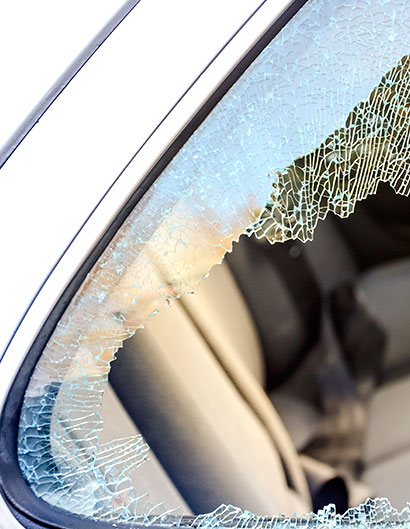
Tempered glass is strong and heat-treated. It resists impact better than regular glass. When it breaks, it shatters into small, dull pieces. This reduces the risk of sharp cuts. It is common in car windows and building doors.
Laminated Glass Benefits
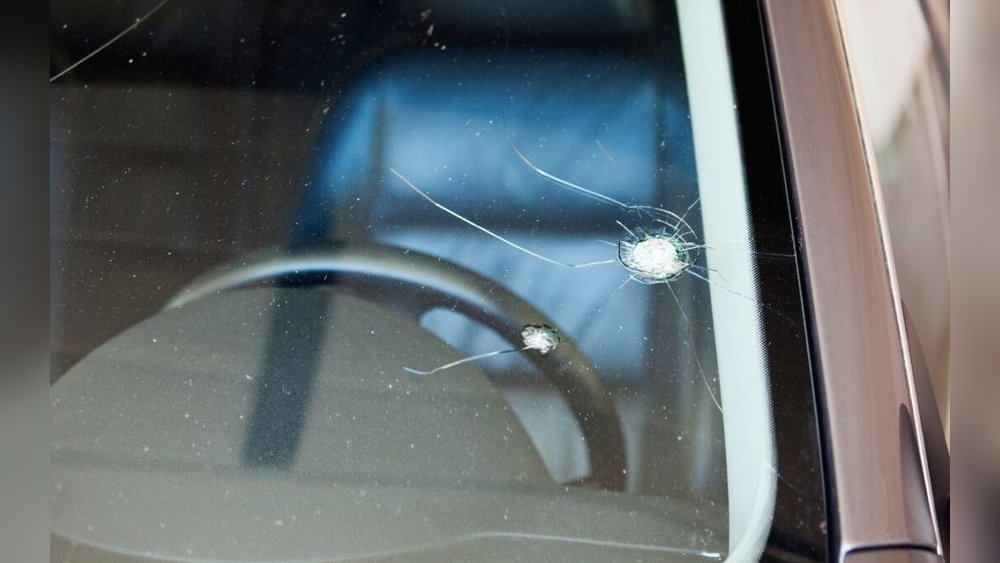
Laminated glass consists of two layers with a plastic layer in between. This plastic holds the glass pieces together when broken. It prevents glass shards from scattering. Laminated glass also blocks harmful UV rays. It is often used in windshields and storefronts.
Comparing Safety Glass Options
Tempered glass breaks into tiny pieces but can shatter fully. Laminated glass stays intact but may crack. Tempered glass is cheaper and easier to replace. Laminated glass offers better protection against penetration. Choosing depends on the specific safety needs and environment.
Regulations And Standards
Regulations and standards play a key role in protecting pedestrians from glass hazards. Clear rules ensure glass is safe in public spaces. They help prevent injuries and keep walkways secure.
Building Codes For Glass Use
Building codes set rules for glass installation in structures. These codes require safety glass in areas near sidewalks and entrances. Tempered or laminated glass reduces injury risk if broken. Codes also define glass thickness and strength. This prevents sharp glass shards from harming people.
Pedestrian Safety Laws
Pedestrian safety laws protect people walking near buildings. These laws require safe barriers and glass panels in busy areas. They limit the use of clear glass near walkways to avoid accidents. Signs and markings may be needed on large glass surfaces. This helps pedestrians notice glass and avoid collisions.
Compliance And Enforcement
Authorities check buildings to ensure glass safety rules are followed. Inspections happen during construction and after completion. Violations can lead to fines or forced repairs. Compliance reduces glass-related injuries in public spaces. Regular enforcement keeps safety standards high over time.
Safe Glass Installation
Safe glass installation is key to protecting pedestrians from accidents. Properly installed glass reduces the risk of injury. It helps keep public spaces secure and welcoming.
Careful planning and correct techniques make glass strong and safe. This section covers important steps for safe glass installation.
Proper Placement Techniques
Glass must be placed where it does not block views or paths. Installers position glass away from heavy foot traffic. Proper placement avoids accidental collisions and injuries.
Edges and corners require special attention. Rounded or protected edges prevent cuts if someone touches the glass.
Use Of Protective Films
Protective films add a safety layer to glass surfaces. They hold broken pieces together during impact. Films reduce the chance of sharp shards flying around.
These films also improve glass strength. They help glass resist cracks and breaks under pressure.
Maintenance And Inspection
Regular checks keep glass safe over time. Inspections find cracks, chips, or loose fittings early. Quick repairs prevent accidents before they happen.
Cleaning glass properly avoids damage. Dirt and debris can weaken glass or hide defects.
Pedestrian Awareness Tips
Pedestrian awareness is key to staying safe around glass. Many accidents happen because people do not notice glass hazards. Knowing what to watch for can help avoid injuries. Below are simple tips to stay alert and safe near glass areas.
Recognizing Unsafe Glass Areas
Look for glass that is cracked or broken. Notice glass doors or windows without clear markings. Be cautious near glass walls that blend with surroundings. Avoid areas where glass is dirty or smudged. These signs show a risk of injury.
Actions To Take Near Glass Hazards
Walk slowly and pay attention to your path. Keep a safe distance from glass surfaces. Use handrails or other supports if available. Report broken or damaged glass to authorities. Stay calm and move carefully around glass hazards.
Educating Communities
Share safety tips with neighbors and friends. Encourage schools to teach children about glass risks. Support local efforts to install safety glass in public places. Raise awareness about reporting glass damage quickly. A well-informed community stays safer together.
Credit: www.walmart.com
Innovations In Glass Safety
Glass safety plays a big role in keeping pedestrians safe. New ideas and technology help make glass stronger and smarter. These changes reduce injuries from broken glass. They also help prevent accidents near glass areas.
Innovations in glass safety focus on improving materials and adding smart features. These improvements make glass more reliable in public places. They help protect people walking by buildings, bus stops, and other glass structures.
Smart Glass Technologies
Smart glass changes its properties with light or heat. It can turn opaque to block sunlight or become clear for visibility. This helps reduce glare for pedestrians and drivers. Some smart glass also reacts to impacts by toughening instantly. This reduces the chance of glass breaking and causing harm.
Impact-resistant Materials
New materials make glass much stronger against hits and falls. Laminated glass holds together even when cracked. Tempered glass breaks into small, less harmful pieces. These materials protect people from sharp shards. They also keep glass structures intact during accidents or storms.
Future Trends In Safety Design
Future glass safety may include sensors to detect impacts or stress. These sensors can alert building managers to fix damage quickly. Designs may also focus on flexible glass that bends instead of breaking. New coatings could resist scratches and make glass clearer. These trends aim to keep pedestrians safer every day.
Frequently Asked Questions
What Is Glass Safety For Pedestrians?
Glass safety for pedestrians involves using materials and designs that reduce injury risks. Safety glass, like tempered or laminated glass, minimizes sharp shards on impact, protecting people near windows, doors, and storefronts.
How Does Tempered Glass Protect Pedestrians?
Tempered glass is heat-treated to increase strength. When broken, it shatters into small, blunt pieces, reducing cuts and severe injuries to pedestrians nearby.
Why Is Laminated Glass Important For Pedestrian Safety?
Laminated glass holds together when shattered due to an interlayer. It prevents glass shards from scattering, protecting pedestrians from sharp fragments and falls.
Where Is Pedestrian-safe Glass Commonly Used?
Pedestrian-safe glass is used in storefronts, bus shelters, building entrances, and glass walls. These locations benefit from enhanced safety to prevent injuries during accidents or impacts.
Conclusion
Glass safety plays a key role in protecting pedestrians every day. Strong, well-designed glass reduces injury risks in accidents. It stops sharp shards from causing harm. Clear visibility through safety glass also helps people see hazards early. Cities and builders must choose safe glass for public spaces.
Small changes in glass quality can save lives. Everyone benefits when streets and buildings use safer glass. Safety is simple, but its impact is huge. Choose glass that keeps people safe and confident outdoors.