Blog

  • Can Super Glue Fix Windshield Chip? Expert Tips Revealed!

    Can Super Glue Fix Windshield Chip? Expert Tips Revealed!

    Have you just noticed a small chip on your windshield and wondered if super glue could be the quick fix you need? It’s tempting to grab what’s handy and try to stop that tiny crack from spreading.

    But before you reach for the glue, there are important things you should know. This simple choice could save you money and time—or lead to bigger problems down the road. Keep reading to find out if super glue is really the answer for your windshield chip and what you should do next to protect your car and your safety.

    Can Super Glue Fix Windshield Chip? Expert Tips Revealed!

    Credit: www.platinumautoglassca.com

    How Windshield Chips Form

    Windshield chips form when small objects hit the glass with force. These impacts create tiny cracks or pits on the surface. Over time, these chips can grow into bigger cracks, affecting visibility and safety. Understanding how windshield chips form helps in deciding the right repair method.

    Common Causes Of Chips

    Small stones or debris from other vehicles often cause windshield chips. Road gravel can be kicked up and strike the glass. Sudden temperature changes also weaken the glass and cause chips. Poor road conditions make chips more likely. Even small impacts can damage the windshield.

    Types Of Windshield Damage

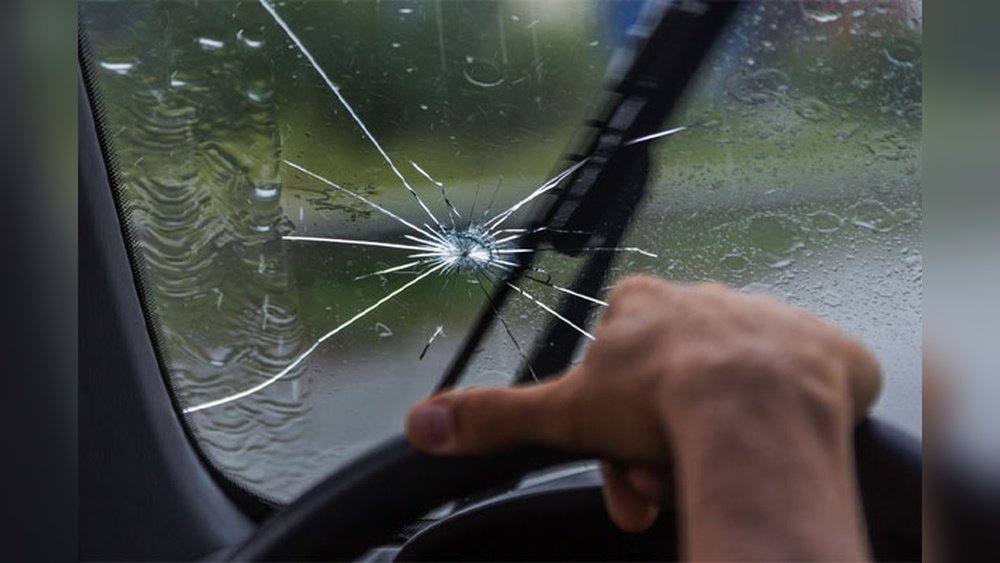
    Chips vary in size and shape. Bullseye chips look like small circles with a dark center. Star breaks have lines radiating from the impact point. Crack damage can start from a chip and spread across the glass. Each type needs a specific repair approach to fix properly.

    Can Super Glue Fix Windshield Chip? Expert Tips Revealed!

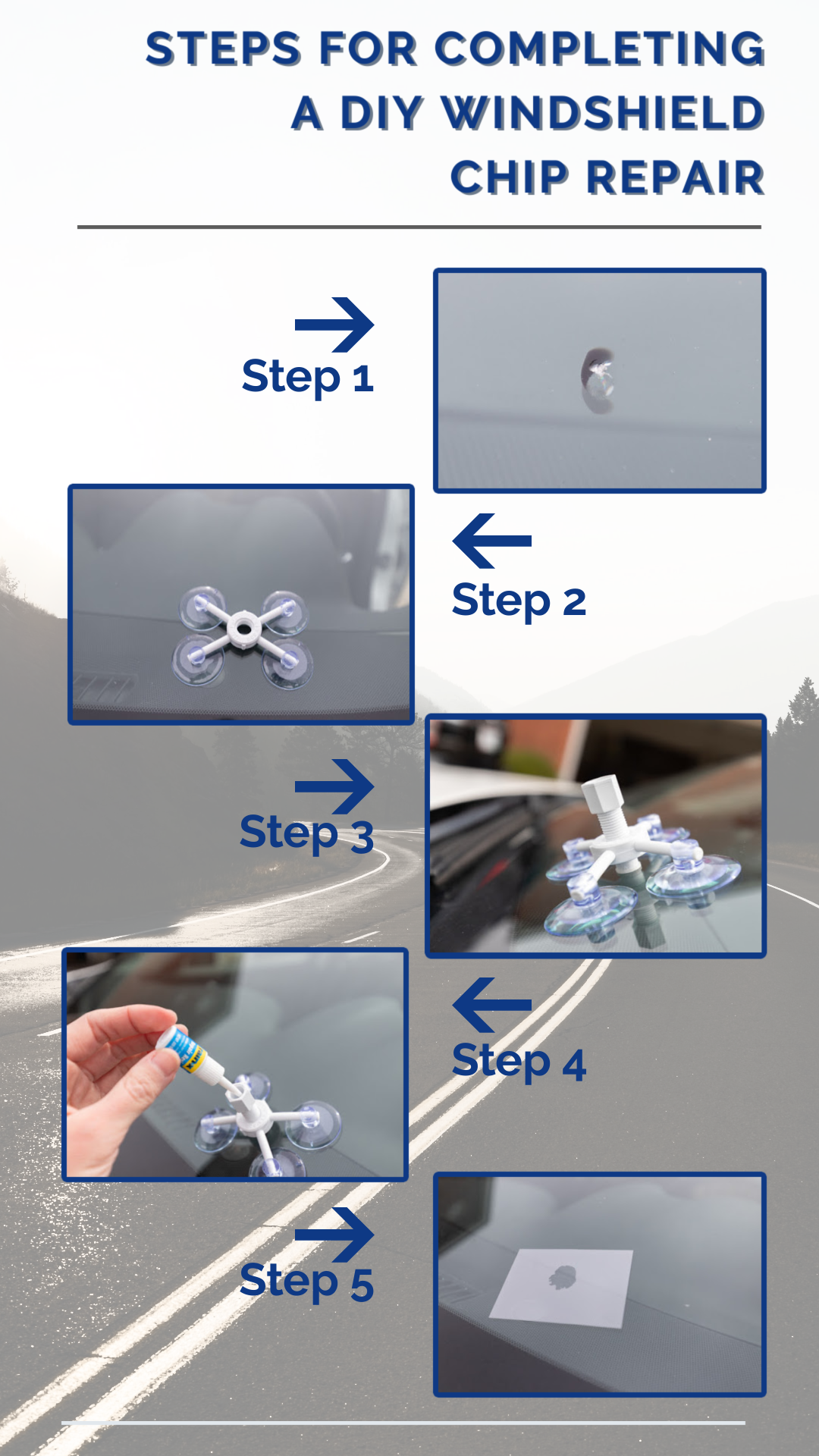
    Credit: affordableautoglasswi.com

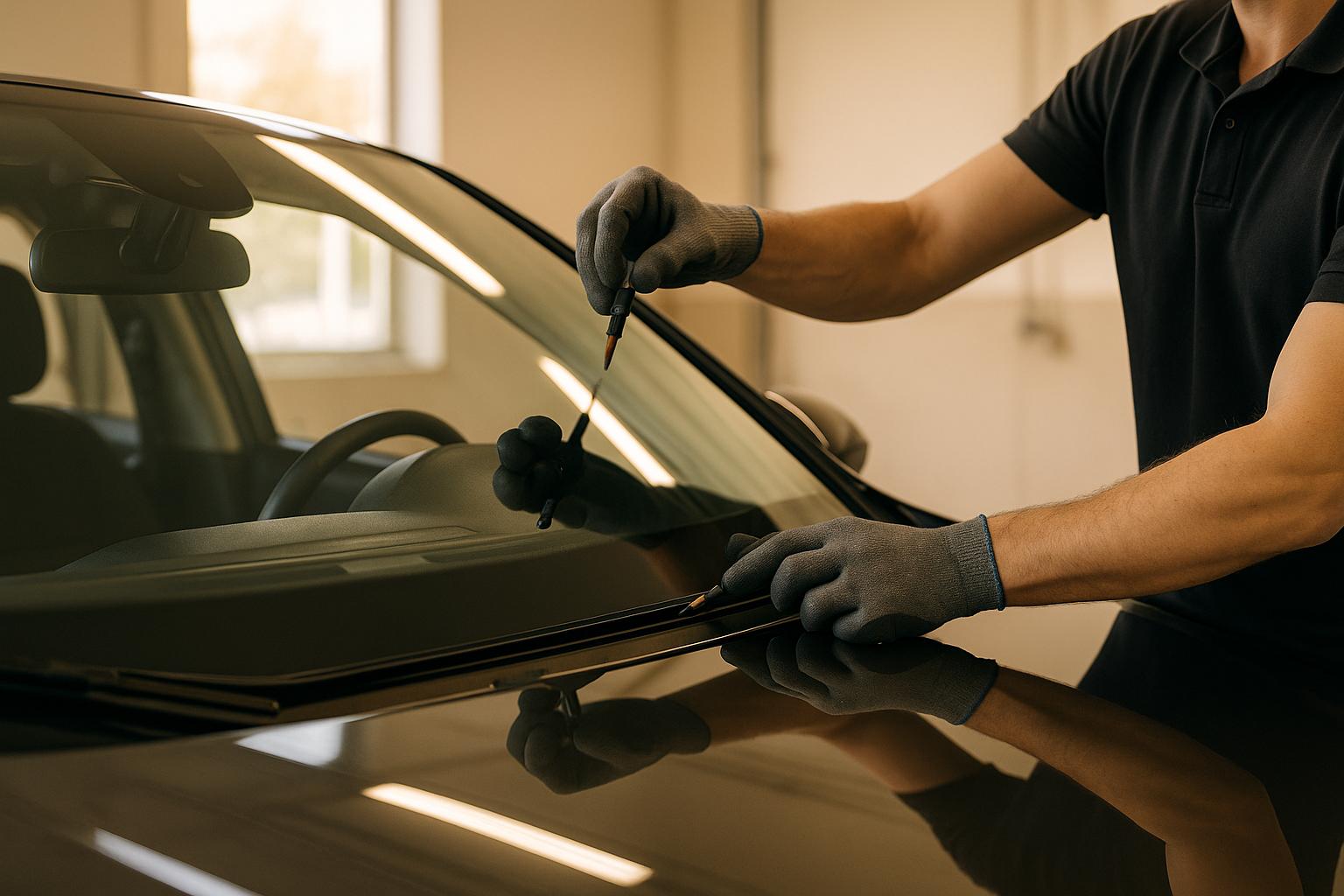
    Super Glue As A Repair Option

    Super glue is a common household adhesive. People often consider it for quick fixes, including small windshield chips. It is cheap and easy to find. But can it really repair a windshield chip? Understanding its properties and how it works on glass helps answer this.

    Properties Of Super Glue

    Super glue is also called cyanoacrylate. It bonds quickly to many surfaces. It dries hard and clear. The glue works well on plastics, metals, and ceramics. It forms a strong, rigid bond. It is water-resistant but not heat-proof. The glue sets in seconds with moisture.

    Effectiveness On Glass

    Super glue sticks to glass but has limits. It can fill tiny cracks temporarily. It prevents dirt from entering the chip. The bond is not flexible, so it may crack again. The glue does not restore windshield strength. It cannot replace professional resin repairs. Use super glue only as a short-term fix.

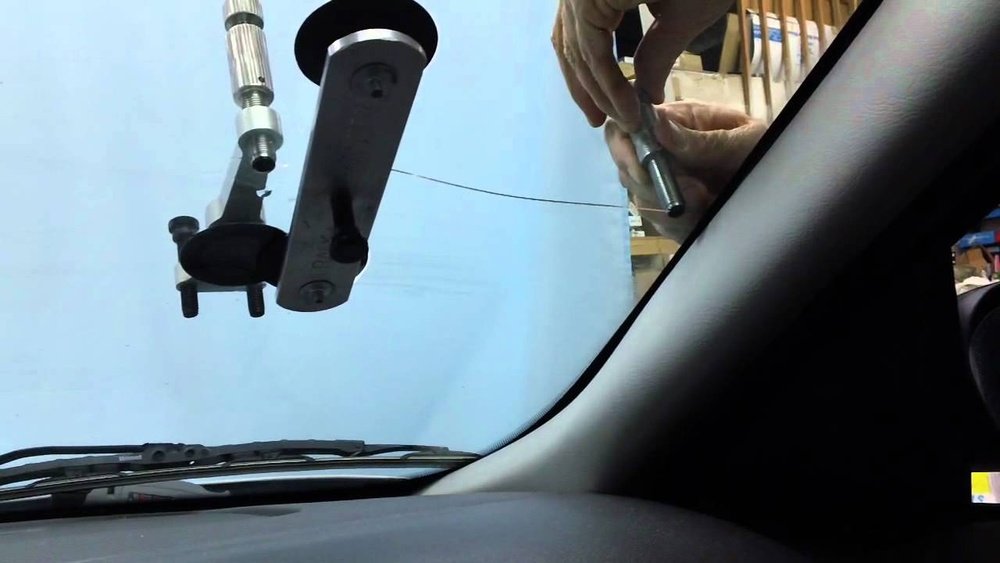
    Step-by-step Guide To Using Super Glue

    Fixing a windshield chip with super glue is a quick and simple process. This step-by-step guide helps you repair the chip safely. Follow each step carefully to improve your windshield’s condition. Using super glue can stop the chip from spreading and reduce visibility issues.

    Preparing The Chip Area

    Clean the chip area with rubbing alcohol. Remove dirt, dust, and moisture for better glue adhesion. Use a soft cloth to dry the area completely. Avoid touching the chip with your fingers. Dirt or oils can weaken the glue’s hold.

    Applying The Glue Correctly

    Apply a small amount of super glue directly into the chip. Do not overfill the chip to prevent overflow. Use a toothpick or a fine applicator for precision. Fill the chip slowly, allowing the glue to settle inside. Avoid spreading glue outside the damaged area.

    Curing And Finishing

    Let the glue dry for at least 10 minutes. Keep the windshield still during this time. After drying, gently remove excess glue with a razor blade. Do this carefully to avoid scratching the glass. The chip should now be less visible and more stable.

    Limitations Of Super Glue Repairs

    Super glue might seem like a quick fix for a windshield chip. It can fill small cracks and stop dirt from entering. Yet, its ability to repair chips is very limited. Understanding these limits can save time and money. It also helps keep your windshield safe.

    When Super Glue Won’t Work

    Super glue cannot fix large cracks or deep chips. It does not bond well with glass under stress. Windshield damage from accidents or temperature changes needs special repair. Super glue also does not restore the glass strength. It may leave bubbles or uneven surfaces. These issues can blur your vision while driving.

    Risks Of Diy Repair

    Using super glue on your windshield can cause more harm. It may trap dirt inside the chip. This makes professional repair harder or impossible. Poor repairs can spread cracks faster. You might end up with a bigger, costly problem. Also, super glue is not designed for glass safety standards. This means it cannot protect you in a crash.

    Professional Windshield Repair Alternatives

    Super glue is not the best choice for fixing windshield chips. It might seem easy, but it does not offer a strong or lasting fix. Professionals use better methods to repair chips safely and effectively. These methods help keep your windshield clear and safe.

    Resin Injection Method

    The resin injection method fills the chip with special resin. This resin matches the glass and seals the crack tightly. It stops the chip from spreading further. After the resin dries, the area looks smooth and clear. This method restores strength to the windshield. It is fast and affordable. Most repair shops offer this service.

    Replacement Options

    Sometimes, the chip is too big or in a bad spot. In these cases, repair might not work well. The best choice is to replace the entire windshield. Professionals remove the old glass carefully. Then, they install a new windshield that fits perfectly. This option costs more but ensures safety. A new windshield also restores full visibility. Regular checks help decide the right option for your car.

    Preventing Windshield Chips

    Preventing windshield chips saves time and money. Small chips can grow into big cracks. Taking simple steps helps keep your windshield clear and strong. Drive carefully and protect your glass from damage. These actions reduce the risk of chips and cracks.

    Safe Driving Tips

    Drive at a steady speed. Avoid sudden stops and sharp turns. Keep a safe distance from other vehicles, especially trucks. Rocks and debris fly more from larger vehicles. Slow down on gravel or uneven roads. This lowers the chance of hitting loose stones. Check your tires for proper pressure. Good tires improve control and reduce rock spray.

    Protective Measures

    Park your car in a garage or covered area. Avoid parking under trees that drop branches or seeds. Use a windshield cover during bad weather. This prevents hail or falling debris from hitting the glass. Replace old or worn wiper blades. Clean blades reduce scratches and damage. Consider applying a clear protective film on your windshield. It adds an extra layer against chips and cracks.

    Can Super Glue Fix Windshield Chip? Expert Tips Revealed!

    Credit: www.youtube.com

    Frequently Asked Questions

    Can Super Glue Repair A Windshield Chip Effectively?

    Super glue can temporarily seal small windshield chips. However, it lacks strength and flexibility. Professional repair kits or services provide a more durable, safer fix for chips and cracks.

    Is Super Glue Safe To Use On Windshield Chips?

    Super glue is not designed for windshield repair. It can cause further damage or reduce visibility. Use only products made specifically for glass chip repair.

    How Long Does Super Glue Last On A Windshield Chip?

    Super glue on a chip may last a few days. It is not a permanent solution. Professional repairs or resin kits last much longer and restore glass integrity.

    What Are The Risks Of Using Super Glue On Windshield Chips?

    Using super glue risks worsening cracks and impairing windshield strength. It can create uneven surfaces, affecting visibility and safety. Proper repair methods are safer and more effective.

    Conclusion

    Super glue might seem like a quick fix for windshield chips. It can fill small cracks temporarily but does not restore full strength. Windshield damage often needs proper repair to keep you safe. Using the right tools and materials matters for lasting results.

    Small chips can spread and cause bigger problems if ignored. Visiting a professional ensures your windshield stays strong and clear. Safety should always come first when dealing with glass damage. Choose the best option for your car’s health and your peace of mind.

  • How to Clean Car Windshield With Mr Clean Eraser: Spotless & Streak-Free Tips

    How to Clean Car Windshield With Mr Clean Eraser: Spotless & Streak-Free Tips

    Your car’s windshield is one of the most important parts for clear vision and safe driving. But over time, dirt, grime, and stubborn spots can build up, making it hard to see clearly.

    What if there was an easy, quick way to get your windshield sparkling clean without harsh chemicals? That’s where the Mr Clean Eraser comes in. You’ll discover simple steps to use this powerful tool to make your windshield look like new.

    Keep reading, and you’ll never struggle with a dirty windshield again.

    How to Clean Car Windshield With Mr Clean Eraser: Spotless & Streak-Free Tips

    Credit: www.youtube.com

    Gathering Your Supplies

    Cleaning your car windshield with a Mr Clean Eraser needs the right tools. Gathering your supplies first saves time and gives better results. Preparation is key to a streak-free, clear windshield. Let’s explore what you need.

    Choosing The Right Mr Clean Eraser

    Pick a Mr Clean Eraser made for tough stains. Some erasers are softer, some harder. Choose one that cleans glass without scratching. A medium-firm eraser usually works best on windshields. Avoid erasers with added chemicals or scents. Pure melamine foam is ideal for safe, strong cleaning.

    Additional Cleaning Materials Needed

    Besides the eraser, gather a spray bottle with water or glass cleaner. Use a microfiber cloth for wiping. Avoid rough towels that can scratch glass. A small bucket with warm water helps rinse the eraser. Have paper towels ready for drying the glass. These materials work together for a spotless finish.

    How to Clean Car Windshield With Mr Clean Eraser: Spotless & Streak-Free Tips

    Credit: www.youtube.com

    Preparing The Windshield

    Preparing the windshield is the first step before using Mr Clean Eraser. A clean surface helps the eraser work better. Dirt and dust can scratch the glass if not removed first. Proper preparation saves time and effort.

    Removing Loose Dirt And Debris

    Start by wiping the windshield with a soft cloth or brush. This removes loose dirt and dust. Use gentle strokes to avoid scratching the glass. Check corners and edges where dirt collects. Cleaning these spots prevents smearing later.

    Wet Or Dry: Best Surface Condition

    Decide whether to clean the windshield wet or dry. A slightly damp surface helps remove stubborn dirt. Use a spray bottle with water for light misting. Avoid soaking the glass to prevent streaks. Dry surfaces work well for light dust only.

    Using Mr Clean Eraser Effectively

    Using Mr Clean Eraser effectively can make cleaning your car windshield easier and faster. This tool removes dirt, grime, and tough spots without much effort. Proper use helps keep your windshield clear and safe for driving. Follow these tips to get the best results and avoid damage.

    Proper Technique For Stubborn Spots

    Start by wetting the Mr Clean Eraser slightly. Gently rub the stubborn spots in a circular motion. Do not press too hard to avoid wearing out the eraser quickly. Rinse the eraser often to remove dirt buildup. Repeat the process until the spots disappear. Use light pressure for best cleaning results.

    Avoiding Scratches And Damage

    Always wet the windshield before using the eraser. Dry wiping can cause scratches on the glass. Test the eraser on a small hidden area first. Avoid using the eraser on tinted or coated windshields. Keep the eraser clean and free from grit. Store it in a dry place to maintain its quality.

    Finishing Touches

    After scrubbing your car windshield with the Mr Clean Eraser, the job is almost done. The final steps help ensure your glass looks clear and spotless. Finishing touches remove leftover dirt and polish the surface.

    These steps make your windshield safe and easy to see through. A clean windshield improves driving comfort and safety. Let’s explore how to complete the cleaning with care.

    Wiping Away Residue

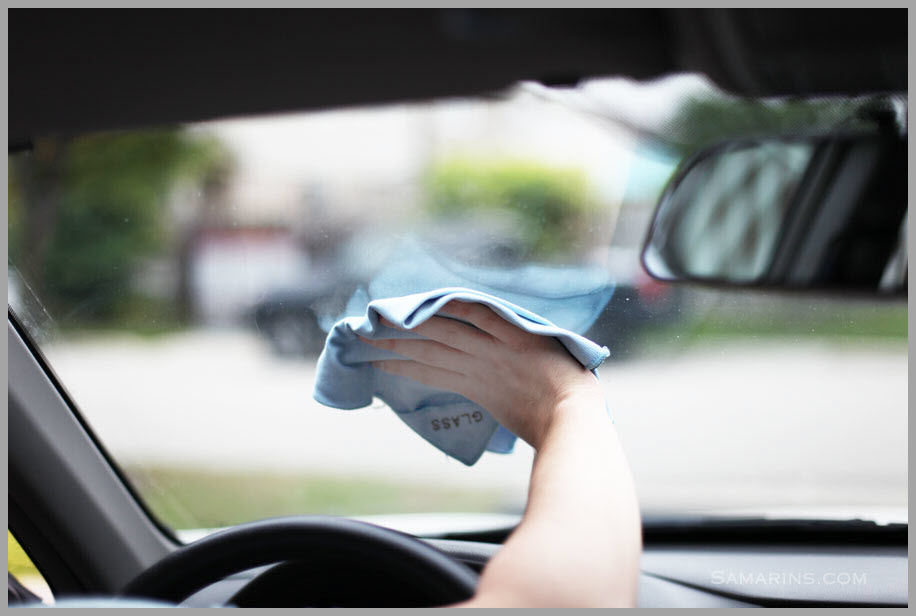
    Use a clean, dry microfiber cloth to wipe the windshield. Lightly press and move the cloth in circular motions. This removes any eraser crumbs or tiny dirt particles left behind.

    Do not use paper towels. They can leave lint or scratch the glass. Microfiber cloths are soft and absorbent, perfect for this task.

    Checking For Streaks And Smudges

    Look at the glass from different angles under good light. Streaks or smudges show as shiny or dull patches. Use a damp cloth to gently wipe these areas again.

    Dry the glass with a fresh cloth afterward. Repeat this process until the windshield is clear and even. Clean glass means better vision while driving.

    Maintenance Tips

    Keeping your car windshield clean improves visibility and safety. Using Mr Clean Eraser makes cleaning easy and effective. Follow these maintenance tips to keep your windshield spotless and clear for longer.

    Regular Cleaning Schedule

    Clean your windshield every two weeks to stop dirt build-up. Use the Mr Clean Eraser gently to remove tough grime. Regular cleaning prevents stubborn stains and keeps your glass clear. A clean windshield makes driving safer and more comfortable.

    Preventing Future Build-up

    Park your car in shaded areas to reduce dust and dirt. Avoid parking under trees where sap and bird droppings fall. Use a windshield protector to keep dirt away. Wipe your windshield with a soft cloth daily to stop dust from settling. These small steps keep your windshield cleaner longer.

    How to Clean Car Windshield With Mr Clean Eraser: Spotless & Streak-Free Tips

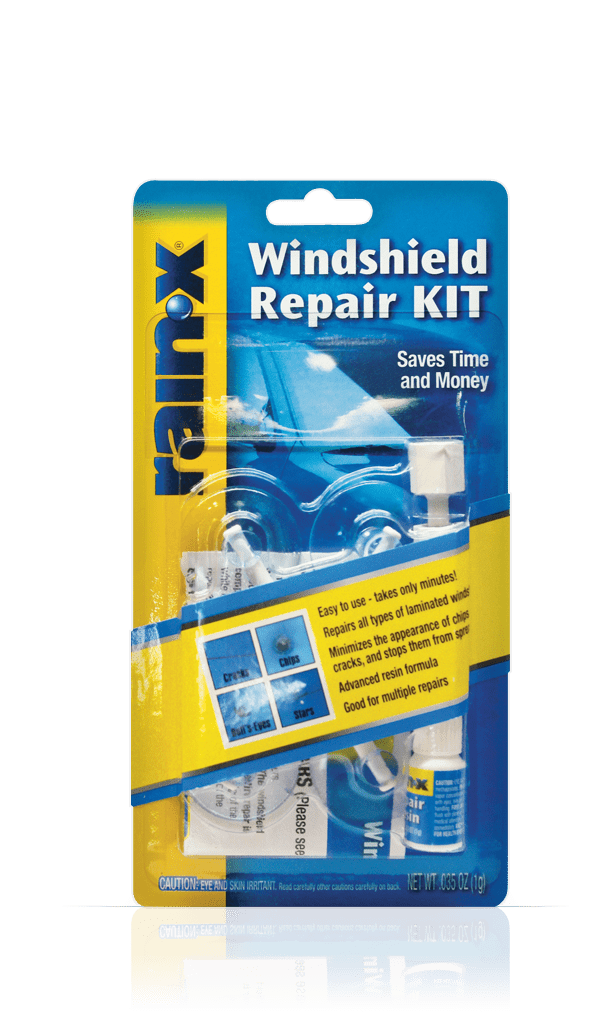
    Credit: www.amazon.ie

    Frequently Asked Questions

    How Effective Is Mr Clean Eraser On Car Windshields?

    Mr Clean Eraser removes dirt, grime, and stubborn stains effectively. It cleans without harsh chemicals, restoring clarity and shine. It’s ideal for quick, streak-free windshield cleaning.

    Can Mr Clean Eraser Scratch My Car Windshield?

    No, Mr Clean Eraser is safe for glass surfaces. Use it gently with water to avoid scratches. Avoid using on dry surfaces to prevent any damage.

    How Do I Use Mr Clean Eraser To Clean Windshields?

    Wet the Mr Clean Eraser with water and gently scrub the windshield. Rinse the surface with clean water and wipe dry with a microfiber cloth for best results.

    Is Mr Clean Eraser Better Than Regular Glass Cleaners?

    Yes, it removes tough stains that glass cleaners often miss. It requires only water, making it eco-friendly and cost-effective. It leaves no residue or streaks.

    Conclusion

    Cleaning your car windshield with Mr Clean Eraser is quick and easy. It removes dirt and grime without harsh chemicals. You only need a few simple steps to get clear glass. This method saves time and effort. Keep your windshield spotless for safer driving.

    Try this simple cleaning trick today. Your car will look fresh and neat again. No need for expensive cleaners or tools. Just a Mr Clean Eraser and some water. Clear views make every drive more enjoyable.

  • How Long Does Side Window Glass Last: Ultimate Lifespan Guide

    How Long Does Side Window Glass Last: Ultimate Lifespan Guide

    Have you ever wondered how long your car’s side window glass can actually last? You rely on it every day for safety, comfort, and visibility.

    But do you know when it might start to weaken or need replacing? Understanding the lifespan of your side window glass can save you from unexpected repairs and keep your ride secure. You’ll discover the key factors that affect how long your side window glass lasts and what signs you should watch for.

    Keep reading to protect your car and your peace of mind.

    How Long Does Side Window Glass Last: Ultimate Lifespan Guide

    Credit: www.speersautoglass.ca

    Factors Affecting Side Window Glass Lifespan

    The lifespan of side window glass depends on several key factors. These factors influence how long the glass remains strong and clear. Understanding them helps in making better choices for your vehicle’s windows.

    Material Quality

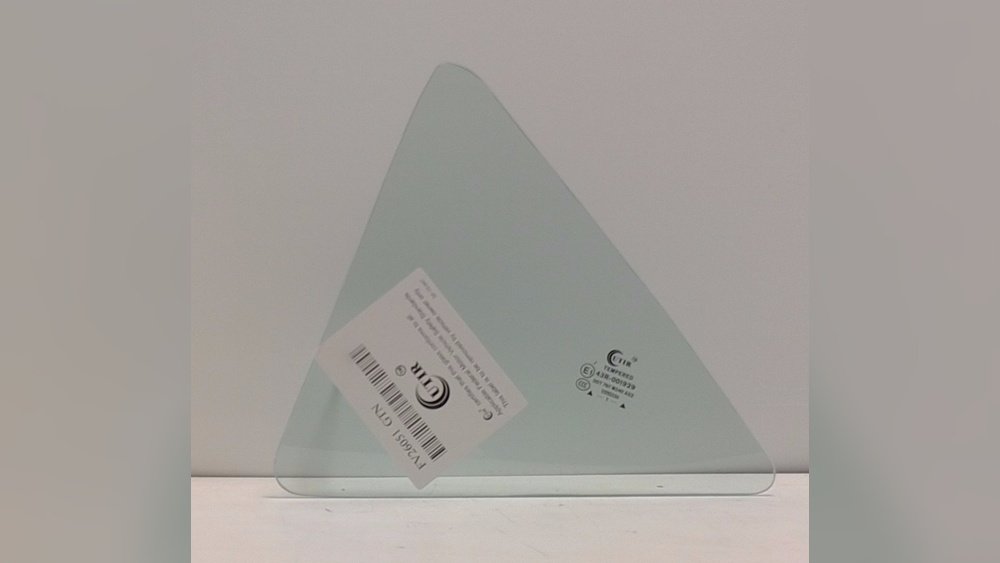
    The type of glass used affects its durability. Tempered glass is common and breaks into small pieces safely. Laminated glass holds together better after impact. Higher quality glass resists scratches and cracks longer. Cheap glass may weaken faster under stress.

    Environmental Exposure

    Sunlight can cause glass to weaken over time. Extreme temperatures create stress that leads to cracks. Salt from coastal areas speeds up glass deterioration. Dust and debris can scratch the surface, reducing clarity. Protecting glass from harsh elements extends its life.

    Usage Patterns

    Frequent opening and closing puts pressure on the glass edges. Rough handling or sudden impacts cause chips or cracks. Parking in tight spaces raises the risk of damage. Careful use helps maintain the glass’s strength and appearance. Consistent gentle use prolongs its lifespan.

    Maintenance Practices

    Regular cleaning removes dirt that can scratch glass. Using soft cloths prevents micro-scratches and damage. Applying protective films shields from UV rays and impacts. Prompt repairs stop small chips from growing. Good maintenance keeps the window glass in top shape.

    Average Lifespan Of Side Window Glass

    Side window glass plays a key role in vehicle safety and comfort. Knowing its average lifespan helps in planning maintenance and replacements. The durability depends on glass type, vehicle use, and environmental factors. Understanding these helps keep your car safe and looking good.

    Standard Automotive Glass

    Most side windows use tempered glass. It is heat-treated to increase strength. This glass usually lasts 10 to 15 years. It resists scratches and minor impacts well. Still, it can shatter under strong force.

    Tempered Vs Laminated Glass

    Tempered glass breaks into small pieces for safety. Laminated glass holds together when cracked. Laminated glass lasts longer but costs more. Some luxury cars use laminated side windows. It offers better noise reduction and security.

    Impact Of Vehicle Type

    Type of vehicle affects window glass life. Trucks and off-road vehicles face rough conditions. This can shorten glass lifespan to 5-8 years. Sedans and city cars usually have fewer risks. Their glass can last 10-15 years or more.

    Signs Of Wear And Damage

    Side window glass shows signs of wear and damage over time. These signs affect safety and visibility. Early detection helps prevent bigger problems. Watch for common issues like cracks, discoloration, and seal problems. Spotting these signs keeps your window strong and clear.

    Cracks And Chips

    Small cracks or chips can appear from stones or bumps. These damages may grow larger with time. Cracks weaken the glass and make it unsafe. Chips reduce the window’s ability to protect you. Fixing cracks early can save money and keep safety intact.

    Discoloration And Fogging

    Discoloration changes the glass color or clarity. It may look cloudy or yellowed. Fogging happens when moisture gets inside the glass layers. Both reduce visibility and look unattractive. They also show the glass is aging or damaged.

    Seal And Frame Issues

    The seal around the glass stops water and air leaks. Broken seals cause moisture and fog inside the window. Frame damage may bend or loosen the glass fit. These problems let in noise and cold air. Check seals and frames for cracks or gaps regularly.

    Extending Side Window Glass Longevity

    Side window glass can last many years with proper care. Taking steps to protect and maintain it helps avoid damage. Small efforts make a big difference in its lifespan. Let’s explore ways to keep your side window glass strong and clear for longer.

    Regular Cleaning Tips

    Clean side windows often to remove dirt and grime. Use a soft cloth and mild soap with water. Avoid harsh chemicals that can damage the glass surface. Dry the glass with a clean, lint-free cloth. Regular cleaning stops buildup that can cause scratches or stains.

    Protective Measures

    Park in shaded or covered areas to avoid sun damage. Use window shades to block harsh sunlight inside the car. Avoid slamming car doors to prevent stress on the glass. Consider applying a clear protective film to reduce scratches and chips. These small actions protect the glass from everyday wear.

    Timely Repairs

    Fix chips and cracks immediately to prevent spreading. Small damage can turn into bigger problems fast. Use professional services to ensure proper repair. Timely fixes save you money and extend window life. Don’t ignore even minor damage on side windows.

    When To Replace Side Window Glass

    Side window glass usually lasts many years but may need replacement due to damage or wear. Knowing when to replace it helps keep your vehicle safe and looking good. Watch for signs like cracks, chips, or fogging. These issues can worsen over time and affect driving safety.

    Safety Concerns

    Cracked or chipped glass can break unexpectedly. This puts you and passengers at risk. Damaged glass may not protect against wind, rain, or debris. It can also reduce visibility while driving. Replace glass that shows any damage to avoid accidents.

    Cost Vs Benefit

    Replacing side window glass costs money but prevents bigger problems. Small chips can grow into large cracks. A full replacement often costs more than fixing minor damage early. New glass improves car appearance and value. Investing in timely repairs saves money long term.

    Professional Inspection

    Experts can spot damage you might miss. They check for hidden cracks or weakness. A professional inspection tells you if replacement is necessary. Many auto shops offer free or low-cost checks. Regular inspections ensure your glass stays safe and strong.

    How Long Does Side Window Glass Last: Ultimate Lifespan Guide

    Credit: bluediamondautoglass.com

    How Long Does Side Window Glass Last: Ultimate Lifespan Guide

    Credit: www.amazon.com

    Frequently Asked Questions

    How Long Does Side Window Glass Typically Last?

    Side window glass can last 10 to 20 years or more with proper care. Its lifespan depends on exposure to weather and physical damage. Regular maintenance and avoiding impacts extend its durability.

    What Factors Affect Side Window Glass Lifespan?

    Exposure to harsh weather, UV rays, and physical impacts reduce side window glass life. Poor installation and low-quality materials also shorten its durability. Proper care and quality glass improve longevity significantly.

    How To Know When Side Window Glass Needs Replacement?

    Signs like cracks, chips, fogging, or difficulty in operation indicate replacement. If damage compromises safety or visibility, replacing glass is essential. Timely replacement ensures vehicle safety and comfort.

    Can Side Window Glass Be Repaired Instead Of Replaced?

    Minor chips or cracks can sometimes be repaired professionally. Large cracks or shattered glass require full replacement. Repair is cost-effective but depends on damage size and location.

    Conclusion

    Side window glass usually lasts many years with proper care. Small chips or cracks can shorten its life. Regular cleaning helps keep it clear and strong. Avoid hitting curbs or objects that may cause damage. Replace the glass quickly if you notice cracks or breaks.

    Taking simple steps keeps your car safe and looking good. Remember, good care extends the glass’s life and your driving comfort. Stay alert to any damage and act fast to fix it. Your side window glass can serve you well for a long time.

  • How Weather Affects Glass Safety: Essential Tips to Protect Your Home

    Have you ever wondered how the weather outside can impact the safety of your glass windows and doors? Whether it’s a scorching summer day or a freezing winter night, changes in temperature and weather conditions play a big role in how glass holds up.

    Understanding these effects can help you protect your home, avoid costly repairs, and keep your family safe. Keep reading to discover surprising facts about weather and glass safety that could change the way you think about your windows forever.

    Weather And Glass Risks

    Weather plays a big role in glass safety. Different weather conditions can cause glass to weaken or break. Understanding these risks helps protect homes and buildings. Let’s explore how weather affects glass in detail.

    Impact Of Temperature Changes

    Glass expands and contracts with temperature shifts. Sudden hot or cold changes create stress inside the glass. This stress can cause cracks or shattering. Double-glazed windows handle temperature better but are not immune. Temperature changes must be considered in glass design and installation.

    Effects Of Humidity And Moisture

    Moisture can seep into glass frames and weaken seals. High humidity causes condensation, which may lead to mold or rot. Water trapped between glass layers reduces clarity and strength. Proper sealing and ventilation prevent moisture problems. Moisture damage lowers glass safety over time.

    Storms And Wind Pressure

    Strong winds push hard against glass surfaces. Storm debris can hit and crack glass easily. High wind pressure strains window frames and glass panels. Impact-resistant glass offers better protection against storms. Regular checks for damage ensure glass stays safe after storms.

    Sun Exposure And Uv Damage

    Sunlight causes gradual damage to glass and frames. UV rays weaken the glass surface over time. Prolonged sun exposure can cause discoloration and brittleness. Protective coatings help reduce UV damage. Glass exposed to sun needs extra care to stay safe.

    How Weather Affects Glass Safety: Essential Tips to Protect Your Home

    Credit: www.lowpriceautoglassescondido.com

    Common Glass Damage Types

    Glass damage occurs in many forms due to weather changes. Understanding these common types helps protect your glass surfaces. Weather elements like heat, cold, moisture, and wind play a big role in causing damage. Each type of damage affects glass safety and appearance differently.

    Cracks And Breakage

    Temperature changes cause glass to expand and contract. This stress can lead to cracks or complete breakage. Strong winds or hailstorms also cause impact damage. Cracks reduce the strength of glass and increase the risk of shattering.

    Fogging And Condensation

    Moisture trapped between glass layers causes fogging. This happens often in double-pane windows with broken seals. Fogging blocks clear vision and weakens glass insulation. Condensation also promotes mold growth around the glass edges.

    Discoloration And Fading

    Sunlight exposure can cause glass to discolor over time. UV rays fade coatings and tinting on glass surfaces. This damage affects the glass look and reduces its protective qualities. Discolored glass loses its original clarity and appeal.

    Seal Failures

    Seals keep glass panes tightly joined and insulated. Weather changes cause seals to crack or peel away. Seal failures let air and moisture inside the glass units. This leads to fogging, reduced insulation, and faster glass wear.

    Choosing Weather-resistant Glass

    Choosing the right glass can protect your home from harsh weather. Weather-resistant glass keeps you safe during storms, extreme heat, and cold. It helps maintain indoor comfort and lowers energy bills. Different types of glass serve different weather needs. Understanding these options helps you pick the best glass for your windows and doors.

    Tempered And Laminated Glass Benefits

    Tempered glass is strong and breaks into small, safe pieces. It resists impacts from wind-driven debris. Laminated glass has a plastic layer between two glass sheets. This layer holds glass together if it breaks. Laminated glass blocks harmful UV rays and reduces noise. Both types enhance safety and durability in bad weather.

    Low-e Coatings For Protection

    Low-E coatings reflect heat, keeping your home cooler in summer. They also keep warmth inside during winter. These coatings reduce glare and protect furniture from fading. Low-E glass improves energy efficiency and comfort. It works well in all climates and weather conditions.

    Double And Triple Glazing Options

    Double glazing has two glass panes with a space in between. This space acts as insulation against heat and cold. Triple glazing adds a third pane for extra protection. These options reduce noise from outside. They help maintain a steady indoor temperature year-round. Double and triple glazing increase glass strength and weather resistance.

    How Weather Affects Glass Safety: Essential Tips to Protect Your Home

    Credit: www.hughesandcoleman.com

    Maintenance Tips For Glass Safety

    Maintaining glass safety is important for every building. Weather can cause damage over time. Regular care helps protect glass and keeps it strong. Follow simple maintenance tips to avoid problems and extend glass life.

    Regular Cleaning Techniques

    Clean glass often to remove dirt and grime. Use soft cloths or sponges with mild soap. Avoid harsh chemicals that can weaken glass surfaces. Rinse well to stop residue build-up. Dry with a clean cloth to prevent streaks.

    Inspecting For Damage

    Check glass for cracks, chips, or scratches regularly. Small issues can grow bigger with weather changes. Look closely at edges and corners where damage starts. Early detection helps prevent accidents and costly repairs.

    Sealing And Caulking Tips

    Seal gaps around glass frames to keep out water and air. Use quality caulking that suits your climate. Replace old or cracked seals quickly. Proper sealing stops moisture damage and improves glass strength.

    Handling Repairs Promptly

    Fix any glass damage as soon as possible. Delays increase risks of breakage and injury. Call professionals for serious cracks or broken panes. Quick repairs keep glass safe and maintain building security.

    Preventive Measures For Extreme Weather

    Extreme weather can damage glass and cause safety issues. Taking steps before storms helps protect windows and glass doors. These measures reduce the risk of breakage and injury. Preparing your home increases safety and lowers repair costs.

    Installing Storm Shutters

    Storm shutters cover windows during high winds. They shield glass from flying debris and hail. Metal or heavy-duty plastic shutters work best. Attach them firmly to avoid gaps. Shutters also block wind pressure on glass. Use them in hurricane-prone areas for strong protection.

    Using Protective Films

    Protective films stick to glass surfaces. They hold shattered glass pieces together. Films reduce the chance of glass flying during breakage. Choose thick, clear films for better strength. Films also block some UV rays and heat. Apply films on all vulnerable windows.

    Landscaping To Reduce Impact

    Plants and trees can shield glass from debris. Use shrubs or bushes under windows. Keep trees trimmed to prevent broken branches. Avoid planting tall trees too close. Soft landscaping absorbs wind energy. This lowers the force hitting windows.

    Emergency Preparedness

    Prepare for glass damage during storms. Keep a supply of heavy tape to secure cracks. Have plywood sheets ready for quick window covers. Store a first aid kit nearby for injuries. Know where to find emergency contact numbers. Stay indoors and away from glass during storms.

    How Weather Affects Glass Safety: Essential Tips to Protect Your Home

    Credit: trueblueautoglass.com

    Frequently Asked Questions

    How Does Temperature Affect Glass Safety?

    Extreme temperatures cause glass to expand or contract. Rapid changes may lead to cracks or breakage, compromising safety.

    Can Weather Cause Glass To Shatter Unexpectedly?

    Yes, sudden weather shifts like hail or storms can stress glass. This increases the risk of spontaneous shattering.

    Does Humidity Impact Glass Durability?

    High humidity can weaken glass seals and frames. Over time, this reduces glass stability and safety.

    How Do Uv Rays Influence Glass Safety?

    UV rays degrade protective coatings on glass. This can reduce strength and make glass more prone to damage.

    Conclusion

    Weather can greatly impact glass safety in many ways. Hot sun can make glass expand and crack. Cold temperatures may cause glass to become brittle and break. Strong winds and storms add extra pressure, increasing the risk of damage. Knowing how weather affects glass helps keep homes and buildings safe.

    Regular checks and proper glass types can reduce risks. Stay aware and protect your glass from weather changes. Safety matters, no matter the season.

  • Does Side Window Glass Affect Safety: Essential Facts Revealed

    Does Side Window Glass Affect Safety: Essential Facts Revealed

    Have you ever wondered if the glass on your car’s side windows really makes a difference in your safety? You might think it’s just a simple piece of glass, but it plays a much bigger role than you realize.

    Whether you’re driving through busy city streets or cruising on the highway, the right side window glass can protect you in unexpected ways. Keep reading, and you’ll discover how this small part of your car can impact your safety—and what you should know to keep yourself and your passengers secure.

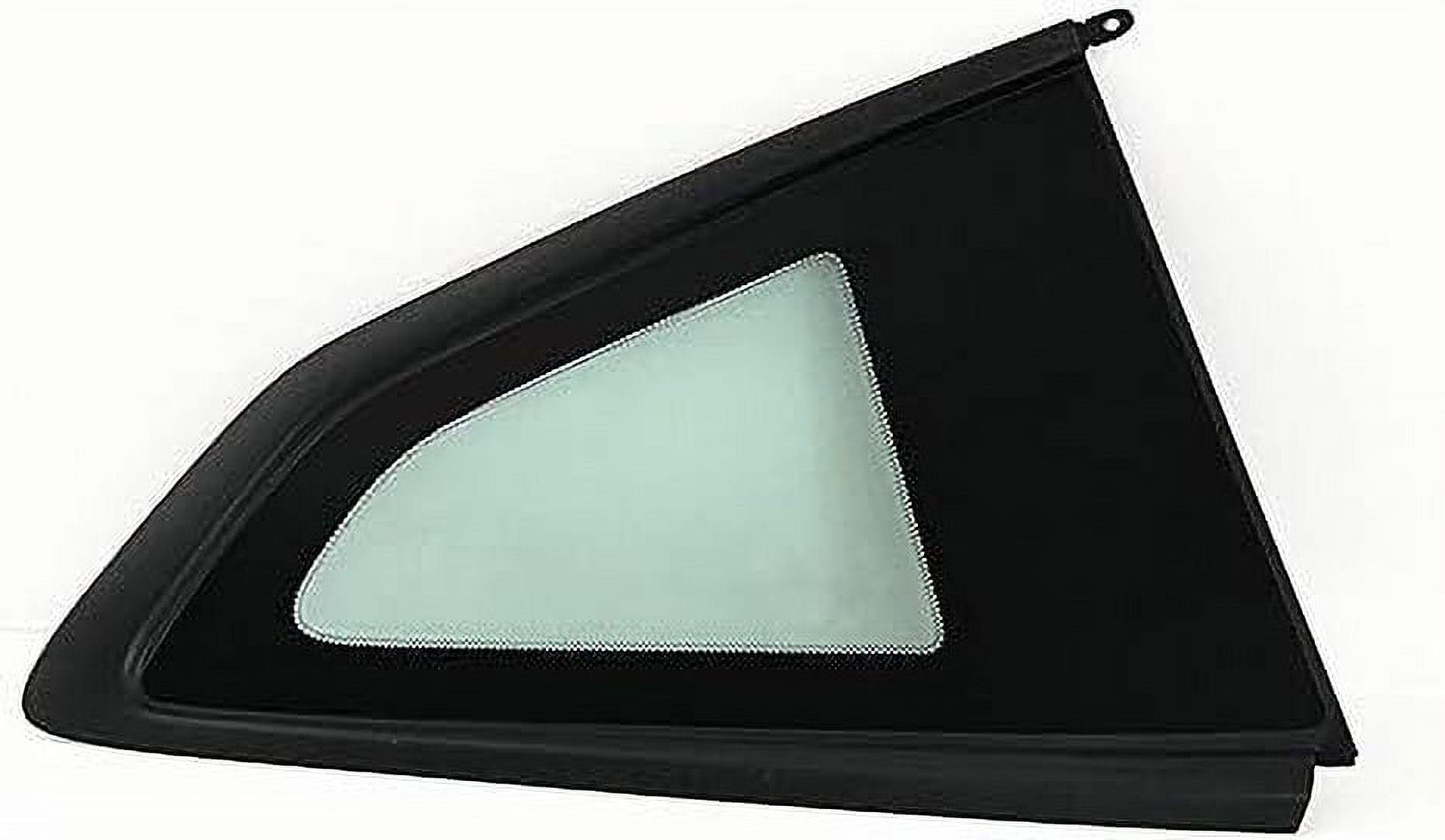
    Does Side Window Glass Affect Safety: Essential Facts Revealed

    Credit: www.fruugonorge.com

    Role Of Side Window Glass

    Side window glass plays an important role in vehicle safety. It protects passengers from outside elements. It also helps keep the car’s structure strong during a crash. The type and quality of this glass can affect how well it performs in accidents. Understanding its role helps us appreciate its value beyond just being a window.

    Types Of Side Window Glass

    There are mainly two types of side window glass. Tempered glass and laminated glass. Tempered glass breaks into small pieces when shattered. This reduces the chance of sharp injuries. Laminated glass has a plastic layer between two glass sheets. It stays mostly intact even if broken. This helps keep people inside the car safe.

    Material Properties

    Side window glass must be strong and clear. Tempered glass is heat-treated to improve strength. It can handle impacts better than regular glass. Laminated glass has a plastic layer called PVB. This layer holds glass pieces together. It also reduces noise and blocks harmful UV rays. These properties make side glass safer and more comfortable.

    Manufacturing Standards

    Manufacturers follow strict rules to make side window glass. These standards ensure glass meets safety and quality needs. Testing includes impact resistance, durability, and clarity. Cars must use approved glass to pass safety checks. This protects drivers and passengers during accidents. Meeting standards keeps everyone safer on the road.

    Does Side Window Glass Affect Safety: Essential Facts Revealed

    Credit: www.amazon.com

    Impact On Vehicle Safety

    The side window glass plays a key role in vehicle safety. It helps protect passengers in many ways. Its strength and design affect how well it performs during accidents. Understanding this impact helps us see why quality glass matters.

    Protection During Collisions

    Side windows act as barriers during crashes. They stop objects from entering the vehicle. This reduces the risk of injury from outside debris. Strong glass can absorb some impact force, protecting passengers better.

    Resistance To Shattering

    Most side windows use tempered glass. This glass breaks into small, dull pieces instead of sharp shards. This lowers the chance of cuts and serious wounds. The design helps keep passengers safe after the glass breaks.

    Role In Passenger Ejection Prevention

    Side windows help keep passengers inside the vehicle during accidents. They prevent passengers from being thrown out. This is important because being ejected greatly increases injury risk. Properly installed glass supports overall vehicle safety.

    Effect On Visibility

    Side window glass plays a big role in how well drivers see around them. Visibility affects safety by helping drivers notice other cars, pedestrians, and road signs. Clear side windows let in enough light and reduce blind spots. The type of glass and its treatment change how much drivers can see. Understanding these effects helps improve driving safety.

    Tinting And Light Transmission

    Tinted side windows block some sunlight and reduce glare. This helps drivers avoid eye strain on bright days. Dark tints, though, can lower how much light gets in. Low light inside the car makes it hard to see details. Laws often limit how dark tints can be to keep visibility safe.

    Impact On Driver Awareness

    Good visibility through side windows lets drivers spot nearby hazards. Clear glass helps notice cars in blind spots quickly. Drivers stay more aware of their surroundings with clean, untinted windows. Dirty or heavily tinted glass can hide important details. Awareness drops when drivers cannot see clearly around their vehicle.

    Nighttime And Weather Conditions

    At night, side windows need to let in enough light to see well. Too much tint makes it hard to spot other vehicles or obstacles. Rain, fog, or snow also reduce visibility through side windows. Clear glass helps drivers adjust to these conditions faster. Clean windows prevent glare from headlights and streetlights.

    Legal Regulations And Safety Standards

    Side window glass plays an important role in vehicle safety. Legal rules and safety standards guide how this glass should be made and used. These laws protect passengers and drivers by setting clear safety limits. Knowing these rules helps understand why certain types of glass are used in cars.

    Government Safety Requirements

    Governments set rules for side window glass to ensure safety. These rules include strength, thickness, and impact resistance. The glass must protect passengers from sharp objects and accidents. It must also allow clear vision for safe driving. Meeting these requirements is mandatory for all vehicle manufacturers.

    Certification And Testing

    Side window glass must pass strict tests before use. Tests check how the glass reacts to impacts and pressure. Certification proves the glass meets safety standards. This process helps avoid glass failures during accidents. Certified glass offers better protection for everyone inside the vehicle.

    Variations Across Regions

    Different countries have different rules for side window glass. Some areas require tempered glass, others use laminated glass. These differences depend on local safety priorities and laws. Car makers must follow the rules in each market. This ensures every vehicle is safe and legal where it is sold.

    Common Safety Concerns

    Side window glass plays a big role in vehicle safety. People often worry about how it affects protection during accidents. Understanding common safety concerns helps drivers make better choices. This section covers risks of glass breakage, effects of aftermarket changes, and options for repair or replacement.

    Glass Breakage Risks

    Side windows can break easily in crashes or impacts. Broken glass might cause injuries to passengers. Some side windows use tempered glass designed to shatter into small pieces. This reduces the risk of deep cuts. Still, glass breakage can let objects or people enter the vehicle. It may also affect how well the car protects during a rollover.

    Aftermarket Modifications

    Many drivers add tint or films to side windows. These changes can affect visibility, especially at night. Some films reduce glare, but others lower how much light enters. Poor-quality films might weaken the glass or cause it to break more easily. Aftermarket glass replacements might not meet safety standards. This can reduce the window’s strength and protection.

    Repair Vs Replacement

    Small chips or cracks in side windows can often be repaired. Repair keeps the glass strong and clear. Bigger damage usually requires full replacement. Using original equipment manufacturer (OEM) glass is best. OEM glass fits perfectly and meets safety rules. Cheap replacements might not protect well in crashes. Timely repair or replacement keeps side windows safe and reliable.

    Does Side Window Glass Affect Safety: Essential Facts Revealed

    Credit: gulfstreamkw.com

    Advancements In Side Window Glass

    Side window glass has improved a lot over the years. These changes help make cars safer and stronger. New types of glass protect passengers better during accidents. They also help stop injuries from broken glass.

    Many new technologies focus on making side windows tougher and smarter. These upgrades keep people inside safer and reduce damage outside the car. Here are some key advancements in side window glass.

    Laminated Glass Technology

    Laminated glass is made by layering glass with plastic. This design stops the glass from shattering easily. In a crash, the plastic holds the glass together. This reduces sharp glass pieces that can hurt passengers.

    Laminated glass also blocks noise and harmful UV rays. It adds strength without making the window too heavy. Many cars now use laminated glass for side windows to improve safety and comfort.

    Impact-resistant Coatings

    Special coatings on side windows make them stronger against hits. These coatings help the glass absorb impact energy. They prevent cracks from spreading quickly across the window.

    These coatings keep the glass intact even after a strong blow. This reduces the chance of glass breaking into sharp pieces. Cars with impact-resistant coatings offer better protection in accidents.

    Smart Glass Innovations

    Smart glass can change its transparency with electric signals. This lets drivers control how much light enters the car. It also helps reduce glare and heat from the sun.

    Some smart glass types can strengthen during impacts. They become harder to break in dangerous situations. This technology adds another layer of safety to side windows.

    Smart glass improves comfort and safety at the same time. It is becoming more common in new car models worldwide.

    Frequently Asked Questions

    Does Side Window Glass Improve Vehicle Safety?

    Side window glass enhances vehicle safety by providing structural support. It helps protect passengers during side impacts and rollovers. Laminated or tempered glass can reduce injury risks by minimizing glass shards. Properly maintained side windows improve visibility, further contributing to safer driving conditions.

    How Does Side Window Glass Affect Crash Protection?

    Side window glass affects crash protection by absorbing impact forces. Tempered glass shatters into small, less harmful pieces, reducing injury. Laminated glass holds together, preventing ejection from the vehicle. Both types contribute to passenger safety during collisions by limiting glass-related injuries.

    Can Side Window Glass Prevent Injuries In Accidents?

    Yes, side window glass can prevent injuries by reducing sharp shards. Laminated glass stays intact, protecting passengers from flying glass. Tempered glass breaks safely into tiny pieces. This minimizes cuts and other injuries in accidents, enhancing overall passenger safety.

    Is Laminated Side Window Glass Safer Than Tempered Glass?

    Laminated side window glass is generally safer than tempered glass. It stays bonded when broken, reducing the risk of ejection and cuts. Tempered glass shatters into small pieces but does not hold together. Laminated glass provides better protection in side-impact collisions.

    Conclusion

    Side window glass plays a role in vehicle safety. It helps protect passengers from outside dangers. The type of glass affects how it breaks during accidents. Some glass types reduce injury risks better than others. Choosing the right glass improves overall safety on the road.

    Always consider safety features when replacing or repairing windows. Clear, strong glass adds peace of mind while driving. Safety matters—side window glass is part of the picture.

  • Is Windshield Replacement Permanent? Truths You Need to Know

    Is Windshield Replacement Permanent? Truths You Need to Know

    Have you ever wondered if windshield replacement is truly permanent? When your windshield cracks or chips, you want a fix that lasts.

    You don’t want to worry about cracks spreading or needing another replacement soon. Understanding how durable a new windshield really is can save you time, money, and stress. You’ll discover what makes windshield replacement last, what factors could affect it, and how to protect your investment for the long haul.

    Keep reading to learn the truth about your windshield’s future.

    Is Windshield Replacement Permanent? Truths You Need to Know

    Credit: www.amazon.com

    How Windshield Replacement Works

    Understanding how windshield replacement works helps you trust the process and know what to expect. The procedure involves careful removal of the old glass and precise installation of a new one. Using the right materials and techniques ensures safety and durability for your vehicle.

    Materials Used

    Windshields are made of laminated glass. This glass has two layers with a plastic layer in between. The plastic layer holds the glass together if it breaks. This design keeps passengers safe during accidents. Adhesive sealants are used to bond the glass to the car frame. These sealants are strong and weather-resistant. They help keep the windshield in place and stop leaks.

    Installation Process

    The technician first removes the damaged windshield carefully. Old adhesive is cleaned from the frame to prepare for the new glass. Next, a fresh layer of adhesive is applied evenly. The new windshield is placed and pressed firmly into position. The adhesive needs time to cure and form a strong bond. During this time, the vehicle should not be moved. Proper installation ensures the windshield stays secure and protects you on the road.

    Durability Of Replaced Windshields

    Replaced windshields can be very durable and last for many years. Their strength depends on the quality of materials and the installation process. A properly replaced windshield can protect you just as well as the original one. It also keeps your car safe during accidents and bad weather. Understanding what affects the durability helps you care for it better.

    Factors Affecting Longevity

    The type of glass used matters a lot. OEM (original equipment manufacturer) glass usually lasts longer than cheaper alternatives. The skill of the installer also plays a big role. Poor installation may cause leaks or cracks later. Environmental factors like extreme heat or cold can weaken the glass over time. Road conditions and driving habits also affect how long a windshield lasts.

    Common Issues After Replacement

    Sometimes, replaced windshields develop small cracks or chips soon after installation. These can happen due to stress on the glass or poor fitting. Leaks around the edges are also common if the seal is not tight. Some drivers notice wind noise or vibrations if the windshield is not properly aligned. Regular checks help catch these problems early and keep the windshield safe.

    Signs Of A Permanent Fix

    A permanent windshield replacement means your glass is secure and safe. It should last for years without problems. Knowing the signs of a permanent fix helps you trust the repair work. It also keeps you safe on the road. Here are key signs to watch for after replacement.

    Proper Adhesion Indicators

    The glass must stick firmly to the car frame. No gaps or loose spots should appear. The sealant should be dry and clear, not sticky or soft. A strong bond means the windshield will stay in place during driving. The adhesive must cure fully, usually within a day. This ensures the glass handles bumps and pressure well.

    Visual And Structural Checks

    Look for any cracks or chips along the edges. The glass should fit evenly with the car body. No lifting or uneven gaps should show. The windshield must be clean and free of fog inside. Test the glass by gently pressing on it. It should not move or flex. A well-installed windshield keeps water out and does not rattle while driving.

    When Windshield Replacement Might Fail

    Windshield replacement seems like a permanent fix. Still, certain factors can cause it to fail over time. Understanding these risks helps you protect your new windshield. Knowing what can go wrong also guides you to maintain the replacement properly.

    Poor Installation Risks

    Wrong installation often leads to early failure. The glass might not fit tightly. Loose windshields allow water or air leaks. It can also weaken the car’s structure in crashes. Poor adhesive use causes the glass to detach. Using cheap or wrong materials lowers durability. Skilled technicians ensure the windshield stays secure and safe.

    Environmental Impacts

    Extreme weather harms windshield durability. Hot sun can weaken glue and glass. Cold temperatures cause cracks to spread fast. Road salt and dirt damage the seal. Strong winds or debris may chip the glass. Regular cleaning and parking in shade help prevent damage. Taking care of your windshield extends its life.

    Maintenance Tips For Longevity

    Proper care can extend the life of your windshield replacement. Simple steps keep it clear and strong. Regular maintenance helps avoid cracks and chips. It also improves safety while driving.

    Follow these tips to keep your windshield in top shape for years. Small efforts make a big difference in durability.

    Cleaning Guidelines

    Use a soft cloth or sponge to clean the glass. Avoid rough materials that can scratch the surface. Use mild soap and water for washing. Harsh chemicals can damage the glass or seals.

    Clean the windshield regularly to remove dirt and grime. Dry it gently with a microfiber towel. This prevents streaks and keeps visibility clear.

    Avoiding Damage

    Park in shaded or covered areas to protect from sun damage. Extreme heat can weaken the glass over time. Avoid sudden temperature changes, such as pouring hot water on ice.

    Drive carefully on rough roads to prevent chips from stones. Fix small chips quickly before they spread. Avoid leaning heavy objects against the windshield.

    Is Windshield Replacement Permanent? Truths You Need to Know

    Credit: www.permatex.com

    Comparing Replacement And Repair

    Choosing between windshield replacement and repair matters for safety and cost. Both options fix damage but differ in process and results. Understanding these differences helps in making a better choice for your vehicle.

    Cost Differences

    Repair usually costs less than replacement. Small chips or cracks can be fixed quickly. Replacement requires buying a new windshield and more labor. Insurance may cover repair fully or partly. Replacement often has a higher deductible or cost.

    Effectiveness And Durability

    Repair works well for minor damage only. It restores strength and stops cracks from growing. Replacement removes all damage and restores full strength. It ensures long-term durability and safety. Replacement is best for large cracks or shattered glass.

    Insurance And Warranty Considerations

    Understanding insurance and warranty is key for windshield replacement. These factors affect cost and future repairs. Knowing your coverage and warranty terms helps avoid surprises. Here’s what you need to know.

    Coverage For Replacement

    Many insurance plans cover windshield replacement. Some cover full costs, others require a deductible. Coverage depends on your policy type. Comprehensive insurance often includes glass damage. Check your policy details before scheduling replacement.

    Some insurers offer zero deductible for glass repair. This reduces your out-of-pocket expense. Filing a claim may affect your premiums. Always ask your insurer about claims impact. Using a recommended repair shop can help with claims.

    Warranty Terms

    Windshield replacements usually come with a warranty. The warranty covers defects in materials and workmanship. Warranty length varies by service provider. Common warranties last from 6 months to a lifetime.

    Understand what the warranty covers. It may not include damage from accidents or weather. Proper installation is key to warranty validity. Keep your warranty documents safe for future reference. This protects you against faulty replacements.

    Is Windshield Replacement Permanent? Truths You Need to Know

    Credit: www.permatex.com

    Frequently Asked Questions

    Is Windshield Replacement A Permanent Fix?

    Yes, windshield replacement is a permanent fix. The new glass is securely bonded with strong adhesives. It restores your vehicle’s safety and structural integrity effectively.

    How Long Does Windshield Replacement Last?

    A properly installed windshield can last for many years. Its durability depends on driving conditions and maintenance. Regular care helps maintain clarity and strength.

    Can A Replaced Windshield Crack Again?

    Yes, a replaced windshield can crack if impacted by strong forces. Avoid hazards like debris and extreme temperature changes to reduce risks.

    Is Windshield Replacement Covered By Insurance?

    Many insurance policies cover windshield replacement, often without a deductible. Check your policy details or contact your insurer for specific coverage information.

    Conclusion

    Windshield replacement lasts long when done right. Proper care keeps your new windshield strong. Avoid harsh impacts to prevent new cracks. Clean it gently using soft cloths only. Regular checks help catch small chips early. Trust certified technicians for the best results.

    Your safety depends on a solid windshield. Quality replacement protects you on every drive. Keep your car’s glass clear and safe. Simple steps make the replacement truly permanent.

  • How to Clean Windshield Haze: Easy Tips for Crystal Clear Glass

    How to Clean Windshield Haze: Easy Tips for Crystal Clear Glass

    Have you ever noticed a blurry, cloudy film on your windshield that makes driving frustrating and unsafe? That haze can block your view and even cause eye strain.

    But don’t worry—cleaning it off is easier than you think. You’ll discover simple, effective ways to get your windshield crystal clear again. Keep reading, and you’ll learn how to protect your vision and drive with confidence every time you hit the road.

    How to Clean Windshield Haze: Easy Tips for Crystal Clear Glass

    Credit: www.youtube.com

    Causes Of Windshield Haze

    Windshield haze can reduce visibility and make driving unsafe. Understanding its causes helps you prevent and remove it effectively. Several factors contribute to the formation of this annoying film on your glass.

    Environmental Factors

    Dust and dirt from the road settle on the windshield over time. Pollution in the air adds a fine layer of grime. Sunlight heats this dirt, causing it to stick more firmly. Rain can mix with these particles, creating a stubborn haze.

    Interior Residue

    Inside the car, smoke and cooking smells leave oily films on the glass. Air fresheners and plastic materials release chemicals that cling to the windshield. Moisture from breath and humidity can cause fog and haze buildup. This inside layer often goes unnoticed but affects clarity.

    Poor Cleaning Habits

    Using dirty cloths or improper cleaners can spread dirt instead of removing it. Skipping regular cleaning allows grime to build up over weeks. Wiping with a dry cloth can create streaks and smear the haze. Proper tools and techniques are essential for a clear windshield.

    Tools And Materials Needed

    Cleaning windshield haze needs the right tools and materials. Using proper items makes the task easier and more effective. Prepare everything before starting for smooth cleaning. Below are key tools and materials needed to clear windshield haze safely and quickly.

    Cleaning Solutions

    Choose cleaning solutions made for glass. Avoid harsh chemicals that can damage the windshield. Mild dish soap mixed with water works well for light haze. For tougher haze, use a specialized glass cleaner or a vinegar solution. These solutions help dissolve grime and residue without scratching.

    Cloths And Towels

    Use soft, lint-free cloths to clean the glass. Microfiber towels are best because they absorb dirt and dry fast. Avoid rough or old rags that can scratch the windshield. Have several clean towels ready to wipe and buff the glass. Changing towels during cleaning prevents spreading dirt around.

    Specialized Tools

    Use tools designed for windshield cleaning. A plastic scraper can remove stuck debris without scratching. A soft-bristled brush helps reach corners and edges. For stubborn haze, a clay bar can lift contaminants from the glass surface. These tools improve cleaning results and protect the windshield.

    Preparing Your Windshield

    Preparing your windshield before cleaning the haze is key for best results. A clean and clear surface helps the cleaner work better. It also stops scratches or damage during cleaning.

    Follow these steps to get your windshield ready. They make the cleaning process easier and safer for your car.

    Removing Loose Dirt

    Start by removing dust and loose dirt from the windshield. Use a soft brush or a microfiber cloth. Gently wipe the surface to avoid scratches. This step prevents dirt from spreading during cleaning.

    Choosing The Right Location

    Pick a shaded spot to clean your windshield. Direct sunlight can dry cleaners too fast. This causes streaks and spots on the glass. A cool, dry place works best for an even clean.

    Safety Precautions

    Wear gloves to protect your hands from chemicals. Keep the car engine off to avoid fumes. Make sure the area is well-ventilated. Avoid strong cleaners near your eyes and skin.

    How to Clean Windshield Haze: Easy Tips for Crystal Clear Glass

    Credit: www.jalopnik.com

    Step-by-step Cleaning Process

    Cleaning windshield haze improves visibility and driving safety. The process is simple and quick. Follow these clear steps to remove haze effectively. Each step helps restore the glass to a clear, clean state.

    Applying Cleaner

    Choose a windshield cleaner made for glass haze. Spray the cleaner evenly over the hazy areas. Cover all spots with a light, even layer. Avoid soaking the glass too much. Let the cleaner sit for a minute. This helps break down the haze layer.

    Scrubbing Techniques

    Use a soft cloth or sponge for scrubbing. Move in small, circular motions. Apply gentle pressure to avoid scratches. Focus on the hazy patches with repeated strokes. Change to a clean side of the cloth often. This prevents spreading dirt back on the glass.

    Rinsing And Drying

    Rinse the windshield with clean water to remove residue. Use a spray bottle or a gentle stream of water. Wipe the glass dry with a microfiber cloth. Drying prevents water spots and streaks. Check for any remaining haze and repeat if needed.

    Natural Remedies For Haze

    Natural remedies offer a safe and simple way to clear windshield haze. They use common household items. These methods avoid harsh chemicals and keep your glass clean.

    Try these easy solutions to restore clear visibility. Each one is gentle on your windshield and your budget.

    Vinegar Solutions

    Mix equal parts of white vinegar and water in a spray bottle. Spray the mixture on the hazy windshield. Let it sit for a few minutes. Wipe with a clean cloth in circular motions. Vinegar breaks down grime and removes haze effectively.

    Baking Soda Paste

    Combine baking soda with a small amount of water to make a paste. Apply the paste to the windshield using a soft cloth. Rub gently in small circles to avoid scratches. Rinse off with water and dry with a clean towel. Baking soda helps lift stubborn haze and dirt.

    Lemon Juice Method

    Cut a lemon in half and rub it directly on the hazy glass. The natural acid in lemon dissolves haze and grease. Let the juice sit for a minute or two. Wipe the windshield with a damp cloth. Lemon leaves the glass clear and fresh-smelling.

    Preventing Future Haze

    Preventing future haze on your windshield keeps your drive safe and clear. A clean windshield improves visibility and reduces eye strain. Simple habits help avoid buildup and keep glass spotless longer.

    Regular Maintenance

    Clean your windshield regularly using a soft cloth and gentle cleaner. Wipe off dirt and grime before they harden. Check for smudges and spots every few days. Routine cleaning stops haze from forming and spreading.

    Using Protective Coatings

    Apply a protective coating designed for glass surfaces. These coatings create a barrier against dirt, water, and oil. They make cleaning easier and reduce haze build-up. Reapply coatings every few months for best results.

    Avoiding Common Mistakes

    Do not use harsh chemicals or abrasive tools on your glass. Avoid cleaning in direct sunlight to prevent streaks. Do not use dirty cloths that spread grime. These mistakes cause more haze and damage the windshield.

    When To Seek Professional Help

    Sometimes cleaning windshield haze requires expert help. This happens when home solutions do not work or the problem worsens. Knowing when to seek professional help can save time and prevent damage.

    Persistent Haze Issues

    Stubborn haze that does not disappear after cleaning needs expert attention. Professionals use special tools and products to clear tough haze. Persistent haze can block your view and cause unsafe driving.

    Windshield Damage

    Visible cracks or scratches may worsen if you try to clean haze yourself. Professionals can check for damage and repair it safely. Ignoring damage may lead to costly windshield replacement later.

    Professional Cleaning Services

    Experts offer deep cleaning that removes haze completely and safely. They use products that protect the glass and improve visibility. Professional cleaning also helps maintain your windshield’s condition longer.

    How to Clean Windshield Haze: Easy Tips for Crystal Clear Glass

    Credit: www.nuvisionautoglass.com

    Frequently Asked Questions

    What Causes Windshield Haze Buildup?

    Windshield haze forms due to dirt, oil, and environmental pollutants. It often results from car interior off-gassing and road grime mixing. This haze reduces visibility and can cause glare while driving, making cleaning essential for safety.

    How Can I Safely Clean Windshield Haze?

    Use a microfiber cloth with a glass cleaner or a vinegar-water solution. Avoid harsh chemicals and abrasive materials. Clean both inside and outside surfaces gently to remove haze without scratching the glass.

    Is Vinegar Effective For Removing Windshield Haze?

    Yes, white vinegar mixed with water is a natural, effective cleaner. It dissolves oils and grime causing haze. Use a spray bottle to apply and wipe with a soft cloth for best results.

    Can Windshield Haze Damage My Car Glass?

    Windshield haze itself does not damage glass but impairs visibility. Prolonged neglect may lead to permanent stains or scratches if harsh cleaning is attempted. Regular cleaning prevents buildup and maintains clear vision.

    Conclusion

    Cleaning windshield haze keeps your view clear and safe. Use gentle cleaners and soft cloths for best results. Regular cleaning stops haze from building up again. Clear windshields help you drive with confidence. Take a few minutes to clean often.

    Your safety matters on every trip. A clean windshield makes every drive easier. Keep your car ready for any weather. Simple steps lead to better visibility and safety.

  • What Signs Indicate Unsafe Glass: Warning Signs You Must Know

    What Signs Indicate Unsafe Glass: Warning Signs You Must Know

    Have you ever stopped to think about the glass around you—your windows, doors, or even your car windshield? It might look fine, but what if it’s actually unsafe?

    Knowing the signs of unsafe glass can protect you from serious injuries and costly repairs. You’ll discover simple clues that reveal when glass is a hidden danger. By paying attention to these signs, you can keep yourself and your loved ones safe.

    Keep reading, because the safety of your home and your health could depend on it.

    What Signs Indicate Unsafe Glass: Warning Signs You Must Know

    Credit: voodooneon.com

    Common Glass Hazards

    Glass is a common material in homes and buildings. It looks nice but can be risky if it is unsafe. Knowing common glass hazards helps protect people from harm. This section explains signs that show glass might be dangerous.

    Cracks And Chips

    Cracks and chips weaken glass. They can grow larger with time. Even small cracks can cause glass to break suddenly. Check glass surfaces regularly for these damages.

    Cloudiness Or Discoloration

    Cloudy or discolored glass may have hidden damage. This can reduce strength and increase breakage risk. Clear glass should stay clear and bright.

    Loose Or Wobbly Glass

    Glass that moves or feels loose is unsafe. It may fall or shatter easily. Secure glass firmly in its frame to avoid accidents.

    Sharp Edges

    Glass with sharp or jagged edges can cut skin. Properly finished edges reduce injury risk. Always handle such glass with care.

    Visible Cracks And Chips

    Visible cracks and chips on glass are clear signs of damage. These flaws weaken the glass and make it unsafe. Ignoring them can lead to accidents or injuries. It is important to spot these issues early.

    How To Identify Visible Cracks

    Cracks appear as thin lines on the glass surface. They can be straight, curved, or spider-web shaped. Light may reflect differently around cracks. Check glass in good lighting to see them clearly.

    Common Causes Of Chips In Glass

    Chips happen from small impacts or drops. Stones, tools, or hard objects can cause chips. Even minor chips reduce the strength of glass. They often start small but can grow over time.

    Risks Of Using Glass With Cracks Or Chips

    Cracked or chipped glass can break unexpectedly. It may shatter into sharp pieces causing harm. Damaged glass also loses its ability to hold pressure. Using such glass is dangerous in homes or vehicles.

    When To Replace Damaged Glass

    Replace glass if cracks or chips are large. Small cracks near edges need quick attention too. Professional advice helps decide if repair is possible. Safety should always guide your choice on glass.

    Discoloration And Cloudiness

    Discoloration and cloudiness are common signs that glass may be unsafe. These changes affect the glass’s strength and clarity. They often result from damage or aging. Spotting these issues early can help prevent accidents and injuries.

    Discoloration can appear as yellow, brown, or greenish tints. Cloudiness looks like a foggy or milky layer on the glass surface. Both reduce visibility and can hide cracks or chips.

    Causes Of Discoloration In Glass

    Exposure to sunlight can cause glass to change color over time. Chemicals from cleaning products may also cause discoloration. Sometimes, impurities in the glass material lead to uneven color. These factors weaken the glass and make it unsafe.

    How Cloudiness Indicates Damage

    Cloudiness often means moisture has entered the glass layers. This happens in double-pane windows with broken seals. Moisture causes fogging and reduces insulation. Cloudy glass loses strength and can shatter more easily.

    Risks Of Ignoring Discoloration And Cloudiness

    Ignoring these signs can lead to sudden glass breakage. It can cause injuries or damage to property. Cloudy or discolored glass also lowers the aesthetic value of your home. Replacing unsafe glass improves safety and appearance.

    What Signs Indicate Unsafe Glass: Warning Signs You Must Know

    Credit: indianapublicradio.org

    Loose Or Unstable Glass Panels

    Loose or unstable glass panels are a serious safety concern. They can shift or fall, causing injury or damage. Identifying these panels early helps prevent accidents. Understanding the signs of instability keeps your space safe and secure.

    Wobbling Or Movement

    Glass panels should stay firmly in place. Any wobble or movement means the panel is loose. Test gently by pressing or nudging the glass. Noticeable movement signals a problem with the installation or frame.

    Gaps Between Glass And Frame

    Check for visible gaps around the edges of the glass. Gaps allow the panel to move or shift easily. This often means the sealing or adhesive has failed. Gaps also let in moisture, which can weaken the structure.

    Rattling Sounds

    Listen for rattling noises when the glass or surrounding area is touched. Rattling indicates the glass is not tightly secured. It can be a sign of loose clips, screws, or broken supports behind the panel.

    Cracks Near Mounting Points

    Inspect the glass near the mounting hardware. Small cracks or chips here suggest stress from looseness. These cracks can grow and cause the glass to break suddenly. Immediate repair is essential to avoid hazards.

    Bulging Or Warping

    Bulging or warping in glass is a clear sign of damage. This problem happens when glass bends out of shape. It can be a small curve or a bigger bulge. Both are dangerous and need attention fast.

    Glass should be flat and smooth. When it bulges, it loses strength. Warped glass can break easily. It also lets heat or cold pass through more. This means your home or office loses energy.

    How To Spot Bulging Or Warping

    Look closely at the glass surface. Notice if it curves or bows outward. Light reflections may look strange or uneven. Touch the glass carefully to feel bumps or waves. These signs show the glass is not safe.

    Risks Of Using Bulged Or Warped Glass

    Bulged glass can crack without warning. It may shatter with small pressure. This puts people at risk of injury. Warped glass also weakens window frames. This can cause leaks and drafts. It lowers the glass’s overall safety.

    Causes Of Bulging And Warping In Glass

    Heat is a common cause of bulging glass. Strong sunlight or fire nearby can bend the glass. Poor installation can also cause warping. If glass isn’t fitted well, pressure builds up. Moisture trapped inside can warp the glass too.

    Improper Installation Signs

    Improper installation can cause glass to become unsafe quickly. It weakens the glass and creates risks for damage or injury. Spotting signs of poor installation helps prevent accidents.

    Check for these common signals that glass was not installed correctly. Acting fast can keep your space safe and secure.

    Uneven Gaps Around The Glass

    Gaps that are too wide or too narrow show poor fitting. They let air and water in, which can cause damage. Uneven spaces also stress the glass unevenly, raising the chance of cracks.

    Loose Or Wobbly Glass Panels

    Glass should feel firm and steady. If it moves or shakes easily, the installation is weak. Loose glass can fall or break with little force, making it unsafe.

    Visible Sealant Damage

    Cracked or missing sealant weakens the glass hold. Sealant keeps the glass tight and stops moisture from entering. Damaged sealant needs quick repair to avoid bigger problems.

    Misaligned Frames

    Frames that do not line up properly stress the glass unevenly. This puts pressure on some points more than others. Misalignment can lead to cracks or breaks over time.

    Noise And Movement Indicators

    Noise and movement are key signs of unsafe glass. They often warn about hidden problems. Paying attention to these signs can prevent accidents and injuries.

    Unusual Sounds When Touching Or Moving The Glass

    Glass that makes creaking or popping sounds can be unsafe. These noises may mean the glass is loose or damaged. Normal glass stays quiet when touched or moved gently. Strange sounds signal stress or cracks inside the glass.

    Glass Shifting Or Moving In Its Frame

    Glass should fit tightly in its frame. Movement or wobbling shows poor installation or damage. Loose glass can fall out or break easily. Check for any shaking when you tap or push the glass lightly.

    Vibrations Or Buzzing Noises In Glass Panels

    Vibrations or buzzing sounds often occur with large glass panels. They indicate weak spots or tension in the glass. These noises mean the glass may break under pressure. Addressing these issues early keeps glass safe and stable.

    Deteriorating Seals And Frames

    Deteriorating seals and frames can signal unsafe glass in your windows or doors. These parts protect the glass and keep it stable. When they weaken, the glass can become loose or damaged. This creates risks of breakage or injury.

    Check seals and frames regularly. Small cracks or gaps in seals let moisture inside. This can fog up the glass and weaken it over time. Frames that are cracked or warped fail to hold the glass firmly. This increases the chance of the glass falling out or shattering.

    Deteriorating Seals Allow Moisture In

    Seals around glass keep air and water out. Over time, seals dry out and crack. Moisture can slip through these cracks. This causes fogging inside the glass layers. Foggy glass loses its strength and clarity.

    Moisture also leads to mold or mildew. This can cause health problems and damage your home. Deteriorated seals are a clear sign to replace or repair the glass unit.

    Frames That Are Cracked Or Warped

    Frames hold the glass in place. They must be strong and straight. Cracks or warping in frames reduce their support. This makes the glass vulnerable to impact and pressure.

    Wood frames may rot or swell. Metal frames can rust and bend. Both conditions weaken the structure. Loose or unstable glass is unsafe and must be fixed quickly.

    Signs To Watch For

    Look for peeling paint or rust on frames. Check for gaps between the frame and glass. Notice any fogging or moisture inside the glass. These signs mean the seals or frames are failing.

    Ignoring these signs can lead to broken glass and injury. Repair or replace damaged seals and frames promptly for safety.

    Testing Unsafe Glass

    Testing glass for safety is important to avoid accidents and injuries. Unsafe glass breaks easily and can cause sharp pieces. Knowing how to test glass helps protect your home and family. Simple checks can show if glass is strong or weak.

    Visual Inspection For Cracks And Chips

    Look closely at the glass surface. Small cracks or chips mean the glass is weak. Even tiny damage can grow and cause breakage. Check edges carefully, as they get damaged first. Damaged glass should be replaced quickly.

    Tap Test For Sound Quality

    Gently tap the glass with a small object. Strong glass makes a clear, sharp sound. Unsafe glass sounds dull or hollow. This test helps find glass with hidden cracks. Use light taps to avoid causing damage.

    Thickness Measurement

    Measure the glass thickness with a ruler or caliper. Thicker glass is usually safer and stronger. Thin glass breaks more easily under pressure. Compare thickness to standards for your glass type. Thin or uneven glass needs attention.

    Check For Tempering Marks

    Look for small etched marks in the corner of the glass. Tempered glass has these marks to show it is safe. Lack of marks may mean the glass is not tempered. Untempered glass breaks into sharp pieces. Tempered glass breaks into small, less dangerous bits.

    Preventive Measures For Safety

    Preventive measures help keep glass safe and avoid accidents. They protect people and property. Knowing how to act early can stop glass from breaking or causing harm. Simple steps make a big difference in safety.

    Regular Inspection Of Glass Surfaces

    Check glass often for cracks or chips. Small damages can grow and cause breaks. Use a bright light to see scratches clearly. Report any damage to a professional immediately. Early repair prevents bigger problems.

    Use Of Safety Films

    Apply safety films on glass doors and windows. These films hold broken glass pieces together. They reduce the risk of injury from sharp shards. Safety films also add extra strength to glass panels. Choose films approved for safety and durability.

    Proper Installation And Maintenance

    Install glass with care to avoid stress points. Use correct frames and supports. Poor installation can cause glass to weaken over time. Clean glass gently with suitable materials only. Avoid harsh chemicals that damage glass surfaces.

    Educate Family And Employees

    Teach others about safe glass handling and risks. Explain signs of unsafe glass clearly. Encourage reporting any glass damage immediately. Awareness helps prevent accidents and promotes quick action.

    What Signs Indicate Unsafe Glass: Warning Signs You Must Know

    Credit: news.azpm.org

    Frequently Asked Questions

    What Are Common Signs Of Unsafe Glass?

    Unsafe glass often has cracks, chips, or discoloration. It may also show signs of delamination or cloudiness. These defects weaken the glass and increase breakage risk, making it unsafe for use.

    How To Identify Glass With Structural Damage?

    Look for visible cracks, deep scratches, or shattered edges. Warping or bending can also indicate structural issues. Such damage compromises glass strength and safety.

    Why Does Glass Discoloration Indicate Danger?

    Discoloration may show chemical damage or weathering. It weakens the glass surface, reducing its durability and increasing break risk.

    Can Glass With Chips Still Be Safe?

    Small chips near edges can spread cracks under stress. Even minor damage can weaken glass, so chipped glass is often unsafe.

    Conclusion

    Unsafe glass shows clear signs you should not ignore. Cracks, chips, or cloudy spots mean danger. Loose or rattling glass can break easily. Scratches weaken glass strength over time. Always check edges for sharpness or roughness. Trust your eyes and hands to spot problems.

    Acting fast keeps you and others safe. Stay alert to these signs to avoid accidents. Safety starts with knowing what to watch for. Don’t wait until it’s too late.

  • Does Temperature Affect Windshield Replacement? Essential Facts Revealed

    Does Temperature Affect Windshield Replacement? Essential Facts Revealed

    Have you ever wondered if the weather outside could affect your windshield replacement? You might think temperature is just a small detail, but it can actually make a big difference in how well your new windshield holds up.

    Whether it’s freezing cold or blazing hot, the temperature can impact the materials and the installation process. Understanding this can save you time, money, and hassle down the road. Keep reading to find out why temperature matters and how to make sure your windshield replacement is done right—no matter the weather.

    Does Temperature Affect Windshield Replacement? Essential Facts Revealed

    Credit: defenderautoglass.com

    Temperature And Glass Properties

    Temperature plays a key role in how glass behaves during windshield replacement. Glass expands and contracts with heat changes. This affects the fit and strength of the windshield. Understanding glass properties helps ensure a safe and proper installation.

    Windshield adhesives also react to temperature. They must bond well to keep the glass secure. Temperature changes can make this process tricky. Let’s explore these effects in detail.

    How Temperature Influences Glass Expansion

    Glass expands when heated and shrinks when cold. This change is small but important. If the glass is too hot or cold during installation, it may not fit perfectly. Uneven expansion can cause cracks or leaks later. Installers must handle glass at the right temperature for best results.

    Impact On Adhesive Performance

    Adhesives need certain temperatures to cure properly. Too cold, and the glue stays soft. Too hot, and it may dry too fast or weaken. Both cases reduce the bond strength between glass and car frame. Proper temperature ensures the adhesive seals tightly and safely.

    Ideal Conditions For Windshield Replacement

    Choosing the right time for windshield replacement matters a lot. The weather and temperature can affect how well the new glass fits and stays in place. Ideal conditions help the adhesive set properly and keep the windshield safe and strong. Knowing the best weather to replace your windshield can save you time and money.

    Optimal Temperature Ranges

    The best temperature for windshield replacement usually falls between 50°F and 85°F. In this range, the adhesive cures at the right speed. Too cold, and the glue may not set well. Too hot, and it can dry too fast or become weak. Staying within this range ensures the windshield bonds tightly to your car.

    Avoiding Extreme Weather

    Avoid replacing your windshield during very hot or very cold days. Freezing temperatures make the adhesive harden slowly. Hot weather can cause the glue to dry unevenly. Rain and strong winds also create problems by affecting the installation process. Calm, mild days offer the best chance for a smooth, safe replacement.

    Risks Of Replacing Windshields In Cold Weather

    Replacing a windshield in cold weather carries certain risks. Low temperatures can affect the materials and processes used. This may lead to problems with the repair or replacement quality.

    Understanding these risks helps you make better decisions about timing and safety. Cold weather slows down key steps in windshield replacement. This can create issues that harm the vehicle and driver safety.

    Adhesive Curing Challenges

    The adhesive used to fix the windshield cures slower in cold weather. Cold temperatures reduce the chemical reaction speed. This means the glue takes longer to set and bond properly.

    Slow curing leaves the windshield weak for a longer time. The glass may not hold firmly during this period. This increases the chance of cracks or detachment from bumps or vibrations.

    Potential For Poor Seal

    Cold weather can cause the adhesive to form a poor seal. The glue might not spread evenly on the glass and frame. This allows moisture and air to enter through gaps.

    Water leaks can lead to foggy windows and damage inside the car. A poor seal also reduces the windshield’s strength during collisions. This puts passengers at higher risk of injury.

    Does Temperature Affect Windshield Replacement? Essential Facts Revealed

    Credit: www.msglassoutlet.com

    Heat-related Issues During Replacement

    Heat can cause problems during a windshield replacement. High temperatures affect the glass and the adhesive used to hold it. These issues can lead to poor installation and safety risks. Understanding these heat-related problems helps ensure a strong, lasting windshield fit.

    Glass Warping Concerns

    Hot weather can make the glass expand and bend. This warping makes it hard to fit the windshield correctly. Warped glass may leave gaps or weak spots. These gaps let water and air leak inside the car. The glass may also crack later due to uneven pressure.

    Technicians must handle the glass carefully in heat. Cooling the glass before installation helps prevent warping. Proper storage away from direct sunlight is also important.

    Adhesive Bond Weakening

    Heat affects the glue used to hold the windshield. High temperatures can make the adhesive too soft or runny. This weakens the bond between glass and frame. A weak bond increases the chance of the windshield coming loose.

    Proper curing time is crucial for the adhesive to set well. In hot weather, the adhesive may cure too fast or unevenly. Experts adjust their methods to ensure a strong, safe bond despite heat.

    Tips For Windshield Replacement In Different Seasons

    Windshield replacement needs special care during different seasons. Temperature changes affect the glass and adhesive. Knowing how to prepare for each season helps ensure a smooth replacement.

    Preparing For Winter Installations

    Cold temperatures can slow down the adhesive drying process. Make sure the work area is warm or heated. This helps the glue set faster and stronger.

    Clear snow and ice from the windshield and surrounding area. Moisture can weaken the bond between the glass and car frame. Use a dry cloth to wipe the surface before installation.

    Choose a day with mild weather to avoid extreme cold. This reduces the risk of cracks during installation. A calm, dry day improves overall safety and quality.

    Summer Replacement Best Practices

    Hot weather can cause the adhesive to dry too quickly. Too fast drying may lead to poor sealing. Work in shaded or cooler areas to control the drying speed.

    Check the windshield for any warping due to heat exposure. Heat can change glass shape, affecting fit. Replace the windshield promptly if damage is noticed.

    Perform the replacement early in the morning or late afternoon. This avoids the hottest part of the day. Lower temperatures at these times help adhesive cure properly.

    Professional Practices For Temperature Management

    Managing temperature during windshield replacement is crucial. Professionals follow specific practices to ensure the glass fits perfectly and stays secure. Proper temperature control prevents issues like poor adhesion and cracks. These practices help maintain safety and quality in all weather conditions.

    Use Of Climate-controlled Environments

    Many shops use climate-controlled rooms for windshield replacement. These rooms keep temperature steady and humidity low. This stable environment helps adhesives cure correctly. It also protects the glass from extreme cold or heat. Climate control reduces the risk of damage during installation.

    Special Adhesives For Varying Temperatures

    Technicians select adhesives designed for different temperatures. Some adhesives work better in cold weather, others in heat. These special adhesives bond quickly and strongly. They ensure the windshield stays fixed despite temperature changes. Proper adhesive choice is key to a safe and lasting repair.

    Does Temperature Affect Windshield Replacement? Essential Facts Revealed

    Credit: www.lowpriceautoglass49.com

    Frequently Asked Questions

    Does Cold Weather Affect Windshield Replacement Quality?

    Cold weather can make glass more brittle, increasing crack risks during replacement. Technicians use special adhesives designed for low temperatures to ensure proper bonding and durability.

    Is Windshield Replacement Slower In Extreme Heat?

    Extreme heat may cause adhesives to cure faster, requiring precise timing during installation. Professionals adjust their methods to maintain quality and avoid defects caused by rapid drying.

    Can Temperature Changes Cause Windshield Cracks After Replacement?

    Rapid temperature fluctuations can stress the glass, leading to cracks post-replacement. Proper installation with high-quality materials helps minimize risks from temperature-induced stress.

    What Is The Ideal Temperature For Windshield Replacement?

    Temperatures between 50°F and 85°F are ideal for windshield replacement. This range ensures optimal adhesive curing and reduces risks of glass damage during installation.

    Conclusion

    Temperature plays a key role in windshield replacement quality. Cold weather can cause glass to crack or sealant to fail. Warm temperatures help adhesives cure properly and create a strong bond. Choosing the right time and place matters for a smooth repair.

    Protect your car and stay safe on the road. Remember, paying attention to temperature ensures a long-lasting windshield fix. Simple steps make a big difference in your car’s care.

  • What is Glass Safety: Essential Tips for Ultimate Protection

    What is Glass Safety: Essential Tips for Ultimate Protection

    Have you ever stopped to think about how safe the glass around you really is? Whether it’s the windows in your home, the screen on your phone, or the glass doors at work, glass safety plays a huge role in protecting you and your loved ones from harm.

    Understanding what glass safety means can help you make smarter choices and avoid accidents that might seem minor but can cause serious injuries. You’ll discover the key facts about glass safety, why it matters, and what you can do to keep yourself safe every day.

    Keep reading—your safety depends on it.

    Glass Safety Basics

    Glass safety is important to prevent injuries and accidents. It means using the right kind of glass and handling it carefully. Knowing the basics helps people stay safe around glass in homes, offices, and public places.

    This section explains the main types of safety glass, common dangers, and how glass breaks. Understanding these points helps make better choices and avoid harm.

    Types Of Safety Glass

    There are mainly two types of safety glass: tempered glass and laminated glass. Tempered glass is heat-treated to be stronger than regular glass. It breaks into small, blunt pieces instead of sharp shards.

    Laminated glass has a plastic layer between two glass sheets. This layer holds the glass together if it breaks. Both types reduce the risk of serious injury.

    Common Hazards With Glass

    Broken glass can cause cuts and wounds. Sharp edges are especially dangerous. Glass can also shatter due to impact or pressure. Poor installation and old glass increase risks. Slippery surfaces near glass can lead to accidents too.

    How Glass Breaks

    Glass breaks from stress, impact, or temperature changes. Stress means pressure or force on the glass. Impact is a sudden hit or collision. Rapid temperature changes cause glass to crack. Knowing this helps prevent damage and injury.

    What is Glass Safety: Essential Tips for Ultimate Protection

    Credit: www.karseyglass.com

    Protective Glass Features

    Protective glass features keep people safe and protect property. These features make glass stronger and reduce injury risks. They help glass resist breaking and limit sharp shards. Different types of protective glass have unique benefits. They suit many uses in homes, cars, and offices.

    Tempered Glass Benefits

    Tempered glass is much stronger than regular glass. It breaks into tiny pieces instead of sharp shards. This reduces the risk of cuts and injuries. It can handle heat and impact better. Many doors, windows, and screens use tempered glass for safety.

    Laminated Glass Uses

    Laminated glass has a plastic layer between two glass sheets. This layer holds the glass together when broken. It stops glass from falling apart or causing harm. It also blocks harmful UV rays. Laminated glass is common in car windshields and skylights.

    Coatings And Treatments

    Special coatings make glass more durable and safe. Some coatings protect against scratches and stains. Others add strength or reduce glare. Treatments can also help glass resist heat and fire. These features improve glass performance in many settings.

    Safe Handling Practices

    Safe handling practices are essential to prevent accidents and injuries with glass. Glass can break easily and cause serious harm. Following proper steps helps keep everyone safe during installation, transport, and use.

    Proper Installation Tips

    Install glass carefully to avoid damage. Use the right tools and follow the manufacturer’s instructions. Make sure the glass fits well in its frame. Avoid forcing glass into place. Check for cracks or chips before installation. Secure the glass firmly to prevent movement or rattling.

    Handling And Transport

    Handle glass with care to prevent breakage. Always carry glass vertically, not flat. Use both hands and hold it firmly. Transport glass in a padded container or with protective covers. Avoid bumping glass against hard surfaces. Move slowly and watch for obstacles in the path.

    Personal Protective Equipment

    Wear protective gear when working with glass. Use safety gloves to protect hands from cuts. Wear safety glasses to shield eyes from shards. Consider long sleeves and sturdy clothing to protect skin. Use helmets if working overhead. Always check that your protective equipment fits well and is in good condition.

    What is Glass Safety: Essential Tips for Ultimate Protection

    Credit: www.hongjiaglass.com

    Home Glass Safety Tips

    Home glass safety is important to keep everyone safe. Glass in windows, doors, and other areas can cause injuries if not handled carefully. Small changes around the house can help prevent accidents.

    These tips focus on securing glass areas, protecting children, and regular checks. Safe glass areas mean less risk of cuts and breaks.

    Securing Windows And Doors

    Lock all windows and doors with glass to stop accidents. Use sturdy locks to prevent them from opening by mistake. Add safety film to glass to reduce shattering. This film keeps broken glass pieces together and lowers injury risks.

    Childproofing Glass Areas

    Place guards or stickers on large glass surfaces. These marks make glass more visible for children. Use safety gates near glass doors or windows. Keep furniture away from glass to avoid bumps and falls. Teach children to stay away from glass areas.

    Maintenance And Inspection

    Check glass regularly for cracks or chips. Replace damaged glass quickly to avoid bigger problems. Clean glass with gentle products to prevent scratches. Inspect window seals and frames for wear and tear. Fix any loose parts to keep glass secure.

    Workplace Glass Safety

    Workplace glass safety is essential to protect employees from injuries. Glass can break easily and cause cuts or worse. Proper safety measures reduce accidents and keep the work area secure.

    Employers must take steps to handle glass safely. This includes following rules, training staff, and preparing for emergencies. Clear guidelines help everyone know what to do.

    Regulations And Standards

    Workplaces must follow glass safety laws. These rules set limits on glass types and where to use them. Safety glass, like tempered or laminated, often replaces regular glass.

    These standards ensure glass is less likely to break or cause harm. Employers must check local and national regulations. Compliance avoids fines and keeps workers safe.

    Employee Training

    Training workers on glass safety is vital. Staff learn how to handle glass and spot risks. Proper use of tools and safety gear is included.

    Regular training refreshes knowledge and reduces careless mistakes. Everyone understands how to work safely around glass surfaces and containers.

    Emergency Procedures

    Having clear plans for glass accidents is critical. Employees must know how to respond quickly to cuts or broken glass. First aid kits should be accessible.

    Workplaces should practice emergency drills. This helps staff stay calm and act fast. Proper cleanup of broken glass prevents further injuries.

    Innovations In Glass Safety

    Glass safety has advanced with new technologies and materials. These innovations help protect people and property better than before. Safer glass options are now common in homes, cars, and workplaces. These improvements reduce injuries and increase security.

    Smart Glass Technologies

    Smart glass changes its properties depending on the environment. It can become opaque or clear with a switch. This helps control light and heat inside buildings. Smart glass also adds privacy without curtains or blinds. It improves energy efficiency and safety at the same time.

    Impact-resistant Materials

    New materials make glass much stronger and less likely to break. Laminated glass uses a plastic layer to hold shards together. Tempered glass is heated and cooled to increase strength. These types reduce the risk of sharp injuries. They are common in car windows and glass doors.

    Future Trends

    Researchers work on glass that can heal itself after cracks. Some glass types will warn users of damage using sensors. Transparent solar panels may combine safety with energy production. These trends aim to make glass safer and more useful.

    What is Glass Safety: Essential Tips for Ultimate Protection

    Credit: destinglass.com

    Frequently Asked Questions

    What Is Glass Safety In Buildings?

    Glass safety involves using materials and techniques that prevent injury from broken glass. It includes tempered, laminated, or coated glass to reduce breakage risks and protect occupants from sharp shards.

    Why Is Tempered Glass Safer Than Regular Glass?

    Tempered glass is heat-treated to increase strength. When broken, it shatters into small, blunt pieces instead of sharp shards, reducing injury risk and enhancing safety in homes and public spaces.

    How Does Laminated Glass Improve Safety?

    Laminated glass has a plastic layer between two glass sheets. This layer holds the glass together when broken, preventing shards from scattering and reducing the chance of cuts or falls.

    Where Is Safety Glass Required By Law?

    Safety glass is legally required in areas prone to impact, like doors, windows near floors, and bathrooms. Building codes mandate its use to minimize injury during accidents.

    Conclusion

    Glass safety protects people from serious injuries caused by broken glass. Using strong, tested glass reduces the risk of accidents. Safe glass breaks into small, less dangerous pieces. Always choose glass that meets safety rules and standards. Knowing about glass safety helps keep homes and workplaces secure.

    Stay aware and handle glass with care every day. This simple knowledge can prevent harm and save lives. Safety matters, especially with glass around us.