Blog

  • Can Side Window Glass Cause Water Leaks? Shocking Truth Revealed

    Can Side Window Glass Cause Water Leaks? Shocking Truth Revealed

    Have you ever noticed water pooling inside your car after a rainstorm? It’s frustrating, isn’t it?

    You might be surprised to learn that your side window glass could be the sneaky culprit behind those annoying water leaks. If you’ve been wondering why your vehicle’s interior gets wet even when the windows are closed, this article is for you.

    Keep reading to discover how side window glass can cause water leaks and what you can do to protect your car from damage. Don’t let a small problem turn into a costly repair—understand the signs and solutions now.

    Can Side Window Glass Cause Water Leaks? Shocking Truth Revealed

    Credit: www.amazon.com

    Common Causes Of Car Water Leaks

    Water leaks in cars can cause many problems. They damage the interior and cause mold. Finding the cause helps fix leaks quickly. Many parts of a car can let water in. Knowing common causes saves time and money.

    Role Of Side Window Glass

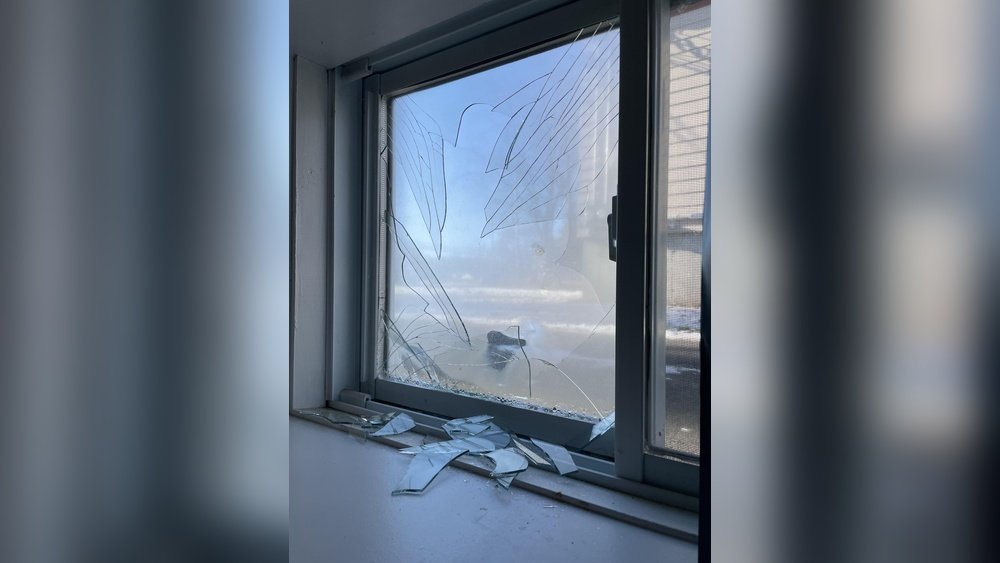
    Side window glass can cause water leaks. Poor sealing around the glass lets water enter. Over time, the rubber seals wear out or crack. Dirt and debris can block drainage channels near windows. Cracked or broken glass also allows water inside. Proper fitting and maintenance of side windows prevent leaks.

    Other Potential Leak Points

    Car doors often cause leaks through worn weatherstripping. Sunroofs have seals that may age and crack. Windshields with damaged seals allow water to seep in. Clogged or broken drainage tubes under doors cause water buildup. Even small holes in the car body can let water enter. Checking all these points helps stop leaks effectively.

    Can Side Window Glass Cause Water Leaks? Shocking Truth Revealed

    Credit: only1autoglass.com

    How Side Window Glass Can Lead To Leaks

    Side window glass plays an important role in keeping water out of your vehicle or home. Poor installation or damage to this glass can let water leak inside. Understanding how side window glass causes leaks helps you spot problems early. Fixing these issues protects your space from water damage.

    Common causes of leaks include sealing issues, weatherstripping wear, and glass alignment problems. Each factor affects how well the window keeps water out.

    Improper Sealing Issues

    The seal around side window glass stops water from entering gaps. If the seal is weak, cracked, or missing, water can seep through. Improper sealing happens during installation or due to aging. Water leaks start small but can grow worse over time. Checking seals regularly can prevent leaks.

    Damaged Or Worn Weatherstripping

    Weatherstripping is the rubber or foam strip around the window edges. It cushions the glass and blocks water. Over time, weatherstripping can crack, shrink, or fall off. Damaged weatherstripping leaves spaces for water to enter. Replacing worn weatherstripping stops leaks and improves window function.

    Glass Alignment Problems

    Side window glass must fit properly in its frame. Poor alignment creates gaps where water can pass. Misaligned glass often results from accidents or incorrect installation. Even small misfits let water drip inside. Adjusting or repositioning the glass restores the seal and prevents leaks.

    Signs Of Side Window Glass Leaks

    Side window glass leaks can cause unexpected water problems inside your car. Catching the signs early helps avoid damage and costly repairs. Knowing what to watch for makes a big difference.

    Visible Water Stains

    Water stains appear as dark spots or marks on door panels or upholstery. They often show near the bottom of the window or door frame. These stains reveal water has entered through the window glass seal.

    Foggy Windows

    Fog forms inside the car windows when moisture builds up. This happens because water leaks allow damp air to enter. Constant fogging inside the car windows signals a possible leak in the side window glass.

    Musty Odors Inside The Car

    A damp smell inside the car often means water is trapped in hidden areas. Mold and mildew grow in wet spots caused by leaks. Musty odors point to moisture coming through the side window glass seals.

    Can Side Window Glass Cause Water Leaks? Shocking Truth Revealed

    Credit: www.reddit.com

    Diagnosing Side Window Water Leaks

    Diagnosing water leaks around side window glass can be tricky. Water may seep inside your car or home quietly. It causes damage over time. Finding the leak early helps prevent costly repairs. Careful checking is key to spotting the problem.

    Simple tests and inspections reveal where water enters. Knowing the signs of leaks guides your actions. Sometimes, expert help is needed to fix the issue correctly. This section explains how to diagnose side window water leaks step-by-step.

    Water Test Techniques

    Start by using water to find the leak. Spray water gently around the window frame. Use a garden hose with low pressure. Watch inside carefully for any water entry. Move water spray slowly to cover all edges.

    Test in small sections to pinpoint the leak spot. Dry the area before testing again. Check for water dripping or wet spots inside. This method helps find hidden leaks quickly and easily.

    Inspection Tips

    Look closely at the window glass and frame. Check for cracks, gaps, or worn seals. Inspect the rubber weather stripping for damage or dryness. Make sure the window closes tightly without gaps.

    Look inside the door panel or wall near the window. Water stains or mold may show leaks. Use a flashlight to see tight spots clearly. Clean the area before inspection to spot damage better.

    When To Seek Professional Help

    Call a professional if the leak is hard to find. Persistent leaks may need special tools and skills. Experts can replace seals or fix cracks properly. They ensure the job prevents future water damage.

    Choose help if water causes mold or damage inside. Early repair saves money and protects your property. Professionals offer lasting solutions for side window leaks.

    Fixing Side Window Glass Leaks

    Fixing side window glass leaks is important to keep your car dry and comfortable. Water leaks cause damage to the interior and lead to mold growth. Fixing these leaks early saves money and prevents bigger problems.

    Several methods can stop water from entering through side window glass. These fixes focus on sealing gaps and ensuring the glass fits well. You can try resealing, replacing weatherstripping, or realigning glass panels.

    Resealing Methods

    Resealing is the first step to stop water leaks. Use a high-quality automotive sealant around the window edges. Clean the area before applying the sealant for better adhesion. Allow the sealant to dry completely for a strong seal. This method blocks small gaps where water can enter.

    Replacing Weatherstripping

    Weatherstripping wears out over time and causes leaks. Check the rubber strips around your side window glass. Replace cracked or damaged weatherstripping with new ones. New weatherstripping creates a tight seal to keep water out. This fix also reduces wind noise and improves insulation.

    Realigning Glass Panels

    Misaligned glass panels can cause water to leak inside. Check if the glass fits properly in the frame. Adjust the glass position using the window controls or visit a professional. Realignment ensures the window closes tightly against the seals. Properly aligned windows prevent water from seeping through gaps.

    Preventing Future Side Window Leaks

    Preventing future side window leaks is essential to protect your car’s interior. Leaks can cause damage to upholstery and electronics. They can also lead to mold growth and bad odors. Taking steps to avoid leaks can save you time and money later.

    Regular Maintenance

    Check your side windows often for cracks or gaps. Clean the window seals to remove dirt and debris. Dirt can stop seals from closing properly. Replace worn or damaged seals right away. Regular care keeps windows tight and leak-free.

    Choosing Quality Replacement Parts

    Use original or high-quality parts when replacing windows or seals. Cheap parts may not fit well or last long. Good materials create a better seal against water. They reduce the chance of leaks after repairs.

    Proper Installation Practices

    Install side windows with care and precision. Make sure seals sit evenly around the glass. Avoid gaps or loose fittings. Use the right tools to secure the window firmly. Correct installation prevents water from entering your car.

    Frequently Asked Questions

    Can Side Window Glass Cause Water Leaks In Cars?

    Yes, damaged or improperly sealed side window glass can cause water leaks. Gaps allow rainwater to enter the vehicle’s interior.

    How To Identify Water Leaks From Side Window Glass?

    Look for water stains, damp upholstery, or foggy windows near side doors. These signs indicate possible side window leaks.

    What Causes Side Window Glass Leaks?

    Common causes include worn-out seals, cracked glass, or improper installation, all leading to water seeping inside.

    Can Weatherstripping Prevent Side Window Water Leaks?

    Yes, intact weatherstripping creates a waterproof barrier. Replacing damaged weatherstripping helps stop leaks around side windows.

    Conclusion

    Side window glass can cause water leaks if it is damaged or not sealed properly. Small cracks or loose seals let water inside your car. Regular checks help spot problems early. Fixing leaks quickly stops bigger damage. Clean and dry windows keep your car safe and comfortable.

    Pay attention to window edges and seals often. Prevent leaks before they start. Your car will stay dry and protected. Simple care makes a big difference.

  • How Glass Safety Affects Rear Impact Safety: Essential Insights

    How Glass Safety Affects Rear Impact Safety: Essential Insights

    When it comes to your safety in a car, you probably think about airbags and seat belts first. But have you ever stopped to consider how the glass around you plays a crucial role, especially during a rear impact?

    The type of glass used in your vehicle isn’t just about keeping the wind out—it can actually protect you from serious injury in a crash. Understanding how glass safety affects rear impact safety could change the way you think about your car’s design and your personal protection.

    Keep reading to discover why the glass in your vehicle matters more than you might expect.

    How Glass Safety Affects Rear Impact Safety: Essential Insights

    Credit: kirkscollisioncenter.com

    Role Of Glass In Vehicle Safety

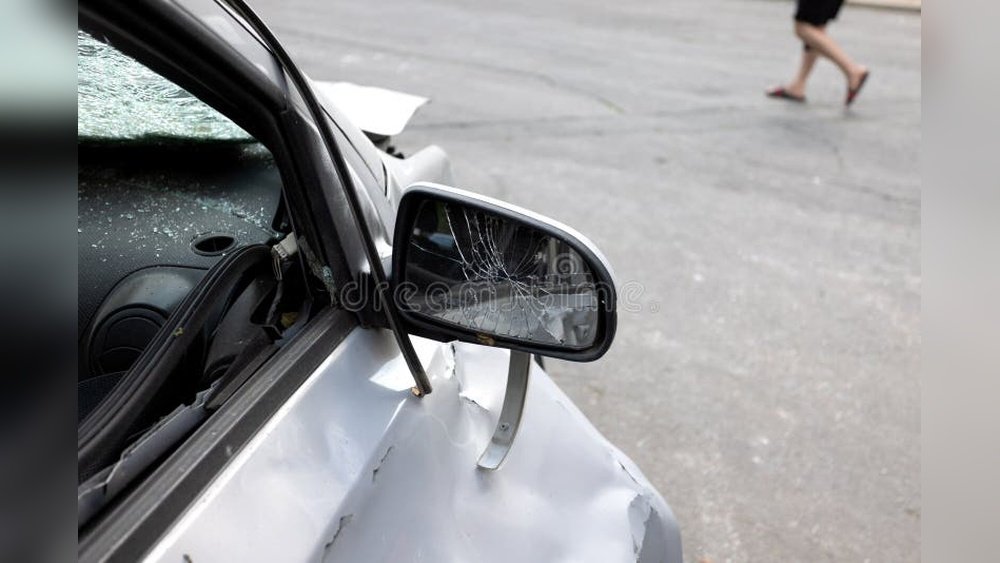
    Glass plays a key role in keeping passengers safe inside a vehicle. It protects from outside objects during crashes. The strength and type of glass affect how well it can handle impacts. Safe glass reduces injuries in rear-end collisions. It also helps maintain the vehicle’s shape and structure.

    Glass must be strong but also break in a safe way. This prevents sharp shards that can harm passengers. The right glass helps absorb some of the crash energy. It supports airbags and seatbelts by staying in place. Thus, glass is a vital part of vehicle safety systems.

    Types Of Automotive Glass

    There are mainly two types of glass used in cars: laminated and tempered. Laminated glass has a plastic layer between two glass sheets. This keeps glass pieces stuck together if it breaks. It is mostly used in windshields.

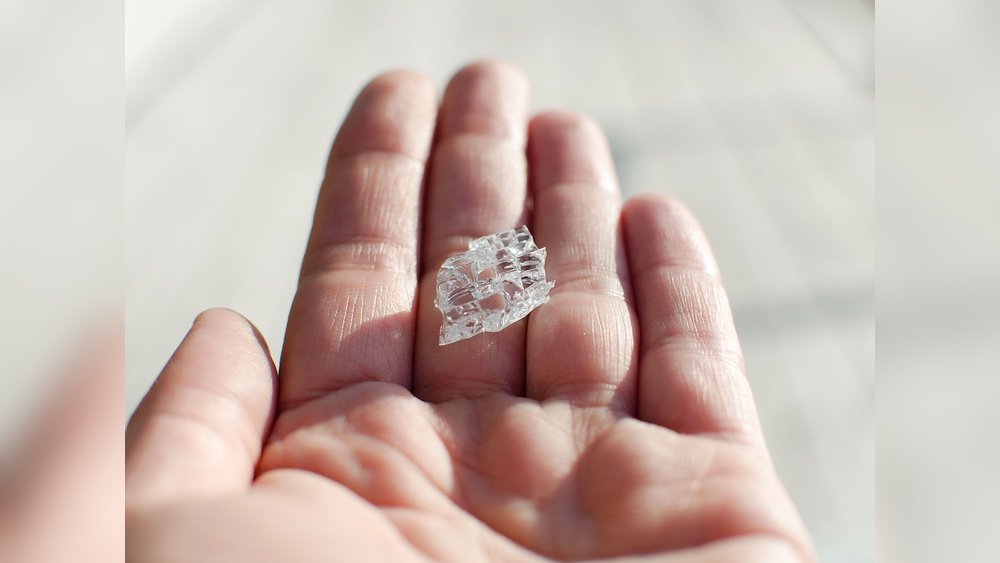
    Tempered glass is heat-treated to be stronger than regular glass. It breaks into small, round pieces to reduce injury risk. Tempered glass is common in side and rear windows. Each type offers specific safety benefits in crashes.

    Glass Placement In Rear Impact Zones

    Glass placement affects how well a car protects passengers in rear impacts. Rear windows and side windows near the back take most of the force. These glass parts must be strong and break safely.

    Proper glass placement helps prevent passengers from being ejected. It also supports the vehicle’s frame during a crash. Designers carefully place glass to balance visibility and safety. This placement plays a big role in overall rear impact protection.

    How Glass Safety Affects Rear Impact Safety: Essential Insights

    Credit: www.consumeraffairs.com

    Impact Dynamics And Glass Behavior

    Understanding how glass behaves during rear collisions helps improve car safety. Glass plays a key role in protecting passengers from injuries. Its reaction to impact affects how well a vehicle absorbs energy and shields people inside. Studying impact dynamics and glass behavior reveals important safety insights.

    Glass Response To Rear Collisions

    During a rear collision, glass faces sudden force and pressure changes. Tempered glass quickly cracks into small pieces to reduce sharp edges. Laminated glass holds together, preventing passengers from being cut. The type of glass affects how energy spreads across the vehicle. Strong glass helps keep the passenger compartment intact. It also limits the chance of objects entering from outside.

    Fragmentation Patterns And Injury Risks

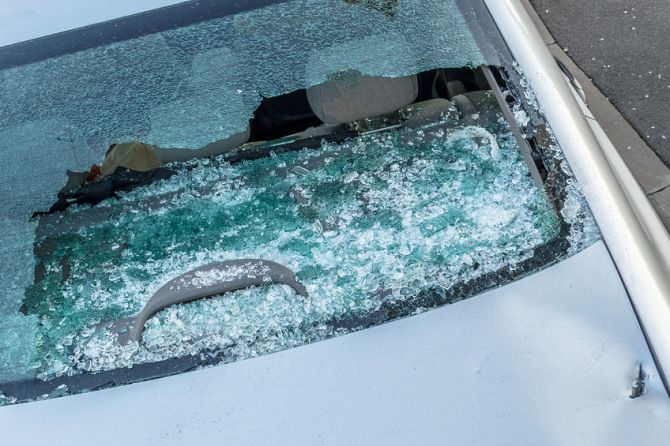
    Glass breaks in different ways depending on its design. Tempered glass shatters into tiny granules, which lowers deep cuts but may cause eye injuries. Laminated glass cracks but stays mostly in place, lowering the risk of ejection. Loose shards can cause serious wounds or blindness. Proper glass safety reduces these risks by controlling fragmentation. Safer glass means fewer injuries in rear impact crashes.

    Safety Features In Rear Glass Design

    The rear glass plays an important role in car safety during rear impacts. It must protect passengers and keep the car structure strong. Careful design helps reduce injuries and damage.

    Manufacturers use special glass types and add layers to make the rear glass safer. These features control how the glass breaks and how it supports the car frame.

    Laminated Vs Tempered Glass

    Laminated glass has two layers with a plastic sheet between them. It stays mostly in one piece when broken. This reduces sharp glass pieces inside the car.

    Tempered glass is heat-treated to be stronger. It breaks into small, rounded pieces that are less harmful. But it shatters completely on impact, leaving a hole.

    Laminated glass helps keep the car’s structure intact. Tempered glass clears quickly but offers less protection from flying shards.

    Reinforcements And Coatings

    Reinforcements add strength to the rear glass edges and frame. They help the glass hold better during a crash.

    Special coatings can block UV light and reduce heat inside the car. Some coatings also improve glass strength and prevent shattering.

    These reinforcements and coatings work together to keep the glass safer. They help protect passengers and maintain car integrity.

    How Glass Safety Affects Rear Impact Safety: Essential Insights

    Credit: armormax.com

    Technologies Enhancing Rear Impact Protection

    Rear impact accidents cause serious injuries. Protecting passengers is a priority for car makers. Glass safety plays a key role in this protection. New technologies improve the strength and function of rear glass. These innovations help reduce injuries during crashes. They also assist in avoiding collisions before they happen.

    These advances make cars safer and help save lives. Understanding these technologies shows how safety evolves.

    Smart Glass Innovations

    Smart glass changes its properties based on conditions. It can become stronger during a crash. Some types of smart glass reduce shattering on impact. This lowers the risk of glass pieces hitting passengers.

    Smart glass can also control light and heat. This improves visibility and comfort for drivers. Better visibility helps drivers notice dangers faster. This can prevent rear collisions.

    Sensor Integration For Collision Detection

    Sensors detect objects near the rear of the car. They warn drivers about approaching vehicles or obstacles. These sensors activate safety systems quickly. This reduces crash severity or prevents crashes.

    Some sensors work with the rear glass. They monitor cracks or damage that could weaken the glass. Early detection of glass issues keeps the car safer over time.

    Regulations And Testing Standards

    Glass safety plays a key role in rear impact protection. Strict regulations and testing ensure glass can protect passengers during crashes. These rules keep glass strong yet able to break safely. Testing standards check how glass behaves in real accidents.

    Global Safety Requirements

    Different countries set rules for automotive glass safety. These rules cover strength, clarity, and shatter resistance. The United States follows Federal Motor Vehicle Safety Standards (FMVSS). Europe uses the Economic Commission for Europe (ECE) regulations. Both require laminated glass in windshields and tempered glass in side windows. These standards aim to reduce injuries from broken glass in rear impacts.

    Crash Test Protocols For Rear Impact

    Crash tests simulate rear impacts to study glass performance. Tests measure how glass absorbs energy and prevents ejection. Sensors record glass breakage and deformation during impact. Manufacturers use these tests to improve glass design. Passing these protocols confirms the glass meets safety goals. Better glass reduces the risk of cuts and head injuries in crashes.

    Real-world Impact On Passenger Safety

    Glass safety plays a key role in protecting passengers during rear-end collisions. The quality and design of car windows affect how well passengers avoid injuries. Strong, well-designed glass absorbs impact forces and prevents sharp fragments from causing harm. Understanding real-world effects shows why this matter is crucial.

    Case Studies And Accident Analysis

    Studies of real crashes reveal how glass safety affects injury outcomes. In many accidents, tempered glass broke into small, blunt pieces. This reduced cuts and eye injuries for passengers. Other cases showed laminated glass stayed intact, stopping passengers from being ejected. Analysts use crash data to find patterns in glass performance. These patterns help improve car glass standards for better protection.

    Injury Reduction Statistics

    Research shows safer glass cuts injury risks significantly. Cars with laminated rear windows report 30% fewer head injuries. Cuts and lacerations drop by nearly 40% in vehicles with advanced glass. These numbers prove glass design saves lives in rear impacts. Safer glass also lowers hospital visits and recovery time. The stats push car makers to use improved glass for all passengers.

    Future Trends In Glass Safety

    Glass safety is evolving fast. New technology aims to improve rear impact protection. Safer glass means fewer injuries in crashes. Car makers and scientists work together on this.

    Advanced Materials Development

    New materials make car glass stronger and lighter. Laminated glass with special layers can absorb impact better. Some glass types can self-heal small cracks. These materials help keep passengers safer in rear impacts. They also reduce glass shattering and sharp edges.

    Integration With Autonomous Vehicle Systems

    Smart glass connects with car sensors and cameras. It can change its tint to reduce glare and improve visibility. This helps the driver see better and react faster. In self-driving cars, glass systems share data with the vehicle. This improves crash prevention and passenger safety during impacts.

    Frequently Asked Questions

    How Does Glass Safety Improve Rear Impact Protection?

    Glass safety enhances rear impact protection by preventing sharp shards from causing injuries. Laminated glass stays intact, reducing passenger harm. It also maintains vehicle structure, improving crash energy absorption during collisions.

    What Types Of Glass Are Used For Rear Impact Safety?

    Laminated and tempered glass are common for rear safety. Laminated glass holds together when shattered. Tempered glass breaks into small, less harmful pieces, minimizing injury risk during rear collisions.

    Why Is Laminated Glass Important In Rear Impacts?

    Laminated glass prevents glass from shattering completely. It holds shards in place, protecting passengers from cuts. This glass type also supports vehicle integrity, enhancing overall safety in rear-end crashes.

    Can Glass Safety Affect Vehicle Crash Ratings?

    Yes, glass safety influences crash ratings. Vehicles with advanced glass designs show better passenger protection. Proper glass reduces injury risks, improving safety scores in rear impact tests.

    Conclusion

    Glass safety plays a key role in protecting passengers during rear impacts. Strong, well-designed glass helps reduce injuries by staying intact. It prevents sharp pieces from flying inside the car. Car makers focus on improving glass to keep people safer.

    Choosing vehicles with good glass safety features adds peace of mind. Every small safety step counts in a crash. Safe glass means safer rides for everyone.

  • What is Stress Crack in Windshield: Causes, Risks & Repairs

    Have you ever noticed a small crack on your windshield and wondered how it got there? That tiny line might be more than just a simple chip—it could be a stress crack.

    Understanding what a stress crack in your windshield is can save you time, money, and even keep you safe on the road. You’ll discover exactly how these cracks form, why they spread, and what you should do the moment you spot one.

    Keep reading—your windshield’s health might depend on it.

    What is Stress Crack in Windshield: Causes, Risks & Repairs

    Credit: www.krygerglass.com

    Stress Cracks In Windshields

    Stress cracks in windshields are a common problem for many drivers. These cracks appear without any direct impact. They often grow over time, making the windshield weaker and unsafe. Understanding what causes stress cracks helps in preventing further damage and costly repairs.

    How Stress Cracks Form

    Stress cracks happen due to changes in temperature or pressure. When the glass heats up, it expands. When it cools down, it shrinks. This constant change creates stress inside the glass. Tiny weak spots can turn into cracks. Sometimes, poor installation or faulty glass causes stress cracks too.

    Common Signs To Spot

    Look for thin, spiderweb-like lines on the windshield. These cracks do not appear from a hit or accident. They often start near the edges of the glass. Small chips may turn into stress cracks over time. Notice any new cracks after sudden weather changes or after driving on rough roads.

    Main Causes Of Stress Cracks

    Stress cracks in a windshield appear due to different reasons. These cracks form without a direct hit. They happen because the glass faces stress it cannot handle. Understanding the main causes helps prevent damage and costly repairs.

    Temperature Fluctuations

    Glass expands and contracts with heat and cold. Rapid temperature changes cause stress inside the windshield. Hot sun followed by cold rain can create cracks. Uneven heating, like a car parked in the sun, also adds pressure.

    Impact And Pressure

    Small hits from stones or debris weaken the glass. Pressure from inside the car or outside can cause cracks too. Even a slight bump or twist can spread tiny fractures. These fractures grow over time and become stress cracks.

    Manufacturing Defects

    Sometimes, the windshield has weak spots from the start. Flaws in the glass or poor quality materials cause stress. These defects make the glass less able to handle stress. Cracks may appear without any outside force.

    Installation Issues

    Improper windshield fitting creates uneven pressure on the glass. If the seal is too tight or loose, stress builds up. Poor installation leads to small gaps or pressure points. These problems cause cracks to form and spread quickly.

    Risks Linked To Stress Cracks

    Repairing stress cracks in your windshield is important for safety and visibility. These cracks often start small but can grow quickly. Taking action early can save time and money. Knowing your repair options helps you choose the best solution for your car.

    When To Repair Or Replace

    Small stress cracks under six inches usually can be repaired. Larger cracks or those that spread across the windshield need replacement. Cracks near the edges often weaken the glass more. If cracks block your view, replacing the windshield is safer.

    Diy Repair Options

    DIY kits are available for minor stress cracks. These kits use resin to fill and seal cracks. They work best on fresh, small cracks. Follow instructions carefully for the best results. DIY repairs may not last as long as professional ones.

    Professional Repair Services

    Experts use special tools and resins to fix cracks. They can assess damage and suggest repair or replacement. Professional repairs restore strength and prevent cracks from spreading. Many shops offer quick service, often while you wait.

    Cost Considerations

    Repairing stress cracks usually costs less than replacing a windshield. Prices vary based on crack size and location. DIY kits are cheaper but may not work well on large cracks. Insurance may cover repairs, lowering your out-of-pocket cost.

    What is Stress Crack in Windshield: Causes, Risks & Repairs

    Credit: www.researchgate.net

    Repairing Stress Cracks

    Preventing stress cracks in your windshield helps keep your car safe and clear. Stress cracks form from pressure and temperature changes. Small cracks can grow fast and affect your view. Taking simple steps can stop these cracks from appearing or spreading.

    Proper Maintenance Tips

    Clean your windshield regularly with gentle cleaners. Avoid harsh chemicals that can weaken glass. Check for small chips and get them fixed quickly. Regular inspections catch damage early. Keep windshield wipers in good condition to prevent scratches.

    Avoiding Extreme Conditions

    Park your car in the shade during hot days. Sudden temperature changes can cause cracks. Avoid pouring hot water on frozen glass. Drive carefully on rough roads to prevent vibrations. Protect your car from hail or falling debris.

    Choosing Quality Windshields

    Select windshields made with strong, durable glass. Higher quality glass resists stress better. Use professional services for installation. Proper fitting reduces pressure points on glass. Quality windshields last longer and reduce crack risks.

    What is Stress Crack in Windshield: Causes, Risks & Repairs

    Credit: www.reddit.com

    Frequently Asked Questions

    What Causes Stress Cracks In Windshields?

    Stress cracks form due to temperature changes, road vibrations, or improper windshield installation. These factors create pressure points that weaken the glass, leading to cracks over time.

    How Can I Identify A Stress Crack In My Windshield?

    Stress cracks appear as thin, spiderweb-like lines or small fractures on the glass. They often develop without direct impact and may grow slowly if untreated.

    Are Stress Cracks In Windshields Dangerous To Drive With?

    Yes, stress cracks weaken windshield integrity. They can impair visibility and worsen during driving, increasing the risk of glass shattering in accidents.

    Can Stress Cracks Be Repaired Or Need Replacement?

    Small stress cracks can often be repaired professionally. However, large or spreading cracks typically require full windshield replacement for safety.

    Conclusion

    Stress cracks in windshields can start small but grow quickly. They weaken the glass and can block your view. Fixing cracks early saves money and keeps you safe. Watch for sudden changes in temperature or pressure near your car. Regularly check your windshield for any signs of stress cracks.

    Taking quick action helps avoid bigger problems on the road. Stay aware and protect your windshield every day. Simple care makes a big difference in driving safety.

  • How to Maintain Glass Safety: Essential Tips for Lasting Protection

    How to Maintain Glass Safety: Essential Tips for Lasting Protection

    Glass is everywhere—in your home, car, and workplace. But have you ever stopped to think about how to keep it safe?

    Cracks, chips, or breaks in glass can lead to accidents that put you and your loved ones at risk. You might not realize it, but simple steps can make a huge difference in maintaining glass safety. You’ll discover easy tips and practical advice to protect your glass surfaces and prevent dangerous situations.

    Keep reading to learn how you can take control and keep your environment safer starting today.

    Types Of Safety Glass

    Safety glass plays a key role in protecting people and property. It is stronger and safer than regular glass. Different types of safety glass serve different purposes. Knowing these types helps in choosing the right glass for your needs.

    Tempered Glass

    Tempered glass is heat-treated to increase strength. It breaks into small, blunt pieces instead of sharp shards. This reduces the risk of injury. It is often used in car windows and shower doors. Tempered glass also withstands high temperatures well.

    Laminated Glass

    Laminated glass consists of two glass layers with a plastic layer in between. The plastic holds the glass pieces together when broken. This prevents glass from falling apart. It is common in windshields and skylights. Laminated glass also reduces noise and blocks UV rays.

    Wire Mesh Glass

    Wire mesh glass has a wire grid embedded inside the glass. The wire keeps the glass intact if it breaks. It is used in places requiring fire resistance. Schools, factories, and public buildings often use wire mesh glass. It offers extra safety against heat and impact.

    Common Glass Hazards

    Glass is a common material in homes and offices. It looks clean and modern. But glass can be dangerous if not handled properly. Knowing common glass hazards helps keep everyone safe. Small problems can cause big accidents.

    Cracks And Chips

    Cracks and chips weaken glass strength. Even tiny cracks can spread quickly. Damaged glass may shatter without warning. Watch for any lines or broken pieces. Replace or repair glass at once. Do not ignore small damage.

    Sharp Edges

    Broken glass often has sharp edges. These edges can cause cuts and injuries. Touching or handling broken glass is risky. Always use protective gloves when cleaning. Smooth or cover sharp edges immediately. Keep children away from broken glass.

    Improper Installation

    Glass must be installed correctly to stay safe. Poor installation can cause instability or falling glass. Use professional help for fitting glass panels or windows. Check that glass is well secured and aligned. Loose glass is a serious hazard. Regular inspections prevent accidents.

    Regular Inspection Tips

    Regular inspection is key to keeping glass safe. Checking glass often helps catch small problems early. This prevents accidents and costly repairs.

    Simple checks make a big difference. Spend a few minutes each month to look over your glass surfaces. Focus on damage, frame, and wear signs.

    Checking For Damage

    Look closely for cracks or chips on the glass. Even small cracks can grow over time. Check edges carefully, as they are more likely to crack. Any visible damage means you should replace or repair the glass quickly.

    Assessing Frame Stability

    Check the glass frame for looseness or rust. A weak frame cannot hold glass securely. Push gently on the frame to test its strength. Tighten screws or bolts if needed. A stable frame keeps the glass safe and firm.

    Identifying Wear And Tear

    Look for signs of wear like scratches or cloudy spots. These reduce glass clarity and strength. Check seals around the glass for gaps or damage. Replace worn seals to stop water or air leaks. Regular care extends glass life and safety.

    How to Maintain Glass Safety: Essential Tips for Lasting Protection

    Credit: blog.fullsource.com

    Cleaning Techniques

    Cleaning glass safely is key to keeping it clear and strong. Proper cleaning stops damage and helps glass last longer. It also keeps your space looking bright and fresh.

    Using The Right Cleaners

    Choose cleaners made for glass surfaces. Avoid harsh chemicals like ammonia or bleach. These can weaken or scratch the glass. Use mild soap mixed with water for best results. Spray the cleaner lightly and wipe gently with a soft cloth.

    Avoiding Abrasive Materials

    Never use rough sponges or scrub brushes on glass. They can leave tiny scratches that grow over time. Instead, pick microfiber cloths or soft cotton towels. These materials clean well without harming the surface. Always check for grit before wiping to prevent scratches.

    Safe Cleaning Practices

    Clean glass in a shaded area to stop streaks. Use gentle, circular motions to remove dirt. Rinse with clean water to clear soap residue. Dry with a clean, dry cloth to prevent water spots. Avoid cleaning glass under direct sunlight or heat.

    Protective Measures

    Protecting glass surfaces is important to prevent injuries and damage. Using the right safety measures keeps everyone safe. These measures reduce risks and make glass safer in homes and workplaces.

    Simple steps can make a big difference in glass safety. The following methods help protect glass effectively and clearly.

    Applying Safety Films

    Safety films add a strong layer to glass surfaces. They hold glass pieces together if broken. This prevents sharp shards from falling and causing harm. Films are easy to apply and do not change glass look. They also protect from scratches and UV rays.

    Installing Guards And Barriers

    Guards and barriers block direct contact with glass. They stop people from bumping into glass doors or windows. Barriers are useful in busy areas or places with children. They can be made of metal, plastic, or wood. Guards also support glass panels and add strength.

    Using Proper Signage

    Signage warns people about glass presence. Clear signs prevent accidental collisions with transparent glass. Use bright colors and easy symbols for better visibility. Place signs at eye level and near glass doors. This simple step greatly reduces glass accidents.

    How to Maintain Glass Safety: Essential Tips for Lasting Protection

    Credit: www.eyeweb.com

    Handling And Installation Advice

    Handling and installing glass safely is key to preventing accidents and damage. Proper care during these steps ensures glass stays intact and secure. Follow clear guidelines to protect yourself and others.

    Safe Handling Practices

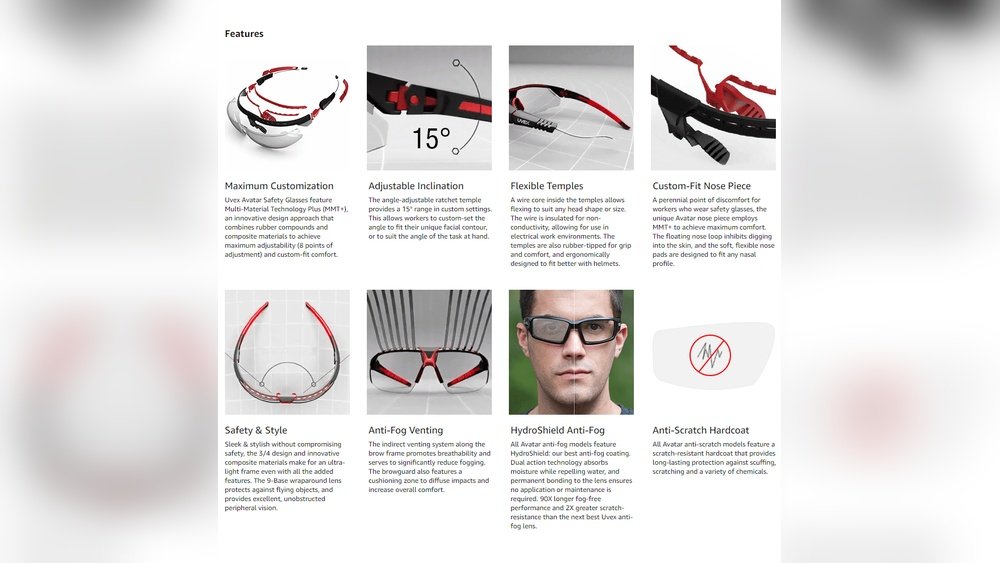
    Always wear gloves and safety glasses when moving glass. Hold glass panels vertically, not flat. Use suction cups or grips designed for glass. Avoid sudden movements or dropping glass. Clear the path before carrying large sheets.

    Professional Installation Benefits

    Experts know how to fit glass securely and safely. They use correct tools and techniques that reduce breakage risk. Professionals also ensure glass meets safety standards. Their experience saves time and avoids costly mistakes.

    Choosing Quality Materials

    Select tempered or laminated glass for stronger safety features. Quality glass resists cracks and shattering better than cheaper options. Confirm glass thickness matches the intended use. Good materials improve durability and protect users.

    Repair And Replacement Guidelines

    Maintaining glass safety involves careful attention to repairs and replacements. Proper guidelines help keep glass strong and secure. Acting quickly on damage prevents bigger problems later. Understanding when to repair or replace glass is key to safety.

    When To Repair

    Small chips or cracks can often be fixed. Repair stops damage from growing. Fixing minor issues saves money and time. Check for chips smaller than a quarter. Clear cracks that do not spread are good candidates for repair.

    Signs For Replacement

    Large cracks or shattered glass need full replacement. Glass that has lost strength or clarity should be replaced. Look for cracks longer than six inches. Broken seals or foggy glass also mean replacement is necessary. Replacement ensures safety and restores appearance.

    Hiring Qualified Professionals

    Choose experienced and certified glass technicians. Professionals have tools to handle glass safely. They know how to assess damage correctly. Proper installation prevents future problems. Always ask for proof of training and insurance. Skilled workers keep your home or office safe.

    How to Maintain Glass Safety: Essential Tips for Lasting Protection

    Credit: www.youtube.com

    Safety Tips For Specific Settings

    Glass safety varies by location. Each setting needs special care to prevent accidents and injuries. Understanding these differences helps keep everyone safe.

    Homes

    Use tempered or laminated glass for windows and doors. These types break into small, less harmful pieces. Apply safety film on glass surfaces to reduce shattering risks. Keep sharp objects away from glass to avoid cracks. Install corner guards on glass furniture to protect family members. Regularly check for cracks or chips and fix them quickly.

    Offices

    Mark large glass panels with decals or stickers to make them visible. Use safety glass for partitions and doors to prevent serious injuries. Ensure glass walls and doors have sturdy frames for support. Conduct routine inspections to spot damage early. Train employees to handle glass items carefully to avoid accidents.

    Public Spaces

    Choose toughened glass for windows, doors, and barriers to withstand impact. Place warning signs near glass areas to alert people. Use protective films to keep glass intact during breakage. Design glass installations with safety in mind, avoiding sharp edges. Maintain regular cleaning and inspections to spot damage early.

    Frequently Asked Questions

    How Can I Prevent Glass From Breaking Easily?

    Use tempered or laminated glass for durability. Avoid hitting glass with hard objects. Regularly inspect for chips or cracks and repair immediately. Proper installation reduces stress on glass, preventing breakage and enhancing safety.

    What Safety Measures Protect Glass During Installation?

    Wear protective gloves and eyewear during installation. Use suction cups for handling large glass panels. Ensure a secure frame fit to avoid pressure points. Follow manufacturer guidelines to maintain glass integrity and safety.

    How Often Should Glass Safety Inspections Be Done?

    Inspect glass safety at least twice a year. Check for cracks, chips, and loose fittings. Early detection prevents accidents and costly repairs. Regular maintenance ensures long-lasting glass performance and safety.

    What Cleaning Methods Are Safest For Glass Maintenance?

    Use a soft cloth and mild detergent for cleaning. Avoid abrasive materials that scratch the surface. Clean glass gently to maintain clarity and strength. Regular cleaning prevents buildup that can weaken the glass.

    Conclusion

    Maintaining glass safety protects you and others from harm. Regular checks help find cracks or chips early. Clean glass with gentle products to avoid damage. Always handle glass carefully and avoid sudden impacts. Use safety films or guards in high-risk areas.

    Keep children away from fragile glass objects. Following these simple steps keeps glass strong and safe. Stay alert and treat glass with respect every day. Safety is easy when you stay aware and cautious.

  • Is Diy Windshield Chip Repair Effective: Truths Revealed

    Is Diy Windshield Chip Repair Effective: Truths Revealed

    Have you ever noticed a tiny chip on your windshield and wondered if you could fix it yourself? That small crack might seem harmless now, but if left untreated, it can quickly turn into a costly problem.

    You might be tempted to try a DIY windshield chip repair to save time and money. But how effective are these do-it-yourself fixes? Can they really restore your windshield’s strength and clarity, or are you risking more damage? Keep reading to discover the truth about DIY windshield chip repair and find out if it’s the right choice for you.

    Types Of Windshield Chips

    Windshield chips come in different types. Knowing these types helps decide if DIY repair works. Some chips are small and easy to fix. Others are larger and need professional help.

    Understanding chip shapes and sizes gives a clearer idea of the damage. It also shows how serious the chip is for your safety and windshield strength.

    Common Chip Shapes

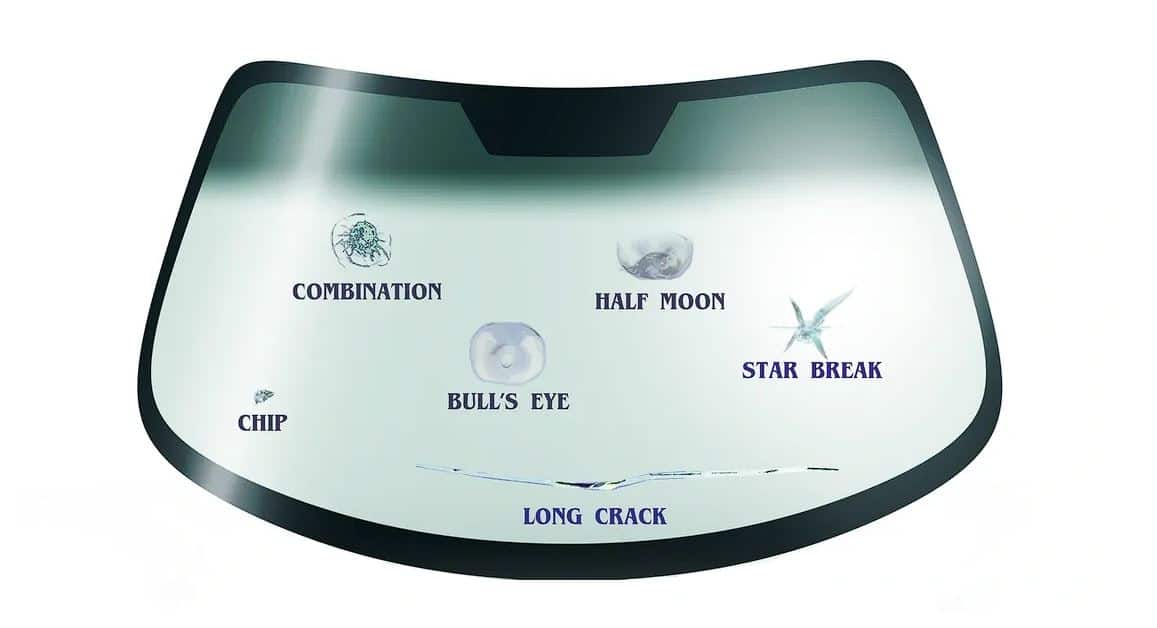
    Star chips look like a star with cracks spreading out. Bullseye chips have a round shape with a dark circle in the middle. Half-moon chips appear as a curved line or crescent shape. Combination chips mix two or more types, making them complex. Each shape affects how well a DIY repair can work.

    Size And Severity Factors

    Small chips less than an inch are easier to fix at home. Larger chips weaken the windshield and need expert repair. Cracks longer than three inches often grow fast and cause more damage. Depth also matters; deep chips that reach the inner glass layers are riskier. Knowing size and severity helps choose the right repair method.

    Is Diy Windshield Chip Repair Effective: Truths Revealed

    Credit: www.walmart.com

    How Diy Repair Kits Work

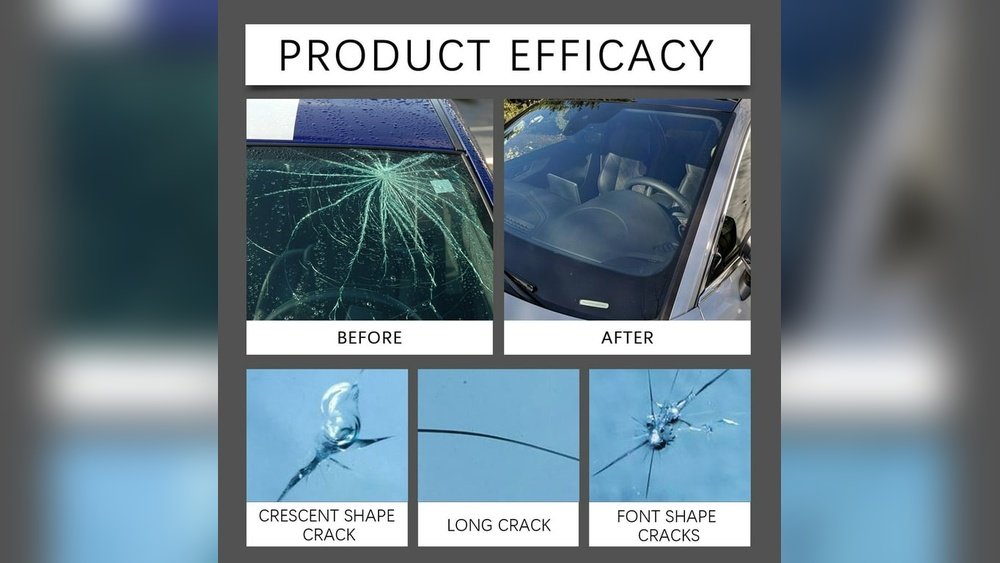
    DIY windshield chip repair kits offer a simple way to fix small damages. These kits use clear resin to fill cracks and chips. The resin hardens and restores the glass’s strength and clarity. Understanding how these kits work helps decide if they suit your needs.

    Components Of Repair Kits

    Most kits include a resin bottle, an applicator, and curing strips. The resin is a clear liquid that fills the chip. The applicator helps place the resin precisely. Curing strips cover the resin to keep it smooth during drying. Some kits also provide a pedestal to hold the applicator steady.

    Step-by-step Repair Process

    First, clean the damaged area to remove dust and dirt. Next, attach the applicator over the chip using the pedestal. Then, inject the resin into the chip slowly. After filling, place a curing strip on top of the resin. Let the resin dry, usually under sunlight or a UV lamp. Finally, remove the strip and scrape off any excess resin for a smooth finish.

    Benefits Of Diy Windshield Repair

    Fixing a windshield chip on your own offers many clear benefits. You can save money and time without needing a professional. Small repairs done early keep damage from growing bigger.

    Using a DIY kit is simple and fast. You avoid long waits and scheduling hassles. These advantages make DIY repair a popular choice for many drivers.

    Cost Savings

    DIY repair kits cost much less than professional services. You pay only for the materials, not labor. This saves a lot, especially for small chips. Avoiding a full windshield replacement saves even more money.

    Convenience And Speed

    Repair kits come with easy instructions and tools. You can fix chips at home or anywhere quickly. No need to book appointments or wait for a technician. Quick repairs help keep your car safe without delay.

    Limitations Of Diy Repairs

    DIY windshield chip repair kits can save money and time. They work well for small, simple chips. But they have clear limits. Knowing these limits helps avoid bigger problems later.

    Effectiveness On Large Or Deep Chips

    DIY kits often fail with large or deep chips. These chips need professional tools and skills. Deep cracks may reach the inner glass layers. Kits can’t fill these properly. This leaves the windshield weak and unsafe.

    Potential For Incomplete Repairs

    DIY repairs may not fully fix the damage. Air bubbles or gaps can remain under the resin. These flaws reduce the repair strength. Dirt or moisture can get trapped inside. The chip might spread over time. A poor repair can cost more in the long run.

    When To Choose Professional Repair

    Knowing when to choose professional windshield chip repair matters. Small chips might look easy to fix. Yet, some cracks need expert care. Proper repair keeps your glass strong and safe. A professional can spot issues that DIY kits miss. This helps avoid bigger problems later. Here are signs that show when to call a pro.

    Signs Diy Repair Isn’t Enough

    Large chips or cracks wider than a quarter need expert help. Chips deep into the glass layers require special tools. Cracks near the edges weaken the windshield quickly. Multiple chips close together can spread and cause danger. If damage blocks your clear view, do not wait. A professional repair ensures the glass stays intact and safe.

    Long-term Safety Considerations

    Windshields support your car’s structure during crashes. Weak glass can shatter, risking injury. Poor repair might fail in cold or hot weather. Experts use strong resin that bonds perfectly to glass. This prevents cracks from growing over time. A pro repair keeps your windshield reliable for years. Safety should never be compromised for a quick fix.

    Is Diy Windshield Chip Repair Effective: Truths Revealed

    Credit: www.walmart.com

    Tips For Successful Diy Repair

    Repairing a windshield chip yourself can save time and money. The key is to do it right. Careful steps improve results and avoid bigger damage. Follow these simple tips to help your repair work well.

    Small mistakes can cause the repair to fail. Preparation and attention to detail make a big difference. Use the right tools and stay patient throughout the process.

    Preparing The Windshield

    Clean the area around the chip gently. Use a soft cloth and glass cleaner. Avoid harsh chemicals that might damage the glass.

    Remove any dirt or loose glass pieces. This helps the repair resin stick better. Make sure the windshield is dry before starting.

    Work in a shaded area to prevent the resin from curing too fast. Avoid direct sunlight or extreme temperatures.

    Following Instructions Carefully

    Read the repair kit instructions fully before you start. Each kit may have different steps or timing.

    Apply the resin slowly and evenly. Avoid rushing to prevent bubbles or gaps. Use the tools provided to press the resin into the chip.

    Let the resin cure for the full recommended time. Do not touch or move the windshield during curing. Proper curing is key to a strong repair.

    Customer Experiences And Reviews

    Customer experiences and reviews reveal useful insights about DIY windshield chip repair kits. They show real results and common issues faced by users. This feedback helps understand how effective these kits are for everyday drivers. Reading multiple reviews can guide your choice.

    Positive Outcomes

    Many users report good results with DIY repair kits. Small chips often become less visible after repair. Some say cracks stop growing after treatment. The process saves money compared to professional repair. Most find the instructions easy to follow. Kits work best on fresh, small chips. Quick repairs help avoid costly windshield replacement.

    Common Complaints

    Several customers note problems with kit effectiveness. Larger cracks often need professional help. Some find the resin does not fill the chip completely. Bubbles trapped inside reduce repair quality. Kits can be tricky to apply evenly. Poor lighting or weather affects results. A few users say the repair looks worse than before. Patience and practice improve success chances.

    Is Diy Windshield Chip Repair Effective: Truths Revealed

    Credit: www.amazon.com

    Frequently Asked Questions

    How Effective Is Diy Windshield Chip Repair?

    DIY windshield chip repair is moderately effective for small chips. It can prevent cracks from spreading but may not fully restore clarity or strength like professional repairs.

    When Should I Choose Diy Over Professional Repair?

    Choose DIY repair for minor chips under a quarter size. For larger or spreading cracks, professional repair ensures better safety and durability.

    Can Diy Kits Prevent Windshield Cracks From Worsening?

    Yes, DIY kits can stop small chips from expanding temporarily. However, they may not provide a permanent fix or restore full windshield integrity.

    Are Diy Windshield Repair Kits Easy To Use?

    Most DIY kits are user-friendly with clear instructions. Proper application is critical; mistakes can reduce effectiveness or cause air bubbles in the repair.

    Conclusion

    DIY windshield chip repair can save time and money. Small chips often fix well with the right tools. Results depend on the chip size and repair skill. Deep or large cracks usually need professional help. Quick action stops damage from spreading further.

    Clear vision and safety matter most on the road. Trying a repair yourself is worth a shot for minor chips. Watch carefully for any changes after repair. Always consider safety before driving with a damaged windshield.

  • How to Clean the Car Glass: Expert Tips for a Crystal Clear Shine

    How to Clean the Car Glass: Expert Tips for a Crystal Clear Shine

    Your car glass is more than just a window—it’s your clear view to the road and your safety shield. But dirt, smudges, and streaks can quickly cloud your vision and make driving stressful.

    You might think cleaning your car glass is a hassle or takes special products, but it doesn’t have to be that way. You’ll discover simple, effective steps to get your car glass sparkling clean every time. Ready to improve your driving experience and keep your car looking sharp?

    Let’s dive in and make your glass crystal clear.

    How to Clean the Car Glass: Expert Tips for a Crystal Clear Shine

    Credit: bigsmobile.com

    Choosing The Right Cleaning Tools

    Cleaning car glass well depends on choosing the right tools. The right tools make the job easier and give better results. Using poor tools can leave streaks or scratches on the glass. This section explains the best cloths, cleaning solutions, and accessories for car glass cleaning.

    Types Of Cloths And Towels

    Microfiber cloths are the best choice for car glass. They are soft and absorbent. These cloths do not leave lint behind. Avoid using paper towels or rough rags. They can scratch the glass or leave fibers. Use a clean cloth each time to prevent dirt buildup. A few cloths in different sizes help reach all areas.

    Best Cleaning Solutions

    Use a glass cleaner made for cars. These cleaners remove dirt, grease, and bugs easily. Avoid ammonia-based cleaners as they can damage tint or rubber seals. A mix of water and vinegar works well for light cleaning. Spray the cleaner lightly on the glass. Too much liquid can drip and cause streaks.

    Essential Accessories

    A spray bottle helps apply cleaner evenly. A soft-bristle brush removes stuck dirt or bugs gently. Use a squeegee to wipe off excess liquid without streaks. Keep a small bucket of clean water nearby for rinsing cloths. These accessories improve cleaning speed and quality.

    How to Clean the Car Glass: Expert Tips for a Crystal Clear Shine

    Credit: www.turtlewax.com

    Preparing Your Car Glass

    Cleaning car glass starts with proper preparation. This step ensures better results and protects the glass. Preparing the surface removes dirt that can cause scratches. It also helps spot any damage before cleaning.

    Taking time to prepare makes the cleaning process easier. It saves effort and keeps the glass clear and safe. Follow simple steps to get your car glass ready.

    Removing Loose Dirt And Debris

    Begin by brushing off loose dirt and dust. Use a soft brush or cloth for this task. Avoid using hard tools that may scratch the glass. Clear away leaves, bugs, and other debris gently. This prevents scratches during cleaning. Remove all loose particles before applying any cleaner.

    Checking For Damage

    Look closely for cracks or chips on the glass. Small damage can worsen during cleaning. Avoid scrubbing over cracks to prevent spreading. Note any damage to fix later if needed. Clean glass without damage looks clearer and lasts longer.

    Step-by-step Cleaning Process

    Cleaning car glass is important for clear vision and safe driving. A good cleaning process removes dirt, dust, and smudges. Follow these simple steps to get sparkling clean glass both outside and inside your car.

    Initial Spray And Wipe

    Start by spraying a glass cleaner evenly across the glass surface. Use a clean microfiber cloth for wiping. Wipe in a circular motion to lift dirt and grime. Change cloth sides often to avoid spreading dirt. This step removes most surface dirt quickly and easily.

    Dealing With Stubborn Stains

    For tough stains, spray extra cleaner directly on the spots. Let it sit for 30 seconds to soften the grime. Use a soft scrub pad or cloth to gently rub the stains. Avoid strong scrubbing to prevent scratching the glass. Repeat if needed until the stains disappear.

    Cleaning Inside The Glass

    Open the car door to reach inside glass areas. Spray cleaner on a cloth, not directly on the glass. Wipe the inside glass in vertical strokes for a streak-free finish. Pay attention to corners and edges. Use a dry cloth to remove any leftover moisture.

    Tips For Avoiding Common Mistakes

    Cleaning car glass might seem simple. Yet, many make mistakes that spoil results. Avoiding these errors saves time and effort. It also keeps your glass clear and scratch-free. Follow these tips for a better clean every time.

    Preventing Streaks

    Use a clean, lint-free cloth for drying. Avoid paper towels; they leave fibers behind. Spray cleaner evenly but not too much. Wipe in a circular motion to cover the whole surface. Finish with vertical strokes to remove streaks. Never clean glass under direct sunlight. It dries the cleaner too fast, causing streaks.

    Avoiding Scratches

    Do not use abrasive pads or rough cloths. Dirt particles can scratch the glass surface. Rinse the glass first to remove loose dirt. Use a soft microfiber cloth for wiping. Avoid using old or dirty rags. Check your cleaning tools before use. Replace any that are worn or rough.

    Choosing The Best Time To Clean

    Clean your car glass in the shade or early morning. Avoid hot, sunny days that dry cleaners quickly. Choose a calm day with little wind. Wind can blow dust on wet glass. Clean glass after a rain to remove dirt easily. Avoid cleaning during freezing temperatures. Cold can affect the cleaner’s performance.

    Maintaining Crystal Clear Glass

    Clear car glass is important for safe driving. Dirt, dust, and smudges reduce visibility. Keeping glass clean helps you see the road better. It also makes your car look neat. Simple steps keep your car glass clear for a long time.

    Regular Cleaning Schedule

    Clean your car glass often. A weekly routine works well. Use a soft cloth and glass cleaner. Wipe in a circular motion to avoid streaks. Don’t forget the inside glass. Clean both inside and outside for best results. Regular cleaning stops dirt build-up and keeps glass shiny.

    Protective Treatments

    Apply water-repellent coatings to your car glass. These treatments make water bead and roll off. It improves visibility in rain. Some products also protect against dirt and grime. Follow the product instructions carefully. Reapply every few months for lasting effect. Protective treatments make cleaning easier and keep glass clearer longer.

    Handling Environmental Factors

    Park your car in shaded or covered areas. This reduces dust and bird droppings on the glass. Wash your car after dusty trips or storms. Avoid using harsh chemicals that can damage glass. Use gentle cleaners designed for car windows. Protect your glass from scratches by using soft cloths. Taking care of these factors helps keep your glass clear and safe.

    How to Clean the Car Glass: Expert Tips for a Crystal Clear Shine

    Credit: www.youtube.com

    Frequently Asked Questions

    How Often Should I Clean My Car Glass?

    Clean your car glass at least once a week. Frequent cleaning prevents dirt buildup and improves visibility. Regular maintenance ensures safety and a clear view while driving.

    What Is The Best Cleaner For Car Glass?

    Use a dedicated automotive glass cleaner or a mixture of water and vinegar. Avoid ammonia-based cleaners as they can damage tinting. These options effectively remove grime and streaks without harming the glass.

    How Do I Prevent Streaks On Car Glass?

    Use a microfiber cloth and clean in circular motions. Avoid cleaning in direct sunlight to reduce streaks. Proper technique and the right cloth ensure a spotless, streak-free finish.

    Can I Use Household Products To Clean Car Glass?

    Yes, mild household products like vinegar and water work well. Avoid harsh chemicals that can damage the glass or tint. Household solutions are cost-effective and safe for routine cleaning.

    Conclusion

    Cleaning car glass keeps your view clear and safe while driving. Use simple tools like microfiber cloths and gentle cleaners. Avoid harsh chemicals that can damage the glass. Clean both inside and outside regularly for best results. Small effort leads to big improvements in visibility.

    Clear glass helps you drive with confidence and focus. Make cleaning a part of your car care routine. It saves time and prevents buildup. Enjoy safer trips with spotless car windows every day.

  • Can Damaged Glass Compromise Safety: Risks You Must Know

    Have you ever noticed a crack or chip in your glass window, door, or even your car windshield and wondered if it’s just a small flaw or something more serious? You might be surprised to learn that damaged glass can pose real risks to your safety.

    Ignoring these signs could put you, your family, or others in danger without you even realizing it. You’ll discover why even minor damage matters and what you need to watch out for to keep yourself safe. Keep reading—your safety might depend on it.

    Can Damaged Glass Compromise Safety: Risks You Must Know

    Credit: affordableautoglasswi.com

    Types Of Glass Damage

    Glass damage can take many forms. Each type affects safety differently. Knowing these types helps you spot risks early.

    Cracks And Chips

    Cracks and chips are common glass problems. Cracks spread slowly and weaken the glass structure. Chips are small missing pieces on the surface. Both can grow larger over time. This makes the glass less stable and more likely to break.

    Scratches And Abrasions

    Scratches are small surface marks caused by rough contact. Abrasions wear down the glass surface gradually. These damages reduce clarity and can hide bigger problems. Deep scratches weaken glass and increase the chance of breaking under pressure.

    Shattered And Broken Glass

    Shattered glass breaks into many pieces. Broken glass has large, loose fragments. Both types are dangerous and can cause injuries. Shattered glass loses all strength and needs immediate replacement to ensure safety.

    Can Damaged Glass Compromise Safety: Risks You Must Know

    Credit: www.smileysglass.com

    How Damage Affects Glass Strength

    Glass looks solid and strong, but damage can change that quickly. Small cracks or chips reduce its strength. This makes the glass less safe. Understanding how damage affects glass helps us see why repairs or replacements matter.

    Structural Integrity Loss

    Glass relies on its whole surface to stay strong. Damage breaks this surface. Cracks split the glass into weaker parts. The glass cannot hold weight as before. The risk of breakage grows with each chip or crack.

    Stress Concentration Points

    Damaged areas create stress points in glass. Stress gathers at cracks or chips. These points act like weak spots. Pressure on glass targets these weak spots first. It causes the damage to spread faster and larger.

    Impact On Load-bearing Capacity

    Load-bearing glass supports weight safely. Damage lowers this capacity. The glass may bend or shatter under less force. This endangers people and property nearby. Damaged glass loses its ability to hold loads well.

    Common Safety Risks

    Damaged glass poses serious safety risks in homes and workplaces. Small cracks or chips can lead to bigger problems. These issues affect both people and property. Understanding common safety risks helps prevent accidents and injuries.

    Injury From Sharp Edges

    Broken glass often has sharp edges. These edges can cut skin easily. Even a small crack can cause splinters. Children and pets are especially at risk. Handling damaged glass without care can cause deep wounds.

    Glass Shards And Debris

    Shattered glass creates tiny shards and debris. These pieces can scatter across floors and surfaces. They may be hard to see but still dangerous. Walking barefoot or touching shards can cause pain and bleeding. Cleaning up broken glass requires caution and proper tools.

    Compromised Security Features

    Damaged glass weakens windows and doors. This makes it easier for intruders to enter. Security systems rely on intact glass for protection. Cracks reduce the strength and reliability of the glass. Repair or replacement is necessary to maintain safety.

    Glass Types And Safety Considerations

    Different types of glass offer varying levels of safety and strength. Knowing these types helps understand how damage affects their safety. Some glass breaks into small pieces, while others hold together even when cracked. This matters for safety in homes, cars, and buildings.

    Choosing the right glass type can reduce injury risks if damage occurs. Let’s explore three common types and their safety features.

    Tempered Glass

    Tempered glass is heat-treated to be stronger than regular glass. It breaks into small, blunt pieces instead of sharp shards. This reduces the chance of cuts or serious injuries. Damage to tempered glass lowers its strength and safety. Cracks or chips mean the glass can shatter more easily. It is often used in car windows and shower doors for this reason.

    Laminated Glass

    Laminated glass consists of two glass layers with a plastic layer between them. If broken, the glass stays stuck to the plastic. This prevents large, sharp pieces from falling. Laminated glass is common in windshields and skylights. Damage can weaken the plastic layer, reducing its ability to hold glass fragments. This may increase injury risk if the glass breaks.

    Annealed Glass

    Annealed glass is the standard, untreated glass type. It breaks into large, sharp pieces that can cause serious harm. It has the lowest safety features among common glass types. Damage to annealed glass means it can break easily and unpredictably. This glass is less suitable for areas where safety is a priority.

    Preventive Measures

    Damaged glass can be a hidden danger in many places. Taking steps to prevent issues helps keep everyone safe. Simple actions can stop small cracks from turning into big problems.

    Careful attention to your glass surfaces protects your home, office, or car. It lowers risks and saves money on costly repairs later. Here are key ways to maintain glass safety.

    Regular Inspections

    Check glass surfaces often for cracks, chips, or scratches. Use good lighting to spot damage early. Early detection helps prevent accidents and bigger damage. Make inspections part of your routine safety checks.

    Timely Repairs

    Fix small damage quickly to stop it from growing. Use proper materials and tools for repairs. Delays can cause cracks to spread and weaken the glass. Fast action keeps glass strong and safe.

    Professional Replacement

    Replace severely damaged glass with help from experts. Professionals use the right techniques and safety standards. Proper replacement ensures durability and prevents future risks. Avoid DIY fixes for major damage.

    Legal And Insurance Implications

    Damaged glass does not only affect appearance and function. It can also cause serious legal and insurance problems. Understanding these issues helps property owners act quickly and avoid risks.

    Building Codes And Standards

    Building codes set clear rules for glass safety in homes and businesses. These codes require certain types of glass in specific places. Broken or cracked glass may break these rules. Non-compliance can lead to fines and legal trouble. Repairing or replacing damaged glass keeps your property safe and legal.

    Liability Concerns

    Property owners must keep their spaces safe for visitors. Damaged glass increases the risk of injury. If someone gets hurt, owners can be held responsible. This can lead to lawsuits and costly settlements. Acting fast to fix glass damage reduces liability risks.

    Insurance Coverage

    Insurance policies often cover glass damage. Some policies include glass breakage as part of property protection. Others may require special coverage. Filing claims for damaged glass needs proof and timely reporting. Ignoring damage can lead to denied claims and lost coverage.

    Can Damaged Glass Compromise Safety: Risks You Must Know

    Credit: vangoautoglass.com

    Frequently Asked Questions

    Can Damaged Glass Cause Injury Risks At Home?

    Yes, damaged glass can easily break, causing sharp shards. These shards may lead to cuts or serious injuries, especially around children and pets. Prompt repair or replacement reduces safety risks.

    How Does Cracked Glass Affect Structural Safety?

    Cracks weaken glass strength, reducing its load-bearing capacity. This compromises windows, doors, or glass panels, increasing breakage risk during impact or stress. Immediate assessment and fixing ensure structural integrity.

    Is Shattered Glass A Hazard In Public Spaces?

    Absolutely, shattered glass poses dangers like cuts and falls. It can cause accidents if not cleaned or replaced quickly. Public areas must maintain glass safety standards to protect visitors.

    Can Damaged Car Glass Impair Driver Safety?

    Yes, cracks or chips in car glass reduce visibility and increase breakage risk. This endangers drivers and passengers. Timely repairs help maintain clear vision and safety on roads.

    Conclusion

    Damaged glass can pose serious safety risks at home or work. Cracks and chips weaken the glass, making it easier to break. Broken glass can cause cuts or injuries to anyone nearby. Regular checks help spot damage early and prevent accidents.

    Replacing damaged glass keeps your space safe and secure. Don’t ignore small cracks; they can grow quickly. Stay alert and act fast to protect yourself and others. Safety matters most when glass is involved.

  • What is Surface Pit Windshield Chip: Causes, Risks & Fixes

    What is Surface Pit Windshield Chip: Causes, Risks & Fixes

    Have you ever noticed a tiny chip on your windshield and wondered if it’s something serious? That small flaw is often called a surface pit windshield chip, and it can affect more than just how your car looks.

    Understanding what this chip is and why it matters can save you time, money, and a lot of frustration down the road. You’ll learn exactly what a surface pit windshield chip is, how it happens, and what you should do when you spot one.

    Keep reading—your windshield’s health depends on it.

    Surface Pit Windshield Chip Basics

    Surface pit windshield chips are small damages on your car’s windshield. They may seem minor but can cause bigger cracks later. Understanding these chips helps you spot problems early.

    These chips happen often and affect the glass surface. Repairing them quickly keeps your windshield strong and safe.

    What It Looks Like

    A surface pit chip looks like a tiny crater or dot on the glass. It is usually round or oval and feels rough if you touch it. The chip does not go deep through the glass. It may have small cracks spreading around it.

    How It Forms

    Surface pit chips form when small stones or debris hit the windshield. The impact causes tiny breaks on the glass surface. Changes in temperature can make these chips worse. Even small chips can grow into larger cracks over time.

    What is Surface Pit Windshield Chip: Causes, Risks & Fixes

    Credit: www.ultrabond.com

    Common Causes

    Surface pit windshield chips appear from small damages on glass surfaces. These chips start tiny but can grow larger over time. Understanding what causes these chips helps in preventing windshield damage. Several factors contribute to the formation of surface pit chips.

    Road Debris Impact

    Small rocks and debris hit windshields at high speeds. These impacts cause tiny chips and cracks. Gravel from trucks often falls onto roads and strikes vehicles behind. Even small stones can create sharp marks on glass surfaces.

    Temperature Changes

    Glass expands and contracts with temperature shifts. Sudden heat or cold can stress the windshield. This stress can lead to surface pits and cracks. Parking under direct sun or in freezing weather raises risks.

    Poor Road Conditions

    Rough or damaged roads increase windshield damage chances. Potholes and uneven surfaces cause vibrations. These vibrations weaken glass over time. Loose stones on bad roads also add to chip formation.

    Potential Risks

    Surface pit windshield chips may seem small, but they can cause big problems. These tiny cracks affect more than just looks. Understanding the risks helps you keep your car safe and clear.

    Ignoring these chips can lead to serious issues. Each risk can impact your driving experience and safety on the road.

    Visibility Issues

    Chips can blur your view through the windshield. Light may scatter, causing glare. This makes driving harder, especially at night or in bad weather. Clear vision is key to safe driving.

    Structural Weakness

    Small chips weaken the glass structure. The windshield may not hold up well during impacts. This reduces its ability to protect you in accidents. Strong glass keeps you safer inside your car.

    Expansion Of Damage

    Chips often grow larger over time. Temperature changes and road vibrations make cracks spread. A tiny chip can turn into a big crack quickly. Larger cracks need full windshield replacement, which costs more.

    Inspection And Diagnosis

    Inspecting and diagnosing a surface pit windshield chip is the first step to prevent further damage. Early identification helps save time and money. It also ensures your safety on the road.

    Spotting Early Signs

    Look closely at your windshield for small chips or pits. They often appear as tiny dots or cracks. These spots can be hard to see in bright light. Check the glass regularly, especially after driving on rough roads. Catching these signs early stops the chip from growing. Even a small chip can turn into a big crack fast.

    Professional Assessment

    Experts use special tools to examine windshield damage. They measure the size and depth of the chip. This helps decide if repair is possible or if replacement is needed. Professionals also check for hidden cracks around the chip. A proper diagnosis ensures the right solution. Trusting a trained technician keeps you safe and your windshield strong.

    Repair Options

    Surface pit windshield chips can affect your view and safety. Fixing these chips quickly is important. There are several repair options to choose from. Some are easy and done at home. Others need a professional touch. Knowing these options helps you decide the best action for your windshield.

    Diy Fixes

    Small chips can be fixed at home using repair kits. These kits include resin and tools to fill the chip. Clean the area first to remove dirt. Apply the resin carefully to the chip. Let it cure under sunlight or a UV light. DIY fixes save money but work best on minor damage.

    Professional Repairs

    Experts use advanced tools to repair chips quickly. They inject resin deeply into the damaged area. This stops cracks from spreading. Professionals also polish the windshield for a clear finish. Repairs done by experts last longer and restore strength better than DIY methods.

    When To Replace

    Some chips are too big or in the driver’s line of sight. Cracks that spread fast also need replacement. If the damage affects safety or view, replace the windshield. Replacing ensures full protection and clear vision while driving. Always check with a professional for the best advice.

    What is Surface Pit Windshield Chip: Causes, Risks & Fixes

    Credit: www.amazon.com

    Prevention Tips

    Surface pit windshield chips can cause bigger problems if ignored. Preventing these chips helps keep your windshield clear and safe. Simple steps reduce the chance of damage and save money on repairs.

    Use these prevention tips to protect your windshield from pits and chips.

    Safe Driving Habits

    Drive carefully behind other vehicles, especially trucks. They can kick up stones and debris that hit your windshield. Keep a safe distance to avoid flying rocks. Slow down on gravel roads to lessen impact risks. Avoid sudden stops and sharp turns that might cause loose debris to hit your glass.

    Regular Maintenance

    Inspect your windshield often for small chips or cracks. Early detection stops damage from growing. Clean your windshield with soft cloths and mild cleaners to prevent scratches. Replace worn windshield wipers to avoid scratching the glass. Schedule professional checks during car servicing to catch issues early.

    Protective Measures

    Park your car in covered areas to shield from falling debris. Use windshield protectors during harsh weather or construction zones. Apply a protective film to add strength against small impacts. Avoid parking near trees or construction sites where debris is common. These measures lower chances of surface pits and chips.

    What is Surface Pit Windshield Chip: Causes, Risks & Fixes

    Credit: www.nuvisionautoglass.com

    Frequently Asked Questions

    What Is A Surface Pit Windshield Chip?

    A surface pit windshield chip is a small, shallow damage on the glass surface. It usually results from minor impacts like stones. Unlike deeper cracks, it does not penetrate fully but can weaken the windshield over time.

    How Does A Surface Pit Affect Windshield Safety?

    Surface pits can reduce visibility and weaken the glass structure. Over time, they may expand into larger cracks. This compromises the windshield’s ability to protect passengers in accidents, so timely repair is important.

    Can Surface Pit Chips Be Repaired Easily?

    Yes, surface pit chips can often be repaired quickly. Professionals use resin to fill and smooth the pit, restoring strength and clarity. Early repair prevents the chip from worsening and saves replacement costs.

    What Causes Surface Pit Windshield Chips?

    Surface pit chips are caused mainly by small debris like gravel or road stones hitting the windshield. Sudden temperature changes and improper cleaning can also contribute to their formation.

    Conclusion

    Surface pit windshield chips can cause small but serious damage. They often start as tiny marks on your glass. These chips may grow larger over time if not fixed. Repairing them early keeps your windshield strong. It also helps avoid costly replacements later.

    Knowing what these chips are helps you spot problems fast. Take care of your windshield to stay safe on the road. Small fixes now prevent bigger issues later. Stay aware and protect your view while driving.

  • What Not to Do With Cracked Windshield: Avoid These Costly Mistakes

    What Not to Do With Cracked Windshield: Avoid These Costly Mistakes

    You might think a small crack in your windshield is no big deal. But what if ignoring it or handling it the wrong way makes things worse?

    Your windshield is more than just glass—it’s a key part of your safety. You’ll learn exactly what not to do when you spot a crack. Avoid costly mistakes and keep yourself safe by reading on. Don’t let a simple crack turn into a dangerous problem.

    Common Causes Of Windshield Cracks

    Windshield cracks often appear suddenly, but they usually start from common causes. Understanding these causes helps you avoid damage and keep your windshield safe. Cracks can worsen fast if ignored. Knowing what causes them can save money and ensure safe driving.

    Impact From Road Debris

    Small rocks and debris hit your windshield while driving. These hits create chips or cracks. Even tiny stones can cause damage at high speed. The crack can spread quickly with more impacts or bumps on the road.

    Temperature Fluctuations

    Heat and cold make your windshield glass expand and contract. Fast changes in temperature cause stress on the glass. For example, pouring hot water on ice can crack it. This stress leads to cracks or worsens existing ones.

    Poor Installation Issues

    Incorrect windshield installation can cause weak spots. Poor fitting leaves gaps or uneven pressure on the glass. These issues make the windshield more likely to crack. Always choose skilled professionals for installation work.

    Risks Of Ignoring A Cracked Windshield

    Ignoring a cracked windshield can lead to serious problems. Small damage may seem harmless at first. Yet, it can grow quickly and cause much bigger issues. Understanding the risks helps you act fast and stay safe on the road.

    Compromised Structural Integrity

    The windshield supports the car’s structure. A crack weakens this support. In a crash, the car may not protect you well. The roof can collapse more easily. Airbags may not work correctly. This increases the chance of injury.

    Reduced Visibility And Safety

    Cracks block your view of the road. They create glare from sunlight or headlights. This can distract or blind you. Driving becomes more dangerous, especially at night or in bad weather. Clear vision is crucial for safe driving.

    Legal Consequences

    Many places have laws about windshield damage. Driving with a cracked windshield can lead to fines. Police may stop you for unsafe vehicle conditions. Insurance claims might get denied after accidents. Fixing cracks early avoids legal trouble and costs.

    Mistakes To Avoid With A Cracked Windshield

    Cracked windshields need care and attention right away. Mistakes can make the damage worse or cause safety problems. Knowing what not to do helps keep you safe and saves money.

    Using Diy Repair Kits Incorrectly

    DIY kits seem easy and cheap to use. Many people try to fix cracks with these kits without reading instructions. Wrong use can cause bubbles or make cracks bigger. Some cracks need special tools only professionals have. A bad repair can weaken the glass and block your view.

    Delaying Professional Inspection

    Ignoring cracks is risky. The glass can break while driving, causing accidents. Professionals spot hidden damage that you might miss. Quick inspection helps decide if repair or replacement is needed. Waiting too long often raises repair costs.

    Ignoring Small Chips And Cracks

    Small cracks look harmless but grow fast. Dirt and moisture enter cracks and weaken glass. Tiny chips can spread across the windshield in cold or heat. Early repair stops cracks from spreading and saves money on full replacement.

    What Not to Do With Cracked Windshield: Avoid These Costly Mistakes

    Credit: wrench.com

    Why Temporary Fixes Can Backfire

    Temporary fixes for a cracked windshield seem like a quick solution. They may appear to stop the crack from growing or keep water out. Many drivers use tapes or sealants hoping to save money. These fixes often cause more problems than they solve. Understanding why temporary fixes can backfire helps protect your car and safety.

    Ineffective Sealants And Tapes

    Sealants and tapes do not fully seal the crack. Dirt and moisture can still enter through small gaps. This makes the crack worse over time. Most tapes lose stickiness in heat or rain. Sealants may not bond well with glass. These products only cover the problem on the surface.

    Risk Of Crack Spreading

    Applying tape or glue does not stop crack movement. Changes in temperature and road bumps make cracks grow. Temporary fixes can create pressure points on the glass. This pressure causes the crack to spread faster. The longer a crack grows, the costlier the repair becomes.

    False Sense Of Security

    Drivers may ignore the crack thinking it is fixed. This false sense of security leads to dangerous driving. A cracked windshield can shatter suddenly during normal use. Waiting too long to get a professional repair increases accident risk. Treat cracks seriously for your safety and others on the road.

    Safe Steps After Noticing A Crack

    Noticing a crack in your windshield can be stressful. Acting quickly can prevent the damage from getting worse. Safe steps after spotting a crack help protect your safety and save money on repairs.

    Taking care of the crack right away avoids bigger problems. Follow simple actions to keep yourself safe and maintain your car’s condition.

    Contacting A Certified Repair Service

    Call a certified repair service as soon as possible. Experts know how to fix cracks correctly. They use special tools and materials. Professional repair stops the crack from spreading further. Avoid fixing the windshield yourself. Incorrect repairs can cause more damage.

    Avoiding Extreme Temperatures

    Do not expose your car to very hot or cold weather. Extreme heat or cold makes cracks worse. Park in shaded or covered areas to protect the glass. Avoid washing your car with hot water. Sudden temperature changes can cause the crack to grow.

    Driving Cautiously Until Repair

    Drive slowly and carefully after noticing a crack. Avoid rough roads and sudden stops. Bumps and vibrations can widen the crack quickly. Keep a safe distance from other cars. This lowers the chance of debris hitting the windshield. Plan to repair the crack soon for safety.

    What Not to Do With Cracked Windshield: Avoid These Costly Mistakes

    Credit: www.toyotaofbristol.com

    Choosing Between Repair And Replacement

    Choosing between repairing or replacing a cracked windshield is important. The right choice saves money and keeps you safe. Understanding the crack’s size and location, cost factors, and insurance rules helps make this decision easier.

    Assessing Crack Size And Location

    Small cracks under six inches often qualify for repair. Cracks longer than that usually need full replacement. Cracks near the edges weaken the glass more. Damaged areas in the driver’s line of sight often require replacement. These spots affect visibility and safety the most.

    Cost Considerations

    Repairing a crack costs much less than replacing the windshield. Repair work can be done quickly and saves money. Replacement involves more time and higher expenses. Choosing repair saves you money if the damage is minor. Replacement is better for large or complex damage.

    Insurance Coverage Tips

    Check your insurance policy for windshield coverage. Some plans cover repairs with no deductible. Other plans cover replacements but may require a deductible. Using insurance for small repairs can avoid extra costs. Know your policy rules before making a decision.

    What Not to Do With Cracked Windshield: Avoid These Costly Mistakes

    Credit: glassdoctor.com

    Frequently Asked Questions

    What Should I Avoid Doing With A Cracked Windshield?

    Avoid driving with a cracked windshield, using DIY repair kits, and exposing it to extreme temperatures. These actions worsen the damage and compromise safety.

    Can I Ignore A Small Crack On My Windshield?

    No, small cracks can spread quickly. Ignoring them risks visibility, structural integrity, and legal issues. Repair or replace it promptly.

    Is It Safe To Use Tape On A Cracked Windshield?

    Using tape is not safe or effective. Tape can trap moisture and dirt, worsening the crack and obstructing your view while driving.

    Will Diy Repair Kits Fix My Cracked Windshield Permanently?

    DIY kits offer temporary fixes but do not restore full strength. Professional repair or replacement is necessary for safety and durability.

    Conclusion

    Avoid ignoring a cracked windshield or using quick fixes that don’t last. Driving with damage can be unsafe and cause bigger problems. Don’t try to repair it yourself if unsure. Seek professional help to ensure clear vision and safety. Act quickly to prevent cracks from spreading.

    Taking care of your windshield keeps you and others safe on the road. Small cracks can lead to costly repairs if left untreated. Stay cautious and maintain your vehicle well. Safety first.

  • Can Shattered Glass Cause Cuts: Risks and Safety Tips Revealed

    Can Shattered Glass Cause Cuts: Risks and Safety Tips Revealed

    Have you ever wondered if shattered glass can really cause cuts? It’s a question that matters because broken glass is all around us—in homes, cars, and even on the streets.

    If you’re not careful, those tiny sharp pieces can hurt you more than you expect. Understanding how shattered glass can affect your skin and what you should do if you get cut could save you from pain and infection. Keep reading to learn the truth about shattered glass and how to protect yourself and your loved ones.

    How Shattered Glass Causes Cuts

    Shattered glass can cause cuts in several ways. When glass breaks, it forms many small, sharp pieces. These pieces can easily cut skin if touched or stepped on. Understanding how shattered glass causes cuts helps in avoiding injuries and handling broken glass safely.

    Sharp Edges And Fragments

    Glass breaks into sharp edges and tiny fragments. These edges are thin and pointed, making them easy to pierce the skin. Even small pieces can cause deep cuts. The shape and size of the fragments affect how severe the injury can be. The sharper and thinner the piece, the higher the risk of cutting skin.

    Types Of Glass And Injury Severity

    Different types of glass break differently and cause various injury levels. Tempered glass shatters into small blunt pieces, usually causing minor cuts. Regular glass breaks into large, sharp shards that can cause serious injuries. Laminated glass tends to hold together, reducing the risk of deep cuts. Knowing the glass type helps predict the injury severity.

    Can Shattered Glass Cause Cuts: Risks and Safety Tips Revealed

    Credit: www.plotnicklaw.com

    Common Risks From Broken Glass

    Broken glass poses several risks that people often overlook. Its sharp edges can harm the skin easily. These injuries vary from small scratches to serious cuts. Each type of injury requires different care and attention. Understanding these risks helps prevent accidents and treat wounds properly.

    Minor Scratches To Deep Lacerations

    Shattered glass can cause injuries ranging from minor scratches to deep cuts. Small glass pieces may just scratch the skin. Larger shards can slice deeply, causing heavy bleeding. Deep lacerations may need stitches or medical care. Quick action is important to stop bleeding and reduce pain.

    Infection And Complications

    Broken glass wounds can get infected easily. Dirt and bacteria stick to glass shards. When glass cuts the skin, these germs enter the body. Infections cause redness, swelling, and pain around the wound. Ignoring infection risks serious health problems. Cleaning the wound and using antiseptic helps prevent infections.

    Hidden Dangers In Glass Shards

    Small glass pieces may stay inside the skin unnoticed. These hidden shards cause ongoing pain and swelling. They can lead to infection or slow healing. Removing glass fragments quickly is important. Medical help may be needed to find and remove them safely.

    Preventing Glass-related Injuries

    Preventing injuries from shattered glass is important for every home and workplace. Glass can break suddenly and cause sharp pieces to scatter. These sharp fragments can easily cut skin and cause serious wounds. Taking steps to handle broken glass safely reduces the risk of cuts and infections.

    Knowing how to manage broken glass helps protect yourself and others. Careful cleanup and protective gear play big roles. Keeping children and pets away from broken glass also lowers danger.

    Safe Handling And Cleanup

    Always avoid touching broken glass with bare hands. Use a broom and dustpan to sweep up shards. Small pieces can hide in carpets or corners. Dispose of glass in a thick, sealed container. Check the area again to find tiny fragments.

    Protective Gear Essentials

    Wear thick gloves to protect your hands. Safety goggles keep glass out of your eyes. Closed-toe shoes protect feet from sharp bits. Long sleeves and pants help shield your skin. Protective gear lowers the chance of injuries during cleanup.

    Child And Pet Safety Around Broken Glass

    Keep children and pets out of the area immediately. Block off the space with furniture or a barrier. Clean up glass quickly to remove hazards. Teach children to tell an adult if they see broken glass. Pets cannot understand danger and need extra protection.

    First Aid For Glass Cuts

    Glass cuts can be painful and may cause bleeding. Knowing the right first aid steps helps reduce harm. Acting fast protects against infection and serious injury. This section explains how to treat glass cuts safely and when to get medical help.

    Immediate Steps To Take

    Stop the bleeding by applying gentle pressure with a clean cloth. Avoid pressing too hard to prevent pushing glass deeper. Rinse the cut with clean water to remove dirt and small glass pieces. Do not use strong water pressure. Cover the wound with a sterile bandage or clean cloth.

    When To Seek Medical Help

    Visit a doctor if the cut is deep or bleeding does not stop. Seek help if glass pieces remain inside the wound. Look for signs of infection like redness, swelling, or pus. Get medical care if you cannot move the injured area. Also, see a doctor if you need a tetanus shot.

    Treating And Preventing Infection

    Keep the wound clean and dry after first aid. Change the bandage daily or if it becomes wet or dirty. Use an antibiotic ointment to prevent infection. Watch for redness or warmth around the cut. Avoid touching the wound with dirty hands. Clean hands help the healing process.

    Safer Alternatives To Traditional Glass

    Shattered glass can cause serious cuts. Finding safer alternatives helps reduce this risk. Many materials offer strength without sharp dangers. These options protect families and workplaces from injuries. Understanding these alternatives guides better choices for safety.

    Tempered And Laminated Glass

    Tempered glass is heat-treated for extra strength. It breaks into small, blunt pieces, not sharp shards. This reduces the chance of deep cuts. Laminated glass holds together with a plastic layer. Even if broken, pieces stay attached. This prevents glass from scattering dangerously. Both types offer safer protection than regular glass.

    Plastic And Acrylic Options

    Plastic and acrylic sheets are light and strong. They do not break into sharp pieces like glass. These materials resist impact and reduce injury risk. Used for windows, screens, and furniture covers. Easy to cut and shape for many uses. A good choice for safer glass alternatives.

    Can Shattered Glass Cause Cuts: Risks and Safety Tips Revealed

    Credit: www.bullseyeglass.com

    Can Shattered Glass Cause Cuts: Risks and Safety Tips Revealed

    Credit: health.clevelandclinic.org

    Frequently Asked Questions

    Can Shattered Glass Cause Serious Cuts?

    Yes, shattered glass can cause serious cuts due to its sharp, jagged edges. These edges easily puncture and tear the skin, leading to deep wounds that may require medical attention. Always handle broken glass carefully to avoid injuries.

    How To Treat Cuts From Shattered Glass?

    First, clean the wound gently with water to remove debris. Apply pressure with a clean cloth to stop bleeding. Use antiseptic and cover the cut with a sterile bandage. Seek medical help if the cut is deep or bleeding heavily.

    Why Is Shattered Glass More Dangerous Than Whole Glass?

    Shattered glass has sharp, irregular pieces that can easily penetrate the skin. Whole glass is typically smooth and less likely to cause deep cuts. Broken shards can also scatter, increasing the risk of multiple injuries.

    What Precautions Prevent Cuts From Shattered Glass?

    Wear protective gloves and eyewear when handling broken glass. Use thick cloth or heavy-duty tools to pick up shards. Dispose of shattered glass in a sealed container to avoid accidental contact.

    Conclusion

    Shattered glass can easily cause cuts on your skin. Even small pieces are sharp and dangerous. Always handle broken glass with care and wear gloves if possible. Clean up shards carefully to avoid accidents. Seek medical help for deep or bleeding wounds.

    Staying cautious helps prevent injuries and keeps you safe. Remember, glass is useful but must be treated carefully. Safety first.