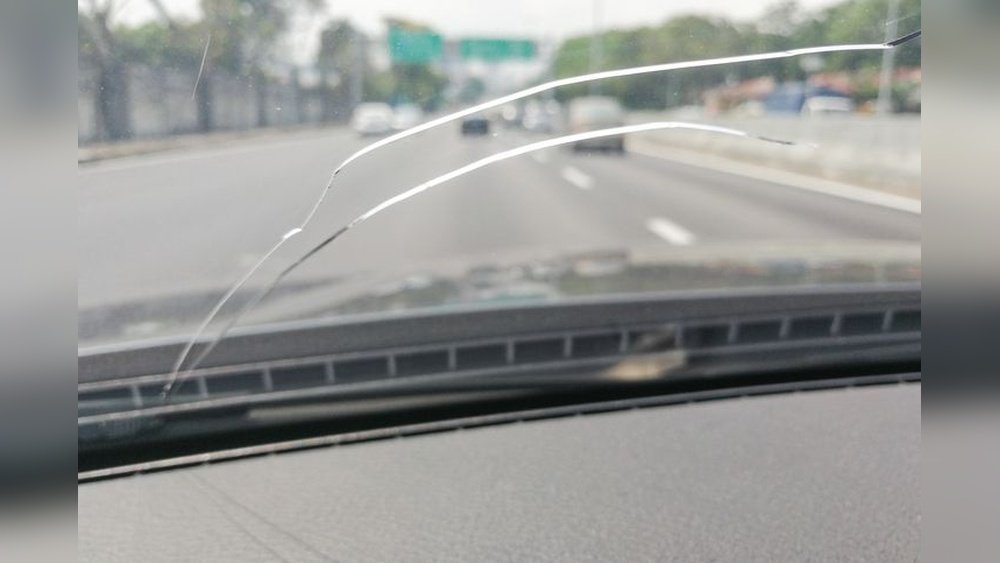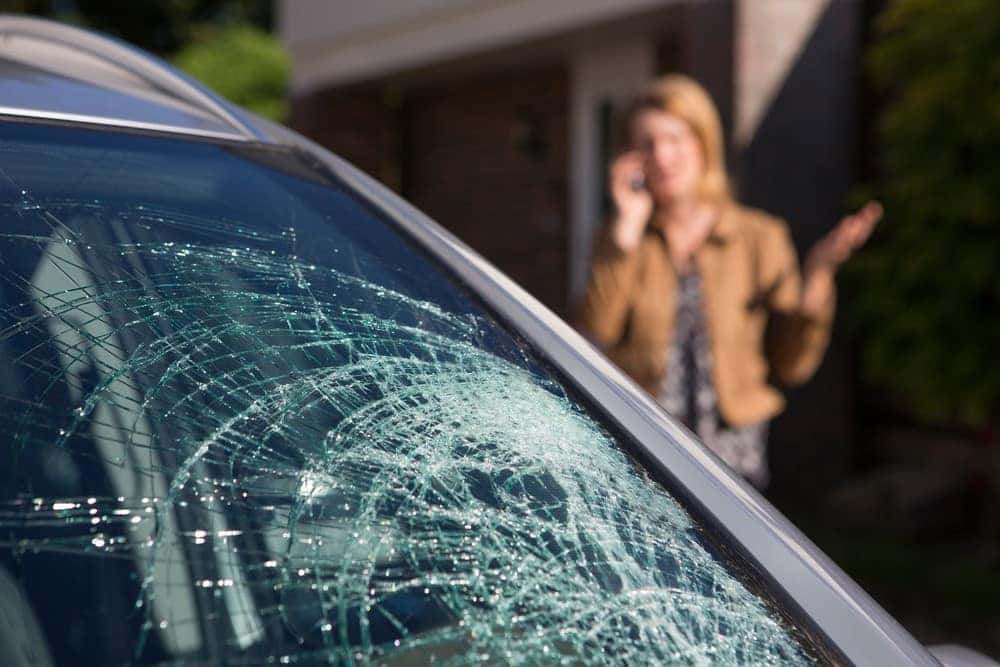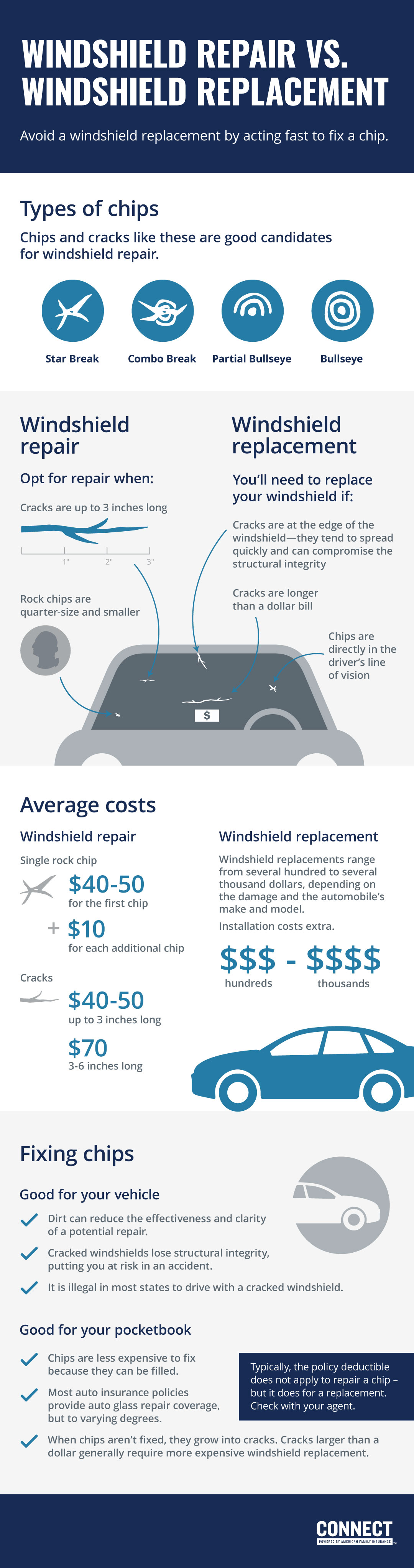
Blog

  • What Penalties Apply for Unsafe Glass: Legal Risks Explained

    Have you ever stopped to think about the risks of using unsafe glass in your home or workplace? It’s not just about looks or convenience—unsafe glass can lead to serious accidents and costly legal troubles.

    If you’re wondering what penalties could come your way for ignoring glass safety, you need to know the facts now. Understanding these penalties can protect you from fines, lawsuits, and even more severe consequences. Keep reading to discover exactly what you’re up against and how to avoid costly mistakes that could impact your safety and wallet.

    What Penalties Apply for Unsafe Glass: Legal Risks Explained

    Credit: www.mlive.com

    Legal Standards For Glass Safety

    Legal standards for glass safety set clear rules for the use of glass in buildings. These standards protect people from injuries caused by unsafe glass. They also guide builders, designers, and manufacturers. Understanding these rules helps avoid penalties and ensures safer structures.

    Building Codes And Regulations

    Building codes require specific types of glass for safety. Tempered or laminated glass often must be used in certain areas. These rules vary by location but always focus on reducing breakage risks. Inspectors check if buildings follow these codes during construction.

    Industry Safety Guidelines

    Industry groups create safety guidelines for glass use. These guidelines suggest best practices for installation and handling. They help prevent accidents and improve overall quality. Following these guidelines can reduce liability and improve safety.

    Liability In Construction

    Builders and contractors can face legal action for unsafe glass. If glass breaks and causes injury, they may be held responsible. Liability increases if they ignore codes or guidelines. Using approved glass types helps limit legal risks and protect everyone involved.

    Common Hazards Of Unsafe Glass

    Unsafe glass causes many problems. It puts people and property at risk. Understanding these hazards helps to prevent accidents and damage.

    Unsafe glass often breaks easily. This can lead to serious injuries. It can also cause damage to buildings and belongings. The risks may grow over time if not fixed.

    Physical Injury Risks

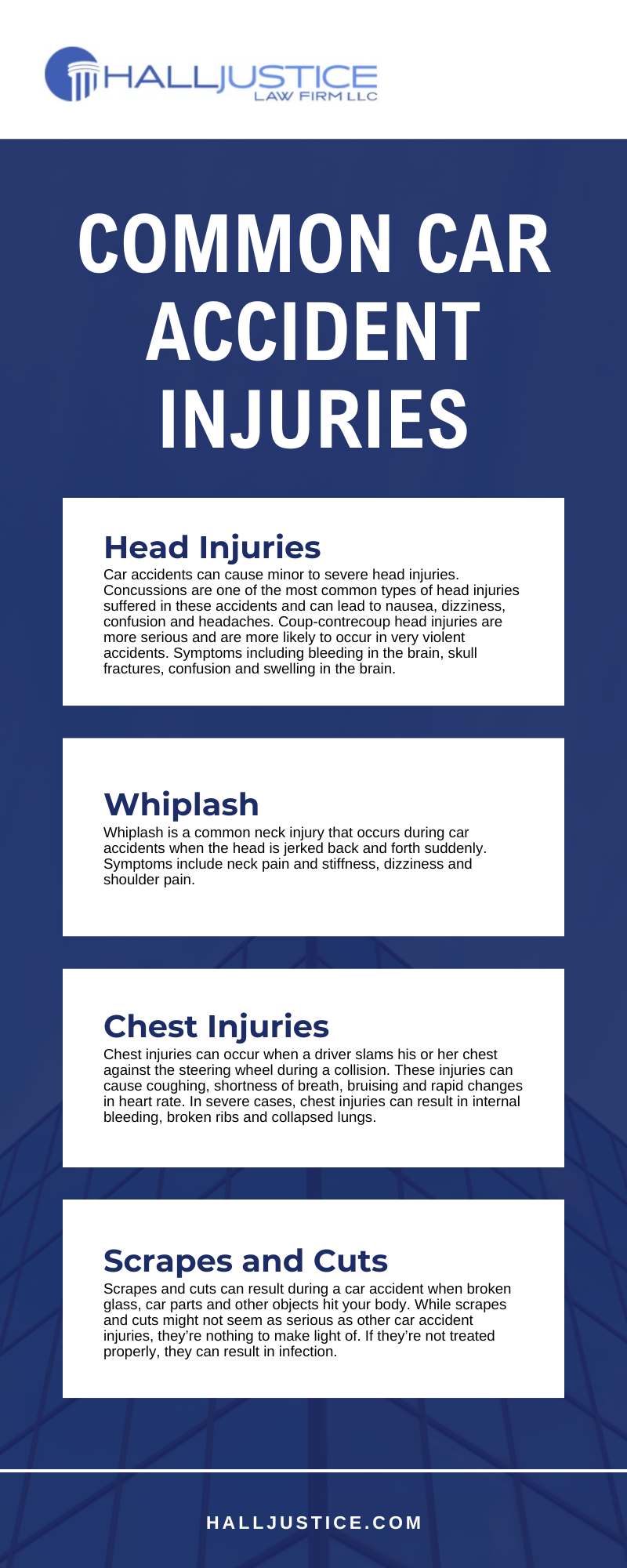
    Broken glass can cause cuts and wounds. Sharp edges hurt skin easily. Falling glass may hit eyes or face. Injuries can be painful and need medical care. Children and elderly people are especially at risk.

    Property Damage

    Unsafe glass may shatter during storms or impacts. This breaks windows, doors, or glass walls. Water or wind can enter through broken glass. It can ruin furniture, electronics, and floors. Repairing damages costs time and money.

    Long-term Safety Concerns

    Old or poor-quality glass weakens over time. It may crack or fall without warning. This creates ongoing dangers in homes or offices. Replacing unsafe glass improves safety for years. It also helps avoid future accidents and losses.

    Types Of Penalties For Unsafe Glass

    Unsafe glass in buildings or vehicles can lead to serious consequences. Authorities impose various penalties to ensure safety and prevent harm. These penalties protect people from injuries caused by broken or faulty glass. Understanding the types of penalties helps businesses and homeowners stay compliant with safety rules.

    Fines And Financial Penalties

    Fines are common penalties for unsafe glass violations. They vary depending on the severity of the risk and the damage caused. Companies might pay thousands of dollars if they ignore safety standards. These fines act as a warning and encourage immediate repairs or replacements. Regular inspections often help avoid these costly penalties.

    Lawsuits And Compensation Claims

    Injuries from unsafe glass can lead to lawsuits. Victims seek compensation for medical bills and pain caused by accidents. Courts may order businesses to pay damages if negligence is proven. These legal actions motivate property owners to maintain safe glass installations. Lawsuits can result in high financial losses and damage to reputation.

    Criminal Charges And Sanctions

    Severe cases of unsafe glass may lead to criminal charges. Authorities pursue these charges if reckless behavior causes serious injury or death. Penalties can include fines, community service, or jail time. Criminal sanctions emphasize the importance of following safety laws strictly. They serve as a strong deterrent against neglecting glass safety.

    What Penalties Apply for Unsafe Glass: Legal Risks Explained

    Credit: www.lehighvalleynews.com

    Enforcement Agencies And Their Roles

    Enforcement agencies play a key role in managing unsafe glass issues. They protect public safety by ensuring glass products meet safety rules. Each agency has specific duties to check and control glass safety. Understanding these roles helps people know who to contact for problems and penalties.

    Building Inspection Authorities

    Building inspection authorities check glass used in construction. They ensure windows, doors, and panels meet safety codes. These inspectors visit sites and test glass quality. If glass fails safety tests, they can order removal or replacement. They can also issue fines to builders or owners for violations.

    Consumer Protection Bodies

    Consumer protection bodies guard buyers from unsafe glass products. They handle complaints about defective or dangerous glass items. These agencies investigate reports and may recall unsafe glass products. They also warn the public about risks. Penalties can include fines or bans on selling unsafe glass.

    Occupational Safety Organizations

    Occupational safety organizations focus on glass safety at workplaces. They set rules to protect workers from glass hazards. Inspectors check factories and work sites for compliance. Unsafe glass can lead to penalties or shutdowns. These groups educate employers and workers about safe glass handling.

    Case Studies On Glass Safety Violations

    Case studies on glass safety violations reveal real risks and legal consequences. They show how neglecting safety standards harms people and businesses. These examples highlight common mistakes and costly penalties. Learning from past incidents helps prevent future accidents.

    Notable Legal Cases

    One famous case involved a store that used unsafe glass doors. A customer slipped and broke the glass, causing serious injuries. The court fined the store heavily for ignoring safety rules. Another case concerned a building with faulty glass panels. After a storm, panels shattered and injured pedestrians below. The company faced lawsuits and government penalties.

    Lessons From Past Incidents

    These cases teach the importance of using safety-certified glass. Regular inspections can catch weak or damaged glass early. Businesses must follow local safety laws to avoid fines and lawsuits. Proper glass installation and maintenance reduce injury risks. Ignoring safety leads to costly legal trouble and damaged reputation.

    Preventing Legal Risks With Safe Glass

    Unsafe glass can lead to serious legal problems. Businesses and homeowners must act to reduce these risks. Using safe glass protects people and meets legal rules. This section explains steps to prevent legal issues with safe glass.

    Choosing Certified Glass Products

    Select glass that meets recognized safety standards. Certified glass has passed tests for strength and impact. Using certified products reduces chances of accidents. This choice shows responsibility and care for users. It also helps avoid fines and lawsuits.

    Regular Safety Inspections

    Check glass installations often to spot damage or wear. Inspections catch problems before they cause harm. Keep records of all safety checks and repairs. This practice proves compliance with safety laws. It ensures glass stays safe for daily use.

    Training And Awareness

    Teach staff and family about glass safety rules. Training helps people recognize unsafe glass conditions. Awareness lowers the risk of accidents and injuries. Clear instructions improve safe handling and maintenance. Everyone shares the duty to keep glass safe.

    What Penalties Apply for Unsafe Glass: Legal Risks Explained

    Credit: www.vicnasserlaw.com

    Frequently Asked Questions

    What Penalties Apply For Using Unsafe Glass?

    Penalties include fines, legal liabilities, and mandatory replacement orders. Unsafe glass risks injuries and violates safety codes, leading to costly consequences.

    How Are Unsafe Glass Violations Detected?

    Inspections by safety authorities or consumer complaints often reveal unsafe glass. These checks ensure compliance with safety standards and prevent hazards.

    Can Businesses Face Lawsuits For Unsafe Glass?

    Yes, businesses can be sued for injuries caused by unsafe glass. Legal action may result in compensation claims and damage to reputation.

    Are There Fines For Non-compliance With Glass Safety Laws?

    Fines vary by jurisdiction but are common for non-compliance. They aim to enforce safety standards and protect public health.

    Conclusion

    Penalties for unsafe glass protect people and property. They can include fines, legal action, and repair costs. Unsafe glass creates risks of injury and damage. Businesses and homeowners must follow safety rules. Regular checks help avoid penalties and keep spaces safe.

    Staying informed about laws prevents costly mistakes. Safety matters—glass must meet proper standards always.

  • Will Insurance Premium Increase After Replacement? Key Insights Revealed

    Will Insurance Premium Increase After Replacement? Key Insights Revealed

    Are you worried that replacing something valuable might make your insurance premium go up? You’re not alone.

    Many people ask, “Will my insurance premium increase after replacement? ” It’s a common concern because no one wants unexpected costs. Understanding how replacement affects your insurance can save you money and stress. Keep reading to discover what really happens to your premium and how you can protect your wallet.

    Will Insurance Premium Increase After Replacement? Key Insights Revealed

    Credit: insurify.com

    Factors Influencing Premium Changes

    Insurance premiums can change after a vehicle replacement. Several factors influence whether the premium will rise or stay the same. Understanding these factors helps you prepare for any cost changes.

    Impact Of Vehicle Replacement

    The type of new vehicle affects your premium. A more expensive car usually costs more to insure. Safety features and repair costs also matter. Replacing an old car with a newer model can lower or raise your premium. The vehicle’s risk level plays a key role.

    Role Of Claim History

    Your past claims impact premium changes. More claims may lead to higher premiums. Insurance companies see frequent claims as higher risk. A clean claim history often helps keep premiums stable. After replacement, your claim record still matters.

    Effect Of Vehicle Age And Model

    Older vehicles often have lower premiums. Newer models might cost more to insure. Some models are cheaper to repair, lowering costs. Classic or rare cars can have different rates. The vehicle’s age and model influence premium adjustments.

    Will Insurance Premium Increase After Replacement? Key Insights Revealed

    Credit: centennialroofing.com

    How Insurance Companies Calculate Premiums

    Insurance companies use several factors to decide your premium. They study risks and the value of what you want to protect. This helps set a fair price for your policy. Understanding this process shows why premiums might change after replacement.

    Risk Assessment Methods

    Insurance firms check many risks before setting premiums. They look at your location, age, and claims history. They also consider the likelihood of damage or loss. The higher the risk, the higher the premium might be.

    Use Of Replacement Value In Pricing

    Replacement value is the cost to fix or replace your item. Insurers calculate premiums based on this value. If you replace something with a more expensive item, premiums may rise. This is because the cost to insure the new item is higher.

    Influence Of Policy Type

    Different policies cover different risks and amounts. A full coverage policy costs more than a basic one. The type of policy you choose affects your premium. Changing your policy after replacement can change your premium too.

    When Premiums Typically Increase

    Insurance premiums can change for several reasons. Knowing when these changes happen helps you prepare better. Premiums usually increase due to certain common situations. These relate to your claims, coverage, or vehicle changes. Understanding these can help you manage your insurance costs.

    After Major Claims Or Replacements

    Filing a big claim often leads to higher premiums. Insurers see major claims as higher risk. Replacing parts or the entire vehicle after damage can signal future costs. This makes the insurer raise your premium. Small claims might not affect your premium much. Large claims or frequent claims usually cause increases.

    Changes In Coverage Limits

    Increasing your coverage limits raises your premium. Higher limits mean the insurer covers more in damage or loss. This added protection costs more. Lowering limits can reduce premiums. But it also lowers your protection. Adjusting your coverage needs affects your premium directly.

    Adjustments Due To Vehicle Upgrades

    Upgrading your vehicle can increase your insurance premium. New features or higher value make repairs costlier. Luxury or performance upgrades often lead to higher premiums. Insurers factor in the replacement cost and repair difficulty. These adjustments help cover the extra risk they take.

    Strategies To Avoid Premium Hikes

    Insurance premiums can rise after a replacement. This increase depends on several factors. Knowing ways to keep premiums steady helps save money. These strategies work well for many policyholders.

    Smart choices and good habits prevent sudden premium hikes. Careful planning can keep your insurance costs manageable. Focus on these simple steps to avoid paying more.

    Choosing The Right Deductible

    Selecting a higher deductible lowers your premium. You pay more out-of-pocket during a claim. This choice suits those who want lower monthly costs. Balance your deductible with your ability to pay if needed.

    Maintaining A Clean Claim Record

    A claim-free record helps keep premiums low. Filing many claims signals risk to insurers. Avoid small claims to protect your rates. Drive safely and maintain your property well.

    Comparing Insurance Providers

    Different insurers offer various rates for similar coverage. Shop around to find the best premium. Switching providers can reduce your insurance costs. Review policies annually to stay updated on offers.

    Alternatives To Manage Replacement Costs

    Replacement costs can add up quickly and affect your insurance premiums. Managing these costs helps keep your expenses low. There are several alternatives to consider that can ease the financial burden.

    These options help protect your wallet and may prevent big jumps in your premium.

    Gap Insurance Options

    Gap insurance covers the difference between your car’s value and the amount you owe. It helps if your car is totaled or stolen. This coverage reduces out-of-pocket costs for replacements. Many drivers find it useful to avoid large bills after accidents.

    Using Oem Vs. Aftermarket Parts

    OEM parts come from the car manufacturer and usually cost more. Aftermarket parts are cheaper and still work well. Choosing aftermarket parts can lower repair and replacement costs. Insurers may prefer aftermarket parts to keep claims affordable.

    Negotiating With Insurers

    Talk to your insurer about your replacement options. Ask if they offer discounts or flexible plans. Negotiating can lead to better rates or lower premiums. Being clear about your needs helps insurers find the best solution.

    Will Insurance Premium Increase After Replacement? Key Insights Revealed

    Credit: www.dfmurphy.com

    Frequently Asked Questions

    Will My Insurance Premium Increase After Replacement?

    Your insurance premium might increase after replacement if the new item is more valuable. Insurers assess risk based on the replacement cost. Higher value or upgraded items usually lead to higher premiums. Always check with your insurer before replacing to understand potential premium changes.

    How Does Replacement Affect Insurance Premium Calculation?

    Replacement affects premium as insurers reassess the item’s current value. If the replacement costs more, premiums often rise. Some policies consider depreciation, so a new item may change coverage terms. Understanding your policy’s terms helps predict how replacement impacts your premium.

    Can I Avoid Premium Hikes After Item Replacement?

    To avoid premium hikes, inform your insurer about replacements promptly. Choose replacements with similar value and features to minimize changes. Some insurers offer flexible plans that adjust coverage without immediate premium increases. Always compare options before replacing insured items.

    Does Insurance Always Cover The Full Replacement Cost?

    Not always. Coverage depends on your policy type and limits. Some policies cover actual cash value, deducting depreciation. Replacement cost coverage pays full replacement price but may cost more. Review your policy details to know your coverage scope after replacement.

    Conclusion

    Replacing an item can change your insurance premium. Sometimes, the cost goes up because the new item is more expensive. Other times, it stays the same if the replacement matches the old one. Always tell your insurer about any replacement.

    This helps keep your coverage accurate and avoid surprises. Understanding these factors saves money and stress. Keep your policy updated for the best protection. Simple steps make a big difference in managing costs.

  • What Laws Govern Glass Safety: Essential Rules You Must Know

    What Laws Govern Glass Safety: Essential Rules You Must Know

    When it comes to glass, safety isn’t just about being careful—it’s about following rules designed to protect you and everyone around you. But do you know what laws actually govern glass safety?

    Whether you’re handling glass at home, work, or in public spaces, understanding these laws can make a huge difference in preventing accidents and injuries. You’ll discover the key regulations and standards that keep glass use safe. Keep reading to learn exactly what you need to know to stay protected and compliant.

    What Laws Govern Glass Safety: Essential Rules You Must Know

    Credit: alabamareflector.com

    Key Glass Safety Laws

    Key glass safety laws ensure the protection of people and property. These laws set clear rules for using glass in homes, cars, and public spaces. They reduce the risk of injury from broken or sharp glass. Understanding these laws helps manufacturers, builders, and consumers stay safe.

    Glass safety laws exist at different levels. Some rules apply across the whole country. Others vary by state or region. International standards also influence how glass is made and tested worldwide.

    Federal Regulations

    Federal laws set basic safety standards for glass products. Agencies like the Consumer Product Safety Commission (CPSC) create rules for glass in household items. The Occupational Safety and Health Administration (OSHA) enforces safety in workplaces. Federal rules cover impact resistance and labeling requirements for glass.

    State-level Rules

    States add their own glass safety regulations. These can be stricter than federal laws. For example, building codes often require safety glass in doors and windows. Some states mandate tempered or laminated glass in certain places. State rules also govern glass use in vehicles and public buildings.

    International Standards

    International standards guide glass safety worldwide. Organizations like ISO and ASTM develop testing methods and quality benchmarks. These standards help ensure glass products meet safety needs in different countries. Manufacturers use them to create glass that is strong and safe for global markets.

    What Laws Govern Glass Safety: Essential Rules You Must Know

    Credit: www.okhouse.gov

    Glass Types And Safety Requirements

    Glass safety laws vary depending on the type of glass used. Different glass types have unique safety rules. These rules help prevent injuries and ensure glass performs well in buildings and vehicles. Understanding the safety requirements for each glass type is important for builders, designers, and homeowners.

    Tempered Glass Rules

    Tempered glass is strong and breaks into small pieces. Safety laws require it in doors, windows, and shower enclosures. This glass must meet impact and heat resistance standards. These rules protect people from sharp shards and serious cuts.

    Laminated Glass Standards

    Laminated glass holds together when broken. It has a plastic layer between glass sheets. Laws demand laminated glass in car windshields and skylights. This glass prevents glass from falling and reduces injury risks.

    Insulated Glass Criteria

    Insulated glass improves energy efficiency and soundproofing. It has two or more glass panes separated by a gas-filled space. Safety rules focus on strength and sealing quality. Proper insulated glass reduces heat loss and prevents condensation inside panes.

    Installation Guidelines

    Proper installation of glass is crucial for safety and durability. Glass must be installed following clear rules. These rules protect people and property from accidents and damage. Understanding these guidelines helps ensure safe and effective glass installation.

    Building Codes

    Building codes set the minimum safety standards for glass installation. They specify types of glass allowed in different areas. Codes require safety glass in places prone to impact. Installation must meet size, thickness, and strength rules. Inspectors check installations for code compliance. Following building codes prevents accidents and legal issues.

    Workplace Safety Standards

    Workplace safety standards protect workers handling and installing glass. These rules include using proper tools and protective gear. Training workers reduces risks of cuts and falls. Employers must ensure safe glass handling and installation methods. Safety standards also require clear signage around glass areas. Compliance creates a safer work environment.

    Public Space Regulations

    Public spaces have strict rules for glass installation. Glass must be strong and often laminated or tempered. It must resist breakage to protect the public. Installation must prevent sharp edges and hazards. Some places require markings on large glass panels. These rules keep public spaces safe for everyone.

    What Laws Govern Glass Safety: Essential Rules You Must Know

    Credit: www.senatorflynn.com

    Labeling And Certification

    Labeling and certification play a key role in glass safety laws. They ensure products meet safety standards. Clear labels and proper certification protect users and help manufacturers follow rules. This section explains how labeling and certification work for glass safety.

    Marking Requirements

    Glass products must have clear marks showing they meet safety rules. Marks include manufacturer name, safety standard, and type of glass. These labels help buyers know the glass is safe to use. Marking makes tracking and quality checks easier.

    Certification Processes

    Certification confirms glass products pass safety tests. Independent labs check glass strength and durability. If glass meets standards, it receives a certificate. This certificate proves the product is safe for use. Manufacturers must keep certificates for inspections.

    Compliance Testing

    Compliance testing checks if glass meets safety laws. Tests measure impact resistance, heat tolerance, and break patterns. Glass failing tests cannot be sold. Regular testing keeps products safe and reliable. Testing protects customers and builds trust.

    Penalties For Non-compliance

    Penalties for not following glass safety laws can be severe. These rules protect people from harm caused by unsafe glass products. Breaking these laws puts lives at risk and can lead to serious consequences. Companies and individuals must understand the penalties they face for non-compliance.

    Fines And Legal Actions

    Violating glass safety laws often results in heavy fines. These fines can reach thousands or even millions of dollars. Courts may also order legal actions against offenders. Lawsuits can come from government agencies or injured parties. Legal actions damage a company’s reputation and finances.

    Product Recalls

    Unsafe glass products may be recalled by authorities. Recalls force companies to remove dangerous items from the market. This process costs money and harms brand trust. It also delays new product launches and affects sales. Recalls show the serious impact of ignoring safety rules.

    Liability Issues

    Companies face liability if their glass causes injury or damage. Victims can sue for compensation in civil courts. Liability claims can lead to large payouts and settlements. Insurance may not cover all damages, increasing financial risks. Liability issues stress the importance of meeting safety standards.

    Recent Changes And Updates

    Recent changes in glass safety laws reflect growing concerns for public health and product reliability. These updates aim to reduce accidents and improve consumer protection. Both manufacturers and users now face new rules and standards that affect glass products.

    New Safety Innovations

    New technology improves glass strength and breakage patterns. Manufacturers use laminated and tempered glass more widely. These types reduce injury risks by holding glass pieces together.

    Smart glass options also emerge. They adjust transparency and can warn about damage or faults. These innovations support safer environments in homes and cars.

    Revised Legal Frameworks

    Authorities update laws to match modern glass technology. Standards now require clear labeling and testing before products reach the market. Safety certifications become mandatory for many glass items.

    Rules focus on energy efficiency and impact resistance. Governments set stricter limits on glass thickness and quality. These changes aim to prevent accidents and legal issues.

    Impact On Manufacturers And Consumers

    Producers must invest in new equipment and training. Compliance with updated laws means higher production costs but better safety. Companies face penalties if products fail to meet standards.

    Consumers gain safer glass products with longer life spans. They should check for official safety marks. Awareness helps people choose products that protect their families and property.

    Frequently Asked Questions

    What Laws Regulate Glass Safety Standards?

    Glass safety standards are regulated by laws like the Consumer Product Safety Act and ANSI Z97. 1. These laws ensure glass products meet safety and performance requirements to protect consumers from injury.

    Are Building Codes Related To Glass Safety Laws?

    Yes, building codes like the International Building Code include glass safety requirements. They regulate glass installation to ensure structural integrity and prevent accidents in buildings.

    How Does Osha Govern Glass Safety In Workplaces?

    OSHA sets workplace safety standards for handling and installing glass. These regulations reduce risks of cuts, falls, and other injuries related to glass in occupational settings.

    What Role Does The Fda Play In Glass Safety?

    The FDA regulates glass used in food and medical products. It ensures glass containers are safe, non-toxic, and do not contaminate the contents.

    Conclusion

    Glass safety laws protect people from harm every day. They set clear rules for making and using glass. These rules help prevent accidents in homes, cars, and workplaces. Understanding these laws helps you stay safe and informed. Always choose glass products that meet safety standards.

    Safety is not just a law but a smart choice. Stay aware and protect yourself and others around you. Safety matters, especially with glass.

  • Is Side Window Glass Replacement Cheaper Than Windshield? Find Out!

    Is Side Window Glass Replacement Cheaper Than Windshield? Find Out!

    Have you ever wondered if replacing your side window glass costs less than fixing your windshield? If you’re facing a crack or break, knowing the difference can save you time and money.

    This article will help you understand the real costs behind each option and guide you to the best choice for your wallet. Keep reading to discover what affects the price and how you can make a smart decision for your car and your budget.

    Cost Factors For Glass Replacement

    Replacing car glass involves several cost factors. These factors affect the price of side window glass and windshield replacement. Understanding these can help you know why prices vary.

    Material Differences

    Side windows use tempered glass. This glass shatters into small pieces for safety. Windshields use laminated glass. It has a plastic layer between two glass sheets. Laminated glass costs more to make. This raises the price of windshield replacement.

    Labor Expenses

    Replacing a windshield takes more time. It requires careful removal and precise fitting. Side window replacement is quicker and simpler. Less labor means lower cost. Labor charges often make windshield replacement pricier.

    Vehicle Make And Model

    Luxury or rare cars have costly glass parts. Their glass may need special shapes or features. Common cars use standard glass. This glass is cheaper and easier to find. Vehicle type can change replacement costs significantly.

    Side Window Glass Vs Windshield Pricing

    Understanding the cost differences between side window glass and windshield replacement helps car owners plan repairs better. Pricing depends on several factors including glass type, labor, and vehicle model. Side window glass generally costs less than a windshield. This section breaks down the average costs and how vehicle types affect pricing.

    Average Side Window Replacement Costs

    Replacing a side window typically costs between $150 and $350. This price covers the glass and labor. Side windows are smaller and simpler to replace than windshields. Costs may vary slightly based on the glass type and quality.

    Average Windshield Replacement Costs

    Windshield replacement usually costs more, ranging from $200 to $600. Windshields require special tools and expertise for proper installation. They often include features like sensors or heating elements, adding to the price. The complexity of the job increases the cost.

    Price Variations By Vehicle Type

    Luxury and imported cars tend to have higher replacement costs. Their glass parts may be harder to find or custom-made. Trucks and SUVs may also cost more due to larger or curved glass. Economy cars often have lower prices for both side windows and windshields.

    Insurance Coverage And Glass Replacement

    Understanding insurance coverage for glass replacement helps you save money. Insurance policies treat side window glass and windshields differently. Knowing these differences guides you in managing repair costs better.

    Policy Differences

    Insurance plans may cover windshield repairs more often than side window glass. Windshields affect driver safety directly, so insurers prioritize their replacement. Side window glass coverage varies and might not be included in all plans. Review your policy to see what glass types are covered.

    Deductibles Impact

    Deductibles affect how much you pay out of pocket. Windshield repairs sometimes have lower or no deductible. Side window glass replacements usually require full deductible payment. This can make side window glass replacement appear more expensive.

    Claim Process For Glass Repairs

    Claim procedures for glass repairs differ by glass type. Windshield repair claims often are faster and easier. Side window glass claims may take longer due to damage assessment. Knowing the process helps you prepare and avoid delays.

    Is Side Window Glass Replacement Cheaper Than Windshield? Find Out!

    Credit: myuptownautomotive.com

    Quality And Safety Considerations

    Choosing between side window glass replacement and windshield repair involves more than just price. Quality and safety are critical factors. The type of glass used and its features can affect your protection on the road. Understanding these aspects helps you make a smart choice.

    Oem Vs Aftermarket Glass

    OEM glass comes from the car maker. It matches the original in size and quality. Aftermarket glass is made by third parties. It can be cheaper but may not fit perfectly. OEM glass usually offers better clarity and strength. Aftermarket options vary in quality and might lack some features.

    Safety Features In Windshields

    Windshields have special safety layers. They hold glass together during impacts. This reduces injury risk from flying shards. Many windshields also block UV rays. Some include sensors for rain or light. Side windows usually do not have these layers or sensors.

    Durability Of Side Windows

    Side windows are made from tempered glass. They break into small pieces for safety. This glass is strong but less protective than windshields. It does not hold the car’s structure like a windshield. Side windows may need more frequent replacement after damage.

    Tips To Save On Glass Replacement

    Saving money on glass replacement is important for many car owners. Knowing a few simple tips can reduce costs significantly. This helps you keep your vehicle safe without spending too much. Follow these easy steps to get the best price for your glass repair or replacement.

    Understanding how to choose the right shop, when to repair, and how to use insurance will save you money and hassle.

    Choosing The Right Repair Shop

    Pick a shop with good reviews and fair prices. Local shops often charge less than big dealerships. Ask for quotes from several places before deciding. Check if the shop uses quality glass parts. Certified technicians can do the job better and faster.

    When To Repair Instead Of Replace

    Small chips and cracks can often be repaired. Repair is cheaper and takes less time than full replacement. Fix damage early to avoid it spreading. Not all damage needs full glass replacement. Repairing keeps your original glass intact and saves money.

    Using Insurance Wisely

    Know your insurance policy on glass coverage. Some policies cover repairs with no deductible. Using insurance for small repairs may keep your rates low. Ask your insurer about preferred repair shops for discounts. Keep track of your claims to avoid future cost increases.

    Is Side Window Glass Replacement Cheaper Than Windshield? Find Out!

    Credit: autoglassrepair-pittsburgh.com

    Is Side Window Glass Replacement Cheaper Than Windshield? Find Out!

    Credit: sirautoglass.com

    Frequently Asked Questions

    Is Side Window Glass Replacement Cheaper Than Windshield?

    Yes, side window glass replacement is generally cheaper than windshield replacement. Side windows use simpler glass and require less labor, reducing overall costs.

    Why Is Windshield Replacement More Expensive Than Side Windows?

    Windshields are larger, curved, and need specialized installation. They also require precise sealing for safety, increasing labor and material costs.

    How Does Insurance Affect Glass Replacement Costs?

    Insurance coverage often varies. Windshield repairs may be fully covered with little or no deductible, while side windows might have higher out-of-pocket costs.

    Can I Replace A Side Window Glass Myself?

    Replacing side window glass yourself is possible but challenging. Proper tools and safety measures are essential to avoid damage or injury.

    Conclusion

    Side window glass replacement usually costs less than a windshield. Side windows are smaller and easier to replace. Windshields need special tools and extra care. Insurance may cover some costs, but prices vary. Choose a trusted repair shop for good service.

    Quality matters to keep you safe on the road. Always check prices and options before deciding. Saving money is possible with the right choice. Think about what fits your needs and budget best.

  • Can Plastic Sheet Cover Broken Side Window: Quick Fix Guide

    Have you ever faced a broken side window and wondered if a simple plastic sheet could be the quick fix you need? When your car window shatters unexpectedly, it’s not just inconvenient—it’s stressful.

    You want a solution that’s fast, affordable, and keeps you safe. But does covering your broken window with plastic really work? You’ll discover practical answers and smart tips to protect your vehicle until you get a proper repair. Keep reading to find out how to handle this tricky situation with ease.

    Assessing The Damage

    Assessing the damage to a broken side window is the first step before using a plastic sheet cover. This helps you understand the size and type of break. It also guides you on how to protect your vehicle and yourself. Careful inspection can prevent further harm and save money on repairs.

    Check the glass carefully. Look for cracks, holes, or shattered parts. The type of break affects how well a plastic sheet can cover the window and keep out weather or dust.

    Types Of Side Window Breaks

    Side window breaks come in many forms. A small chip is easier to cover than a large crack. A shattered window has many loose pieces that can fall out. A hole in the glass lets air and rain inside immediately. Each type needs a different way to cover it with plastic. Understanding the break helps you choose the right materials.

    Safety Precautions

    Broken glass is sharp and dangerous. Wear gloves to protect your hands. Use eye protection to avoid small glass pieces. Clear loose shards gently to prevent injury. Work slowly and carefully. Avoid pressing hard on the broken window to stop more damage. These steps keep you safe while fixing the window temporarily.

    Choosing The Right Plastic Sheet

    Choosing the right plastic sheet is important when covering a broken side window. The right material protects your car from rain, wind, and dust. It also keeps the inside safe and dry. Picking the wrong sheet can cause more problems. This guide helps you find the best plastic sheet for your needs.

    Material Options

    Plastic sheets come in several types. Clear polyethylene is common and affordable. It lets light through, so your car stays bright. Polyvinyl chloride (PVC) is stronger and more durable. It can handle harsher weather. Another option is acrylic sheets, which are rigid and clear. Choose a material based on weather and budget.

    Thickness And Durability

    Thickness matters for protection and strength. Thin sheets tear easily and offer little protection. Thicker sheets resist wind and rain better. A thickness of 4 to 6 mils works well for temporary covers. For longer use, choose sheets over 10 mils thick. Strong plastic lasts longer and keeps your car safer.

    Tools Needed For The Fix

    Fixing a broken side window with a plastic sheet needs the right tools. Preparing these tools first will make the job faster and easier. You can protect your car from rain, wind, and dust with a good cover.

    Basic Tools List

    • Plastic sheet or heavy-duty plastic wrap
    • Measuring tape to size the plastic accurately
    • Scissors for cutting the plastic sheet
    • Strong tape, like duct tape, to hold the plastic in place
    • Gloves to protect your hands from sharp glass edges
    • Rag or cloth to clean the window frame before applying plastic

    Additional Supplies

    • Spray bottle with water to help smooth the plastic
    • Marker to mark cutting lines on the plastic sheet
    • Plastic clips or binder clips to secure the edges temporarily
    • Utility knife for precise trimming
    • Cleaning solution to remove dirt and debris from the window area
    Can Plastic Sheet Cover Broken Side Window: Quick Fix Guide

    Credit: www.peddle.com

    Step-by-step Plastic Sheet Installation

    Covering a broken side window with a plastic sheet is a quick fix. It keeps rain, wind, and dust out. The process is simple and anyone can do it. Follow these steps to install the plastic sheet properly.

    Cleaning The Area

    Start by cleaning the broken window frame. Remove all loose glass pieces carefully. Use a cloth to wipe dust and dirt. A clean surface helps the plastic stick better.

    Measuring And Cutting The Plastic

    Measure the window opening with a tape measure. Add a few extra inches to cover the edges. Mark these measurements on the plastic sheet. Cut the plastic using scissors or a utility knife.

    Securing The Plastic Sheet

    Place the plastic sheet over the window opening. Use strong tape to secure the edges tightly. Make sure there are no gaps or wrinkles. Press the tape firmly so the plastic stays in place.

    Temporary Vs Long-term Solutions

    When a car’s side window breaks, choosing the right fix matters. Temporary and long-term solutions serve different needs. Knowing when to use each helps protect your vehicle and stay safe.

    When To Use A Plastic Sheet

    Plastic sheets work well as a quick fix. They keep rain, dust, and wind out for a short time. Use plastic covers after an accident or storm. They help protect your car until you get a proper repair. Perfect for emergencies or when repair shops are closed.

    Limitations Of A Plastic Cover

    Plastic sheets do not replace real glass. They offer limited security and can tear easily. Wind noise and poor visibility are common problems. Plastic cannot seal the window fully, letting cold or heat inside. Long-term use may cause damage to the car frame or interior.

    Safety Tips After The Repair

    After covering a broken side window with a plastic sheet, safety remains a top priority. The temporary fix protects from weather and debris but requires careful attention. Follow these safety tips to stay secure and avoid further damage while driving or waiting for a permanent repair.

    Driving Precautions

    Drive slowly and avoid rough roads. The plastic sheet may not hold tightly on high speeds. Keep windows closed to prevent wind from loosening the cover. Avoid heavy rain or strong winds that can damage the temporary seal. Use extra caution at night and in busy traffic. Watch for unusual noises or movements near the covered window.

    Monitoring The Repair

    Check the plastic sheet daily for tears or loosening. Replace or secure it immediately if damage appears. Clear water and dirt from the edges to keep the seal tight. Inspect the window frame for any sharp edges that could cut the plastic. Plan to visit a professional for a permanent fix as soon as possible. The plastic cover is only a short-term solution.

    When To Seek Professional Help

    Using a plastic sheet to cover a broken side window can work temporarily. It keeps rain and wind out. It also helps protect your car’s inside. Yet, this is not a long-term fix. Knowing when to get professional help matters for safety and car value.

    Signs You Need A Replacement

    Cracks spreading across the glass need attention fast. Shards or loose glass can hurt you or others. Fog or water inside the window shows a bad seal. A plastic sheet that tears or falls off often means it is time. If your window does not roll up or down, call a pro. Clear vision and strong glass keep you safe on the road.

    Cost Considerations

    Temporary plastic covers cost less than repairs. They save money but only for a short time. Broken windows left too long can cause more damage inside. Dirt, water, and weather wear out your car’s interior. Repair costs rise if damage worsens. Professionals provide estimates before work starts. Quality repairs keep your vehicle safe and protect its worth.

    Can Plastic Sheet Cover Broken Side Window: Quick Fix Guide

    Credit: www.alamy.com

    Can Plastic Sheet Cover Broken Side Window: Quick Fix Guide

    Credit: www.shutterstock.com

    Frequently Asked Questions

    Can Plastic Sheet Temporarily Cover A Broken Side Window?

    Yes, a plastic sheet can temporarily cover a broken side window. It protects against rain, wind, and debris until proper repair. Use strong tape to secure it tightly for better protection and safety.

    How Effective Is Plastic Sheet For Window Insulation?

    Plastic sheets provide basic insulation by blocking drafts and cold air. However, they are not as effective as glass. For long-term insulation, replace the broken window promptly.

    Will Plastic Sheet Prevent Water Damage From Rain?

    A well-secured plastic sheet can prevent rainwater from entering through a broken window. Ensure the sheet is tightly taped and overlaps the window frame to avoid leaks.

    How Long Can Plastic Sheet Cover A Broken Window?

    Plastic sheets are a short-term solution, ideally used for a few days to a week. Prolonged use can lead to wear and reduced protection, so arrange for window repair quickly.

    Conclusion

    Plastic sheets can work as a quick fix for a broken side window. They keep rain, wind, and dirt out temporarily. Make sure to secure the sheet tightly to avoid noise or damage. This solution is cheap and easy but not very strong or safe long-term.

    Replace the plastic with a real window soon to protect your car and yourself. Using plastic covers buys you time until proper repairs happen. Remember, safety matters most.

  • How to Clean Car Glass Properly: Expert Tips for Crystal Clear Views

    How to Clean Car Glass Properly: Expert Tips for Crystal Clear Views

    Your car glass plays a big role in your safety and driving experience. When it’s dirty or streaky, it can block your view and cause distractions.

    You want your windows and windshield crystal clear every time you get behind the wheel. But how do you clean car glass properly without leaving smudges or damaging the surface? You’ll discover simple, effective tips that anyone can follow. By the end, you’ll know exactly what to do to keep your car glass spotless and improve your driving comfort.

    Let’s get started!

    Choosing The Right Cleaning Tools

    Cleaning car glass well starts with choosing the right tools. The tools make the job easier and give better results. Using poor tools can leave streaks or scratches. Proper tools help keep the glass clear and safe for driving.

    Two main tools matter most: cloths and cleaning solutions. Each has a special role in cleaning. Picking the right ones means less effort and a shiny finish. Let’s explore what works best for your car glass.

    Best Cloths And Towels

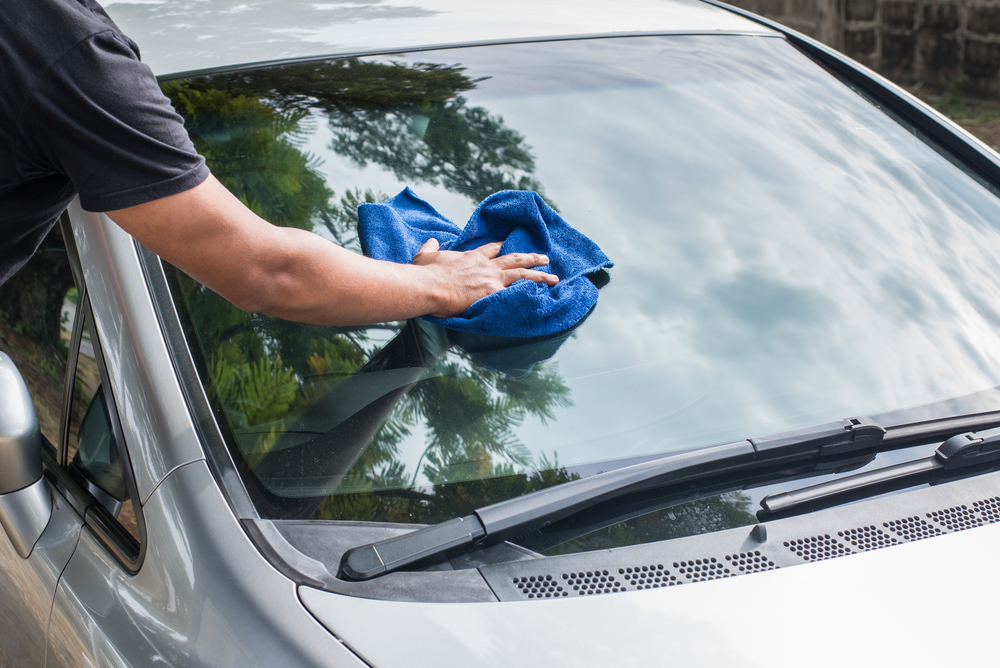
    Microfiber cloths are the top choice for cleaning car glass. They are soft and do not scratch the surface. These cloths trap dirt well, so they clean without pushing dirt around.

    Choose cloths that are clean and dry. Avoid using old rags or paper towels. Those can leave lint or marks on the glass. Use separate cloths for washing and drying. This stops dirt from spreading.

    Effective Cleaning Solutions

    Use a mild, ammonia-free glass cleaner for car windows. Strong chemicals can damage window tint or rubber seals. A simple mix of water and vinegar also works well. It removes grime and leaves glass clear.

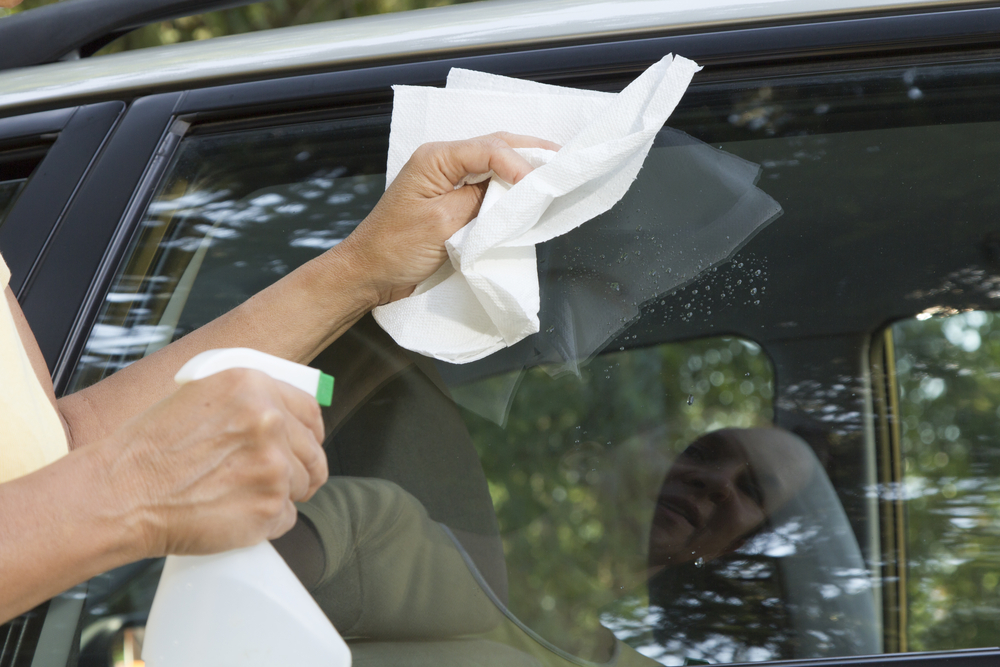
    Spray the cleaner lightly on the glass or cloth. Avoid soaking the glass to prevent streaks. Use circular motions to clean, then wipe dry with a microfiber cloth. This method gives a clear, streak-free finish.

    Preparing The Car Glass

    Preparing the car glass is the first step to a clear, streak-free finish. Dirt and grime can block your view and make cleaning harder. Cleaning the glass properly starts with removing loose dirt and dust. Next, focus on stubborn stains that need extra care.

    Removing Loose Dirt And Dust

    Begin by wiping the glass with a soft brush or cloth. This removes dust and small particles. Use gentle strokes to avoid scratching the glass. Avoid using dry cloths only, as they can spread dust around. A damp microfiber cloth works best to catch dirt. Clean all corners and edges where dust gathers.

    Handling Stubborn Stains

    Stubborn stains like bird droppings or sap need special attention. Soften the stains first by spraying water or a glass cleaner. Let it sit for a minute to loosen the dirt. Then, gently scrub with a soft cloth or sponge. Avoid harsh scrubbing to protect the glass surface. Repeat if the stain does not come off easily. Use a dedicated glass cleaner for tough spots to ensure clear results.

    Step-by-step Cleaning Process

    Cleaning car glass properly improves visibility and safety. Follow a clear, simple process to get spotless windows. Use the right tools and techniques for best results.

    Applying Cleaner Correctly

    Spray a small amount of glass cleaner onto the surface. Avoid soaking the glass to prevent drips. Use a cleaner made for automotive glass. This removes dirt without harming the glass or tint.

    Using Circular Motions

    Use a clean microfiber cloth to wipe the glass. Move the cloth in small circles to lift dirt. Circular motions help avoid streaks and spots. Focus on areas with bugs or grime buildup.

    Drying Without Streaks

    Use a dry microfiber cloth to finish drying the glass. Wipe in straight lines from top to bottom. This method stops streaks from forming. Check the glass from different angles for clarity.

    How to Clean Car Glass Properly: Expert Tips for Crystal Clear Views

    Credit: www.youtube.com

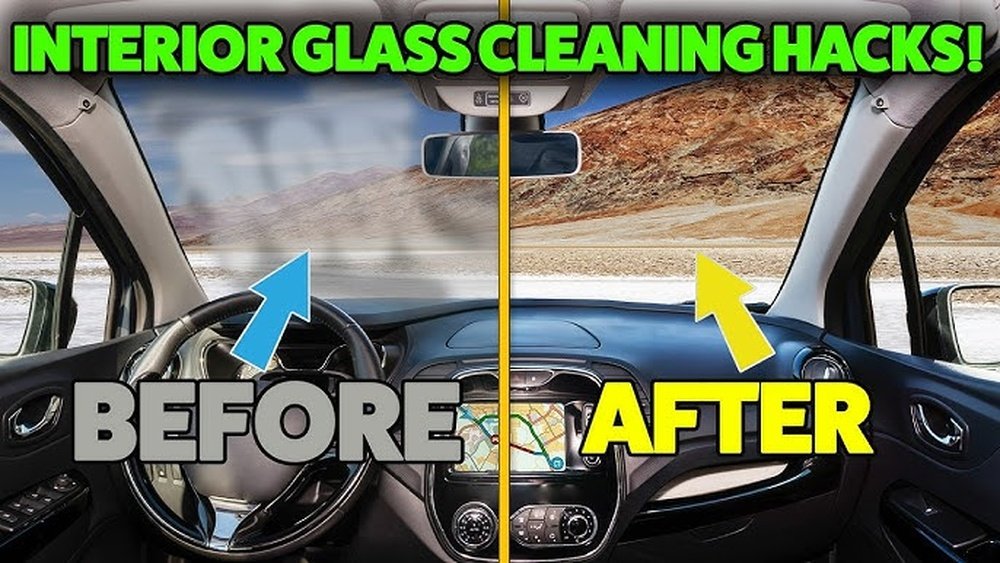
    Cleaning Interior Glass Surfaces

    Cleaning interior glass surfaces in your car is important for clear visibility and safety. Dirt, fingerprints, and smoke stains can build up inside the windows. This makes driving harder and less safe. Proper cleaning removes these marks and keeps the glass spotless.

    Use the right tools and methods to avoid streaks and damage. Soft cloths and gentle cleaners work best for interior glass. Avoid harsh chemicals that can harm the glass or leave residue behind.

    Avoiding Fog And Residue

    Fog and residue block your view and cause distractions. Use a microfiber cloth to wipe the glass gently. Spray a small amount of glass cleaner on the cloth, not directly on the glass. This prevents drips and streaks. Wipe in circular motions for best results.

    Use an anti-fog spray or a small dab of shaving cream on the inside glass. Buff it lightly to create a thin, clear layer. This stops fog from forming on cold or humid days. Clean regularly to keep the glass clear and safe.

    Safe Techniques For Tinted Windows

    Tinted windows need special care. Avoid ammonia-based cleaners. These can damage the tint film and cause bubbles or cracks. Use a mild soap and water solution or a cleaner designed for tinted glass.

    Apply the cleaner to a soft cloth, not the window. Wipe gently and avoid scrubbing. Dry with a clean microfiber cloth to prevent streaks. Regular cleaning keeps tint looking new and protects it from damage.

    Maintaining Clear Glass Between Washes

    Keeping your car glass clear between full washes saves time and effort. Dirt, dust, and water marks can build up quickly. Regular care helps maintain visibility and safety. It also keeps your car looking neat every day.

    Quick Daily Wipes

    Use a clean microfiber cloth for daily glass wipes. It removes light dust and smudges fast. Avoid paper towels; they can scratch the glass. Spray a small amount of glass cleaner or water on the cloth. Wipe the glass in straight lines to avoid streaks. This simple step keeps your windows clear with little effort.

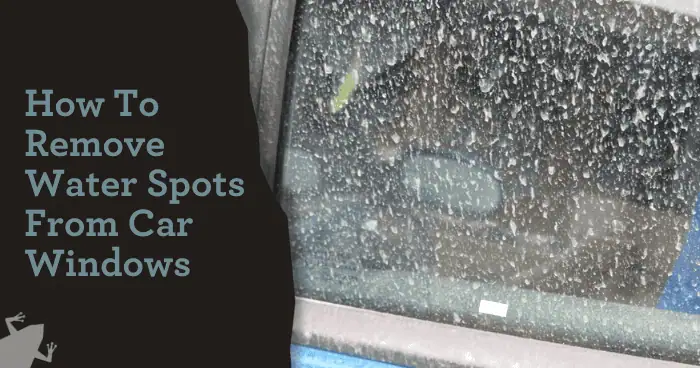
    Preventing Water Spots

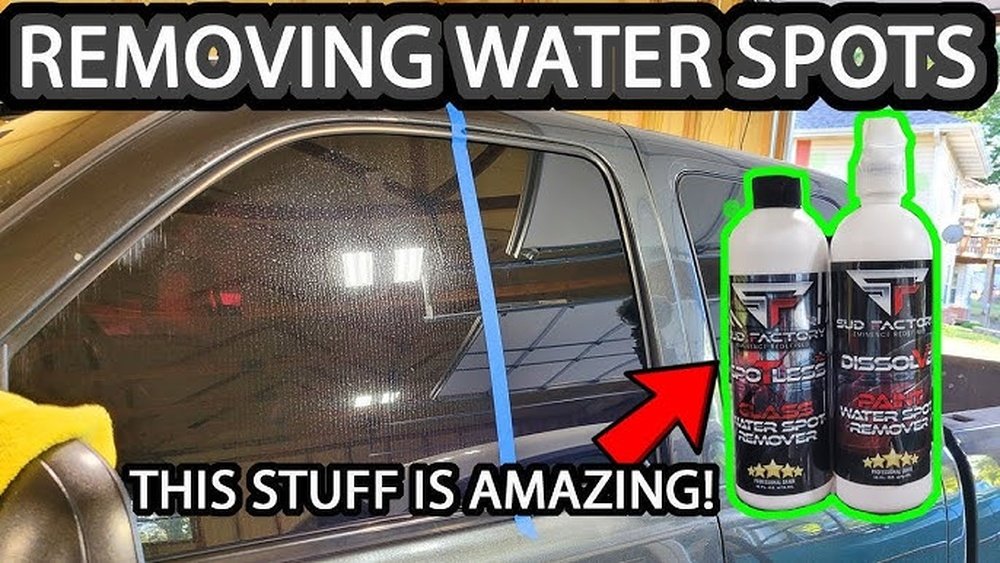
    Water spots form when droplets dry and leave mineral marks. These spots can be hard to remove later. Wipe your glass dry after rain or washing. Use a soft, absorbent cloth to avoid scratches. Applying a water-repellent product helps water bead off glass. This prevents spots and keeps your view clear longer.

    How to Clean Car Glass Properly: Expert Tips for Crystal Clear Views

    Credit: cleanmycar.ca

    Common Mistakes To Avoid

    Cleaning car glass seems simple but many make mistakes that harm the glass. These errors can leave streaks, scratches, or damage the surface. Avoiding common mistakes helps keep your glass clear and safe. Here are two key mistakes to watch out for.

    Using Harsh Chemicals

    Strong chemicals can damage car glass and surrounding areas. Avoid cleaners with ammonia or bleach. These can harm tint and rubber seals. Choose mild, glass-specific cleaners instead. They clean well without causing damage.

    Cleaning In Direct Sunlight

    Cleaning glass under the hot sun dries the cleaner too fast. This causes streaks and spots. Work in the shade or during cooler times. A slow drying process ensures a clear, smooth finish.

    How to Clean Car Glass Properly: Expert Tips for Crystal Clear Views

    Credit: www.endurancewarranty.com

    Frequently Asked Questions

    How Often Should I Clean My Car Glass?

    Clean your car glass at least once a week. Frequent cleaning prevents dirt buildup and improves visibility. Regular maintenance also extends the glass’s lifespan and enhances driving safety, especially in changing weather conditions.

    What Is The Best Cleaner For Car Glass?

    Use a dedicated automotive glass cleaner or a mixture of vinegar and water. Avoid ammonia-based cleaners, which can damage tint films. Always choose a streak-free formula for clear, spotless results.

    How Do I Prevent Streaks On Car Glass?

    Use a microfiber cloth and clean in circular motions. Avoid cleaning in direct sunlight, which causes quick drying and streaks. Dry the glass thoroughly to ensure a clear, streak-free finish.

    Can I Use Household Glass Cleaner On Car Windows?

    Household cleaners may contain ammonia, harmful to car window tint. It’s better to use cleaners specifically designed for automotive glass. These products protect tint and provide a clear, streak-free surface.

    Conclusion

    Cleaning car glass properly keeps your view clear and safe. Use the right tools and cleaners for the best results. Regular cleaning stops dirt and streaks from building up. Clean glass also helps avoid accidents by improving visibility. Take time to wipe edges and corners carefully.

    Small efforts make a big difference in driving safety. Keep your car glass spotless for a smoother, safer ride. Simple habits protect your car and your eyes on the road. Clear glass means confident driving every time.

  • What Cleaning Methods Improve Glass Safety: Top Expert Tips

    What Cleaning Methods Improve Glass Safety: Top Expert Tips

    Your glass surfaces play a bigger role in your safety than you might realize. When glass is not cleaned properly, tiny scratches or residues can weaken it, making it more prone to breaking.

    But what if the way you clean your glass could actually make it stronger and safer? You’ll discover simple, effective cleaning methods that protect your glass and keep your space secure. Ready to learn how a few easy steps can improve your glass safety?

    Keep reading—you won’t want to miss these game-changing tips.

    What Cleaning Methods Improve Glass Safety: Top Expert Tips

    Credit: www.homedepot.com

    Choosing Safe Cleaning Products

    Choosing safe cleaning products is key to keeping glass surfaces strong and clear. Harsh chemicals can weaken glass and cause damage over time. Safe cleaners protect glass while removing dirt and grime effectively. They also reduce health risks for people handling them. Selecting the right products helps maintain glass safety and appearance.

    Non-toxic Solutions

    Non-toxic cleaning products avoid harmful chemicals. They use natural ingredients that clean without risks. These solutions prevent damage to glass edges and coatings. Non-toxic cleaners also protect your skin and lungs from irritation. Using gentle formulas keeps glass safe and your home healthy.

    Avoiding Abrasive Chemicals

    Abrasive chemicals can scratch or weaken glass surfaces. Avoid products with acids, ammonia, or bleach. These substances can cause tiny cracks and cloudiness. Choose mild cleaners to preserve the glass’s strength. Gentle options clean well without wearing down the surface.

    Eco-friendly Options

    Eco-friendly cleaners are safe for glass and the planet. They use biodegradable ingredients that break down naturally. These products reduce chemical buildup on glass surfaces. Using eco-friendly options supports a cleaner environment. They clean glass safely and help protect nature.

    Proper Cleaning Techniques

    Proper cleaning techniques keep glass safe and clear. Using the right methods avoids scratches and damage. Clean glass lasts longer and stays strong. Follow simple steps to improve glass safety during cleaning.

    Using Soft Cloths And Sponges

    Choose soft cloths or sponges to clean glass. Rough materials can cause scratches. Microfiber cloths work best for delicate surfaces. Soft tools remove dirt without harming the glass. Avoid using paper towels or abrasive pads.

    Gentle Circular Motions

    Clean glass with gentle circular motions. This method lifts dirt without pressing hard. Circular movements cover the surface evenly. It helps avoid streaks and smudges. Slow, steady strokes protect the glass finish.

    Avoiding Excessive Pressure

    Do not press too hard while cleaning. Excessive pressure can crack or weaken glass. Light touch keeps the glass intact and safe. Let the cleaning solution do the work. Too much force increases the risk of damage.

    Maintaining Glass Integrity

    Maintaining glass integrity is key to keeping glass safe and durable. Glass can weaken over time due to damage or dirt buildup. Protecting the glass helps avoid accidents and costly repairs. Simple care steps extend the life and safety of your glass surfaces.

    Inspecting For Cracks And Chips

    Check glass often for cracks or chips. Small flaws can grow and cause breaks. Use good light and a close look. Report or fix any damage quickly. Early action stops bigger problems and keeps glass strong.

    Regular Cleaning Schedule

    Clean glass regularly to remove dirt and grime. Dirt can hide damage and weaken glass. Use soft cloths and gentle cleaners. Avoid harsh chemicals that can scratch or weaken glass. A clean surface reflects light better and stays safer.

    Protective Coatings And Treatments

    Apply protective coatings to strengthen glass. These treatments add a thin layer that resists scratches and breaks. Some coatings also repel water and dirt. Protective layers keep glass clear and tougher over time. Choose coatings made for your glass type.

    What Cleaning Methods Improve Glass Safety: Top Expert Tips

    Credit: serenevalleydesign.com

    Safety Precautions During Cleaning

    Cleaning glass surfaces requires care to keep everyone safe. Glass can break or cause cuts during cleaning. Taking proper safety steps prevents accidents and injuries. These precautions protect you and others around.

    Wearing Protective Gear

    Always wear gloves to protect your hands from sharp edges. Safety goggles keep your eyes safe from glass shards and cleaning chemicals. Use long sleeves to shield your arms from cuts. Proper clothing lowers the risk of injury while cleaning glass.

    Safe Handling Of Glass Panels

    Hold glass panels firmly but gently to avoid cracks. Carry glass vertically, not flat, to reduce breakage risk. Use suction cups or grips for large panels. Work slowly and carefully to prevent slips and drops. Clear the area of obstacles before moving glass.

    Disposing Of Broken Glass Safely

    Never throw broken glass in regular trash bags. Wrap shards in thick paper or cloth before disposal. Use a rigid container to hold broken pieces securely. Label the container as “broken glass” to warn others. Follow local rules for hazardous waste disposal.

    Expert Tips For Different Glass Types

    Different types of glass need different care for safety and cleanliness. Using the right cleaning method helps keep glass strong and clear. Avoid harsh chemicals and rough tools that can cause damage. Follow these expert tips for popular glass types.

    Tempered Glass Care

    Tempered glass is strong but can break if hit hard. Use a soft cloth and mild soap to clean it. Avoid sharp objects or abrasive sponges. Do not use ammonia or acid-based cleaners, as they can weaken the glass. Wipe gently to keep the surface smooth and safe.

    Laminated Glass Cleaning

    Laminated glass has a plastic layer inside for extra safety. Clean it with a non-abrasive cloth and mild detergent. Avoid soaking the edges to protect the inner layer. Use water and a soft sponge for best results. Dry with a clean cloth to prevent water spots.

    Stained And Decorative Glass

    Stained and decorative glass needs careful cleaning. Use a soft, damp cloth without strong chemicals. Avoid scrubbing to protect colors and designs. Test the cleaner on a small area before full cleaning. Clean gently to keep the glass beautiful and intact.

    What Cleaning Methods Improve Glass Safety: Top Expert Tips

    Credit: serenevalleydesign.com

    Frequently Asked Questions

    What Cleaning Methods Enhance Glass Safety Effectively?

    Using gentle, non-abrasive cleaners prevents scratches and damage. Regular cleaning removes dirt that weakens glass. Avoid harsh chemicals to maintain strength and clarity.

    How Does Regular Cleaning Improve Glass Safety?

    Regular cleaning removes dust and debris that cause surface wear. This prevents micro-cracks and maintains the glass’s structural integrity. Clean glass is easier to inspect for damages.

    Which Cleaning Products Are Safest For Glass Surfaces?

    Mild detergents, vinegar solutions, and commercial glass cleaners are safe. Avoid ammonia-based or acidic cleaners that can degrade glass coatings. Always use soft cloths or sponges.

    Can Improper Cleaning Reduce Glass Safety?

    Yes, abrasive materials or harsh chemicals can cause scratches and weaken glass. This increases the risk of breakage and injury. Proper cleaning methods preserve glass strength.

    Conclusion

    Safe glass cleaning protects both the glass and people around it. Using gentle, non-abrasive tools helps avoid scratches and cracks. Choosing the right cleaning solutions keeps glass strong and clear. Regular cleaning removes dirt that can weaken the surface. Always handle glass carefully during cleaning to prevent accidents.

    Clean glass not only looks better but lasts longer too. Simple steps make a big difference in glass safety. Keep these methods in mind for safer, cleaner glass every time.

  • Can Windshield Shatter Without Replacement? Shocking Truth Revealed

    Can Windshield Shatter Without Replacement? Shocking Truth Revealed

    Have you ever wondered if your windshield can shatter without needing a full replacement? It’s a question that matters because your safety and wallet are on the line.

    Imagine driving down the road when suddenly your windshield cracks or even shatters—what do you do next? Understanding when a windshield can be repaired instead of replaced can save you time, stress, and money. Keep reading to discover the surprising facts about windshield damage and what options you really have when facing this common problem.

    Your car—and your peace of mind—depend on it.

    How Windshields Break

    Windshields protect drivers and passengers from wind, rain, and debris. They are made of layered glass designed to stay intact under pressure. Yet, windshields can break or shatter. Understanding how windshields break helps in deciding if replacement is necessary.

    Windshield damage varies in type and cause. Some cracks are small and repairable, while others spread fast and weaken the glass. Knowing the types and reasons for damage helps keep your vehicle safe.

    Types Of Windshield Damage

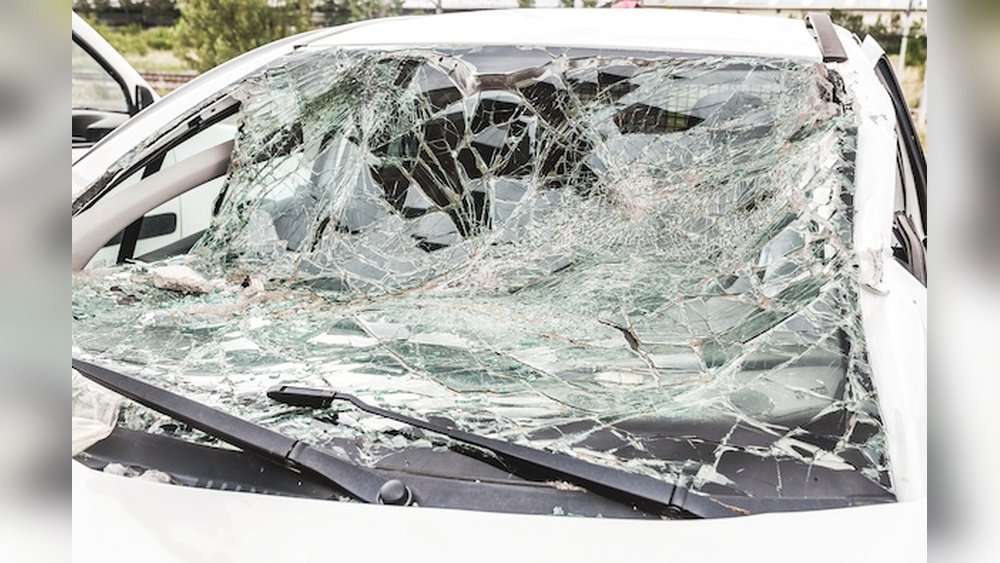
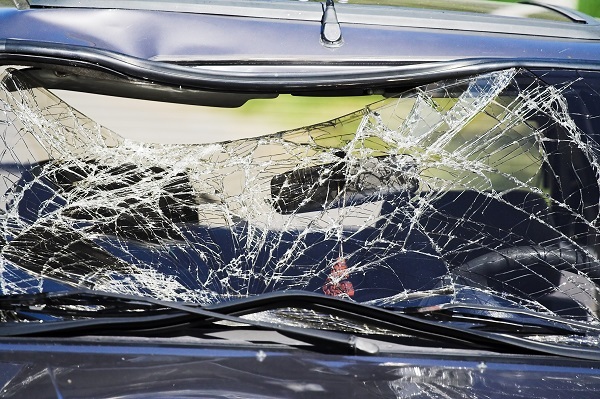
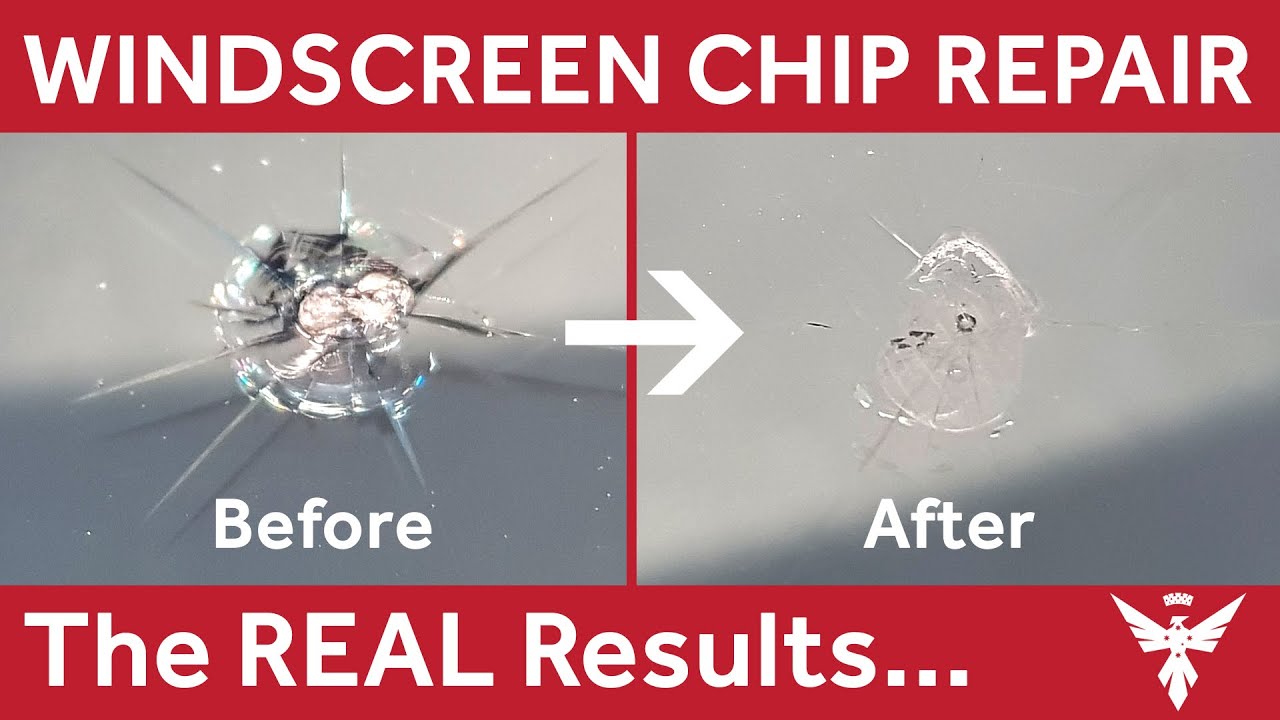
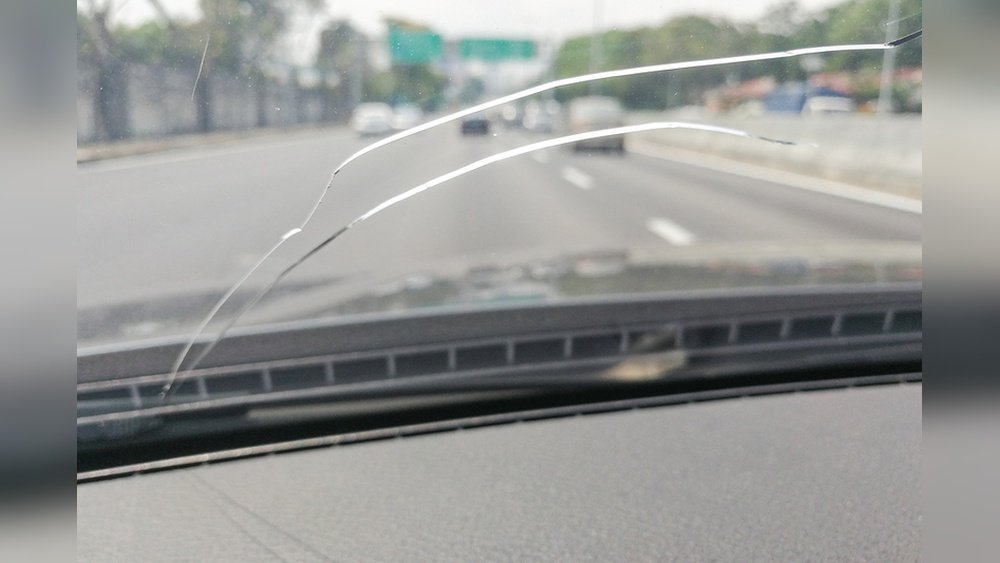
    Chips are tiny breaks caused by small objects hitting the glass. They often look like a star or bullseye. Cracks are longer splits that spread from chips or impact points. Stress cracks appear without impact due to temperature changes or poor installation. Sometimes, the glass shatters into many pieces after a strong hit or sudden pressure.

    Common Causes Of Shattering

    Road debris like stones or metal can strike the windshield at high speed. Sudden temperature changes cause stress in the glass, leading to cracks or shattering. Car accidents cause strong impacts that break the windshield instantly. Poor installation or defects weaken the glass and make it prone to breaking. Sharp objects or vandalism also cause severe damage to the windshield.

    Can Windshield Shatter Without Replacement? Shocking Truth Revealed

    Credit: www.windshieldexperts.com

    Factors Affecting Windshield Shattering

    Understanding the factors affecting windshield shattering helps in knowing when replacement is necessary. Windshields can crack or shatter due to many reasons. Some causes make the glass weak, while others add pressure that leads to breaking. Recognizing these factors can help drivers take care of their windshields and avoid sudden damage.

    Material Strength And Quality

    Windshields are made of layers of glass and plastic. The quality of these materials affects how strong the windshield is. High-quality glass is less likely to shatter under stress. Cheaper or older windshields may have weak spots. These weak spots increase the risk of cracking or shattering quickly.

    Temperature And Weather Impact

    Extreme heat or cold can cause a windshield to crack or shatter. Sudden temperature changes create stress in the glass. For example, pouring hot water on a frozen windshield can cause it to break. Sunlight can also weaken the glass over time. Weather conditions play a big role in windshield durability.

    Previous Repairs And Weak Spots

    Repairs that are not done properly can leave weak spots. These spots are more likely to crack under pressure. Even small chips or cracks can grow larger without proper care. Weak spots reduce the overall strength of the windshield. They increase the chance of sudden shattering while driving.

    Can A Shattered Windshield Be Fixed?

    Can a shattered windshield be fixed? This question comes up often. Not all cracks mean a full replacement. Some damage can be repaired quickly and safely. Knowing the difference helps you save time and money. It also keeps your car safe on the road.

    When Repair Is Possible

    Small chips and cracks under six inches often qualify for repair. Cracks that do not reach the edges can be fixed. Repairs work best when damage is clean and not spread out. Professionals use resin to fill and seal the cracks. This restores strength and clarity to the glass.

    Limits Of Windshield Repair

    Large cracks or damage at the edge usually need replacement. Deep cracks that affect the driver’s view cannot be safely repaired. Multiple cracks or shattered glass also require a new windshield. Repairs may not hold if the damage is old or dirty. Safety is the priority when deciding repair or replace.

    Risks Of Ignoring Replacement

    Ignoring a badly damaged windshield can cause accidents. A weak windshield may shatter on impact during a crash. It can also reduce the effectiveness of airbags. Visibility problems from cracks increase the chance of crashes. Repairing or replacing promptly protects you and your passengers.

    Can Windshield Shatter Without Replacement? Shocking Truth Revealed

    Credit: www.reddit.com

    Safety Concerns With Shattered Windshields

    Shattered windshields create many safety risks for drivers and passengers. Cracks or breaks in the glass can cause serious problems on the road. Knowing these safety concerns helps you understand why replacement is often necessary. Here are the main issues to consider.

    Visibility Issues

    Cracks and chips block your view of the road. They can catch sunlight and create glare. Night driving becomes harder because lights scatter through the broken glass. Even small cracks can distract the driver. Poor visibility increases the chance of accidents.

    Structural Integrity

    The windshield supports the car’s frame during crashes. A shattered windshield loses strength. It may not protect the cabin in a rollover accident. Airbags rely on a solid windshield to work properly. A weak windshield puts everyone inside at risk.

    Legal Implications

    Many laws require windshields to be free of major cracks. Driving with a shattered windshield can lead to fines. Insurance claims might be denied after an accident. Police may stop drivers with unsafe windshields. Following the rules keeps you safe and legal.

    Preventing Windshield Shattering

    Preventing windshield shattering is important for your safety and cost savings. A strong windshield protects you from road debris and accidents. Taking simple steps helps keep it intact. Small cracks can turn into big problems fast. Protect your windshield to avoid replacements and accidents.

    Proper Maintenance Tips

    Check your windshield regularly for chips and cracks. Clean it with soft cloths and gentle cleaners. Avoid harsh chemicals that can weaken the glass. Park in shaded areas to reduce heat stress. Fix small damages quickly before they spread. Proper care keeps the glass strong and clear.

    Avoiding Common Hazards

    Keep a safe distance from trucks and construction sites. Flying stones and debris can hit your windshield hard. Drive carefully on gravel roads and avoid potholes. Avoid sudden temperature changes like pouring hot water on ice. These hazards increase the chance of cracks and shattering.

    Choosing Quality Materials

    Use high-quality windshield glass and adhesives for repairs. Cheap materials may not hold up under stress. Professional installation ensures the glass fits well and stays secure. Strong materials reduce risks of shattering in small impacts. Always pick trusted brands and certified technicians.

    Cost Implications: Repair Vs Replacement

    Deciding between repairing or replacing a shattered windshield affects your wallet. The cost difference can be significant. Understanding these costs helps you make smart choices about your vehicle’s care.

    Price Comparison

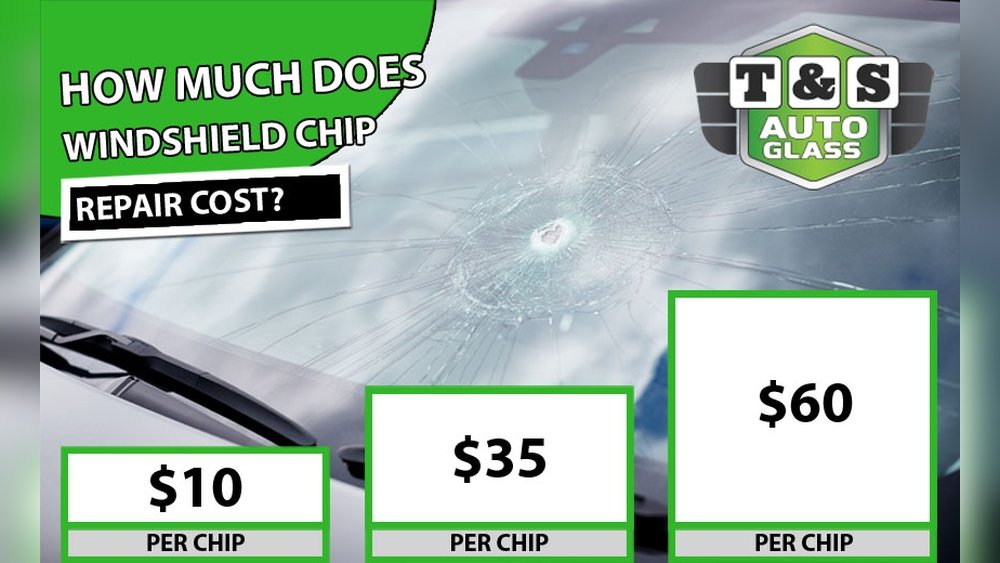
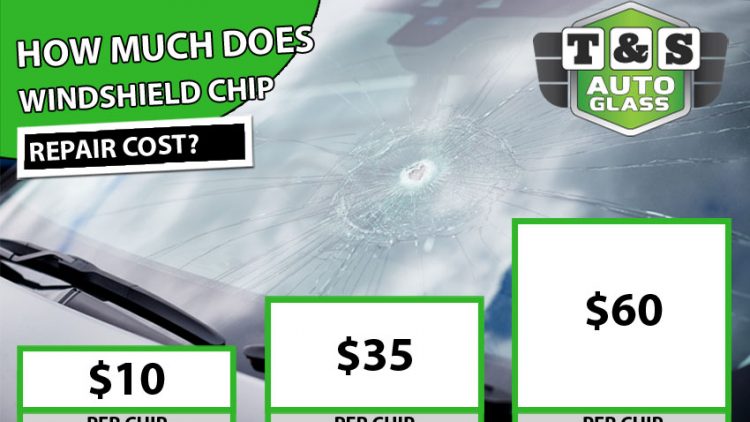
    Repairing a windshield chip or crack usually costs less than replacement. Repairs can range from $50 to $150. Full replacement may cost $200 to $500 or more. The size and location of damage influence the price. Small chips repair quickly and cheaply. Large cracks often require full replacement.

    Insurance Considerations

    Insurance policies vary on coverage for windshield damage. Many cover repairs fully with no deductible. Replacement might require a deductible to be paid first. Some insurers offer special glass coverage reducing your cost. Check your policy details before deciding. Claiming replacement might increase future premiums.

    Long-term Benefits

    Repairing keeps your original windshield intact. It preserves factory seal and strength. Replacement installs a new windshield, restoring full visibility. A new windshield may improve car safety. Repairs prevent damage from spreading further. Replacement solves severe cracks that repair can’t fix.

    Can Windshield Shatter Without Replacement? Shocking Truth Revealed

    Credit: rsautoglass.ca

    Frequently Asked Questions

    Can A Windshield Shatter Without Needing Replacement?

    Yes, a windshield can shatter without full replacement if the damage is minor and repairable. Small chips or cracks can sometimes be fixed without replacing the entire glass.

    What Causes A Windshield To Shatter Suddenly?

    Sudden temperature changes, road debris impact, or existing cracks can cause a windshield to shatter unexpectedly. Stress on the glass weakens it over time.

    Is It Safe To Drive With A Cracked Windshield?

    Driving with a cracked windshield can be unsafe as it compromises visibility and structural integrity. Repairs or replacement should be done promptly.

    Can Windshield Repair Prevent Shattering?

    Timely windshield repair can prevent cracks from spreading and reduce the risk of shattering. Early fixes maintain safety and save costs.

    Conclusion

    A windshield can shatter without replacement, but risks grow fast. Small cracks may spread and weaken the glass. Driving with damage can be unsafe and costly. Repairing early often saves money and time. Always check the damage carefully and act quickly.

    Protect your car and stay safe on the road. Choose repair or replacement based on the crack size. Don’t ignore chips—they can turn into big problems. Taking care now prevents headaches later.

  • How to Educate Drivers About Glass Safety: Essential Tips

    How to Educate Drivers About Glass Safety: Essential Tips

    Imagine you’re behind the wheel, and suddenly a small chip appears on your windshield. Do you know how dangerous it can be if left untreated?

    Glass safety isn’t just about keeping your car looking good—it’s about protecting your life and the lives of others on the road. You’ll learn simple but powerful ways to understand and teach glass safety to drivers. By the end, you’ll be equipped to make smarter choices every time you drive.

    Ready to discover how to stay safer and keep those around you safe too? Let’s dive in.

    How to Educate Drivers About Glass Safety: Essential Tips

    Credit: nl.edu

    Importance Of Glass Safety For Drivers

    Glass safety is vital for every driver on the road. Cracked or broken glass can cause serious injuries. It also blocks the driver’s view, increasing accident risks.

    Understanding glass safety helps drivers stay alert and cautious. It improves reaction time and decision-making during emergencies. Drivers can protect themselves and their passengers by knowing the right safety steps.

    Protecting Vision And Visibility

    Clear glass allows drivers to see the road clearly. Dirt, cracks, or fogged glass reduce visibility. Poor visibility leads to missed signs and hazards. Clean, intact glass helps avoid accidents and keeps roads safer.

    Preventing Injuries During Crashes

    Proper glass safety means using tempered or laminated glass. These types reduce sharp shards in crashes. Broken glass can cause cuts or worse injuries. Safe glass helps protect drivers and passengers from harm.

    Maintaining Vehicle Value

    Damaged glass lowers a car’s value. Repairing or replacing glass keeps the vehicle in good shape. Well-maintained glass also avoids costly repairs later. Drivers save money and keep their cars safe.

    Common Glass Hazards On The Road

    Glass hazards on the road pose serious risks for all drivers. These dangers can affect your safety and the safety of others. Understanding common glass issues helps you stay alert and take quick action.

    Knowing what to watch for keeps your drive safer. It also helps you act before small problems become big ones. Here are some common glass hazards every driver should know.

    Cracks And Chips

    Small cracks and chips can weaken your windshield. They start from minor impacts like stones or debris. Over time, these cracks grow and reduce glass strength. A damaged windshield may shatter more easily in accidents. Repair or replace glass at the first sign of damage.

    Shattered Windshields

    Shattered windshields happen from strong impacts or extreme pressure. Broken glass can cause injuries inside the car. It also blocks your view and control of the vehicle. Always replace shattered glass immediately to avoid danger on the road.

    Obstructed Visibility

    Dirty or fogged glass reduces your sight. Cracks and chips also blur your vision. Clear windows and windshields improve your ability to spot hazards. Clean and fix glass regularly to maintain a clear view. Safe driving depends on good visibility at all times.

    Safe Driving Practices To Protect Glass

    Safe driving helps protect your car’s glass from damage. Small cracks or chips can turn into big problems. Following safe driving habits reduces risks and keeps your glass clear and strong.

    Maintaining Safe Distance

    Keep enough space between your car and others. This distance helps avoid flying debris from other vehicles. It also gives time to react to sudden stops. A safe gap protects your windshield from cracks and chips.

    Avoiding Debris

    Watch the road carefully for loose objects. Rocks, sticks, and trash can hit your glass and cause damage. Drive around debris or slow down to reduce impact. Clean roads mean safer glass for your vehicle.

    Proper Speed Control

    Drive at speeds suitable for the road conditions. High speeds increase the chance of hitting debris hard. Slow speeds reduce impact force on your glass. Controlled speed helps keep your windshield intact and safe.

    How to Educate Drivers About Glass Safety: Essential Tips

    Credit: www.metro-magazine.com

    Regular Glass Inspection And Maintenance

    Regular glass inspection and maintenance keep drivers safe on the road. Small cracks or chips can grow quickly. These flaws weaken the glass and reduce visibility. Regular checks help catch problems early. Maintenance ensures the glass stays strong and clear. This section explains how to inspect, repair, and replace vehicle glass properly.

    Checking For Damage

    Look closely at the glass surface for cracks, chips, or scratches. Check both inside and outside. Use good light to see any damage. Even tiny chips can spread and cause big issues. Pay attention to areas near the edges. These spots are more likely to break under pressure. Regular checks prevent accidents caused by weak glass.

    Professional Repairs

    Small chips or cracks need fast repairs. Professionals use special tools and resins to fix damage. This process stops cracks from growing. Repairs keep the glass strong and clear. Do not ignore minor damage. Untreated cracks can cause the glass to shatter. Experts know the right repair methods for each type of damage.

    Replacing Damaged Glass

    Severe damage requires glass replacement. Large cracks or shattered glass cannot be repaired. Replacing glass restores strength and safety. Professionals remove the broken glass carefully. They install new glass that meets safety standards. Timely replacement prevents accidents and improves driving comfort. Always choose quality glass for replacement.

    Educating Drivers Through Training Programs

    Training programs play a key role in teaching drivers about glass safety. These programs help drivers understand risks and proper actions. They create safer roads for everyone. Training makes knowledge clear and easy to remember. Drivers gain skills to handle glass-related situations confidently.

    Incorporating Glass Safety In Curriculum

    Include glass safety topics in driver education courses. Explain the types of vehicle glass and their functions. Teach about glass damage signs and how to report them. Stress the importance of proper glass repair and replacement. Make glass safety a regular part of learning. This builds strong habits from the start.

    Using Visual Aids And Simulations

    Use pictures and videos to show glass hazards clearly. Simulations let drivers practice responses without real danger. Visual tools improve understanding and retention of safety rules. They make lessons more engaging and easier to follow. Drivers see real-life scenarios and learn the right actions. This hands-on approach boosts confidence and readiness.

    Hands-on Workshops

    Organize practical workshops for glass safety skills. Let drivers inspect glass for cracks and chips. Teach how to handle emergency glass breakage safely. Practice quick, calm actions in controlled settings. Hands-on work deepens learning and builds muscle memory. Drivers leave workshops better prepared for real events.

    Promoting Awareness With Campaigns

    Promoting awareness about glass safety helps keep drivers alert and protected. Campaigns teach important facts about windshield care and damage prevention. They reach many people fast, making the roads safer for everyone.

    Social Media Outreach

    Social media spreads glass safety tips quickly and widely. Short posts and videos show how to spot cracks and fix chips. Sharing real stories helps drivers understand risks and act early. Regular updates keep safety fresh in people’s minds.

    Community Events

    Community events bring people together for hands-on learning about glass safety. Demonstrations show how to check windshields for damage. Experts answer questions and share advice. These events build trust and make safety a local priority.

    Collaborations With Auto Shops

    Auto shops play a key role in promoting glass safety. They offer free inspections and explain repair options. Partnering with shops helps spread safety messages directly to car owners. This teamwork encourages timely fixes and prevents bigger problems.

    Emergency Response For Glass-related Incidents

    Glass-related incidents can cause serious injuries. Knowing how to respond quickly helps reduce harm. Drivers should learn emergency steps to handle cuts and broken glass safely. This knowledge can protect everyone in the vehicle.

    First Aid For Cuts

    Stop the bleeding by pressing a clean cloth on the cut. Keep pressure steady for several minutes. Avoid removing large glass pieces stuck in the wound. Clean small cuts gently with water. Cover the cut with a sterile bandage to prevent infection. Watch for signs of infection like redness or swelling.

    Safe Glass Removal

    Do not touch broken glass with bare hands. Use thick gloves or a cloth to pick up glass pieces. Clear the area to avoid more injuries. Dispose of glass in a sturdy container. Avoid sharp edges that can cause more cuts. Keep the vehicle clean to prevent glass fragments from spreading.

    When To Seek Professional Help

    Call emergency services if bleeding is heavy or won’t stop. Seek medical care for deep cuts or glass embedded in the skin. Visit a doctor if the injury shows signs of infection. Get help if vision changes after glass contact. Always choose professional care for serious glass injuries.

    How to Educate Drivers About Glass Safety: Essential Tips

    Credit: driveredsafety.com

    Frequently Asked Questions

    What Are The Key Glass Safety Tips For Drivers?

    Drivers should always check for cracks and chips in their windshields. Avoid sudden temperature changes to prevent glass breakage. Use proper protective gear when cleaning or repairing glass. Regular maintenance and professional inspections enhance overall glass safety on the road.

    How Can Drivers Recognize Hazardous Glass Conditions?

    Drivers should look for visible cracks, chips, or discoloration on the glass. Foggy or hazy windshields can impair visibility and indicate damage. Unusual noises or vibrations while driving may also signal glass issues needing immediate attention.

    Why Is Educating Drivers About Glass Safety Important?

    Educating drivers reduces accidents caused by impaired visibility or shattered glass. It promotes timely maintenance and repairs, ensuring safer driving conditions. Awareness helps prevent injury during collisions and supports responsible vehicle ownership.

    What Materials Help Improve Driver Awareness Of Glass Safety?

    Use clear, visual guides like infographics and videos demonstrating glass safety tips. Distribute brochures with common glass hazards and preventive measures. Interactive workshops and online courses can also enhance understanding and engagement.

    Conclusion

    Educating drivers about glass safety protects lives on the road. Clear information helps drivers understand risks and take action. Simple tips make it easy to remember and apply daily. Safe driving habits reduce accidents caused by glass damage. Everyone benefits from stronger awareness and better safety skills.

    Keep sharing knowledge to create safer roads for all. Small steps lead to big changes in driver safety. Stay alert, stay safe, and respect glass safety rules.

  • What is Star Windshield Chip: Causes, Risks & Repair Tips

    What is Star Windshield Chip: Causes, Risks & Repair Tips

    Have you ever noticed a small crack on your windshield that looks like a tiny star? That’s called a star windshield chip.

    It might seem harmless at first, but ignoring it can lead to bigger problems. Understanding what a star chip is and why it matters can save you time and money. You’ll learn how these chips form, why they need attention, and what you can do to protect your windshield.

    Keep reading to make sure your car stays safe and your view stays clear.

    What is Star Windshield Chip: Causes, Risks & Repair Tips

    Credit: autoglassottawa.ca

    Star Windshield Chip Basics

    Understanding the basics of a star windshield chip helps you protect your car’s glass. Small damage can grow fast. Knowing what a star chip is and how it forms can help you act quickly. This prevents bigger cracks and costly repairs.

    What Is A Star Chip

    A star chip is a type of windshield damage. It looks like a small star with cracks spreading out. The center is the impact point. Thin cracks radiate from that point in different directions. It often appears after a rock or debris hits the glass.

    How Star Chips Form

    Star chips form from sudden impacts on the windshield. A small stone or object hits the glass at high speed. The force breaks the glass fibers in a star pattern. Temperature changes can also make the cracks spread. Even small impacts can cause star chips to grow larger.

    What is Star Windshield Chip: Causes, Risks & Repair Tips

    Credit: www.nuvisionautoglass.com

    Common Causes Of Star Chips

    Star windshield chips are small cracks that spread out like a star. These chips can weaken your windshield and cause bigger problems. Understanding what causes these chips helps you protect your car better.

    Several common factors lead to star chips. They often start small but grow over time. Knowing these causes can help you avoid damage.

    Road Debris Impact

    Small stones and debris hit windshields at high speeds. These impacts can cause tiny chips. Even a small rock can create a star-shaped crack.

    Temperature Changes

    Glass expands and contracts with temperature changes. Sudden heat or cold can make chips grow. A small crack can spread quickly in extreme weather.

    Poor Road Conditions

    Potholes and rough roads increase the chance of chips. Bumpy rides shake the car and stress the glass. This stress can turn minor cracks into star chips.

    Risks Of Ignoring Star Chips

    Star windshield chips look small and harmless. Ignoring them can lead to bigger problems. These chips weaken the glass and create risks for drivers. Acting early saves money and keeps you safe.

    Crack Expansion

    Star chips often grow into large cracks. Heat and cold cause the glass to expand and contract. This movement makes the chip spread quickly. A small chip can turn into a costly repair.

    Compromised Visibility

    Star chips can blur your view. Light reflects unevenly on the damaged glass. This creates glare and shadows. Poor visibility increases the chance of accidents on the road.

    Safety Concerns

    The windshield supports the car’s structure. A star chip weakens this support. During a crash, the glass may shatter more easily. This puts passengers at higher risk of injury.

    Repair Options For Star Chips

    Star windshield chips can cause problems if not fixed quickly. Repairing them stops cracks from growing. There are several ways to repair star chips. Some options suit small chips, while others are best for bigger damage. Understanding your choices helps you protect your windshield and save money.

    Diy Repair Kits

    DIY repair kits work well for tiny star chips. These kits include resin and tools to fill the chip. They are affordable and easy to use at home. Clear instructions guide you through each step. This option helps stop chips from spreading. It is best for minor damage that does not affect your view.

    Professional Repair Services

    Experts offer repair services for star chips of all sizes. They use special tools and resins to restore your windshield. Professionals can fix chips quickly and safely. Their work often looks almost invisible. This option is better for larger chips or spots near the edges. A professional repair can extend your windshield’s life.

    When To Replace The Windshield

    Some star chips need more than repair. If the damage is large or in the driver’s line of sight, replacement is safer. Cracks spreading over 6 inches often require a new windshield. Chips near the edges can weaken the glass. A windshield replacement restores full strength and safety. Always check with a professional to decide the best action.

    Preventing Star Chips

    Preventing star chips keeps your windshield clear and safe. Small cracks can grow fast. Taking steps early helps avoid costly repairs. Protect your car’s glass with smart habits and care.

    Safe Driving Practices

    Drive carefully on gravel and dirt roads. Keep a safe distance from trucks. They throw stones that cause chips. Avoid sudden braking or sharp turns near loose debris. Slow speeds reduce impact force on your windshield.

    Protective Film And Coatings

    Apply a clear protective film to your windshield. This adds a strong layer against flying stones. Some coatings also help resist cracks. They keep the glass surface smoother and tougher. Choose products made for automotive glass protection.

    Regular Windshield Maintenance

    Check your windshield often for small chips or cracks. Clean it with gentle, non-abrasive products. Replace worn-out wiper blades to avoid scratches. Fix minor damage quickly before it spreads. Regular care keeps your windshield strong and clear.

    What is Star Windshield Chip: Causes, Risks & Repair Tips

    Credit: fastglassinc.com

    Frequently Asked Questions

    What Is A Star Windshield Chip?

    A star windshield chip is a type of crack resembling a star shape. It usually has several small cracks radiating from the impact point. This damage is common after rocks or debris hit the windshield. Prompt repair prevents the chip from spreading further.

    How Does A Star Chip Affect Windshield Safety?

    A star chip weakens the windshield’s structural integrity. It compromises visibility and can worsen with vibrations or temperature changes. Repairing the chip quickly helps maintain safety and prevents costly windshield replacement.

    Can A Star Chip Be Repaired Or Replaced?

    Most star chips can be repaired if addressed early. Repair involves injecting resin to restore strength and clarity. If the damage is large or spread out, windshield replacement might be necessary.

    How Much Does Star Chip Repair Typically Cost?

    Star chip repairs usually cost between $50 to $150. Prices vary based on location and damage severity. Repairing promptly can save money compared to full windshield replacement.

    Conclusion

    Star windshield chips are common and can affect driving safety. They often start small but may grow over time. Repairing chips early can save money and prevent bigger damage. Knowing how to spot a star chip helps you act fast.

    Keep your windshield in good shape for clear vision. Regular checks ensure your car stays safe on the road. Don’t ignore even tiny chips—they matter more than you think. Taking quick action keeps your windshield strong and reliable.