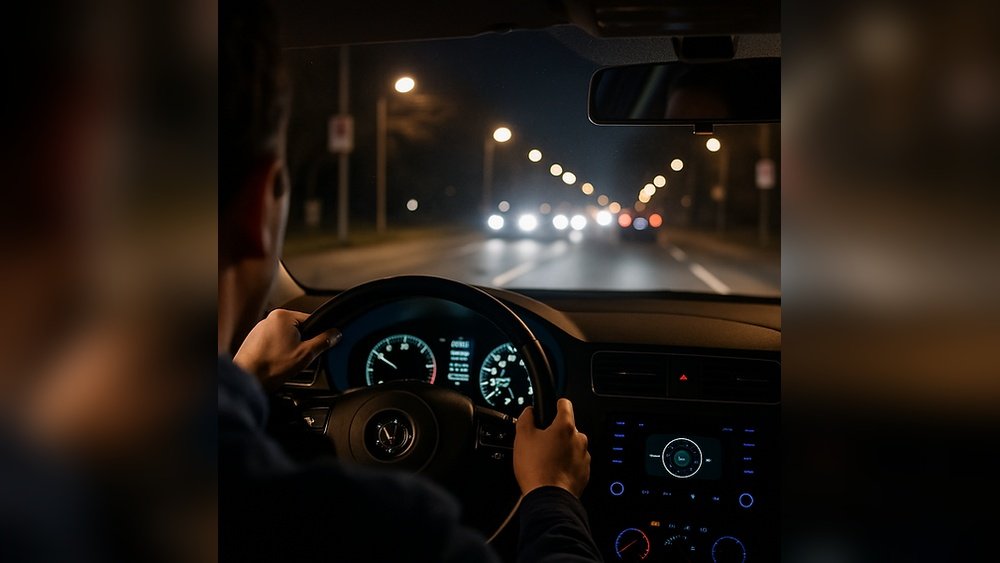
Have you ever wondered if the safety of your car’s glass could change how well you see at night? When driving after dark, every detail matters—from the clarity of your windshield to the strength of your windows.
What if the glass you trust to protect you is actually affecting your vision and safety on the road? Understanding this could make the difference between a smooth, safe drive and a dangerous one. Keep reading to discover how glass safety impacts night driving and what you can do to keep your journeys safer and clearer.
Credit: www.pearlevision.com
Impact Of Glass Quality On Night Vision
Glass quality plays a key role in how well drivers see at night. Clear, strong glass helps reduce glare and improves vision. Poor glass can blur lights and cause distractions.
Night driving demands sharp visibility. The right glass supports safe driving by allowing drivers to spot obstacles early. Understanding glass types and clarity helps choose safer vehicles.
Types Of Glass Used In Vehicles
Most cars use two main types of glass: tempered and laminated. Tempered glass breaks into small pieces on impact. Laminated glass has a plastic layer that holds shards together. Windshields usually have laminated glass for extra safety. Side and rear windows often use tempered glass.
How Glass Clarity Influences Visibility
Clear glass lets light pass without distortion. It helps drivers see road signs, lane markings, and other vehicles. Cloudy or dirty glass scatters light and creates glare. This reduces the ability to focus on the road. High-quality glass often has coatings that reduce reflections and improve clarity at night.
Common Glass Defects Affecting Night Driving
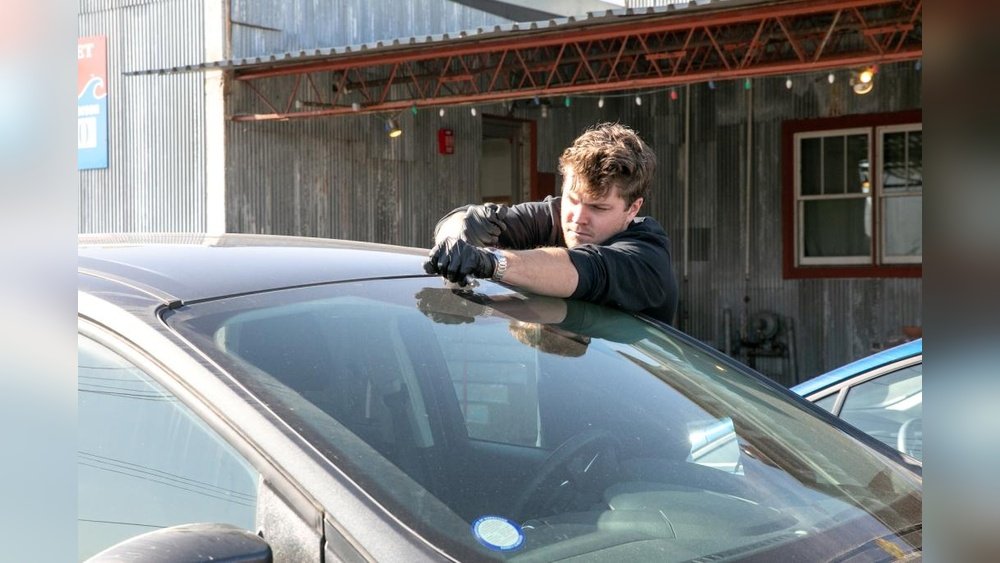
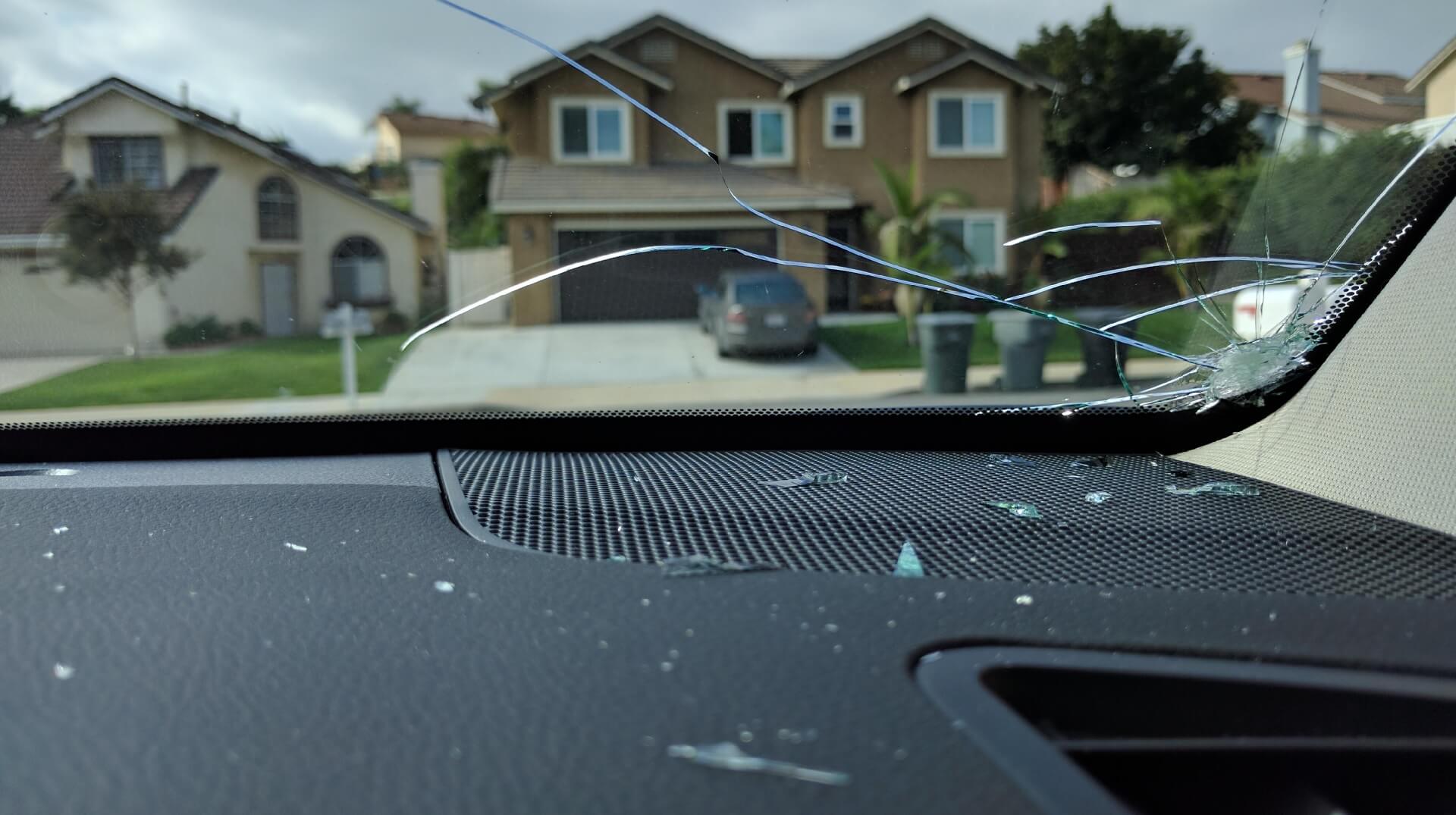
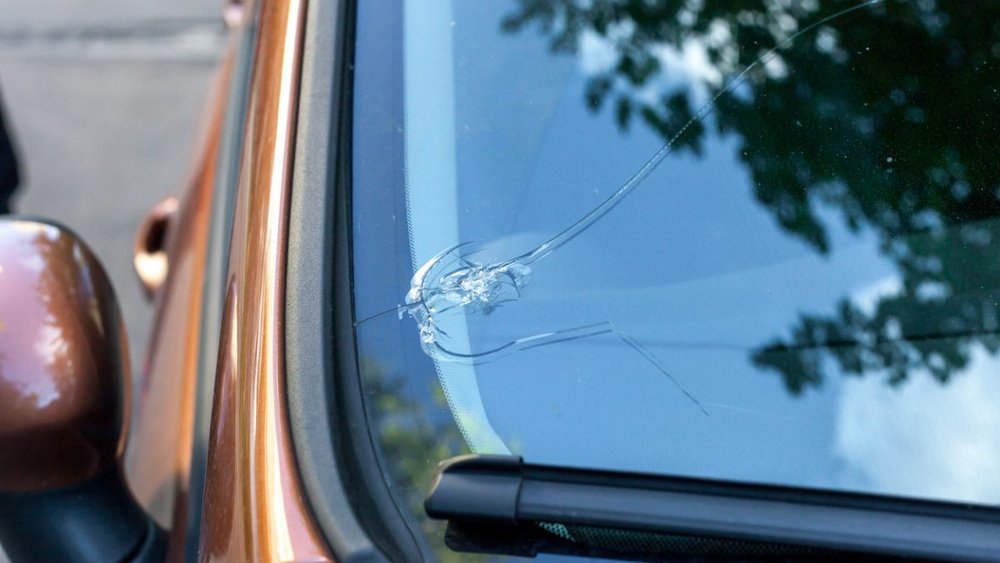
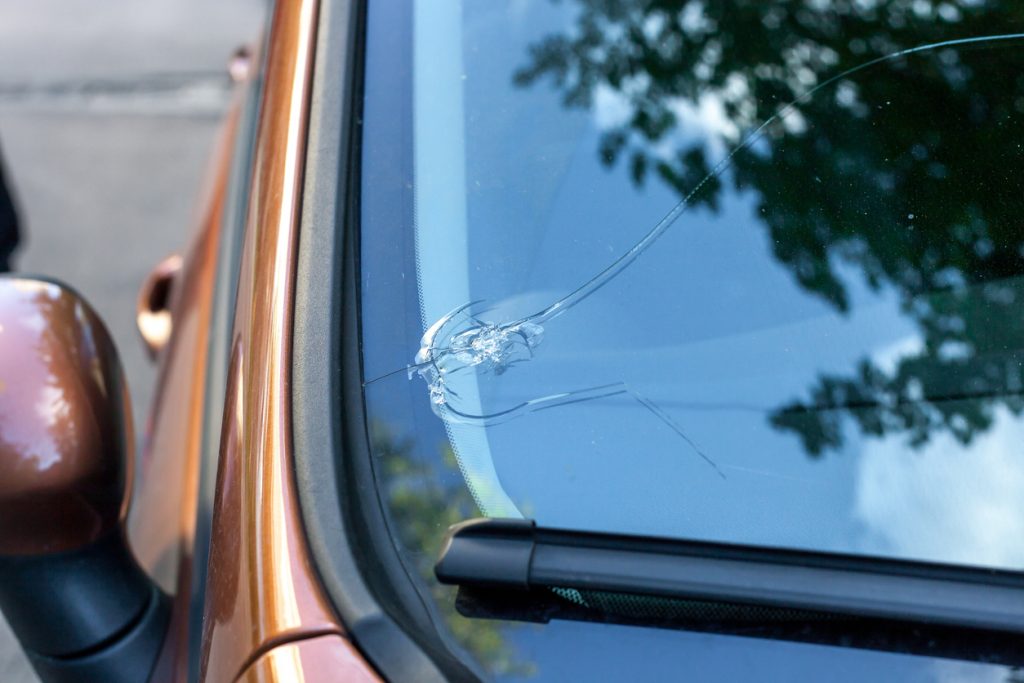
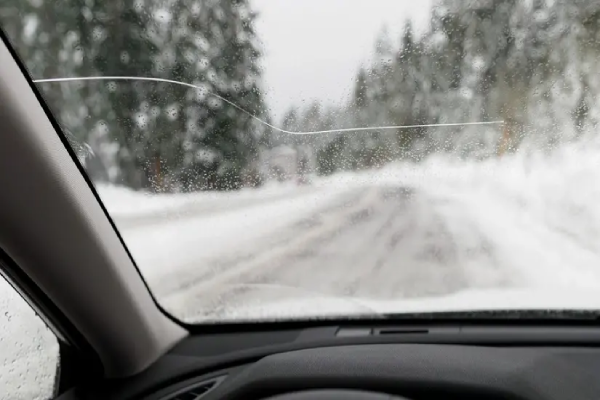
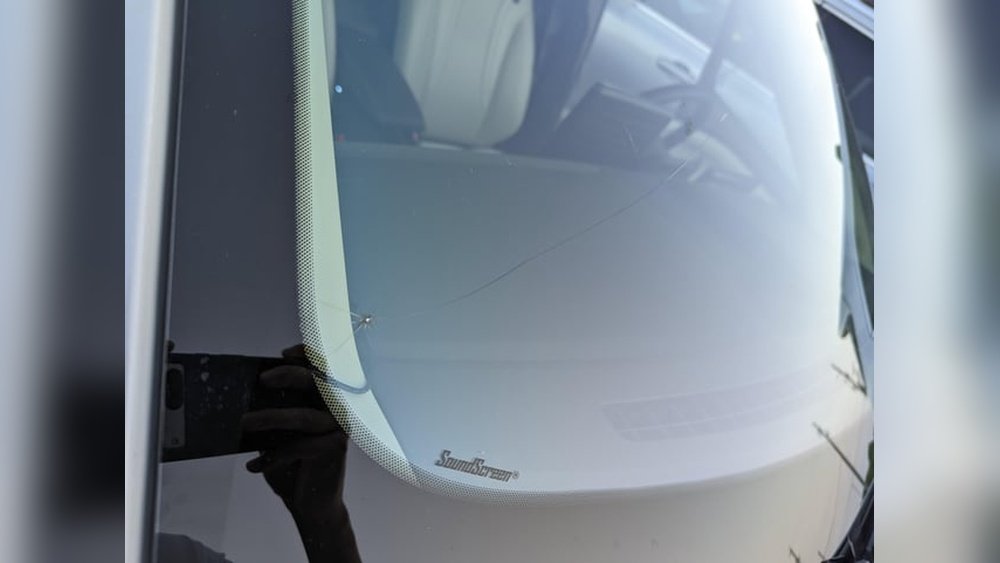
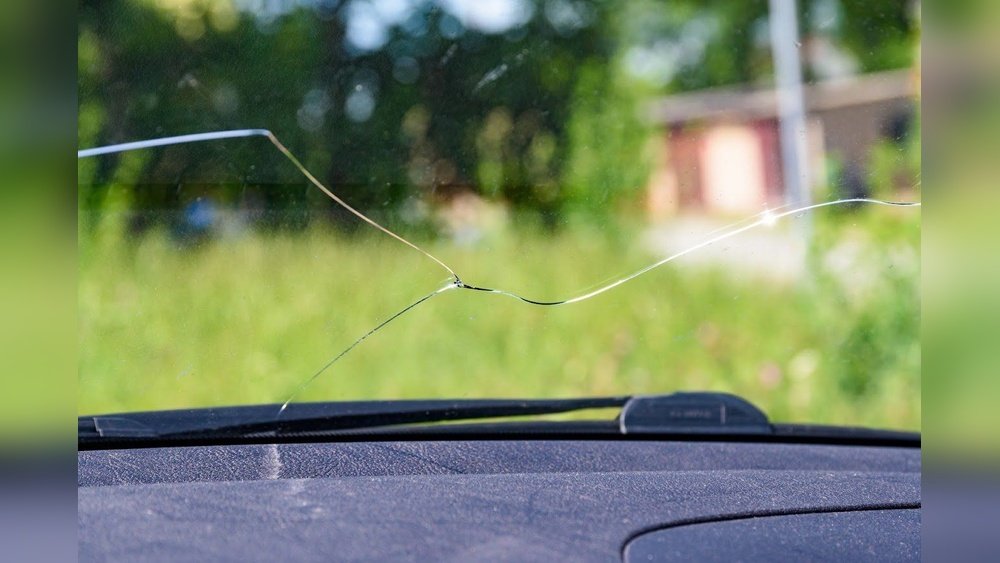
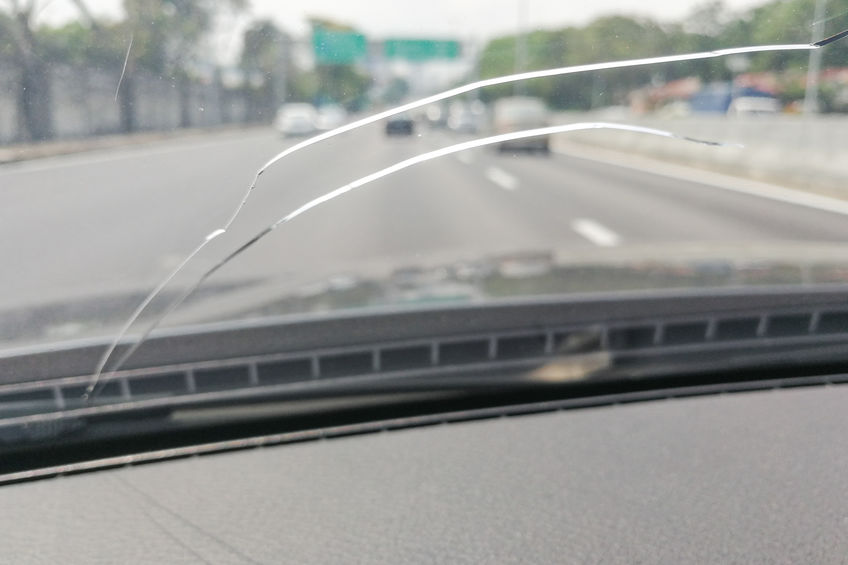
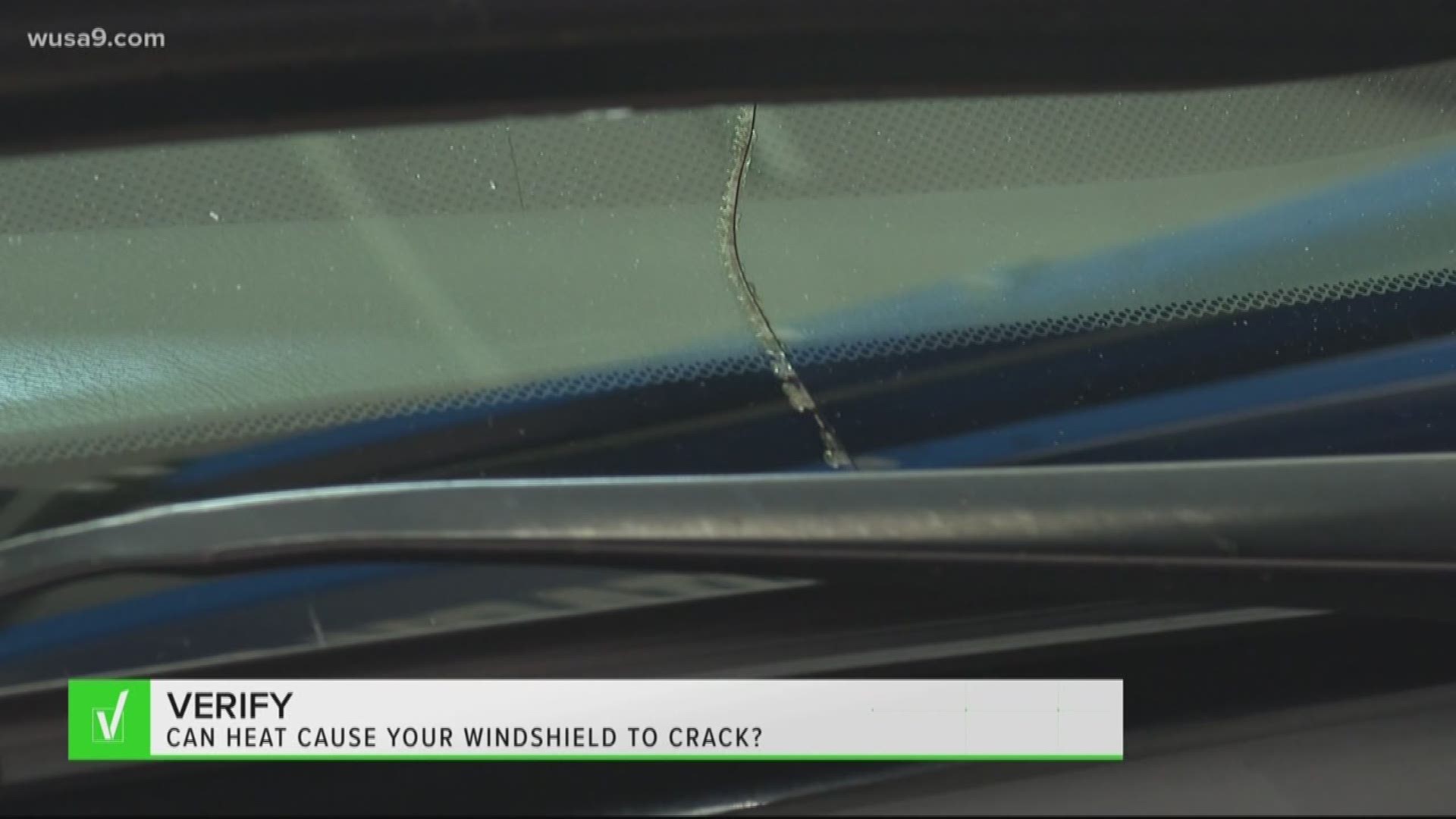
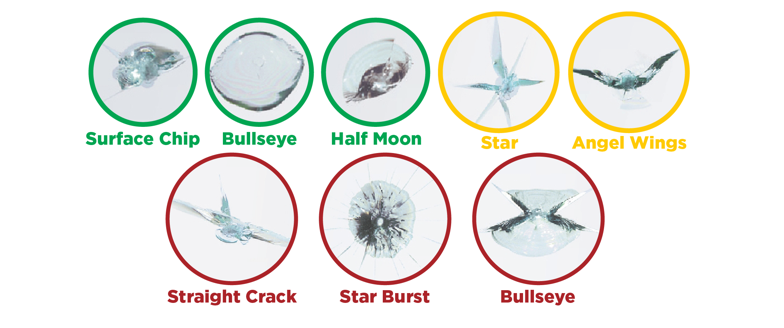
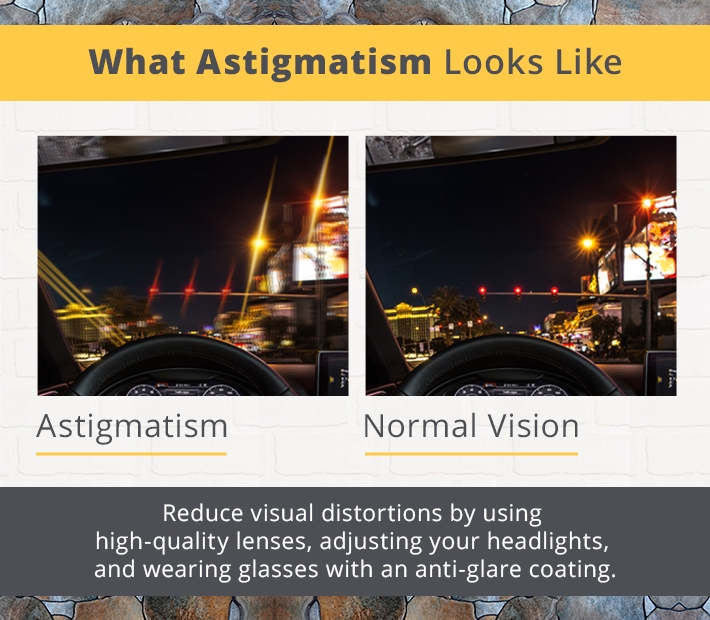
Scratches, chips, and cracks distort light and blur vision. These defects can create halos around lights. Dirty or foggy glass also reduces visibility. Even small imperfections can distract drivers. Regular glass inspection and cleaning are essential for safe night driving.
Credit: calgaryoptometry.com
Role Of Anti-reflective Coatings
Anti-reflective coatings play a key role in improving night driving safety. These coatings reduce reflections on glass surfaces like windshields and eyeglasses. Less reflection means clearer vision and less distraction from bright lights. Drivers can see better in dark conditions and react faster. The coatings help reduce glare from streetlights and headlights. This makes driving at night safer and less tiring.
Benefits Of Anti-glare Treatments
Anti-glare treatments cut down light reflections on glass. This reduces eye strain and improves comfort. Drivers notice less glare from oncoming cars. The coating makes images sharper and clearer. It also helps in rainy or foggy weather. The treatments provide a safer and more relaxed driving experience.
Effectiveness Against Headlight Glare
Headlight glare can blind drivers for seconds. Anti-reflective coatings block reflected light from headlights. This lowers the brightness and sharpness of glare. Drivers keep better focus on the road ahead. The coating helps reduce sudden vision loss caused by bright lights. It improves reaction time during critical moments.
Maintenance Tips For Coated Glass
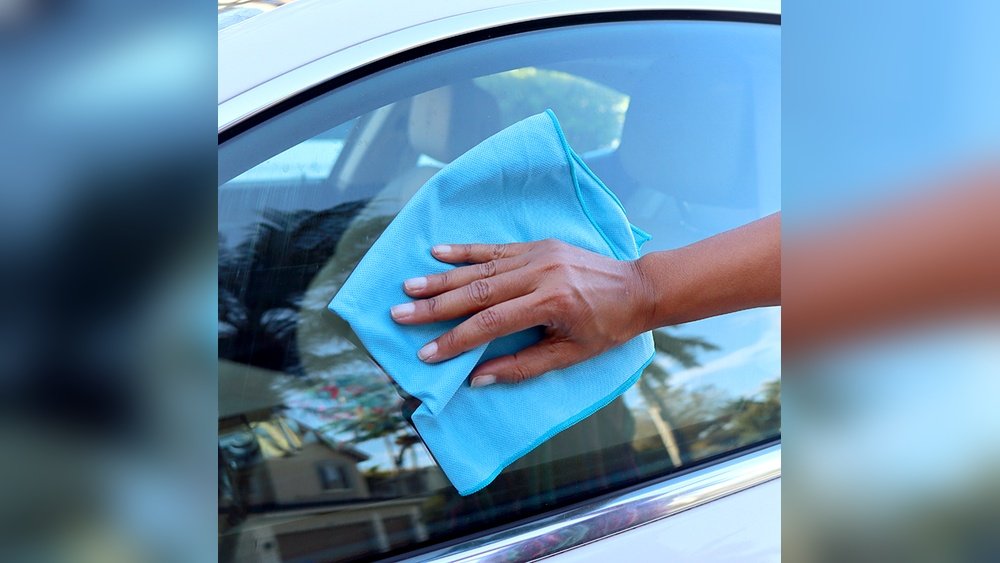
Coated glass needs gentle care to keep working well. Use soft cloths and mild soap for cleaning. Avoid harsh chemicals or abrasive materials. Wipe glass gently to protect the coating layer. Regular cleaning helps maintain clear vision and glare reduction. Proper care extends the life of the anti-reflective coating.
Importance Of Glass Safety Standards
Glass safety standards play a key role in protecting drivers and passengers. These standards ensure automotive glass meets strength, clarity, and durability requirements. Safe glass reduces injury risks during accidents and improves visibility. Clear vision is essential for safe night driving. Poor glass quality can cause glare and distortions. This makes night driving dangerous. Understanding glass safety standards helps drivers choose the right glass for their vehicles. It also raises awareness about the importance of certified products.
Regulations For Automotive Glass
Automotive glass must follow strict regulations worldwide. These rules set limits on glass thickness and strength. They also control how glass breaks on impact. Laminated glass is common for windshields. It holds together even when cracked. Tempered glass is often used for side and rear windows. This glass breaks into small, less harmful pieces. Regulations also require clear visibility without distortions. This helps drivers see well in all conditions, especially at night.
Impact On Driver Safety At Night
Night driving demands sharp and clear vision. Glass that meets safety standards reduces glare from headlights. It prevents light reflections that can distract drivers. Certified glass avoids bubbles and waves that blur vision. Clean, smooth glass surfaces help drivers see road signs and obstacles clearly. Good glass reduces eye strain and fatigue during night drives. This keeps drivers alert and focused. Unsafe glass can increase the risk of accidents in low light.
Choosing Certified Glass For Replacements
Replacing damaged glass requires careful choice. Certified glass meets all safety and quality standards. Non-certified glass may look similar but lacks proper testing. Using certified glass ensures durability and safety. It maintains clear vision and reduces glare. Professional installation is important to keep glass secure and aligned. Drivers should always ask for certification when replacing automotive glass. This protects their safety and improves night driving comfort.
Essential Tips For Clear Vision At Night
Clear vision is vital for safe night driving. Poor visibility increases risks on the road. Glass safety plays a big role in maintaining a clear view. Follow simple tips to keep your windshield and windows clean and damage-free. These easy steps help you see better in low light and protect your safety.
Regular Cleaning And Inspection
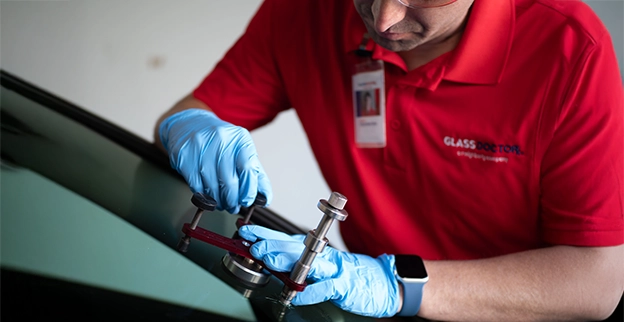
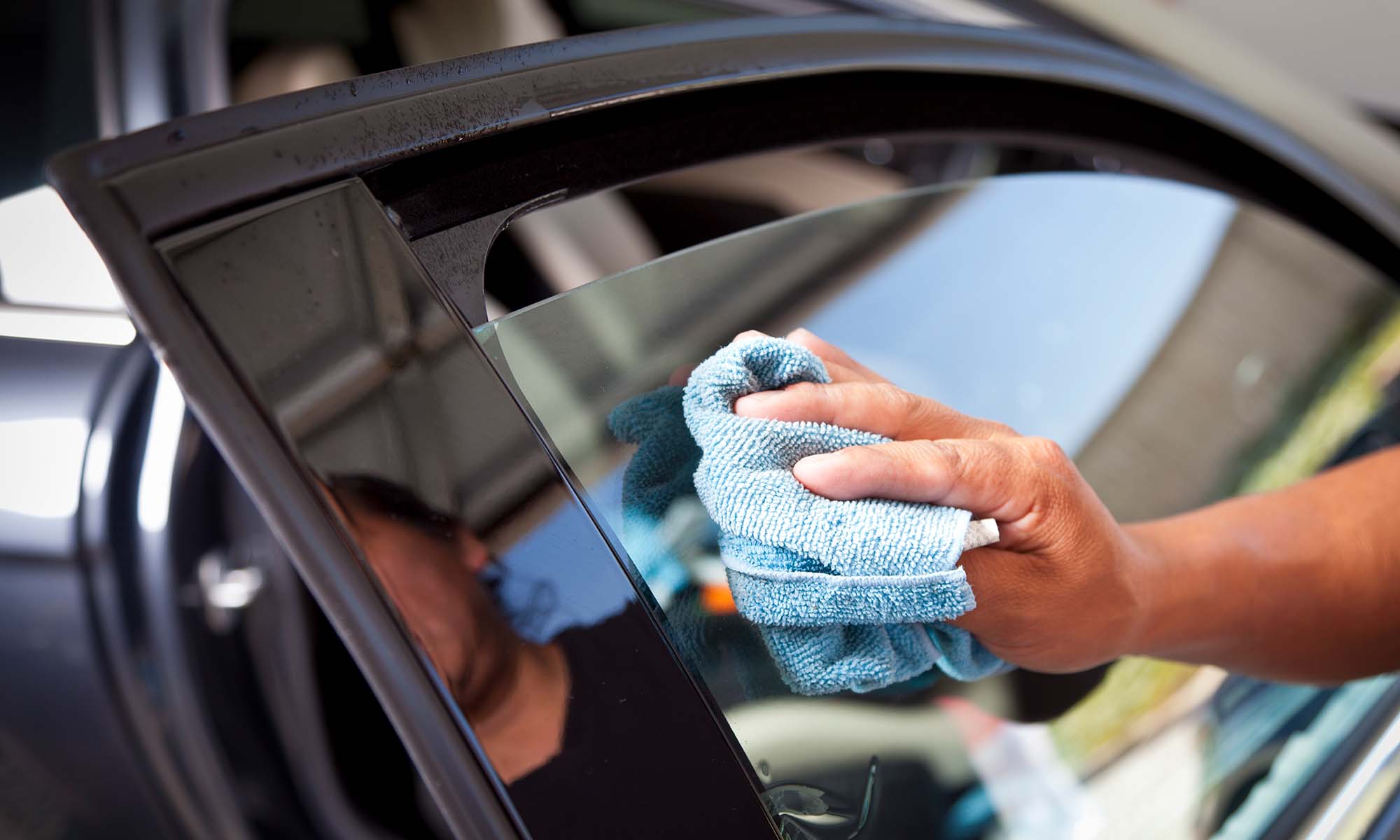
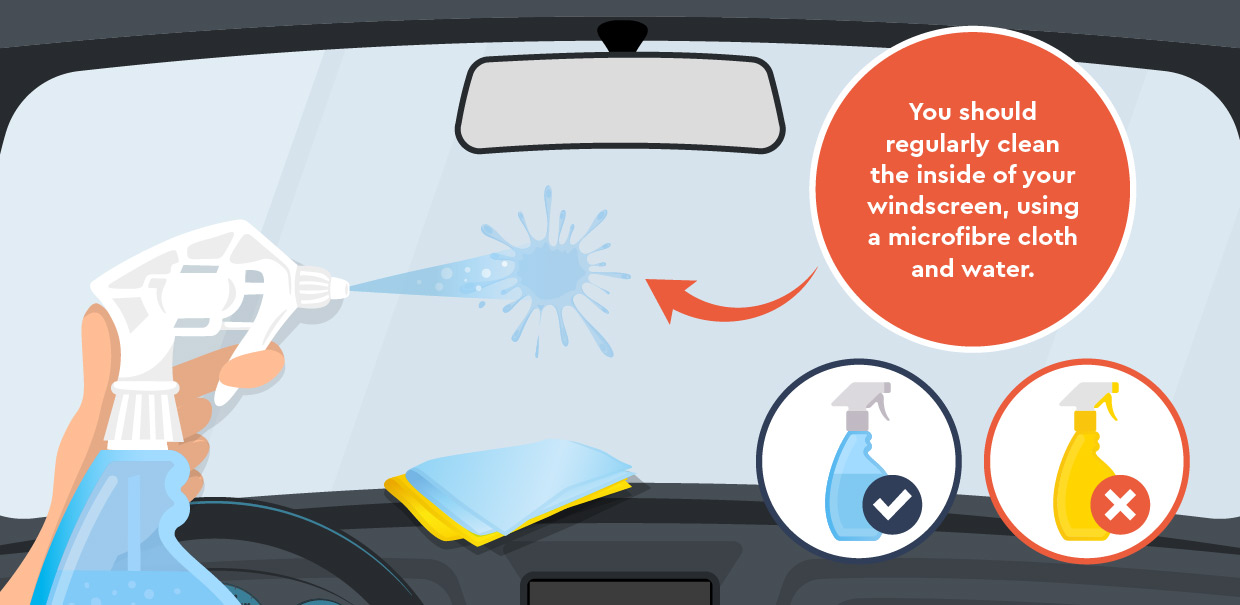
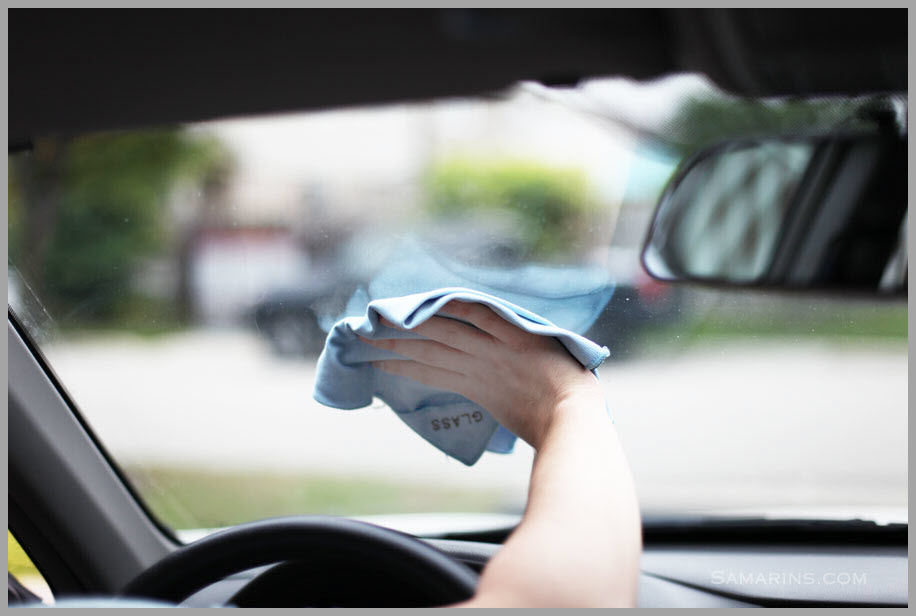
Clean glass offers better visibility at night. Use a soft cloth and glass cleaner regularly. Dirt and smudges blur your vision and cause glare from headlights. Check for cracks or chips often. Small damage can worsen and block your view. Early repairs keep the glass strong and clear.
Proper Use Of Windshield Wipers
Wipers clear rain, snow, and dirt from your windshield. Replace wiper blades every six months or when they streak. Old blades smear water and reduce visibility. Use washer fluid to remove grime safely. Avoid harsh chemicals that damage glass or wipers.
Avoiding Scratches And Chips
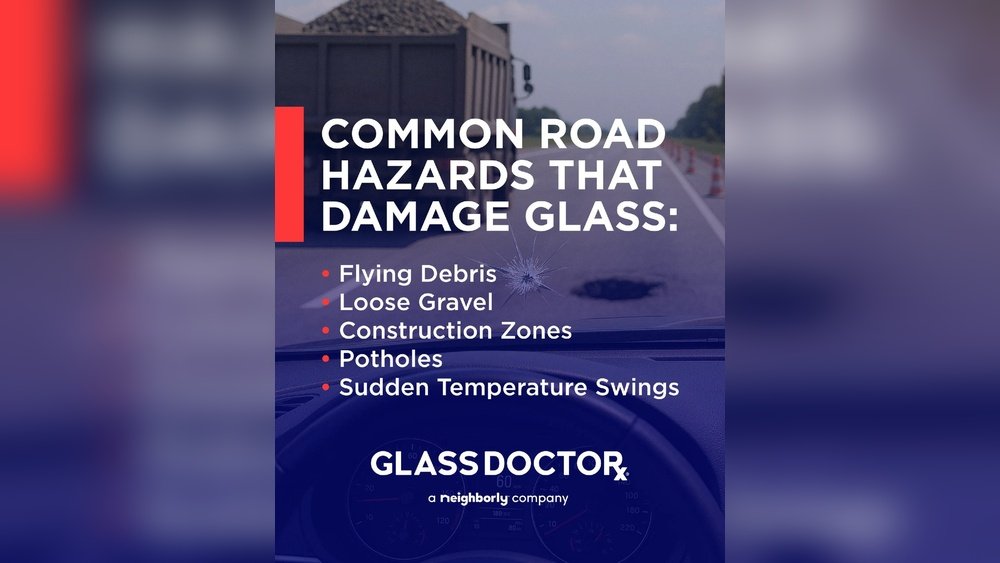
Scratches and chips distort light and create glare. Park away from loose gravel and construction sites. Avoid using abrasive materials to clean your glass. Fix chips quickly to prevent cracks. Smooth glass keeps night driving safer and more comfortable.
Additional Factors Influencing Night Driving
Night driving depends on many factors beyond just glass safety. Clear vision plays a big role, but other elements affect how well you see. These factors can either help or make night driving harder. Understanding them can improve your safety on the road.
Role Of Headlight Alignment
Proper headlight alignment is crucial for safe night driving. Misaligned headlights can blind other drivers or reduce your own visibility. This makes it hard to see road signs and obstacles. Regularly check and adjust your headlights to ensure they point in the right direction.
Effect Of Interior Lighting
Bright interior lights inside the car can cause glare on windows. This glare distracts your eyes and lowers night vision. Keep dashboard and cabin lights dim to reduce reflections. A darker interior helps your eyes focus better on the road.
Importance Of Correct Prescription Glasses
Wearing the right glasses improves vision at night. Glasses with outdated prescriptions blur your view and strain your eyes. Special lenses for night driving reduce glare from headlights. Always update your prescription and choose lenses suited for driving in the dark.

Credit: autoglassottawa.ca
Frequently Asked Questions
Does Glass Safety Improve Night Driving Visibility?
Yes, safety glass reduces glare and reflections, enhancing visibility during night driving. It helps drivers see more clearly and react faster.
Can Damaged Glass Affect Night Driving Safety?
Cracks and chips distort light, causing glare and reduced visibility at night. Damaged glass can be dangerous and should be repaired promptly.
How Does Anti-glare Glass Benefit Night Driving?
Anti-glare glass minimizes light reflections from headlights and streetlights. This reduces eye strain and improves focus during night driving.
Is Laminated Glass Better For Night Driving?
Laminated glass stays intact when cracked, preventing shards. It also reduces glare, making night driving safer and more comfortable.
Conclusion
Glass safety plays a key role in night driving comfort and visibility. Clear, strong glass helps reduce glare from lights. It also protects drivers from debris and accidents. Choosing good quality glass can make roads safer at night. Drivers feel more confident and focused with better glass.
Small changes, like safer glass, improve overall night driving experience. Stay aware of your car’s glass condition regularly. Safe glass means safer journeys after dark.