Blog

  • Can Windshield Replacement Fail: Shocking Risks You Must Know

    Can Windshield Replacement Fail: Shocking Risks You Must Know

    Have you ever wondered if your windshield replacement could fail? It’s a question that might not cross your mind until you’re faced with a cracked or damaged windshield.

    But what happens if the replacement isn’t done right? Your safety, comfort, and even your car’s value could be at risk. You’ll discover the surprising reasons windshield replacements sometimes fail and what you can do to make sure your new windshield stays strong and secure.

    Keep reading—your safety depends on it.

    Can Windshield Replacement Fail: Shocking Risks You Must Know

    Credit: www.reddit.com

    Common Causes Of Windshield Replacement Failure

    Windshield replacement can seem simple but it often fails. Understanding common causes helps avoid problems. Failures can lead to leaks, cracks, or unsafe driving conditions. Many issues start during or right after installation. Knowing these causes helps protect your car and safety.

    Poor Installation Techniques

    Incorrect installation is a major cause of failure. If the glass is not aligned properly, it can crack easily. Missing or uneven sealant weakens the bond. Fast installation might overlook important steps. Cleanliness is essential; dirt or dust harms adhesion. Skilled technicians reduce the risk of poor work.

    Inferior Quality Materials

    Low-quality glass or sealants cause early damage. Cheap materials may crack under stress or temperature changes. Adhesives that do not meet standards lose grip quickly. Using parts not designed for your vehicle affects safety. Quality materials last longer and keep you safer.

    Environmental Factors

    Weather affects windshield strength and durability. Extreme heat or cold can cause expansion and contraction. Moisture can weaken adhesives and cause leaks. Road salt and debris chip the glass surface. Parking under direct sun or trees may increase risks.

    Inadequate Adhesive Curing

    Adhesive needs time to set fully after replacement. Driving too soon can disturb the bond. Moisture or cold temperatures slow curing. Rushing the curing process leads to weak seals. Proper curing ensures the windshield stays firmly in place.

    Signs Your Windshield Replacement Has Failed

    Knowing the signs of a failed windshield replacement helps keep you safe on the road. A properly installed windshield should fit perfectly and protect you from wind, rain, and debris. Problems can appear after replacement, showing that the job was not done right. Catching these signs early avoids bigger issues and costly repairs.

    Visible Leaks And Moisture

    Water spots or wet areas on the inside of your car indicate leaks. Moisture can build up around the edges of the windshield. This happens if the seal was not applied correctly. Leaks may cause foggy windows and damage to the car’s interior. Check for water stains after rain or car washes.

    Unusual Noises During Driving

    Hearing whistling or wind noise while driving suggests a poor fit. A loose windshield lets air pass through small gaps. Sounds get louder at high speeds or on highways. These noises distract the driver and reduce comfort. Proper installation stops these unwanted sounds.

    Loose Or Misaligned Glass

    The windshield should sit flush and steady in its frame. Movement or shifting means the glass is not secure. Misalignment may also cause uneven gaps around the edges. This affects the car’s aerodynamics and safety. Check for any wiggle or unusual gaps after replacement.

    Cracks And Chips Reappearing

    New cracks or chips soon after replacement show poor workmanship. The glass may be faulty or damaged during installation. Small flaws can grow quickly with road vibrations and temperature changes. Inspect the windshield regularly for new damage signs. Early fixes prevent bigger problems later.

    Safety Risks Linked To Failed Replacements

    Failed windshield replacements pose serious safety risks. A windshield is more than glass. It supports your vehicle’s structure and protects you during crashes. Faulty installation weakens these protections. Understanding these risks helps you stay safer on the road.

    Compromised Structural Integrity

    The windshield adds strength to the car frame. A poor replacement weakens this support. The roof may collapse more easily in a rollover crash. The car’s body becomes less stable. This raises the danger in serious accidents.

    Increased Injury Risk In Accidents

    A secure windshield keeps passengers inside the vehicle. A failed replacement may let the glass detach. Passengers can be thrown out during a crash. This greatly increases the chance of injury or death. The windshield also protects from flying debris.

    Airbag Deployment Issues

    Windshields help airbags deploy correctly. If the glass is loose, airbags may not work right. They might deploy too soon or too late. Faulty airbags fail to protect the driver and passengers. This can result in serious harm during a crash.

    Visibility And Driving Hazards

    A poorly installed windshield can cause leaks or fog. Water may drip inside the car during rain. Dirt and debris can enter through gaps. Fogging reduces driver vision on the road. These issues create distractions and increase accident risk.

    Can Windshield Replacement Fail: Shocking Risks You Must Know

    Credit: www.reddit.com

    How To Avoid Windshield Replacement Failures

    A windshield replacement can fail if not done right. Avoiding such failures keeps you safe and saves money. Focus on key steps to ensure a strong, lasting windshield installation.

    Choosing Certified Technicians

    Certified technicians have proper training and skills. They follow safety standards during replacement. Trusting experts reduces the chance of mistakes. Always check for certifications before hiring.

    Using High-quality Materials

    Good materials fit better and last longer. Low-quality glass or adhesives cause leaks and cracks. Use original or trusted brands for parts. Quality materials protect you and your vehicle.

    Proper Post-installation Care

    After replacement, avoid driving immediately. Let adhesives cure for the recommended time. Keep the windshield clean and avoid pressure on it. Follow care instructions to prevent damage.

    Regular Inspections And Maintenance

    Check your windshield often for chips and cracks. Early repairs stop damage from spreading. Clean the glass gently to avoid scratches. Regular care extends your windshield’s life.

    What To Do If Your Windshield Replacement Fails

    Windshield replacement can sometimes go wrong. Cracks may appear, the glass might not fit well, or leaks can develop. Knowing what to do after a failed windshield replacement helps keep you safe and saves money. Act quickly to fix the issue and avoid bigger problems.

    Contacting The Service Provider

    Reach out to the company that replaced your windshield. Explain the problems clearly and calmly. Ask about their policies on fixing mistakes. Most companies want to make things right. Keep your receipt and work order ready for reference.

    Checking Warranty And Coverage

    Look for any warranty that covers the replacement work. Warranties often cover leaks, cracks, or installation errors. Check how long the warranty lasts and what it includes. If the problem fits the warranty, you may get a free repair or replacement.

    Seeking Professional Reassessment

    Get a second opinion from another windshield expert. They can assess the damage and installation quality. This check helps confirm if the first job failed. A professional reassessment can guide your next steps and support claims.

    Reporting Safety Concerns

    Report any safety risks caused by the faulty windshield. Unsafe glass can break easily and cause accidents. Inform local authorities or consumer protection agencies if needed. Safety comes first, so act without delay.

    Can Windshield Replacement Fail: Shocking Risks You Must Know

    Credit: www.youtube.com

    Frequently Asked Questions

    Can Windshield Replacement Fail Due To Poor Installation?

    Yes, improper installation can cause windshield replacement to fail. It may lead to leaks, wind noise, or glass popping out. Always use certified technicians to ensure a secure and reliable fit.

    How Soon Can A Replaced Windshield Fail After Installation?

    A replaced windshield can fail within days if not installed correctly. Early failure signs include leaks, cracks, or loose glass. Promptly address any issues by consulting your installer.

    What Causes Windshield Replacement To Fail Over Time?

    Windshield replacement can fail due to poor adhesive curing, temperature changes, or physical impacts. Regular inspections help detect problems early and maintain windshield integrity.

    Is A Failed Windshield Replacement Covered By Warranty?

    Most reputable shops provide warranties covering installation defects. However, damage from accidents or misuse usually isn’t covered. Always confirm warranty terms before service.

    Conclusion

    Windshield replacement can sometimes fail if not done right. Poor installation may cause leaks or cracks later. Choosing a skilled technician helps avoid these problems. Always check the windshield after replacement for any issues. Proper care after installation keeps your windshield strong.

    A well-installed windshield improves safety on the road. Stay alert and fix any problems quickly. Your car’s windshield deserves the best attention.

  • Is Car Glass Designed for Safety: Unveiling Critical Protection Facts

    Is Car Glass Designed for Safety: Unveiling Critical Protection Facts

    Have you ever wondered if the glass in your car is truly designed to keep you safe? Every time you drive, your car’s windows and windshield face countless risks—from flying debris to sudden impacts.

    But what if the glass isn’t just there to let you see outside? What if it’s actually working hard to protect you and your loved ones in ways you never realized? Keep reading to uncover the surprising safety features built into your car’s glass, and why understanding them could change the way you think about your daily drive.

    Types Of Car Glass

    Car glass is not just clear plastic. It plays a big role in your safety. Different parts of the car use different types of glass. Each type is made for a special purpose. Knowing these types helps you understand how your car protects you.

    Laminated Windshields

    Laminated windshields have two layers of glass. Between these layers is a thin plastic sheet. This plastic holds the glass together if it breaks. It stops the glass from flying into the car. This design protects passengers during crashes.

    It also keeps the windshield from shattering into sharp pieces. Laminated glass helps keep the car’s structure strong. It reduces the chance of passengers being thrown out.

    Tempered Side And Rear Windows

    Tempered glass is used for side and rear windows. It is made by heating and then quickly cooling the glass. This process makes it much stronger than regular glass.

    When tempered glass breaks, it shatters into tiny, dull pieces. These small pieces are less likely to cause injury. This type of glass also helps in emergency escapes by breaking easier than laminated glass.

    Tempered glass offers a good balance between strength and safety.

    Is Car Glass Designed for Safety: Unveiling Critical Protection Facts

    Credit: www.amazon.com

    Safety Features Built Into Car Glass

    Car glass is not just clear plastic or simple glass. It has special safety features to protect drivers and passengers. These features help keep everyone safe during accidents and harsh weather. Car manufacturers design glass to handle impacts, stop shattering, and block harmful rays from the sun.

    Impact Resistance

    Car glass is made strong to resist impacts. It can absorb energy from hits or crashes. This strength helps prevent the glass from breaking easily. Toughened glass or laminated glass is often used. It protects people by holding together during collisions.

    Shatter Prevention

    Shatter prevention is key for safety glass. Laminated glass has a plastic layer between glass sheets. This layer keeps glass pieces stuck if it breaks. Instead of sharp shards, it cracks safely. This reduces injuries and keeps the glass intact longer.

    Uv Protection

    Car glass also blocks harmful UV rays. These rays can cause skin damage and fade car interiors. Special coatings or tints absorb or reflect UV light. This protects both passengers and the car’s inside materials. UV protection helps keep everyone safer and more comfortable.

    How Car Glass Protects Passengers

    Car glass is more than just a window. It plays a key role in passenger safety. Designed with special materials, car glass helps protect people inside during accidents. It prevents serious injuries and keeps the car’s shape strong.

    Preventing Ejection

    Car glass stops passengers from being thrown out in crashes. The glass holds strong under pressure. This keeps people inside the vehicle. Being inside the car increases chances of survival.

    Maintaining Structural Integrity

    Car glass supports the car’s frame. It helps keep the roof from collapsing. This protection is vital during rollovers. Strong glass makes the entire car safer.

    Reducing Injury From Shards

    Special glass breaks into tiny pieces instead of sharp shards. These small pieces reduce cuts and wounds. Some glasses have a plastic layer to hold fragments. This design lowers the risk of serious injury.

    Regulations And Standards For Car Glass

    Car glass plays a vital role in vehicle safety. It protects passengers from wind, debris, and accidents. Strict rules control its design and quality. These rules ensure glass can withstand impacts and reduce injuries.

    Regulations focus on strength, visibility, and how glass breaks. These standards vary by region but share the goal of protecting people inside vehicles.

    Global Safety Requirements

    Many countries follow international rules for car glass. These rules set limits on how strong and clear the glass must be. They demand glass to resist shattering into sharp pieces.

    Most car windshields are made from laminated glass. This type of glass holds together after breaking. Side and rear windows often use tempered glass, which breaks into small, less harmful pieces.

    Testing Procedures

    Car glass undergoes many tests before use. One test drops a steel ball on the glass to check strength. Another test measures how the glass breaks.

    Visibility tests check if the glass distorts the driver’s view. Heat and weather tests ensure glass stays safe in all conditions. These tests protect drivers and passengers every day.

    Common Myths About Car Glass Safety

    Car glass safety often gets misunderstood. Many people believe false ideas about how strong or safe car windows really are. These myths can cause confusion about car safety. Clearing up these wrong ideas helps drivers trust their car glass more.

    Understanding the truth about car glass helps in making safer choices. It also shows why car manufacturers use special glass types. Let’s explore some common myths about car glass safety.

    Myth: Car Glass Breaks Like Regular Glass

    People think car windows shatter easily like home windows. This is not true. Car glass is made to break differently. It breaks into small, blunt pieces to reduce injury. This keeps passengers safer in crashes.

    Myth: All Car Glass Is The Same

    Some believe all car glass types offer equal protection. Front windshields use laminated glass, which stays mostly intact. Side and rear windows use tempered glass, designed to break into small bits. Each type has a special safety role.

    Myth: Car Glass Cannot Withstand Any Impact

    Many think car glass breaks from the slightest hit. Actually, it is strong against many impacts. Windshields resist stones and debris on the road. This strength helps protect drivers during accidents.

    Myth: Cracked Glass Is Always Dangerous

    Not all cracks make car glass unsafe immediately. Small chips can be repaired without replacing the whole glass. But large cracks need prompt attention to keep safety intact.

    Is Car Glass Designed for Safety: Unveiling Critical Protection Facts

    Credit: www.amazon.com

    Innovations Enhancing Car Glass Safety

    Car glass safety has improved a lot over the years. New technologies make windows stronger and smarter. These changes protect drivers and passengers better during accidents.

    Innovations in car glass focus on strength, visibility, and interaction. They help reduce injuries and improve driving comfort. Let’s explore some key advances in this field.

    Smart Glass Technologies

    Smart glass changes its properties with the touch of a button. It can darken to block sunlight or clear up for better visibility. This helps reduce glare and heat inside the car.

    Some smart glasses can even show information on the windshield. This keeps drivers’ eyes on the road while checking speed or navigation. These features improve safety by reducing distractions.

    Advanced Laminates

    Advanced laminates are layers of glass and plastic. They hold the glass together if it breaks. This stops sharp pieces from flying inside the car during crashes.

    These laminates also reduce noise and block harmful UV rays. They make the ride quieter and protect skin from sun damage. Stronger laminates improve overall car safety and comfort.

    Maintenance Tips To Preserve Glass Safety

    Maintaining car glass is important for safety. Clear, strong glass protects you during drives. Small cracks or chips can grow. They weaken the glass and risk your safety. Proper care helps keep your glass intact. Follow these tips to preserve glass safety.

    Regular Inspections

    Check your car glass often. Look for any chips, cracks, or scratches. Inspect both inside and outside surfaces. Early detection stops damage from spreading. Clean the glass with soft cloths and gentle cleaners. Avoid harsh chemicals that can weaken the glass.

    Timely Repairs

    Fix any damage quickly. Small chips can turn into big cracks fast. Repairing early keeps the glass strong. Use professional services for repairs. Avoid driving with damaged glass in bad weather. Timely repairs save money and improve safety.

    Is Car Glass Designed for Safety: Unveiling Critical Protection Facts

    Credit: carsrenewed.com

    Frequently Asked Questions

    What Materials Are Used In Car Glass For Safety?

    Car glass is typically made from laminated or tempered glass. Laminated glass has a plastic layer that holds shards together. Tempered glass shatters into small, blunt pieces to reduce injury. Both materials enhance passenger protection during collisions and accidents.

    How Does Laminated Glass Improve Car Safety?

    Laminated glass consists of two glass layers with a plastic interlayer. This design prevents the glass from shattering on impact. It keeps passengers inside the vehicle and reduces injuries from flying glass shards. Laminated glass is mainly used for windshields.

    Why Is Tempered Glass Used In Car Side Windows?

    Tempered glass is heat-treated to increase strength. When broken, it crumbles into small, less harmful pieces. This reduces the risk of serious cuts during accidents. It is commonly used for side and rear windows in vehicles.

    Does Car Glass Affect Crash Safety Ratings?

    Yes, car glass quality directly impacts crash safety ratings. Strong, well-designed glass helps maintain cabin integrity. It protects occupants from ejection and sharp glass shards. Safety glass is an essential factor in vehicle safety assessments.

    Conclusion

    Car glass plays a key role in keeping drivers safe. It is made with strong materials that resist breaking. In accidents, it helps protect people inside the car. The glass also reduces injuries by breaking into small, less dangerous pieces.

    Safety features like laminated and tempered glass are common. These designs meet strict safety standards worldwide. Choosing a car with quality glass adds extra protection. Always remember, car glass is not just for clear vision. It is a vital safety tool every driver needs.

  • Can Resin Fix Windshield Crack: Ultimate Guide to Quick Repair

    Can Resin Fix Windshield Crack: Ultimate Guide to Quick Repair

    Have you just noticed a crack on your windshield and wondered if there’s a quick, affordable fix? You’re probably asking yourself, “Can resin really fix this crack?” The answer could save you time, money, and a lot of hassle.

    Before you rush to replace your entire windshield or ignore the damage, understanding how resin works and when it’s the right solution is key. Keep reading, because what you learn here might just turn your windshield problem into a simple repair you can handle with confidence.

    How Windshield Cracks Happen

    Understanding how windshield cracks happen helps you protect your car. Small damages can turn into big problems fast. Knowing the causes and types of cracks helps you decide on repairs.

    Common Causes Of Cracks

    Road debris hits your windshield at high speed. Small stones or gravel can chip the glass. Sudden temperature changes cause the glass to expand and contract. This stress may lead to cracks. Car accidents put strong pressure on the windshield. Even a minor collision can cause damage. Poor installation or old age weakens the glass. Weak spots break easily under stress.

    Types Of Windshield Damage

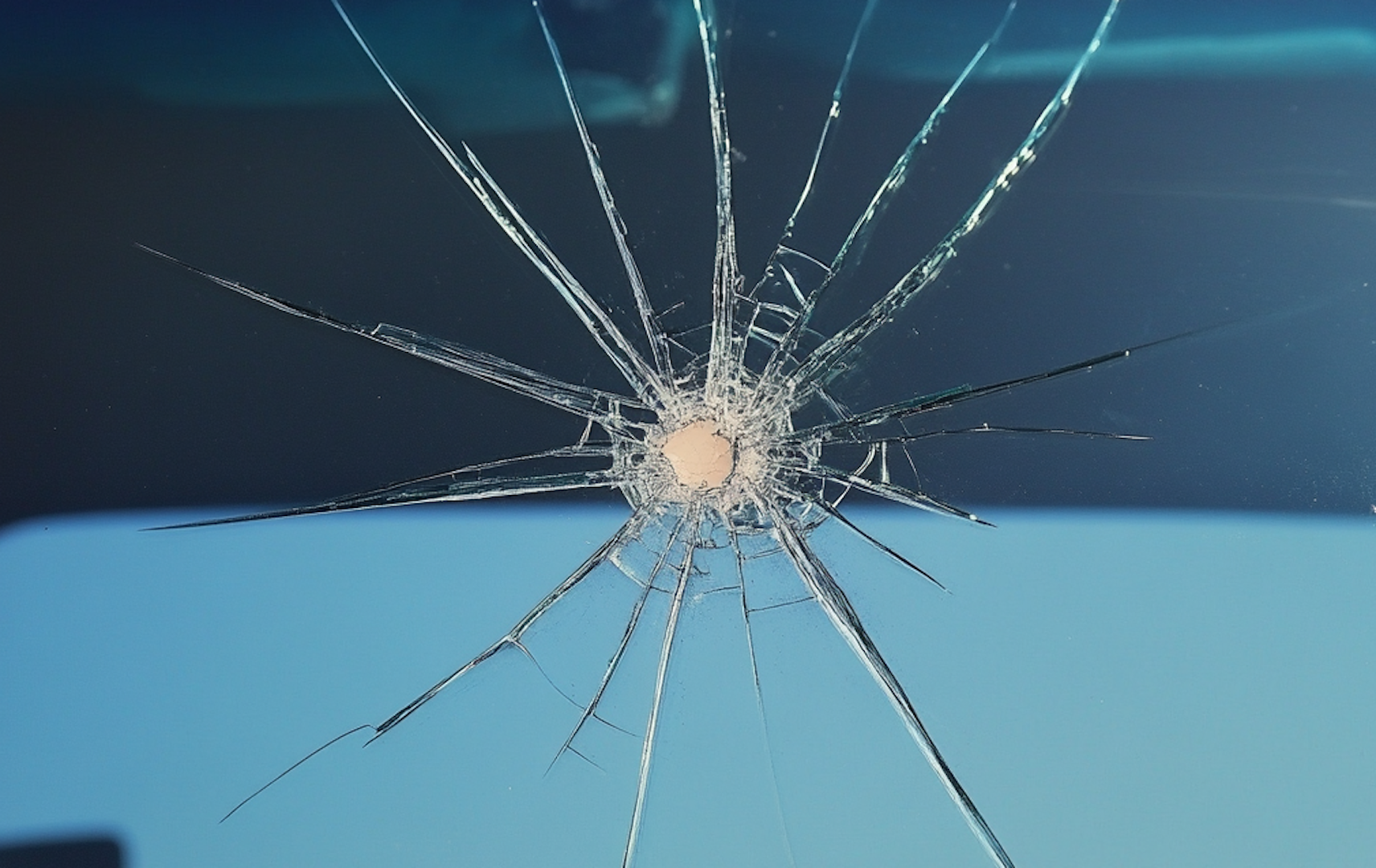
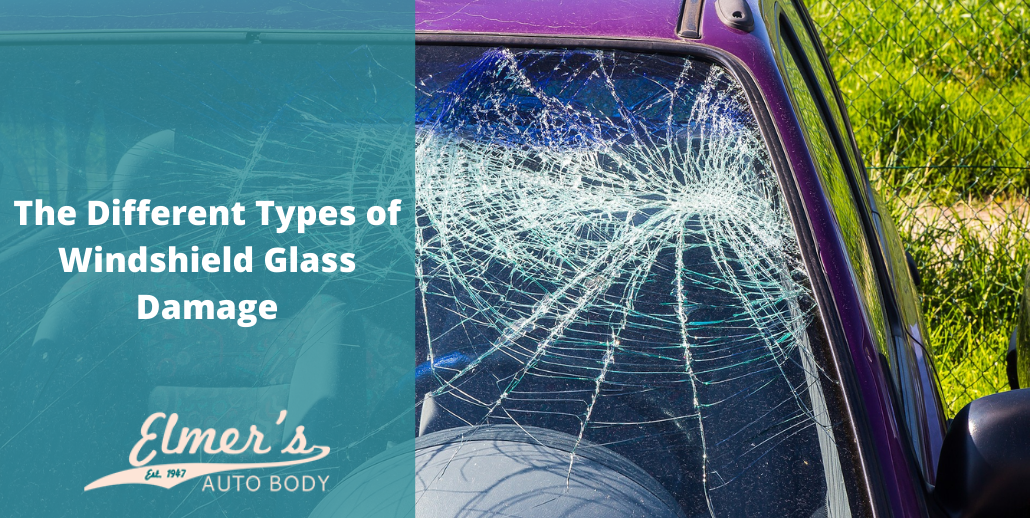
    Chips are small, round damages caused by stones. They look like tiny craters on the glass. Cracks are thin lines that spread from a chip or hit. They can grow longer with driving and weather. Bullseye cracks form a circular pattern with a dark center. Star cracks have multiple lines radiating from the impact point. Combination cracks mix different types in one spot. Each type needs a different repair approach.

    Can Resin Fix Windshield Crack: Ultimate Guide to Quick Repair

    Credit: www.valleydrivingschool.com

    What Resin Repair Involves

    Resin repair is a common method to fix small windshield cracks. It fills the crack with a special resin. This stops the crack from growing larger. The process is quick and affordable. Understanding what resin repair involves helps you decide if it suits your needs.

    How Resin Works On Cracks

    Resin flows into the crack under pressure. It fills all tiny gaps inside the glass. The resin hardens when exposed to UV light. This bonding restores strength and visibility. It prevents dirt and moisture from entering the crack. The repair blends with the windshield, making the crack less visible.

    Tools And Materials Needed

    You need a resin repair kit for the process. It includes resin, an injector, and curing strips. A razor blade helps remove excess resin. A UV light or sunlight is necessary to harden the resin. Clean the windshield with glass cleaner before starting. Proper tools ensure a smooth and lasting repair.

    When Resin Can Fix A Crack

    Knowing when resin can fix a windshield crack saves time and money. Not all cracks can be repaired with resin. The success depends on the crack’s size, location, and type. Understanding these limits helps decide if resin is the right choice.

    Crack Size And Location Limits

    Resin works best on small cracks. Usually, cracks less than 6 inches long respond well to resin repair. Larger cracks often need full windshield replacement.

    Location matters a lot. Cracks near the edges are harder to fix with resin. Edge cracks can spread quickly and weaken the glass. Resin works best on cracks in the center of the windshield.

    Effectiveness On Different Crack Types

    Resin fills certain types of cracks well. Star cracks and small chips heal nicely with resin. These cracks have many tiny branches or are round.

    Long, straight cracks are less ideal. Resin can help, but results vary. Cracks that penetrate both glass layers often cannot be fixed with resin. Deep cracks need replacement to keep safety intact.

    Can Resin Fix Windshield Crack: Ultimate Guide to Quick Repair

    Credit: www.novusglass.com

    Step-by-step Resin Repair Process

    Repairing a cracked windshield with resin involves a clear and careful process. This step-by-step guide explains how professionals fix cracks using resin. Following these steps can help restore your windshield’s strength and appearance.

    Preparing The Damaged Area

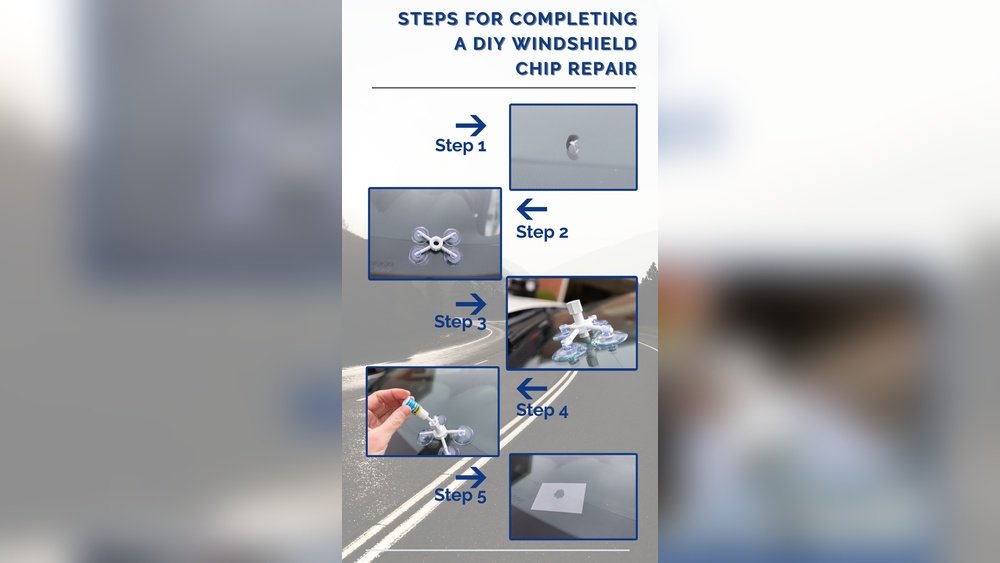
    Start by cleaning the cracked area thoroughly. Remove any dirt, dust, or loose glass fragments. Use a special tool to open the crack slightly. This allows the resin to fill the crack completely. Make sure the area is dry before applying resin.

    Applying The Resin

    Next, inject the resin into the crack using a syringe or applicator. The resin flows into tiny spaces inside the crack. It fills gaps and bonds the glass together. Work carefully to avoid air bubbles inside the resin.

    Curing And Finishing

    After applying resin, cure it using UV light or sunlight. The light hardens the resin quickly. Once cured, scrape off excess resin from the glass surface. Finally, polish the area to smooth it and improve clarity.

    Benefits Of Using Resin For Repairs

    Using resin to fix windshield cracks offers several clear benefits. It is a simple way to repair damage without replacing the entire glass. This method saves money and time. It also helps keep the windshield strong and safe. Many drivers choose resin repair for these reasons.

    Resin repairs work by filling the crack. The resin bonds with the glass to stop the crack from growing. This restores the windshield’s look and function. Repairing small cracks early can prevent bigger problems later.

    Cost And Time Savings

    Resin repair is much cheaper than full windshield replacement. The materials and labor cost less. Repairs take only a short time, often under an hour. This means less time without your vehicle. You avoid the hassle of waiting days for a new windshield.

    Restoring Windshield Strength

    Resin fills cracks and strengthens the glass. It prevents cracks from spreading further. This keeps the windshield safer during driving. The repair helps maintain the original strength of the glass. A repaired windshield protects you better in case of accidents.

    When To Replace Instead Of Repairing

    Knowing when to replace your windshield instead of repairing it is important. Not all cracks can be fixed with resin. Some damages are too severe or unsafe to repair. Understanding the signs helps you make the right choice quickly. This keeps your vehicle safe and your trips worry-free.

    Severe Damage Indicators

    Large cracks over six inches usually need replacement. Cracks that spread across the windshield are serious. Multiple cracks or chips close together can weaken the glass. Damage near the edges often cannot be repaired well. Deep cracks that reach the inner layer also require replacement.

    Safety Considerations

    The windshield supports the roof during accidents. A weak windshield may fail in a crash. Cracks can block your view and cause distractions. Repairing some cracks may not restore full strength. Replacing the windshield ensures full protection and clear vision.

    Tips For Preventing Windshield Cracks

    Preventing windshield cracks saves money and keeps driving safe. Small cracks can grow fast. Taking simple steps helps avoid damage. Protecting your windshield keeps your view clear and strong.

    Safe Driving Habits

    Drive at a steady speed on rough roads. Avoid sudden stops or sharp turns. Keep a safe distance from other cars. Rocks and debris can hit your windshield from close vehicles. Slow down on gravel or dirt roads. Watch for potholes and bumps to reduce stress on glass.

    Protective Measures

    Park in shaded or covered areas to avoid heat damage. Use a windshield sunshade on hot days. Clean the glass regularly to spot tiny chips early. Replace worn windshield wipers to prevent scratches. Avoid placing heavy items on the hood. Use a protective film to add strength and block UV rays.

    Can Resin Fix Windshield Crack: Ultimate Guide to Quick Repair

    Credit: www.rainx.com

    Diy Resin Repair Vs Professional Services

    Choosing between DIY resin repair and professional services for a cracked windshield is important. Both options have benefits and drawbacks. Knowing the differences helps you decide the best fix for your situation.

    Pros And Cons Of Diy Kits

    DIY resin kits are easy to buy and use at home. They cost less than professional repairs. You can fix small cracks quickly without waiting for an appointment.

    DIY kits work best on minor chips and short cracks. The resin fills the crack and stops it from growing. The process takes about 30 minutes to an hour.

    Drawbacks include limited repair quality. The resin may not spread evenly. Mistakes can make the crack worse. DIY kits cannot fix large or complex damage. Safety may be a concern if the windshield is weak.

    When To Seek Expert Help

    Professional repair is best for big or deep cracks. Experts use special tools and stronger resin. They can restore windshield strength and clarity better than DIY kits.

    Choose expert help if the crack is longer than a few inches. Also, seek help if the damage is near the edges or driver’s view. Professionals can assess if the windshield needs full replacement.

    Experts offer warranties on their work. They handle safety checks and ensure the repair meets standards. This gives peace of mind for long-term driving safety.

    Frequently Asked Questions

    Can Resin Repair Small Windshield Cracks Effectively?

    Yes, resin can effectively repair small windshield cracks by filling and sealing them. This prevents crack spread and restores structural integrity. However, it works best for cracks smaller than six inches.

    How Long Does Resin Windshield Repair Last?

    Resin repairs can last several years if done properly. The durability depends on crack size, location, and driving conditions. Timely repairs improve longevity and prevent further damage.

    Is Resin Repair Better Than Windshield Replacement?

    Resin repair is cost-effective and quicker for minor cracks. Replacement is necessary for large or deeply damaged areas. Repair preserves original glass and maintains vehicle safety standards.

    Can I Apply Resin Repair Myself At Home?

    DIY resin kits are available but require careful application. Professional repair ensures proper filling and curing, resulting in better outcomes. Incorrect use may worsen the crack.

    Conclusion

    Resin can often fix small windshield cracks quickly and affordably. It seals the crack and stops it from spreading. This repair works best for minor damage, not large breaks. Acting fast helps prevent more costly windshield replacement later. Always check if the crack is suitable for resin repair.

    Proper repair keeps your windshield strong and safe. Simple steps can save time and money. Trust clear, careful fixes to keep your view safe on the road.

  • What Safety Standards Apply to Auto Glass: Essential Guidelines Revealed

    What Safety Standards Apply to Auto Glass: Essential Guidelines Revealed

    When it comes to your vehicle, safety should always come first. But have you ever wondered what makes your auto glass strong enough to protect you on the road?

    Understanding the safety standards that apply to auto glass can give you peace of mind every time you drive. You’ll discover the key rules and regulations that keep your windshield and windows safe and reliable. Knowing these standards helps you make smarter choices when it’s time to repair or replace your auto glass—because your safety truly depends on it.

    Keep reading to find out what you need to know to protect yourself and your loved ones.

    Auto Glass Safety Basics

    Auto glass plays a crucial role in vehicle safety. It protects passengers from wind, debris, and accidents. Understanding the basics of auto glass safety helps drivers make smart choices. This knowledge ensures that the glass installed meets strict safety rules.

    Types Of Auto Glass

    There are mainly two types of auto glass. The first type is laminated glass. It has a plastic layer between two glass sheets. This design keeps glass pieces together if broken. The second type is tempered glass. It is heat-treated to be strong. Tempered glass breaks into small, blunt pieces to reduce injury risk.

    Importance Of Safety Standards

    Safety standards protect drivers and passengers in crashes. They make sure the glass can handle impact and pressure. Standards require auto glass to pass tests for strength and durability. Proper glass reduces the chance of injury during accidents. Following these rules is key to road safety.

    Key Safety Standards

    Auto glass safety is controlled by key standards worldwide. These rules protect drivers and passengers. They ensure glass can handle impacts and reduce injuries. Understanding these standards helps buyers and installers choose safe products.

    Federal Motor Vehicle Safety Standards (fmvss)

    FMVSS is a set of rules in the United States. It defines how auto glass must perform. The focus is on strength and shatter resistance. For example, windshields must prevent sharp glass pieces from flying. These standards help reduce accidents and injuries.

    American National Standards Institute (ansi)

    ANSI sets guidelines for many products, including auto glass. It sets testing methods to check glass safety. ANSI standards cover thickness, impact resistance, and clarity. Many manufacturers use these rules to meet quality requirements.

    European Ece Regulations

    ECE regulations apply in Europe and many other countries. They cover all vehicle glass types. These rules require glass to resist impacts and not injure passengers. ECE also sets rules on light transmission and visibility. These standards improve road safety across regions.

    Material And Manufacturing Requirements

    Auto glass must meet strict material and manufacturing rules. These rules ensure safety and durability. The glass must be strong enough to protect passengers. It also must not break into sharp pieces. Different types of glass have unique properties and uses in vehicles.

    Manufacturers follow these standards to keep drivers safe. The glass undergoes tests to check its strength and quality. These requirements help prevent accidents and injuries on the road.

    Laminated Vs Tempered Glass

    Laminated glass has two layers of glass with plastic in between. This plastic holds the glass if it breaks. It stays mostly in one piece, preventing sharp shards. Laminated glass is used for windshields. It provides clear vision and strong protection.

    Tempered glass is heat-treated to become stronger. It breaks into small, blunt pieces. These pieces reduce the risk of cuts. Tempered glass is common for side and rear windows. It offers safety and durability in crashes.

    Impact Resistance Tests

    Glass must pass impact resistance tests. These tests check how well the glass can handle hits. A weight or ball drops on the glass. The glass must resist breaking or cracking badly. This ensures the glass protects passengers during accidents.

    Tests also measure how glass holds together after breaking. Laminated glass should not shatter into sharp pieces. Tempered glass should crumble safely. Passing these tests proves the glass meets safety rules.

    What Safety Standards Apply to Auto Glass: Essential Guidelines Revealed

    Credit: www.portlandglass.com

    Installation And Repair Guidelines

    Auto glass installation and repair require strict safety standards. These rules protect drivers and passengers from harm. Following proper guidelines ensures the glass fits securely and works correctly. It also helps keep the car’s structure strong during accidents. Understanding these standards is important for anyone involved in auto glass work.

    Certified Installation Procedures

    Certified installers follow exact steps to place auto glass. They clean the frame and check for damage before installation. Using the right adhesives is critical for a strong bond. Installers apply adhesives evenly and allow proper curing time. They also ensure glass fits perfectly to avoid leaks or cracks. Certification means installers meet industry safety and quality rules.

    Approved Repair Techniques

    Repairing auto glass requires approved methods to keep safety intact. Small chips and cracks get repaired with special resins. These resins strengthen the glass and prevent damage from spreading. Technicians must clean and dry the damaged area before repair. They use tools designed to inject resin properly. Approved repairs restore glass clarity and durability without replacing it.

    Inspection And Compliance

    Auto glass safety depends on strict inspection and compliance rules. These rules ensure glass used in vehicles is strong and safe. Regular checks keep glass free from damage that could cause accidents. Compliance with safety standards helps protect drivers and passengers.

    Regular Inspection Protocols

    Auto glass must be inspected often. Experts check for cracks, chips, and other damage. Even small flaws can weaken the glass. Inspections follow clear steps to spot risks early. Safety checks occur during vehicle servicing and after accidents. Inspectors use tools to measure damage size and location. This process helps decide if repair or replacement is needed. Regular inspections prevent bigger problems and keep cars safe on the road.

    Certification Labels And Markings

    Certified auto glass carries special labels. These labels show the glass meets safety rules. They include manufacturer details and safety codes. Labels prove the glass passed quality tests. Drivers can trust certified glass for strength and clarity. Markings also indicate the type of glass, like laminated or tempered. Proper markings ensure the glass fits the vehicle’s safety design. Checking these labels helps avoid fake or unsafe glass parts.

    What Safety Standards Apply to Auto Glass: Essential Guidelines Revealed

    Credit: www.customcollisiontn.com

    Emerging Trends In Auto Glass Safety

    Auto glass safety is evolving with new technologies and materials. These changes aim to protect passengers better during accidents. Innovations improve visibility, strength, and damage resistance.

    Car manufacturers and safety experts focus on smarter, stronger glass. These updates help meet stricter safety standards worldwide. The goal is to reduce injuries from glass breakage and improve overall vehicle safety.

    Smart Glass Technologies

    Smart glass changes its properties based on conditions. It can tint automatically to reduce glare. This helps drivers see clearly in bright sunlight.

    Some smart glass types can display information directly on the windshield. This keeps drivers informed without looking away. Such technology supports safer driving and quick decisions.

    Smart glass can also control heat inside the car. It blocks harmful UV rays, protecting passengers and interior materials. These features enhance comfort and safety.

    Enhanced Impact Absorption

    New glass materials absorb impacts better than before. They reduce the chance of shattering on collision. This lowers the risk of cuts from broken glass.

    Laminated glass layers improve strength and hold shards in place. This design keeps the windshield intact longer during crashes. It supports the vehicle’s structure and protects occupants.

    Manufacturers use special polymers between glass layers. These polymers add flexibility and absorb shock energy. The result is safer, more durable auto glass.

    What Safety Standards Apply to Auto Glass: Essential Guidelines Revealed

    Credit: agsc.org

    Frequently Asked Questions

    What Are The Main Safety Standards For Auto Glass?

    Auto glass safety standards include Federal Motor Vehicle Safety Standard (FMVSS) 205. This standard regulates windshield strength and visibility. It ensures glass resists impact and shattering for occupant protection. Laminated and tempered glass types meet these requirements to enhance driver and passenger safety.

    How Does Fmvss 205 Protect Vehicle Occupants?

    FMVSS 205 mandates windshields to be laminated for better impact resistance. It ensures glass does not shatter into sharp pieces upon collision. This reduces injury risks from broken glass. It also maintains clear visibility to prevent accidents.

    Are All Auto Glass Replacements Required To Meet Safety Standards?

    Yes, replacement auto glass must comply with FMVSS 205. Certified manufacturers provide glass tested for strength and durability. Using non-certified glass can compromise safety and legal compliance. Always choose certified auto glass for replacements.

    What Role Does Laminated Glass Play In Auto Safety?

    Laminated glass has a plastic layer between glass sheets. This layer keeps glass intact during impact, preventing shards. It enhances crash safety by reducing occupant injuries. Laminated glass is mandatory for windshields under safety regulations.

    Conclusion

    Auto glass safety standards protect drivers and passengers every day. These rules ensure glass is strong and breaks safely. Choosing glass that meets these standards helps avoid injuries. It also keeps your vehicle legal and reliable. Always check for proper certification before any replacement.

    Safety matters more than just looks or cost. Stay informed to keep yourself and others safe on the road. Trust only quality auto glass for peace of mind.

  • How Much Does Windshield Replacement Cost: Ultimate Price Guide 2025

    How Much Does Windshield Replacement Cost: Ultimate Price Guide 2025

    Your car’s windshield is more than just a piece of glass—it’s your shield against the road. But when it cracks or shatters, you’re left wondering: How much will it cost to replace?

    You want a clear answer without any hidden fees or surprises. You’ll discover the real factors that affect windshield replacement costs and learn how to save money without compromising safety. Keep reading to get the facts you need before making your decision.

    Factors Influencing Windshield Replacement Cost

    Several factors influence the cost of replacing a windshield. Understanding these can help you prepare and avoid surprises. Costs vary depending on your vehicle and other key details. Each aspect affects the price in a unique way.

    Type Of Vehicle

    The make and model of your vehicle play a big role. Luxury cars usually have more expensive windshields. Older or rare vehicles might require special glass. Larger vehicles, like trucks or SUVs, often need bigger windshields. These factors increase the replacement price.

    Windshield Material And Features

    Windshields come with different materials and features. Standard glass costs less than laminated or tempered glass. Some windshields include built-in sensors or heating elements. These extras add to the overall cost. The more features, the higher the price.

    Labor Charges And Location

    Labor rates differ by region and shop. Urban areas tend to have higher labor costs. Installation complexity affects the time needed for replacement. Some vehicles require more work to remove and install glass. This can raise the total expense.

    Insurance Coverage Impact

    Insurance policies vary in windshield coverage. Some cover full replacement costs. Others require a deductible payment. Checking your policy helps understand your share of the cost. Insurance can significantly reduce your out-of-pocket expense.

    How Much Does Windshield Replacement Cost: Ultimate Price Guide 2025

    Credit: www.cbs42.com

    Average Cost Breakdown For Windshield Replacement

    Understanding the average cost of windshield replacement helps plan your budget better. Prices vary based on car type, windshield quality, and extra repairs. Knowing these details can save time and money.

    Standard Car Windshields

    Most standard cars have similar windshield replacement costs. On average, prices range between $150 and $400. This price includes the glass, labor, and basic installation. Economy cars usually fall in this range due to common glass sizes and types.

    Some brands or models might cost slightly more. The difference depends on glass thickness and sensor features. Standard windshields do not require special tools or parts, keeping costs lower.

    Luxury And Specialty Vehicles

    Luxury and specialty vehicles have higher windshield replacement costs. Prices can range from $400 to over $1,000. These windshields use advanced materials and extra features like rain sensors or heads-up displays.

    Custom shapes and sizes increase glass costs. Labor is also more expensive due to the care needed. These vehicles often require certified technicians and special tools for installation.

    Additional Repairs And Services

    Extra repairs may add to the total windshield replacement cost. Common extras include recalibrating driver-assist cameras and sensor checks. These services can cost between $50 and $200 depending on complexity.

    Removing old adhesive or fixing frame damage raises the price. Some shops charge extra for mobile service or rush orders. Always ask about possible extra costs before replacement.

    Diy Vs Professional Replacement Costs

    Choosing between DIY and professional windshield replacement affects both cost and safety. Each option has its own price range and risks. Understanding these differences helps you decide what fits your needs and budget.

    Risks And Savings Of Diy

    DIY windshield replacement costs less upfront. You save money on labor fees. The price for glass and tools is usually lower than full service.

    Risks include improper installation. This can cause leaks or cracks later. Safety may be compromised if the windshield is not secure. DIY also requires time and some skill. Mistakes can lead to higher repair costs.

    Benefits Of Professional Service

    Professionals ensure correct installation. They have experience and proper tools. This reduces the chance of errors and damage.

    Professional replacement includes warranty coverage. This protects you from future problems. They also handle insurance claims and disposal of old glass.

    Though more expensive, professional service offers peace of mind. Your windshield will be safe and reliable for driving.

    How Much Does Windshield Replacement Cost: Ultimate Price Guide 2025

    Credit: www.glassfixitauto.com

    How To Save On Windshield Replacement

    Saving money on windshield replacement is easier than you think. Small steps can lower costs significantly. Knowing where and when to get your windshield fixed makes a big difference. This section explains simple ways to save on your windshield replacement.

    Using Insurance Wisely

    Check your auto insurance policy for glass coverage. Some policies cover windshield repair or replacement. Using insurance can reduce your out-of-pocket costs. Ask about your deductible before claiming. Sometimes paying yourself is cheaper than using insurance. Avoid unnecessary claims to keep your premium low.

    Choosing The Right Service Provider

    Compare prices from multiple windshield repair shops. Look for certified and experienced technicians. Avoid very cheap services; they may use low-quality glass. Read reviews to find trustworthy providers. Some shops offer free quotes and inspections. Choose a provider that gives a warranty on their work.

    Timing And Seasonal Discounts

    Schedule your replacement during off-peak seasons. Winter and early spring often have lower prices. Watch for special discounts and promotions. Some companies offer cheaper rates on weekdays. Book appointments early to secure better deals. Quick repairs prevent further damage and higher costs.

    Trends In Windshield Replacement Prices For 2025

    Windshield replacement costs are changing in 2025. New technology and materials affect prices. Buyers should watch market changes closely. Understanding these trends helps plan car maintenance budgets better.

    Technological Advances

    Car manufacturers use new tech in windshields. Sensors and cameras are built into glass now. These features raise the cost of replacement. Repair shops need special tools to handle this tech. This can increase labor charges for drivers.

    Material Innovations

    New glass types improve safety and durability. Laminated and tempered glass are common choices. Some windshields have extra coatings for UV protection. These materials cost more but last longer. Advances reduce the chance of frequent replacements.

    Market Price Fluctuations

    Supply chain issues affect glass availability and price. Raw material costs can rise or fall quickly. Labor rates vary by location and demand. Seasonal changes may cause price shifts too. Keeping an eye on these factors helps save money.

    How Much Does Windshield Replacement Cost: Ultimate Price Guide 2025

    Credit: tsautoglass.com

    Frequently Asked Questions

    How Much Does Windshield Replacement Typically Cost?

    Windshield replacement usually costs between $100 and $400. Prices vary by vehicle type, glass quality, and labor fees. Insurance may cover some or all costs depending on your policy.

    Does Insurance Cover Windshield Replacement Expenses?

    Many insurance plans cover windshield replacement, especially with comprehensive coverage. Deductibles and policy terms affect coverage. Always check with your insurer for exact details and claim procedures.

    What Factors Affect Windshield Replacement Price?

    Price depends on vehicle make, model, glass type, and labor charges. Advanced features like sensors or heating elements also increase costs. Location and service provider rates influence the final price.

    How Long Does Windshield Replacement Take?

    Windshield replacement usually takes one to two hours. Curing time for adhesives may require additional waiting before driving. Quick service depends on technician availability and vehicle complexity.

    Conclusion

    Windshield replacement costs vary based on car type and damage size. Choosing a trusted repair shop helps ensure quality work. Small chips might cost less than full replacements. Insurance may cover part of the expense. Timely repair keeps you safe on the road.

    Don’t wait until cracks get worse or spread. Knowing the cost helps you plan your budget better. Remember, a clear windshield keeps your drive safe and comfortable.

  • What People Misunderstand About Glass Safety: Shocking Truths Revealed

    What People Misunderstand About Glass Safety: Shocking Truths Revealed

    You might think glass is just a simple, fragile material. But there’s a lot more to glass safety than meets the eye.

    What if some of the things you believe about glass are actually putting you at risk? Understanding the real facts about glass can protect you and your loved ones in ways you never expected. Keep reading to uncover the surprising truths about glass safety and learn how to stay safer every day.

    What People Misunderstand About Glass Safety: Shocking Truths Revealed

    Credit: www.indiewire.com

    Common Glass Safety Myths

    Many people have wrong ideas about glass safety. These myths cause confusion and fear. Understanding the truth helps us stay safe and use glass wisely.

    Myth Of Unbreakable Glass

    Some believe certain glass types never break. No glass is unbreakable. Even strong glass can crack or shatter under strong force. Safety glass breaks in safer ways, but it still can break.

    Misconceptions About Tempered Glass

    Tempered glass is often thought to be completely safe. It is stronger than regular glass but not unbreakable. When it breaks, it shatters into small pieces to reduce injury. This glass helps prevent serious cuts but needs care.

    Assuming All Glass Is Dangerous

    People often think all glass is risky. Glass varies widely in strength and safety. Many glass types are designed for safety in homes and cars. Knowing the type of glass helps judge its risk correctly.

    Types Of Glass And Their Risks

    Glass comes in many types, each with its own safety risks. Knowing these differences helps protect you and your family. Some glass breaks into sharp pieces, while others hold together. Choosing the right glass matters for safety.

    Understanding these types clears up common safety misunderstandings. This section explains the main types of glass and their risks.

    Tempered Vs. Laminated Glass

    Tempered glass is strong and breaks into small, blunt pieces. This reduces injury risk. It is often used in car windows and shower doors.

    Laminated glass has a plastic layer between two glass sheets. It holds together even if broken. This glass is common in windshields and skylights.

    Both types improve safety but serve different purposes. Tempered glass shatters safely. Laminated glass stays intact after impact.

    Annealed Glass Vulnerabilities

    Annealed glass is the most basic type. It breaks into large, sharp shards. This glass is often found in older windows and mirrors.

    It offers little protection in accidents or storms. It can cause serious cuts and injuries. Many safety regulations discourage its use in high-risk areas.

    Specialty Glass Safety Features

    Some glass types include extra safety features. These can be coatings that block UV rays or strengthen the glass.

    Others have built-in sensors to detect cracks early. Some specialty glass resists fire or impacts better than standard glass.

    These features add protection but also cost more. Choosing the right specialty glass depends on the environment and safety needs.

    Hidden Dangers In Everyday Glass

    Glass is all around us. It looks safe and clean, but it can hide dangers. Many people do not see how glass can cause harm in daily life. Small cracks, sharp edges, and broken pieces can lead to injuries. Understanding these hidden risks helps keep you and your family safe.

    Glass In Household Items

    Glass is in many household items like windows, doors, and kitchenware. Broken glass from a window can cause deep cuts. Even small chips on glass cups or plates can break easily. This can cause sharp shards to fly and hurt someone. Safety glass is better, but not every home has it.

    Automotive Glass Hazards

    Car windows and windshields use special glass. It looks strong but can shatter in accidents. Broken car glass can cause serious injuries. Small cracks weaken the glass and make it more dangerous. Always check your car glass for damage and replace it promptly.

    Glass In Public Spaces

    Public places have glass in doors, walls, and displays. People may not notice thin cracks or smudges. This can lead to unexpected breaks and injuries. Public glass often faces more stress from weather and people. Regular checks and repairs are important to prevent accidents.

    What People Misunderstand About Glass Safety: Shocking Truths Revealed

    Credit: www.luminousskinlab.com

    Proper Handling And Installation

    Proper handling and installation of glass are key to safety. Many people think glass is fragile and dangerous. The truth is, correct care makes glass safe and long-lasting. Mistakes in handling or installing can cause cracks, breaks, or accidents. Understanding the right steps helps prevent problems and keeps glass strong.

    Safe Glass Transportation

    Transport glass carefully to avoid damage. Use padded supports and secure the glass tightly. Carry glass upright, never flat. Avoid sudden moves or sharp impacts. Wear gloves to protect your hands. Check the transport vehicle for bumps or uneven surfaces. Safe transportation keeps glass intact and ready for installation.

    Installation Mistakes To Avoid

    Do not rush the installation process. Avoid placing glass on rough or dirty surfaces. Measure spaces accurately before cutting glass. Use proper tools and safety gear. Do not force glass into frames. Leave a small gap for expansion. Incorrect installation leads to cracks or poor fit, which can cause accidents.

    Maintenance Tips For Longevity

    Clean glass regularly with mild soap and water. Avoid harsh chemicals that can weaken glass. Check seals and frames for damage. Replace worn-out parts quickly. Inspect glass for chips or cracks often. Proper maintenance helps glass last longer and stay safe. Treat glass with care to keep it clear and strong.

    Innovations Improving Glass Safety

    Glass safety has improved a lot due to new technologies. These changes make glass stronger and safer in homes and cars. People often think glass is easy to break and dangerous. But modern glass is designed to reduce risks and protect users.

    Advances In Shatterproof Glass

    Shatterproof glass is now common in many places. It uses layers of plastic between glass sheets. This stops the glass from breaking into sharp pieces. Instead, it cracks but stays in place. This helps prevent injuries from broken glass.

    Car windows and smartphone screens use shatterproof glass. It also helps in buildings to keep people safe during accidents or storms. New methods make this glass lighter and stronger than before.

    Smart Glass Technologies

    Smart glass changes its properties based on light or heat. It can become darker or lighter automatically. This helps control room temperature and glare from the sun. It also adds privacy without using curtains.

    Some smart glass types can even repair small cracks. This reduces the need to replace glass often. This technology adds safety and saves money over time.

    Impact Of Coatings And Films

    Special coatings and films make glass safer too. They add extra strength and block harmful UV rays. These layers can stop glass from shattering easily. They keep glass pieces stuck together if broken.

    Films can also make glass scratch-resistant. This keeps it clear and strong for longer. Many buildings and vehicles use coated glass for better safety and durability.

    What People Misunderstand About Glass Safety: Shocking Truths Revealed

    Credit: newsroom.aaa.com

    Frequently Asked Questions

    What Are Common Myths About Glass Safety?

    Many believe all glass is fragile, but safety glass is designed to resist impact. Not all glass shatters dangerously; tempered glass breaks into small, less harmful pieces. Understanding types of glass improves safety awareness and reduces injury risks.

    How Does Tempered Glass Improve Safety?

    Tempered glass undergoes heat treatment to increase strength. It resists breakage better than regular glass. When broken, it crumbles into tiny, blunt pieces, reducing injury risks. This makes it ideal for vehicles, doors, and shower enclosures.

    Is Laminated Glass Safer Than Regular Glass?

    Yes, laminated glass has a plastic layer between glass sheets. This layer holds shards together if broken, preventing sharp fragments. It offers better protection against impacts and is commonly used in car windshields and skylights for enhanced safety.

    Can Glass Cause Serious Injuries If Broken?

    Yes, broken glass can cause cuts and wounds. However, safety glass types minimize injury severity. Proper handling and choosing safety glass reduce the risk of serious harm. Awareness about glass types is essential for preventing accidents.

    Conclusion

    Glass safety is often misunderstood in many ways. People think all glass breaks the same way. They do not realize some types are stronger and safer. Knowing the differences helps prevent accidents and injuries. Always choose the right glass for your needs.

    Stay informed and pay attention to safety labels. Small actions can protect you and your family. Safety starts with understanding how glass works. Don’t underestimate the power of good information. Keep learning and stay safe around glass.

  • Is Side Window Glass Tempered: Safety Facts You Must Know

    Is Side Window Glass Tempered: Safety Facts You Must Know

    Have you ever wondered what makes your car’s side windows so safe? You might assume they’re just ordinary glass, but there’s more to it than meets the eye.

    Understanding whether your side window glass is tempered can change how you think about your safety on the road. You’ll discover the surprising truth about side window glass, why it matters to you, and how it protects you every time you drive.

    Keep reading to find out what sets tempered glass apart and why knowing this could make a difference for you and your passengers.

    Is Side Window Glass Tempered: Safety Facts You Must Know

    Credit: www.pirouette-editions.fr

    Tempered Glass Basics

    Tempered glass is a special type of glass used in many places, including car side windows. It is stronger and safer than regular glass. Understanding the basics of tempered glass helps explain why it is used in side windows.

    This section explains what tempered glass is and how it is made. Both points are important to know for anyone curious about car window safety.

    What Is Tempered Glass

    Tempered glass is a type of safety glass. It is much stronger than normal glass. When it breaks, it shatters into small, blunt pieces. These pieces are less likely to cause injury. That is why tempered glass is used in car windows and doors.

    How Tempered Glass Is Made

    The making process of tempered glass involves heating and cooling. First, the glass is heated to about 620°C (1148°F). This makes the glass soft and flexible. Then, it is quickly cooled by blowing cold air on the surface. This process creates pressure inside the glass. This pressure makes the glass stronger and safer. The quick cooling also causes the glass to break into small pieces if shattered.

    Is Side Window Glass Tempered: Safety Facts You Must Know

    Credit: www.pirouette-editions.fr

    Side Window Glass Types

    Side window glass plays a key role in vehicle safety and comfort. Different types of glass offer various benefits. Understanding these types helps in choosing the right glass for your vehicle. Two main types of side window glass are tempered and laminated glass. Each has unique features and uses in vehicles.

    Tempered Vs Laminated Glass

    Tempered glass is heat-treated to increase strength. It breaks into small, blunt pieces when shattered. This reduces injury risk during accidents. Laminated glass has a plastic layer between two glass sheets. This layer holds the glass together when broken. It prevents sharp shards from flying. Tempered glass is stronger but shatters more easily. Laminated glass is safer but less strong.

    Common Uses In Vehicles

    Most side windows use tempered glass. It offers good strength and clear visibility. Laminated glass appears in some luxury cars or special vehicles. It improves sound insulation and security. Windshields always use laminated glass for safety. Rear windows sometimes use tempered glass. Choosing the right glass depends on safety needs and vehicle design.

    Safety Benefits Of Tempered Glass

    Tempered glass offers important safety benefits for side windows. It is designed to protect passengers during accidents. The glass is stronger and safer than regular glass. This makes side windows more reliable in everyday use.

    Impact Resistance

    Tempered glass is much tougher than normal glass. It can handle strong hits without breaking easily. This resistance helps protect people from flying glass shards. Side windows made from tempered glass reduce injuries during collisions. The strength comes from a special heating and cooling process.

    Shatter Behavior

    When tempered glass breaks, it does not create sharp pieces. Instead, it shatters into small, dull cubes. These tiny pieces are less likely to cut or hurt someone. This type of breakage is safer for passengers and pedestrians. The glass is designed to reduce harm if broken.

    Signs Your Side Window Is Tempered

    Knowing if your side window glass is tempered is important for safety. Tempered glass breaks differently than regular glass. It shatters into small, blunt pieces instead of sharp shards. This reduces injury risk during accidents. Some signs can help you identify tempered side windows quickly.

    Visual Inspection Tips

    Start with a close look at the glass surface. Tempered glass often has a slight ripple or wave pattern. This happens during the heating process used to strengthen it. The edges might look smooth and rounded, not sharp. Try tapping the glass gently; tempered glass sounds solid and dull. Regular glass has a higher-pitched, clear sound.

    Manufacturer Markings

    Check for small labels or etchings on the glass corners. Tempered glass usually has a stamp from the maker. The mark may include words like “tempered” or “safety glass.” It might also show a certification symbol or a code. These markings prove the glass meets safety standards. Sometimes the stamp is hard to see without cleaning the glass first.

    Regulations And Standards

    Vehicle glass must follow strict rules for safety and quality. These rules protect drivers, passengers, and pedestrians from harm. Regulations and standards ensure glass meets strong safety tests.

    Side window glass often must be tempered. Tempered glass breaks into small, less dangerous pieces. This reduces injury risk during accidents or impacts. Laws and testing confirm glass is safe and reliable.

    Legal Requirements For Vehicle Glass

    Many countries have laws for vehicle glass types. Side windows usually require tempered glass or laminated glass. These laws aim to reduce injury in crashes. Glass must pass specific criteria before use in cars. Manufacturers follow these legal rules closely.

    Failure to meet glass laws can cause fines or bans. Vehicle inspections check glass compliance regularly. Drivers should know their vehicle glass meets these rules.

    Safety Testing Procedures

    Glass undergoes tough tests to ensure safety. Tests include impact resistance, break pattern, and strength checks. Tempered glass must break into small pieces. This test confirms it meets safety standards.

    Other tests check for clarity and durability. Testing labs certify glass for vehicle use. Only certified glass gets approval for car windows. These procedures protect everyone on the road.

    Is Side Window Glass Tempered: Safety Facts You Must Know

    Credit: www.martinispa.com

    Replacement And Repair Insights

    Replacing or repairing side window glass needs careful thought. Choosing the correct glass type and getting expert help matter a lot. These choices affect your safety and comfort while driving.

    Understanding the difference between glass types helps you make better decisions. Proper installation keeps your vehicle secure and prevents future problems.

    Choosing The Right Glass Type

    Side window glass is usually tempered. This glass breaks into small pieces, reducing injury risk. Some vehicles might use laminated glass for extra protection. It stays in place even when cracked. Check your car manual or ask a professional. Selecting the right glass keeps you safe and meets legal rules.

    Professional Installation Importance

    Installing side window glass needs skill and the right tools. Experts ensure the glass fits perfectly and seals correctly. Poor installation can cause leaks and noise. It may weaken the glass and cause early damage. A professional also checks for hidden damage during replacement. Trusting a trained installer protects your vehicle and yourself.

    Common Myths About Side Window Glass

    Side window glass has many myths around it. These myths can cause confusion about its use and safety. Understanding the truth helps you make better decisions about your car’s glass.

    Durability Misconceptions

    Many believe side window glass breaks easily. This is not always true. Side windows are made of tempered glass. Tempered glass is stronger than regular glass. It can handle small hits without breaking.

    People think side windows shatter with slight pressure. Actually, tempered glass resists impact well. It breaks only under strong force. This makes it safer in accidents. The glass breaks into small, less harmful pieces.

    Safety Misunderstandings

    Some think side window glass is unsafe in crashes. The truth is opposite. Tempered glass is designed for safety. It reduces injury by breaking into tiny bits.

    Others assume side windows do not protect from outside threats. Tempered glass offers good protection. It can stop objects from easily entering the car. This adds security for passengers inside.

    Frequently Asked Questions

    Is Side Window Glass Always Tempered?

    Side window glass in most vehicles is tempered for safety. Tempered glass shatters into small pieces on impact, reducing injury risk. However, some vehicles use laminated glass for side windows, especially luxury or newer models, for added noise reduction and security.

    How Does Tempered Glass Differ From Laminated Glass?

    Tempered glass is heat-treated to increase strength and breaks into small pieces. Laminated glass consists of two glass layers with a plastic layer in between, holding shards together when broken. Both enhance safety but serve different purposes in vehicle windows.

    Why Is Tempered Glass Used In Car Side Windows?

    Tempered glass is used because it is strong and breaks safely. It reduces injury risk during accidents by shattering into small, blunt pieces. This makes it ideal for side windows where impact risk is higher.

    Can Side Window Glass Be Replaced With Laminated Glass?

    Yes, some vehicles allow replacing tempered side windows with laminated glass. Laminated glass offers better sound insulation and security. However, replacement must meet vehicle safety standards and manufacturer recommendations.

    Conclusion

    Side window glass in cars is usually tempered for safety. It breaks into small, less harmful pieces on impact. This helps reduce injuries during accidents. Tempered glass is strong and resists shattering easily. Knowing this can help you understand vehicle safety better.

    Always choose a car with proper safety glass installed. Safety matters every time you drive or ride. Keep this in mind when checking your vehicle’s windows. It’s a small detail that makes a big difference.

  • How to Clean Car Front Glass from Inside: Easy Tips for Spotless Clarity

    How to Clean Car Front Glass from Inside: Easy Tips for Spotless Clarity

    Your car’s front glass is one of the most important parts to keep clean—not just for looks, but for your safety. If your windshield is foggy, streaked, or covered with grime on the inside, it can seriously affect your visibility while driving.

    You might think cleaning it is a simple task, but without the right technique, you could end up with smudges or even damage. You’ll discover easy, practical steps to clean your car’s front glass from the inside like a pro.

    By the end, you’ll have a crystal-clear view every time you hit the road. Keep reading to find out how!

    How to Clean Car Front Glass from Inside: Easy Tips for Spotless Clarity

    Credit: cleanmycar.ca

    Tools Needed

    Cleaning the front glass of a car from the inside needs the right tools. The right supplies make the job easier and faster. Using proper tools helps avoid streaks and smudges. It also protects the glass and your car’s interior.

    Essential Cleaning Supplies

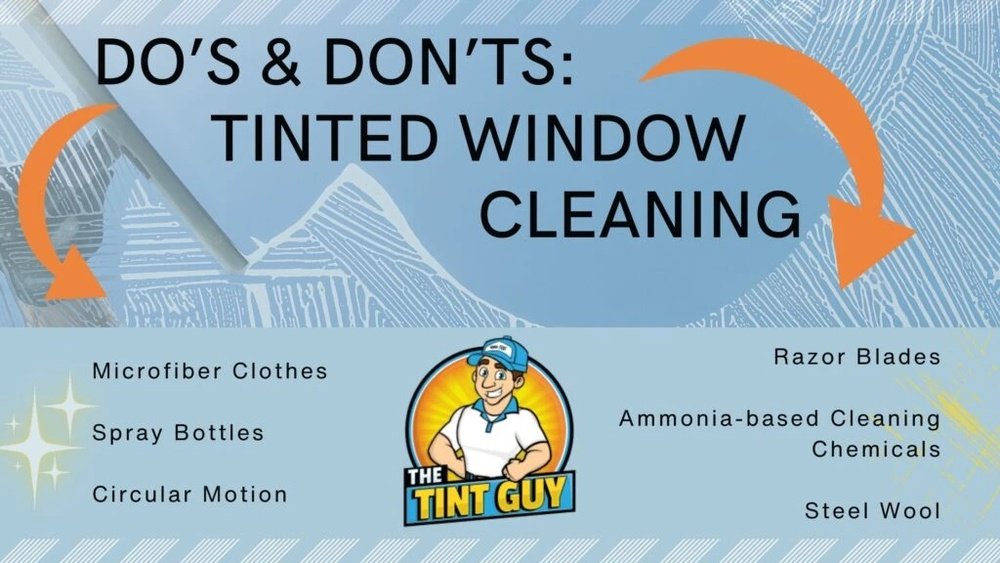
    Start with a good glass cleaner made for cars. Avoid cleaners with ammonia as they can damage the glass tint. Have a spray bottle ready for water or cleaning solution. Paper towels or microfiber cloths are also important. A small brush can help reach tight corners and edges.

    Choosing The Right Cloth

    Use a soft, lint-free cloth for best results. Microfiber cloths work very well because they trap dirt and dust. Avoid rough fabrics that can scratch the glass. Use different cloths for cleaning and drying to prevent streaks.

    Using Safe Cleaning Solutions

    Pick a cleaner that is safe for tinted windows. Water mixed with a little vinegar is a good natural option. Avoid harsh chemicals that can harm the glass or interior. Always spray the cleaner on the cloth, not directly on the glass.

    How to Clean Car Front Glass from Inside: Easy Tips for Spotless Clarity

    Credit: www.youtube.com

    Preparing The Glass

    Start by removing dust and loose dirt from the inside glass using a soft cloth. Use a gentle cleaner to avoid streaks and smudges. Wipe in small, circular motions for best results.

    Cleaning the inside of your car’s front glass starts with proper preparation. Dirt and dust can block your view and make cleaning harder. Preparing the glass well helps achieve a clear, streak-free finish. The process begins by removing loose particles. Then, take care to protect the glass from scratches. Both steps ensure a smooth cleaning experience and better results.

    Removing Dust And Debris

    Start by wiping the glass gently with a dry microfiber cloth. This removes loose dust and dirt without scratching. Avoid using rough materials like paper towels. They can leave fibers and marks on the glass. For corners and edges, use a soft brush or a vacuum with a brush attachment. This clears out hidden dust and debris. Removing dust first makes the cleaning solution work better.

    Avoiding Damage To The Glass

    Use only soft cloths for cleaning inside glass. Avoid abrasive pads or harsh scrapers. These can scratch or damage the surface. Do not spray cleaner directly on the glass. Spray it on the cloth instead. This prevents liquid from dripping into the car’s interior. Always use glass cleaners made for automotive use. Household cleaners may harm the glass or leave residue. Gentle care protects your glass and keeps it clear longer.

    Cleaning Techniques

    Cleaning the inside of your car’s front glass requires the right techniques. Proper methods help remove dirt and prevent streaks. Use the right tools and patterns for a clear view. Follow these simple steps for a spotless finish.

    Effective Wiping Patterns

    Start by using a clean microfiber cloth. Wipe the glass in a vertical motion first. Then, use horizontal strokes to catch missed spots. This cross-pattern reduces streaks and spots. Always avoid circular wiping as it leaves marks.

    Dealing With Stubborn Stains

    For tough stains, spray a small amount of glass cleaner. Let it sit for a few seconds. Gently rub with a soft cloth using light pressure. Repeat if necessary but avoid harsh scrubbing. Persistent stains may need a specialized cleaner.

    Reaching Difficult Spots

    Use a soft brush or cotton swab for corners and edges. These spots collect dust and grime easily. A folded cloth can also help reach tight areas. Be gentle to avoid scratching the glass. Clean these spots regularly for best results.

    Preventing Future Smudges

    Preventing smudges on the inside of your car’s front glass keeps your view clear and safe. Clean glass looks good and helps you drive without distractions. Keeping the glass clean is easier with simple daily habits. Avoid habits that cause smudges again.

    Tips For Daily Maintenance

    Wipe the glass with a microfiber cloth every day. This stops dust and dirt from building up. Use a glass cleaner made for cars to avoid streaks. Keep your hands clean before touching the glass. Avoid eating or drinking inside the car to reduce stains. Park your car in a shaded spot to stop dust from settling.

    Avoiding Common Mistakes

    Do not use paper towels or old rags on the glass. They can leave fibers and scratches. Avoid cleaning the glass in direct sunlight. It makes the cleaner dry too fast, leaving marks. Do not spray cleaner directly on the glass. Spray on the cloth first to control the amount. Avoid touching the glass with greasy or dirty hands. This causes more smudges and makes cleaning harder.

    Additional Tips

    Cleaning the front glass inside your car improves safety and driving comfort. Small extra steps can make a big difference in how clear your windshield stays. These additional tips help keep your glass spotless and easy to see through.

    Improving Visibility In Different Conditions

    Use a clean microfiber cloth to avoid streaks. Wipe in a circular motion for better results. For foggy days, apply an anti-fog spray to the glass. This stops moisture from building up inside. In cold weather, keep the inside glass dry. Use a small towel to remove any condensation. Avoid smoking inside the car as it leaves a film on the glass. Regular cleaning prevents dirt and grime from blocking your view.

    When To Seek Professional Help

    Some stains are hard to remove with home tools. Deep scratches or cracks reduce visibility and need expert care. If dirt builds up under the glass seal, professionals can clean it safely. Use professional services for glass repairs to avoid more damage. Experts have special tools and cleaning solutions. They ensure your windshield is safe and clear for driving.

    How to Clean Car Front Glass from Inside: Easy Tips for Spotless Clarity

    Credit: www.chevroletcenter.com

    Frequently Asked Questions

    How Do I Clean The Car Front Glass From Inside Effectively?

    Use a microfiber cloth and a glass cleaner for best results. Spray cleaner on the cloth, not directly on the glass. Wipe in circular motions to remove dirt and streaks. Finish with vertical strokes for a clear, streak-free shine.

    What Household Items Can I Use To Clean Inside Car Glass?

    White vinegar mixed with water works well. Use a 50/50 mixture in a spray bottle. Apply with a microfiber cloth and wipe thoroughly. Avoid ammonia-based cleaners as they may damage tint or plastic surfaces.

    How Often Should I Clean The Inside Of My Car Front Glass?

    Clean the inside glass at least once a month. More frequent cleaning is needed in dusty or smoky environments. Regular cleaning prevents buildup of grime and improves visibility while driving.

    Why Is My Car Front Glass Fogging Up From Inside?

    Fogging occurs due to moisture and temperature differences inside the car. Cleaning removes residue that traps moisture. Use anti-fog sprays or keep windows slightly open to reduce fog buildup.

    Conclusion

    Cleaning your car’s front glass inside keeps your view clear and safe. Use soft cloths and gentle cleaners to avoid scratches. Regular cleaning stops fog and dirt from building up. Clear glass means better driving, especially in bad weather. Try these easy steps often to enjoy a safer ride.

    Keeping your windshield clean is simple and worth it. Give your car the care it needs today.

  • What Happens When Glass Safety Fails: Shocking Risks Revealed

    What Happens When Glass Safety Fails: Shocking Risks Revealed

    Imagine standing near a window or a glass door, feeling completely safe—until suddenly, the glass shatters unexpectedly. What happens next isn’t just about broken glass; it’s about your safety, your well-being, and the risks you might not have considered.

    When glass safety fails, the consequences can be serious and sometimes even life-changing. You’ll discover exactly why glass can fail, what dangers arise when it does, and how you can protect yourself and those around you. Keep reading to learn what’s really at stake when glass safety is compromised.

    What Happens When Glass Safety Fails: Shocking Risks Revealed

    Credit: inspiresafety.com

    Types Of Glass Safety Failures

    Glass safety failures can happen in different ways. Each type affects the glass’s strength and how it breaks. Understanding these types helps to know the risks and how to prevent accidents. Below are the most common types of glass safety failures.

    Tempered Glass Breakage

    Tempered glass is strong but breaks into small pieces. These pieces are less sharp than normal glass shards. The glass shatters suddenly under impact or heat changes. This breakage helps reduce serious injuries from cuts. Yet, the sudden shatter can cause hazards like falling glass fragments.

    Laminated Glass Delamination

    Laminated glass has layers held by a plastic film. Delamination happens when these layers start to separate. Moisture or heat can cause the plastic to peel away. This weakens the glass and lowers its safety. Cracks may form, and the glass can become brittle over time.

    Annealed Glass Shattering

    Annealed glass is the most basic type of glass. It breaks into large, sharp pieces when hit hard. This breakage is dangerous because shards can cause severe cuts. Annealed glass does not have safety features to hold it together. It is less safe for places with high risk of impact.

    What Happens When Glass Safety Fails: Shocking Risks Revealed

    Credit: watersonusa.com

    Common Causes Behind Failures

    Glass safety failures can cause serious problems. Understanding the common causes helps prevent accidents. Several factors often lead to glass breaking or shattering unexpectedly. These factors include issues from the factory, mistakes during fitting, and outside forces acting on the glass.

    Manufacturing Defects

    Flaws during glass production can weaken the material. Tiny cracks or air bubbles may form inside. These defects reduce the glass’s strength. Poor quality control can let weak glass reach customers. Even small defects can cause glass to fail under pressure.

    Improper Installation

    Installing glass incorrectly puts extra stress on it. Wrong measurements or poor handling can create pressure points. Using the wrong type of sealant or fasteners also causes problems. Glass that is not supported well can crack or fall out. Proper installation is key to glass safety.

    Environmental Stress Factors

    Outside forces can damage glass over time. Sudden temperature changes cause glass to expand and contract. This may lead to cracks or breakage. Strong winds, impacts, or vibrations add extra strain. Chemical exposure can weaken glass surfaces. All these stresses increase the risk of failure.

    Immediate Hazards Of Glass Breakage

    Glass breakage creates sudden dangers. The risks appear instantly and can cause serious harm. Understanding these hazards helps to stay safe in homes and workplaces.

    Risk Of Cuts And Injuries

    Broken glass has sharp edges that easily cut skin. Even small shards can cause deep wounds. These injuries may lead to heavy bleeding or infections. Immediate care is crucial to prevent complications.

    Falling Glass Hazards

    Shattered glass can fall from windows or doors. Falling pieces might hit people below. This can cause bruises, cuts, or worse injuries. Always clear the area quickly to avoid harm.

    Impact On Structural Integrity

    Glass often supports parts of buildings. When it breaks, the structure may weaken. This can lead to further damage or collapse. Repairing broken glass fast helps maintain safety and strength.

    What Happens When Glass Safety Fails: Shocking Risks Revealed

    Credit: spice.alibaba.com

    Long-term Consequences

    Glass safety failure can cause issues that last far beyond the initial break. The effects may harm your property, increase risks, and cost a lot to fix. Understanding these long-term consequences helps prepare for the impact.

    Property Damage

    Broken glass can lead to more damage over time. Water and weather can enter through cracks, damaging walls and floors. Pests might find their way inside through openings. Small problems turn into bigger repairs if not fixed quickly.

    Increased Liability Risks

    Unsafe glass raises the chance of accidents. Injuries from broken or falling glass can lead to legal claims. Businesses face higher risks if customers get hurt. Property owners may need to pay for damages and medical bills.

    Costly Repairs And Replacements

    Fixing broken glass is expensive and often urgent. Delayed repairs can increase costs. Replacing large or specialty glass adds to the expense. Regular maintenance helps avoid these high costs later on.

    Safety Standards And Regulations

    Glass safety depends on clear rules and standards. These rules guide how glass is made, tested, and used. Following safety standards helps prevent accidents and injuries from glass failure. Understanding these standards shows why glass safety matters.

    Building Codes For Glass

    Building codes set rules for glass in buildings. They decide where and how strong glass must be. These codes protect people from sharp glass breaks. Builders must follow these codes to keep spaces safe.

    Certification And Testing Procedures

    Glass gets tested to meet safety rules. Testing checks strength, impact resistance, and heat tolerance. Certified glass means it passed strict safety tests. These tests reduce risks of glass breaking unexpectedly.

    Role Of Safety Labels

    Safety labels tell if glass is safe and tested. Labels show glass type, strength, and certification details. They help buyers and installers choose the right glass. Ignoring labels can lead to unsafe glass use.

    Preventive Measures And Best Practices

    Preventing glass safety failures requires care and attention at every step. Choosing the right materials, installing them correctly, and keeping up with maintenance all help reduce risks. These actions protect both people and property. Here are important tips for each stage of the process.

    Choosing The Right Glass Type

    Select glass that fits the purpose and location. Tempered glass is strong and breaks into small, less harmful pieces. Laminated glass holds together when cracked, offering extra safety. Consider glass thickness based on the size and use. Using the proper glass type lowers the chance of accidents.

    Professional Installation Tips

    Hire experienced installers for glass fitting. Proper handling and placement prevent damage and weak spots. Ensure the frame supports the glass firmly without pressure points. Follow manufacturer guidelines for sealants and fasteners. Correct installation ensures glass stays secure and safe over time.

    Regular Inspection And Maintenance

    Check glass surfaces regularly for chips, cracks, or scratches. Clean glass gently to avoid scratches and weakening. Replace damaged glass immediately to prevent injury. Inspect seals and frames for wear and tear. Routine care extends glass life and keeps safety intact.

    Emergency Response To Glass Breakage

    Glass breakage can cause sudden danger. Knowing how to act fast helps prevent injuries and chaos. Emergency response to glass breakage is vital. It ensures safety and proper handling of the situation. Quick actions reduce harm and confusion.

    First Aid For Glass Injuries

    Check the injured person immediately. Stop any bleeding by applying gentle pressure. Use a clean cloth or bandage. Avoid removing glass pieces stuck in the skin. Call emergency services for serious wounds. Keep the person calm and still. Clean small cuts carefully with water.

    Securing The Area

    Clear the area around the broken glass. Keep people away to prevent more injuries. Use barriers or signs to block the space. Wear gloves before touching glass shards. Sweep up large pieces carefully. Use a vacuum for tiny fragments. Dispose of broken glass safely in a thick container.

    Reporting And Documentation

    Report the incident to the proper authorities or supervisors. Write down what happened and when. Note any injuries and actions taken. Take photos of the damage and area. Keep records for insurance or legal needs. Review safety measures to avoid future breaks.

    Frequently Asked Questions

    What Causes Glass Safety To Fail Unexpectedly?

    Glass safety fails due to impact, thermal stress, or manufacturing defects. Improper installation and poor maintenance also increase failure risks. Identifying these causes helps prevent accidents and ensures safer glass use in homes and workplaces.

    What Are The Dangers Of Glass Safety Failure?

    Glass safety failure can cause severe cuts, injuries, or property damage. Shattered glass poses risks to anyone nearby. Using safety glass and proper installation minimizes these dangers and protects people and assets.

    How Can Glass Safety Failure Be Prevented Effectively?

    Regular inspections, correct installation, and using tempered or laminated glass prevent failures. Avoiding extreme temperature changes and impacts also helps. Following safety standards ensures glass remains strong and safe for daily use.

    What Happens To Glass During A Safety Failure?

    Safety glass breaks into small, blunt pieces instead of sharp shards. This reduces injury risk but still requires careful cleanup. Understanding this behavior highlights the importance of using safety glass in critical areas.

    Conclusion

    Glass safety failures can cause serious accidents and injuries. Broken glass may lead to cuts, falls, and damage to property. It also creates unsafe environments at home, work, or public places. Regular checks and proper glass installation help prevent these risks.

    Choosing the right type of glass adds extra protection. Always stay aware of glass conditions around you. Safety matters. Protect yourself and others by acting early. Small steps make big differences in preventing glass accidents. Stay safe and keep glass secure.

  • How to Tell If Windshield Needs Replacement: Key Signs to Watch

    How to Tell If Windshield Needs Replacement: Key Signs to Watch

    Your windshield is more than just a piece of glass—it’s a vital part of your safety on the road. But how do you know when it’s time to replace it?

    Small cracks or chips might seem harmless, but they can quickly turn into serious hazards. You’ll discover simple signs to watch for that signal your windshield needs replacement. By paying attention to these clues, you’ll protect yourself, your passengers, and avoid costly repairs down the line.

    Keep reading to learn exactly what to look for and why acting early matters.

    How to Tell If Windshield Needs Replacement: Key Signs to Watch

    Credit: www.vannyorkgm.com

    Visible Cracks And Chips

    Visible cracks and chips on a windshield are clear signs of damage. They affect how well you see the road. They also reduce the strength of the glass. Knowing the difference between small chips and large cracks helps decide the right action. This section explains these differences and their effects on safety.

    Small Chips Vs Large Cracks

    Small chips usually come from tiny stones hitting the glass. They look like small dots or tiny circles. Most small chips can be fixed easily. Large cracks are longer and deeper. They often spread across the windshield. These cracks are harder to repair and may need replacement.

    Impact On Safety

    Cracks and chips weaken the windshield. A damaged windshield cannot protect you well during accidents. Large cracks can block your view while driving. This increases the chance of accidents. Even small chips can grow bigger over time. Driving with a damaged windshield is risky.

    When Repairs Aren’t Enough

    Repairs work only for small chips and short cracks. If the damage spreads, repairs fail. Cracks near the edges are hard to fix. Deep cracks also need replacement. A new windshield restores strength and clear vision. Replace the windshield to keep safe on the road.

    Distorted Vision While Driving

    Distorted vision while driving can signal a serious problem with your windshield. Clear sight is crucial for safe driving. Any change in how you see the road can increase risks. Watch for signs that your windshield might need replacement. These signs often start with subtle vision problems.

    Blurriness And Warping

    Blurriness makes it hard to see road details. Warping bends the light, causing shapes to look strange. Small cracks or chips can cause these effects. Even clean windshields can distort if damaged. Driving with a warped windshield can confuse your eyes.

    Effects On Night Driving

    Night driving becomes tougher with a damaged windshield. Light from street lamps and headlights can scatter. This creates glare that hurts your vision. You may see halos or streaks around lights. These effects increase the chance of accidents.

    How Damage Affects Visibility

    Damage blocks or changes what you see. Cracks can grow and blur your view. Dirt and moisture stick more easily on damaged glass. This lowers your ability to spot hazards. Replace a damaged windshield to keep clear vision.

    Water Leaks Inside The Car

    Water leaks inside the car can signal a serious issue with your windshield. Moisture entering your vehicle is not normal and should not be ignored. It can cause discomfort and damage to the car’s interior. Identifying these leaks early helps avoid costly repairs later.

    Signs Of Water Intrusion

    Wet spots on the dashboard or floor mats indicate water intrusion. Damp smells inside the car often suggest hidden leaks. Foggy windows that do not clear up easily may point to moisture buildup. Watch for these signs after rain or washing your car.

    Consequences Of Leaks

    Water leaks can damage your car’s electronics and upholstery. Mold and mildew grow quickly in damp environments, causing bad odors. Continuous leaks weaken the windshield seal, risking further water entry. Ignoring leaks can lead to expensive repairs and unsafe driving conditions.

    Checking Seal Integrity

    Inspect the rubber seal around the windshield for cracks or gaps. Press gently along the edges to feel for loose spots. Use a flashlight to check for visible damage or missing adhesive. Regular checks ensure the seal stays strong and prevents leaks.

    How to Tell If Windshield Needs Replacement: Key Signs to Watch

    Credit: www.reddit.com

    Unusual Noises During Driving

    Unusual noises during driving can signal a problem with your windshield. These sounds often come from air or loose parts. They may seem small but indicate bigger issues. Paying attention helps keep your car safe and quiet.

    Wind Noise And Rattling

    Wind noise is a common sign of windshield problems. It sounds like a whistle or whoosh near the windows. This happens when air leaks through gaps around the glass. Rattling noises may follow, caused by loose or damaged seals. Both noises distract you and reduce driving comfort.

    Causes Linked To Windshield Issues

    Cracks or chips can create gaps for air to pass through. Old or worn-out seals fail to hold the windshield tight. Improper installation also causes poor fitting and noise. These issues let wind enter the cabin, causing noise and discomfort. Fixing the windshield or seals stops these sounds and improves safety.

    Airbag Deployment Concerns

    Airbag deployment is a critical safety feature in vehicles. The windshield plays an important part in this process. A damaged or weak windshield can affect how airbags work during a crash. Understanding these concerns helps you know when to replace your windshield.

    Windshield’s Role In Airbag Safety

    The windshield supports the passenger-side airbag during deployment. It stops the airbag from pushing out of place. This keeps passengers safer by directing the airbag correctly. A strong windshield helps the airbag protect the passenger fully.

    Risks Of A Compromised Windshield

    A cracked or chipped windshield may fail in a crash. It might break or detach under airbag pressure. This reduces the airbag’s effectiveness and raises injury risk. A damaged windshield puts everyone inside the car in danger.

    Age And Wear Factors

    Windshield damage does not always come from one big hit. Often, age and daily wear cause slow damage. Over time, the glass can weaken and become less safe. Understanding these factors helps you know when replacement is needed.

    Lifespan Of A Windshield

    Most windshields last between 5 to 10 years. This depends on driving habits and care. Older windshields may develop tiny cracks and chips. These small flaws can grow and affect visibility. A windshield past its prime may not protect well in crashes.

    Effects Of Weather And Uv Exposure

    Sunlight and heat cause the glass to weaken. UV rays can make the windshield cloudy or brittle. Cold weather may cause cracks to grow faster. Frequent changes in temperature stress the glass. These conditions speed up wear and tear on the windshield.

    Professional Inspection Tips

    Professional inspection helps decide if your windshield needs replacement. Experts use tools and experience to spot problems early. This saves money and keeps you safe on the road.

    When To Seek Expert Advice

    Visit a technician if cracks spread more than a few inches. Chips larger than a quarter also need checking. Windshield damage near the driver’s view is risky. Sudden temperature changes can worsen small cracks quickly. Strange noises or leaks around the glass require expert attention.

    What Technicians Look For

    Technicians check for cracks, chips, and glass distortion. They inspect the seal to ensure no water or air leaks. Damage affecting the driver’s line of sight raises concerns. They also evaluate if repairs are possible or replacement is needed. Safety standards guide their decision on windshield condition.

    How to Tell If Windshield Needs Replacement: Key Signs to Watch

    Credit: only1autoglass.com

    Frequently Asked Questions

    How Do I Know If My Windshield Needs Replacement?

    Check for large cracks, deep chips, or spiderweb cracks. If damage obstructs your view or worsens quickly, replacement is necessary.

    Can Small Chips In Windshield Be Repaired Or Replaced?

    Small chips under six inches can often be repaired. However, if chips spread or affect safety, replacement is recommended.

    What Safety Risks Come With A Damaged Windshield?

    A damaged windshield reduces structural integrity and airbag effectiveness. It also impairs visibility, increasing accident risks. Immediate repair or replacement is crucial.

    How Long Does Windshield Replacement Usually Take?

    Windshield replacement typically takes 30 minutes to an hour. Drying time may add extra time before driving safely.

    Conclusion

    A cracked or chipped windshield can be dangerous. Small damage can grow and block your view. Clear glass helps you drive safely every day. Check your windshield often for any signs of wear. Don’t wait until cracks get worse. Replace the windshield if damage affects your vision or safety.

    Taking care of your windshield protects you and others on the road. Stay alert and keep your car safe.