Blog

  • Best Way to Clean Car Windshield Reddit: Expert Tips Revealed

    Best Way to Clean Car Windshield Reddit: Expert Tips Revealed

    If you’ve ever struggled with streaky or foggy car windshields, you know how frustrating it can be. A clean windshield isn’t just about looks—it’s about your safety every time you hit the road.

    You might have searched Reddit for tips and found plenty of advice, but which methods really work best? This article will guide you through the most effective, easy-to-follow ways to clean your car windshield, backed by real user experiences from Reddit.

    Keep reading, and you’ll discover simple tricks that will make your windshield crystal clear, improve your driving visibility, and save you time and effort. Your next drive deserves the best view—let’s make it happen!

    Best Way to Clean Car Windshield Reddit: Expert Tips Revealed

    Credit: www.reddit.com

    Choosing The Right Cleaner

    Choosing the right cleaner is key to a clear, streak-free windshield. The right product removes dirt and grime without damaging the glass. It also helps keep your windshield safe from scratches and stains. Picking a cleaner depends on your needs and preferences. Some prefer store-bought products, while others like homemade mixtures.

    Commercial Vs Homemade Solutions

    Commercial cleaners are easy to find in stores. They often contain powerful ingredients for tough dirt. These products usually come ready to use. Some have added scents or anti-fog features. They save time but may include chemicals.

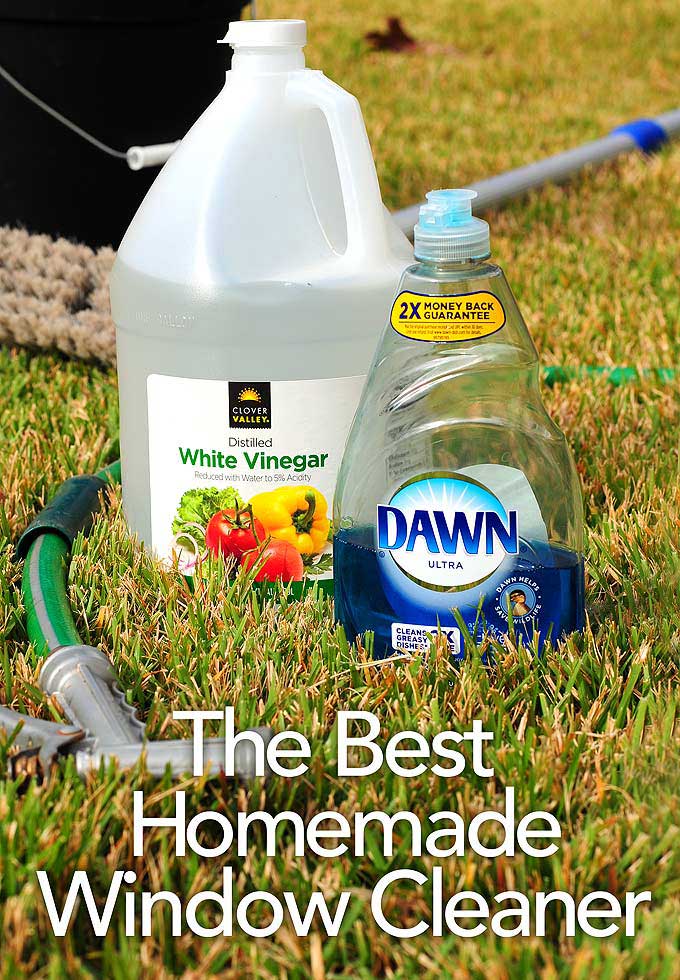
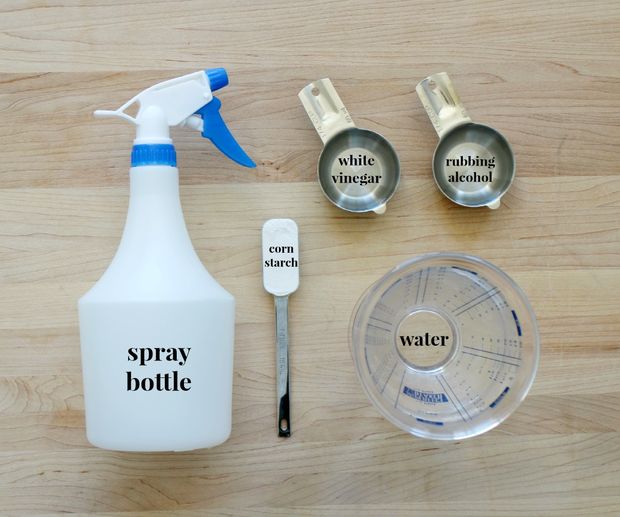
    Homemade solutions use simple ingredients like vinegar, water, and soap. They cost less and avoid harsh chemicals. Many Reddit users share recipes for homemade cleaners. These mixtures are gentle and eco-friendly. They work well for light dirt and daily cleaning.

    Safe Ingredients For Windshields

    Safe cleaners avoid ammonia and bleach. These chemicals can harm glass and car paint. Look for products labeled “ammonia-free” or “safe for tinted windows.” Common safe ingredients include vinegar, rubbing alcohol, and mild dish soap.

    Using microfiber cloths with safe cleaners helps avoid scratches. Test new cleaners on a small area first. Avoid abrasive powders or scrubbing pads. Choosing safe ingredients protects your windshield and keeps it clear longer.

    Best Way to Clean Car Windshield Reddit: Expert Tips Revealed

    Credit: www.reddit.com

    Essential Tools For Cleaning

    Cleaning a car windshield well needs the right tools. The right tools make the job easier and faster. They help remove dirt, dust, and smudges without scratching the glass. Good tools also help you see clearly while driving, making it safer on the road.

    Choosing the right cloths, sponges, and squeegees can change your cleaning results. Each tool has a special role to play in cleaning your windshield perfectly. Let’s look at the most useful tools for this task.

    Microfiber Cloths Benefits

    Microfiber cloths are soft and gentle on glass. They clean without scratching or leaving lint behind. These cloths pick up dust and dirt easily. They absorb water well, so you can dry the glass fast. Microfiber cloths also work great for polishing. Using them helps keep your windshield clear and shiny.

    Using Squeegees And Sponges

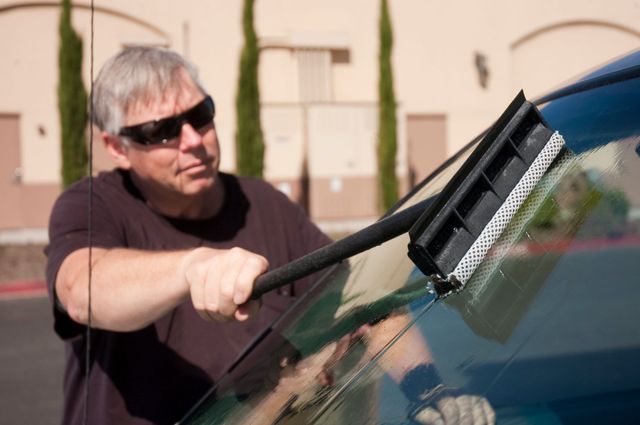
    Squeegees help remove water and soap from the glass. They leave no streaks or marks. A good squeegee has a rubber blade that glides smoothly. Sponges are useful to apply soap or cleaner. They hold enough liquid to cover the entire windshield. Using both tools together makes cleaning quick and effective.

    Step-by-step Cleaning Process

    Cleaning a car windshield properly improves visibility and safety. Follow a clear, simple process to get the best results. This step-by-step guide helps you clean your windshield easily and effectively. Each step focuses on making the glass spotless without damage or streaks.

    Pre-cleaning Preparation

    Start by parking your car in a shaded area. This stops the cleaning solution from drying too fast. Remove any loose dirt or dust with a soft brush or cloth. Prepare your cleaning tools: a microfiber cloth, a bucket with water, and a gentle glass cleaner. Avoid harsh chemicals that can damage the glass or car paint.

    Effective Washing Techniques

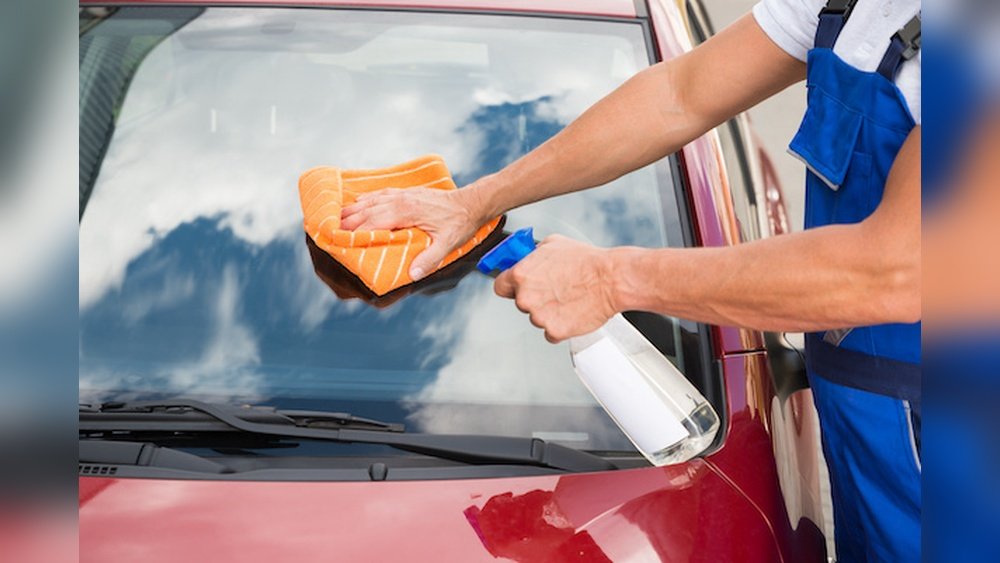
    Spray the glass cleaner evenly on the windshield. Use a microfiber cloth to wipe in small, circular motions. Focus on tough spots like bird droppings or bugs. Rinse the cloth often to avoid spreading dirt. For stubborn grime, repeat spraying and wiping until clean. Don’t forget the edges and corners where dirt collects.

    Drying Without Streaks

    Use a dry, clean microfiber cloth to dry the windshield. Wipe in straight, vertical or horizontal strokes. Avoid circular motions as they can cause streaks. Change cloths if one becomes too wet or dirty. Finish by checking the windshield from different angles. Clear, streak-free glass means a safer drive.

    Best Way to Clean Car Windshield Reddit: Expert Tips Revealed

    Credit: www.reddit.com

    Tips To Remove Tough Stains

    Tough stains on a car windshield can block your view. They also make driving unsafe. Cleaning these stubborn marks needs the right tips and tools. Many Reddit users share simple, effective ways to remove these spots. These tips help clear your windshield without harming it.

    Dealing With Bug Splatter

    Bug splatter sticks hard to glass. Use a soft cloth with warm, soapy water first. Let it soak for a few minutes. This softens the bugs and makes wiping easier. For tougher spots, try a mixture of vinegar and water. Spray it, wait five minutes, then wipe gently. Avoid scrubbing too hard to prevent scratches.

    Handling Water Spots And Mineral Deposits

    Water spots and mineral deposits leave white marks. Use white vinegar to break down minerals. Spray vinegar on the spots and wait a few minutes. Then, wipe with a clean cloth. For heavy buildup, mix baking soda with water to form a paste. Apply it carefully and scrub lightly. Rinse with clean water and dry the glass well.

    Preventive Measures For Clear Windshields

    Clear windshields improve driving safety and visibility. Preventive measures keep them clean longer. These simple steps save time and effort. Regular care avoids dirt build-up and water spots. Protect your windshield from harsh weather and debris. Small habits make a big difference.

    Regular Maintenance Habits

    Clean the windshield often using a soft cloth and glass cleaner. Avoid using harsh chemicals that can damage the glass. Check and replace windshield wipers every six months. Worn wipers leave streaks and reduce visibility. Remove bugs and bird droppings quickly. They can stain and weaken the glass. Park your car in shaded areas to prevent dirt from sticking. This keeps the windshield cleaner for longer.

    Using Protective Coatings

    Apply water-repellent coatings to make rain slide off easily. These coatings reduce fog and dirt build-up. They also help during winter to prevent ice from sticking. Use coatings that are safe for car glass. Follow product instructions for best results. Reapply coatings every few months for continuous protection. This simple step keeps your windshield clearer in all weather.

    Common Mistakes To Avoid

    Cleaning your car windshield seems simple but many make mistakes. These errors can scratch glass or leave streaks. Knowing what to avoid helps keep your windshield clear and safe. Here are common mistakes people mention on Reddit.

    Using Abrasive Materials

    Some use rough cloths or brushes to clean. These materials can scratch the glass surface. Scratches reduce visibility and can worsen over time. Always pick soft microfiber cloths or sponges. These clean well without harming the glass.

    Ignoring Weather Conditions

    Cleaning under the hot sun or freezing cold is risky. Heat makes cleaning solutions dry too fast, leaving streaks. Cold can cause liquids to freeze on glass. Choose mild weather to clean. Early morning or cloudy days work best.

    Expert Recommendations From Reddit

    Reddit users share honest advice on cleaning car windshields. Their tips come from real experience. They test many methods and products. This makes their recommendations practical and easy to follow. The Reddit community offers helpful insights for clear, streak-free windshields. These expert tips can save time and effort.

    Top User-shared Tips

    Many Redditors suggest cleaning windshields in shade or cool conditions. This prevents quick drying and streaks. Using microfiber cloths is a common tip. They avoid scratches and absorb dirt well. Some users recommend a two-step process: first, remove bugs and grime with warm water. Then, use a cleaner for a spotless finish.

    Others advise against household glass cleaners with ammonia. Ammonia can damage windshield coatings. Instead, they suggest using diluted vinegar or dish soap solutions. Gentle scrubbing with a soft sponge helps remove tough spots. Avoid using paper towels as they leave lint behind.

    Popular Product Suggestions

    Reddit users mention several trusted products for cleaning windshields. Many favor dedicated automotive glass cleaners like Invisible Glass and Stoner’s Glass Cleaner. These products remove dirt without leaving residue. Some prefer eco-friendly options like water-based cleaners with natural ingredients.

    Another popular product is the Rain-X Original Glass Treatment. It improves visibility by repelling water. Users often apply it after cleaning for better driving safety. For stubborn grime, some recommend using clay bars made for cars. These gently lift contaminants without harming glass.

    Frequently Asked Questions

    What Is The Best Cleaning Solution For Car Windshields?

    The best solution combines water, vinegar, and a few drops of dish soap. This mix removes dirt and grime effectively without streaks.

    How Do I Prevent Streaks On My Windshield?

    Use a microfiber cloth and clean in circular motions. Avoid cleaning in direct sunlight to reduce streaking.

    Can Household Items Clean A Car Windshield Effectively?

    Yes, items like vinegar, water, and dish soap work well. They safely remove dirt and leave the glass clear.

    How Often Should I Clean My Car Windshield?

    Clean your windshield every two weeks or when visibility decreases. Regular cleaning improves safety and driving comfort.

    Conclusion

    Cleaning your car windshield well helps you drive safer. Use simple tools like soft cloths and gentle cleaners. Avoid harsh chemicals that can damage the glass. Regular cleaning keeps your windshield clear and bright. Follow tips shared by Reddit users for easy, effective results.

    A clean windshield improves your view and your car’s look. Try these easy steps and see the difference yourself. Safe driving starts with clear vision. Keep your windshield spotless for a better driving experience.

  • Does Glass Safety Affect Roadworthiness: Essential Insights Revealed

    Does Glass Safety Affect Roadworthiness: Essential Insights Revealed

    Have you ever wondered if the condition of your car’s glass can impact its roadworthiness? You might think a small crack or chip is just a minor issue, but it could be putting you at serious risk.

    Your safety and your vehicle’s ability to pass inspections depend more on your glass than you realize. Keep reading to discover why glass safety matters and how it affects your car’s performance on the road. This information could save you money, stress, and even your life.

    Does Glass Safety Affect Roadworthiness: Essential Insights Revealed

    Credit: www.sweeneymerrigan.com

    Glass Safety Standards

    Glass safety standards play a key role in roadworthiness. They ensure that automotive glass protects drivers and passengers. Proper standards reduce injuries from accidents and improve visibility. Meeting these standards means the vehicle is safer and more reliable on the road.

    Understanding these standards helps drivers and manufacturers maintain vehicle safety. It also helps authorities enforce laws that keep roads safer for everyone.

    Types Of Automotive Glass

    Automotive glass comes in mainly two types: laminated and tempered. Laminated glass has a plastic layer between two glass sheets. It stays in place even if broken. This glass is common in windshields. Tempered glass is heat-treated to be stronger. It breaks into small, blunt pieces. This type is often used in side and rear windows.

    Regulations And Certifications

    Vehicles must follow strict glass safety regulations. These rules vary by country but share common goals. Certifications like DOT (Department of Transportation) and ECE (Economic Commission for Europe) confirm glass meets safety tests. Certified glass passes tests for strength and visibility. It also resists UV rays and weather damage. Using certified glass helps pass vehicle inspections and legal checks.

    Impact Resistance And Durability

    Impact resistance measures how well glass handles force. Durable glass protects passengers from flying debris and crashes. Laminated glass holds together under impact, reducing injury risks. Tempered glass resists scratches and breaks safely. Both types must withstand changes in temperature and pressure. Strong, durable glass keeps drivers safe in many road conditions.

    Does Glass Safety Affect Roadworthiness: Essential Insights Revealed

    Credit: truittlodge.com

    Roadworthiness Criteria

    Roadworthiness criteria ensure vehicles meet safety and environmental standards. These rules help keep drivers, passengers, and others safe on the road. Vehicle inspections check many parts, including the engine, brakes, lights, and glass. Glass safety is a key factor in passing these inspections.

    Understanding these criteria helps drivers maintain their vehicles properly. It also reduces the risk of accidents caused by faulty parts. Clear, intact glass improves visibility and protects occupants during crashes.

    Vehicle Inspection Requirements

    Vehicles must pass regular inspections to stay roadworthy. Inspectors check many systems and components for safety. These checks include brakes, tires, lights, and windshield condition. The vehicle must have no major defects that affect safety. Glass damage is one of the main inspection points.

    Role Of Glass In Safety Checks

    Glass is vital for driver visibility and protection. Inspectors look for cracks, chips, and damage that block vision. The windshield must not have cracks in the driver’s line of sight. Side and rear windows should be intact and secure. Safety glass must meet specific strength and quality standards.

    Common Glass-related Failures

    Cracks or chips in the windshield often cause inspection failures. Large cracks reduce visibility and weaken glass strength. Damaged glass can shatter more easily in accidents. Missing or broken side and rear windows also fail inspections. Tinting that is too dark or peeling can lead to rejection.

    Effects Of Damaged Glass

    Damaged glass on a vehicle can cause several problems. It affects more than just the look of the car. The glass plays a key role in safety and roadworthiness. Small cracks or chips can turn into bigger issues quickly. Understanding these effects helps keep drivers safe and cars legal.

    Even minor damage can reduce the strength of the glass. This weakens the vehicle’s overall structure. It also changes how the driver sees the road. These changes can increase the risk of accidents and legal troubles.

    Visibility And Driver Safety

    Damaged glass often causes blurred or distorted vision. Cracks can spread light in odd ways. This creates glare, especially at night or in bright sunlight. Drivers may miss important road signs or obstacles. Clear glass is vital for quick reactions and safe driving.

    Small chips can grow into large cracks. These cracks can distract the driver or block parts of the road view. Damaged glass can also shatter more easily during sudden stops or collisions. This increases the chance of injury inside the vehicle.

    Structural Integrity Concerns

    Windshields and windows add strength to a car’s frame. They help keep the cabin intact during crashes or rollovers. Damaged glass weakens this support. The vehicle may be less able to protect its occupants in an accident.

    Broken glass may also fail to hold up airbags properly. This affects airbag deployment and reduces their effectiveness. Maintaining intact glass helps maintain the car’s safety features. Repair or replacement is important to avoid these risks.

    Legal Implications

    Most regions have laws about vehicle glass condition. Driving with cracked or chipped glass may lead to fines or failed inspections. This can make the vehicle illegal to drive until fixed. Law enforcement often looks at windshield damage during roadside checks.

    Insurance claims might be denied if damage is not repaired. Some policies require timely fixing of glass issues. Ignoring damage risks legal trouble and higher costs later. Keeping glass in good shape meets legal rules and ensures roadworthiness.

    Maintenance And Replacement

    Maintaining and replacing glass on your vehicle is crucial for road safety. Glass that is cracked or damaged can reduce visibility and weaken the car’s structure. Regular checks help catch problems early. Proper care extends the life of your vehicle’s glass and keeps you safe on the road.

    Repair Vs. Replacement Guidelines

    Small chips and cracks may be repaired without full replacement. Repairs save time and money if done early. Large cracks or shattered glass need full replacement. Damaged glass that affects driver vision must be replaced. Follow safety standards and local laws for repairs and replacements.

    Choosing Quality Glass Materials

    Use high-quality glass designed for vehicles. Quality glass resists impacts and weather damage better. It also reduces glare and improves visibility. Cheaper glass may crack easily and block vision. Always select materials that meet safety certifications for road use.

    Professional Installation Importance

    Experts ensure the glass fits perfectly and seals tightly. Poor installation can cause leaks or glass to loosen. Professionals use the right tools and follow safety rules. Proper installation keeps airbags working correctly. Trust trained technicians to maintain your vehicle’s roadworthiness.

    Technological Advances

    Technological advances have changed car glass in many ways. These changes help improve safety and the overall roadworthiness of vehicles. Today’s automotive glass does more than just protect drivers from wind and rain. It helps prevent accidents and makes driving safer for everyone.

    Smart Glass Features

    Smart glass can change its tint to block sunlight or reduce glare. This reduces eye strain and improves visibility. Some smart glass can even clear fog or ice quickly. These features keep drivers focused and alert. They add comfort and safety during all weather conditions.

    Enhanced Safety Technologies

    Modern automotive glass often includes sensors and cameras. These tools help with lane detection and collision warnings. Laminated glass can hold together after breaking, preventing sharp shards. This reduces injury risks in crashes. Safety glass designs also improve sound insulation, lowering driver stress.

    Future Trends In Automotive Glass

    Future car glass may include heads-up displays on the windshield. These displays show speed, navigation, and alerts without distraction. Glass might also adapt automatically to light and weather changes. Advances in materials will make glass stronger and lighter. These trends promise safer and smarter driving experiences.

    Does Glass Safety Affect Roadworthiness: Essential Insights Revealed

    Credit: www.diamondbackautoglass.com

    Frequently Asked Questions

    Does Glass Safety Impact Vehicle Roadworthiness?

    Yes, glass safety directly affects roadworthiness. Damaged or non-compliant glass can impair driver visibility and increase accident risks. Properly maintained safety glass ensures structural integrity and meets legal standards, making your vehicle safer and roadworthy.

    What Glass Defects Fail A Roadworthiness Test?

    Common defects include cracks, chips, and excessive scratches on windshields or windows. These impair visibility and compromise structural strength. Safety regulations require clear, intact glass to pass roadworthiness inspections.

    How Does Windshield Condition Affect Driving Safety?

    A damaged windshield reduces visibility and weakens vehicle structure during crashes. It can also affect airbag deployment. Maintaining a clear, intact windshield is vital for safe driving and passing safety inspections.

    Can Cracked Glass Cause A Vehicle To Fail Inspection?

    Yes, even small cracks can lead to inspection failure. They obstruct the driver’s view and may worsen under stress, posing safety risks. Repair or replacement is often required for roadworthiness certification.

    Conclusion

    Glass safety plays a key role in a vehicle’s roadworthiness. Cracked or damaged glass can reduce driver visibility and increase accident risk. Properly maintained windows and windshields protect passengers during collisions. Regular checks help ensure glass meets safety standards. Clear, strong glass supports safe driving every day.

    Don’t overlook glass condition when assessing your vehicle’s safety. Good glass means better protection and safer roads. Always fix chips or cracks promptly to stay roadworthy. Safety starts with clear vision and solid glass.

  • Can Poor Glass Safety Cause Ejection Risk? Shocking Truths Revealed

    Can Poor Glass Safety Cause Ejection Risk? Shocking Truths Revealed

    Have you ever stopped to think about the glass around you—your car windows, office partitions, or even your home doors? Poor glass safety isn’t just a minor issue; it can put your life at serious risk.

    When glass fails, it can cause sudden ejections that leave you vulnerable to injury or worse. Understanding how weak or unsafe glass can lead to these dangers is crucial for your safety. Keep reading to learn why glass quality matters so much and what you can do to protect yourself and your loved ones.

    Can Poor Glass Safety Cause Ejection Risk? Shocking Truths Revealed

    Credit: www.creativesafetysupply.com

    Glass Safety Basics

    Glass safety is crucial to prevent accidents and injuries. Poor glass safety can increase the risk of ejection during impacts. Understanding the basics helps protect people and property. This section explains key points about glass safety.

    Types Of Safety Glass

    There are mainly two types of safety glass: tempered and laminated. Tempered glass is heated and cooled quickly. This process makes it stronger than normal glass. When broken, it shatters into small, blunt pieces. These pieces reduce the chance of cuts.

    Laminated glass has a plastic layer between two glass sheets. This layer holds the glass together if it breaks. It prevents glass from falling apart. Laminated glass is often used in car windshields and windows.

    Standards And Regulations

    Safety glass must meet certain standards. These rules ensure the glass can handle impact and stress. Building codes and vehicle laws include these standards. They vary by country but share common goals.

    Testing includes strength and breakage patterns. Approved glass reduces the risk of injury and ejection. Using glass that meets standards is essential for safety.

    Can Poor Glass Safety Cause Ejection Risk? Shocking Truths Revealed

    Credit: www.ajmc.com

    Ejection Risk Explained

    Ejection risk means the chance of being thrown out of a vehicle during a crash. It is a serious danger that can cause severe injuries or death. Understanding what causes ejection helps improve vehicle safety. Glass safety plays a key role in protecting passengers inside cars.

    What Causes Ejection

    Ejection happens mostly when seat belts fail or are not used. In a crash, strong forces push passengers forward or sideways. Without proper restraints, the body can break through windows or doors. This leads to being thrown out of the vehicle. High speeds and sharp impacts increase ejection chances. Open windows or broken doors also add to the risk.

    Role Of Glass In Ejection Scenarios

    Glass acts as a barrier to keep passengers inside during a crash. Poor quality or damaged glass can shatter easily. This breaks the protective barrier and creates exit points. Strong, tempered glass resists breaking under impact. Laminated glass holds together even if cracked, reducing ejection risk. Proper glass installation and safety standards are critical. Safe glass helps keep people inside and reduces injury risk in accidents.

    Consequences Of Poor Glass Safety

    Poor glass safety can lead to serious problems. It puts people at risk and causes many other issues. Understanding these consequences helps stress the need for better glass safety standards.

    Weak or broken glass can cause accidents. These accidents may result in injuries or worse. Safety measures aim to stop such dangers.

    Increased Injury Risks

    Glass that is not safe can break easily. Broken glass can cut and hurt people badly. Injuries from glass can be deep and painful. This risk is higher in busy places like schools or offices. Strong glass reduces chances of accidents and injuries.

    Legal And Financial Implications

    Unsafe glass can lead to legal problems for owners. Lawsuits may happen if people get hurt. Businesses may pay large fines or compensation. These costs affect the company’s reputation and money. Proper glass safety lowers the chance of legal trouble and financial loss.

    Common Glass Failures

    Glass plays a big role in safety, especially in vehicles and buildings. Poor glass quality can lead to serious dangers. Common failures in glass increase the risk of objects or people being ejected through it. Understanding these failures helps prevent accidents and injuries.

    Shattering And Breakage Patterns

    Glass can break in many ways. Some break into large, sharp pieces. Others shatter into small, blunt bits. The type of break matters for safety. Tempered glass breaks into small pieces to reduce injury. Laminated glass stays mostly in place when cracked. Poor quality glass may shatter unexpectedly or dangerously. This can cause sudden ejection risks in vehicles or buildings.

    Installation And Maintenance Errors

    Even strong glass fails if installed poorly. Wrong fitting puts stress on the glass. This makes cracks or breaks more likely. Missing or damaged seals let water and dirt in. This weakens the glass over time. Lack of regular checks misses early signs of damage. Proper care and fitting reduce the chance of glass failure. These steps keep people safer and prevent ejection risks.

    Real-life Incidents

    Poor glass safety can lead to serious dangers. Real-life incidents show the risks of using weak or flawed glass. These events reveal how fragile glass can cause harm and even ejection risks during accidents. Understanding these stories helps us see the true impact of poor glass safety in vehicles and buildings.

    Case Studies

    In one car crash, old tempered glass shattered easily. The driver was thrown out because the glass failed to hold. Another incident involved a building window that broke during a storm. The broken glass caused injuries to people below. These cases show how weak glass can fail at critical moments.

    A bus accident revealed similar risks. The side windows shattered, and some passengers were partially ejected. Investigators found the glass did not meet safety standards. These examples highlight the need for strong, tested glass in public transport.

    Lessons Learned

    Strong glass reduces the chance of ejection in crashes. Laminated glass holds together better than regular glass. It prevents sharp shards and keeps people inside vehicles. Buildings also need safety glass to protect people from flying glass pieces.

    Regular glass checks and upgrades save lives. Manufacturers and builders must follow safety rules strictly. People should know the type of glass used around them. Awareness helps in choosing safer products and preventing accidents.

    Improving Glass Safety

    Improving glass safety is crucial to reduce the risk of accidents and injuries. Poor glass quality or installation can lead to dangerous situations, including ejection risks. Taking steps to enhance glass safety protects lives and property.

    Material Innovations

    New glass materials offer stronger resistance to impact. Laminated glass holds together even when shattered. Tempered glass breaks into small, less harmful pieces. These materials reduce the chance of sharp shards causing harm. Using high-quality glass lowers the risk of accidents significantly.

    Best Practices For Installation

    Proper installation ensures glass stays secure under pressure. Professionals must follow strict guidelines during fitting. Frames should support the glass firmly and evenly. Regular inspections catch any weaknesses early. Correct sealing prevents glass from loosening over time. Safe installation reduces ejection hazards effectively.

    Future Of Glass Safety

    The future of glass safety holds many changes to reduce ejection risks. New materials and designs improve strength and impact resistance. Safer glass can protect people better in accidents. Advances in technology and rules help push these improvements forward. Safer glass means fewer injuries and safer environments.

    Emerging Technologies

    New glass types use layers to stop shattering. Some glass can bend without breaking. Smart glass changes its properties with heat or light. Sensors can detect damage and alert users. These technologies aim to keep glass intact in crashes. Safer glass means less chance of ejection and injury.

    Regulatory Trends

    Governments set stricter rules for car and building glass. Testing standards now focus more on impact and shatter resistance. Laws require stronger glass in vehicles and homes. Regulations push companies to use safer materials. Better rules mean safer glass for everyone. More rules mean less risk of glass-related accidents.

    Can Poor Glass Safety Cause Ejection Risk? Shocking Truths Revealed

    Credit: www.lwmpersonalinjurylawyers.com

    Frequently Asked Questions

    What Is Ejection Risk Related To Poor Glass Safety?

    Ejection risk refers to the danger of occupants being thrown out during crashes. Poor glass safety increases this risk by failing to contain people inside vehicles or buildings.

    How Does Poor Glass Quality Increase Ejection Risk?

    Low-quality glass can shatter easily on impact. This breakage removes barriers, making it easier for occupants to be ejected during accidents or incidents.

    Can Safety Glass Reduce The Chance Of Ejection?

    Yes, safety glass like laminated or tempered glass stays intact or breaks safely. It helps keep occupants inside, significantly lowering ejection risk.

    What Are Common Signs Of Poor Glass Safety?

    Cracks, chips, or weak mounting indicate poor glass safety. These flaws compromise strength and increase the likelihood of dangerous breakage and ejection.

    Conclusion

    Poor glass safety can increase the risk of ejection during accidents. Strong, reliable glass helps keep passengers inside vehicles. Weak or damaged glass breaks easily, creating danger. Choosing quality glass and proper installation matters a lot. Regular checks and maintenance keep glass safe and secure.

    Protect yourself by understanding glass safety risks today. Safety starts with small but important steps. Don’t wait until it’s too late. Stay safe on the road with good glass safety habits.

  • What Size Windshield Chip Needs Repair: Essential Guide to Save Your Glass

    What Size Windshield Chip Needs Repair: Essential Guide to Save Your Glass

    Have you ever noticed a small chip on your windshield and wondered if it’s serious enough to fix? You might think it’s just a tiny flaw, but ignoring it could lead to bigger problems—and higher repair costs.

    Knowing exactly what size windshield chip needs repair can save you time, money, and stress down the road. You’ll discover how to spot the right moment to act and protect your safety on the road. Keep reading to learn what every driver should know about windshield chip repairs.

    What Size Windshield Chip Needs Repair: Essential Guide to Save Your Glass

    Credit: www.gerbercollision.com

    Signs Of Windshield Damage

    Not all windshield damage looks the same. Some chips and cracks are small and easy to miss. Others can spread quickly, making the windshield unsafe. Knowing the signs of windshield damage helps you act fast. Early repair can save money and keep you safe on the road.

    Common Types Of Chips And Cracks

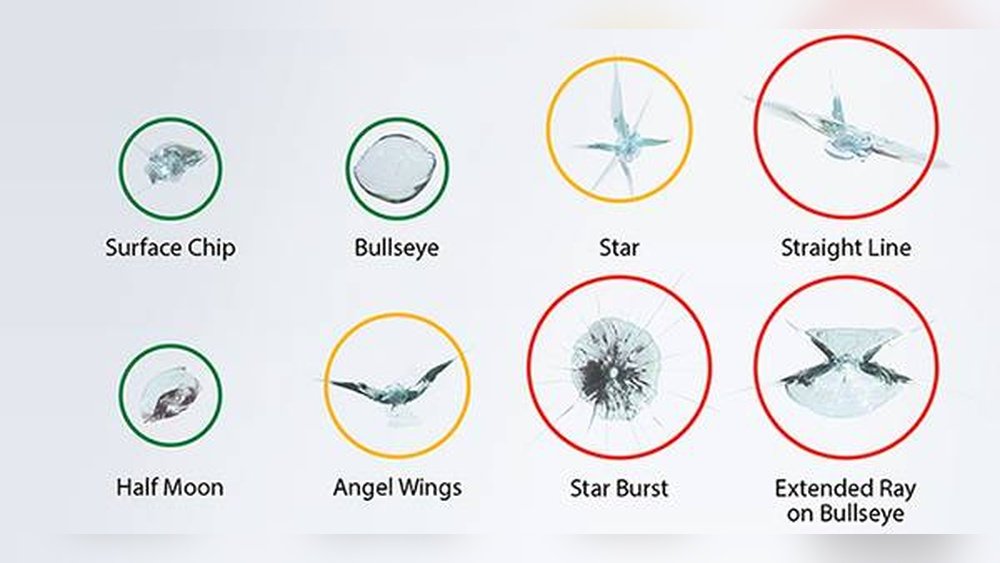
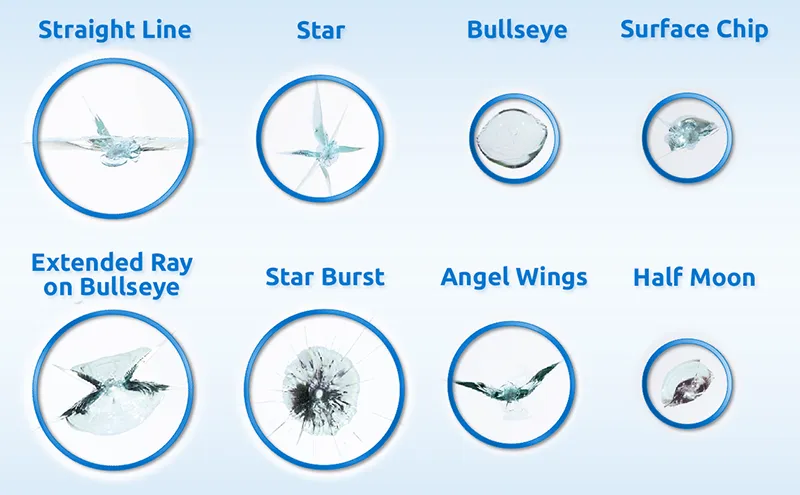
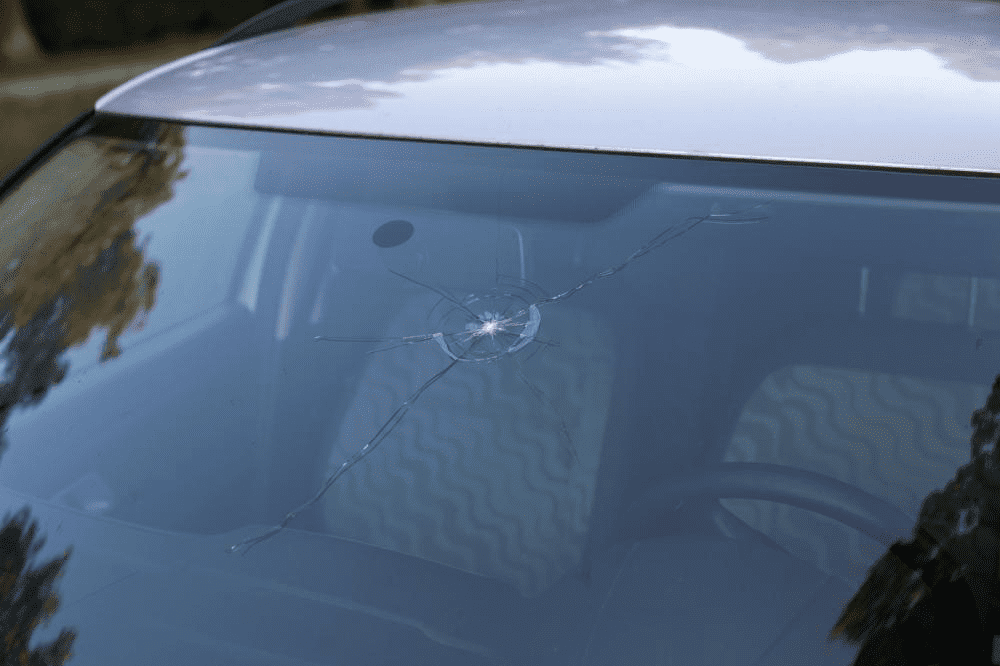
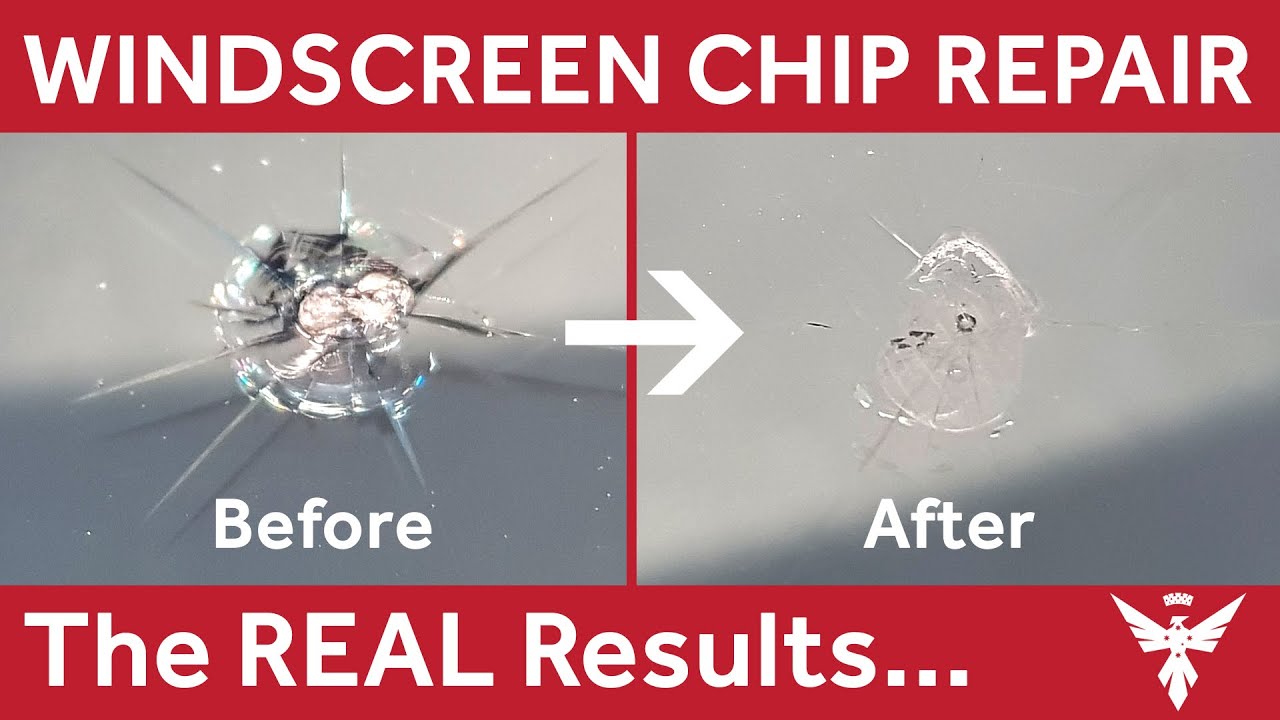
    Small chips often happen from rocks hitting the glass. The most common types include bullseye chips, star cracks, and combination breaks. Bullseye chips look like a circle with a dark center. Star cracks have lines that spread out like a star. Combination breaks mix different crack types in one spot.

    How Damage Affects Safety

    Even small chips can weaken the windshield. Cracks reduce the glass’s strength and can block your view. A damaged windshield may not protect you well in a crash. It can also affect airbags and roof support. Driving with damage is risky for you and others.

    When To Inspect Your Windshield

    Check your windshield after hitting debris or rough roads. Look closely if you notice chips or cracks growing. Inspect it during regular car washes or cleaning. Early signs include tiny cracks, glass splinters, or cloudy spots. Catching damage early helps prevent bigger problems later.

    What Size Windshield Chip Needs Repair: Essential Guide to Save Your Glass

    Credit: www.safelite.com

    Size Criteria For Repairs

    Knowing the size of a windshield chip helps decide if repair is possible. Not all chips need the same treatment. Size plays a big role in choosing the right fix. Small chips often can be repaired easily and quickly. Larger cracks usually require full windshield replacement.

    Understanding the size limits helps protect your safety and saves money. Fixing chips early stops damage from spreading. This section explains how size affects repair choices.

    Small Chips: Size Limits

    Small chips should not be bigger than a quarter. Chips under one inch in diameter can often be repaired. Repairing small chips is faster and cheaper than replacing glass. Tiny chips rarely affect driver vision.

    Experts recommend repair before chips grow or crack. Small chips that sit too long may turn into big cracks.

    Cracks And Their Length

    Cracks longer than three inches usually need replacement. Small cracks under three inches might be repairable. Length affects how strong the glass stays after repair. Longer cracks reduce windshield strength and safety.

    Cracks often spread with heat or road bumps. Quick action helps keep cracks from growing larger.

    Comparing Repair Vs Replacement

    Repair saves money and time but suits only small damage. Replacement costs more but restores full windshield strength. Repair keeps your original glass intact. Replacement removes damaged glass completely.

    Choosing repair or replacement depends on chip size and location. Safety is the top priority in all cases.

    Repair Techniques

    Windshield chips need repair to keep cracks from spreading. Different methods suit different chip sizes and types. Some repairs are simple and done at home. Others need special tools and expert skills. Understanding repair techniques helps you choose the best fix.

    Resin Injection Process

    The resin injection process fills the chip with clear resin. This resin stops cracks from growing. Technicians clean the damaged area first. Then, they use a tool to inject resin into the chip. UV light hardens the resin quickly. The windshield becomes stronger and clearer after repair.

    Diy Repair Kits

    DIY repair kits are available for small chips. They include resin and an applicator. These kits work best for chips smaller than a quarter. The process involves cleaning the chip, applying resin, and curing it. Results vary and depend on careful application. Kits save money but may not fix larger damage.

    Professional Repair Services

    Professional repair services handle all chip sizes. Experts use advanced tools for precise repairs. They assess damage and choose the right method. Pros ensure the repair is safe and long-lasting. Services often include warranty and follow-up care. Professionals fix chips quickly and restore windshield strength.

    Factors Influencing Repair Decisions

    Deciding whether a windshield chip needs repair depends on several key factors. Size is important, but other details affect the choice too. Understanding these factors helps protect your safety and saves money.

    Location Of The Chip

    Chips near the driver’s line of sight need quick repair. Damage in this area can blur vision and cause accidents. Chips on the edges of the windshield are riskier. These cracks spread faster and weaken the glass structure.

    Depth And Severity

    Surface chips are easier to fix than deep cracks. If the damage breaks multiple glass layers, replacement might be needed. Small chips under the surface can still grow over time. Quick repair stops chips from turning into large cracks.

    Type Of Vehicle And Glass

    Different cars use different windshield glass types. Some windshields have special coatings or sensors. These need careful handling during repair. Luxury and newer cars often require expert service to avoid damage. Always check your vehicle’s glass type before repair.

    Benefits Of Timely Repairs

    Fixing a windshield chip quickly has many good effects. Small chips can grow fast. Repairing early stops big problems. It saves money and keeps you safe on the road.

    Delaying repair can lead to cracks that are hard to fix. Timely action keeps your windshield strong and clear. It also helps keep your car’s value high.

    Cost Savings

    Repairing a small chip costs less than replacing a windshield. Early repair avoids expensive full replacements. Shops can fix chips in under an hour. This saves you both time and money.

    Preventing Further Damage

    Chips weaken the glass around them. Heat, cold, and bumps make chips grow. Fast repairs stop cracks from spreading. This keeps your windshield stable and intact.

    Maintaining Visibility And Safety

    Clear windshields improve your view of the road. Chips and cracks can block your sight. Fixing chips early keeps your vision sharp. It helps prevent accidents and keeps you safe.

    When Replacement Is Necessary

    Knowing when a windshield chip requires replacement is key to vehicle safety. Small chips can often be repaired easily. Large or deep damage usually means replacement is necessary. Understanding the signs helps you avoid bigger problems. This section covers the main reasons for replacing a windshield instead of repairing it.

    Extensive Damage Indicators

    Cracks longer than six inches often need replacement. Multiple chips close together weaken the glass. Damage that reaches the edges of the windshield is risky. Deep cracks that affect both layers of glass cannot be fixed. A windshield with shattered or spiderweb cracks must be replaced.

    Safety Regulations

    Windshields must meet safety rules set by authorities. Cracks in the driver’s line of sight often fail inspection. Broken glass may not protect passengers in a crash. Replacing a damaged windshield keeps your vehicle legal. Safety standards protect you from injury during accidents.

    Insurance Considerations

    Some insurance policies cover windshield replacement. Repair costs may be lower than full replacement fees. Insurance may require replacement for large or severe damage. Reporting damage early can prevent claim denial. Check your policy to understand coverage and limits.

    What Size Windshield Chip Needs Repair: Essential Guide to Save Your Glass

    Credit: www.autoglass.ie

    Frequently Asked Questions

    What Size Windshield Chip Requires Immediate Repair?

    A chip smaller than a quarter usually needs quick repair. Small chips can spread into cracks if ignored. Repairing early saves money and maintains safety.

    How Big Can A Windshield Chip Be Before Replacement?

    If a chip exceeds three inches, replacement is often necessary. Large chips weaken the glass structure and impair visibility. Repairs may not restore full strength for bigger damage.

    Can A Windshield Chip The Size Of A Dime Be Fixed?

    Yes, chips the size of a dime are ideal for repair. Early fixing prevents cracks from expanding. Repairing small chips keeps your windshield safe and clear.

    Why Is Timely Repair Important For Small Windshield Chips?

    Timely repair stops chips from growing into cracks. Cracks reduce visibility and windshield strength. Early repairs are cheaper and safer than replacements.

    Conclusion

    Small windshield chips can quickly turn into big cracks. Fix chips smaller than a quarter to avoid costly repairs. Ignoring damage risks your safety and the glass’s strength. Timely repair keeps your windshield clear and stable. Don’t wait for cracks to spread.

    Protect your view and drive with confidence. Simple steps now save you trouble later. Act fast to keep your windshield in good shape.

  • How to Clean Car Meter Glass: Easy Tips for a Crystal Clear View

    How to Clean Car Meter Glass: Easy Tips for a Crystal Clear View

    Your car meter glass is one of the most important parts of your dashboard. When it’s clean and clear, you can easily see your speed, fuel level, and other vital information.

    But over time, dust, fingerprints, and grime build up, making it hard to read. If you’ve ever struggled with a foggy or dirty meter glass, you know how frustrating it can be. The good news? Cleaning it is easier than you think.

    You’ll discover simple, effective steps to make your car meter glass sparkle again. Keep reading, and you’ll never miss a crucial gauge reading again.

    How to Clean Car Meter Glass: Easy Tips for a Crystal Clear View

    Credit: www.youtube.com

    Tools Needed

    Cleaning your car’s meter glass requires a few simple tools. Having the right items makes the job easier and safer for your dashboard. Gather everything before you start to avoid interruptions. Focus on gentle materials to protect the glass and surrounding parts.

    Cleaning Cloths

    Soft cloths are essential for cleaning meter glass. Microfiber cloths work best because they do not scratch. Avoid rough fabrics that can leave marks. Use one cloth for applying cleaner and another for drying. Keep cloths clean to prevent dirt from spreading.

    Glass Cleaner Options

    Choose a cleaner made for glass surfaces. Spray cleaners made for car windows are safe and effective. Avoid harsh chemicals that can damage plastic parts. You can also use a mix of water and mild soap. Always test cleaners on a small spot first.

    Additional Supplies

    A small brush helps remove dust from tight corners. Cotton swabs work well for edges and corners of the meter. Use a soft toothbrush if needed for stubborn dirt. Have a small bowl of water nearby for rinsing cloths. Keep paper towels handy for quick wipes.

    How to Clean Car Meter Glass: Easy Tips for a Crystal Clear View

    Credit: www.reddit.com

    Preparing The Area

    Preparing the area before cleaning your car meter glass helps achieve the best results. A clean and safe environment makes the task easier and more effective. Taking a few simple steps ensures no damage happens to the glass or car parts. This preparation also saves time and effort during cleaning.

    Park In A Shaded Spot

    Choose a place away from direct sunlight. Sunlight can heat the glass and cause cleaning products to dry too fast. This can leave streaks or spots on the meter glass. A shaded spot keeps the surface cool and helps clean more evenly.

    Turn Off The Engine

    Make sure the engine is off before you start cleaning. This prevents any accidents or distractions. It also stops dust from blowing inside the car. Turning off the engine creates a quiet space to focus on cleaning.

    Remove Dust And Debris

    Use a soft brush or cloth to clear loose dust and dirt. This step stops scratches from forming when you wipe the glass. Gently clean the area around the meter to avoid pushing debris inside. A clean surface makes the glass shine after cleaning.

    Cleaning Steps

    Cleaning the car meter glass is simple with the right steps. Follow these clear instructions to keep your meter glass spotless. Proper cleaning improves visibility and protects the glass from damage.

    Apply Cleaner Safely

    Choose a gentle glass cleaner or a mix of water and mild soap. Spray the cleaner on a soft cloth, not directly on the glass. This prevents liquid from entering the meter and causing damage. Use a small amount to avoid streaks and excess moisture.

    Wipe Without Scratches

    Use a microfiber cloth or a soft cotton cloth for wiping. Gently wipe the meter glass in a circular motion. Avoid using paper towels or rough fabrics that can scratch the surface. Keep the pressure light to protect the glass from marks.

    Handle Stubborn Spots

    For tough stains or dirt, dampen the cloth with a little cleaner. Rub the spot gently until it lifts. Avoid harsh scrubbing or sharp tools that may scratch the glass. Repeat if needed, but always be gentle to maintain a clear view.

    How to Clean Car Meter Glass: Easy Tips for a Crystal Clear View

    Credit: www.ueautotechs.com

    Avoiding Common Mistakes

    Cleaning the car meter glass is a simple task but many make avoidable errors. These mistakes can damage the glass or leave it unclear. Knowing what to avoid helps keep the meter glass clean and safe. Here are common mistakes to watch out for.

    Using Harsh Chemicals

    Strong chemicals can damage the meter glass surface. Avoid cleaners with ammonia or bleach. These substances may cause cloudiness or scratches. Use mild soap or specialized car glass cleaners instead. Gentle products clean well without harm.

    Scrubbing Too Hard

    Applying too much pressure can scratch the glass. Use a soft cloth or microfiber towel for cleaning. Light, circular motions work best. Hard scrubbing may leave marks or damage the display. Treat the glass gently for a clear view.

    Ignoring Moisture

    Leaving moisture inside the meter can cause fogging or damage. After cleaning, dry the glass completely. Use a dry cloth to remove all water droplets. Moisture can harm the electronics behind the glass. Always ensure the meter is dry before finishing.

    Maintaining Clarity

    Maintaining clarity on your car meter glass is key for safe driving. Clear glass helps you read the speed and other important information quickly. Dirt, dust, and fog can block your view. Keeping the glass clean is simple with the right habits.

    Regular Cleaning Schedule

    Clean your car meter glass often to avoid buildup. Use a soft cloth with mild cleaner. Wipe gently to avoid scratches. Set a routine to clean it weekly. This prevents dirt from becoming hard to remove.

    Protective Measures

    Keep your car interior dust-free. Avoid touching the meter glass with dirty hands. Use a screen protector designed for car meters. It shields the glass from scratches and dust. Park your car in shaded areas to reduce sun damage.

    Dealing With Fogging

    Fogging happens when moisture builds inside the glass. Use a defogger or turn on the car’s heater. Wiping with an anti-fog cloth also helps. Keep the car windows slightly open for airflow. This reduces humidity and stops fog from forming.

    Frequently Asked Questions

    How Do I Safely Clean Car Meter Glass?

    Use a soft microfiber cloth and a mild glass cleaner. Avoid harsh chemicals to prevent damage. Gently wipe the meter glass in circular motions for a clear, streak-free finish.

    What Household Items Clean Car Meter Glass Effectively?

    You can use diluted vinegar or a mixture of water and mild soap. These are safe, effective, and readily available. Always use a soft cloth to avoid scratches.

    How Often Should I Clean My Car Meter Glass?

    Clean your car meter glass every few weeks or when it looks dusty or foggy. Regular cleaning ensures clear visibility and prevents buildup of dirt and grime.

    Can I Use Paper Towels To Clean Car Meter Glass?

    It’s best to avoid paper towels as they can scratch the glass. Use a microfiber cloth instead for a gentle and streak-free clean.

    Conclusion

    Cleaning your car meter glass keeps your dashboard clear and easy to read. Use gentle cleaners and soft cloths to avoid scratches. Regular cleaning helps maintain your car’s look and safety. A clean meter glass shows important information without glare or smudges.

    Spend a few minutes often to keep it looking fresh. Simple steps lead to better driving comfort and focus. Keep your car meter glass spotless for a smoother ride every day.

  • How Glass Safety Standards are Tested: Ultimate Guide to Safety

    How Glass Safety Standards are Tested: Ultimate Guide to Safety

    Have you ever wondered how the glass around you stays safe and strong? Whether it’s the windows in your home, the screen on your phone, or the glass in your car, safety is not something left to chance.

    But how do experts make sure glass won’t shatter into dangerous shards or fail when you need it most? You’ll discover the secrets behind glass safety testing. You’ll learn the simple yet powerful methods used to keep you and your loved ones protected every day.

    Keep reading to find out what goes into making glass both beautiful and safe for your world.

    Types Of Safety Glass

    Safety glass is designed to reduce injuries during breakage. Different types of safety glass serve specific purposes. Each type has unique features that improve strength and safety. Understanding these types helps choose the right glass for various needs.

    Tempered Glass

    Tempered glass is heat-treated to increase strength. It is about four times stronger than regular glass. When broken, it shatters into small, blunt pieces. This reduces the risk of serious cuts. It is commonly used in car windows and shower doors.

    Laminated Glass

    Laminated glass consists of two glass layers with a plastic layer between. This plastic holds the glass together if it breaks. It prevents glass shards from falling apart. It is often found in windshields and skylights for added safety.

    Heat-strengthened Glass

    Heat-strengthened glass is stronger than regular glass but less than tempered glass. It is heated and cooled slowly to reduce stress. It breaks into large pieces instead of sharp shards. This glass is used in windows and doors that need extra strength.

    Key Safety Standards

    Glass safety standards ensure products protect people from harm. These rules define how glass must perform in different situations. Testing against these standards proves glass is safe and reliable. Various standards exist worldwide, shaped by local needs and industries. Understanding key safety standards helps explain how glass stays secure in homes, cars, and public places.

    International Standards

    International standards set broad rules for glass safety. Organizations like ISO create these rules. They cover strength, impact resistance, and heat tolerance. These standards help manufacturers sell glass worldwide. Testing follows strict procedures to meet these global benchmarks. This ensures glass can handle everyday use and accidents.

    Regional Regulations

    Different regions have specific glass safety laws. Europe, North America, and Asia each set unique rules. These rules match local conditions and risks. For example, European EN standards focus on building glass safety. The United States follows ASTM standards for impact and breakage. Testing labs check glass to meet these legal needs.

    Industry-specific Requirements

    Some industries demand special glass safety tests. Automotive glass must resist strong impacts and shattering. Construction glass needs to handle wind pressure and weather. Electronics use glass that resists heat and scratches. Each sector has tailored standards. Testing confirms glass can perform well in its field.

    Testing Methods

    Testing methods ensure glass meets safety standards. These tests check strength, durability, and resistance. Each method simulates real-life conditions. This helps prevent accidents and injuries from glass failure.

    Impact Resistance Tests

    Impact resistance tests measure how glass reacts to sudden force. A heavy object or pendulum strikes the glass. The test shows if the glass breaks or stays intact. This test is crucial for windows and doors. It ensures glass can handle impacts like hail or accidental hits.

    Thermal Stress Tests

    Thermal stress tests check glass reaction to temperature changes. Glass heats up and cools down repeatedly. This tests if glass can resist cracking or warping. It is important for glass exposed to sun or heat sources. Thermal stress tests help avoid dangerous breakage.

    Load Bearing Tests

    Load bearing tests measure how much weight glass can hold. Pressure is applied to simulate real loads, like people leaning on glass. The test shows the maximum load before glass bends or breaks. Load bearing tests are vital for glass floors and railings. These tests ensure glass supports weight safely.

    How Glass Safety Standards are Tested: Ultimate Guide to Safety

    Credit: www.portlandglass.com

    Testing Equipment

    Testing equipment plays a vital role in checking glass safety standards. These machines help ensure glass can handle stress and impact. Each device tests different properties to meet safety rules.

    Drop Ball Test Machines

    Drop ball test machines check how glass reacts to sudden impacts. A steel ball is dropped from a set height onto the glass. The test shows if the glass will break or stay safe.

    This test is common for car windows and building glass. It helps confirm the glass can resist hits without shattering dangerously.

    Thermal Chambers

    Thermal chambers expose glass to extreme heat and cold. This tests how glass handles temperature changes. Sudden shifts can cause glass to crack or break.

    By using thermal chambers, manufacturers ensure glass can survive weather changes. This is important for windows and outdoor glass surfaces.

    Load Frames

    Load frames apply pressure on glass to test strength. The machine pushes or pulls the glass until it bends or breaks. This shows the maximum load glass can bear.

    Such tests help identify weak spots in the glass. Load frames are key for making safe glass for construction and vehicles.

    Certification Process

    The certification process for glass safety standards ensures that glass products meet strict safety and quality requirements. This process helps protect users from potential harm caused by glass breakage. It involves several key steps, each important to confirm the glass’s strength and durability.

    Sample Preparation

    Samples of the glass are carefully selected for testing. The size and shape must match the product’s intended use. Each piece is cleaned and inspected to avoid defects. Proper preparation ensures reliable and accurate test results.

    Test Execution

    The prepared glass samples undergo various tests. These include impact resistance, thermal stress, and load-bearing capacity. Machines apply controlled forces to check the glass’s performance. Each test follows strict guidelines to simulate real-life conditions.

    Result Evaluation

    Test results are reviewed by experts. They compare data against safety standards and regulations. Any cracks, breaks, or failures are noted. Only glass meeting all criteria receives certification. This step guarantees the glass is safe for public use.

    Common Failure Modes

    Understanding common failure modes helps improve glass safety standards. These failures show how glass breaks and what causes it. Testing reveals weak points and ensures safer glass products.

    Shattering Patterns

    Shattering patterns show how glass breaks under stress. Some glass breaks into large, sharp pieces. Others crumble into small, less dangerous fragments. Testing checks the type of shatter to ensure safety.

    Delamination Issues

    Delamination means layers of laminated glass separate. This can reduce strength and safety. Tests check if layers stay bonded under pressure or heat. Proper bonding prevents glass from falling apart.

    Stress Cracks

    Stress cracks form from uneven pressure or impacts. These cracks can grow and cause sudden failure. Testing finds these cracks early. It helps improve glass design to resist cracking longer.

    Advances In Safety Testing

    Safety testing for glass has evolved a lot in recent years. New methods help ensure glass is stronger and safer. These advances improve how tests are done and how results are measured. They help manufacturers create better safety glass for homes, cars, and public places.

    Digital Simulation

    Digital simulation uses computers to predict how glass reacts to stress. It allows testing without breaking real glass. This method saves time and money. Engineers can try many designs quickly. They find weak spots before making physical samples. Simulations help improve safety by showing risks early.

    Automated Testing Systems

    Automated testing uses machines to perform safety checks. These systems work faster and more accurately than manual tests. They apply pressure, impact, and heat in controlled ways. Robots collect data and analyze results instantly. This reduces human error and speeds up quality control. Consistent testing means safer glass products.

    New Material Innovations

    Researchers develop new materials to make glass safer. Laminated glass with plastic layers is one example. It holds shards together if broken. Tempered glass is another, designed to break into small, less harmful pieces. Scientists test these materials under strict conditions. Innovations improve glass strength and reduce injury risks.

    How Glass Safety Standards are Tested: Ultimate Guide to Safety

    Credit: www.texanglass.com

    Importance Of Compliance

    Compliance with glass safety standards is essential for every manufacturer. It ensures products meet strict quality and safety rules. These standards help avoid accidents and protect users from harm. Meeting these rules also builds trust and keeps businesses out of legal trouble. Understanding the importance of compliance highlights why testing is crucial in the glass industry.

    Protecting Users

    Glass safety standards focus on user protection. They test how glass reacts to impact and pressure. This prevents breakage that can cause injuries. Safe glass reduces risks in homes, cars, and public places. Compliance means users can trust the glass products they use daily.

    Legal Implications

    Failing to meet glass safety standards can lead to legal problems. Manufacturers may face fines or lawsuits. Laws require proof that products are safe for consumers. Compliance helps companies avoid costly penalties. It also ensures they follow national and international laws.

    Market Trust

    Products that pass safety tests gain customer confidence. Buyers prefer brands known for safe and reliable glass. Compliance acts as a quality mark in the market. It increases sales and strengthens brand reputation. Trust leads to long-term success for manufacturers.

    How Glass Safety Standards are Tested: Ultimate Guide to Safety

    Credit: safevision.com

    Frequently Asked Questions

    What Methods Test Glass Safety Standards Effectively?

    Glass safety standards are tested using impact, heat, and pressure tests. These simulate real-life conditions to ensure durability and safety. Tests include drop tests, thermal shock, and fragmentation analysis. These methods confirm glass meets regulatory safety requirements before market release.

    How Is Tempered Glass Safety Tested?

    Tempered glass is tested by applying rapid heating and cooling cycles. This process checks its strength and resistance to breakage. Impact tests simulate accidental hits. The glass must shatter into small, blunt pieces to pass safety standards.

    What Role Does Impact Testing Play In Glass Safety?

    Impact testing measures glass resistance to sudden forces. It ensures the glass can withstand accidental impacts without dangerous breakage. This test helps assess if the glass is safe for use in buildings, vehicles, and public spaces by meeting safety regulations.

    Why Is Fragmentation Analysis Important In Glass Testing?

    Fragmentation analysis checks how glass breaks upon impact. Safety glass should break into small, less harmful pieces. This reduces injury risks. The analysis confirms if glass complies with safety standards and protects users during accidents.

    Conclusion

    Testing glass safety standards ensures products are strong and safe. Experts check for impact, heat, and stress resistance. These tests help prevent accidents and injuries. Knowing how testing works builds trust in glass products. Safety standards keep homes and workplaces secure.

    Choosing glass that meets these rules protects everyone. Quality glass stands up to daily use and risks. Safe glass means peace of mind for users everywhere. Understanding testing helps you see why standards matter.

  • Can Windshield Crack Stop Spreading on Its Own? Surprising Facts!

    Can Windshield Crack Stop Spreading on Its Own? Surprising Facts!

    Have you ever noticed a tiny crack on your windshield and hoped it would just stay that way? You’re not alone.

    Many people wonder if a windshield crack can stop spreading on its own or if it’s only a matter of time before it gets worse. The truth is, understanding how cracks behave can save you money and stress. You’ll learn what causes cracks to grow, when they might stay put, and what you should do to protect your safety and your wallet.

    Keep reading—your windshield’s future depends on it.

    How Windshield Cracks Form

    Windshield cracks start small but can grow quickly. They appear because of stress on the glass. This stress causes tiny breaks in the glass surface. The breaks spread as the glass moves or changes temperature. Understanding how cracks form helps prevent bigger damage.

    Different factors cause the glass to weaken. The type of damage also affects how fast cracks spread. Knowing these details helps decide if a crack can stop on its own or needs repair.

    Common Causes Of Cracks

    Flying rocks or debris hit the windshield during driving. This impact creates small chips that can turn into cracks. Sudden temperature changes also stress the glass. For example, pouring hot water on a cold windshield can cause cracks. Car accidents or bumps put pressure on the glass. Even old age and sun damage make the glass brittle and easy to crack.

    Types Of Windshield Damage

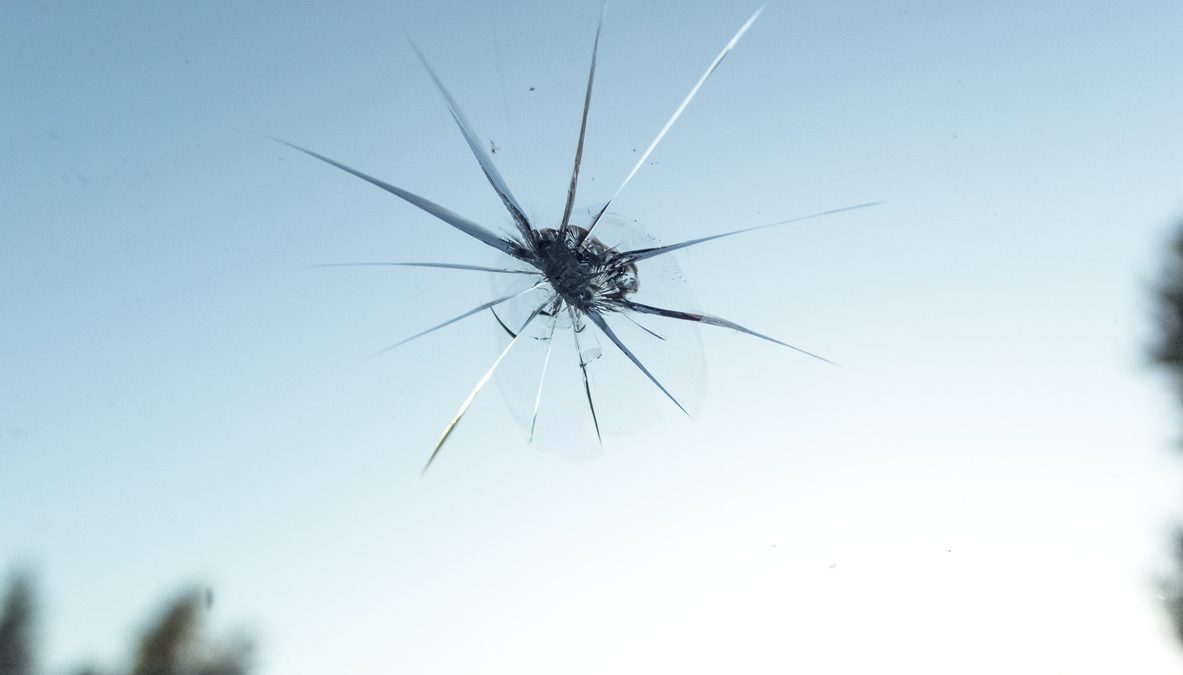
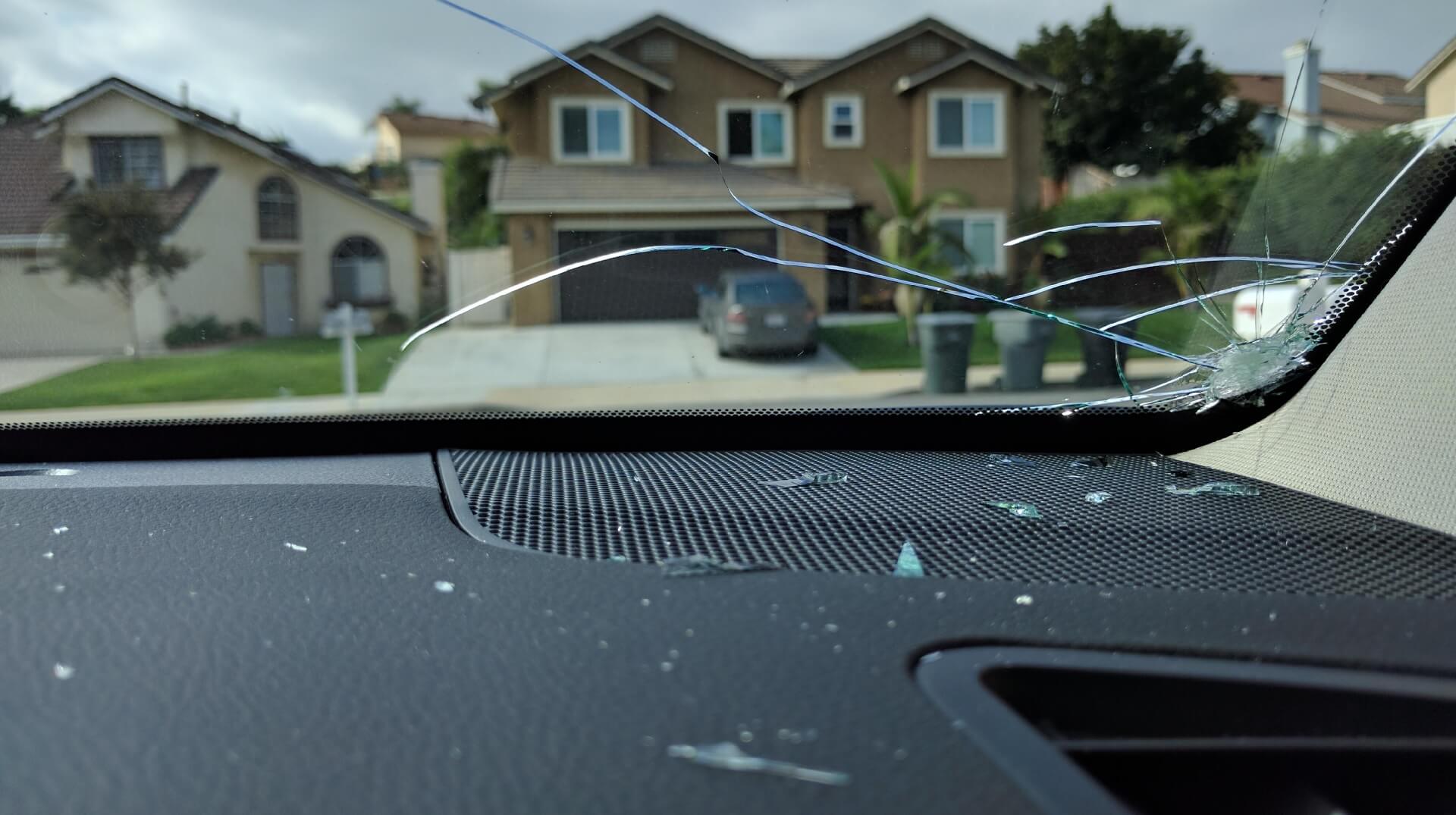
    There are several types of windshield damage. A chip is a small, round break caused by stones. A crack is a line that can be short or long. Stress cracks appear without an impact and often start at the edge. Star breaks have lines that spread out like a star. Each type affects the glass differently and may spread at different speeds.

    Can Windshield Crack Stop Spreading on Its Own? Surprising Facts!

    Credit: www.reddit.com

    Factors Affecting Crack Spread

    Several factors influence whether a windshield crack will stop spreading on its own. Understanding these elements helps predict the crack’s behavior. Some cracks may stay small, while others grow quickly. The environment around the car plays a big role. Below are key factors that affect crack spread.

    Temperature Changes

    Temperature shifts cause glass to expand and contract. This movement stresses the crack edges. Hot weather makes glass expand, cold weather makes it shrink. Rapid changes, like going from heat to cold, worsen cracks. Constant temperature swings often make cracks grow faster.

    Road Vibrations

    Driving on rough roads shakes the car and windshield. These vibrations push and pull the crack edges. Strong bumps and potholes increase stress on the glass. Frequent vibrations can cause a small crack to widen or lengthen. Smooth roads reduce the chance of spreading.

    Moisture Impact

    Water can seep into the crack, especially after rain or washing. Moisture weakens the glass structure near the crack. Freezing water expands and forces the crack to grow. Moisture also promotes dirt buildup, making the crack worse. Keeping the windshield dry slows crack spread.

    Can Cracks Stop Growing Naturally?

    Windshield cracks can be a real worry for drivers. The big question is whether these cracks can stop growing on their own. Understanding this helps you decide the next steps for your car’s safety. Cracks don’t always grow, but it depends on many things. Let’s explore when cracks might stabilize and their limits.

    Instances Of Crack Stabilization

    Sometimes, cracks stop spreading naturally. Small cracks in calm weather often stay the same size. If the crack is on a cooler day and the car stays still, it may not grow. Some cracks form in tough glass layers that resist breaking further. Cracks near the edge of the windshield sometimes stop if no pressure is added.

    Stable cracks usually happen when there are no strong impacts or temperature changes. Mild driving and good road conditions help keep cracks from growing. Some car owners notice cracks stay the same for weeks or months.

    Limitations Of Self-stopping Cracks

    Cracks rarely stop growing by themselves for long. Most cracks spread with heat, cold, or bumps. Driving on rough roads or hitting potholes can make cracks worse quickly. Temperature changes cause the glass to expand and contract, pushing cracks to grow.

    Windshield cracks weaken the glass structure. Even small cracks can suddenly spread under pressure. Waiting for cracks to stop can risk safety. Cracks also reduce visibility and can fail vehicle inspections. Repair or replacement is often the safest choice.

    Can Windshield Crack Stop Spreading on Its Own? Surprising Facts!

    Credit: glassdoctor.com

    Risks Of Ignoring Windshield Cracks

    Ignoring windshield cracks can lead to serious problems. A small crack may seem harmless at first. But over time, it can grow and cause bigger issues. Understanding the risks helps you make better decisions about repairs.

    Safety Concerns

    A cracked windshield weakens the glass. It may shatter during a minor accident. Cracks reduce visibility and cause distractions. This raises the chance of a crash. Protect yourself and passengers by fixing cracks early.

    Legal Implications

    Many places have laws about windshield damage. Driving with a cracked windshield can lead to fines. Police may stop you for poor vehicle condition. Insurance claims might get denied after accidents. Follow rules to avoid legal trouble.

    Cost Of Delayed Repairs

    Small cracks are cheaper to fix than large ones. Waiting lets the crack spread across the glass. A full windshield replacement costs much more. Repair services often cover minor cracks quickly. Save money by acting before damage worsens.

    Preventing Crack Expansion

    Cracks on a windshield can grow quickly. Preventing these cracks from expanding is important. Small cracks might seem harmless but can turn into big problems fast. Taking steps early helps keep the damage small and safe to drive.

    Temporary Fixes

    Cover the crack with clear tape to stop dirt and moisture. Dirt can make the crack worse. Avoid washing your car or using strong sprays on the windshield. Parking in the shade helps reduce heat stress on the glass. Drive carefully to avoid bumps that can enlarge the crack.

    Proper Maintenance Tips

    Check your windshield often for new cracks or chips. Use a soft cloth to clean gently. Avoid sudden temperature changes like pouring hot water on frozen glass. Fix small cracks quickly by visiting a repair shop. A repaired crack is less likely to spread and saves money.

    When To Repair Or Replace

    Deciding when to repair or replace a cracked windshield is crucial for safety. Small cracks may seem harmless but can quickly grow. Knowing the right time to take action helps avoid bigger problems. It also saves money and keeps you safe on the road.

    Signs You Need Professional Help

    Look for cracks longer than six inches or near the edges of the windshield. If the crack distorts your view, it is dangerous. Chips larger than a quarter also need attention. Cracks that spread rapidly or appear after an accident require expert care. Sudden temperature changes causing crack growth need quick repair.

    Repair Vs Replacement Criteria

    Small chips or cracks less than six inches can often be repaired. Repairs are cheaper and faster. Cracks near the edge usually mean replacement is safer. Deep cracks that reach both sides of the glass need new windshields. Multiple cracks or old damage often call for replacement. Always choose the option that keeps your windshield strong and clear.

    Can Windshield Crack Stop Spreading on Its Own? Surprising Facts!

    Credit: letsdiyitall.com

    Frequently Asked Questions

    Can A Windshield Crack Stop Spreading Naturally?

    No, windshield cracks rarely stop spreading on their own. Temperature changes and road vibrations usually cause cracks to worsen over time.

    How Long Can A Windshield Crack Remain Stable?

    A crack can stay stable for days or weeks but may suddenly spread due to stress or impacts. Timely repair is advisable.

    Does Cold Weather Prevent Windshield Cracks From Growing?

    Cold weather can temporarily slow crack growth by contracting glass. However, cracks often expand when temperatures rise or if the glass is stressed.

    Can Driving Habits Affect Crack Spreading?

    Yes, rough roads, sudden stops, and sharp turns increase stress on cracks, causing them to spread faster. Smooth driving can help delay damage.

    Conclusion

    A windshield crack rarely stops spreading on its own. Temperature changes and road bumps make cracks grow. Small cracks can turn into big problems fast. Repairing early saves money and keeps you safe. Watch your windshield closely for any new cracks.

    Fixing cracks quickly helps avoid full windshield replacement. Don’t wait until the damage gets worse. Taking care of cracks helps keep your car strong and safe.

  • How to Clean Cracked Windshield Safely: Expert Tips & Tricks

    How to Clean Cracked Windshield Safely: Expert Tips & Tricks

    A cracked windshield can be frustrating and dangerous. You might wonder if it’s safe to clean it without making the crack worse.

    The good news is, you can clean your cracked windshield safely with the right steps. You’ll learn simple, effective tips to keep your windshield clear and avoid further damage. Keep reading to protect your view and your safety on the road.

    How to Clean Cracked Windshield Safely: Expert Tips & Tricks

    Credit: www.bemac.ca

    Assessing The Damage

    Before cleaning a cracked windshield, it is important to assess the damage carefully. This step helps decide the best way to clean without making the crack worse. Understanding the crack’s type, size, and location guides safe cleaning methods.

    Identifying Crack Types

    Cracks come in different shapes and forms. Some are small chips, while others are long lines. Common types include star cracks, bullseyes, and spider webs. Each type affects how to handle cleaning. For example, star cracks have many tiny lines spreading out. Bullseyes look like circles with a dark center. Knowing the crack type helps avoid pressure on weak spots during cleaning.

    Evaluating Crack Size And Location

    Measure the crack length using a ruler or tape. Small cracks under three inches are easier to manage. Large cracks may need professional help. Location matters too. Cracks near the edges are riskier because they can spread faster. Cracks in the driver’s line of sight require careful cleaning. Avoid strong sprays or scrubbing in these areas to prevent damage.

    How to Clean Cracked Windshield Safely: Expert Tips & Tricks

    Credit: caliglassntint.net

    Gathering Cleaning Tools

    Before you start cleaning a cracked windshield, gather all the necessary tools. Having the right supplies makes the process easier and safer. It also helps avoid further damage to the glass. Prepare a clean workspace and organize your items. This saves time and reduces frustration during cleaning.

    Essential Cleaning Supplies

    Start with a soft microfiber cloth to avoid scratches. Use a gentle glass cleaner made for automotive use. Avoid harsh chemicals that can worsen cracks. A small, soft brush helps remove dirt from edges of the crack. Keep a plastic scraper handy to lift stubborn debris carefully. Have clean water or a spray bottle nearby for rinsing.

    Safety Gear To Use

    Wear safety gloves to protect your hands from sharp glass edges. Use safety glasses to shield your eyes from debris. Consider wearing a mask to avoid inhaling dust or cleaner fumes. Choose comfortable clothes that cover your arms and legs. Safety gear helps you clean without risking injury.

    Preparing The Windshield

    Preparing the windshield is the first step to clean a cracked windshield safely. This step helps protect your car and makes the cleaning process easier. Proper preparation stops the crack from getting worse. It also keeps dirt and dust from entering the crack. Follow simple steps to get your windshield ready.

    Removing Loose Debris

    Start by removing any loose dirt, dust, or small glass pieces. Use a soft brush or a microfiber cloth. Gently sweep the surface around the crack. Avoid pressing hard on the crack itself. This helps prevent the crack from spreading. Do not use water or chemicals yet. Dry cleaning keeps the crack clear and ready for repair.

    Protecting Surrounding Areas

    Cover the areas around the crack before cleaning. Use painter’s tape or plastic sheets. This protects your car’s paint and dashboard. The tape also stops any cleaning solution from dripping. Make sure the tape is secure but not touching the crack. This keeps the area neat and clean. It also prevents damage to other parts of your car.

    Cleaning Process

    Cleaning a cracked windshield requires care to avoid making the damage worse. The right cleaning process keeps the glass clear without spreading cracks. Use gentle methods and safe products. This helps keep your windshield strong and clean.

    Using Mild Cleaners

    Choose mild cleaners made for glass. Avoid harsh chemicals like ammonia or bleach. These can weaken the glass around cracks. Mix a small amount of dish soap with water. This solution cleans dirt without damage. Apply it with a soft cloth for best results.

    Gentle Cleaning Techniques

    Use soft, non-abrasive cloths or sponges. Avoid scrubbing hard over cracks. Light circular motions work well. Clean small areas at a time. Rinse the cloth often to remove dirt. This prevents scratches and keeps cracks safe.

    Avoiding Pressure On Cracks

    Do not press hard on cracked areas. Strong pressure can widen cracks. Hold the cloth lightly and move it gently. Let the cleaner do the work. Handle the windshield with care to avoid extra damage.

    Drying And Inspecting

    After cleaning a cracked windshield, drying and inspecting are crucial steps. Proper drying prevents water from seeping into the crack. Inspecting helps find any new or hidden damage. These steps keep your windshield safe and clear.

    Proper Drying Methods

    Use a soft, clean cloth to dry the windshield gently. Avoid rough materials that can scratch the glass. Pat the cracked area lightly to remove moisture. Let the windshield air dry for a few minutes. Do not use heat sources like hair dryers. Heat can worsen the crack or cause the glass to break.

    Checking For Further Damage

    Look closely at the crack after drying. Check if the crack has grown or if new cracks appear. Use good lighting for better visibility. Tap the glass lightly to hear any loose areas. If the crack looks worse, consider professional repair. Early detection can prevent bigger problems later.

    Temporary Repairs

    Temporary repairs help protect a cracked windshield until you get a full fix. They stop dirt and moisture from entering the crack. This can slow down damage and improve safety. Use simple tools and materials you might already have at home.

    Applying Windshield Repair Kits

    Windshield repair kits are easy to use. They come with resin that fills the crack. Clean the windshield first with glass cleaner and a soft cloth. Follow the kit instructions carefully. Usually, you apply the resin over the crack and let it set. The resin hardens and prevents the crack from growing. This method works best for small cracks and chips.

    Using Clear Nail Polish

    Clear nail polish can seal tiny cracks temporarily. Clean the cracked area well and dry it. Apply a thin layer of clear polish over the crack. Let it dry completely, then add another layer if needed. The polish fills the crack and stops dirt from getting in. This is a quick and cheap fix but not a permanent solution.

    When To Seek Professional Help

    Knowing when to seek professional help for a cracked windshield is important. Small cracks may seem easy to fix, but some damage needs expert care. Choosing the right time to call a professional can save your safety and money.

    Ignoring serious cracks can lead to bigger problems. A trained technician can assess the damage properly. They use special tools and materials to repair cracks safely and effectively.

    Signs The Crack Needs Expert Repair

    Cracks longer than six inches usually need professional repair. If the crack spreads quickly or grows in size, get help fast. Cracks near the edges of the windshield are risky. They can weaken the whole glass and cause it to break.

    Spiderweb cracks or multiple cracks need expert attention. If the crack blocks your vision, do not drive. Also, deep cracks that reach the inner layer of glass require a specialist.

    Choosing A Reliable Repair Service

    Pick a repair service with good reviews and experience. Look for certified technicians who use quality materials. Ask about their warranty for repairs. A trustworthy service will explain the process clearly and answer questions.

    Compare prices but avoid the cheapest options. Poor repairs can cause more damage. Check if the service uses modern repair methods for better results. Fast and safe repair is the goal.

    Preventing Future Damage

    Preventing future damage to a cracked windshield is very important. Small cracks can grow and make the windshield unsafe. Taking simple steps helps keep the glass strong and clear. This section shares easy ways to protect your windshield every day.

    Safe Driving Tips

    Drive carefully on rough roads to avoid hitting stones. Keep a safe distance from other cars. This lowers the chance of debris hitting your windshield. Avoid sudden stops and sharp turns. Smooth driving reduces stress on the glass. Park in shaded areas. Direct sunlight can weaken the glass over time.

    Regular Maintenance Practices

    Clean the windshield gently with a soft cloth and mild cleaner. Avoid harsh chemicals that can worsen cracks. Check for new chips or cracks often. Early repair stops damage from spreading. Replace wiper blades regularly. Old blades can scratch the glass. Schedule professional inspections yearly. Experts can spot hidden damage and fix it early.

    How to Clean Cracked Windshield Safely: Expert Tips & Tricks

    Credit: vehiclewindscreenreplacement.weebly.com

    Frequently Asked Questions

    How Can I Clean A Cracked Windshield Safely?

    Use a soft microfiber cloth and gentle glass cleaner. Avoid harsh chemicals or abrasive materials. Clean around the crack carefully to prevent spreading damage.

    What Products Are Best For Cleaning Cracked Windshields?

    Use non-ammonia glass cleaners or specially formulated windshield cleaners. These products clean effectively without harming the glass or worsening cracks.

    Should I Avoid Water When Cleaning A Cracked Windshield?

    Avoid excessive water to prevent moisture seeping into cracks. Use a damp cloth instead to control moisture and protect the windshield.

    Can Cleaning A Cracked Windshield Prevent Further Damage?

    Proper cleaning removes dirt that can worsen cracks. However, cleaning alone won’t stop cracks from spreading; timely repair is essential.

    Conclusion

    Cleaning a cracked windshield needs care and the right steps. Use gentle cleaners and soft cloths to avoid more damage. Avoid harsh chemicals or rough scrubbing. Act quickly to prevent dirt from worsening the crack. Small cracks can be cleaned safely at home.

    For bigger cracks, seek professional help. Keeping your windshield clean improves visibility and safety. Take your time and handle the glass gently. Protect your car and yourself by following these simple tips. Safe cleaning helps extend your windshield’s life.

  • How to Clean Car Window No Marks: Expert Tips for Crystal Clear Glass

    How to Clean Car Window No Marks: Expert Tips for Crystal Clear Glass

    You want your car windows sparkling clean, but no matter what you try, those annoying streaks and marks just won’t disappear. It’s frustrating, right?

    What if you could learn simple, effective tricks to clean your car windows so perfectly that not a single mark is left behind? You’ll discover easy-to-follow steps that anyone can do, even if you’re short on time or supplies. Get ready to see your car windows clearer than ever before—and impress everyone with your spotless ride.

    Keep reading to unlock the secrets to flawless car window cleaning!

    Tools You Need

    Cleaning car windows without leaving marks needs the right tools. Using proper equipment makes the job easier and faster. It also helps keep your windows crystal clear and streak-free. Below are essential tools to prepare before you start cleaning your car windows.

    Best Cleaning Solutions

    Choose a cleaning solution made for glass surfaces. Avoid harsh chemicals that can damage tint or rubber seals. A mix of water and vinegar works well and is safe. There are also special car window cleaners that remove dirt and grease effectively. Spray the solution evenly for the best results.

    Microfiber Cloths

    Microfiber cloths are soft and absorbent. They trap dirt and dust without scratching glass. Use a clean cloth to avoid spreading grime. These cloths dry quickly and do not leave lint behind. Have multiple cloths ready to switch between wiping and drying.

    Squeegees And Scrapers

    Squeegees help remove water and cleaning solution smoothly. They prevent streaks and water spots. Use a small scraper to gently remove stubborn spots like bird droppings or sap. Be careful not to scratch the glass surface. Together, these tools make the window shine perfectly.

    How to Clean Car Window No Marks: Expert Tips for Crystal Clear Glass

    Credit: www.youtube.com

    Preparing The Window

    Preparing the car window properly is key to a spotless, mark-free clean. Dirt and dust on the glass can cause smudges and streaks. Taking time to prepare helps achieve a clear, shiny finish. A clean surface also protects the glass and your cleaning tools.

    Removing Dust And Dirt

    Start by wiping the window with a dry microfiber cloth. This removes loose dust without scratching the glass. For stubborn dirt, use a soft brush or a damp cloth. Avoid harsh scrubbing to prevent marks. Always clean from top to bottom to catch falling dust.

    Choosing The Right Environment

    Pick a shaded area to clean your windows. Direct sunlight dries cleaning solutions too fast, causing streaks. Avoid windy places where dust can settle back on the glass. A calm, cool spot helps keep the window clean longer during the process.

    Cleaning Techniques

    Cleaning car windows without leaving marks requires good techniques. Using the right method helps keep glass clear and shiny. Simple steps make the job easy and fast. Follow these cleaning techniques to avoid streaks and spots on your car windows.

    Proper Spray And Wipe Method

    Start with a clean spray bottle and a microfiber cloth. Spray the cleaner evenly across the window surface. Avoid soaking the glass to prevent drips. Use a soft cloth to wipe the window gently. Work from top to bottom to catch all dirt. This method removes grime without pressing too hard.

    Using Circular Motions

    Wiping in small circles helps break up tough stains. Use light pressure to avoid scratches on the glass. Circular motions spread the cleaner evenly across the surface. This technique lifts dirt without smearing it around. It works well on both inside and outside windows.

    Avoiding Streaks

    Dry the glass quickly after cleaning to stop streaks. Use a fresh, dry microfiber cloth for the final wipe. Avoid cleaning windows in direct sunlight to prevent fast drying. Clean cloths and proper technique reduce streaks on glass. Repeat wiping if any marks remain after drying.

    Dealing With Stubborn Marks

    Stubborn marks on car windows can ruin a clear view and make your car look dirty. These marks often stay even after regular cleaning. Removing them needs specific steps and tools. This guide helps you handle tough stains and keep your windows spotless.

    Removing Water Spots

    Water spots appear as white or cloudy marks on glass. They form when hard water dries and leaves minerals behind. Use white vinegar to remove them. Spray vinegar on the spot and let it sit for a few minutes. Then, wipe with a clean cloth in circular motions. Repeat if needed. Avoid harsh scrubbing to prevent scratches.

    Handling Adhesive Residue

    Sticky glue or tape residue can be hard to clean. Apply a small amount of rubbing alcohol or adhesive remover to a cloth. Gently rub the residue until it loosens. Do not pour chemicals directly on the glass. After removing the glue, clean the area with glass cleaner to remove any leftover residue.

    Cleaning Hard-to-reach Areas

    Edges and corners often collect dirt and marks. Use a soft-bristled toothbrush or cotton swabs to reach these spots. Dip the tool in glass cleaner or soapy water. Clean gently to avoid scratching. Dry the area with a microfiber cloth for a streak-free finish.

    Finishing Touches

    Finishing touches make your car windows look perfect and clear. They remove any streaks and keep the glass shining longer. This step is important for a clean, spotless finish.

    Buffing For Extra Shine

    Buffing helps remove small marks and streaks from the glass. Use a clean, dry microfiber cloth for best results. Rub the cloth in small circles over the window. This action brightens the glass and makes it sparkle. Avoid pressing too hard to prevent scratches. Take your time and cover the entire window evenly.

    Protecting The Glass

    Protecting the glass keeps it clean longer and reduces dirt buildup. Use a glass sealant or water repellent spray. Spray a small amount on the window and wipe it gently with a soft cloth. This layer helps water and dust slide off easily. It also makes cleaning easier next time. Apply protection regularly for best results.

    How to Clean Car Window No Marks: Expert Tips for Crystal Clear Glass

    Credit: www.drbeasleys.com

    Maintenance Tips

    Keeping car windows spotless takes more than a quick wipe. Regular care helps avoid marks and streaks. It keeps your view clear and safe while driving. Follow simple steps to maintain clean windows without extra effort.

    Regular Cleaning Schedule

    Clean car windows every two weeks. Use a soft cloth and a good glass cleaner. Avoid cleaning in direct sunlight to prevent streaks. Wipe in a circular motion for best results. Check windows for spots or dirt before cleaning. This routine stops buildup that causes marks.

    Preventing Future Marks

    Use water-repellent treatments on your windows. These help rain and dirt slide off easily. Avoid using harsh chemicals or rough cloths. They can scratch or leave residue. Park in shaded areas to reduce dust and grime. Clean windshield wipers regularly to prevent streaks. Small steps keep windows clear longer.

    How to Clean Car Window No Marks: Expert Tips for Crystal Clear Glass

    Credit: www.reddit.com

    Frequently Asked Questions

    How Do I Clean Car Windows Without Leaving Marks?

    Use a microfiber cloth and a streak-free glass cleaner. Clean in circular motions and dry with a clean, dry cloth. Avoid direct sunlight to prevent streaks.

    What Is The Best Cleaner For Car Windows?

    A mixture of distilled water and white vinegar or a commercial glass cleaner works best. Avoid ammonia-based cleaners as they can damage tint.

    How Often Should Car Windows Be Cleaned?

    Clean car windows every two weeks or whenever they look dirty. Regular cleaning prevents buildup and keeps visibility clear and safe.

    Can I Use Newspaper To Clean Car Windows?

    Yes, newspaper can be used as it doesn’t leave lint. However, avoid colored or glossy newspapers to prevent ink transfer.

    Conclusion

    Cleaning car windows without leaving marks is simple with the right steps. Use a clean cloth and a good cleaner. Wipe in a circular motion to avoid streaks. Dry the glass quickly to keep it clear. Regular cleaning keeps your windows shiny and safe to drive.

    Try these tips next time you clean your car. Clear windows make driving more pleasant and safer. Keep your car looking fresh with easy care. Simple habits bring great results.

  • Can Glass Fragments Be Dangerous: Hidden Risks You Must Know

    Can Glass Fragments Be Dangerous: Hidden Risks You Must Know

    Have you ever wondered if those tiny glass fragments around your home could actually harm you? You might think a small piece of glass is harmless, but the truth is, even the smallest shards can cause serious injuries.

    Understanding the risks and how to handle glass fragments safely can protect you and your loved ones from unexpected accidents. Keep reading to discover why glass fragments can be dangerous and what you can do to stay safe.

    Types Of Glass Fragments

    Glass fragments come in different types. Each type has unique features and risks. Knowing these types helps in handling glass safely. This knowledge is important for home safety and work environments.

    Tempered Vs. Regular Glass

    Tempered glass breaks into small, less sharp pieces. It is safer for windows and car windshields. Regular glass breaks into large, sharp shards. These shards can cause serious cuts. Tempered glass is made by heating and cooling quickly. Regular glass is brittle and breaks easily.

    Microscopic Vs. Visible Shards

    Visible shards are large enough to see and handle. They pose an obvious cut risk. Microscopic shards are tiny and hard to spot. These shards can still cause skin irritation or infection. Microscopic glass fragments can stay on skin or clothes. Careful cleaning is needed to remove them completely.

    Physical Dangers Of Glass Shards

    Glass shards can cause serious physical harm. They are sharp and can easily cut skin. Even small pieces can lead to painful injuries. Understanding the risks helps prevent accidents and treat wounds properly.

    Cuts And Lacerations

    Sharp glass pieces can slice through the skin quickly. Cuts can vary from small scratches to deep wounds. Deep lacerations may bleed heavily and need medical care. These injuries often cause pain and discomfort. Prompt cleaning and bandaging reduce infection risk.

    Embedded Fragments In Skin

    Sometimes, tiny glass fragments get stuck inside the skin. These pieces can be hard to see but cause irritation. Embedded shards may lead to swelling and redness. Removing them carefully is important to avoid further damage. Leaving glass inside the skin can cause long-term problems.

    Infections From Glass Wounds

    Glass wounds are at risk of infection if not cleaned well. Dirt and bacteria can enter through broken skin. Signs of infection include redness, swelling, and pus. Infections need prompt treatment to stop spreading. Using antiseptics and keeping the wound covered helps healing.

    Hidden Health Risks

    Glass fragments may seem harmless, but they carry hidden health risks. Small pieces can cause damage beyond cuts. These dangers often go unnoticed until symptoms appear. Understanding these risks helps prevent serious problems.

    Toxicity From Coatings Or Chemicals

    Some glass has coatings or chemicals on its surface. These substances can be harmful if they enter the body. Tiny glass pieces might carry these toxins into wounds. This can cause infections or allergic reactions. It is important to handle glass fragments carefully. Avoid touching or inhaling dust from broken glass.

    Eye Injuries From Tiny Particles

    Small glass particles can easily get into the eyes. Even tiny shards cause irritation and pain. They can scratch the cornea, leading to infection or vision problems. Rubbing the eyes only makes damage worse. Always rinse eyes with clean water if glass dust enters. Seek medical help if pain or redness lasts.

    Can Glass Fragments Be Dangerous: Hidden Risks You Must Know

    Credit: www.vecteezy.com

    Common Situations With Glass Hazards

    Glass hazards appear in many everyday situations. Small accidents can cause serious injuries. Knowing common places where glass breaks helps prevent harm. Understanding these risks keeps families and workplaces safer.

    Broken Windows And Doors

    Windows and doors often break from storms or accidents. Shattered glass can scatter sharp pieces everywhere. These fragments can cut skin deeply. Kids and pets are at high risk near broken glass. Cleaning up carefully is very important to avoid injuries.

    Accidents With Glassware

    Glass cups, plates, and bottles break easily. Dropping glassware can send shards flying around. These pieces can cause cuts on hands and feet. Kitchens and dining areas are common spots for these accidents. Handling glassware with care reduces the risk.

    Car Crashes Involving Glass

    Car accidents often break windows and windshields. Glass fragments can injure drivers and passengers. Broken glass may cause cuts or eye damage. Emergency responders use special tools to avoid glass injuries. Wearing seat belts helps lower the chance of glass-related harm.

    Preventing Injury From Glass

    Glass fragments can cause serious injuries. Small pieces can cut the skin deeply and cause bleeding. Preventing injury is important to stay safe around broken glass. Taking the right steps helps avoid accidents and pain.

    Safe Cleanup Techniques

    Start by clearing the area carefully. Use a broom and dustpan to gather large pieces. Avoid using bare hands to pick up glass. After sweeping, use a damp paper towel to wipe tiny shards. Dispose of the towel immediately to keep others safe. Check the floor again to catch any missed pieces. Clean slowly and watch closely for hidden glass.

    Protective Gear Recommendations

    Wear thick gloves to protect your hands. Gloves made of leather or heavy rubber work best. Use closed-toe shoes to protect your feet from falling glass. Eye protection like safety goggles stops shards from hitting your eyes. Long sleeves and pants add extra skin protection. Always wear the gear before starting cleanup.

    Proper Disposal Methods

    Place glass fragments in a strong container before trash disposal. Use a cardboard box or thick plastic container. Mark the container as “broken glass” to warn others. Seal the container tightly with tape to prevent spills. Never throw loose glass directly into the trash. Follow local rules for disposing of sharp objects. Proper disposal prevents injury to waste handlers and others.

    Can Glass Fragments Be Dangerous: Hidden Risks You Must Know

    Credit: www.dreamstime.com

    First Aid For Glass Injuries

    Glass injuries can cause pain and bleeding. Knowing first aid helps reduce harm and avoid infection. Act quickly but calmly. Follow safe steps to treat cuts from glass fragments.

    Removing Glass Fragments Safely

    Do not try to remove deep glass pieces yourself. For small pieces on the skin, wash your hands first. Use tweezers cleaned with alcohol. Gently pull out visible glass. Stop if it hurts or if glass is too deep.

    After removing, rinse the area with clean water. Avoid rubbing the wound. Pat dry with a clean cloth. Cover the cut with a sterile bandage to protect it.

    When To Seek Medical Help

    Go to the doctor if bleeding is heavy and does not stop. Visit if glass is embedded deeply or near the eyes. Watch for signs of infection like redness, swelling, or pus. Seek help if you feel numbness or cannot move the injured part.

    Professional care may require stitches or special cleaning. Early treatment helps avoid complications and speeds healing.

    Can Glass Fragments Be Dangerous: Hidden Risks You Must Know

    Credit: pngtree.com

    Frequently Asked Questions

    Can Glass Fragments Cause Serious Injuries?

    Yes, glass fragments can cause serious injuries like deep cuts, bleeding, and infections. Even small shards can penetrate the skin and damage tissues.

    How Can Glass Fragments Affect Health?

    Glass fragments can lead to infections if not removed properly. They may cause pain, swelling, and long-term tissue damage.

    What First Aid Is Needed For Glass Cuts?

    Clean the wound gently, remove visible fragments carefully, and apply antiseptic. Seek medical help for deep or large cuts immediately.

    Are Glass Fragments Dangerous For Children And Pets?

    Yes, children and pets are at higher risk of injury from glass fragments due to their curious nature and sensitive skin.

    Conclusion

    Glass fragments can cause serious injuries if not handled carefully. Always wear gloves and clean up broken glass promptly. Keep children and pets away from sharp pieces. Small cuts may seem minor but can get infected quickly. Knowing how dangerous glass fragments are helps you stay safe.

    Taking simple steps prevents accidents and pain. Stay alert and treat broken glass with caution every time. Safety matters most when dealing with sharp, hidden glass shards.