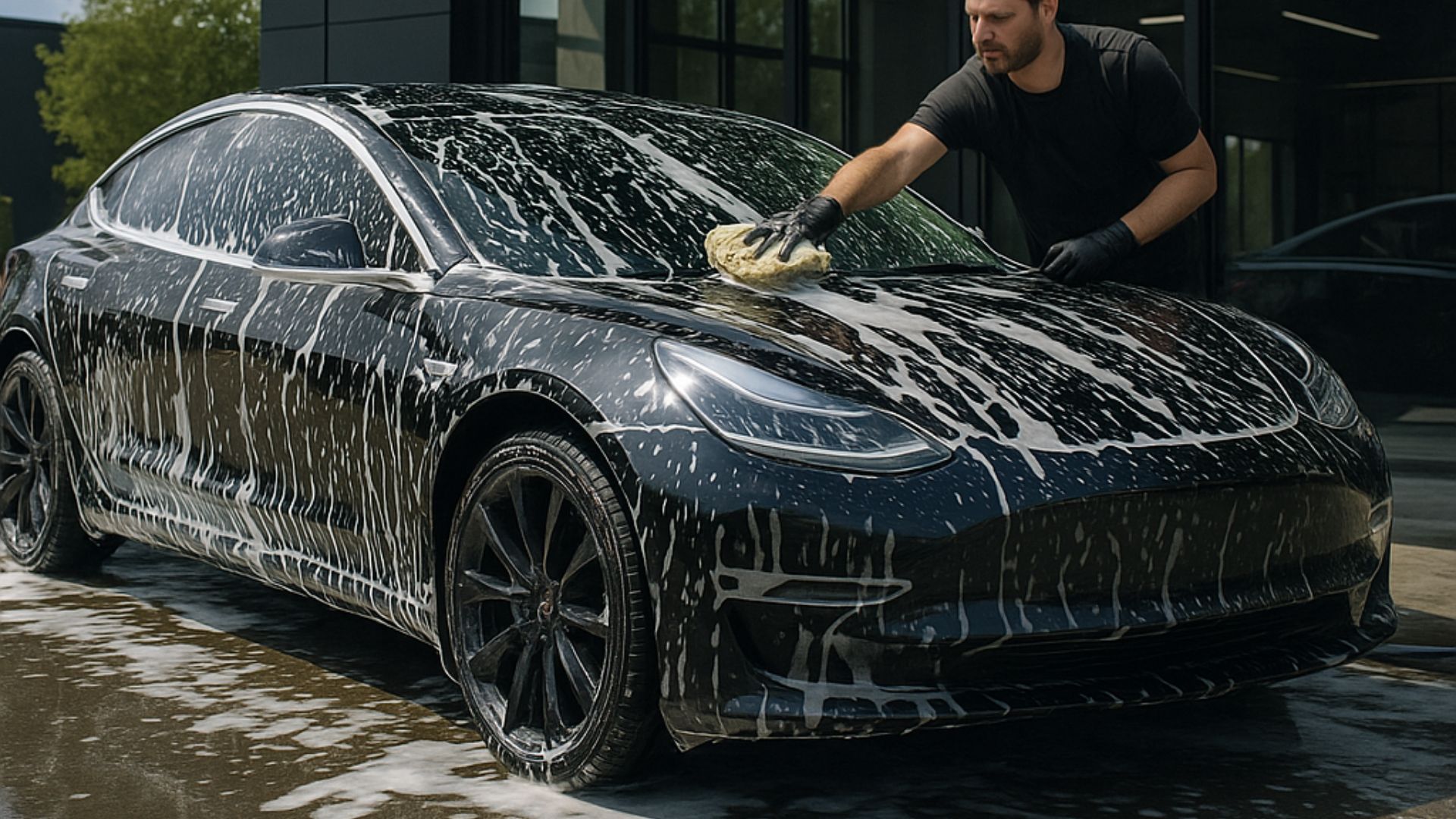
Blog

  • How to Clean Car Windows And Windscreen: Expert Tips for Sparkling Glass

    How to Clean Car Windows And Windscreen: Expert Tips for Sparkling Glass

    Are your car windows and windscreen looking foggy or streaky? Clear glass isn’t just about good looks—it’s key to your safety on the road.

    When your view is sharp and spotless, you react faster and drive with more confidence. You’ll discover simple, effective steps to clean your car windows and windscreen like a pro. Whether you want to banish smudges, remove stubborn dirt, or prevent glare, you’ll learn how to get crystal-clear results every time.

    Keep reading to make sure your car’s glass is as safe and clear as it can be.

    How to Clean Car Windows And Windscreen: Expert Tips for Sparkling Glass

    Credit: www.youtube.com

    Choosing The Right Cleaning Tools

    Choosing the right cleaning tools makes cleaning car windows easier and more effective. The right tools protect your glass from scratches. They help remove dirt and grime quickly. Use tools that are gentle but strong enough to clean well. Here are the key tools to have on hand.

    Best Cloths And Towels

    Microfiber cloths are the best choice for cleaning car windows. They are soft and do not scratch glass. These cloths absorb water and cleaning solutions well. Avoid using paper towels or old rags. These can leave lint or scratches on the glass. Use clean cloths for a streak-free shine.

    Recommended Cleaning Solutions

    Choose a cleaning solution made for car windows. Glass cleaners with ammonia can damage tint or rubber seals. Look for ammonia-free formulas. Homemade solutions with vinegar and water work well too. Avoid harsh chemicals that can harm your car’s finish or window seals. A good cleaner removes dirt without leaving streaks.

    Essential Accessories

    A spray bottle helps apply cleaning solution evenly. Use a soft-bristle brush to clean window edges and corners. A squeegee can remove excess liquid without streaking. Gloves protect your hands from chemicals. Keep a bucket of clean water nearby for rinsing. These accessories make the cleaning process smoother and faster.

    How to Clean Car Windows And Windscreen: Expert Tips for Sparkling Glass

    Credit: www.reddit.com

    Preparing The Car Windows

    Preparing the car windows is the first important step before cleaning. This step helps remove loose dirt that can scratch the glass. It also protects areas around the windows from getting wet or damaged. Taking time to prepare makes the cleaning process easier and more effective.

    Removing Dust And Debris

    Start by brushing off dust and debris from the windows. Use a soft brush or a microfiber cloth. Gently wipe the surface to avoid scratches. Clear away leaves, dirt, and any loose particles. This step prevents grime from mixing with cleaning solutions.

    Protecting Surrounding Areas

    Cover parts near the windows to avoid damage. Use painter’s tape or plastic sheets on door handles and trim. This stops water and cleaner from reaching sensitive areas. Protecting these parts keeps your car looking neat and prevents stains.

    Step-by-step Cleaning Process

    Cleaning car windows and the windscreen is important for clear visibility and safe driving. Follow these easy steps to get spotless windows. The process works best with simple tools and a little care. Each step helps remove dirt and grime without scratching the glass. Clean windows also improve the look of your car.

    Inside Window Cleaning Techniques

    Start inside the car. Use a soft microfiber cloth and a glass cleaner. Spray the cleaner on the cloth, not directly on the glass. Wipe the window in small circles. Pay special attention to corners where dust gathers. Use a dry cloth to remove any streaks. Roll down the windows slightly to clean the top edges.

    Outside Window Cleaning Techniques

    Begin with rinsing the outside windows with water to remove loose dirt. Spray glass cleaner evenly on the surface. Use a clean microfiber cloth to wipe in vertical strokes. Avoid harsh scrubbing to prevent scratches. For the windscreen, use a squeegee for a streak-free finish. Dry any wet areas with a soft towel.

    Tackling Stubborn Stains

    For tough spots like bird droppings or tree sap, use a stronger cleaner or a vinegar-water mix. Apply gently and let it sit for a minute. Use a soft brush or cloth to scrub lightly. Avoid sharp tools that can damage the glass. Rinse the area well after cleaning. Repeat if needed until stains disappear.

    Maintaining Crystal Clear Windows

    Keeping car windows clear is key for safe driving and good looks. Clean windows help you see the road better. They also make your car appear well cared for. Dirt, dust, and water spots can build up fast. Regular care keeps glass shiny and clear. Follow easy steps to maintain crystal clear windows every day.

    Regular Cleaning Schedule

    Set a routine to clean your car windows. Clean both inside and outside surfaces. Do this at least once a week. Use a soft cloth and gentle cleaner. Avoid harsh chemicals that can damage glass. Regular cleaning stops dirt from building up. It also prevents scratches from trapped debris.

    Preventing Water Spots And Streaks

    Dry windows after washing to stop spots. Use a clean, dry microfiber cloth. Wipe in a circular motion for best results. Avoid cleaning in direct sunlight. Sunlight can cause streaks and fast drying. Use filtered or distilled water if possible. This reduces mineral deposits that cause spots.

    Using Protective Coatings

    Apply a protective coating to your windows. These coatings repel water and dirt. They make cleaning easier next time. Choose a product made for car glass. Follow the instructions carefully for best results. Protective layers last longer and keep windows clear. They also improve visibility during rain.

    Common Mistakes To Avoid

    Cleaning car windows and windscreen seems easy. But many make mistakes that harm the glass or reduce visibility. Avoiding these common errors helps keep your windows clear and your drive safe.

    Using Harmful Chemicals

    Some cleaners contain harsh chemicals that damage glass or car paint. Avoid ammonia or bleach-based products. These can cause streaks and weaken window coatings. Use gentle, glass-specific cleaners for best results.

    Cleaning In Direct Sunlight

    Cleaning windows under strong sunlight dries the cleaner too fast. This causes streaks and spots on the glass. Choose a shaded area or clean early morning or late evening. It gives better results and saves effort.

    Ignoring Windshield Wipers

    Many forget to clean the wiper blades. Dirty blades spread dirt and create streaks on the windscreen. Wipe blades with a damp cloth regularly. Replace them if they are cracked or worn out.

    How to Clean Car Windows And Windscreen: Expert Tips for Sparkling Glass

    Credit: www.obrien.com.au

    Frequently Asked Questions

    How Often Should I Clean Car Windows And Windscreen?

    Clean car windows and windscreen at least once a week. Regular cleaning improves visibility and removes dirt, grime, and smudges. In bad weather or dusty areas, clean more frequently to maintain clear vision and safety while driving.

    What Is The Best Cleaning Solution For Car Windows?

    Use a mixture of water and vinegar or a commercial glass cleaner. Avoid ammonia-based cleaners as they can damage window tint. Always use a microfiber cloth for streak-free cleaning and to protect the glass surface.

    How To Remove Stubborn Stains On Car Windscreen?

    Apply a specialized glass cleaner or a paste of baking soda and water. Gently scrub with a soft cloth or sponge in circular motions. Rinse thoroughly with water and dry with a microfiber cloth to avoid streaks.

    Can I Use Newspaper To Clean Car Windows?

    Yes, newspaper is a traditional and effective tool for cleaning car windows. It helps remove dirt without leaving lint or streaks. However, avoid colored or glossy paper as they may leave ink residues on the glass.

    Conclusion

    Cleaning car windows and the windscreen keeps your view clear and safe. Use simple tools like microfiber cloths and gentle cleaners. Avoid harsh chemicals that can damage glass or leave streaks. Regular cleaning helps remove dirt, bugs, and water spots easily.

    Take your time and clean both inside and outside surfaces. A clean windscreen improves driving comfort and safety. Keep your car windows spotless for better visibility every day. Small efforts make a big difference on the road.

  • Can Broken Glass Cause Serious Injuries: Shocking Truth Revealed

    Can Broken Glass Cause Serious Injuries: Shocking Truth Revealed

    Have you ever wondered how dangerous broken glass really is? It might seem harmless at first glance, but even a small shard can cause serious injuries.

    You might not realize the risks until it’s too late. You’ll discover how broken glass can affect your body, what types of injuries to watch out for, and how to protect yourself and your loved ones. Keep reading—you’ll want to know this before the next unexpected accident happens.

    Types Of Injuries From Broken Glass

    Broken glass can cause different types of injuries. These injuries vary in severity and need care. Understanding the common types helps in taking quick action.

    Injuries from broken glass can range from minor cuts to serious wounds. Some injuries may lead to infections if not treated well. Knowing the types can help prevent further damage.

    Cuts And Lacerations

    Sharp glass pieces often cause cuts and lacerations. These wounds can be shallow or deep. Deep cuts may reach muscles or tendons. Bleeding is common and can be heavy. Quick cleaning and bandaging help reduce risks.

    Puncture Wounds

    Broken glass can also cause puncture wounds. These happen when glass pieces pierce the skin deeply. Puncture wounds may not bleed much but can harm internal tissues. They are harder to clean and may trap dirt inside.

    Infections And Complications

    Infections can develop if glass wounds are not cleaned properly. Bacteria enter the body through cuts or punctures. Signs include redness, swelling, and pain. Untreated infections may cause serious health problems. Medical care is important to avoid complications.

    Can Broken Glass Cause Serious Injuries: Shocking Truth Revealed

    Credit: de-law.com

    Factors Influencing Injury Severity

    Broken glass can cause injuries that range from minor cuts to serious wounds. The severity depends on several key factors. Understanding these factors helps in preventing and treating injuries effectively.

    Glass Size And Shape

    Large pieces of glass can cause deeper cuts. Sharp, jagged edges increase the risk of tearing skin. Small shards may puncture or scratch, but usually cause less damage.

    Force Of Impact

    Stronger force means glass can break into more dangerous fragments. High impact can push glass deeper into the skin. Gentle contact often results in surface scratches only.

    Location Of Injury

    Injuries on hands and feet are common but usually less serious. Cuts near the eyes or neck are more dangerous. Wounds on joints or arteries need immediate care to avoid complications.

    Common Situations Leading To Broken Glass Injuries

    Broken glass can cause serious injuries in many everyday situations. Understanding where these injuries happen most helps in staying safe. Common places include homes, workplaces, and vehicles. Each place has unique risks that can lead to cuts and wounds from broken glass.

    Household Accidents

    Homes have many glass items like windows, doors, and dishes. Glass can break during falls, cleaning, or cooking. Children and elderly people face higher risks. Sharp glass pieces can cause deep cuts and bleeding. Proper care and quick cleanup reduce injury chances.

    Workplace Hazards

    Workplaces with glass products or tools pose injury risks. Construction sites, factories, and labs often have broken glass dangers. Workers may get cuts from handling glass or accidental drops. Wearing protective gloves and eyewear helps prevent injuries. Training on safe glass handling is essential.

    Vehicle Crashes

    Car accidents can shatter windows and windshields. Broken glass can fly and cause cuts or eye injuries. Passengers and drivers are at risk during crashes. Safety glass in cars reduces injury severity but does not eliminate risk. Using seatbelts and airbags lowers broken glass injuries.

    Can Broken Glass Cause Serious Injuries: Shocking Truth Revealed

    Credit: halljustice.com

    Emergency Response To Glass Injuries

    Broken glass can cause cuts that bleed and hurt. Knowing how to act fast helps reduce pain and stop damage. Quick and correct care lowers risks and speeds healing. Here are important steps to handle glass injuries safely.

    First Aid Steps

    Stop the bleeding by pressing a clean cloth on the cut. Keep steady pressure for several minutes. Do not remove large glass pieces stuck in the wound. Clean small debris gently with water. Cover the injury with a sterile bandage or clean cloth. Keep the injured part raised to reduce bleeding.

    When To Seek Medical Help

    Seek help if the cut is deep or won’t stop bleeding. Get help if glass is inside the wound or near an eye. Watch for numbness, severe pain, or signs of infection. Large cuts may need stitches or special care. Medical experts can check for damage and prevent complications.

    Avoiding Infection

    Keep the wound clean and dry after first aid. Change bandages daily or if they get wet or dirty. Use mild soap and water around the injury. Avoid touching the cut with dirty hands. Watch for redness, swelling, or pus, which signal infection. Early care helps prevent serious problems.

    Long-term Effects Of Severe Glass Injuries

    Severe injuries from broken glass can cause damage that lasts a long time. These injuries may seem small at first but can lead to serious health problems. Understanding the long-term effects helps in knowing the risks involved.

    Scarring And Cosmetic Concerns

    Deep cuts from broken glass often leave scars. Scars can be raised, wide, or discolored. They may affect how skin looks and feels. Some scars cause tightness or discomfort. Scarring can impact self-confidence and daily life.

    Nerve Damage

    Glass wounds may cut or press on nerves. Nerve damage can cause numbness or tingling. Sometimes, it leads to constant pain or weakness. These symptoms may last for months or years. Nerve injuries often need special treatment to heal.

    Mobility Issues

    Severe glass injuries near joints can limit movement. Scar tissue may make bending or stretching hard. Pain and stiffness can reduce mobility. This affects daily activities and quality of life. Physical therapy can help but some problems stay.

    Can Broken Glass Cause Serious Injuries: Shocking Truth Revealed

    Credit: www.plotnicklaw.com

    Preventing Broken Glass Injuries

    Broken glass can cause serious injuries. Preventing these injuries is very important. Simple steps can protect you and others around you. Learning how to handle glass safely helps avoid cuts and wounds. Safety starts with awareness and the right precautions.

    Safe Handling Tips

    Always hold glass firmly but gently. Avoid sudden movements that may cause it to break. Use both hands for large glass items. Keep glass away from edges or unstable surfaces. Clean up broken glass immediately using a broom or brush. Never pick up shards with bare hands.

    Protective Gear Recommendations

    Wear thick gloves to protect your hands. Safety glasses shield your eyes from flying shards. Closed-toe shoes protect your feet from falling glass. Long sleeves help guard your arms. Use protective gear every time you handle glass. It lowers the risk of cuts and injuries.

    Home And Workplace Safety Measures

    Store glass items in safe, stable places. Use cushioned mats or liners on shelves. Mark glass doors clearly to prevent accidents. Keep children away from glass objects. In workplaces, follow safety rules strictly. Regularly inspect glass for cracks or damage. Replace damaged glass immediately to prevent accidents.

    Frequently Asked Questions

    Can Broken Glass Cause Deep Cuts?

    Yes, broken glass can cause deep cuts that may require medical attention. The sharp edges can easily penetrate skin and tissues.

    What Infections Can Broken Glass Wounds Cause?

    Wounds from broken glass can lead to bacterial infections if not cleaned properly. Tetanus is also a risk without vaccination.

    How To Treat Injuries From Broken Glass?

    Clean the wound with water, apply antiseptic, and cover with a sterile bandage. Seek medical help for deep or bleeding cuts.

    When Should I See A Doctor For Glass Injuries?

    See a doctor if the cut is deep, bleeding heavily, or shows signs of infection like redness and swelling.

    Conclusion

    Broken glass can cause serious injuries if not handled carefully. Cuts may be deep and bleed a lot. Always wear gloves when cleaning broken glass. Keep children away from shattered pieces. Seek medical help for large or deep wounds. Being cautious helps prevent accidents and pain.

    Stay safe and treat glass with care. Small actions can stop big problems. Remember, safety matters most around broken glass.

  • How to Check Glass Safety Condition: Easy Tips for Secure Homes

    How to Check Glass Safety Condition: Easy Tips for Secure Homes

    Have you ever stopped to think about the safety of the glass around you? Whether it’s the windows in your home, the glass on your car, or the panels in your office, knowing how to check glass safety can protect you and your loved ones from unexpected accidents.

    You don’t need special tools or skills to do this—you just need to know what signs to look for. You’ll discover simple, effective ways to assess your glass’s condition so you can act before a small problem turns into a big danger.

    Keep reading to learn how to keep your space safe and secure.

    How to Check Glass Safety Condition: Easy Tips for Secure Homes

    Credit: www.ebay.com

    Signs Of Damaged Glass

    Glass plays a vital role in safety and aesthetics. Damaged glass can be dangerous and reduce protection. Early signs help prevent accidents and costly repairs. Spotting damage is simple if you know what to watch for. Below are key signs that show glass may need attention.

    Cracks And Chips

    Cracks often start small but grow over time. Chips can weaken the glass structure. Both reduce strength and increase break risk. Check edges and corners closely. Even tiny damage can spread quickly. Replace glass showing cracks or chips immediately.

    Fogging And Discoloration

    Fogging appears as a cloudy layer inside double-pane glass. It means the seal is broken. Discoloration shows as yellow or brown stains. These signs point to moisture trapped inside. This damages glass insulation and clarity. Fogged or discolored glass loses its safety value.

    Loose Or Wobbly Panels

    Glass should be firmly fixed in its frame. Loose or wobbly panels indicate poor installation or damage. Such panels can shift or fall out easily. Test by gently pushing the glass. Movement signals a need for immediate repair. Secure glass keeps your space safe and stable.

    Tools For Inspecting Glass

    Checking the safety condition of glass requires the right tools. These tools help find cracks, chips, or any damage that is hard to see. Using proper tools makes inspection easier and more accurate. Here are some common tools and methods to inspect glass effectively.

    Visual Inspection Techniques

    Start with a close look at the glass surface. Use good lighting to see scratches or cracks. Move your head side to side to catch reflections or distortions. Check both sides of the glass. Look for any cloudy areas or spots that look different. This simple method finds many common problems fast.

    Using A Magnifying Glass

    A magnifying glass helps see tiny cracks or chips. Hold it close to the glass and slowly move it over the surface. Small damages become clear under magnification. This tool is cheap, easy to use, and very effective. It helps spot early problems that could grow bigger later.

    Smartphone Apps For Damage Detection

    Several smartphone apps help detect glass damage. They use your phone camera and special filters. These apps highlight cracks or weak spots. Some apps let you take pictures and compare them over time. This way, you track if damage is growing. Using a smartphone makes the inspection quick and simple.

    Testing Glass Strength

    Testing glass strength helps ensure safety and durability. It shows if glass can handle pressure or impact. This step is crucial for windows, doors, and other glass parts. Simple tests can reveal weak spots before accidents happen.

    Tap Test Method

    Tap the glass gently with a small object like a coin. Listen to the sound it makes. Clear, sharp sounds mean strong glass. Dull or hollow sounds may indicate cracks or weaknesses. This test is quick and easy to do at home.

    Pressure Application Guidelines

    Apply light pressure on the glass surface with your hand. Do not press too hard to avoid damage. Check if the glass moves or feels flexible. Strong glass stays firm and does not bend easily. If it bends or cracks, it needs professional attention.

    Professional Strength Testing Services

    Experts use special tools to measure glass strength accurately. They test resistance to impact and pressure safely. Professionals can detect hidden flaws that simple tests miss. Hiring experts ensures your glass meets safety standards. It is best for large or expensive glass installations.

    How to Check Glass Safety Condition: Easy Tips for Secure Homes

    Credit: stonedesignbysantos.com

    Safety Standards To Know

    Understanding glass safety standards helps protect people and property. These standards guide the use of glass in buildings. They ensure glass is strong and less likely to cause injury. Knowing these rules makes checking glass safer and easier.

    Building Code Requirements

    Building codes set rules for glass use in homes and offices. They require safety glass in certain areas like doors and windows near floors. These codes help reduce accidents by making glass more durable. Local codes may vary, so check the rules in your area.

    Tempered Vs. Laminated Glass

    Tempered glass breaks into small, blunt pieces. It reduces the risk of cuts during breakage. Laminated glass holds together with a plastic layer inside. This stops glass from falling apart when cracked. Both types meet safety needs but serve different purposes.

    Impact Resistance Ratings

    Impact resistance shows how well glass handles force. Ratings help choose glass for areas prone to impacts. Higher ratings mean stronger glass that can stop flying debris. Look for these ratings to ensure glass fits your safety needs.

    Maintenance Tips For Glass Safety

    Maintaining glass safety is crucial for any home or office. Proper care helps avoid accidents and extends the life of your glass. Simple steps can keep glass strong and clear.

    Regular Cleaning Techniques

    Clean glass surfaces often to remove dirt and grime. Use a soft cloth and mild soap with water. Avoid harsh chemicals that can weaken the glass. Dry the glass with a lint-free cloth to prevent streaks. Clean both sides for better visibility and safety.

    Seal And Frame Inspection

    Check seals around glass for cracks or gaps. Damaged seals let moisture in, causing damage. Inspect frames for rust, rot, or loose parts. Tighten screws and repair any broken sections. Good seals and frames keep glass stable and safe.

    Preventing Glass Damage

    Place protective films or screens on vulnerable glass. Avoid placing heavy objects near glass edges. Use bumpers or guards in high-traffic areas. Handle glass carefully during cleaning or moving. These steps reduce the chance of chips and cracks.

    How to Check Glass Safety Condition: Easy Tips for Secure Homes

    Credit: safetyglassesusa.com

    When To Replace Glass

    Knowing when to replace glass is important for safety and appearance. Glass that is damaged or old can cause accidents or lower your home’s value. Recognizing signs that glass needs replacing helps protect your family and property.

    Assessing Repair Feasibility

    Check the size and location of the damage first. Small cracks or chips may be repairable. Deep cracks or shattered glass usually need full replacement. Consider the age and type of glass. Older glass may not meet safety standards anymore. Evaluate if repairs will last or just hide the problem.

    Choosing Replacement Glass

    Select glass that fits your window or door exactly. Safety glass, like tempered or laminated, is best for high-risk areas. Think about energy efficiency and insulation. Double or triple-pane glass helps reduce heat loss. Match the style and thickness to keep your home looking consistent.

    Hiring Professionals For Installation

    Glass installation requires skill and proper tools. Professionals ensure a secure and safe fit. They follow safety codes and use the right materials. Poor installation can cause leaks or breakage. Hiring experts saves time and reduces risks during the process.

    Frequently Asked Questions

    How Do I Identify Damaged Glass Safety?

    Check for cracks, chips, or discoloration on the glass surface. Damaged glass may have spiderweb cracks or sharp edges. Always inspect glass under good lighting to spot defects that compromise safety.

    What Tools Help Test Glass Safety Condition?

    Use a flashlight to detect cracks and a magnifying glass for detailed inspection. A glass thickness gauge can measure strength. Safety gloves protect hands during testing.

    How Often Should Glass Safety Be Checked?

    Inspect glass safety every six months or after impact incidents. Frequent checks prevent accidents by identifying weaknesses early. Professional inspections are recommended annually for critical glass installations.

    Can I Repair Unsafe Glass Myself?

    Minor chips may be repairable using resin kits, but cracks often require professional replacement. DIY repairs risk incomplete fixes, compromising safety. Always consult a glass expert for serious damage.

    Conclusion

    Checking glass safety is simple but very important. Look for cracks, chips, and scratches often. Small damage can lead to big problems later. Clean glass well to spot any flaws clearly. Use proper tools to test strength if possible. Stay safe by replacing glass when it looks weak.

    Regular checks protect your home and family. Keep these tips in mind to ensure glass stays strong and safe every day. Safety starts with careful attention.

  • How Much Does Windshield Chip Repair Cost: Affordable Insights Revealed

    How Much Does Windshield Chip Repair Cost: Affordable Insights Revealed

    Have you noticed a small chip on your windshield and wondered, “How much will it cost to fix this?” You’re not alone. Even a tiny chip can turn into a big problem if left untreated, but the repair might be more affordable than you think.

    Knowing the real cost upfront can save you time, stress, and money. You’ll discover what affects windshield chip repair prices and how to get the best value for your money. Keep reading to protect your car—and your wallet.

    Factors Influencing Repair Cost

    Several factors affect the cost of windshield chip repair. Each repair job is unique. Understanding these factors helps you know what to expect. Costs vary based on the damage and the vehicle.

    Size And Location Of The Chip

    Small chips cost less to fix than large ones. Chips near the edge of the windshield may cost more. This area is harder to repair. The size and location influence the time and effort needed.

    Type Of Damage

    Different damage types affect the price. Star breaks, bullseyes, and cracks require different repair methods. Cracks usually cost more than simple chips. The complexity of the damage changes the repair cost.

    Vehicle Make And Model

    Luxury or rare cars often have higher repair costs. Windshields for these vehicles can be expensive. Common cars usually have cheaper repair options. The parts and labor vary by vehicle type.

    Repair Vs Replacement

    Sometimes repair is not enough. Large or severe damage may need full windshield replacement. Replacement costs much more than repair. The choice affects the total expense you pay.

    Average Price Range

    Understanding the average price range for windshield chip repair helps you plan your budget. Costs can vary based on chip size, number, and location. Knowing these factors makes it easier to decide on quick repairs or replacements.

    Typical Cost For Small Chips

    Small chips usually cost between $50 and $75 to repair. These repairs take less time and use fewer materials. Most shops offer quick service for small chips, often done the same day.

    Cost For Larger Or Multiple Chips

    Larger chips or multiple chips cost more to fix. Expect to pay $100 or more depending on damage severity. Sometimes, a windshield replacement is better for many chips.

    Geographical Price Variations

    Prices change depending on your location. Urban areas tend to have higher prices than rural spots. Local demand and competition affect repair costs too.

    Insurance Coverage And Costs

    Repairing a windshield chip can be affordable or costly, depending on insurance coverage. Understanding how insurance helps pay for repairs saves money and stress. Insurance policies vary, so knowing what to expect is useful.

    When Insurance Covers Repairs

    Most car insurance plans cover windshield chip repairs under comprehensive coverage. This coverage protects against damages not caused by collisions. Chips from rocks or debris usually qualify. Some insurers offer full repair payments with no cost to you. Check your policy or call your agent to confirm coverage.

    Deductibles And Out-of-pocket Expenses

    Deductibles are the amounts you pay before insurance helps. If your deductible is higher than the repair cost, you pay fully. Many windshield chip repairs cost less than $100. Some companies waive deductibles for glass repairs. Always ask about deductible rules before scheduling repairs.

    Impact On Premiums

    Small repairs often do not raise insurance premiums. Insurers may not consider chip repairs as claims. Larger claims or multiple repairs can increase rates. Reporting minor damage quickly avoids bigger issues later. Keep your insurer informed to prevent surprises.

    How Much Does Windshield Chip Repair Cost: Affordable Insights Revealed

    Credit: www.youtube.com

    Diy Repair Kits

    DIY repair kits offer a cheap way to fix small windshield chips. These kits come with tools and resin to fill cracks at home. They save time and money compared to professional repairs. Yet, they work best for minor damage only. Understanding costs, effectiveness, and safety helps decide if a kit is right for you.

    Cost Comparison

    DIY repair kits usually cost between $10 and $30. Professional repairs start around $50 and can go higher. Kits save money upfront but may not fix all chips well. The cost difference makes kits tempting for simple cracks.

    Effectiveness And Limitations

    Kits work well on small chips under the size of a quarter. They fill cracks and prevent spreading. Large or deep cracks need professional help. Using a kit on bad damage may not stop the crack from growing. Results depend on careful use and the chip’s condition.

    Safety Considerations

    Using kits needs caution to avoid injury or damage. The resin chemicals can irritate skin and eyes. Follow instructions strictly and wear gloves if possible. Poor repairs can weaken the windshield and cause safety risks. A clean, dry chip area is important for success.

    Choosing The Right Repair Service

    Choosing the right windshield chip repair service is important. The service affects the cost, quality, and time of the repair. Finding a trustworthy and skilled repair shop helps save money and ensures safety. This section guides you on how to pick the best repair option.

    Mobile Vs In-shop Repairs

    Mobile repairs come to your location. They save time and add convenience. In-shop repairs might take longer but use better tools. Shops often offer a more controlled environment. Choose based on your schedule and the chip size. Some chips need shop repairs for a better fix.

    Warranty And Guarantees

    Check if the repair service offers a warranty. A warranty shows they trust their work. It covers repairs if problems appear later. Guarantees give peace of mind and protect your money. Avoid services without clear warranty terms. Ask how long the warranty lasts and what it covers.

    Reviews And Recommendations

    Read customer reviews before choosing a service. Reviews reveal the quality and reliability of the repair. Ask friends or family for recommendations. Good feedback means better chances of a solid repair. Avoid places with many complaints or negative reviews. Choose services with clear, honest customer experiences.

    How Much Does Windshield Chip Repair Cost: Affordable Insights Revealed

    Credit: tsautoglass.com

    Tips To Save On Repair Costs

    Repairing a windshield chip can be affordable with smart choices. Saving money means acting fast and using resources wisely. Simple steps help reduce costs without risking safety.

    Timely Repairs

    Fix chips quickly to stop cracks from growing. Small chips cost less to repair than big cracks. Acting fast means cheaper and easier fixes. Delaying repairs can lead to costly windshield replacements.

    Bundling Services

    Combine windshield repair with other car services. Many shops offer discounts for multiple jobs. This saves money and time. Ask about package deals before booking any service.

    Using Insurance Wisely

    Check your insurance policy for windshield coverage. Some plans cover repair costs with no deductible. Use insurance only if it saves money. Avoid claims that raise future premiums.

    How Much Does Windshield Chip Repair Cost: Affordable Insights Revealed

    Credit: www.rbmofatlanta.com

    Frequently Asked Questions

    How Much Does Windshield Chip Repair Usually Cost?

    Windshield chip repair typically costs between $50 and $150. Prices vary based on chip size, location, and repair shop rates.

    Does Insurance Cover Windshield Chip Repair Cost?

    Many insurance policies cover windshield chip repair with little or no deductible. Check your specific policy details for coverage options.

    Can Small Windshield Chips Be Repaired Affordably?

    Yes, small chips under the size of a quarter are usually inexpensive to fix. Early repair prevents costly windshield replacement.

    How Does The Chip Size Affect Repair Cost?

    Larger chips require more materials and time, increasing repair costs. Small chips generally cost less due to quicker repairs.

    Conclusion

    Windshield chip repair costs vary based on damage size and location. Small chips usually cost less and fix quickly. Repairing early saves money and prevents bigger cracks. Many repair shops offer affordable options for chip fixes. Acting fast keeps your windshield strong and safe.

    Choose a trusted service to ensure quality repair. Protect your car with timely windshield care. Simple repairs today avoid costly replacements tomorrow.

  • How to Clean Car Windows Water Spots: Easy Tips for a Clear View

    How to Clean Car Windows Water Spots: Easy Tips for a Clear View

    Are stubborn water spots ruining the clear view through your car windows? You’re not alone.

    Those annoying marks can block your vision and make your car look less cared for. But don’t worry—cleaning them off is easier than you think. You’ll discover simple, effective steps to get your car windows sparkling clean again. Keep reading, and you’ll soon enjoy a streak-free shine that improves both your safety and your car’s appearance.

    How to Clean Car Windows Water Spots: Easy Tips for a Clear View

    Credit: www.championautoglass.com.au

    Causes Of Water Spots

    Water spots on car windows can be frustrating to remove. They often leave marks that look like stains. Understanding what causes these spots helps prevent them. Knowing the causes also guides you on how to clean them effectively.

    Mineral Deposits And Hard Water

    Water spots usually form from minerals left behind by water. Hard water contains high levels of calcium and magnesium. These minerals dry on the glass and create white, cloudy marks. Over time, the deposits build up and become harder to clean.

    Environmental Factors

    Dust, dirt, and pollution mix with water droplets on windows. Rain or sprinkler water carries tiny particles that stick to glass. Sunlight then bakes these particles and water minerals onto the surface. This process makes spots more visible and tough to remove.

    Improper Drying Techniques

    Drying windows with a dirty or rough cloth can cause water spots. Leaving water to air dry allows minerals to settle and harden. Using the wrong towel or skipping drying after washing often leads to marks. Proper drying stops spots from forming and keeps glass clear.

    How to Clean Car Windows Water Spots: Easy Tips for a Clear View

    Credit: blisscarwash.com

    Tools And Materials Needed

    Cleaning car windows water spots requires the right tools and materials. Having these items ready makes the process faster and more effective. You can avoid streaks and scratches by using suitable supplies. This section lists all essential tools to clean your car windows properly.

    Cleaning Solutions

    Choose a cleaning solution made for glass surfaces. Vinegar mixed with water works well against water spots. Commercial glass cleaners also remove grime and buildup. Avoid harsh chemicals that can damage window tint or paint. Use small amounts for the best results.

    Microfiber Cloths

    Microfiber cloths are soft and gentle on glass. They absorb moisture without leaving lint behind. Use one cloth for applying the cleaner and another for drying. This prevents spreading dirt and streaks. Always use clean cloths for a clear finish.

    Additional Supplies

    A spray bottle helps apply cleaning solution evenly. A soft-bristle brush can loosen stubborn spots. Use gloves to protect your skin from chemicals. Paper towels may be used but can leave fibers. Have a bucket of clean water ready for rinsing.

    Simple Cleaning Methods

    Water spots on car windows can be stubborn and annoying. Simple cleaning methods can remove these spots effectively. These methods use common household items or easy-to-find cleaners. They are safe for your car’s glass and quick to apply.

    Vinegar And Water Solution

    Mix equal parts of white vinegar and water in a spray bottle. Spray the solution on the spotted glass. Let it sit for a few minutes to break down the mineral deposits. Wipe with a clean microfiber cloth in circular motions. Rinse with water and dry with a fresh cloth. Vinegar’s acidity helps dissolve water spots quickly.

    Baking Soda Paste

    Make a paste using baking soda and a little water. Spread the paste on the water spots gently. Use a soft cloth or sponge to rub the spots in small circles. Baking soda acts as a mild abrasive to lift stains without scratching. Rinse the area well with water. Dry the glass with a clean towel to avoid new spots.

    Commercial Cleaners

    Choose a cleaner made for car glass or water spots. Follow the product instructions carefully for best results. Spray or apply the cleaner directly on the affected areas. Use a soft cloth to wipe and remove the spots. These cleaners often contain special ingredients for tough mineral stains. Rinse and dry the windows after cleaning.

    How to Clean Car Windows Water Spots: Easy Tips for a Clear View

    Credit: www.youtube.com

    Step-by-step Cleaning Process

    Cleaning water spots from car windows can seem tough. Follow a clear, easy step-by-step process. This will help you remove spots and get clear glass fast. Each step is simple and effective.

    Preparing The Surface

    Start by rinsing the windows with water. This removes loose dirt and dust. Use a soft cloth to wipe away grime. Make sure the glass is cool to touch. Avoid cleaning under direct sunlight.

    Applying The Cleaner

    Choose a cleaner made for glass or water spots. Spray it evenly on the affected areas. Let it sit for a few minutes. This helps break down the mineral deposits. Do not let it dry on the glass.

    Removing Stubborn Spots

    Use a soft sponge or microfiber cloth. Gently rub the spots in circular motions. For tough stains, try a mixture of vinegar and water. Apply it carefully and scrub lightly. Avoid using harsh scrubbing tools that scratch.

    Final Rinse And Dry

    Rinse the windows thoroughly with clean water. Remove all cleaner and residue completely. Use a clean, dry microfiber cloth to wipe the glass. Drying prevents new water spots from forming. Check the windows from different angles to ensure clarity.

    Preventing Future Water Spots

    Preventing water spots on car windows keeps your vehicle looking clear and shiny. Water spots form when minerals dry on the glass surface. Stopping them early saves time and effort later. Follow simple steps to protect your car windows from these marks.

    Regular Cleaning Routine

    Clean your windows often to avoid buildup of dirt and minerals. Use a soft cloth and glass cleaner for best results. Cleaning regularly stops water spots from forming and keeps glass smooth. A quick wipe after each wash helps maintain clarity.

    Using Water Repellent Products

    Apply water repellent sprays designed for car windows. These products make water bead and roll off the glass. Less water on the surface means fewer spots. Reapply repellent every few weeks for ongoing protection.

    Proper Drying After Washing

    Dry windows immediately after washing your car. Use a microfiber towel to prevent streaks and water marks. Avoid air drying, which leaves spots behind. Thorough drying keeps glass spotless and clear.

    When To Seek Professional Help

    Cleaning water spots from car windows can be simple for light stains. Sometimes, stains become tough and need expert care. Knowing when to seek professional help saves time and protects your glass from damage. Professionals have tools and skills that go beyond home cleaning methods.

    Severe Stains And Etching

    Water spots can turn into hard stains or etching on glass. Etching looks like small pits or scratches on the surface. These marks cannot be removed with regular cleaners. Professionals use special methods to treat and reduce etching. Severe stains may need polishing or chemical treatments.

    Advanced Cleaning Techniques

    Some stains require advanced cleaning tools and chemicals. Professionals use polishing pads and special compounds to clean deeply. They can remove mineral deposits and hard water marks. These techniques protect the glass and restore clarity. Trying these at home can cause scratches or damage.

    Cost Considerations

    Professional cleaning costs vary by stain severity and vehicle size. The price is often worth avoiding damage from wrong cleaning. Experts provide lasting results that home methods cannot match. Weigh cost against time saved and quality of cleaning. Investing in pros can keep windows clear and safe.

    Frequently Asked Questions

    How Do I Remove Water Spots From Car Windows?

    Use white vinegar or a specialized cleaner on the spots. Spray, let sit for a few minutes, then wipe with a microfiber cloth. This dissolves mineral deposits without damaging the glass.

    What Household Items Clean Car Window Water Spots?

    White vinegar, baking soda, and lemon juice are effective household cleaners. Mix vinegar with water, apply, and scrub gently. These natural solutions break down water spots safely.

    Can Water Spots Damage Car Windows Permanently?

    Yes, if left untreated, mineral deposits can etch glass over time. Regular cleaning prevents permanent damage and maintains clear visibility while driving.

    How Often Should I Clean Water Spots On Car Windows?

    Clean water spots as soon as you notice them. Regular washing every 1-2 weeks keeps windows spotless and prevents buildup.

    Conclusion

    Cleaning water spots from car windows is simple with the right steps. Use gentle cleaners and soft cloths to avoid scratches. Regular cleaning helps keep your windows clear and safe. Don’t let spots build up and block your view. A clean window means better driving and a nicer car.

    Try these tips and see the difference yourself. Clear windows make every drive safer and more enjoyable. Keep your car looking fresh by removing water spots often. It’s easy, quick, and worth the effort.

  • When Glass Safety Requires Immediate Attention: Essential Tips

    When Glass Safety Requires Immediate Attention: Essential Tips

    Have you ever stopped to think about how much glass surrounds you every day? From windows and doors to mirrors and screens, glass is everywhere.

    But what happens when that glass becomes a danger? Knowing when glass safety requires immediate attention could protect you, your family, and your home from serious harm. You’ll discover the key signs that mean you can’t wait to act—and the simple steps you can take right now to stay safe.

    Keep reading, because ignoring these warnings could cost you more than you think.

    Signs Of Glass Damage

    Glass damage can be hard to spot at first. Small issues may lead to bigger problems. Spotting signs early keeps you safe and avoids costly repairs. Always watch your glass carefully for changes. These signs show when glass needs fast attention.

    Cracks And Chips

    Cracks are thin lines running across the glass. Chips are small pieces missing from the edge or surface. Both weaken the glass structure. Cracks can grow quickly with pressure or temperature changes. Even tiny chips can spread into bigger cracks. Fix or replace glass as soon as you see cracks or chips.

    Loose Or Wobbly Glass

    Glass should feel firm in its frame. Loose or wobbly glass moves or shifts easily. This means the seal or support is failing. Wind, vibrations, or accidents can cause looseness. Loose glass breaks more easily and causes injury. Secure or replace any glass that feels unstable.

    Fogging And Discoloration

    Fogging shows as a cloudy or misty layer inside glass panes. Discoloration changes the glass color or clarity. Both often mean moisture is trapped between glass layers. This damages seals and reduces glass strength. Foggy or discolored glass loses visibility and safety. Replace affected glass quickly to restore protection.

    When Glass Safety Requires Immediate Attention: Essential Tips

    Credit: safetyglassesusa.com

    Risks Of Ignoring Glass Issues

    Ignoring problems with glass can lead to serious risks. Small cracks or chips might seem harmless. Yet, they can cause bigger problems quickly. Ignoring these issues puts safety, structure, and money at risk. Acting early keeps your space safe and avoids costly repairs.

    Injury Hazards

    Damaged glass can break without warning. Sharp edges cause cuts and bruises. Broken glass can fall and hurt people nearby. Children and pets face higher risks around broken glass. Prompt attention prevents accidents and injuries.

    Structural Weakness

    Glass supports parts of a building’s structure. Cracks reduce its strength and stability. Weak glass can fail under pressure or weather. This failure puts walls, windows, and doors at risk. Fixing glass problems maintains building safety and integrity.

    Increased Repair Costs

    Small glass problems cost less to fix. Ignored damage grows worse over time. Bigger repairs require more materials and labor. Replacing entire glass panels is more expensive than fixing cracks. Early repair saves money and time.

    Emergency Glass Safety Measures

    Emergency glass safety measures are crucial when glass breaks or cracks suddenly. Acting fast can prevent injuries and further damage. Knowing the right steps helps keep everyone safe and calm. This section covers key actions to take immediately after glass damage occurs.

    Securing The Area

    Keep people away from broken glass. Block the space with barriers or signs. Remove pets and children from the area. Wear gloves to avoid cuts when handling debris. Clear loose shards carefully without touching sharp edges.

    Temporary Fixes

    Cover cracks with strong tape to stop glass from falling out. Use cardboard or plastic sheets to cover holes or large breaks. Avoid pressing on broken glass to prevent it from shattering more. These fixes hold the glass in place until professionals arrive.

    When To Evacuate

    Leave the building if glass damage is severe or near doors and windows. Evacuate if glass poses a risk of falling or cutting anyone. Follow emergency plans and call for help immediately. Staying safe is the top priority in any glass emergency.

    Choosing Professional Help

    Choosing professional help is crucial when glass safety becomes urgent. Experts have the right tools and skills to fix glass issues fast and safely. Trying to fix broken glass without help can lead to injury or more damage. Professionals ensure the job is done right the first time. This section explains why certified services, quick response teams, and cost factors matter.

    Certified Glass Repair Services

    Certified glass repair services have trained technicians. They follow safety rules and use quality materials. This reduces risks of accidents or faulty repairs. Certified companies offer warranties for their work. Their expertise guarantees durable and safe glass repairs. Trusting certified professionals protects your home and family.

    Emergency Response Teams

    Emergency response teams act quickly during glass breakage. They arrive fast to prevent injuries or property damage. These teams work 24/7 to handle urgent glass problems. Their quick actions stop weather or intruders from entering. Emergency teams carry special tools for safe glass removal and replacement. Fast help means less stress and risk.

    Cost And Time Considerations

    Professional glass repair saves money over time. Quick repairs stop small problems from growing larger. Experts finish jobs faster than DIY attempts. This reduces downtime and inconvenience. Some companies offer clear price estimates upfront. Choosing professionals balances cost with safety and speed. It prevents costly mistakes and delays.

    Preventive Glass Care Tips

    Preventive glass care helps keep glass safe and strong. It lowers risks of cracks and breaks. Simple care steps extend glass life and keep it clear. These tips protect your glass from damage and costly repairs.

    Regular Inspections

    Check glass often for chips, cracks, or scratches. Small damage can grow if ignored. Inspect window edges and corners closely. Catching problems early helps avoid accidents. Use a soft cloth to wipe glass before checking. This reveals hidden flaws clearly.

    Proper Cleaning Techniques

    Clean glass with gentle, non-abrasive materials only. Use soft cloths or sponges to avoid scratches. Avoid strong chemicals that can weaken glass surfaces. Use mild soap and water for daily cleaning. Dry glass with a lint-free cloth to prevent streaks. Clean both sides for best clarity and safety.

    Protective Films And Coatings

    Apply protective films to strengthen glass against impacts. Films also reduce glare and block harmful UV rays. Coatings can make glass more scratch-resistant. These layers add safety without changing glass look. Choose films made for safety and durability. Proper installation is key to effectiveness.

    When Glass Safety Requires Immediate Attention: Essential Tips

    Credit: charlotteledger.substack.com

    When Glass Safety Requires Immediate Attention: Essential Tips

    Credit: fixmysite.com

    Frequently Asked Questions

    What Are The Signs Glass Safety Needs Urgent Attention?

    Look for cracks, chips, or shattered glass. Notice loose or unstable glass panels. Any sudden damage signals immediate safety concerns.

    How To Respond When Glass Safety Is Compromised?

    Clear the area immediately to avoid injury. Contact a professional glass repair service. Avoid handling broken glass yourself.

    Why Is Immediate Action Important For Glass Safety?

    Broken glass can cause serious injuries. Delaying repairs increases risk of accidents. Prompt attention prevents further damage and harm.

    Can Damaged Glass Affect Home Or Office Safety?

    Yes, damaged glass weakens structural integrity. It reduces protection against weather and intruders. Immediate repair ensures safety and security.

    Conclusion

    Glass safety matters more than we often realize. Small cracks or chips can lead to big problems fast. Acting quickly can prevent injuries and costly repairs. Always watch for signs that glass needs attention. Choosing quality materials and expert help keeps everyone safe.

    Don’t wait until damage worsens or accidents happen. Stay alert and handle glass issues right away. Safety starts with awareness and timely action. Keep your home and workplace secure by prioritizing glass care today.

  • How Long Can You Drive With a Cracked Windshield: Safety Tips

    How Long Can You Drive With a Cracked Windshield: Safety Tips

    Have you noticed a crack spreading across your windshield and wondered how long you can keep driving without fixing it? You might think it’s just a small issue, but that crack can quickly turn into a bigger problem that affects your safety and could even cost you more money.

    You’ll learn exactly how long it’s safe to drive with a cracked windshield and what risks you should be aware of. Keep reading to protect yourself, your passengers, and your wallet before it’s too late.

    Risks Of Driving With A Cracked Windshield

    Driving with a cracked windshield carries several risks that affect your safety and driving experience. The damage may seem minor at first. Yet cracks can grow quickly and cause serious problems. Understanding these risks helps you decide when to repair or replace your windshield.

    Impact On Visibility

    Cracks distort your view of the road. Sunlight can create glare through the crack. Night driving becomes harder with light reflection. Small cracks can block your sight of pedestrians or signs. This increases the chance of accidents.

    Structural Safety Concerns

    The windshield supports your car’s structure. A crack weakens this support. In a crash, the windshield may shatter more easily. This raises the risk of injury from glass or roof collapse. Airbags rely on the windshield to deploy properly. A damaged windshield can reduce airbag effectiveness.

    Legal Implications

    Many places have laws about windshield damage. Driving with big cracks can lead to fines. Some states require immediate repair or replacement. Police may stop you for unsafe vehicle conditions. Insurance claims can be denied if damage is ignored. Check local rules to avoid penalties.

    How Long Can You Drive With a Cracked Windshield: Safety Tips

    Credit: www.novusglass.com

    Factors Influencing Crack Severity

    Understanding the factors that affect crack severity helps decide how long you can drive with a cracked windshield. Not all cracks are the same. Some may stay small for a while, while others grow fast. The size, type, and weather play important roles in this.

    Size And Location Of Crack

    Small cracks usually cause less worry than large ones. A tiny chip may stay stable for days or weeks. Large cracks spread quickly and weaken the glass. Cracks near the driver’s line of sight are more dangerous. They block vision and can cause accidents. Cracks at the edges often grow faster. Stress from the car’s frame can widen these cracks.

    Type Of Crack

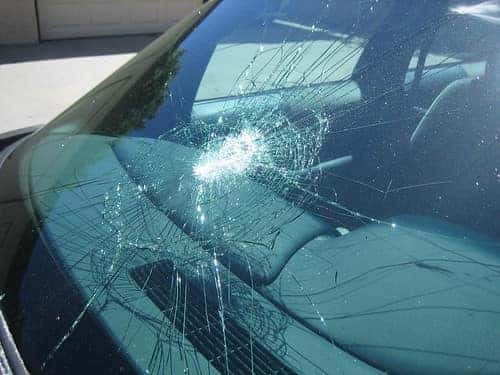
    Different cracks show different risks. Star cracks have lines spreading out like a star. They may get bigger with bumps or vibrations. Bullseye cracks form a circle and usually stay contained. Long cracks, also called stress cracks, spread fast. They weaken the windshield more than small chips. Knowing the crack type helps estimate how soon it might worsen.

    Weather And Temperature Effects

    Heat and cold affect windshield cracks. Hot weather makes glass expand and cracks grow. Cold causes glass to contract and can spread cracks too. Sudden temperature changes are the worst. For example, using hot water on a frozen windshield can cause cracks to spread fast. Rain can seep into cracks and weaken the glass. Driving in rough weather shakes the glass and can make cracks worse.

    When To Replace Vs. Repair

    Deciding between repairing or replacing a cracked windshield depends on several factors. The size, location, and depth of the crack affect the choice. Safety is a top concern. A small chip might be fixable, but a large crack often needs full replacement. Understanding when to repair or replace helps keep your car safe and road legal.

    Repair Eligibility Criteria

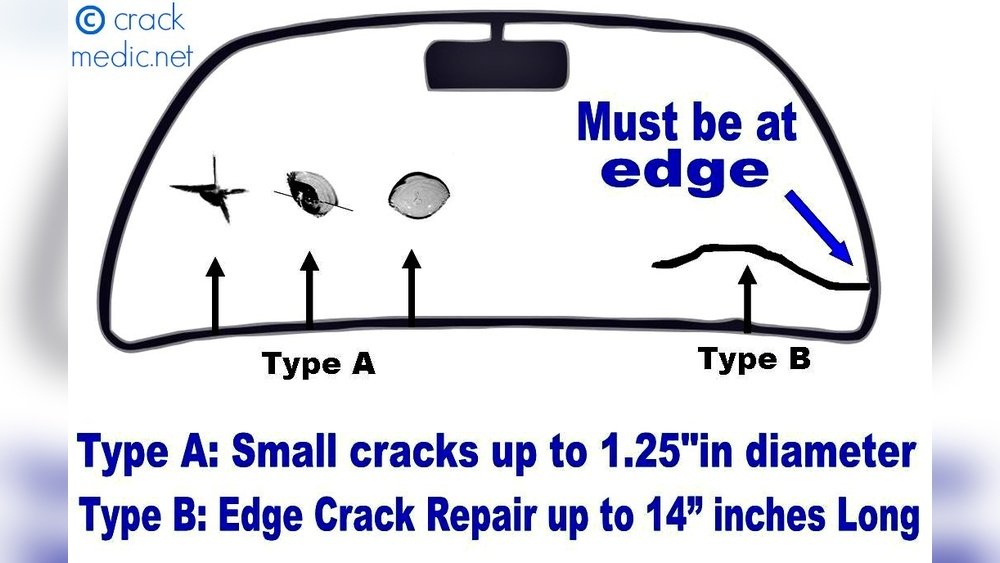
    Small chips or cracks less than six inches usually qualify for repair. Cracks that do not block the driver’s view are easier to fix. Repairs work best when damage is on the outer layer only. If the crack is clean and not spreading, repair is possible. Quick repair prevents dirt from entering and worsening the damage. Repair saves time and money compared to replacement.

    Signs You Need A Full Replacement

    Large cracks longer than six inches need full replacement. Cracks near the edges weaken the windshield’s strength. Damage that blocks the driver’s line of sight is unsafe. Multiple cracks or deep cracks through both layers require replacement. If the glass is shattered or spider-webbed, replace it immediately. A new windshield restores safety and visibility fully.

    Driving Tips With A Cracked Windshield

    Driving with a cracked windshield needs care and attention. Small cracks can grow fast if you do not handle your car properly. These tips help keep the crack from getting worse. They also keep you safe on the road.

    Avoiding Rough Roads

    Rough roads shake your car. This makes cracks spread quickly. Try to drive on smooth roads as much as possible. Slow down over bumps and potholes. This reduces the stress on your windshield.

    Controlling Temperature Changes

    Hot and cold changes can make cracks bigger. Avoid parking your car in direct sunlight. Use shade or a car cover if you can. In cold weather, warm up your car slowly. Sudden temperature changes cause glass to expand or shrink fast.

    Regular Monitoring

    Check your windshield every day. Look for new cracks or changes in size. Take photos to track the damage over time. Early spotting helps you decide when to fix or replace the glass. Stay alert to keep your windshield safe.

    Preventive Measures For Windshield Damage

    Preventive measures help protect your windshield from cracks and damage. Taking simple steps can save money and keep you safe. A strong windshield supports your car’s structure and keeps debris out.

    Small cracks can grow fast. Stopping damage early prevents costly repairs. Follow these tips to maintain a clear, strong windshield.

    Safe Driving Practices

    Drive carefully to avoid stones and debris hitting the glass. Keep a safe distance from trucks and construction zones. Avoid sudden stops and sharp turns that stress the windshield. Slow down on rough roads to reduce vibration damage.
    Parking Strategies

    Park your car in shaded or covered areas to protect from sun damage. Avoid parking under trees that drop branches or sap. Choose spots away from busy streets to reduce risk of accidents. Use a windshield cover in harsh weather to prevent cracks.

    Routine Maintenance

    Check your windshield regularly for small chips and cracks. Clean glass with gentle, non-abrasive products to avoid scratches. Replace worn windshield wipers to prevent streaks and damage. Fix small chips quickly to stop cracks from spreading.

    How Long Can You Drive With a Cracked Windshield: Safety Tips

    Credit: www.reddit.com

    Choosing A Repair Or Replacement Service

    Choosing the right service for windshield repair or replacement matters a lot. This decision affects your safety and the cost you pay. Pick a service that fits your needs and budget. Understanding key factors helps you make a smart choice.

    Certification And Experience

    Check if the technician is certified. Certification shows they have proper training. Experienced technicians handle repairs and replacements better. They know how to work with different car models. Trust services that have positive reviews and proven skills.

    Cost And Warranty Considerations

    Compare prices from different shops. Low cost may mean poor quality. High cost does not always guarantee the best work. Ask about warranties on parts and labor. A good warranty protects you against future problems. Choose a service with clear and fair warranty terms.

    Mobile Repair Options

    Mobile repair services come to your location. This saves time and effort. Mobile teams often handle small cracks well. They use special tools for quick fixes. Make sure the mobile service has good reviews. Confirm they offer the same quality as in-shop repairs.

    How Long Can You Drive With a Cracked Windshield: Safety Tips

    Credit: www.glasshopperautoglass.com

    Frequently Asked Questions

    How Long Is It Safe To Drive With A Cracked Windshield?

    Driving with a cracked windshield is risky. Minor cracks might last a few days, but they can worsen quickly. It’s best to repair or replace it promptly to ensure safety and avoid legal issues.

    Can I Drive With A Cracked Windshield Legally?

    Laws vary by location, but many places prohibit driving with significant windshield damage. Cracks that impair visibility can lead to fines or failed vehicle inspections. Check local regulations and repair your windshield as soon as possible.

    Does A Cracked Windshield Affect Car Safety?

    Yes, a cracked windshield compromises structural integrity. It reduces protection during accidents and increases the risk of the glass shattering. Fixing cracks promptly helps maintain vehicle safety and occupant protection.

    What Causes A Windshield Crack To Worsen?

    Temperature changes, road vibrations, and moisture can expand cracks quickly. Driving on rough roads or hitting bumps also worsens damage. Repairing cracks early prevents them from spreading and saves costs.

    Conclusion

    A cracked windshield can be dangerous and unsafe. Small cracks may last longer, but they can grow quickly. Driving with a damaged windshield reduces your view and increases risk. Fixing or replacing it soon keeps you safe on the road.

    Don’t wait until the crack gets worse. Take action early to avoid bigger problems. Your safety matters most every time you drive.

  • Can Rain Damage a Cracked Windshield? Shocking Truth Revealed!

    Can Rain Damage a Cracked Windshield? Shocking Truth Revealed!

    Have you ever noticed a small crack on your windshield and wondered if rain could make it worse? You might think a little water won’t cause much harm, but the truth could surprise you.

    Your cracked windshield is more fragile than you realize, and something as simple as rain might speed up the damage. If you want to protect your car and avoid costly repairs, it’s important to understand exactly how rain affects that crack.

    Keep reading to find out what really happens when water meets a damaged windshield—and what you should do next.

    Can Rain Damage a Cracked Windshield? Shocking Truth Revealed!

    Credit: www.windshieldexperts.com

    How Rain Interacts With Cracks

    Rain affects cracks in a windshield in several ways. The interaction between water and cracks can make damage worse. Understanding this helps protect your windshield and avoid costly repairs.

    Water Seepage And Expansion

    Water seeps into tiny cracks on the glass surface. Inside these cracks, water can expand when temperatures drop. This expansion pushes the glass apart, making cracks bigger. Over time, repeated wetting and drying worsen the damage.

    Effect Of Temperature Changes

    Rain cools the windshield, causing the glass to contract. When the sun returns, the glass heats up and expands. These constant changes in size stress the cracked area. This stress causes cracks to grow or spread further.

    Contaminants In Rainwater

    Rainwater often contains dirt, dust, and chemicals. These contaminants settle inside cracks and weaken the glass. Pollutants can also cause stains and corrosion around the damaged area. This makes repair more difficult and less effective.

    Can Rain Damage a Cracked Windshield? Shocking Truth Revealed!

    Credit: www.amazon.com

    Risks Of Driving With A Cracked Windshield In Rain

    Driving with a cracked windshield during rain brings many dangers. Water drops can blur the cracks, making it hard to see. Rain also adds pressure to the damaged glass, raising safety risks. The cracks might grow faster, leading to bigger problems on the road.

    Reduced Visibility Issues

    Rainwater collects in windshield cracks, distorting the driver’s view. Light reflects unevenly off the cracked surface. This reflection causes glare, making it tough to spot road signs or obstacles. Poor visibility increases chances of accidents, especially in heavy rain.

    Structural Weakness And Safety Concerns

    A cracked windshield loses strength. Rain adds weight and pressure to the glass. This weak glass may shatter more easily during sudden stops or collisions. The windshield protects you from flying debris and keeps the car’s roof stable. A damaged windshield fails to do these jobs well.

    Potential For Crack Growth

    Water seeps into cracks, making them worse over time. Temperature changes from rain can cause the glass to expand and contract. This movement spreads cracks quickly. Driving in rain puts extra stress on the windshield, helping cracks grow larger and deeper.

    Myths About Rain And Windshield Damage

    Many people worry about rain making cracks in windshields worse. Some think rain alone can break glass further. These ideas cause confusion and fear. It helps to clear up what is true and what is not.

    Rain Alone Can’t Cause New Cracks

    Rain is just water falling on glass. Water itself does not create new cracks. Cracks form from strong forces or impacts. Temperature changes can make cracks bigger, not rain. Wet glass does not suddenly break without other reasons.

    Common Misconceptions Debunked

    Some believe rain pressure can split glass. This is not true. The pressure of rain drops is too light to harm glass. Another myth says rain seeps into cracks and breaks glass. Water can enter cracks but does not cause breaking alone. Cracks grow mainly from stress, heat, or impacts, not water.

    Preventing Further Damage

    Rain can make a cracked windshield worse if you do not act fast. Water seeps into cracks and causes them to grow. Dirt and debris also enter, making damage deeper and harder to fix. Stopping this damage early saves money and keeps your car safe.

    Immediate Temporary Fixes

    Cover the crack with clear tape or a plastic sheet. This blocks water from entering the crack. Avoid using colored tape or stickers that can block your view. Dry the area before applying the tape for better hold. Do not try to drive fast or on rough roads until fixed.

    When To Seek Professional Repair

    Look for a windshield expert if the crack grows or spreads. Small chips under the size of a dollar can often be repaired. Large cracks or deep damage need full windshield replacement. Professionals use special tools to stop cracks from spreading. Early repair is cheaper and safer than waiting.

    Tips For Windshield Maintenance In Wet Conditions

    Keep your windshield clean to avoid dirt filling cracks. Use wipers regularly and change blades if they leave streaks. Park your car in covered areas to reduce rain exposure. Avoid sudden temperature changes; hot water on a cold windshield can cause more cracks. Check your windshield often during rainy seasons.

    Long-term Impact Of Ignoring Cracks

    Ignoring cracks on a windshield can cause serious problems over time. Small damage may seem harmless now but can grow larger. Rain, temperature changes, and road vibrations push cracks to spread. This leads to bigger issues that cost more and risk safety.

    Cost Implications

    Cracks often start small but get bigger quickly. Repairing a small chip costs less than replacing the whole windshield. Ignoring cracks means facing a full replacement later. Replacement is expensive and takes more time. Repairing early saves money and avoids extra costs.
    Safety Risks Over Time

    A cracked windshield is weaker and less safe. Cracks reduce the glass strength and visibility. Rain makes cracks harder to see and can distract drivers. Larger cracks may shatter in an accident. This puts passengers at greater risk of injury.

    Insurance Considerations

    Insurance may cover small repairs but not full replacements. Some policies require quick action to keep coverage. Delaying repair might lead to denied claims. Reporting damage early helps protect your rights. Keep records and photos for insurance purposes.

    Can Rain Damage a Cracked Windshield? Shocking Truth Revealed!

    Credit: www.treasurecoastlexus.com

    Frequently Asked Questions

    Can Rain Worsen A Cracked Windshield?

    Yes, rain can worsen a cracked windshield by seeping into the crack. Water causes expansion and increases damage. Over time, this can lead to a larger crack and costly repairs.

    Does Temperature Change Affect A Cracked Windshield In Rain?

    Yes, temperature changes during rain can cause the glass to expand and contract. This stress worsens the crack and may cause it to spread faster.

    Should I Avoid Driving In Rain With A Cracked Windshield?

    It’s best to avoid driving in heavy rain with a cracked windshield. Reduced visibility and weakened glass increase safety risks. Repair or replace the windshield promptly.

    Can Rainwater Cause Interior Damage Through A Cracked Windshield?

    Yes, rainwater can leak through a cracked windshield and damage the car interior. Water may harm electronics, upholstery, and cause mold growth inside the vehicle.

    Conclusion

    Rain can make a cracked windshield worse over time. Water seeps into cracks and causes damage inside the glass. Small cracks may grow larger, making driving unsafe. Fixing cracks quickly helps keep your windshield strong. Avoid waiting, as rain and weather make cracks spread.

    Taking care of your windshield protects you and your car. Stay safe by checking and repairing cracks soon. Don’t let rain turn a small crack into a big problem.

  • How to Inspect Car Glass for Safety: Essential Tips You Need Today

    How to Inspect Car Glass for Safety: Essential Tips You Need Today

    Your car’s glass does more than just keep the wind out—it protects you in ways you might not even realize. But how can you be sure your windshield and windows are safe enough?

    A small crack or chip might seem harmless now, but it could turn into a major hazard when you least expect it. If you want to keep yourself and your passengers safe on the road, knowing how to inspect your car glass properly is a must.

    You’ll discover simple, effective steps to check your car glass for safety, so you can drive with confidence every time you get behind the wheel. Keep reading to learn how to spot problems early and avoid costly, dangerous surprises.

    Signs Of Damaged Car Glass

    Damaged car glass can be a serious safety risk. It weakens the structure and can block your view. Detecting problems early helps prevent accidents. Watch for clear signs that show your glass needs attention.

    Cracks And Chips

    Cracks often start small but grow fast. A tiny chip can turn into a long crack. Even a small crack can reduce glass strength. Check for lines or breaks on the surface. Any crack or chip should be fixed quickly.

    Scratches And Pits

    Scratches and pits may look harmless. They can blur your vision, especially at night. Dirt and water can collect in scratches. This makes driving more dangerous in bad weather. Inspect your glass closely for rough spots or marks.

    Discoloration And Fogging

    Discoloration can cause glare and reduce visibility. Fogging inside the glass is a sign of seal failure. It happens when moisture gets trapped between layers. Both issues affect your ability to see clearly. Clean and clear glass keeps you safe on the road.

    How to Inspect Car Glass for Safety: Essential Tips You Need Today

    Credit: www.portlandglass.com

    Tools For Glass Inspection

    Inspecting car glass properly needs the right tools. These tools help find cracks, chips, and other problems. Using them makes sure the glass stays safe and strong.

    Each tool has a special job. Some help see small cracks. Others measure glass thickness. Safety gear protects you during inspection. These tools are easy to use and important for checking car glass.

    Flashlight And Magnifying Glass

    A flashlight shines light on the glass surface. It helps reveal tiny cracks and scratches. A magnifying glass makes small damage easier to see. Together, they spot problems that are hard to notice with the naked eye.

    Glass Thickness Gauge

    This tool measures the thickness of car glass. The right thickness keeps the glass strong. Thin or uneven glass may break easily. Using a thickness gauge helps check if the glass meets safety standards.

    Safety Gloves And Eye Protection

    Wearing safety gloves protects your hands from sharp glass edges. Eye protection guards your eyes from glass shards. These safety items reduce the risk of injury during inspection. Always use them before handling or checking glass.

    Step-by-step Inspection Process

    Inspecting car glass is important for safe driving. A clear and strong windshield protects you from road debris and bad weather. Follow these simple steps to check your car glass carefully. This helps spot cracks, chips, or other problems early.

    Exterior Glass Check

    Start by looking at the outside of the glass. Walk around your car and examine all windows and the windshield. Look for cracks, chips, or scratches. Small cracks can grow bigger while driving. Check if the glass is clean. Dirt or grime can hide damage. Shine a light on the glass to see tiny cracks better.

    Interior Glass Examination

    Next, inspect the glass from inside the car. Sit in the driver’s seat and look closely at the windshield and windows. Watch for any bubbles or fogging inside the glass. These signs mean moisture is trapped and can weaken the glass. Check for any chips or cracks on the inside surface too. Make sure the glass does not have scratches that block your view.

    Checking Glass Seals And Frames

    Finally, check the seals and frames around the glass. Look for gaps, cracks, or loose rubber seals. Damaged seals let water and air into the car. This can cause foggy glass and rust around the frame. Press gently on the seals to see if they are firm. Replace any seals that look old or broken. A tight seal keeps the glass secure and protects the car interior.

    How to Inspect Car Glass for Safety: Essential Tips You Need Today

    Credit: www.nachi.org

    Assessing Glass Safety Standards

    Assessing glass safety standards is important for your car’s protection. Car glass must meet strict rules to keep passengers safe. Knowing these standards helps you spot safe glass from unsafe glass. It also guides you in choosing the right replacement glass. This section explains key points about glass safety standards.

    Laminated Vs Tempered Glass

    Laminated glass has two layers of glass with a plastic layer between. This plastic holds the glass together during a break. It stops sharp pieces from flying. Laminated glass is mainly used for windshields. Tempered glass is heat-treated to be strong and breaks into small pieces. It is used for side and rear windows. Both types protect differently but meet safety needs.

    Certification Labels To Look For

    Car glass should have certification labels. These show the glass meets safety laws. Look for marks like DOT (Department of Transportation) or ECE (Economic Commission for Europe). These labels prove the glass passed tests. The labels usually appear in a corner of the glass. Avoid glass without proper certification.

    Impact Resistance Ratings

    Impact resistance ratings tell how strong the glass is. They measure how well glass can handle hits or crashes. Higher ratings mean better protection. Ratings come from tests that simulate real accidents. Check these ratings before buying or replacing glass. Strong glass reduces injury risk in collisions.

    Common Glass Repair Techniques

    Car glass damage affects safety. Small chips or cracks can worsen quickly. Repairing glass early keeps you safer and saves money. Different techniques fix various types of damage. Knowing these methods helps you decide the best action for your car.

    Chip Repair Kits

    Chip repair kits fix small chips on car glass. These kits include resin and tools to fill the chip. Resin seals the damage and stops it from growing. Using a kit is simple and cost-effective. Apply resin carefully and let it cure under sunlight or UV light. This method works best for chips smaller than a quarter.

    Crack Sealing Methods

    Crack sealing repairs longer cracks in the glass. A special resin is injected into the crack. This resin bonds the glass and prevents spreading. The process requires cleaning the crack first. After injection, the resin cures and hardens. Crack sealing is a temporary fix for cracks up to 6 inches long. Larger cracks usually need full replacement.

    When To Replace The Glass

    Replace the glass if damage is severe. Large cracks or multiple chips weaken the glass structure. Damage near the edges is dangerous and hard to repair. Also, if cracks block the driver’s view, replacement is necessary. Safety laws may require glass replacement for certain damages. Always consult a professional to assess if replacement is needed.

    Preventing Future Glass Damage

    Preventing future glass damage is key to keeping your car safe. Small cracks or chips can grow and reduce visibility. Proper care helps you avoid costly repairs and keeps your glass strong. Follow these simple tips to protect your car glass every day.

    Safe Driving Habits

    Drive carefully on rough roads. Avoid sudden stops near construction sites. Keep a safe distance from trucks to reduce rock chips. Slow down on gravel roads to prevent flying debris. These habits lower the chance of glass damage.

    Proper Cleaning Techniques

    Use soft cloths to clean your car glass. Avoid abrasive materials that cause scratches. Choose mild, non-ammonia cleaners made for car glass. Clean gently to avoid pressure cracks. Regular cleaning keeps the glass clear and safe.

    Parking And Storage Tips

    Park away from trees and places with heavy foot traffic. Avoid spots under loose branches or near construction. Use a garage or covered area to shield the glass from weather. Proper parking reduces risks from falling objects and extreme conditions.

    Professional Inspection And Maintenance

    Professional inspection and maintenance ensure your car glass stays safe and strong. Experts can spot hidden damage and fix it properly. This keeps your view clear and your car secure. Trusting skilled technicians helps avoid bigger problems later. Regular checks keep small cracks from growing into serious issues.

    When To Seek Expert Help

    Call a professional if you see chips, cracks, or scratches. Sudden damage after a stone hit needs quick attention. Also, if your glass wobbles or feels loose, get it checked. Strange noises while driving may signal glass problems. Early expert help prevents accidents and costly repairs.

    Choosing A Qualified Technician

    Pick a technician with proper training and experience. Check for certifications from recognized auto glass organizations. Read reviews to find trusted service providers. A good technician uses the right tools and quality materials. Clear communication and honest advice show professionalism.

    Regular Maintenance Schedule

    Set a routine for glass inspection every six months. Clean your glass gently to avoid scratches. Avoid sudden temperature changes that can cause cracks. Replace wipers regularly to prevent damage to the glass. Keep your car in a safe place to reduce risks.

    How to Inspect Car Glass for Safety: Essential Tips You Need Today

    Credit: taylorautoglass.com

    Frequently Asked Questions

    How Do I Check Car Glass For Cracks Safely?

    Inspect your car glass under bright light to spot cracks or chips. Use a magnifying glass for better visibility. Avoid touching damaged areas to prevent injury and further damage. Regular inspections help maintain safety and prevent costly repairs.

    What Tools Are Needed To Inspect Car Glass?

    A flashlight, magnifying glass, and a clean cloth are essential tools. These help identify chips, cracks, and dirt on the glass surface. Using the right tools ensures a thorough and safe inspection, improving your car’s safety.

    How Often Should Car Glass Be Inspected?

    Inspect your car glass at least once a month or after any impact. Regular checks help detect damage early, preventing accidents and costly replacements. Consistent inspections keep your vehicle safe and compliant with safety standards.

    Can Small Chips In Car Glass Be Repaired?

    Yes, small chips can usually be repaired by professionals to prevent cracks. Timely repairs restore glass strength and visibility, saving replacement costs. Ignoring chips may lead to larger cracks and safety hazards.

    Conclusion

    Checking your car glass often keeps you safe on the road. Small cracks can grow fast and block your view. Clear glass means better vision and fewer accidents. Use good light and a clean cloth to inspect. Fix or replace damaged glass without delay.

    A quick check saves money and stress later. Stay alert and protect yourself every time you drive. Safety starts with your car glass. Keep it strong, clear, and secure.

  • When Should Windshield Crack Be Repaired: Essential Timing Tips

    When Should Windshield Crack Be Repaired: Essential Timing Tips

    Have you noticed a crack spreading across your windshield? You might wonder if it’s something you can ignore or a problem that needs immediate attention.

    The truth is, knowing when to repair that crack can save you money, keep you safe, and protect your car’s value. You’ll discover the key signs that tell you exactly when it’s time to fix your windshield before the damage gets worse.

    Keep reading to learn how a simple decision now can prevent bigger headaches later.

    When Should Windshield Crack Be Repaired: Essential Timing Tips

    Credit: www.ultrabond.com

    Signs Of A Damaged Windshield

    A damaged windshield is not always easy to spot. Some signs show up quickly, while others grow over time. Knowing these signs helps you decide when to repair your windshield. Early repairs keep you safe and save money.
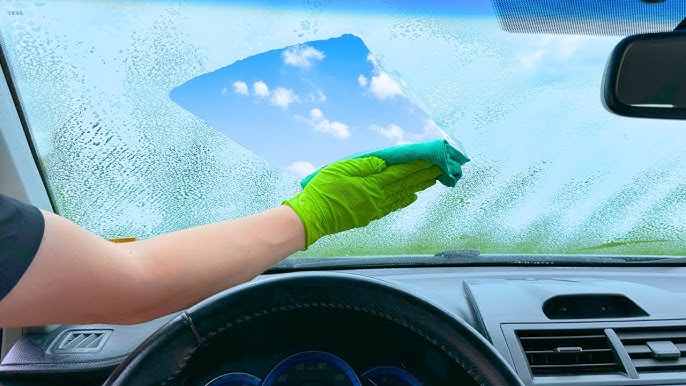
    Small Chips And Cracks

    Small chips often look like tiny dots or dings. They usually happen from small stones hitting the glass. Cracks can start tiny but may grow larger. These chips and cracks weaken the windshield’s strength. Repairing them early stops them from spreading.

    Spiderweb Cracks

    Spiderweb cracks spread out from a single point. They look like a spider’s web or a star. These cracks reduce visibility and make the glass fragile. Driving with spiderweb cracks is risky. They need quick attention to avoid bigger problems.

    Impact Spots

    Impact spots are areas where something hit hard. They often have a small hole or deep crack. These spots can cause the glass to shatter under pressure. Impact spots affect the windshield’s safety features. Fixing them fast is important for your protection.

    Risks Of Delaying Repairs

    Delaying windshield crack repairs can lead to serious problems. Small cracks may seem harmless at first. They can quickly grow and cause bigger issues. Understanding the risks helps you decide when to fix the damage.

    Safety Hazards

    A cracked windshield weakens your car’s structure. It may not protect you well in a crash. Cracks can block your view while driving. This increases the chance of accidents. Waiting to repair puts everyone at risk.

    Worsening Damage

    Cracks spread with time and stress. Heat, cold, and road bumps make cracks worse. A small chip can turn into a large crack. Once too big, it may need full windshield replacement. Early repair stops damage from growing.

    Cost Implications

    Fixing small cracks costs less than replacing a windshield. Ignoring damage can lead to expensive repairs later. Insurance might cover small repairs but not replacements. Timely action saves money and hassle.
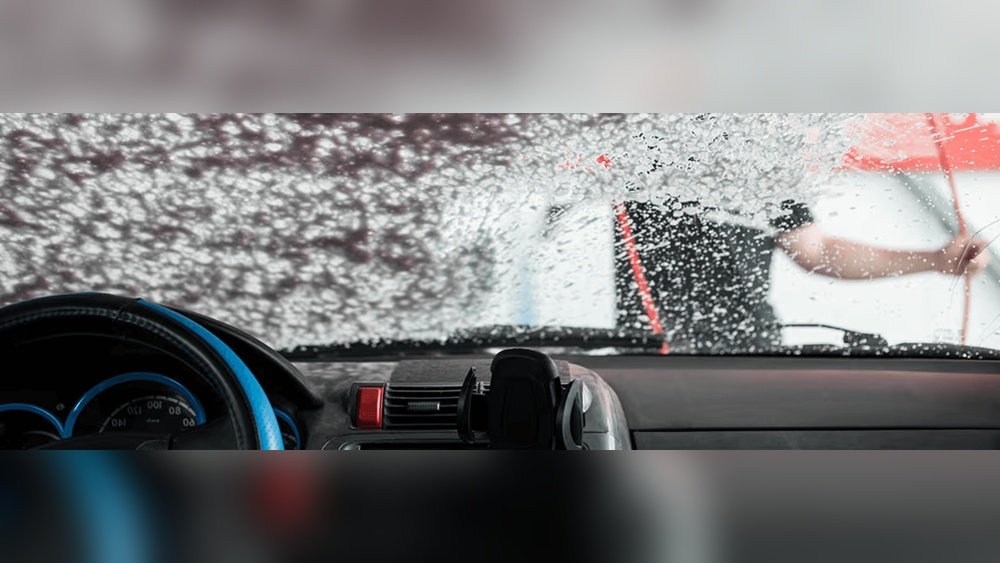
    Ideal Timeframe For Repairs

    Knowing the ideal time to repair a windshield crack helps avoid bigger problems. Cracks can grow quickly from heat, cold, or driving bumps. Fixing a crack soon can save money and keep your car safe.

    Immediate Fixes

    Small cracks or chips need quick repair. Fixing them fast stops dirt and moisture from entering. These elements can make the crack worse. Quick repairs keep the glass strong and clear.

    Window For Repair Vs Replacement

    Cracks shorter than 6 inches usually can be repaired. Larger cracks often need full windshield replacement. Location matters too. Cracks near the edge or driver’s view usually need replacement. Acting early keeps repair costs low and avoids replacement.

    When Should Windshield Crack Be Repaired: Essential Timing Tips

    Credit: bluediamondautoglass.com

    Factors Affecting Repair Timing

    Timing for windshield crack repair depends on several key factors. These factors help decide how soon you should fix the crack. Acting quickly can prevent further damage and keep you safe. Understanding these points makes it easier to choose the right time for repair.

    Each factor plays a role in the crack’s growth and the overall safety of your vehicle. Paying attention to these details can save money and avoid bigger problems later.

    Weather Conditions

    Weather has a big impact on windshield cracks. Hot weather makes glass expand, which can widen cracks quickly. Cold weather causes glass to contract, also making cracks worse. Rain and moisture can seep into the crack, weakening the glass. Repairing cracks before extreme weather hits is best to stop spreading.

    Type And Location Of Crack

    Different cracks need different repair times. Small chips and short cracks repair easily and fast. Long cracks or those near the edges are more risky. Cracks in the driver’s line of sight must be fixed right away. The location affects how the crack changes and how safe the windshield stays.

    Vehicle Usage

    How often and where you drive matters for repair timing. Daily drivers need quick fixes to avoid accidents or fines. Off-road or rough-road vehicles face more shaking, which can grow cracks faster. Less-used cars might allow a bit more time but repair remains important. Safety and clear vision should always come first.

    Choosing Repair Vs Replacement

    Deciding between repairing or replacing a cracked windshield is important. The right choice keeps you safe and saves money. Some cracks can be fixed easily. Others need a full replacement for safety reasons.

    When Repair Is Possible

    Small cracks or chips often qualify for repair. Repairs work best when damage is less than six inches long. Damage away from the edges is easier to fix. Repairs stop cracks from spreading further. A quick repair takes less time and costs less. It keeps the original windshield strong. Clear resin fills the crack and restores visibility. Repair works well if the crack is shallow. Repair does not weaken the windshield if done early.

    When Replacement Is Necessary

    Large cracks or chips usually need a full replacement. Damage longer than six inches often requires replacement. Cracks near the edges weaken the windshield’s structure. Deep cracks that reach inside layers cannot be repaired. A windshield with multiple cracks is unsafe to repair. Replacement restores full strength and safety. Severe damage can block your view while driving. Windshields with structural damage fail safety tests. Replacement takes more time but ensures lasting protection.

    When Should Windshield Crack Be Repaired: Essential Timing Tips

    Credit: www.krygerglass.com

    Preventive Measures After Repair

    After repairing a windshield crack, taking care of your glass is very important. Proper preventive steps can stop new cracks from forming. They also help keep the repair strong and long-lasting.

    Avoiding Stress On Glass

    Stress on the glass can cause the repaired area to weaken again. Avoid slamming car doors. Sudden shocks can harm the windshield. Park in shaded areas to reduce heat stress. Extreme temperature changes make glass expand and contract. This can lead to more cracks. Drive carefully on rough roads to avoid vibrations.
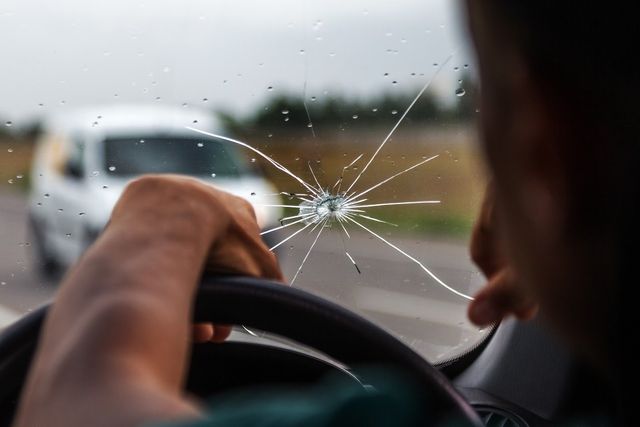
    Regular Inspection Tips

    Check your windshield often for small chips or cracks. Early signs can be fixed quickly. Use a clean cloth to wipe the glass and see damage clearly. If you spot any new cracks, visit a repair shop fast. Regular inspections help keep your windshield safe and clear.

    Frequently Asked Questions

    When Is The Best Time To Repair A Windshield Crack?

    Repair a windshield crack as soon as you notice it. Early repair prevents the crack from spreading and reduces repair costs. Delaying can lead to full windshield replacement, which is more expensive and time-consuming.

    How Large Can A Windshield Crack Be For Repair?

    Most cracks up to 6 inches long can be repaired. Small chips and cracks under this size usually don’t require full replacement. Larger cracks often need windshield replacement for safety reasons.

    Will Temperature Changes Affect Windshield Crack Repair Timing?

    Yes, temperature changes can make cracks worse quickly. Repairing cracks before extreme weather helps prevent spreading. Avoid waiting during cold or hot seasons for better repair results.

    Can All Types Of Windshield Cracks Be Repaired?

    Not all cracks can be fixed. Star breaks, bullseyes, and small cracks are repairable. Long, deep cracks or those on the edges often require full replacement for safety.

    Conclusion

    Small windshield cracks can quickly turn into big problems. Fixing cracks early saves money and keeps you safe. Cracks in the driver’s line of sight need fast repair. Temperature changes and bumps make cracks worse over time. Waiting too long may require a full windshield replacement.

    Always watch for new cracks or chips after damage. Prompt repair helps keep your windshield strong and clear. Don’t let a small crack become a costly issue. Act soon to protect your car and yourself.