Blog

  • How to Clean Car Windows Inside Without Streaks: Easy Expert Tips

    How to Clean Car Windows Inside Without Streaks: Easy Expert Tips

    You want your car windows spotless, right? But cleaning the inside without leaving streaks can feel tricky and frustrating.

    Imagine driving with crystal-clear windows that don’t fog up or blur your view. It’s easier than you think, and you don’t need fancy tools or expensive products. You’ll discover simple, effective steps to clean your car windows inside perfectly every time.

    Ready to see the road clearly and enjoy a safer drive? Let’s get started!

    Tools Needed

    Cleaning car windows inside without streaks needs the right tools. Using the best tools makes the job faster and easier. Proper tools help remove dirt and leave the glass clear and shiny. Below are the main tools you need to get the job done well.

    Best Cleaning Solutions

    Choose a cleaner made for glass surfaces. Avoid harsh chemicals that can damage tint or plastic parts. A mixture of water and vinegar works well to cut through grime. Commercial glass cleaners are also effective for streak-free results. Spray the solution lightly to avoid drips and spots.

    Types Of Cloths And Towels

    Use soft, lint-free cloths to clean windows. Microfiber towels work best because they trap dirt and absorb moisture. Avoid paper towels or rough fabrics that leave fibers or scratches. Have a dry cloth ready to buff the glass after cleaning. This step helps remove any leftover streaks.

    Additional Useful Items

    Use a spray bottle for even application of cleaning solution. A squeegee can help remove excess liquid quickly. Cotton swabs or small brushes are handy for cleaning corners and edges. Keep a clean bucket of water nearby for rinsing cloths during cleaning.

    How to Clean Car Windows Inside Without Streaks: Easy Expert Tips

    Credit: www.turtlewax.com

    Preparing Your Car

    Preparing your car before cleaning the inside windows is important. It helps achieve clear, streak-free glass. Proper preparation makes the cleaning process easier and more effective. Follow these simple steps to get your car ready.

    Park In Shade

    Choose a shaded spot to park your car. Direct sunlight heats the glass quickly. Warm glass causes cleaning solutions to dry too fast. This leads to streaks and marks. Shade keeps the glass cool for better cleaning results.

    Remove Dust And Debris

    Clear dust and loose dirt from the inside window surface. Use a soft cloth or microfiber towel. Wipe gently to avoid scratches. Removing debris prevents smearing when you apply cleaner. A clean surface ensures a spotless finish.

    Step-by-step Cleaning Process

    Cleaning the inside of car windows can be tricky. Streaks often spoil the clear view you want. Follow this step-by-step process to get spotless windows without streaks. Each step is simple and helps ensure a clean, clear finish.

    Initial Wipe Down

    Start by wiping the windows with a dry microfiber cloth. This removes dust and loose dirt. It prevents scratches during cleaning. Use gentle, circular motions for best results. Make sure to reach all corners and edges.

    Applying Cleaner

    Spray a window cleaner designed for glass. Avoid harsh chemicals that can damage tint or plastic. Apply the cleaner evenly but do not soak the surface. Too much liquid can drip and cause streaks. A light mist is enough to cover the glass.

    Wiping Techniques

    Use a clean microfiber cloth for wiping. Wipe in horizontal strokes first. Then follow with vertical strokes. This cross pattern helps remove dirt fully. Avoid pressing too hard; gentle pressure works best. Replace the cloth if it gets dirty during cleaning.

    Drying The Windows

    Use a dry microfiber cloth to finish. Dry the glass using soft, circular motions. This removes any leftover moisture and prevents streaks. Check the window from different angles. Repeat drying if you see any streaks or spots.

    How to Clean Car Windows Inside Without Streaks: Easy Expert Tips

    Credit: www.turtlewax.com

    Common Mistakes To Avoid

    Cleaning car windows inside sounds easy but often leads to streaks. Avoiding certain mistakes can help you get clear, spotless glass. These common errors make cleaning harder and less effective. Knowing what to avoid saves time and effort.

    Using The Wrong Cloth

    Not all cloths work well for cleaning windows. Rough or dirty fabrics leave scratches and streaks. Paper towels often shred and spread lint. Use a microfiber cloth instead. It traps dirt and dries without streaking.

    Cleaning In Direct Sunlight

    Sunlight heats the glass quickly. Cleaner dries too fast and leaves marks. Clean windows in shade or when the car is cool. This prevents streaks and spots from forming.

    Overusing Cleaner

    Too much cleaner makes the glass wet and hard to wipe. Excess liquid causes streaks and smears. Spray a small amount on the cloth, not directly on the glass. This controls the cleaner and improves results.

    Maintaining Clear Windows

    Keeping car windows clear inside makes driving safer. Dirt, dust, and smudges can block your view. Clean windows help you see better and avoid accidents. It also makes your car look neat and fresh. Simple steps can keep your windows spotless without streaks.

    Regular Cleaning Schedule

    Set a routine to clean your car windows often. Clean at least once every two weeks. This stops dirt from building up and becoming hard to remove. Use a clean microfiber cloth and a good glass cleaner. Wipe in circular motions, then finish with vertical strokes. Avoid cleaning in direct sunlight to prevent streaks.

    Tips For Quick Touch-ups

    For fast fixes, use a damp microfiber cloth. Lightly spray the cloth, not the window. Wipe away fingerprints or small spots quickly. Keep a small cleaning kit in your car for easy access. A quick wipe can keep windows clear between full cleanings.

    How to Clean Car Windows Inside Without Streaks: Easy Expert Tips

    Credit: www.youtube.com

    Frequently Asked Questions

    How Do I Clean Car Windows Inside Without Streaks?

    Use a microfiber cloth and a vinegar-water solution. Spray lightly, wipe in circular motions, then finish with vertical strokes. Avoid direct sunlight to prevent quick drying and streaks.

    What Is The Best Cleaner For Inside Car Windows?

    A mix of distilled water and white vinegar works best. It effectively removes dirt and grease without leaving residue or streaks on glass surfaces.

    Can I Use Paper Towels To Clean Car Windows Inside?

    Avoid paper towels as they can leave lint and streaks. Use a microfiber cloth instead for a smooth, streak-free finish on car windows.

    How Often Should I Clean Car Windows Inside?

    Clean car windows inside every two weeks or as needed. Regular cleaning prevents buildup of grime and ensures clear visibility and safety while driving.

    Conclusion

    Cleaning car windows inside without streaks takes patience and the right tools. Use a good cleaner and soft cloth for best results. Wipe in circular motions and dry the glass well. Avoid harsh cleaners that leave marks or haze. Regular cleaning keeps windows clear and safe to drive.

    A clean window means better visibility and a nicer ride. Try these simple steps next time you clean your car’s inside windows. You will see the difference instantly. Clear windows make every drive safer and more pleasant.

  • What Makes Automotive Glass Safe: Key Features You Must Know

    What Makes Automotive Glass Safe: Key Features You Must Know

    Have you ever wondered why your car’s windshield doesn’t shatter like a regular window when hit? What makes automotive glass so reliable and safe for you every time you drive?

    Understanding the secrets behind automotive glass safety can change how you view your car’s protection. You’ll discover the clever design and technology that keep you safe on the road, making every trip more secure. Keep reading to learn what really makes automotive glass a critical part of your safety.

    What Makes Automotive Glass Safe: Key Features You Must Know

    Credit: www.amazon.com

    Types Of Automotive Glass

    Automotive glass plays a crucial role in vehicle safety. Different types of glass protect passengers and drivers in various ways. Each type has unique features that help reduce injury during accidents. Understanding these types helps explain why automotive glass is safe and reliable.

    Laminated Windshields

    Laminated windshields consist of two layers of glass with a plastic layer between. This plastic layer holds the glass pieces together if it breaks. It prevents sharp glass from flying inside the car. Laminated windshields also reduce noise and block harmful UV rays. They provide strong protection against impacts and keep passengers safe.

    Tempered Side And Rear Windows

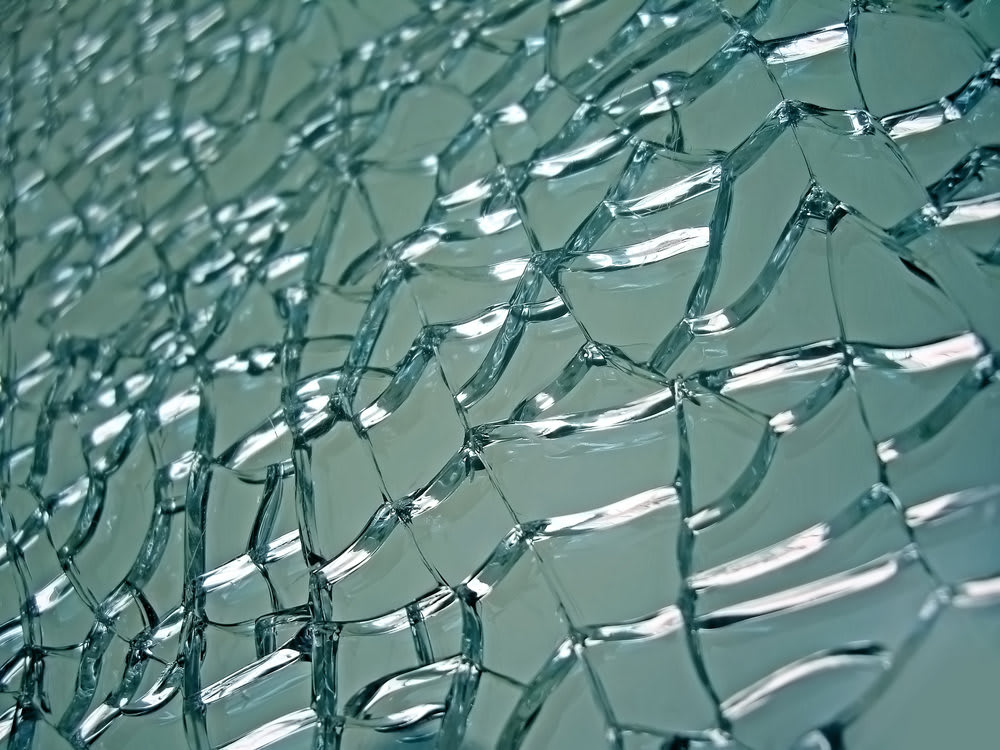
    Tempered glass is used for side and rear windows. It is heated and cooled quickly to increase strength. When tempered glass breaks, it shatters into tiny, blunt pieces. This reduces the risk of cuts and injuries. Tempered glass is less likely to break from small impacts. It offers good safety while allowing clear visibility for drivers.

    What Makes Automotive Glass Safe: Key Features You Must Know

    Credit: www.plasticsengineering.org

    Safety Standards And Regulations

    Automotive glass plays a key role in protecting passengers during crashes and road incidents. Safety standards and regulations guide manufacturers in making glass that meets strict safety requirements. These rules ensure glass is strong, clear, and breaks safely.

    Meeting these standards helps reduce injuries and saves lives. Different countries follow specific codes and tests. Understanding these rules reveals why automotive glass is safe for drivers and passengers.

    Federal Motor Vehicle Safety Standards

    The Federal Motor Vehicle Safety Standards (FMVSS) set rules for automotive glass in the United States. FMVSS 205 focuses on glazing materials like windshields and side windows.

    This standard requires glass to resist impact and stay intact on impact. Laminated glass is common for windshields. It holds together even if it cracks, preventing sharp pieces from flying.

    FMVSS also demands clear visibility and limits light distortion. The glass must not block the driver’s view or cause distractions.

    International Safety Codes

    Outside the U.S., many countries follow international safety codes. The Economic Commission for Europe (ECE) sets regulations like ECE R43 for automotive glass.

    This code tests glass for impact resistance, light transmission, and durability. It ensures the glass can handle different weather and road conditions.

    Automakers worldwide often comply with these codes. Compliance helps cars sell across borders and keeps passengers safe everywhere.

    Impact Resistance

    Impact resistance is a key factor in automotive glass safety. It helps protect passengers by absorbing and reducing the force of collisions. This strength prevents glass from breaking easily on impact. The design and materials work together to keep glass intact under stress.

    Strength Against Collisions

    Automotive glass is made to resist strong impacts from accidents. It uses tough materials that absorb energy from collisions. This helps stop the glass from shattering into sharp pieces. The glass can handle hits from stones, debris, and crashes without breaking.

    Windshields have layers of glass and plastic combined. This layered structure increases strength. It holds the glass together even after a big hit. This protects passengers from flying glass shards.

    Shatterproof Design

    Safety glass includes a special plastic layer between two glass sheets. This layer keeps the glass from breaking apart. If the glass cracks, it holds the pieces in place. This stops sharp glass from hurting people inside the car.

    Side and rear windows use tempered glass. This glass breaks into tiny, dull pieces instead of sharp shards. This reduces the chance of serious injury during accidents. Both tempered and laminated glass designs focus on safety and impact resistance.

    Uv Protection Features

    Automotive glass today offers special UV protection features. These features keep harmful rays from entering the car. They help protect the skin and the car’s interior. UV protection also improves the driving experience by reducing glare and heat.

    Blocking Harmful Rays

    UV rays can damage skin and cause sunburn. Automotive glass blocks most of these rays. This reduces the risk of skin problems for passengers. It also stops UV rays from fading car seats and dashboards. The glass uses special coatings or films to block UV light.

    Enhancing Passenger Comfort

    UV protection helps keep the car cooler. It reduces the heat inside during sunny days. Passengers feel more comfortable without strong sunlight burning their skin. The glass also lowers glare, making driving safer. This creates a pleasant and safe environment inside the vehicle.

    Sound Insulation Properties

    Automotive glass plays a big role in making the car quiet and comfortable. One key feature is its sound insulation properties. This means the glass helps block outside noise from entering the vehicle. It creates a peaceful space inside.

    Good sound insulation improves the driving experience. It lets drivers and passengers talk, listen to music, or relax without loud interruptions. The glass design and materials are very important for this.

    Reducing Road Noise

    Road noise comes from tires, engines, and wind. Automotive glass reduces this noise by using special layers. Laminated glass has a plastic layer that absorbs sound waves. This stops noise from passing through easily.

    Thicker glass also helps lower noise levels. It acts like a barrier, blocking sounds from cars and trucks outside. This makes the ride calmer and less tiring.

    Improving Cabin Quietness

    Quiet cabin means less stress and better focus. Automotive glass keeps the inside sound peaceful by stopping outside noise. It works with other parts like door seals and insulation materials.

    Some car windows use double or triple layers of glass. These layers trap air and reduce vibrations. The result is a smooth, quiet environment inside the car.

    What Makes Automotive Glass Safe: Key Features You Must Know

    Credit: www.safelite.com

    Visibility Enhancements

    Visibility is key to safe driving. Clear automotive glass helps drivers see the road and hazards ahead. Visibility enhancements improve safety and comfort. These enhancements reduce glare and repel water. They make driving easier in different weather conditions.

    Anti-glare Coatings

    Anti-glare coatings reduce bright light reflections on glass. They help drivers see better in sunlight or at night. These coatings lower eye strain and fatigue. They improve focus on the road. Anti-glare coatings work by scattering light evenly. This prevents sudden bright spots from blocking vision.

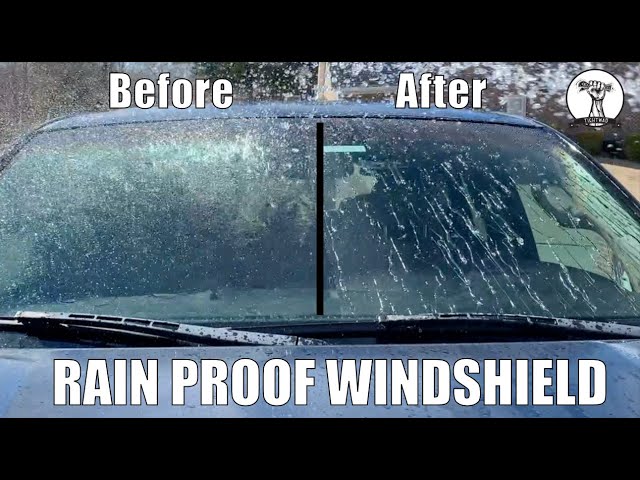
    Hydrophobic Treatments

    Hydrophobic treatments repel water on the glass surface. Rain and moisture bead up and slide off quickly. This keeps the windshield clear during rain. It helps maintain good visibility without constant wiping. Hydrophobic coatings also reduce dirt buildup. Clean glass means safer driving in wet weather.

    Repair And Replacement Insights

    Automotive glass keeps drivers safe by staying strong and clear. Repairs and replacements help maintain this safety. Knowing how repair and replacement work helps you keep your vehicle secure. This section explains key points about fixing and changing automotive glass.

    Crack Repair Techniques

    Small cracks do not always need full replacement. Special resins fill the cracks and bond the glass. This stops cracks from growing bigger. The repair also keeps the glass strong. Professionals use tools to clean and dry the damaged area first. Then they inject resin and cure it with light. This process takes less time and costs less than replacement. The repaired glass stays clear and safe for driving.

    When To Replace Glass

    Some damage is too big for repair. Large cracks or broken glass need replacement. Damage near the edges weakens the whole glass. Deep cracks or shattered sections reduce visibility. Replacement restores full strength and safety. Experts remove the old glass carefully. New glass fits perfectly and meets safety rules. Timely replacement prevents accidents and keeps the vehicle safe.

    Frequently Asked Questions

    What Materials Are Used In Automotive Glass Safety?

    Automotive glass typically uses laminated and tempered glass. Laminated glass has a plastic layer that holds shards together. Tempered glass is heat-treated to shatter into small, blunt pieces. These materials reduce injury risk during accidents and improve overall safety.

    How Does Laminated Glass Protect Passengers?

    Laminated glass has a plastic interlayer that keeps glass shards intact upon impact. This prevents glass from breaking into sharp pieces. It reduces the chance of passenger injury and maintains visibility. Laminated glass also enhances vehicle structural integrity during collisions.

    Why Is Tempered Glass Important In Car Windows?

    Tempered glass is heat-treated to increase strength. It shatters into small, blunt pieces instead of sharp shards when broken. This reduces the risk of serious cuts during accidents. Tempered glass is commonly used in side and rear windows for safety.

    How Does Automotive Glass Improve Driver Visibility?

    Automotive glass is designed to resist fogging and reduce glare. It often includes coatings that filter UV rays and enhance clarity. Clear visibility helps drivers react faster and avoid accidents. Quality glass also resists scratches and chips that impair vision.

    Conclusion

    Automotive glass keeps drivers and passengers safe every day. It is made strong to resist cracks and breaks. Special layers hold the glass together during accidents. This prevents sharp pieces from causing harm. Proper design also helps with clear vision on the road.

    Choosing quality glass means better protection for everyone inside. Safety is not just about driving carefully. The right glass plays a big role too. Remember, safe glass helps save lives and reduce injuries. It is an important part of every vehicle’s safety system.

  • How to Prevent Side Window Glass Break: Essential Safety Tips

    Have you ever worried about your car’s side window glass suddenly breaking? It’s a scary thought, but the good news is you can take simple steps to keep your windows safe and sound.

    Imagine avoiding costly repairs, keeping your belongings secure, and driving with peace of mind every day. You’ll discover easy and effective ways to prevent side window glass breakage. Keep reading to learn how small actions can make a big difference in protecting your car and your wallet.

    How to Prevent Side Window Glass Break: Essential Safety Tips

    Credit: www.wjcl.com

    Common Causes Of Side Window Breakage

    Side window glass can break due to several common reasons. Knowing these causes helps protect your vehicle better. Understanding the risks lets you take steps to avoid damage.

    Impact From Debris And Objects

    Flying rocks, tree branches, or road debris can hit side windows. Even small stones can cause cracks or chips. Sudden impacts weaken the glass and may lead to full breakage. Careful driving and avoiding rough roads can reduce this risk.

    Thermal Stress And Temperature Changes

    Glass expands and contracts with temperature shifts. Quick changes, like pouring cold water on a hot window, stress the glass. This stress creates cracks that spread over time. Parking in shaded areas and avoiding harsh temperature swings helps prevent damage.

    Faulty Installation Or Manufacturing Defects

    Improper window installation can weaken the glass. Poor sealing or alignment puts pressure on the edges. Manufacturing flaws may cause hidden weak spots. These issues increase the chance of breakage even with minor impacts. Regular checks and professional installation are key.

    How to Prevent Side Window Glass Break: Essential Safety Tips

    Credit: www.safelite.com

    Choosing Durable Window Glass

    Choosing the right window glass helps prevent side window breakage. Durable glass can protect your home and keep you safe. It also saves money on repairs and replacements. Understanding the types of strong glass makes choosing easier.

    Some glass types are made to hold up better under pressure. Others keep sharp pieces together if broken. Knowing these differences guides you to the best choice for your windows.

    Tempered Vs. Laminated Glass

    Tempered glass is heat-treated to be stronger than regular glass. It breaks into small, blunt pieces, reducing injury risk. Laminated glass has a plastic layer between two glass sheets. This layer holds glass shards in place if broken.

    Tempered glass is good for resisting impacts and quick breakage. Laminated glass offers better protection against forced entry and weather. Both types reduce the chance of dangerous shards on breakage.

    Benefits Of Safety Glass Options

    Safety glass options improve home security and personal safety. They also reduce noise and block harmful UV rays. These glasses last longer and need fewer repairs over time.

    Using safety glass lowers the chance of accidents and damage. It adds value to your home by enhancing protection. Choosing safety glass is a smart step to keep windows strong.

    Proper Installation Techniques

    Proper installation techniques play a key role in preventing side window glass breakage. Correct methods ensure the glass fits well and stays secure. This reduces the risk of cracks or shattering from stress or impacts.

    Careful installation also helps maintain the window’s strength and durability. It protects against weather damage and vibrations from driving. Following best practices keeps your side windows safe and long-lasting.

    Hiring Professional Installers

    Choosing skilled professionals is vital for proper window installation. Experts know how to handle glass safely. They use the right tools and materials for a perfect fit.

    Professionals check for any defects or weaknesses before installation. They ensure the glass is placed without pressure points. This prevents stress cracks and future breakage.

    Ensuring Secure Frame And Seal

    The frame must hold the glass tightly in place. A loose frame allows the glass to move and crack. Installers use high-quality seals to prevent gaps.

    Strong seals keep out water, dust, and air. They support the glass against vibrations and shocks. Proper sealing extends the life of your side window glass.

    Regular Maintenance And Inspection

    Regular maintenance and inspection help keep side window glass strong. Small problems can turn into big cracks. Checking your windows often saves money and stress. It also keeps you safe on the road.

    Checking For Cracks And Chips

    Look closely at your side window glass. Find any cracks or chips early. Even tiny cracks can grow larger. Use a bright light and clean cloth to see clearly. Check corners and edges carefully. Report any damage to a professional quickly.

    Cleaning Tips To Avoid Damage

    Use soft cloths or sponges for cleaning windows. Avoid rough materials that can scratch glass. Use mild soap and water, not harsh chemicals. Do not spray cleaner directly on the glass. Spray on the cloth first to prevent drips. Clean regularly to remove dirt and grit that cause scratches.

    Protective Measures For Extreme Conditions

    Extreme weather can damage side window glass easily. Heat, cold, and sudden changes stress the glass. Taking steps to protect your windows helps prevent cracks and breaks. These measures keep your car safe and save money on repairs.

    Using Window Films And Coatings

    Window films add a strong layer to your glass. They reduce heat from the sun and block harmful UV rays. This keeps the glass cooler and less likely to crack. Some coatings also protect against scratches and chips. Applying these films is an easy way to strengthen your windows.

    Avoiding Sudden Temperature Changes

    Glass breaks when exposed to quick temperature shifts. Avoid pouring hot water on frozen windows. Use a scraper or defroster instead. Park your car in shaded or covered areas to reduce heat buildup. Gradually cool or warm the glass to prevent stress. Taking time helps the glass adjust without damage.

    Safety Habits To Prevent Accidental Breakage

    Preventing accidental breakage of side window glass relies heavily on safe habits. These habits reduce risks and keep your windows intact. Small, careful actions can make a big difference. Focus on how you handle windows and what you keep nearby.

    Handling Windows With Care

    Always open and close windows slowly. Avoid pushing or slamming them. Use both hands to support the glass. This lowers pressure on the edges and stops cracks. Check for any small chips or cracks regularly. Fixing minor damage early prevents bigger breaks.

    Keeping Sharp Objects Away

    Keep keys, tools, and other sharp items far from windows. Even small scratches can weaken glass over time. Avoid placing objects near the window edges. Store sharp items in drawers or boxes. This habit protects your windows from accidental hits and scratches.

    How to Prevent Side Window Glass Break: Essential Safety Tips

    Credit: www.wideworldofindoorsports.com

    Frequently Asked Questions

    How Can I Protect Side Window Glass From Breaking?

    Use laminated or tempered glass for extra strength. Apply protective films to absorb impact. Avoid parking under trees or in crowded areas to reduce damage risk.

    What Are Common Causes Of Side Window Glass Breakage?

    Side window glass often breaks due to accidents, vandalism, or extreme weather. Debris or rocks hitting the glass can also cause cracks or shattering.

    Can Window Tinting Prevent Side Window Glass Break?

    Window tinting adds a protective layer that holds glass shards if broken. It reduces UV damage and can slightly strengthen the window against minor impacts.

    How Do I Repair Small Cracks In Side Window Glass?

    Small cracks can be fixed using glass repair kits or professional services. Prompt repair prevents cracks from spreading and avoids costly replacements.

    Conclusion

    Protecting your car’s side windows is simple with the right steps. Keep sharp objects away and park in safe spots. Use window films or protectors for extra strength. Regularly check for cracks or weak spots. Small actions prevent costly repairs later.

    Stay alert and take care of your vehicle daily. Safe windows mean peace of mind on every trip. Remember, a little effort goes a long way to keep glass intact.

  • How Often Glass Safety Should Be Checked: Essential Inspection Tips

    How Often Glass Safety Should Be Checked: Essential Inspection Tips

    Have you ever stopped to think about how safe the glass around you really is? Whether it’s your home windows, office doors, or even your car windshield, glass safety is something you might be overlooking.

    But here’s the truth: glass can weaken over time and pose serious risks if not checked regularly. You need to know how often glass safety should be checked to protect yourself and your loved ones. Keep reading, and you’ll discover simple yet powerful tips to keep your environment safe and secure.

    Don’t wait for an accident to happen—your peace of mind starts with understanding this crucial safety step.

    Importance Of Glass Safety

    Glass is everywhere—in homes, offices, and public places. It looks beautiful and lets in light. Yet, it can break or crack without warning. This can cause serious injuries or damage. That is why glass safety matters a lot.

    Regular checks keep glass strong and safe. They help find small cracks before they grow. Early fixes stop accidents and save money. Safe glass protects people and property.

    Protecting Lives

    Broken glass can cut skin or cause falls. Safety checks reduce these risks. They ensure glass panels hold firm under pressure. This protects everyone who uses the space.

    Preventing Property Damage

    Cracked glass can worsen and shatter. This may harm furniture, floors, or electronics. Timely checks catch issues early. Fixing glass on time avoids costly repairs.

    Meeting Legal Standards

    Many places require glass safety rules. Businesses and homeowners must follow these laws. Regular inspections help meet these standards. This prevents fines and legal trouble.

    Maintaining Aesthetic Appeal

    Clean, intact glass looks great. Damaged glass spoils the look of buildings. Safety checks keep glass clear and flawless. This helps maintain a good impression.

    Common Glass Hazards

    Glass safety is very important for homes and workplaces. Glass can break or cause injury if it is not checked often. Knowing common glass hazards helps keep everyone safe. These hazards can appear slowly or suddenly. Regular checks catch problems early before accidents happen.

    Cracks And Chips

    Cracks and chips weaken glass strength. They can grow bigger with time. Even small cracks may lead to glass breaking. Check glass surfaces closely for any marks. Fix or replace damaged glass quickly to avoid risks.

    Loose Or Damaged Frames

    Frames hold glass in place securely. Loose or damaged frames make glass unstable. This can cause glass to fall or shatter. Inspect frames for rust, bends, or gaps. Tighten or repair frames to keep glass safe.

    Improper Installation

    Glass installed wrong can be dangerous. It may not fit well or support weight. Poor installation increases breakage chances. Always use professionals for glass fitting. Check installation quality during safety inspections.

    Wear And Tear Over Time

    Glass and frames wear down over years. Sun, wind, and weather cause damage. Old seals may fail and let moisture in. Regular maintenance slows down wear effects. Replace aging glass parts to maintain safety.

    Recommended Inspection Frequency

    Checking glass safety often keeps homes and buildings secure. Regular inspections help find cracks or damage early. This prevents accidents and costly repairs. Different places need different inspection schedules.

    Residential Settings

    In homes, inspect glass every year. Look closely at windows, doors, and glass railings. Homes with children or pets need more checks. Regular checks keep families safe from broken glass.

    Commercial Buildings

    Commercial buildings need glass safety checks twice a year. High traffic areas face more wear and tear. Inspect storefronts, glass walls, and doors carefully. Frequent checks reduce risks for employees and visitors.

    Public Spaces

    Public spaces require quarterly glass safety inspections. Parks, malls, and transit areas see many people daily. Damage can cause serious injuries here. Frequent checks ensure public safety and avoid liability issues.

    How Often Glass Safety Should Be Checked: Essential Inspection Tips

    Credit: www.laborlawcenter.com

    Inspection Methods

    Regular checks are essential to keep glass safe. Different methods help find problems early. These inspections prevent accidents and maintain strength. Understanding each method helps you keep glass secure.

    Visual Checks

    Look closely at the glass surface for cracks or chips. Check edges and corners carefully. Dirty glass can hide damage, so clean it first. Small scratches might grow into bigger cracks over time. Visual checks are quick and easy to do daily.

    Professional Assessments

    Experts use special skills to check glass safety. They spot hidden problems that are hard to see. Professionals test glass strength and stability. Regular professional checks ensure long-term safety. Hire them at least once a year for best results.

    Use Of Technology

    Tools like ultrasonic devices detect internal damage in glass. Infrared cameras show heat patterns that reveal weaknesses. Technology helps find risks without breaking the glass. It makes inspections more accurate and reliable. These tools support both visual and professional checks.

    Signs Glass Needs Immediate Attention

    Glass safety needs regular checks to prevent accidents. Some signs show glass needs quick attention. These signs help avoid injuries and costly repairs. Watch for any unusual changes in your glass.

    Visible Damage

    Cracks, chips, or scratches are clear warning signs. Even small cracks can grow bigger over time. Damage weakens the glass and makes it unsafe. Check all glass surfaces carefully and often.

    Unusual Noises

    Listen for any strange sounds near glass areas. Creaking or popping noises may mean stress inside the glass. These sounds can signal that the glass is about to break. Do not ignore noises that seem out of place.

    Movement Or Instability

    Glass should stay firm and steady in its frame. Any wobbling or shaking means the glass is loose. Loose glass can fall or shatter unexpectedly. Secure or replace glass that moves under pressure.

    How Often Glass Safety Should Be Checked: Essential Inspection Tips

    Credit: quimipol.com

    Maintenance Tips To Enhance Glass Safety

    Maintaining glass safety requires regular attention and care. Small actions can prevent accidents and extend the life of your glass surfaces. Follow these simple tips to keep glass safe and strong.

    Regular Cleaning

    Clean glass often to spot cracks and dirt early. Use soft cloths and gentle cleaners. Avoid harsh chemicals that can damage the surface. Clear glass improves visibility and helps find problems fast. A clean surface also reduces slipping risks on glass floors or stairs.

    Prompt Repairs

    Fix chips and cracks as soon as you see them. Small damage can grow and cause glass to break suddenly. Use professional repair services for best results. Delaying repairs puts people at risk and can increase repair costs later.

    Proper Usage

    Use glass surfaces carefully to avoid stress and damage. Do not place heavy objects on glass tables or shelves. Avoid sudden impacts or temperature changes that can cause cracks. Teach family members or employees safe handling to prevent accidents.

    Legal And Safety Standards

    Legal and safety standards guide how often glass safety checks must occur. These rules protect people from accidents and injuries caused by faulty glass. Following these standards helps avoid legal trouble and ensures safe environments.

    Glass safety inspections must meet specific laws and regulations. These differ based on the location and type of building. Regular checks reduce risks and keep the glass in good condition.

    Building Codes And Regulations

    Building codes require glass to meet safety criteria. These codes set the minimum frequency for inspections. They also specify the types of glass allowed in certain areas. Meeting these codes is mandatory for all property owners.

    Workplace Safety Laws

    Workplaces must follow safety laws to protect employees. Glass in offices and factories needs regular inspection. These laws often demand checks at least once a year. Proper documentation of inspections is also required.

    Insurance Requirements

    Insurance companies may require proof of glass safety checks. Regular inspections can lower insurance premiums. They also help in making claims easier if accidents happen. Missing inspections can lead to denied claims or higher costs.

    Industry Standards

    Certain industries have strict glass safety standards. Hospitals, schools, and public buildings must follow these closely. These standards often call for more frequent checks. They aim to protect large groups of people.

    How Often Glass Safety Should Be Checked: Essential Inspection Tips

    Credit: collisionhub.com

    Frequently Asked Questions

    How Often Should Glass Safety Be Inspected?

    Glass safety should be inspected at least once a year. Regular checks help identify cracks, chips, or loose fittings early. Frequent inspections prevent accidents and maintain safety standards effectively.

    What Are Key Signs Of Unsafe Glass?

    Key signs include visible cracks, chips, discoloration, and loose frames. Any damage can weaken the glass and increase accident risk. Immediate repair or replacement is essential for safety.

    Who Should Perform Glass Safety Checks?

    Certified professionals or trained maintenance staff should perform glass safety checks. They have the expertise to spot potential hazards accurately. Proper inspection ensures compliance with safety regulations.

    Can Diy Glass Safety Checks Be Reliable?

    DIY checks can identify obvious damage but lack professional thoroughness. Trained experts use specialized tools for detailed inspections. Professional checks are recommended for comprehensive safety assurance.

    Conclusion

    Regular checks keep glass safe and prevent accidents. Cracks and chips can grow if ignored. Safety checks help spot problems early. They protect your home, office, and loved ones. Glass near doors and windows needs more attention. Set a schedule for inspections every few months.

    Simple care saves money on costly repairs later. Stay safe by making glass inspections a habit. Small steps protect everyone around you. Don’t wait for damage to show—act now.

  • Why Side Window Glass Shatters: Causes You Must Know

    Why Side Window Glass Shatters: Causes You Must Know

    Have you ever wondered why your car’s side window glass suddenly shatters without warning? It can happen in an instant, leaving you shocked and confused.

    Understanding the reasons behind this unexpected breakage can help you stay safe and protect your vehicle. You’ll discover the common causes of side window glass shattering and what you can do to prevent it. Keep reading to learn how to avoid this frustrating and sometimes dangerous situation.

    Common Causes Of Side Window Shattering

    Side window glass can shatter for several reasons. Understanding these common causes helps in preventing damage. Some reasons come from outside force, while others are linked to the glass itself or how it was installed.

    Impact From External Objects

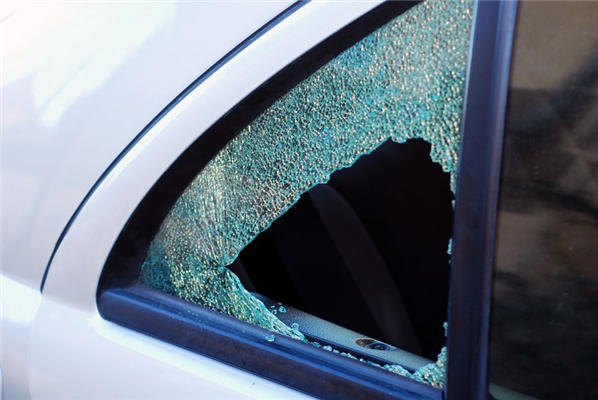
    Side windows often face impacts from stones, debris, or even small accidents. A hard hit can cause cracks or break the glass instantly. Even a small object hitting at high speed may cause the glass to shatter.

    Temperature Fluctuations

    Glass expands and contracts with temperature changes. Rapid shifts from hot to cold can create stress inside the glass. This stress can lead to cracks or sudden shattering, especially in extreme weather conditions.

    Manufacturing Defects

    Sometimes glass has tiny flaws from the factory. These defects weaken the structure. Over time, the stress on these weak spots can cause the glass to break unexpectedly.

    Stress From Improper Installation

    Incorrect installation puts pressure on the glass edges. Uneven fitting or tight seals can create tension. This stress builds up and may cause the glass to shatter without an obvious cause.

    Why Side Window Glass Shatters: Causes You Must Know

    Credit: www.istockphoto.com

    Types Of Glass Used In Side Windows

    Side windows in cars use special types of glass. These glasses keep passengers safe. They also help protect against weather and theft. Two common types are tempered glass and laminated glass. Each has unique qualities and breaks differently.

    Tempered Glass Characteristics

    Tempered glass is very strong. It is made by heating and then quickly cooling the glass. This process makes it tough and resistant to impact. When it breaks, it shatters into small, blunt pieces. These pieces are less likely to cause injury. Tempered glass is cheaper and easier to replace.

    Laminated Glass Features

    Laminated glass has a plastic layer between two glass sheets. This layer holds the glass together if it breaks. It does not shatter into pieces. Instead, cracks form but the glass stays mostly intact. Laminated glass blocks sound and UV rays well. It is used in some side windows for extra safety.

    Differences In Shattering Patterns

    Tempered glass shatters into tiny bits on impact. It breaks quickly and fully. Laminated glass cracks but stays in one piece. The plastic layer holds broken shards together. This difference affects safety and repair methods. Understanding these patterns helps explain why side window glass shatters.

    Environmental Factors Affecting Glass Durability

    Side window glass can weaken and break due to many environmental reasons. Understanding these factors helps protect your car better. The environment puts constant pressure on the glass. Over time, it can lose strength and shatter more easily.

    Extreme Weather Conditions

    Hot sun makes glass expand and cold makes it shrink. This constant change causes tiny cracks to grow. Strong winds and hail can hit the glass hard. Freezing rain or snow adds extra weight and stress. These weather changes wear down the glass over time.

    Road Debris And Dust

    Small stones and dust hit the glass when driving. Each hit makes tiny scratches and chips. Dust can also settle in cracks and make them worse. Over time, these small damages build up. They weaken the glass and cause it to break easily.

    Chemical Exposure

    Cleaning agents or road salt can harm the glass surface. Chemicals can eat away the protective layers on the glass. This damage lowers the glass’s strength. It becomes more likely to crack or shatter with a small impact.

    Why Side Window Glass Shatters: Causes You Must Know

    Credit: simplicitycc.com

    Preventive Measures To Avoid Shattering

    Side window glass can shatter unexpectedly. Taking steps to prevent this helps keep you safe. Preventive measures focus on proper installation, regular care, and added protection. These steps reduce the risk of cracks and sudden breaks.

    Proper Installation Techniques

    Correct installation is key to strong side window glass. Experts use the right tools and materials to fit the glass securely. Proper sealing keeps moisture and dirt out. This prevents weakening and stress on the glass. Avoid cheap or quick fixes that can cause problems later.

    Regular Maintenance Tips

    Check side windows often for chips or cracks. Clean glass gently with mild soap and water. Avoid harsh chemicals that may damage the surface. Lubricate window tracks to prevent rubbing or pressure on glass. Fix any small damage quickly to stop it from growing.

    Using Protective Films

    Protective films add a strong layer over the glass. They absorb impact and reduce the chance of shattering. Films also block harmful UV rays, protecting the interior. Choose high-quality films designed for vehicle windows. Properly applied films increase safety without blocking visibility.

    What To Do When Side Window Shatters

    Side window glass can shatter unexpectedly. Knowing what to do next helps keep you safe and saves time. Taking quick and calm action is key. Below are steps to follow after your side window breaks.

    Immediate Safety Steps

    First, check yourself and passengers for injuries. Remove any glass pieces carefully to avoid cuts. Cover the broken window with plastic or a cloth to block wind and rain. Park your vehicle in a safe spot away from traffic. Avoid touching sharp edges of the broken glass.

    Repair Vs. Replacement Options

    Small cracks or chips might be repairable. Repairs cost less and take less time. Large breaks or shattered glass require full window replacement. Replacement restores safety and keeps your car weatherproof. Choose the option that fits your damage and budget.

    Choosing The Right Service Provider

    Select a provider with good reviews and experience. Check if they use quality glass that fits your car model. Ask about warranty and repair time before booking. A trusted service ensures safety and long-lasting results. Compare a few options before deciding.

    Why Side Window Glass Shatters: Causes You Must Know

    Credit: www.gettyimages.com

    Frequently Asked Questions

    Why Does Side Window Glass Shatter Suddenly?

    Side window glass can shatter suddenly due to impacts, temperature changes, or manufacturing defects. Small chips weaken the glass, causing it to break under stress or vibrations.

    What Materials Are Side Windows Made Of?

    Side windows are typically made of tempered glass. This glass is heat-treated to increase strength and shatters into small, less dangerous pieces when broken.

    Can Extreme Temperatures Cause Side Glass To Break?

    Yes, extreme heat or cold can cause glass expansion or contraction. This stress can lead to cracks or shattering, especially if the glass already has minor damage.

    How Can I Prevent Side Window Glass From Shattering?

    Avoid impacts, repair chips promptly, and park away from extreme weather. Regular inspections help catch damage early and reduce the risk of sudden shattering.

    Conclusion

    Side window glass shatters due to stress, impact, or temperature changes. Small cracks grow quickly and cause breakage. Safety glass helps protect passengers during accidents. Regular checks keep windows strong and safe. Knowing why glass breaks helps you act fast.

    Stay alert and fix any damage right away. This keeps your car safe and secure. Simple care prevents big problems later. Stay safe on the road by understanding glass risks.

  • Can Police Ticket for Cracked Windshield? Essential Facts Revealed

    Can Police Ticket for Cracked Windshield? Essential Facts Revealed

    Have you ever noticed a crack spreading across your windshield and wondered, “Can the police actually give me a ticket for this?” It’s a common question that many drivers overlook until they’re pulled over. Your windshield is more than just glass—it’s a crucial part of your safety and your car’s legal condition.

    Ignoring a crack might seem harmless now, but it could cost you more than you think. Keep reading to find out when a cracked windshield can land you a ticket and what you can do to avoid unexpected fines. This knowledge could save you time, money, and hassle on the road.

    Can Police Ticket for Cracked Windshield? Essential Facts Revealed

    Credit: www.gerbercollision.com

    Legal Limits On Windshield Damage

    Windshield damage can affect your safety and may lead to legal issues. Different places have rules about how much damage is allowed on a windshield. These rules help make sure your view while driving stays clear and safe. Understanding these legal limits can help you avoid fines and keep your car roadworthy.

    Cracks and chips in a windshield are not always illegal. The size, location, and depth of the damage matter. Police officers check these factors to decide if a ticket is necessary. Knowing the laws can help you fix problems before they cause trouble.

    State Laws And Regulations

    Each state sets its own rules for windshield damage. Some states allow small chips or cracks as long as they do not block the driver’s view. Other states have strict limits on damage size, often under three inches. Many states require drivers to repair or replace windshields if the damage is near the edges or in the driver’s line of sight. Police officers use these rules to determine if your windshield is safe or if you should be ticketed.

    Federal Standards For Windshields

    The federal government has minimum safety standards for windshields. These standards focus on glass strength and visibility. Windshields must be made of laminated safety glass to reduce injury risk in crashes. The glass must not have defects that block or distort the driver’s view. While federal rules set the baseline, states can enforce stricter limits. This ensures your windshield meets basic safety needs while fitting local requirements.

    When Police Can Issue Tickets

    Police can issue tickets for cracked windshields under certain conditions. The main concern is safety on the road. Cracks can block the driver’s view or weaken the glass. Officers check how the crack affects driving before deciding to ticket.

    Not every crack leads to a ticket. The size and location of the damage matter a lot. Laws may differ by state, but safety is the common rule.

    Visibility And Safety Concerns

    Police focus on whether the crack blocks the driver’s vision. A crack right in front of the driver’s seat is a big problem. It can hide other cars, signs, or pedestrians. This creates a risk of accidents. If the crack makes it hard to see, officers can issue a ticket.

    Small cracks on the edges usually don’t cause tickets. They do not affect the driver’s line of sight. Officers look for clear danger before taking action.

    Location And Size Of The Crack

    The crack’s location on the windshield is key for police decisions. Cracks near the center or driver’s side are more serious. They interfere with safe driving and get more attention.

    Size matters too. Large cracks or long chips weaken the glass. They can cause the windshield to break easily in a crash. This risk can lead police to issue a ticket. Small cracks under a few inches often do not.

    Types Of Windshield Cracks

    Windshields can crack in different ways. Understanding the types of cracks helps you know when a repair is urgent. Some cracks are small and easy to fix. Others can grow fast and block your view.

    Knowing the type of crack also helps you avoid getting a ticket. Police may ticket drivers if the crack stops them from seeing clearly. Let’s explore the main types of windshield cracks.

    Chips And Bullseyes

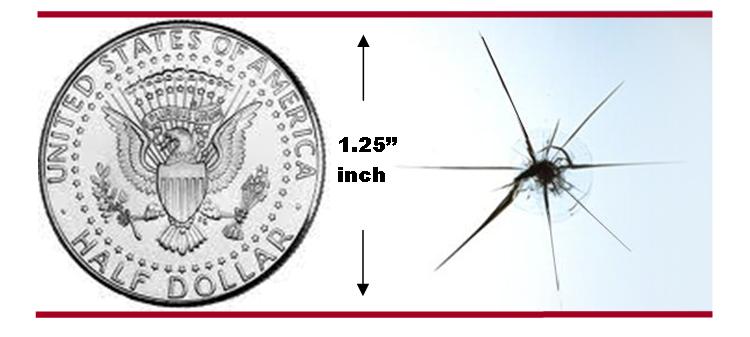
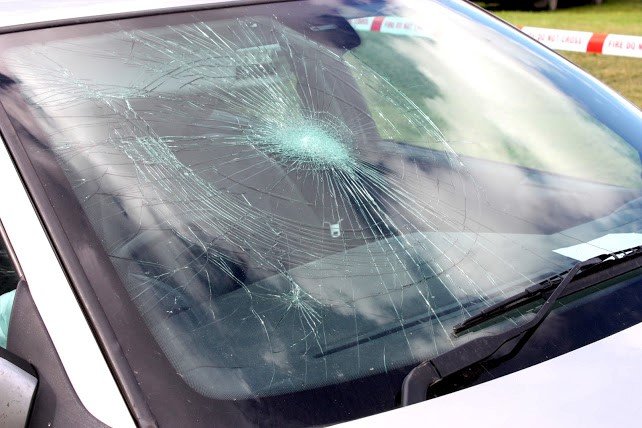
    Chips are small, round marks on the glass. A bullseye looks like a circle with a dark center. These cracks happen from rocks or debris hitting the windshield. Chips are usually less than an inch wide. They often do not spread quickly but need repair soon.

    Cracks And Stars

    Cracks are long, thin lines on the glass. They can be straight or curved. Star cracks look like a small star with many lines coming from one point. These cracks can grow fast, especially in cold or hot weather. Cracks over six inches may cause a ticket.

    Combination Breaks

    Combination breaks mix chips, bullseyes, cracks, and stars. They are the most complex damage type. These breaks often spread quickly and block vision. Police are more likely to ticket drivers with combination breaks. Immediate repair or replacement is usually needed.

    Consequences Of Driving With A Cracked Windshield

    Driving with a cracked windshield can cause many problems. It is not just about looks. The crack can block your view and make driving unsafe. Authorities treat this issue seriously. There are several consequences that you might face if you keep driving with a damaged windshield.

    Traffic Fines And Penalties

    Police officers can stop you and give a ticket for a cracked windshield. The size and location of the crack matter. If the crack blocks your view, the fine can be higher. Tickets often come with penalties that affect your driving record. Repeated offenses may lead to more severe punishments.

    Impact On Vehicle Inspection

    Many states require regular vehicle inspections. A cracked windshield might cause your car to fail the test. The crack can be seen as a safety hazard during inspection. Failing means you cannot legally drive until the glass is fixed. This delay could cause inconvenience and extra costs.

    Insurance Implications

    Insurance companies notice windshield damage too. Some may refuse to pay for accidents if the crack contributed to the crash. Others might increase your premium because of the risk. Fixing small cracks quickly can help avoid insurance problems. It keeps your coverage valid and your costs low.

    Preventing Tickets For Windshield Damage

    Preventing tickets for windshield damage starts with understanding the rules. Many states have laws against driving with a cracked or damaged windshield. Police officers can issue tickets if cracks block your view or affect your car’s safety. Taking simple steps can help you avoid fines and keep your windshield safe.

    Regular Inspections

    Check your windshield often for cracks and chips. Small cracks can grow quickly due to weather and road conditions. Look for any damage that might block your view while driving. Regular inspections help catch problems early. Catching damage early can prevent tickets and more costly repairs later.

    Timely Repairs And Replacements

    Fix cracks as soon as you notice them. Many small chips can be repaired without replacing the whole windshield. Repair kits are available, or visit a professional for help. If the damage is too big, replace the windshield promptly. Driving with a damaged windshield risks safety and can lead to fines.

    Can Police Ticket for Cracked Windshield? Essential Facts Revealed

    Credit: www.reddit.com

    Common Myths About Windshield Tickets

    Many drivers believe false ideas about cracked windshields and tickets. These myths cause confusion and unsafe choices. Understanding the truth helps keep your car legal and safe. Let’s clear up some common myths about windshield tickets.

    Minor Cracks Always Safe

    Small cracks might seem harmless. Some think they never cause problems. Police can still issue tickets for minor cracks. Even tiny cracks can affect your view. Safety is the main concern for officers. Fixing cracks early prevents bigger issues. Don’t wait until the crack grows.

    Cracks Only Matter In Winter

    Many believe cracks are only a problem in winter. Cold weather can worsen cracks, but they are always a risk. Heat and vibrations can also damage your windshield. Cracks reduce glass strength all year. Police check for cracks anytime. Keep your windshield clear and safe in every season.

    Can Police Ticket for Cracked Windshield? Essential Facts Revealed

    Credit: precisionautoglass.biz

    Frequently Asked Questions

    Can Police Issue Tickets For Cracked Windshields?

    Yes, police can ticket vehicles with cracked windshields if the damage obstructs the driver’s view or violates local laws.

    When Does A Cracked Windshield Become Illegal?

    A cracked windshield is illegal when it impairs visibility or compromises safety according to state or local regulations.

    How Much Is A Ticket For A Cracked Windshield?

    Ticket fines vary by location but typically range from $50 to $200, depending on the severity and local laws.

    Can A Cracked Windshield Cause A Failed Vehicle Inspection?

    Yes, many states consider significant windshield damage a safety hazard, leading to failed vehicle safety inspections.

    Conclusion

    Police can issue a ticket for a cracked windshield in many places. Cracks can block your view and make driving unsafe. Fixing or replacing the windshield quickly helps avoid fines. Small cracks can turn into big problems if ignored. Stay safe by keeping your windshield clear and intact.

    Check your local laws to know the rules. Driving with a damaged windshield is risky and might cost you. Keep your car in good shape and follow traffic laws. Simple steps prevent tickets and keep you safe on the road.

  • How to Clean Car Front Glass: Expert Tips for a Spotless Shine

    How to Clean Car Front Glass: Expert Tips for a Spotless Shine

    Your car’s front glass is more than just a window—it’s your clear view of the road ahead. When it’s dirty or streaked, driving becomes unsafe and frustrating.

    You might think cleaning it is simple, but without the right approach, you could end up with smudges or even damage. What if you could quickly achieve a spotless, streak-free windshield that boosts your safety and driving comfort every time?

    Keep reading, and you’ll discover easy, effective steps to clean your car’s front glass like a pro—no special tools needed.

    Choosing The Right Cleaning Tools

    Choosing the right tools makes cleaning your car’s front glass easier and more effective. The right supplies protect the glass and give a clear, streak-free finish. Using poor tools can leave marks or damage the surface. A simple set of cleaning items works best and saves time.

    Essential Cleaning Supplies

    Start with a good spray bottle to apply cleaning solution evenly. Use a small bucket for water and rinsing. A soft brush helps remove tough dirt around edges. Avoid harsh scrubbing tools that can scratch the glass. Having these basic supplies ready helps the cleaning go smoothly.

    Best Cloths And Towels

    Microfiber cloths are the best choice for cleaning glass. They trap dirt and dust without scratching. Use separate cloths for cleaning and drying to prevent streaks. Avoid paper towels or old rags as they can leave lint. Soft, absorbent towels give a spotless and shiny finish.

    Effective Cleaning Solutions

    Choose a glass cleaner made for vehicles to avoid residue. Mix water with a little dish soap for a gentle option. Avoid ammonia-based cleaners that can damage tint or rubber seals. Natural solutions like vinegar and water work well too. The right cleaner removes grime without harming your car.

    How to Clean Car Front Glass: Expert Tips for a Spotless Shine

    Credit: www.glassfixitauto.com

    Preparing The Car Front Glass

    Preparing the car front glass is an important first step before cleaning. It helps to get better results and protect the glass. Taking time to prepare makes the cleaning process easier and safer.

    Start by clearing away any loose dirt and debris. This prevents scratches during cleaning. Also, check the glass for any damage or chips. Knowing the condition of the glass helps you avoid more harm.

    Removing Loose Dirt And Debris

    Begin by rinsing the glass with water to wash off dust and dirt. Use a soft brush or microfiber cloth to gently wipe the surface. Avoid hard scrubbing to stop scratches. Removing loose particles keeps the glass safe for thorough cleaning later.

    Checking For Damage And Chips

    Look closely at the glass for cracks or chips. Small damage can get worse if cleaned roughly. Mark any problem areas to avoid pressing hard there. If damage is severe, consider professional repair before cleaning.

    Step-by-step Cleaning Process

    Cleaning the car front glass properly improves visibility and safety. This step-by-step process helps you get clear and streak-free results. Follow each step carefully for the best finish.

    Applying Cleaner Correctly

    Start by choosing a glass cleaner made for cars. Spray the cleaner evenly on the glass surface. Avoid using too much liquid to prevent drips. Let the cleaner sit for a few seconds to loosen dirt and grime.

    Scrubbing Techniques

    Use a soft microfiber cloth or sponge for scrubbing. Move the cloth in small circular motions to lift dirt. Focus on stubborn spots like bug marks or bird droppings. Avoid using rough materials that can scratch the glass.

    Rinsing And Drying Methods

    Rinse the glass with clean water to remove cleaner and dirt. Use a spray bottle or a gentle stream from a hose. Dry the glass with a clean, dry microfiber cloth. Wipe in vertical or horizontal strokes to prevent streaks.

    How to Clean Car Front Glass: Expert Tips for a Spotless Shine

    Credit: bigsmobile.com

    Handling Tough Stains And Residue

    Cleaning the front glass of your car can be tricky when tough stains and residue appear. These marks do not come off easily with regular washing. They need special care and the right cleaning methods. This section explains how to handle stubborn spots on your windshield.

    Removing Bug Splatter

    Bug splatter can harden on the glass and block your view. Soften the spots first by soaking a cloth in warm water. Press the cloth gently on the bug stains for a few minutes. This loosens the dirt. Then, use a glass cleaner and a soft cloth to wipe the area. Avoid hard scrubbing to protect the glass.

    Getting Rid Of Water Spots

    Water spots leave white marks after drying. These marks come from minerals in water. Use a mixture of equal parts white vinegar and water. Spray the solution on the spots and let it sit for a few minutes. Wipe clean with a soft cloth. Repeat if the spots do not disappear at once.

    Dealing With Tree Sap And Bird Droppings

    Tree sap and bird droppings are sticky and can damage glass over time. Use a clean cloth dipped in rubbing alcohol to soften the sap. Rub gently until it loosens. For bird droppings, use warm soapy water first, then clean with glass cleaner. Always clean these stains quickly to avoid lasting damage.

    Maintaining A Clear And Shiny Glass

    Maintaining a clear and shiny car front glass improves driving safety and car appearance. Clean glass allows better visibility, especially during night or bad weather. Dirt, dust, and smudges reduce clarity and can cause glare. Regular care keeps the glass smooth and bright. Simple steps protect the glass and save time on deep cleaning later.

    Regular Cleaning Schedule

    Set a cleaning routine for the front glass. Wipe the glass every week to avoid dirt buildup. Use a soft cloth and a glass cleaner for best results. Pay extra attention after rain or dusty drives. Regular cleaning prevents stains and hard spots from forming. It also keeps wipers working well, avoiding scratches.

    Using Protective Coatings

    Apply a protective coating to the glass surface. These coatings repel water and dirt, making cleaning easier. Some coatings reduce glare from headlights at night. Choose coatings that are safe for car glass and easy to apply. Reapply every few months to keep protection strong. This step saves effort and improves vision on the road.

    Tips For Preventing Smudges

    Avoid touching the glass with dirty hands. Use microfiber cloths to wipe the glass clean. Do not use paper towels, which can leave lint. Clean wiper blades regularly to prevent streaks. Park the car in shaded areas to reduce dust buildup. These small habits keep the glass clearer for longer.

    How to Clean Car Front Glass: Expert Tips for a Spotless Shine

    Credit: delicate-leather.com

    Frequently Asked Questions

    How Often Should I Clean My Car’s Front Glass?

    Clean your car’s front glass every two weeks. Regular cleaning ensures clear visibility and removes dirt, dust, and grime. Frequent cleaning prevents buildup that can damage the glass over time. It also enhances safety while driving in different weather conditions.

    What Materials Are Best For Cleaning Car Glass?

    Use a microfiber cloth and glass cleaner for best results. Avoid abrasive materials that can scratch the glass. A spray bottle with a mild detergent solution also works well. These materials effectively remove dirt without damaging the windshield.

    Can Household Cleaners Damage Car Front Glass?

    Yes, some household cleaners can harm car glass. Avoid ammonia-based or acidic cleaners as they may cause streaks or damage. Use products specifically designed for automotive glass to ensure safety and effectiveness.

    Should I Clean Car Glass Inside And Outside?

    Yes, clean both inside and outside for clear visibility. Interior glass can collect dust, smoke, and grease, reducing clarity. Exterior cleaning removes road grime and bugs. Regular cleaning inside and outside improves driving safety.

    Conclusion

    Cleaning your car’s front glass keeps your view clear and safe. Use the right tools and gentle cleaners to avoid scratches. Wipe in circular motions to remove dirt and streaks. Regular cleaning prevents buildup and improves driving visibility. A clean windshield helps you drive with confidence every day.

    Simple steps, good habits, and the right products make a big difference. Keep your car glass spotless to enjoy safer, better drives.

  • Does Glass Safety Affect Night Driving: Essential Tips for Clear Vision

    Does Glass Safety Affect Night Driving: Essential Tips for Clear Vision

    Have you ever wondered if the safety of your car’s glass could change how well you see at night? When driving after dark, every detail matters—from the clarity of your windshield to the strength of your windows.

    What if the glass you trust to protect you is actually affecting your vision and safety on the road? Understanding this could make the difference between a smooth, safe drive and a dangerous one. Keep reading to discover how glass safety impacts night driving and what you can do to keep your journeys safer and clearer.

    Does Glass Safety Affect Night Driving: Essential Tips for Clear Vision

    Credit: www.pearlevision.com

    Impact Of Glass Quality On Night Vision

    Glass quality plays a key role in how well drivers see at night. Clear, strong glass helps reduce glare and improves vision. Poor glass can blur lights and cause distractions.

    Night driving demands sharp visibility. The right glass supports safe driving by allowing drivers to spot obstacles early. Understanding glass types and clarity helps choose safer vehicles.

    Types Of Glass Used In Vehicles

    Most cars use two main types of glass: tempered and laminated. Tempered glass breaks into small pieces on impact. Laminated glass has a plastic layer that holds shards together. Windshields usually have laminated glass for extra safety. Side and rear windows often use tempered glass.

    How Glass Clarity Influences Visibility

    Clear glass lets light pass without distortion. It helps drivers see road signs, lane markings, and other vehicles. Cloudy or dirty glass scatters light and creates glare. This reduces the ability to focus on the road. High-quality glass often has coatings that reduce reflections and improve clarity at night.

    Common Glass Defects Affecting Night Driving

    Scratches, chips, and cracks distort light and blur vision. These defects can create halos around lights. Dirty or foggy glass also reduces visibility. Even small imperfections can distract drivers. Regular glass inspection and cleaning are essential for safe night driving.

    Does Glass Safety Affect Night Driving: Essential Tips for Clear Vision

    Credit: calgaryoptometry.com

    Role Of Anti-reflective Coatings

    Anti-reflective coatings play a key role in improving night driving safety. These coatings reduce reflections on glass surfaces like windshields and eyeglasses. Less reflection means clearer vision and less distraction from bright lights. Drivers can see better in dark conditions and react faster. The coatings help reduce glare from streetlights and headlights. This makes driving at night safer and less tiring.

    Benefits Of Anti-glare Treatments

    Anti-glare treatments cut down light reflections on glass. This reduces eye strain and improves comfort. Drivers notice less glare from oncoming cars. The coating makes images sharper and clearer. It also helps in rainy or foggy weather. The treatments provide a safer and more relaxed driving experience.

    Effectiveness Against Headlight Glare

    Headlight glare can blind drivers for seconds. Anti-reflective coatings block reflected light from headlights. This lowers the brightness and sharpness of glare. Drivers keep better focus on the road ahead. The coating helps reduce sudden vision loss caused by bright lights. It improves reaction time during critical moments.

    Maintenance Tips For Coated Glass

    Coated glass needs gentle care to keep working well. Use soft cloths and mild soap for cleaning. Avoid harsh chemicals or abrasive materials. Wipe glass gently to protect the coating layer. Regular cleaning helps maintain clear vision and glare reduction. Proper care extends the life of the anti-reflective coating.

    Importance Of Glass Safety Standards

    Glass safety standards play a key role in protecting drivers and passengers. These standards ensure automotive glass meets strength, clarity, and durability requirements. Safe glass reduces injury risks during accidents and improves visibility. Clear vision is essential for safe night driving. Poor glass quality can cause glare and distortions. This makes night driving dangerous. Understanding glass safety standards helps drivers choose the right glass for their vehicles. It also raises awareness about the importance of certified products.

    Regulations For Automotive Glass

    Automotive glass must follow strict regulations worldwide. These rules set limits on glass thickness and strength. They also control how glass breaks on impact. Laminated glass is common for windshields. It holds together even when cracked. Tempered glass is often used for side and rear windows. This glass breaks into small, less harmful pieces. Regulations also require clear visibility without distortions. This helps drivers see well in all conditions, especially at night.

    Impact On Driver Safety At Night

    Night driving demands sharp and clear vision. Glass that meets safety standards reduces glare from headlights. It prevents light reflections that can distract drivers. Certified glass avoids bubbles and waves that blur vision. Clean, smooth glass surfaces help drivers see road signs and obstacles clearly. Good glass reduces eye strain and fatigue during night drives. This keeps drivers alert and focused. Unsafe glass can increase the risk of accidents in low light.

    Choosing Certified Glass For Replacements

    Replacing damaged glass requires careful choice. Certified glass meets all safety and quality standards. Non-certified glass may look similar but lacks proper testing. Using certified glass ensures durability and safety. It maintains clear vision and reduces glare. Professional installation is important to keep glass secure and aligned. Drivers should always ask for certification when replacing automotive glass. This protects their safety and improves night driving comfort.

    Essential Tips For Clear Vision At Night

    Clear vision is vital for safe night driving. Poor visibility increases risks on the road. Glass safety plays a big role in maintaining a clear view. Follow simple tips to keep your windshield and windows clean and damage-free. These easy steps help you see better in low light and protect your safety.

    Regular Cleaning And Inspection

    Clean glass offers better visibility at night. Use a soft cloth and glass cleaner regularly. Dirt and smudges blur your vision and cause glare from headlights. Check for cracks or chips often. Small damage can worsen and block your view. Early repairs keep the glass strong and clear.

    Proper Use Of Windshield Wipers

    Wipers clear rain, snow, and dirt from your windshield. Replace wiper blades every six months or when they streak. Old blades smear water and reduce visibility. Use washer fluid to remove grime safely. Avoid harsh chemicals that damage glass or wipers.

    Avoiding Scratches And Chips

    Scratches and chips distort light and create glare. Park away from loose gravel and construction sites. Avoid using abrasive materials to clean your glass. Fix chips quickly to prevent cracks. Smooth glass keeps night driving safer and more comfortable.

    Additional Factors Influencing Night Driving

    Night driving depends on many factors beyond just glass safety. Clear vision plays a big role, but other elements affect how well you see. These factors can either help or make night driving harder. Understanding them can improve your safety on the road.

    Role Of Headlight Alignment

    Proper headlight alignment is crucial for safe night driving. Misaligned headlights can blind other drivers or reduce your own visibility. This makes it hard to see road signs and obstacles. Regularly check and adjust your headlights to ensure they point in the right direction.

    Effect Of Interior Lighting

    Bright interior lights inside the car can cause glare on windows. This glare distracts your eyes and lowers night vision. Keep dashboard and cabin lights dim to reduce reflections. A darker interior helps your eyes focus better on the road.

    Importance Of Correct Prescription Glasses

    Wearing the right glasses improves vision at night. Glasses with outdated prescriptions blur your view and strain your eyes. Special lenses for night driving reduce glare from headlights. Always update your prescription and choose lenses suited for driving in the dark.

    Does Glass Safety Affect Night Driving: Essential Tips for Clear Vision

    Credit: autoglassottawa.ca

    Frequently Asked Questions

    Does Glass Safety Improve Night Driving Visibility?

    Yes, safety glass reduces glare and reflections, enhancing visibility during night driving. It helps drivers see more clearly and react faster.

    Can Damaged Glass Affect Night Driving Safety?

    Cracks and chips distort light, causing glare and reduced visibility at night. Damaged glass can be dangerous and should be repaired promptly.

    How Does Anti-glare Glass Benefit Night Driving?

    Anti-glare glass minimizes light reflections from headlights and streetlights. This reduces eye strain and improves focus during night driving.

    Is Laminated Glass Better For Night Driving?

    Laminated glass stays intact when cracked, preventing shards. It also reduces glare, making night driving safer and more comfortable.

    Conclusion

    Glass safety plays a key role in night driving comfort and visibility. Clear, strong glass helps reduce glare from lights. It also protects drivers from debris and accidents. Choosing good quality glass can make roads safer at night. Drivers feel more confident and focused with better glass.

    Small changes, like safer glass, improve overall night driving experience. Stay aware of your car’s glass condition regularly. Safe glass means safer journeys after dark.

  • Can Windshield Chip Cause Leaks? Shocking Truth Revealed!

    Can Windshield Chip Cause Leaks? Shocking Truth Revealed!

    Have you ever noticed a tiny chip on your windshield and wondered if it’s just a small flaw or something more serious? You might think a chip is harmless, but could it actually cause leaks inside your car?

    Understanding what a windshield chip means for your vehicle’s protection is important. You’ll discover how even a small crack can lead to bigger problems, how leaks start, and what steps you can take to keep your car safe and dry.

    Keep reading—your car’s comfort and safety might depend on it.

    How Windshield Chips Form

    Windshield chips happen when small objects hit the glass with force. These chips can start as tiny cracks or pits on the surface. Over time, they may grow and cause bigger problems. Understanding how these chips form helps in preventing damage and leaks.

    Common Causes Of Chips

    Road debris is a top cause of windshield chips. Stones and gravel often fly up from other vehicles. Weather changes also affect the glass. Hot sun and cold temperatures cause expansion and contraction. This weakens the windshield and makes it easier to chip. Sudden impacts like accidents can cause larger chips or cracks.

    Types Of Windshield Damage

    Chips vary in size and shape. Bullseye chips look like a circle with a dark spot in the center. Star chips have small cracks radiating from the impact point. Crack damage can spread across the glass surface. Each type needs different repair methods to stop leaks and keep the windshield strong.

    Can Windshield Chip Cause Leaks? Shocking Truth Revealed!

    Credit: www.krygerglass.com

    Impact Of Chips On Windshield Integrity

    Chips on a windshield can harm its strength. These small damages affect more than just looks. They change how the glass holds together. Understanding the impact helps keep the car safe.

    Windshield chips may seem small but cause big problems. They weaken the glass and allow cracks to grow. This can lead to leaks and other issues.

    Structural Weakness

    Chips break the smooth surface of the windshield. This break creates weak spots in the glass. The windshield can no longer protect well against pressure. Stress from driving can make the glass crack more easily.

    Weak spots let water and dirt enter the layers. This reduces the shield effect of the windshield. Safety is at risk because the glass may shatter more easily.

    Spread Of Cracks

    Chips often turn into cracks over time. Changes in temperature and road vibrations make cracks grow. Small chips can quickly become large cracks.

    Cracks allow water to seep through the glass edges. This causes leaks inside the car. Leaks can damage the car’s interior and cause mold.

    Can Chips Lead To Leaks?

    Small chips on your windshield might seem harmless. They can cause bigger problems over time. One major concern is water leaking into your car. This can damage the interior and create safety issues. Understanding how chips lead to leaks helps you act fast and protect your vehicle.

    Even a tiny crack can allow water to seep through. This happens because the chip weakens the glass and the seal around it. Once the seal breaks, water can enter during rain or car washes. This slow leak may cause mold, rust, and bad smells inside your car.

    Water Intrusion Risks

    Chips can create small openings in the windshield. These gaps let water pass through easily. Water intrusion can damage the car’s electronics and upholstery. It also reduces visibility by fogging the glass. Water inside the car can make driving unsafe.

    Signs Of Leaking Windshield

    Look for damp spots on the dashboard or floor. Water stains or mold smell inside signal leaks. Foggy windows that won’t clear are another sign. Listen for dripping sounds during rain or after washing. Early detection helps prevent costly repairs later.

    Can Windshield Chip Cause Leaks? Shocking Truth Revealed!

    Credit: www.uniautoglasshouston.com

    Repair Vs Replacement

    Deciding between repairing a windshield chip or replacing the entire windshield depends on several factors. Small chips can often be fixed quickly and affordably. Larger or more severe damage may require replacement to ensure safety and prevent leaks. Understanding when to repair or replace helps protect your vehicle from water damage and costly repairs.

    When To Repair A Chip

    Repair is a good option if the chip is small, usually less than a quarter in size. Chips in the outer glass layer can often be sealed. Repairs stop cracks from spreading and keep water out. Clear visibility through the windshield stays intact. Quick repairs save money and prevent leaks later.

    When Replacement Is Necessary

    Replacement is needed if the chip is large or deep. Cracks that reach the edges weaken the windshield structure. Multiple chips or extensive damage also require replacement. A damaged windshield may leak water during rain. Replacement restores full strength and prevents leaks completely.

    Preventing Windshield Leaks

    Preventing windshield leaks starts with care and attention. A small chip can turn into a leak if not treated. Moisture can enter the car, causing damage and discomfort. Taking steps early saves money and hassle later. Simple habits keep your windshield strong and dry.

    Regular Maintenance Tips

    Check your windshield often for chips or cracks. Clean the glass with a soft cloth and mild cleaner. Avoid harsh chemicals that can weaken the seal. Inspect the rubber seal around the windshield for cracks or gaps. Replace worn seals before leaks start. Park in shaded areas to protect the glass from extreme heat.

    Protective Measures

    Use a windshield cover during bad weather or when parked long. Avoid sudden temperature changes, like pouring hot water on ice. Repair chips quickly with a windshield repair kit or professional help. Drive carefully to reduce chances of new chips from road debris. Consider using protective films that reduce impact damage. These small steps keep your windshield safe and dry.

    Can Windshield Chip Cause Leaks? Shocking Truth Revealed!

    Credit: www.windshieldexperts.com

    Frequently Asked Questions

    Can A Windshield Chip Cause Water Leaks?

    Yes, a windshield chip can lead to water leaks if it worsens. Chips may create cracks that allow water to seep inside your vehicle. Timely repair prevents leaks and further damage.

    How Do Windshield Chips Affect Car Sealing?

    Windshield chips weaken the glass structure and compromise its seal. This can result in gaps where water and air enter. Maintaining a chip-free windshield ensures proper sealing and protection.

    When Should I Repair A Windshield Chip To Avoid Leaks?

    Repair chips as soon as you notice them, ideally within 24-48 hours. Quick repair prevents chip expansion and potential water leaks. Delays increase repair costs and damage risks.

    Can Windshield Chips Cause Interior Damage From Leaks?

    Yes, leaking water through chips can damage your car’s interior. Moisture can cause mold, rust, and electrical issues inside the vehicle. Fixing chips early protects your car’s interior.

    Conclusion

    A windshield chip might cause leaks if it grows large enough. Small chips often stay sealed but can weaken the glass. Water can enter through cracks, leading to damage inside. Fixing chips early helps keep your car dry. Regular checks protect your windshield and interior.

    Don’t ignore even tiny chips—they can become bigger problems. Taking care of your windshield keeps you safe and dry.

  • Can Potholes Affect Glass Safety: Shocking Risks Revealed

    Can Potholes Affect Glass Safety: Shocking Risks Revealed

    Have you ever hit a pothole and wondered if it could damage more than just your tires? What about your car’s glass—could those bumps and jolts actually affect its safety?

    You might not realize it, but potholes can have a hidden impact on your windshield and windows. Understanding how this happens can help you protect yourself and your passengers. Keep reading to discover why potholes are more than just a road nuisance and how they might put your glass—and your safety—at risk.

    Can Potholes Affect Glass Safety: Shocking Risks Revealed

    Credit: trueblueautoglass.com

    Impact Of Potholes On Vehicle Glass

    Potholes cause more than just tire damage. They also impact vehicle glass safety. The sudden jolt from hitting a pothole sends strong forces through the car. These forces can affect the windshield and windows in many ways. Understanding this impact helps drivers protect their glass better.

    Vehicles rely on glass for visibility and safety. Damage to the glass can reduce its strength. This makes the glass more likely to crack or shatter during future bumps or accidents. The force from potholes can start small cracks that grow over time.

    How Pothole Hits Transmit Force

    When a vehicle hits a pothole, the force travels from the wheels up through the frame. This sudden shock can cause vibrations throughout the car. The glass absorbs some of this energy, which can cause stress on weak spots.

    Even a small pothole hit can create pressure points on the windshield. These pressure points strain the glass, especially if chips or previous cracks exist. Repeated hits make the glass fragile and less safe.

    Common Glass Damage Types

    Pothole impacts often cause specific types of glass damage. Chips are small, shallow breaks on the glass surface. These usually appear after a sharp shock.

    Cracks may start from chips and spread quickly. Stress cracks form along the glass due to pressure. Bullseye cracks are round marks caused by impact.

    Large cracks or shattered glass are less common but can occur with strong hits. These damages reduce the glass’s ability to protect passengers.

    Hidden Dangers To Glass Safety

    Many drivers ignore the damage potholes cause to their cars. Glass safety is one hidden danger. Potholes create sudden shocks that affect vehicle glass.

    These impacts cause small but serious damage. The damage weakens the glass over time. Understanding this risk helps keep you safe on the road.

    Stress Points And Microcracks

    Each hit from a pothole creates stress points on the glass. These points are weak spots that form tiny cracks. Microcracks are invisible at first but grow with every jolt.

    These cracks spread beneath the surface, weakening the glass structure. Over time, the glass becomes fragile. This damage lowers its ability to protect you.

    Risk Of Sudden Glass Shattering

    Weak glass can break without warning. Even small impacts or temperature changes can cause sudden shattering. This risk is higher with pre-existing microcracks.

    Sudden glass breakage puts drivers and passengers in danger. It can lead to accidents or injuries from glass shards. Regular checks for glass damage after pothole hits are important.

    Factors Increasing Glass Vulnerability

    Glass in vehicles can break or crack from pothole impacts. Certain factors make glass more likely to fail. Understanding these helps protect your car better.

    Two main factors increase glass vulnerability: the age and condition of the glass, and the severity of the pothole impact. Both affect how much damage the glass can take.

    Age And Condition Of Glass

    Older glass tends to weaken over time. Tiny chips and scratches grow into cracks. Weather changes also cause stress in glass. Worn seals around windows reduce strength. This all makes glass fragile and easy to break.

    Severity Of Pothole Impact

    Deep, sharp potholes cause stronger shocks. Fast driving over potholes raises impact force. Sudden jolts create pressure on the glass. Larger impacts cause cracks or shatter glass. Even small potholes can harm glass if the force is strong enough.

    Preventive Measures For Glass Protection

    Protecting your vehicle’s glass from pothole damage requires simple, practical steps. Taking care of the glass helps avoid cracks and costly repairs. Small efforts can keep your windshield and windows safe.

    Driving carefully and checking the glass often are key to prevention. These actions reduce the risk of chips and cracks. Let’s explore how to protect your glass effectively.

    Safe Driving Techniques

    Drive slowly over rough roads and potholes. Sudden jolts can cause glass to crack. Keeping a steady speed helps the vehicle absorb shocks better. Avoid sharp turns and hard braking near potholes. Maintain a safe distance from other cars to spot potholes early. This gives more time to react and avoid damage.

    Regular Glass Inspections

    Check your windshield and windows regularly for small chips. Even tiny cracks can grow larger over time. Fixing small damage early stops it from spreading. Use a magnifying glass to see minor flaws. Clean the glass to spot hidden cracks more easily. Visit a professional if you notice any damage. Regular inspections keep your glass strong and safe.

    What To Do After Hitting A Pothole

    Hitting a pothole can cause sudden damage to your vehicle’s glass and tires. It’s important to act quickly to check for any harm. Early action can prevent bigger problems and keep you safe on the road.

    Stay calm and park your car safely. Take a moment to inspect the area around the pothole and your vehicle. Look closely for any signs of damage to your car’s glass and wheels.

    Checking For Visible And Hidden Damage

    Start by looking at your windshield and windows. Look for cracks, chips, or spiderweb patterns. Even small cracks can spread and cause more damage.

    Check your tires for bulges, cuts, or flat spots. Potholes can also damage the rims under the tires. Look for dents or bends that might not be easy to spot.

    Listen for unusual sounds when you drive again. Strange noises can mean hidden damage. Pay attention to how your car handles. Pulling or shaking might indicate a problem.
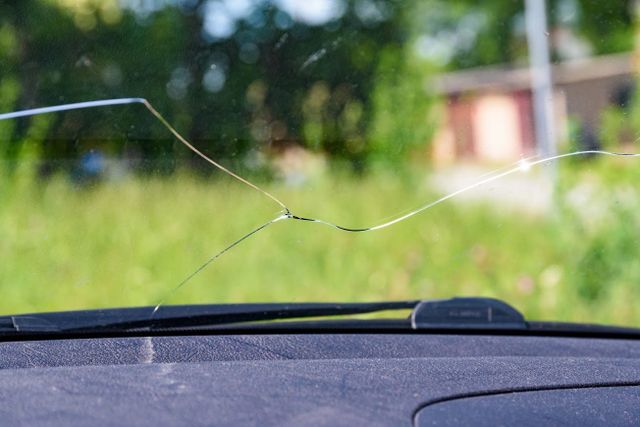
    When To Seek Professional Help

    Take your car to a mechanic if you see any cracks or chips in the glass. Professionals can assess the damage and advise on repairs or replacements.

    Visit a tire shop if your tires or rims show signs of damage. Experts can check tire pressure and wheel alignment. They will ensure your vehicle is safe to drive.

    Do not ignore any warning signs like vibrations or noises. Driving with damaged glass or tires can be dangerous. Early repairs save money and keep you safe.

    Can Potholes Affect Glass Safety: Shocking Risks Revealed

    Credit: www.amazon.com

    Long-term Effects On Vehicle Safety

    Potholes do more than just cause a bumpy ride. Over time, hitting potholes can weaken your vehicle’s safety. The damage may not show right away. But the long-term effects can be serious. Understanding these effects helps you keep your car safe and reliable.

    Compromised Structural Integrity

    Repeated impacts from potholes strain your car’s frame and suspension. This stress can cause cracks or bends in the metal parts. Even small damage can grow worse with each hit. The glass, including windshields, may also weaken. Tiny chips can turn into large cracks. This reduces the glass’s ability to protect you in a crash. A weakened frame and glass mean less protection overall.

    Impact On Insurance And Repairs

    Insurance claims for pothole damage can be tricky. Some policies cover the damage, but others do not. Frequent repairs increase your insurance costs over time. Repairing or replacing glass is expensive. Structural damage may need costly fixes too. Ignoring pothole damage can lead to higher repair bills later. Regular checks and early repairs save money and keep your car safe.

    Can Potholes Affect Glass Safety: Shocking Risks Revealed

    Credit: glassdoctor.com

    Frequently Asked Questions

    Can Potholes Cause Windshield Cracks Or Chips?

    Yes, hitting potholes can cause windshield cracks or chips. The sudden impact creates stress on the glass, leading to damage. Small chips can expand over time, compromising glass safety and visibility.
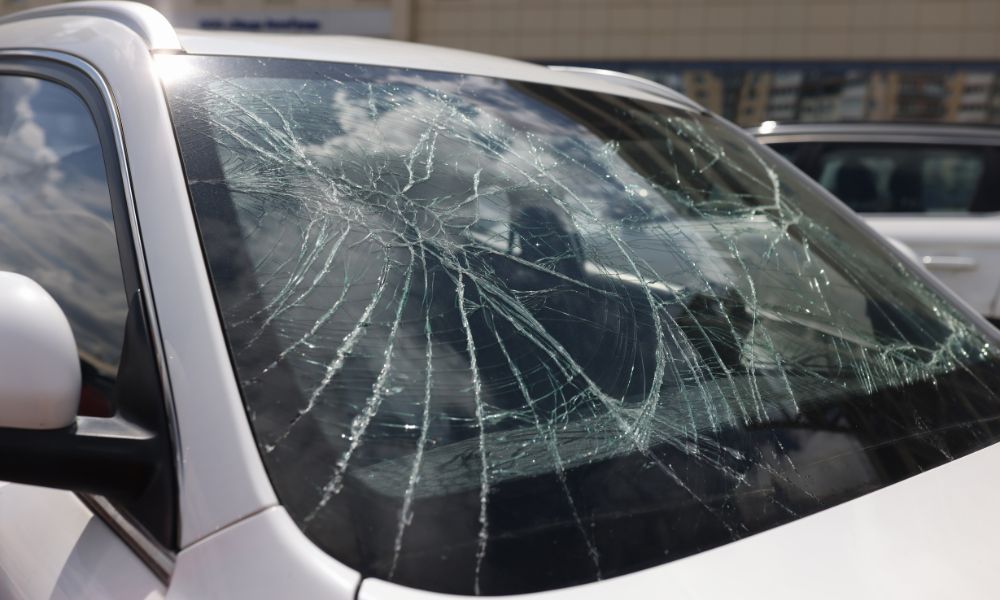
    How Do Potholes Affect Car Glass Safety?

    Potholes cause vibrations and shocks that weaken car glass. Repeated impacts may cause micro-cracks or chips, reducing structural integrity. This increases the risk of glass shattering during accidents.

    Can Potholes Damage Side And Rear Car Windows?

    Yes, potholes can damage side and rear windows. The impact can loosen window seals or cause small cracks. Damaged seals may lead to water leaks and reduced window strength.

    Should I Inspect My Car Glass After Pothole Impacts?

    Absolutely. Inspect your car glass after hitting potholes. Look for chips, cracks, or loose seals. Early detection helps prevent further damage and ensures your safety on the road.

    Conclusion

    Potholes can cause damage to your car’s glass. A sudden hit may create small cracks or chips. These tiny cracks can grow over time. This growth can weaken the glass and cause safety risks. Regular checks help spot damage early and keep you safe.

    Fixing cracks quickly stops them from getting worse. Drive carefully to avoid potholes whenever possible. Protect your car’s glass for a safer ride every day.