Blog

  • How to Clean Car Windows Effectively: Simple Tips for Crystal Clear Glass

    How to Clean Car Windows Effectively: Simple Tips for Crystal Clear Glass

    Are your car windows streaky, foggy, or just plain dirty? You might think cleaning them is a quick, simple task—but doing it the right way can make a huge difference in how clear and safe your view is while driving.

    Imagine driving with spotless windows that let in more light and improve your visibility instantly. You’ll discover easy, proven tips to clean your car windows effectively, saving you time and frustration. Ready to see the road like never before? Keep reading, because your car deserves windows that shine.

    How to Clean Car Windows Effectively: Simple Tips for Crystal Clear Glass

    Credit: soapysudswash.com

    Choosing The Right Cleaning Tools

    Choosing the right tools makes cleaning car windows easier and more effective. Using proper equipment reduces streaks and saves time. Picking quality cloths, cleaning solutions, and tools helps achieve clear, spotless glass every time.

    Best Cloths For Streak-free Windows

    Microfiber cloths work best for car windows. They absorb dirt and water well. These cloths do not leave lint behind. Use a clean, dry cloth to avoid streaks. Avoid paper towels; they can scratch the glass.

    Top Cleaning Solutions

    Use a glass cleaner made for vehicles. Water mixed with vinegar also cleans well. Avoid ammonia-based cleaners; they may damage window tint. Spray a small amount on the cloth, not directly on the glass. This prevents drips and streaks.

    Using Squeegees And Scrapers

    Squeegees remove excess water and cleaner quickly. Use a squeegee with a soft rubber blade. Move it in a straight line from top to bottom. Scrapers help remove tough dirt or ice. Use scrapers gently to avoid scratching glass.

    How to Clean Car Windows Effectively: Simple Tips for Crystal Clear Glass

    Credit: www.youtube.com

    Preparing Your Car Windows

    Start by removing dust and dirt from your car windows using a soft cloth. Use a gentle cleaner and wipe in a circular motion for a clear finish. Dry with a clean, dry cloth to avoid streaks.

    Start cleaning by getting your car windows ready. Proper preparation helps you clean better and faster. It stops dirt from spreading and protects other car parts. Take a few minutes to prepare well. This step makes your cleaning more effective and less messy.

    Removing Loose Dirt And Dust

    Begin by brushing off loose dirt and dust. Use a soft brush or a microfiber cloth. Gently wipe the windows to avoid scratches. Removing surface dirt first stops smearing during cleaning. This step clears the way for a deeper clean.

    Protecting Surrounding Areas

    Cover areas near the windows to avoid damage. Use tape or plastic sheets on door seals and trims. Protect paint and rubber parts from cleaning sprays. This keeps your car safe while you clean the glass. Protecting these areas saves time fixing accidental stains.

    Step-by-step Cleaning Process

    Cleaning car windows well makes driving safer and more pleasant. A clear window improves your view and reduces glare. Follow simple steps to clean windows effectively. This process works for all car windows, inside and outside.

    Applying Cleaner Correctly

    Start by choosing a good glass cleaner. Spray a small amount evenly on the window. Avoid soaking the edges to stop drips. Use a soft cloth or sponge to spread the cleaner. Cover the whole surface gently but fully.

    Wiping Techniques For Clarity

    Use a clean, dry microfiber cloth for wiping. Wipe in a circular motion to remove dirt. Then use vertical or horizontal strokes to avoid streaks. Change to a dry part of the cloth often. Keep wiping until the glass looks clear and shiny.

    Handling Tough Stains And Spots

    For stubborn spots, apply a bit more cleaner directly on them. Let it sit for 30 seconds to loosen dirt. Use a soft brush or non-abrasive pad to scrub gently. Avoid harsh scrubbing that can scratch the glass. Rinse or wipe off residue fully after cleaning.

    Cleaning Interior Windows

    Cleaning interior car windows is essential for clear vision and safety. Dirt and smudges can block your view while driving. Dust, smoke, and moisture build up inside the car. This causes foggy and dirty windows. Regular cleaning keeps windows clear and bright. It also helps prevent accidents and improves comfort.

    Dealing With Fog And Smudges

    Foggy windows reduce visibility a lot. Wiping only with a dry cloth can make it worse. Use a clean, damp microfiber cloth to wipe gently. This removes fog without spreading dirt. For smudges, apply a small amount of glass cleaner. Wipe with a soft cloth in circular motions. Avoid harsh scrubbing that can scratch the glass. Repeat if needed for stubborn spots. Keep air vents open to reduce moisture inside.

    Safe Products For Interior Use

    Choose cleaners made for car interiors. Avoid ammonia-based products that can damage tint or plastic. Use alcohol-free glass cleaners for safety. You can also mix water with a little vinegar for a natural cleaner. Test any product on a small spot first. Use soft microfiber cloths to avoid scratches. Avoid paper towels or rough fabrics. Proper products keep windows clean and protect interior surfaces.

    Maintaining Clear Windows

    Clear car windows improve driving safety and comfort. Clean windows let in more light and offer better visibility. Keeping them spotless requires regular care and simple habits. This section explains how to maintain clear windows for a safer drive.

    Regular Cleaning Schedule

    Set a cleaning routine to keep windows clear. Clean your car windows at least once every two weeks. Use a glass cleaner and a microfiber cloth for best results. Wipe in circular motions to remove dirt and streaks. Don’t forget to clean both inside and outside surfaces. Regular cleaning stops dirt from building up and becoming hard to remove.

    Tips To Prevent Future Dirt Build-up

    Keep windows cleaner longer by reducing dirt exposure. Park your car in shaded or covered areas to avoid dust. Avoid touching windows with dirty hands or cloths. Use windshield protectors during bad weather or dusty conditions. Wash your car regularly to remove road grime and salt. These small steps help maintain clear windows and reduce cleaning time.

    Common Mistakes To Avoid

    Cleaning car windows seems simple but many make mistakes. These errors can leave streaks or damage your glass. Avoiding common pitfalls helps keep windows clear and safe. Here are some common mistakes to watch out for.

    Using The Wrong Cleaners

    Many cleaners contain harsh chemicals. These can damage window tint or glass. Avoid ammonia-based products on tinted windows. Use a cleaner made for automotive glass. It cleans well without harm.

    Cleaning In Direct Sunlight

    Sunlight dries cleaners too fast. This causes streaks and spots on the glass. Clean windows in the shade or during cooler parts of the day. This gives better results and easier cleaning.

    Neglecting Window Seals

    Window seals collect dirt and grime over time. Ignoring them can cause leaks or damage. Clean seals gently with a soft cloth. Keep them dry and check for cracks often.

    How to Clean Car Windows Effectively: Simple Tips for Crystal Clear Glass

    Credit: carinterior.alibaba.com

    Frequently Asked Questions

    How Often Should I Clean My Car Windows?

    Cleaning car windows every two weeks keeps them clear and streak-free. Frequent cleaning prevents dirt buildup and enhances visibility while driving.

    What Is The Best Cleaner For Car Windows?

    Use a glass cleaner designed for automotive use. Avoid ammonia-based cleaners as they can damage window tint and rubber seals.

    How Can I Prevent Streaks On Car Windows?

    Use a microfiber cloth and clean in a circular motion. Avoid cleaning windows in direct sunlight to prevent streaks.

    Can Vinegar Be Used To Clean Car Windows?

    Yes, a mixture of vinegar and water effectively removes dirt and grime. It is a natural, affordable option that leaves windows spotless.
    Conclusion

    Clean car windows improve your safety and driving comfort. Use the right tools and cleaners for best results. Wipe in a circular motion to avoid streaks. Don’t forget to clean both inside and outside surfaces. Regular cleaning keeps dirt and grime from building up.

    Clear windows help you see better and drive safer. Keep these simple tips in mind for spotless windows every time. Your car will look nicer, and your trips will feel safer. Easy steps, big difference.

  • How Does Glass Safety Protect Drivers: Essential Benefits Revealed

    How Does Glass Safety Protect Drivers: Essential Benefits Revealed

    Have you ever wondered how the glass in your car keeps you safe every time you hit the road? It’s not just about letting you see clearly—it’s about protecting you from serious harm.

    The right kind of glass can save your life in an accident, shield you from flying debris, and even keep you secure during sudden stops. Understanding how glass safety works can give you peace of mind every time you drive.

    Keep reading to discover the surprising ways your car’s glass guards you and why it matters more than you might think.

    How Does Glass Safety Protect Drivers: Essential Benefits Revealed

    Credit: www.amazon.com

    Types Of Safety Glass In Vehicles

    Vehicles use special glass to keep drivers safe during accidents. This glass is different from regular glass. It is made to reduce injuries and protect passengers. Two main types of safety glass are common in cars. Each type has unique features and benefits.

    Laminated Glass Features

    Laminated glass is made by sandwiching a plastic layer between two glass sheets. This plastic layer holds the glass together if it breaks. The glass cracks but does not shatter into sharp pieces. It stays mostly in one piece, reducing the risk of cuts.

    Laminated glass also blocks harmful UV rays. This helps protect the skin and the car’s interior. It is mostly used for windshields because it provides strong protection against impacts. It also helps keep passengers inside the vehicle during accidents.

    Tempered Glass Benefits

    Tempered glass is made by heating regular glass and then cooling it quickly. This process makes the glass stronger than normal glass. When it breaks, it shatters into small, dull pieces. These pieces are less likely to cause injury.

    Tempered glass is often used for side and rear windows. It provides good visibility and safety. This glass can resist heat and pressure well. It also helps protect the vehicle from theft by breaking into small pieces quickly.

    Impact Resistance And Driver Protection

    Impact resistance plays a key role in protecting drivers during accidents. Car glass is designed to absorb and spread out the force of a collision. This reduces the chance of the glass breaking suddenly and causing harm. Strong glass keeps drivers safer by standing up to heavy impacts.

    Driver protection depends heavily on how the glass behaves in a crash. Modern safety glass helps keep the driver inside the vehicle and prevents sharp pieces from flying. This safety feature lowers the risk of serious injury or death. Impact-resistant glass is a vital part of car safety systems.

    Reducing Injury From Collisions

    Impact-resistant glass lowers the chance of cuts and bruises. It absorbs crash energy to protect the driver from hitting sharp edges. The glass stays mostly intact instead of shattering into large dangerous pieces. This helps reduce wounds caused by broken glass during a crash.

    Strong glass also stops the driver from being pushed out of the car. It acts as a barrier to keep the person inside the vehicle. Staying inside is often safer during a collision and can prevent fatal injuries. Cars with tough glass offer better overall protection to drivers.

    Preventing Glass Shards

    Safety glass is made to break safely. Instead of sharp shards, it cracks into small, dull pieces. This lowers the chance of deep cuts or eye injuries. The glass often has a plastic layer that holds pieces together.

    This plastic layer keeps the glass from flying apart. It holds shards in place even after breaking. Drivers and passengers avoid dangerous glass fragments that could cause harm. Preventing shards is essential for reducing injuries in accidents.

    Visibility And Glare Reduction

    Visibility and glare reduction are key factors in keeping drivers safe on the road. Clear vision helps drivers see obstacles, signs, and other vehicles faster. Reducing glare lowers eye strain and prevents temporary blindness caused by bright lights. Together, these features improve focus and reaction time.

    Enhancing Driver Vision

    Glass safety technologies use special coatings and tints to improve clarity. These features cut down reflections and increase contrast. Drivers can spot hazards more easily, even in low light or bad weather. Better vision means fewer accidents and safer trips.

    Minimizing Distractions

    Glare from sunlight or headlights can distract drivers and slow reactions. Safety glass reduces these distractions by filtering harsh light. This helps drivers keep their attention on the road. A focused driver makes smarter decisions and avoids crashes.

    How Does Glass Safety Protect Drivers: Essential Benefits Revealed

    Credit: whyy.org

    Uv Protection And Health Benefits

    UV protection in car glass plays a key role in keeping drivers safe and healthy. It blocks harmful ultraviolet rays from the sun. This protection helps reduce risks of skin damage and eye problems. Drivers enjoy a more comfortable and safer ride with UV-blocking glass.

    Shielding Against Harmful Rays

    Car glass with UV protection stops most ultraviolet rays. These rays can cause skin burns and long-term damage. UV rays are invisible but very strong. The glass acts as a shield, preventing these rays from entering the car. This reduces the chance of sun-related health issues for drivers.

    Protecting Skin And Eyes

    UV protection helps keep skin healthy by blocking rays that cause wrinkles and sunburn. It lowers the risk of skin cancer for people who spend time driving. Eyes also benefit from UV-blocking glass. It prevents eye strain and reduces the risk of cataracts. This means safer vision and better comfort on the road.

    Noise Reduction And Comfort

    Glass safety plays a big role in making driving quieter and more comfortable. It blocks outside noise and helps keep the car cabin peaceful. This makes the ride less tiring and more relaxing for drivers.

    Dampening Road Noise

    Special glass absorbs sound from the road and wind. It stops loud noises from reaching the driver’s ears. This reduces distractions and stress during driving. Thicker and laminated glass types work best to cut noise. Quiet glass helps drivers focus better on the road.

    Improving Driving Experience

    Less noise means a calm and pleasant drive. Drivers feel less tired and can stay alert longer. The glass also keeps the temperature steady inside the car. This adds to comfort and safety. Quiet rides make driving more enjoyable every day.

    How Does Glass Safety Protect Drivers: Essential Benefits Revealed

    Credit: www.glassesindia.com

    Technological Advances In Safety Glass

    Safety glass has evolved a lot in cars. New technology makes glass stronger and smarter. These changes protect drivers better during accidents and daily drives. Safety glass now does more than just block wind and debris. It helps improve visibility and driver awareness.

    Smart Glass Innovations

    Smart glass can change its tint. It darkens in bright sunlight. This helps reduce glare. Drivers see the road clearly without squinting. Some smart glass can heat up to clear fog or ice quickly. This keeps the windshield clear and safe. It also blocks harmful UV rays, protecting the driver and passengers.

    Integration With Driver Assistance Systems

    Modern safety glass works with driver assistance technology. Sensors and cameras are built into the glass. They monitor road conditions and traffic. These systems warn drivers about obstacles or lane changes. The glass acts as a display for alerts too. This integration helps drivers stay aware and avoid accidents.

    Maintenance Tips For Safety Glass

    Maintaining safety glass in your vehicle is essential for driver protection. Proper care ensures clear vision and strong glass performance during accidents. Regular upkeep helps avoid costly repairs and dangerous driving conditions.

    Regular Inspection Guidelines

    Check your vehicle’s safety glass often. Look for cracks, chips, or scratches. Even small damages can weaken the glass. Clean the glass gently with mild soap and water. Avoid harsh chemicals that may harm the glass surface. Inspect seals around the glass to prevent leaks. Make sure the glass fits tightly without gaps. Pay attention to any unusual noises or vibrations while driving.

    When To Replace Glass

    Replace safety glass if cracks spread quickly or cover large areas. Small chips near the driver’s line of sight also need attention. Damage that affects glass strength can cause injury in crashes. Cloudy or scratched glass reduces visibility and increases risk. Broken seals causing fog or water inside glass require replacement. Always choose certified glass for replacements to ensure safety. Quick action preserves your safety and driving comfort.

    Frequently Asked Questions

    What Is Glass Safety In Vehicles?

    Glass safety involves using specially treated glass to reduce injury risks during accidents. It prevents sharp shards and maintains structural integrity, protecting drivers and passengers.

    How Does Laminated Glass Protect Drivers?

    Laminated glass has a plastic layer between glass sheets. It holds together when shattered, preventing shards from causing injuries and maintaining visibility during crashes.

    Why Is Tempered Glass Used In Car Windows?

    Tempered glass is heat-treated to increase strength. It breaks into small, blunt pieces, reducing the risk of serious cuts during accidents or impacts.

    How Does Glass Safety Improve Driver Visibility?

    Safety glass reduces glare and resists scratches, ensuring clear vision. Better visibility helps drivers react faster and avoid potential hazards on the road.

    Conclusion

    Glass safety plays a key role in protecting drivers every day. Strong, clear glass helps prevent accidents and injuries. It keeps drivers safe from flying debris and sharp objects. Proper glass also improves visibility in bad weather. Cracks and chips can cause serious risks.

    Drivers should always repair or replace damaged glass quickly. Safe glass gives peace of mind on the road. It supports safer driving and fewer crashes. Think of glass safety as a driver’s quiet guardian. It works hard to keep every trip secure and smooth.

  • Does Cracked Windshield Affect Visibility: Essential Safety Insights

    Does Cracked Windshield Affect Visibility: Essential Safety Insights

    Have you ever noticed a crack spreading across your windshield and wondered, “Is this really just a cosmetic problem, or could it affect my driving?” Your windshield is more than just a barrier against the wind and rain—it’s your clear window to the road ahead. Even a small crack can change the way you see, making your drives less safe without you even realizing it.

    You’ll discover how a cracked windshield can impact your visibility and why ignoring it could put you in danger. Keep reading to protect yourself and everyone on the road.

    Does Cracked Windshield Affect Visibility: Essential Safety Insights

    Credit: www.glassfixitauto.com

    Impact Of Cracks On Vision

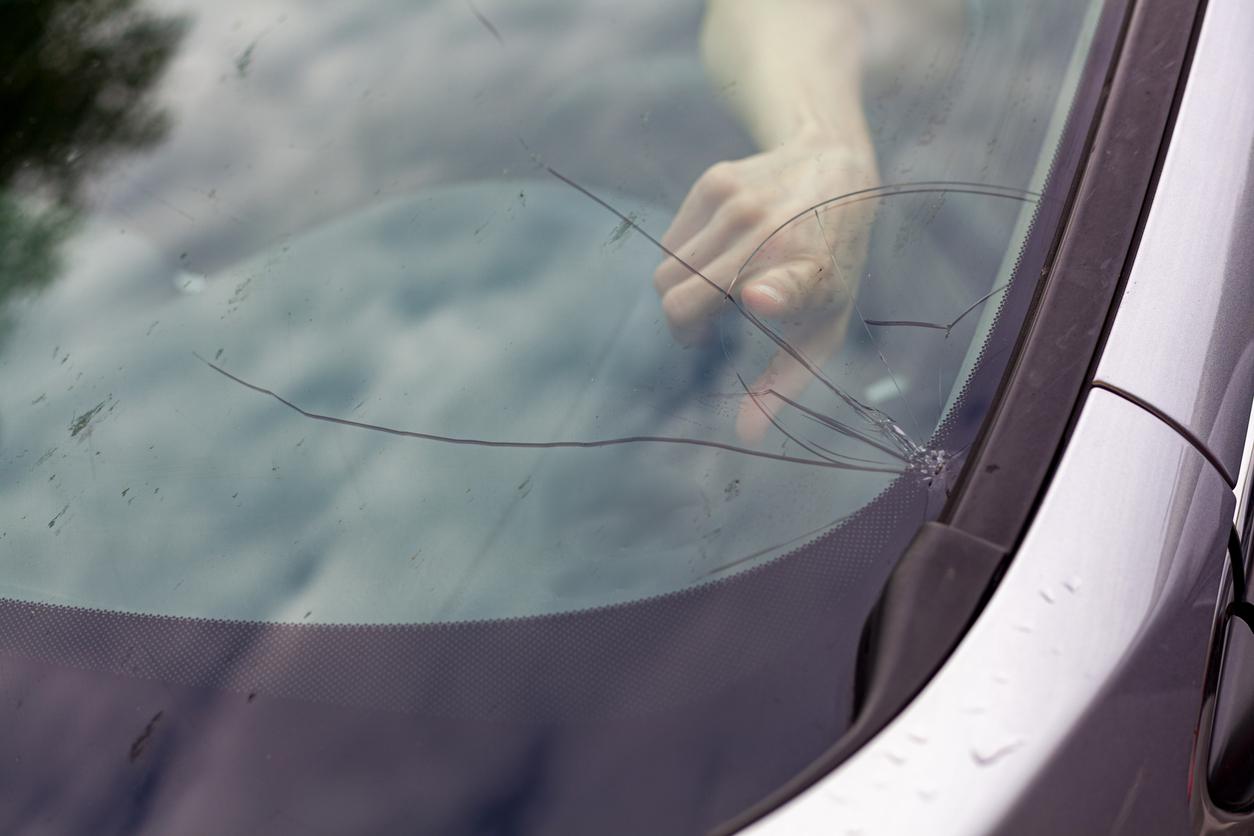
    Cracks on a windshield can change how well you see the road. Even small cracks can catch light and cause glare. This glare makes it harder to focus on driving. The cracks can distract your eyes and reduce your attention.

    Some cracks blur parts of the view. Others create shadows or distortions. These effects make driving unsafe. Understanding the type and size of cracks helps know their impact on vision.

    Types Of Windshield Cracks

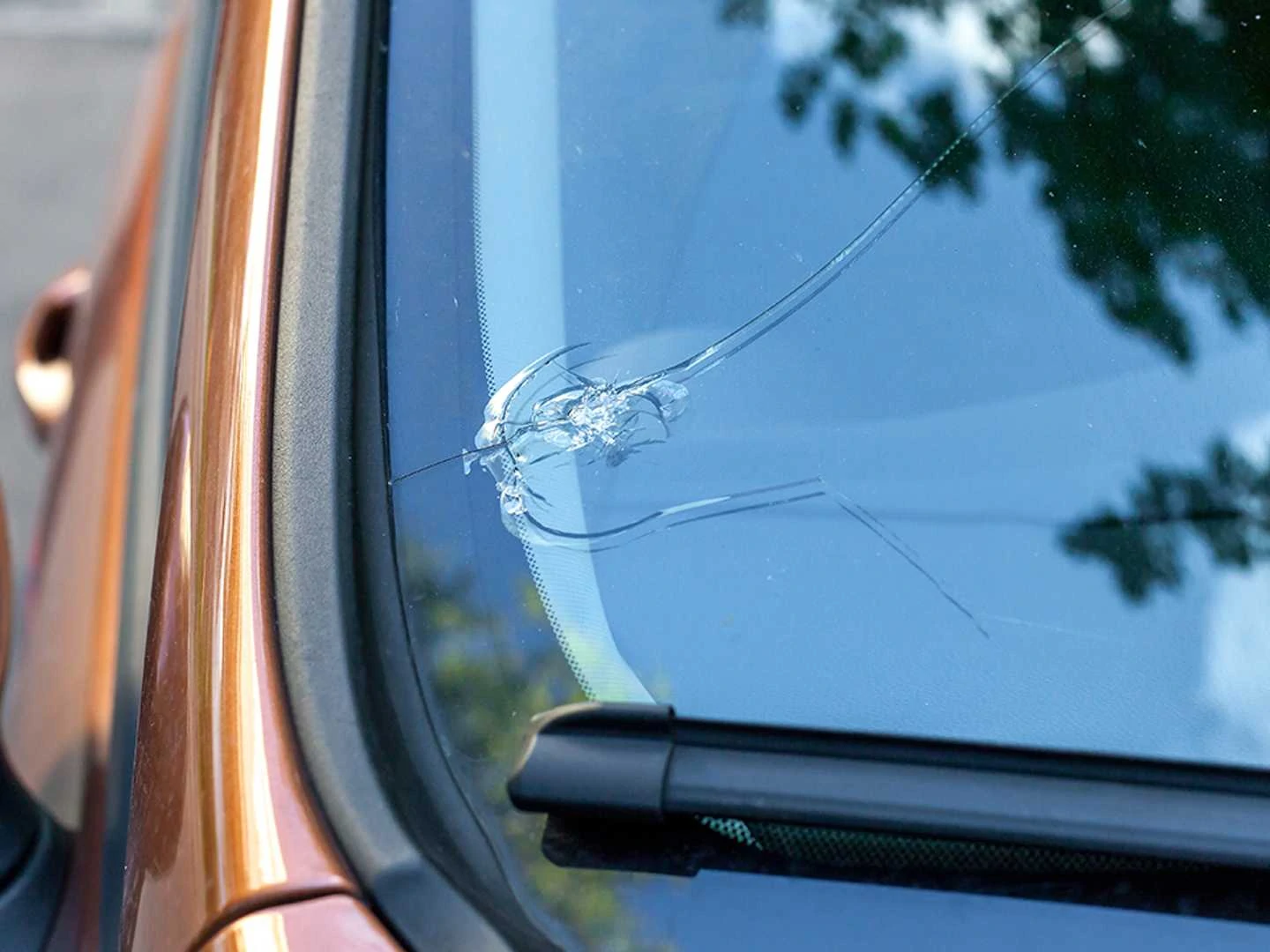
    Windshield cracks come in different shapes. Common types include chips, bulls-eyes, star breaks, and long cracks. Chips are small and round. Bulls-eyes look like a target with a dark center. Star breaks have lines spreading out like a star. Long cracks stretch across the glass.

    Each type affects vision differently. Some cracks stay small. Others grow quickly and block more sight.

    How Cracks Distort View

    Cracks bend and scatter light passing through the glass. This bending creates blurry or doubled images. It can confuse your eyes and slow reaction time. Some cracks cause reflections that distract the driver. The distortion varies with crack depth and shape.

    Small cracks may not change vision much. Larger or deep cracks create more distortion and glare.

    Crack Size And Location Effects

    Big cracks block more of the windshield and reduce clear sight. Cracks near the driver’s line of sight are the most dangerous. They hide important details like traffic signs and pedestrians. Cracks at the edges may not affect vision but can weaken the glass.

    Even small cracks in the center can cause serious vision problems. Size and position both matter for safe driving.

    Safety Risks Linked To Cracked Glass

    Cracked glass on a windshield poses serious safety risks. It affects how well drivers see the road and react to danger. Small cracks can turn into bigger problems quickly. Understanding these risks helps drivers make smart decisions about repairs.

    Reduced Driver Reaction Time

    Cracks block part of the driver’s view. This makes spotting hazards harder and slower. Quick reactions are vital to avoid accidents. Even a tiny crack can slow response by distracting the eyes.

    Increased Glare And Distractions

    Cracks cause light to bend strangely. Sunlight or headlights create glare that blinds drivers. This glare can cause eye strain and confusion. Drivers may lose focus because of these distractions.

    Potential For Shattered Windshield

    Cracks weaken the windshield’s structure. A small impact can cause the glass to shatter. Shattered glass risks injury inside the car. It also leaves drivers exposed to road debris and weather.

    Legal Regulations And Guidelines

    Legal rules about cracked windshields protect drivers and passengers. These laws help keep roads safe. They say when and how you must fix windshield damage. Understanding these rules helps avoid trouble with the law.

    Laws On Windshield Damage

    Many states have clear laws about windshield cracks. Some forbid driving with any crack in the driver’s view. Others allow small cracks outside the driver’s sight. Laws vary, but safety is always the main goal.

    Inspection And Repair Requirements

    Vehicles often must pass safety inspections. Inspectors check windshields for cracks and chips. If damage is too large, repairs or replacements are required. Fixing cracks early prevents bigger problems later.

    Penalties For Ignoring Cracks

    Ignoring windshield cracks can lead to fines. Police can stop drivers for unsafe windshields. Some areas give tickets or require repairs within days. Following rules avoids penalties and keeps you safe.

    Does Cracked Windshield Affect Visibility: Essential Safety Insights

    Credit: www.windshieldexperts.com

    Repair And Replacement Options

    Cracks on a windshield can blur your view and create safety risks. Choosing the right fix is key to clear vision and safe driving. Knowing repair and replacement options helps you act fast and smart.

    When To Repair Vs Replace

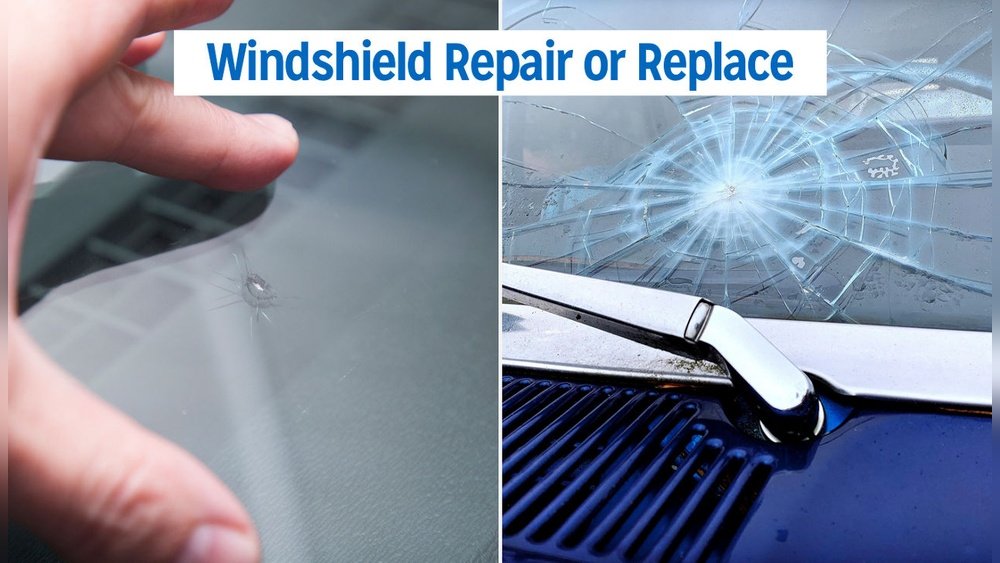
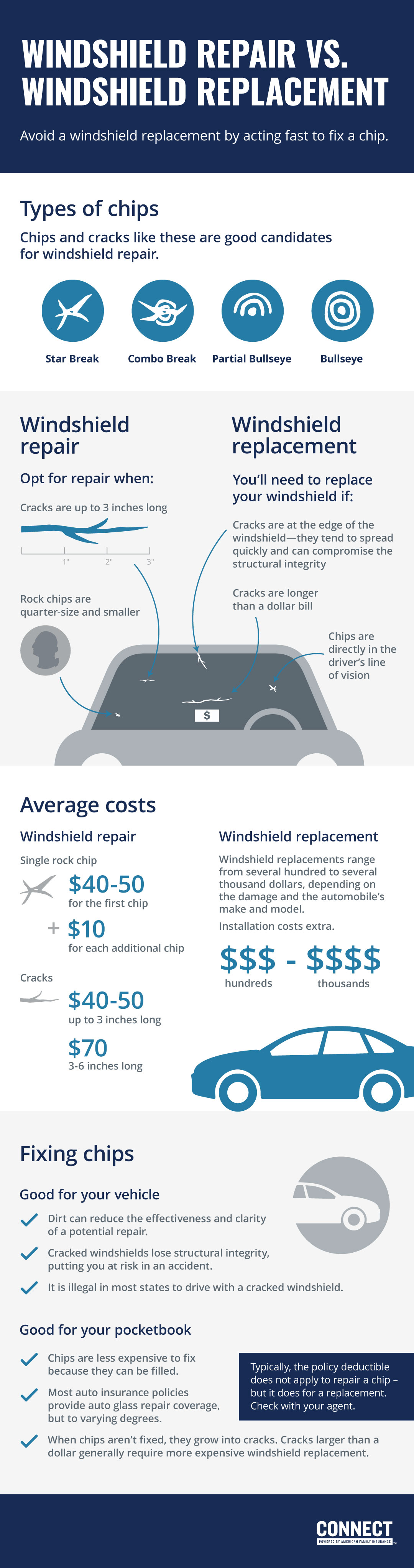
    Small chips or cracks under six inches often get repaired. Repairs stop cracks from spreading and restore strength. Large cracks, deep damage, or cracks near edges need replacement. Replacing keeps your windshield strong and clear.

    Cost And Time Considerations

    Repair costs less and takes about 30 minutes. Replacement costs more and can take a few hours. Insurance may cover repair or replacement costs. Quick repairs save money and avoid bigger problems later.

    Professional Vs Diy Solutions

    Professionals use special tools and resins for repairs. Their work lasts longer and looks better. DIY kits are cheaper but may not fully fix damage. For big cracks, professional replacement is safest and best.

    Preventive Measures And Maintenance

    Preventive measures and regular maintenance help keep your windshield clear and safe. Small cracks can grow and block your view. Taking care of your windshield avoids costly repairs and driving risks.

    Avoiding Windshield Damage

    Park your car in shaded or covered areas. This protects the glass from extreme heat and cold. Avoid parking under trees where falling branches or debris can hit your windshield. Use a windshield cover during bad weather. Replace worn-out wipers to prevent scratches.

    Regular Inspection Tips

    Check your windshield often for small chips or cracks. Use good lighting to spot tiny damage. Clean the glass with gentle, non-abrasive cleaners. Look for any dirt or grime that can hide cracks. Fix small cracks quickly to stop them from growing.

    Safe Driving Practices

    Keep a safe distance from other vehicles, especially trucks. Stones can fly up from tires and hit your windshield. Drive carefully on gravel roads or construction zones. Slow down to reduce the chance of debris hitting your glass. Avoid sudden stops that can cause stress on the windshield.

    Does Cracked Windshield Affect Visibility: Essential Safety Insights

    Credit: www.uniautoglasshouston.com

    Frequently Asked Questions

    Does A Cracked Windshield Reduce Driving Visibility?

    Yes, cracks distort light and blur vision. They create glare and reflections, especially at night. This reduces clarity and driver safety.

    Can Small Cracks Worsen And Impact Visibility?

    Small cracks can expand due to temperature changes and road vibrations. Over time, they grow and further impair clear sight while driving.

    Is It Safe To Drive With A Cracked Windshield?

    Driving with a cracked windshield is risky. The crack can obstruct your view and weaken the glass, increasing accident chances.

    How Does A Cracked Windshield Affect Nighttime Driving?

    Cracks cause light to scatter, creating glare from headlights. This makes it harder to see road details and increases eye strain.

    Conclusion

    A cracked windshield can block your clear view of the road. Even small cracks may cause glare or distort what you see. This can make driving unsafe, especially at night or in bad weather. Fixing or replacing the windshield quickly helps keep you safe.

    Don’t wait for the crack to get bigger. Clear vision matters for your safety and others on the road. Stay alert, and keep your windshield in good shape.

  • How Glass Safety Affects Resale Value: Boost Home Worth Fast

    How Glass Safety Affects Resale Value: Boost Home Worth Fast

    When it comes to selling your home, every detail counts—especially the safety features. One often overlooked factor is glass safety.

    You might not realize it, but the type and condition of your windows and glass doors can significantly impact your home’s resale value. Imagine a potential buyer walking through your house and noticing strong, secure glass versus old, fragile panes.

    Which one would make you feel more confident about the home’s safety? You’ll discover how glass safety affects your property’s worth and learn simple ways to boost your home’s appeal—and price—by focusing on this crucial feature. Keep reading to find out how small changes can make a big difference when it’s time to sell.

    Glass Safety Basics

    Glass safety plays a key role in the value of a home. Safe glass protects people from injury and keeps the house secure. Buyers notice when safety glass is installed. It gives them peace of mind and adds to the home’s worth.

    Types Of Safety Glass

    There are two main types of safety glass: tempered and laminated. Tempered glass is stronger than regular glass. It breaks into small, less dangerous pieces. Laminated glass has a plastic layer between two glass sheets. This layer holds the glass together if it breaks. Both types reduce injury risks and improve home safety.

    Building Codes And Regulations

    Building codes set rules for glass safety in homes. They require safety glass in certain areas like doors and windows near floors. These rules protect people from sharp glass cuts. Following these codes increases a home’s resale value. It shows the property meets safety standards and is well cared for.

    How Glass Safety Affects Resale Value: Boost Home Worth Fast

    Credit: www.curbsideclassic.com

    Impact On Home Value

    Glass safety plays a key role in the value of your home. It affects how buyers see the property and the costs of owning it. Homes with safer glass features often sell for more. They look modern, secure, and well-maintained.

    Investing in safety glass can raise your home’s market appeal. It shows you care about quality and protection. This can set your property apart in a crowded market.

    Buyer Preferences

    Buyers want homes that feel safe. Glass that resists breaking gives peace of mind. It lowers worries about accidents or intruders. Many buyers check windows and doors carefully. Strong, safe glass can influence their decision. It also makes rooms quieter and more comfortable. These features add real value to a home.

    Insurance Benefits

    Insurance companies often give discounts for homes with safety glass. This reduces the risk of damage and injury claims. Lower insurance costs attract buyers. It also saves money over time. Safe glass means fewer repairs and fewer claims. This financial benefit can increase your home’s resale value.

    Upgrading Glass Features

    Upgrading glass features in a home can improve safety and increase its resale value. Buyers often check the type of glass used in windows and doors. Safer, modern glass options add to the home’s appeal and security. These upgrades show care and attention to detail in the property.

    Tempered Vs Laminated Glass

    Tempered glass is strong and breaks into small, blunt pieces. This reduces the chance of injury. It is common in doors and large windows. Laminated glass has a plastic layer between two glass sheets. It holds together even if broken. This stops glass from falling and keeps intruders out.

    Both types improve safety but serve different needs. Tempered glass is best for impact resistance. Laminated glass offers better security and noise reduction. Choosing the right glass can boost a home’s market value.

    Smart Glass Options

    Smart glass changes from clear to frosted with a switch. It gives privacy without curtains or blinds. This feature adds a modern touch to any room. It also helps control light and heat inside the house.

    Smart glass can reduce energy bills and improve comfort. Buyers may pay more for homes with this technology. It shows the home is up-to-date and energy-efficient. Installing smart glass is a smart upgrade for resale value.

    How Glass Safety Affects Resale Value: Boost Home Worth Fast

    Credit: www.texanglass.com

    Cost Vs Return On Investment

    Choosing safety glass for your home or business involves thinking about costs and benefits. The initial cost may seem high, but the return on investment can make it worth the expense. Safety glass not only protects but also adds value to your property. Understanding these costs and benefits helps in making smart decisions.

    Installation Expenses

    Installing safety glass costs more than regular glass. The price depends on the type of glass and the size of the area. Labor charges also affect the total cost. Sometimes, special frames or supports are needed. These factors raise the initial investment. Yet, this cost is a one-time expense for long-term benefits.

    Value Added By Safety Glass

    Safety glass increases property value by improving security and appearance. Buyers see it as a sign of quality and care. It can lower insurance premiums by reducing risks. Homes with safety glass often sell faster. The added value can cover installation costs over time. This makes safety glass a smart choice for resale.

    Maintaining Glass Safety

    Maintaining glass safety is key to keeping a property valuable and secure. Safe glass prevents accidents and adds to a home’s appeal. Buyers often check the condition of windows and doors closely. Well-maintained glass shows care and attention to detail. This can boost the resale value and attract more buyers.

    Ignoring glass safety can lead to cracks, chips, or breaks. These issues reduce a home’s market value and may cause safety concerns. Regular care helps avoid costly repairs and keeps the glass strong and clear.

    Regular Inspections

    Frequent inspections help spot problems early. Check for cracks, chips, or loose fittings on windows and doors. Look for foggy or damaged glass that may need replacement. Inspections every few months keep the glass safe and sound. A simple visual check can save money and prevent accidents.

    Timely Repairs

    Fix any damage immediately to maintain safety and value. Small cracks can spread and cause bigger problems. Replace broken or weakened glass without delay. Timely repairs protect the home and improve its resale appeal. Buyers value homes with strong, safe glass features.

    Marketing Homes With Safety Glass

    Marketing homes with safety glass adds real value to the property. Buyers see safety glass as a smart feature that protects families and reduces accidents. It shows care for quality and security in the home.

    Safety glass can be a strong selling point. It helps the home stand out in a crowded market. Highlighting this feature can attract more serious buyers who want peace of mind.

    Highlighting Safety Features

    Focus on the safety glass in listings and tours. Mention its impact on reducing injury risk. Explain how it meets safety standards. Show windows, doors, or shower enclosures made with this glass. Use clear, simple language to describe its benefits.

    Attracting Safety-conscious Buyers

    Buyers with children or elderly family members often seek safe homes. Safety glass appeals to this group. Emphasize how this feature protects loved ones. It creates trust and confidence in the home’s quality. This can lead to quicker sales and better offers.

    How Glass Safety Affects Resale Value: Boost Home Worth Fast

    Credit: www.dreammaker-remodel.com

    Frequently Asked Questions

    How Does Glass Safety Impact Home Resale Value?

    Glass safety improves home appeal and buyer confidence. Safer glass reduces accident risks, making the property more attractive. It often leads to higher resale prices and faster sales in competitive markets.

    What Types Of Glass Enhance Property Resale Value?

    Tempered, laminated, and double-glazed glass are best. These types provide safety, energy efficiency, and noise reduction. Buyers prefer homes with modern, secure glass installations, boosting resale potential.

    Can Replacing Old Glass Increase Home Marketability?

    Yes, upgrading to safety glass modernizes the home. It enhances security and energy efficiency, attracting more buyers. This improvement often results in higher offers and quicker sales.

    Does Glass Safety Affect Home Insurance Premiums?

    Improved glass safety can lower insurance costs. Insurers may offer discounts for tempered or laminated glass. Safer windows reduce break-in and damage risks, benefiting homeowners financially.

    Conclusion

    Glass safety plays a big role in home value. Buyers want safe, strong glass in windows and doors. Broken or weak glass lowers appeal and price. Installing safety glass shows care and quality. It helps protect families and property too.

    Small upgrades can make a home stand out. Safer glass means better offers and faster sales. Keep glass in good shape to boost value. Simple steps today bring rewards tomorrow. Safety matters. Value follows.

  • How to Clean Shattered Side Window Glass: Quick & Safe Tips

    How to Clean Shattered Side Window Glass: Quick & Safe Tips

    Imagine this: you find your car’s side window shattered, glass pieces scattered everywhere. It’s frustrating, messy, and maybe even a little dangerous.

    You want to clean it up quickly and safely, but you’re unsure where to start. Don’t worry—you’re in the right place. This guide will walk you through simple steps to clean shattered side window glass without stress or injury. By the end, you’ll know exactly how to handle the situation and get your car back to normal.

    Keep reading—you’ll thank yourself later.

    Safety Precautions

    Cleaning shattered side window glass needs careful attention to safety. Broken glass can cause serious cuts and injuries. Taking the right precautions protects you and others nearby. Follow simple safety steps before starting the cleanup.

    Wear Protective Gear

    Always wear thick gloves to protect your hands from sharp edges. Use safety goggles to shield your eyes from flying glass shards. Long sleeves and pants help protect your skin from scratches.

    Clear The Area

    Remove children, pets, and bystanders from the cleaning zone. This prevents accidents and keeps everyone safe. Make sure you have enough space to work comfortably without interruptions.

    Handle Glass With Care

    Pick up large pieces carefully by the edges. Avoid squeezing or applying too much pressure. Use a broom and dustpan to gather smaller shards. Dispose of glass safely in a sturdy container.

    How to Clean Shattered Side Window Glass: Quick & Safe Tips

    Credit: www.reddit.com

    Gather Necessary Tools

    Cleaning shattered side window glass needs care and the right tools. Gathering these tools before starting makes the job safer and easier. Each tool has a specific role in handling broken glass safely and cleaning effectively.

    Gloves And Safety Glasses

    Wear thick gloves to protect your hands from sharp glass. Safety glasses shield your eyes from tiny shards. These items prevent injuries during cleanup.

    Broom And Dustpan

    A broom helps sweep up large glass pieces quickly. Use a dustpan to collect and remove the broken shards. This keeps the area tidy and reduces risk of cuts.

    Vacuum Cleaner

    Use a vacuum cleaner to pick up small glass bits. A vacuum with a hose attachment works best for tight spots. This tool ensures no tiny shards are left behind.

    Trash Bags And Tape

    Use strong trash bags to dispose of broken glass safely. Wrap sharp pieces with tape to prevent them from poking through. Secure the bags tightly before throwing them away.

    Initial Cleanup Steps

    Cleaning shattered side window glass starts with careful initial steps. These steps protect you from injury and prepare the area for thorough cleaning. Take your time and follow each step carefully. Safety is the top priority. Use gloves and eye protection before starting.

    Remove Large Glass Pieces

    Pick up the big glass pieces first. Use thick gloves to avoid cuts. Place the shards in a sturdy container. Do not use thin bags that can tear easily. Clear these pieces away from the main area to avoid accidents.

    Sweep Smaller Shards

    Use a broom and dustpan to sweep up smaller shards. Sweep gently to avoid scattering the glass. Work slowly and cover the entire area. Dispose of the shards in a safe container. Check corners and hidden spots carefully.

    Vacuum Tiny Fragments

    Use a vacuum cleaner to remove tiny glass fragments. Vacuum the floor, seats, and crevices thoroughly. Change the vacuum bag or empty the canister after. This step ensures no glass remains to cause harm. Repeat if needed for a clean finish.

    How to Clean Shattered Side Window Glass: Quick & Safe Tips

    Credit: www.carrchevrolet.com

    Disposal Of Broken Glass

    Disposing of shattered side window glass needs care and safety. Broken glass can hurt people and animals. It also can make a mess that is hard to clean. Proper disposal helps keep everyone safe and protects the environment. Follow these steps to handle broken glass correctly and safely.

    Secure Glass In Tape

    Start by taping the broken glass pieces together. Use wide packing or duct tape strips. Place tape on both sides of each shard. This keeps sharp edges from cutting through bags. It also prevents glass pieces from falling out. Handle the taped glass carefully to avoid injury.

    Use Sturdy Trash Bags

    Put the taped glass into a strong trash bag. Thick plastic bags work best. Double bagging adds extra protection. Tie the bags tightly to stop glass from escaping. Label the bag “Broken Glass” to warn others. This step helps waste workers stay safe.

    Follow Local Disposal Rules

    Check local laws for disposing of broken glass. Some areas ask for special handling or drop-off sites. Others allow regular trash but need clear labeling. Following rules avoids fines and keeps your community clean. Contact your local waste service for exact instructions.

    Prepare For Window Replacement

    Preparing for a window replacement is an important step after cleaning shattered side window glass. Proper preparation helps ensure the new window fits well and works properly. Take time to get everything ready before starting the replacement.

    Clean Window Frame

    Remove all glass shards and dust from the window frame. Use a brush or vacuum to clear small pieces. Wipe the frame with a damp cloth to remove dirt. A clean frame helps the new window seal tightly.

    Check For Damage

    Look closely at the window frame for cracks or rot. Check if any parts are bent or loose. Damage can affect the new window’s fit and function. Repair or replace damaged parts before installing the new glass.

    Cover Opening Temporarily

    Protect your home from weather and pests by covering the opening. Use a heavy plastic sheet or plywood secured with tape or nails. This temporary cover keeps the inside safe until the new window is installed.

    Prevent Future Breakage

    Preventing future breakage of your car’s side window glass saves time and money. Taking simple steps can keep your windows strong and secure. Protecting the glass helps avoid accidents and damage.

    Use Protective Films

    Protective films add a strong layer to your windows. They hold shattered glass in place if broken. These films reduce the chance of cracks from small impacts. Applying them is quick and affordable. They also block UV rays, protecting your car’s interior.

    Park In Safe Locations

    Choose parking spots away from busy roads or construction sites. Look for shaded areas to avoid heat damage. Avoid parking near tall trees or places with falling debris. Safe spots reduce risks of accidental hits or vandalism. A good parking choice keeps your windows safer.

    Regular Window Maintenance

    Clean your windows often to spot small cracks or chips early. Use gentle cleaners to avoid scratching the glass. Check window seals and mechanisms to ensure proper closing. Fix minor issues quickly to prevent bigger problems. Regular care extends the life of your windows.

    How to Clean Shattered Side Window Glass: Quick & Safe Tips

    Credit: www.safelite.com

    Frequently Asked Questions

    How Do I Safely Remove Shattered Side Window Glass?

    Wear gloves and eye protection first. Use a vacuum to clear loose glass. Carefully pick large pieces and dispose of them safely. Avoid sharp edges and work slowly to prevent injuries.

    What Tools Are Needed To Clean Broken Window Glass?

    You need gloves, safety goggles, a vacuum cleaner, sticky tape, and a dustpan. These tools help protect you and efficiently remove all glass pieces.

    Can I Clean Shattered Glass Without Damaging The Car?

    Yes, by using gentle tools and avoiding metal scrapers. Vacuum and sticky tape work well. Be cautious to prevent scratches on paint or interior.

    How To Prevent Glass Shards From Spreading During Cleaning?

    Cover the area with a cloth or plastic sheet first. Work slowly and use sticky tape to pick small shards. This minimizes spread and makes cleanup easier.

    Conclusion

    Cleaning shattered side window glass takes care and patience. Start by protecting yourself with gloves and safety glasses. Collect all glass pieces carefully to avoid cuts. Use a vacuum or tape to pick up tiny shards. Dispose of broken glass safely in a sturdy container.

    Clean the area thoroughly to remove any leftover fragments. Finally, consider replacing the window soon for safety and comfort. Taking these steps keeps you safe and your vehicle clean. Simple, careful work makes a big difference.

  • How to Clean Car Windshield Outside: Quick & Easy Steps

    How to Clean Car Windshield Outside: Quick & Easy Steps

    Your car’s windshield is your window to the road. When it’s dirty, your vision gets blurry, and driving becomes risky.

    You might think cleaning the outside of your windshield is simple, but doing it the right way can make a huge difference. You’ll discover easy, effective steps to get your windshield spotless and clear. By the end, you’ll know exactly how to boost your safety and enjoy a crystal-clear view every time you drive.

    Keep reading—your eyes will thank you!

    How to Clean Car Windshield Outside: Quick & Easy Steps

    Credit: delicate-leather.com

    Tools Needed

    Cleaning the outside of your car windshield is simple with the right tools. Using proper supplies makes the job quick and effective. Prepare your tools before starting for the best results.

    Essential Cleaning Supplies

    A good glass cleaner is the main tool for a streak-free finish. Choose one made for automotive glass to avoid damage. Use a microfiber cloth to wipe the glass gently. It removes dirt without scratching. A bucket of clean water helps rinse away grime. Soft sponges or wash mitts are perfect for scrubbing. Avoid rough materials that can scratch the glass.

    Optional Accessories

    A squeegee makes drying the windshield faster and cleaner. It removes water and cleaner without leaving streaks. Use a detailing brush to clean around wiper blades and edges. It helps reach tight spots where dirt hides. A spray bottle lets you apply cleaner evenly. It saves product and controls the amount used. Consider water-repellent treatments for longer-lasting clarity after cleaning.

    Preparing The Windshield

    Preparing the windshield is an important first step before cleaning. A clean surface helps the cleaning solution work better. Start by making sure the windshield is ready to avoid streaks and spots.

    Taking time to prepare the glass will save effort later. It also protects the windshield from scratches and damage. Follow these simple steps to get your windshield ready.

    Remove Loose Dirt And Debris

    Use a soft brush or a dry cloth to clear off dust and dirt. Dirt left on the glass can cause scratches during cleaning. Check the edges and corners carefully. Remove leaves, bugs, or bird droppings that may stick to the surface. This step helps the cleaning spray reach the glass fully.

    Check Weather Conditions

    Pick a dry day with no rain or strong wind. Cleaning a wet or windy windshield is harder and less effective. Avoid direct sunlight to prevent quick drying and streaks. Early morning or late afternoon works best. Mild temperatures help the cleaning products work properly.

    Choosing The Right Cleaner

    Choosing the right cleaner is key for a spotless car windshield. It helps remove dirt, bugs, and grime quickly. The right product also protects the glass from scratches and streaks. You want something effective but safe for your car’s surface.

    Homemade Solutions

    Homemade cleaners use simple ingredients found at home. Vinegar mixed with water is a popular choice. It cuts through dirt and leaves the glass clear. Another option is a mix of dish soap and water. It gently cleans without harming the glass. These solutions are cheap and easy to make. They work well for light cleaning jobs.

    Commercial Cleaners

    Commercial cleaners are made specifically for car windshields. They often contain stronger ingredients for tough dirt and bugs. Many come with anti-fog and rain-repellent features. These products save time and effort. Always check the label to avoid harsh chemicals. Some cleaners can damage tint or rubber seals. Choose a product made for automotive glass only.

    Step-by-step Cleaning Process

    Cleaning the outside of your car windshield is simple with the right steps. Follow this clear process to get a spotless, streak-free finish. Each step helps remove dirt and grime effectively.

    Initial Rinse

    Start by rinsing the windshield with water. Use a hose or a bucket to wet the glass. This removes loose dirt and dust. It also prevents scratches during scrubbing.

    Apply Cleaner

    Choose a good glass cleaner made for cars. Spray it evenly on the windshield surface. Cover all areas, including corners and edges. Let the cleaner sit for a few seconds to break down tough spots.

    Scrubbing Technique

    Use a soft sponge or microfiber cloth to scrub the glass. Move in small circles to lift dirt gently. Avoid pressing too hard to prevent scratches. Focus on stubborn spots until they disappear.

    Final Rinse

    Rinse the windshield again with clean water. This washes away the cleaner and dirt residues. Use a squeegee or a dry cloth to remove water. Finish with a dry, streak-free glass surface.

    Dealing With Stubborn Stains

    Stubborn stains on your car windshield can block your view and make driving unsafe. These marks do not come off with simple wiping. Special care and the right products help clear these tough spots. Cleaning stubborn stains ensures a clear, safe windshield for every drive.

    Bug And Sap Removal

    Bugs and tree sap stick tightly to glass. Use a soft cloth soaked in warm, soapy water. Gently rub the spots until they soften. For tough sap, apply rubbing alcohol or a commercial bug remover. Let it sit for a few minutes, then wipe away. Avoid scraping; it can scratch the glass.

    Water Spot Treatment

    Water spots form from mineral deposits after rain or washing. Vinegar is effective for breaking down these deposits. Mix equal parts vinegar and water in a spray bottle. Spray on the spots and let it sit for five minutes. Wipe with a clean cloth in circular motions. Rinse with water to avoid residue.

    How to Clean Car Windshield Outside: Quick & Easy Steps

    Credit: www.soft99.co.jp

    Drying And Polishing

    Drying and polishing the car windshield outside is an important step. It removes water spots and streaks. A clean, clear windshield improves your view and safety. Proper drying keeps the glass shiny and smooth.

    Best Towels To Use

    Choose soft microfiber towels for drying and polishing. They absorb water well without scratching glass. Avoid rough or old towels that leave lint or marks. Use clean towels only to stop dirt from spreading.

    Avoiding Streaks

    Dry the windshield in a circular motion. Gently polish the glass to remove any smudges. Avoid drying in direct sunlight to stop quick drying streaks. Use a second dry towel to buff the glass for a clear finish.

    Maintenance Tips

    Maintaining a clean car windshield outside is key for safe driving. Dirt, dust, and bugs can build up fast. Regular care keeps your glass clear and damage-free. Follow simple tips to protect your windshield and extend its life.

    Regular Cleaning Schedule

    Set a routine for washing your windshield. Clean it at least once a week. Use mild soap and water with a soft cloth. Avoid harsh chemicals that can harm the glass. Rinse well and dry with a microfiber towel. This stops dirt from scratching the surface.

    Protective Treatments

    Apply a water-repellent coating to your windshield. These treatments help rain slide off quickly. They also reduce dirt sticking to the glass. Use a product made for car windshields. Follow the instructions carefully for best results. This adds an extra layer of protection every season.

    How to Clean Car Windshield Outside: Quick & Easy Steps

    Credit: www.glassfixitauto.com

    Frequently Asked Questions

    How Do I Clean A Car Windshield Outside Effectively?

    Use a glass cleaner and microfiber cloth to clean. Spray cleaner evenly and wipe in circular motions. Remove dirt, bugs, and grime carefully for a clear view.

    What Tools Are Best For Cleaning Car Windshields Outside?

    Microfiber cloths and a quality glass cleaner work best. Avoid paper towels that can leave streaks. Use a soft brush for tough debris.

    Can I Use Household Cleaners On My Car Windshield?

    Avoid ammonia-based cleaners as they can damage tint and rubber seals. Opt for automotive glass cleaners designed for windshields for safe, streak-free cleaning.

    How Often Should I Clean My Car’s Outside Windshield?

    Clean your windshield at least once a week. More frequent cleaning is needed in dusty or rainy environments to maintain clear visibility.

    Conclusion

    Cleaning your car’s windshield outside is simple and quick. Use the right tools like a soft cloth and good cleaner. Work in small sections to avoid streaks. Rinse often to keep dirt from spreading. Regular cleaning helps you see better and drives safer.

    A clean windshield also keeps your car looking fresh. Try these easy steps next time you wash your car. Clear glass makes every drive more pleasant and safe.

  • How Glass Safety Supports Vehicle Structure: Enhancing Strength & Security

    How Glass Safety Supports Vehicle Structure: Enhancing Strength & Security

    Have you ever thought about how your car’s glass does more than just let you see the road? The glass in your vehicle plays a crucial role in keeping you safe and supporting the entire structure of your car.

    When you understand how glass safety works, you’ll see why choosing the right glass matters for your protection. Keep reading to discover the surprising ways your vehicle’s glass supports its strength and keeps you secure every time you drive.

    Role Of Glass In Vehicle Structure

    Glass plays a vital role in the structure of modern vehicles. It does more than just let drivers see outside. Vehicle glass adds strength and safety to the car’s frame. It helps protect passengers in crashes and supports the overall shape of the vehicle.

    Automotive glass must meet strict safety and durability standards. It works with other parts of the car to create a strong, safe environment. Understanding the types and functions of vehicle glass reveals its importance in vehicle design.

    Types Of Automotive Glass

    Two main types of glass are used in vehicles: laminated and tempered. Laminated glass has a plastic layer between two glass sheets. This design keeps the glass from shattering on impact. It is commonly used for windshields.

    Tempered glass is heated and cooled rapidly. This process makes it strong and causes it to break into small, less dangerous pieces. Tempered glass is often used for side and rear windows.

    Glass As A Structural Component

    Vehicle glass adds to the car’s structural integrity. The windshield, for example, supports the roof and helps prevent collapse during rollovers. It also helps distribute forces in a crash, reducing damage to the vehicle.

    Strong glass improves passenger protection by absorbing impact energy. It works with seat belts and airbags to keep people safe. This makes the glass a key part of the car’s safety system.

    Integration With Vehicle Frame

    Glass is carefully fitted into the vehicle frame. Adhesives and seals bond the glass firmly to metal parts. This connection strengthens the overall frame and prevents leaks or rattling.

    The tight integration also helps keep the vehicle stiff. A stiffer frame improves handling and safety. Proper installation ensures the glass performs its structural and protective roles well.

    Materials Enhancing Glass Strength

    Glass in vehicles must be strong and safe. Special materials make car glass tough. These materials help glass hold up during impacts. They also protect passengers inside. Understanding these materials shows how glass supports vehicle structure.

    Tempered Glass Features

    Tempered glass is heated and cooled quickly. This process makes it stronger than normal glass. It resists breaking and can handle heavy pressure. If it breaks, it shatters into small, dull pieces. This reduces the chance of injury inside the car. Tempered glass is often used for side and rear windows.

    Laminated Glass Benefits

    Laminated glass has two layers of glass with plastic in between. This plastic layer holds the glass together if it breaks. It keeps the glass from falling apart. Laminated glass improves safety by stopping sharp shards. It also helps keep the roof strong during accidents. This type is usually used for windshields.

    Innovative Glass Technologies

    New technologies make vehicle glass smarter and safer. Some glass types can block heat and UV rays. Others include sensors for rain or light. These features improve comfort and driver awareness. Advanced coatings increase strength and reduce glare. These innovations enhance both safety and vehicle design.

    Impact On Vehicle Safety

    Glass safety plays a key role in protecting vehicle passengers during crashes. It supports the vehicle structure and helps reduce injuries. Strong, well-designed glass can absorb impact and keep people inside the car. This section explains how glass safety impacts overall vehicle safety.

    Protection Against Impacts

    Safety glass is made to resist breaking easily. It absorbs force during collisions, reducing the risk of sharp shards. Laminated glass holds together, even when cracked, protecting passengers from cuts. This strength helps keep the vehicle’s frame stable under pressure. It acts as a shield against flying objects and debris.

    Prevention Of Ejection

    Glass safety prevents passengers from being thrown out during crashes. Intact glass acts as a barrier, keeping people inside the vehicle. This reduces the chance of severe injuries or death. Modern safety glass remains in place, even after impact. This support is crucial for occupant protection in accidents.

    Support During Rollovers

    In rollovers, safety glass helps maintain the vehicle’s shape. It adds strength to the roof and sides, preventing collapse. This support protects passengers from being crushed inside. Well-installed safety glass helps keep the cabin intact. It makes rollovers less dangerous for everyone inside.

    How Glass Safety Supports Vehicle Structure: Enhancing Strength & Security

    Credit: safti.com

    Glass And Security Measures

    Vehicle glass plays a crucial role in security. It helps protect passengers and valuable items inside the car. Strong glass can stop thieves and reduce damage during accidents. Car manufacturers use special glass to improve safety and security.

    Anti-theft Glass Solutions

    Anti-theft glass is made to resist breaking and cutting. It uses layers of tough materials that hold together even if cracked. This glass slows down thieves trying to smash windows. It acts as a barrier, making theft harder and taking more time.

    Resistance To Forced Entry

    Security glass offers high resistance to forced entry. It withstands hits from tools like hammers or crowbars. The glass does not shatter easily, which keeps intruders out. This protection helps keep drivers and passengers safe.

    Integration With Vehicle Alarms

    Vehicle glass can connect with alarm systems. Sensors detect if glass breaks or moves. The alarm sounds immediately to warn the owner. This quick response discourages thieves and alerts nearby people.

    Maintenance And Replacement

    Maintaining vehicle glass is vital for safety and structure support. Regular checks help spot issues early. Timely replacement prevents bigger problems. Proper care keeps the glass strong and reliable.

    Signs Of Glass Damage

    Look for cracks, chips, or scratches on your glass. Even small damages can weaken the glass. Distorted vision through the glass is a warning sign. Unusual noises while driving may indicate loose glass.

    Professional Repair Techniques

    Experts use special tools to fix chips and cracks. They fill cracks with resin to restore strength. Repair avoids the need for full replacement. Professionals ensure repairs do not affect glass clarity.

    Importance Of Proper Installation

    Correct installation is crucial for glass to support structure. Poor fitting can lead to leaks and weak spots. Professionals follow strict guidelines for safety. Proper seals keep the glass firmly in place.

    How Glass Safety Supports Vehicle Structure: Enhancing Strength & Security

    Credit: www.amazon.com

    Future Trends In Automotive Glass

    The future of automotive glass promises exciting changes. These advances will improve safety and vehicle design. New materials and technology will make glass stronger and smarter. Automotive glass will play a bigger role in how cars protect passengers and interact with drivers.

    Innovations in glass will support the growing trend of autonomous vehicles. They will also enhance durability and add new functions that improve driving comfort. Let’s explore key future trends shaping automotive glass.

    Smart Glass Innovations

    Smart glass can change its tint or opacity on demand. It helps control sunlight and heat inside the car. This reduces glare and keeps the cabin cooler. Smart glass can also increase privacy without curtains or blinds. It uses sensors to adjust automatically based on light conditions. This technology adds comfort and saves energy.

    Enhanced Durability Materials

    New materials make automotive glass stronger and more resistant. These materials help glass absorb impacts better. They reduce the chance of cracks during accidents. Some glass types can even repair small scratches by themselves. Enhanced durability means better protection for passengers and longer-lasting windows.

    Role In Autonomous Vehicles

    Autonomous cars rely on sensors and cameras for navigation. Automotive glass will integrate these technologies seamlessly. It will provide clear, distortion-free views for sensors. Glass may also display important information directly to drivers. This supports safer and smarter autonomous driving systems.

    How Glass Safety Supports Vehicle Structure: Enhancing Strength & Security

    Credit: agpmn.com

    Frequently Asked Questions

    How Does Glass Safety Enhance Vehicle Structural Integrity?

    Glass safety adds strength to the vehicle frame by distributing impact forces. Laminated and tempered glass resist shattering, maintaining cabin stability during crashes. This helps protect passengers and supports the vehicle’s overall durability.

    What Types Of Safety Glass Are Used In Vehicles?

    Vehicles primarily use laminated glass for windshields and tempered glass for side and rear windows. Laminated glass holds together upon impact, while tempered glass shatters into small, less harmful pieces. Both types improve passenger safety and vehicle structure.

    Why Is Laminated Glass Important For Vehicle Safety?

    Laminated glass prevents glass shards from flying during an accident, reducing injury risk. It also maintains windshield integrity, supporting roof strength in rollovers. This type of glass is crucial for both safety and structural support.

    Can Safety Glass Reduce Injury During Vehicle Crashes?

    Yes, safety glass minimizes injury by controlling how glass breaks. Laminated glass stays intact, preventing ejection, while tempered glass crumbles safely. This reduces cuts and protects occupants during collisions.

    Conclusion

    Glass safety plays a key role in keeping vehicles strong and secure. It helps protect passengers during accidents by holding glass pieces together. Strong glass adds to the car’s overall structure and prevents injury from sharp shards. Modern safety glass also improves visibility and reduces damage risks.

    Choosing vehicles with quality safety glass means better protection for everyone inside. Safe glass supports the frame, making cars safer on the road. This simple feature can make a big difference in vehicle safety and passenger care.

  • Is Side Window Glass Covered Without Deductible? Essential Facts!

    Have you ever faced a cracked or broken side window glass and wondered if your insurance will cover it without making you pay a deductible? Dealing with car damage can be stressful, especially when you’re unsure about what your policy includes.

    Knowing whether your side window glass repair or replacement comes with a deductible can save you time, money, and frustration. You’ll discover exactly how side window glass coverage works and what to expect from your insurance. Keep reading to avoid surprises and get the best outcome for your vehicle.

    Side Window Glass Coverage Basics

    Side window glass is a common part of vehicle damage claims. Knowing the basics of side window glass coverage helps you understand your insurance benefits. This coverage may differ based on the policy and the type of glass damaged. Understanding these details can save money and reduce stress during repairs.

    Types Of Glass Covered

    Side window glass coverage often includes tempered glass. This glass is stronger and shatters into small pieces for safety. Some policies cover laminated glass, used mainly for windshields but sometimes for side windows. Coverage usually applies to damage like cracks, chips, or complete breakage. Scratches or cosmetic damage may not be covered. Knowing what type of glass your car has helps clarify coverage.

    Policies That Include Glass Protection

    Not all insurance plans cover side window glass without a deductible. Comprehensive insurance often includes glass protection. Some insurers offer separate glass coverage add-ons or endorsements. Full coverage policies may have glass protection included or as an option. A no-deductible glass coverage feature might be available in some plans. Checking policy details or talking to an agent confirms if side window glass is covered without deductible.

    Is Side Window Glass Covered Without Deductible? Essential Facts!

    Credit: www.fbitn.com

    Deductible Rules For Side Window Glass

    Understanding the deductible rules for side window glass helps you know what costs to expect. Deductibles affect how much you pay for repairs or replacements. Insurance companies have specific rules about when deductibles apply. Knowing these rules saves money and avoids surprises.

    When Deductibles Apply

    Deductibles usually apply if you file a claim for damage caused by accidents. For example, if a rock hits your side window, you may pay a deductible. Some policies require deductibles for all glass damage claims. The amount depends on your insurance plan and coverage type.

    Damage caused by vandalism or collision often requires paying a deductible. The deductible covers part of the repair cost. Insurance covers the rest after you pay this amount. Check your policy to see the exact deductible for side window glass.

    Situations With No Deductible

    Some insurance plans cover side window glass without any deductible. This coverage often applies to minor chips or cracks. Glass repair services sometimes fix damage without charging a deductible. Certain policies offer full glass coverage as an added benefit.

    In cases of comprehensive coverage, glass replacement may be deductible-free. Some insurers waive deductibles to encourage quick repairs. Ask your agent about no-deductible options for side window glass. This can reduce your out-of-pocket costs significantly.

    Factors Affecting Glass Claims

    Many factors influence whether side window glass is covered without a deductible. Understanding these factors helps vehicle owners know what to expect from their insurance claims. The rules are not the same everywhere. Insurance providers and state laws both play a role.

    Insurance Provider Policies

    Each insurance company has its own rules for glass coverage. Some offer full coverage with no deductible for side window glass. Others require a deductible to be paid before coverage applies. Policy details depend on the plan you choose. Always check your policy’s glass coverage section. This helps avoid surprises during a claim.

    State Regulations Impact

    State laws affect how glass claims work. Some states require insurers to cover glass damage without a deductible. Others allow insurance companies to charge deductibles on all claims. These rules aim to protect consumers but vary widely. Knowing your state’s laws can guide your claim process. It also helps in choosing the right insurance provider.

    Is Side Window Glass Covered Without Deductible? Essential Facts!

    Credit: www.claconnect.com

    How To File A Glass Claim

    Filing a glass claim for your side window can feel confusing. Knowing the right steps helps you get your repair or replacement done quickly. This guide breaks down the process clearly. Follow these steps to file your claim without stress.

    Step-by-step Claim Process

    First, check your insurance policy for glass coverage details. Note whether your side window glass is covered without a deductible. Next, document the damage with clear photos. Call your insurance company or use their app to start the claim. Provide all requested information honestly and clearly. Schedule an appointment with an approved glass repair shop. Keep all receipts and paperwork for your records. After repair, confirm your claim is closed properly.

    Tips To Avoid Deductibles

    Choose insurance plans that offer full glass coverage without deductibles. Use your insurer’s recommended repair shops to avoid extra fees. Report damage as soon as possible to prevent claim denial. Ask about glass coverage limits and any special offers. Some insurers waive deductibles for minor damage. Regularly review your policy to stay updated on coverage changes.

    Cost Comparison: With Vs Without Deductible

    Choosing insurance with or without a deductible affects your costs. This choice changes how much you pay for side window glass repairs. Understanding these costs helps you make better decisions. Let’s look at the cost differences clearly.

    Repair Costs Breakdown

    Without a deductible, you pay nothing out of pocket for glass repair. The insurance covers the entire cost. With a deductible, you pay a set amount first. Then, insurance pays the rest. Deductibles can range from $100 to $500 or more. Small repairs may cost less than the deductible. Then, you pay full cost yourself. Large repairs may be cheaper with a deductible. Check your policy for exact repair prices. Knowing this helps avoid surprises after damage.

    Long-term Insurance Benefits

    Insurance without a deductible often means higher monthly payments. You pay more each month but less during repairs. This can save money over many repairs. Policies with deductibles have lower monthly costs. You pay more only when damage occurs. This choice suits drivers with fewer claims. Consider your driving habits and risks. Choose a plan that fits your budget and needs. Long-term savings depend on how often repairs happen.

    Preventive Measures For Side Window Damage

    Preventing damage to your car’s side window glass saves money and stress. Taking simple steps can lower the risk of cracks, chips, and breaks. Careful protection helps keep your vehicle safe and looking good.

    Small efforts today avoid costly repairs tomorrow. Use easy methods to shield your side windows from harm.

    Protective Films And Treatments

    Applying protective films adds a strong layer to side windows. These films resist scratches and reduce the chance of shattering. Some films block harmful UV rays, keeping the car cooler inside. Installation is quick and affordable. This simple step increases window strength and durability.

    Safe Parking Practices

    Park in safe, covered areas whenever possible. Avoid spots near busy roads or where objects may fall. Choose places with low foot traffic to reduce vandalism risk. Parking away from tall trees prevents damage from falling branches. Such careful parking habits protect side windows daily.

    Is Side Window Glass Covered Without Deductible? Essential Facts!

    Credit: cutthroatmarketing.com

    Frequently Asked Questions

    Is Side Window Glass Damage Covered By Insurance?

    Yes, side window glass damage is often covered under comprehensive auto insurance. Coverage depends on your policy and insurer. Always check if glass repair or replacement is included without deductible.

    Does Insurance Cover Side Window Glass Without Deductible?

    Some insurance policies offer glass coverage without a deductible for side windows. This varies by provider and policy type. Verify your coverage details to know if you qualify for no deductible glass repairs.

    How Can I Get Side Window Glass Covered Without Deductible?

    To get side window glass covered without deductible, choose insurance with glass coverage add-ons. Full glass coverage or zero deductible glass policies are options. Confirm with your insurer before purchasing the policy.

    What Affects Side Window Glass Deductible In Claims?

    Deductible depends on your insurance policy terms and coverage limits. Glass claims may have separate deductibles from other damages. Policies with glass coverage often reduce or waive the deductible for side window repairs.

    Conclusion

    Side window glass coverage depends on your insurance policy. Some plans cover it without a deductible. Others require you to pay a small fee first. Always check your policy details or ask your agent. Knowing this helps avoid surprises after damage.

    Protecting your car’s windows can save money and stress. Stay informed and choose the best coverage for you. Easy steps lead to better peace of mind on the road.

  • What Type of Glass is Used in Side Windows: Ultimate Guide Revealed

    What Type of Glass is Used in Side Windows: Ultimate Guide Revealed

    Have you ever wondered what kind of glass keeps your car’s side windows safe and clear? The glass in your side windows does more than just let you see outside—it protects you from weather, noise, and even accidents.

    Knowing what type of glass is used can help you understand your car better and keep it in top shape. You’ll discover the different types of glass used in side windows and why they matter for your safety and comfort.

    Keep reading to find out what makes your side windows special and how they work to protect you every time you hit the road.

    Types Of Glass For Side Windows

    Side windows use different types of glass to meet safety, comfort, and style needs. Each glass type has special features. These features affect how strong, clear, or private the window is. Understanding these types helps choose the right glass for side windows.

    Tempered Glass

    Tempered glass is strong and breaks into small pieces. This reduces the risk of injury. It is heat-treated to increase strength. Cars often use tempered glass for side windows. It resists impacts and sudden temperature changes well.

    Laminated Glass

    Laminated glass has two layers with a plastic film between. This keeps the glass in place if it breaks. It offers extra security and sound insulation. Many vehicles use laminated glass for side windows to improve safety and reduce noise.

    Tinted And Privacy Glass

    Tinted glass reduces sunlight and heat inside the vehicle. It helps keep the interior cool and protects from UV rays. Privacy glass is darker and prevents others from seeing inside. Both types add comfort and privacy for passengers.

    Acoustic Glass

    Acoustic glass reduces outside noise for a quieter cabin. It combines layers of glass and soundproofing materials. Drivers and passengers enjoy a calm environment. This glass type is common in luxury vehicles and high-end models.

    Benefits Of Tempered Glass

    Tempered glass is a popular choice for side windows in cars and buildings. It offers many benefits that improve safety and durability. This type of glass is treated with heat to make it stronger and safer than regular glass. Here are some key benefits of tempered glass.

    Safety Features

    Tempered glass breaks into small, blunt pieces. These pieces are less likely to cause injury. This makes tempered glass safer in accidents or breakage. It helps protect passengers and people nearby from sharp cuts. It also reduces the chance of serious damage from flying glass shards.

    Durability And Strength

    Tempered glass is stronger than regular glass. It can resist impacts and pressure better. This strength helps side windows withstand stones, debris, and rough conditions. It also handles changes in temperature without cracking. The durability means it lasts longer and needs fewer repairs.

    Cost Considerations

    Tempered glass costs more than standard glass. The manufacturing process is more complex. Despite the higher price, it saves money over time. Less damage and fewer replacements reduce long-term costs. Its safety benefits also add value beyond just price.

    Advantages Of Laminated Glass

    Laminated glass is a popular choice for side windows in many vehicles. It offers several benefits that enhance safety and comfort. This type of glass is made by bonding two layers of glass with a plastic layer in between. This unique structure provides distinct advantages over regular glass.

    Impact Resistance

    Laminated glass holds together when it breaks. The plastic layer keeps shards from flying. This reduces injury risk during accidents. It also helps prevent thieves from easily breaking the window. This makes vehicles safer and more secure.

    Uv Protection

    Laminated glass blocks most harmful UV rays. This protects passengers from sun damage. It also prevents the car’s interior from fading. UV protection helps keep the cabin cooler. This adds comfort on sunny days.

    Noise Reduction

    The plastic layer in laminated glass reduces outside noise. It creates a quieter ride inside the vehicle. This is useful in busy or noisy areas. Less noise means a more pleasant driving experience.

    What Type of Glass is Used in Side Windows: Ultimate Guide Revealed

    Credit: www.safelite.com

    Choosing Glass Based On Vehicle Type

    Choosing the right glass for side windows depends on the vehicle type. Different vehicles need different glass features. These features match the vehicle’s use and safety needs. Understanding these differences helps pick the best glass.

    Passenger Cars

    Passenger cars often use tempered glass for side windows. This glass breaks into small pieces on impact. It reduces injury risk to passengers. Tempered glass is cost-effective and strong enough for daily use. It also offers good visibility and comfort.

    Suvs And Trucks

    SUVs and trucks usually require tougher glass. Laminated glass is common for these vehicles. It holds together when broken, adding security. This glass helps protect occupants in rough driving conditions. It also reduces noise and blocks UV rays.

    Luxury Vehicles

    Luxury vehicles often use laminated glass for side windows. This glass improves sound insulation inside the car. It adds extra safety in accidents. Some luxury cars use special tinted or acoustic glass. These options increase comfort and privacy for passengers.

    Installation And Maintenance Tips

    Proper installation and regular maintenance keep side windows safe and clear. These steps help prevent damage and extend window life. Follow simple tips to keep your car’s side glass in top shape.

    Proper Installation Methods

    Use the correct tools for side window installation. Clean the window frame before placing the glass. Align the glass carefully to avoid gaps. Secure the glass firmly with the right adhesive. Check for leaks after installation.

    Routine Care

    Clean side windows with mild soap and water. Avoid harsh chemicals that may damage the glass. Use a soft cloth to prevent scratches. Check seals regularly for cracks or wear. Lubricate window tracks to ensure smooth movement.

    When To Replace Side Window Glass

    Replace glass if you see cracks or chips. Cloudy or scratched glass reduces visibility. Difficulty opening or closing windows can signal damage. Replace broken seals that cause water leaks. Address any damage quickly to stay safe.

    What Type of Glass is Used in Side Windows: Ultimate Guide Revealed

    Credit: resqme.com

    Legal And Safety Regulations

    Side windows on vehicles must follow strict legal and safety rules. These rules protect passengers and drivers. They also ensure that glass meets safety standards. Understanding these regulations helps you know what type of glass is used. It also explains why certain glass types are chosen over others.

    Federal And State Standards

    Federal laws set basic safety rules for vehicle windows. These rules apply across all states. States may have additional rules for side window glass. These laws cover glass strength, thickness, and shatter resistance. The goal is to reduce injuries during accidents. Side window glass must pass tests before it can be used. This ensures it meets safety needs.

    Tinting Laws

    Many drivers like to tint their side windows. Tinting can reduce glare and heat inside the car. Each state has its own rules about window tint darkness. Some states allow only light tint on side windows. Others may ban tinting on front side windows. These laws protect drivers and pedestrians by keeping visibility clear. Illegal tint can result in fines or vehicle inspection failure.

    Safety Compliance

    Side windows must be made from safety glass. Most use tempered glass or laminated glass. Tempered glass breaks into small pieces to reduce injury. Laminated glass holds together when broken for extra protection. Manufacturers must certify that windows meet safety standards. This certification ensures the glass can protect occupants in crashes. Regular checks help keep vehicles safe on the road.

    Future Trends In Side Window Glass

    The side windows of vehicles are evolving with new glass technologies. These changes aim to improve comfort, safety, and environmental impact. The future of side window glass is bright and full of innovation.

    New materials and smart features will soon become common. These trends will make rides safer and more enjoyable.

    Smart Glass Technology

    Smart glass can change its tint based on light or heat. It helps control the temperature inside the vehicle. This reduces the need for air conditioning. Drivers and passengers get better comfort and privacy. Some smart glass can even block harmful UV rays. This technology is becoming more affordable and practical for side windows.

    Improved Safety Materials

    Safety is a top priority for all car makers. Future side windows will use stronger, more durable glass. Laminated glass will become more common. It holds together when broken, reducing injury risks. Some glass may include sensors to detect cracks or impacts early. This allows faster repairs and better protection. The focus is on preventing accidents and protecting passengers.

    Sustainability In Glass Manufacturing

    Making glass uses a lot of energy and resources. New methods aim to reduce waste and carbon emissions. Recycled glass is becoming a key material in production. Eco-friendly manufacturing processes save energy and water. This helps reduce the overall environmental footprint. Car makers are also choosing suppliers who follow green practices. Sustainable glass supports a cleaner future for transportation.

    What Type of Glass is Used in Side Windows: Ultimate Guide Revealed

    Credit: windowsdoorsmanufacturer618639074.wordpress.com

    Frequently Asked Questions

    What Type Of Glass Is Used In Car Side Windows?

    Car side windows typically use tempered glass. This glass is heat-treated to increase strength. It shatters into small, blunt pieces for safety. Tempered glass balances visibility, durability, and safety for side windows.

    Why Is Tempered Glass Preferred For Side Windows?

    Tempered glass is preferred because it is strong and safe. It resists impact better than regular glass. When broken, it crumbles into small pieces, reducing injury risk. This makes it ideal for car side windows.

    How Does Laminated Glass Differ From Tempered Glass?

    Laminated glass has two layers with a plastic layer in between. It holds together when broken, preventing glass shards from scattering. Tempered glass, by contrast, breaks into small pieces. Laminated glass is mostly used in windshields, not side windows.

    Are Side Windows Made Of Safety Glass?

    Yes, side windows use safety glass, usually tempered glass. It is designed to minimize injury during accidents. Safety glass meets strict automotive safety standards for strength and breakage. This protects passengers effectively.

    Conclusion

    Side windows use toughened or laminated glass for safety and strength. Toughened glass breaks into small pieces to avoid injury. Laminated glass holds together when cracked, adding extra protection. These types also help reduce noise and block some sunlight. Choosing the right glass improves comfort and security in your vehicle.

    Understanding glass types helps you make smart decisions for repairs or upgrades. Safe driving starts with knowing what keeps you protected on the road.

  • When Glass Becomes Unsafe to Drive With: Warning Signs to Watch

    When Glass Becomes Unsafe to Drive With: Warning Signs to Watch

    Have you ever wondered when the glass on your car stops being safe to drive with? It might seem like a small issue, but cracked or damaged glass can put you and everyone in your vehicle at serious risk.

    Knowing the signs that your windshield or windows need attention can save you from accidents and costly repairs. You’ll discover exactly when glass becomes unsafe to drive with and what you should do to protect yourself on the road. Keep reading—you won’t want to miss these crucial tips that could make all the difference for your safety.

    When Glass Becomes Unsafe to Drive With: Warning Signs to Watch

    Credit: judymocklaw.com

    Common Types Of Vehicle Glass

    Vehicle glass plays a critical role in safety during driving. Different parts of a car use different types of glass. Each type is designed to handle specific impacts and protect passengers. Understanding these types helps identify when glass becomes unsafe to drive with.

    Windshield Materials

    Windshields use laminated glass. It consists of two layers of glass with a plastic layer in between. This design prevents glass from shattering on impact. Instead, cracks form but pieces stay attached. This reduces injury risk and keeps visibility clear.

    Damage such as deep cracks or large chips can weaken laminated glass. This makes the windshield unsafe. It may not protect well in accidents or harsh weather. Drivers should replace windshields showing severe damage quickly.

    Side And Rear Windows

    Side and rear windows use tempered glass. This glass is heat-treated to increase strength. When broken, it shatters into tiny, blunt pieces. This reduces the chance of serious cuts.

    Small chips or cracks can worsen fast in tempered glass. Large cracks or missing glass means the window is unsafe. It can break easily, risking injury and security. Drivers should fix or replace damaged side or rear glass soon.

    When Glass Becomes Unsafe to Drive With: Warning Signs to Watch

    Credit: www.realtoughlawyers.com

    Signs Of Damage To Watch For

    Knowing the signs of damaged glass can keep you safe on the road. Car glass protects you from wind, rain, and debris. Damage weakens this protection and can cause accidents. Early detection helps avoid bigger problems and costly repairs.

    Cracks And Chips

    Small cracks and chips often start after hitting stones or debris. These seem minor but grow over time. A crack longer than a few inches can block your view. Chips near the edges weaken the glass structure.

    Even tiny chips spread with temperature changes. Driving with cracked glass risks shattering during sudden impacts. Check your windshield regularly for any new marks.

    Fogging And Discoloration

    Foggy or discolored glass reduces visibility. This can happen inside or outside the glass. It may signal moisture trapped between layers or aging glass. Yellow or brown stains also show damage.

    Fogging creates blurry spots that distract your eyes. Discoloration can hide hazards on the road. Clear and clean glass is vital for safe driving.

    Loose Or Shifting Glass

    Glass should fit tightly in its frame. Loose or shifting glass moves when you drive. This happens from poor installation or frame damage. It lets wind and water inside the car.

    Loose glass may fall out during a crash. It can also make strange noises when driving fast. Test your windows and windshield for any movement.

    Impact On Driving Safety

    Driving with damaged or unsafe glass affects safety in many ways. It can cause serious problems that put drivers, passengers, and others at risk. Understanding these impacts helps highlight why glass must be in good condition before driving.

    Obstructed Visibility

    Cracks, chips, or foggy glass block clear views of the road. Small damage can grow and blur vision. This makes it hard to see other cars, signs, or pedestrians. Poor visibility increases the chance of accidents and sudden stops.

    Structural Integrity Risks

    Car glass supports the vehicle’s structure. Broken or weak glass reduces this support. During crashes, unsafe glass may shatter or fail to protect the cabin. This weakens the car’s frame and raises injury risk for occupants.

    Increased Injury Danger

    Shattered glass can cause cuts and wounds inside the car. Weak glass may break into sharp pieces on impact. Unsafe glass also fails to keep objects from entering the vehicle. This leads to more serious injuries during crashes.

    When To Repair Or Replace

    Knowing when to repair or replace car glass is important for safety. Small cracks or chips may seem harmless but can grow quickly. Deciding the right action depends on damage size and where it is on the glass. Quick decisions help avoid bigger problems and higher costs later.

    Choosing between repair and replacement also depends on how strong the damage is. Temporary fixes might stop damage from spreading for a short time. Permanent solutions ensure long-term safety and clear vision. Understanding these differences helps keep driving safe.

    Size And Location Of Damage

    Small chips under a quarter can often be repaired. Cracks longer than a few inches usually need replacement. Damage near the edge weakens the glass more than in the center. Cracks in the driver’s line of sight require fast action. Bigger or poorly placed damage puts you at risk on the road.

    Temporary Fixes Vs. Permanent Solutions

    Temporary fixes like tape or glue slow crack growth but are short-term. They do not restore full strength or safety. Permanent solutions include professional repair or full glass replacement. Repairs fill chips and cracks, preventing further damage. Replacement installs new glass for the best protection. Choose permanent solutions for long drives and peace of mind.

    Preventive Measures

    Keeping your car glass safe is key to driving without worry. Small problems with glass can turn into big hazards fast. Taking steps to protect your glass helps avoid accidents and costly repairs.

    Regular Inspections

    Check your car glass often for cracks or chips. Look closely at the windshield and windows every few weeks. Catching damage early stops it from spreading. Fix small chips before they become large cracks.

    Safe Driving Habits

    Drive carefully to protect your car glass. Avoid tailgating to reduce stone chips from other cars. Slow down on rough roads to prevent shaking and cracking. Keep a safe distance from trucks and construction vehicles.

    Proper Maintenance

    Clean your glass gently with soft cloths and mild soap. Replace worn wipers to avoid scratches. Use the right products for defrosting and cleaning. Park in shaded spots to protect glass from heat damage.

    When Glass Becomes Unsafe to Drive With: Warning Signs to Watch

    Credit: magazine.northeast.aaa.com

    Legal And Insurance Considerations

    Understanding the legal and insurance aspects of driving with damaged glass is important. It helps you avoid fines and ensures your safety on the road. Knowing the rules can also protect your finances in case of accidents or further damage.

    Safety Regulations

    Many places have strict rules about car glass. Cracks or chips can block your view and cause accidents. Laws usually require windshield damage to be repaired quickly. Driving with unsafe glass can lead to fines or penalties. Some areas set clear limits on how much damage is allowed. Knowing these rules helps you stay safe and avoid trouble.

    Insurance Coverage For Glass Damage

    Car insurance often covers glass repairs or replacements. Coverage depends on your policy type and provider. Comprehensive insurance usually pays for glass damage from accidents or weather. Some policies offer full glass coverage without a deductible. Others might require a deductible or limit coverage. Always check your policy to understand what is covered. Quick repairs can prevent bigger costs later.

    Frequently Asked Questions

    When Is Car Glass Considered Unsafe To Drive With?

    Car glass is unsafe when it has large cracks, deep chips, or shattered areas. These defects impair visibility and weaken the glass structure, increasing accident risk. Immediate repair or replacement is crucial for safe driving.

    How Do Small Chips Affect Windshield Safety?

    Small chips can expand into larger cracks due to temperature changes or vibrations. This growth compromises windshield strength and driver visibility. Timely repair of chips prevents further damage and keeps the glass safe to drive with.

    Can Damaged Glass Shatter During Driving?

    Yes, damaged glass is more prone to shattering from road bumps or minor impacts. This sudden breakage endangers passengers and causes loss of visibility. Promptly fixing or replacing compromised glass ensures safer driving conditions.

    What Glass Damage Requires Immediate Replacement?

    Glass with extensive cracks, spiderweb patterns, or large shattered sections needs urgent replacement. These damages can’t be effectively repaired and pose serious safety risks. Driving with such glass is unsafe and often illegal.

    Conclusion

    Driving with damaged or weak glass puts your safety at risk. Small cracks can quickly grow and block your view. Chips may seem minor but can cause bigger problems. Clear, strong glass helps you see the road and other drivers.

    Replace or repair glass as soon as damage appears. Stay alert and keep your vehicle safe to avoid accidents. Good glass means safer trips for you and your passengers. Don’t wait until it’s too late. Safety always comes first.