Blog

  • Can Windshield Chip Cause Wind Noise? Uncover the Shocking Truth

    Can Windshield Chip Cause Wind Noise? Uncover the Shocking Truth

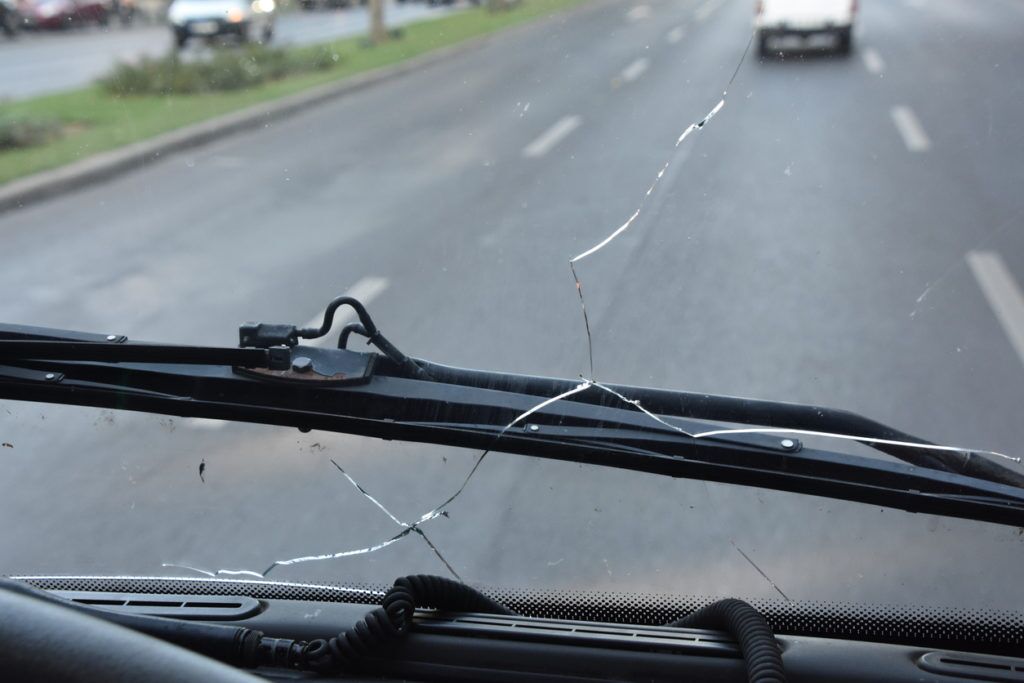
    Have you ever noticed a strange whooshing sound while driving and wondered where it’s coming from? If your windshield has a small chip, you might be surprised to learn it could be the cause of that annoying wind noise.

    That tiny crack isn’t just a cosmetic issue—it can affect your driving comfort more than you realize. You’ll discover how a windshield chip can lead to wind noise and what you can do to fix it before it becomes a bigger problem.

    Keep reading to protect your ride and enjoy a quieter drive.

    Can Windshield Chip Cause Wind Noise? Uncover the Shocking Truth

    Credit: www.reddit.com

    How Windshield Chips Form

    Windshield chips happen when small objects hit the glass surface. These impacts create tiny cracks or pits. Over time, these chips can grow and cause bigger damage. Understanding how these chips form helps prevent further problems, like wind noise.

    Even small chips affect the smoothness of the windshield. This rough surface can change how air moves around the glass. That change can lead to unusual wind noise while driving. Knowing the causes and common locations of chips helps keep your windshield clear and quiet.

    Common Causes Of Chips

    Rocks and debris kicked up by other cars cause most chips. Small stones fly at high speeds and hit the windshield hard. Weather changes also play a role. Sudden temperature shifts make glass more fragile, increasing chip risk. Roadwork areas often have loose gravel, raising the chance of damage.

    Locations Prone To Damage

    The area behind the hood and near the edges of the windshield are most at risk. These spots face strong air pressure and direct impact from debris. The center of the windshield, though less exposed, can still get chips from larger stones. Corners and edges have thinner glass, making chips more likely there.

    Can Windshield Chip Cause Wind Noise? Uncover the Shocking Truth

    Credit: www.reddit.com

    Wind Noise Basics

    Wind noise can make driving less comfortable. It is the sound air makes as it moves around your car. This noise comes from many places on your vehicle. Understanding wind noise basics helps you know why it happens. It also shows how small car issues, like windshield chips, might add to the problem.

    Sources Of Wind Noise

    Wind noise mostly comes from gaps and edges on your car. Windows not fully closed or door seals can let air slip in. Roof racks and side mirrors also catch the wind. Even small cracks or chips in the windshield can change air flow. This change can create extra noise while driving. Tires and wheel wells add to the sound, especially at high speeds.

    Impact On Driving Experience

    Wind noise can make it hard to hear music or talk on the phone. It causes distraction and fatigue during long drives. Constant noise can increase stress and reduce focus. A chipped windshield lets more air pass, raising noise levels inside. Fixing chips and cracks helps keep the cabin quiet. A quieter ride improves comfort and safety on the road.

    Link Between Chips And Wind Noise

    Small chips on a windshield might seem harmless. Yet, they can change how air flows over the glass. This change can cause wind noise inside the car. Understanding this link helps in noticing and fixing problems early.

    Even a tiny chip can disturb smooth airflow. The result is often a whistling or whooshing sound. This noise grows louder with speed and can become very distracting.

    How Chips Affect Aerodynamics

    Windshields are designed to guide air smoothly. Chips create rough spots that break this flow. Air hits these rough edges and creates turbulence. This turbulence makes noise that drivers can hear inside the car.

    Not all chips cause noise. The size, shape, and location matter. Chips near the edges often cause more wind noise. This happens because air pressure changes more at these points.

    Case Studies And Reports

    Several studies show a clear link between chips and wind noise. Car owners report more noise after getting windshield damage. Experts note that fixing chips reduces or stops the noise.

    One report found that chips over 1/4 inch increased wind noise by 30%. Another study showed that repairing chips lowered noise complaints by 50%. These findings stress the importance of quick repairs.

    Can Windshield Chip Cause Wind Noise? Uncover the Shocking Truth

    Credit: ieabp.com

    Detecting Wind Noise From Chips

    Detecting wind noise from windshield chips is important for a smooth drive. Small chips can create gaps that let air slip through. This causes annoying sounds while driving. Knowing how to spot and test these noises helps keep your car quiet and safe.

    Signs To Watch For

    Listen for whistling or hissing sounds near the windshield. These noises often increase with speed. Notice if the sound is louder on one side of the car. Look closely at the chip. If it has cracks spreading out, it may cause air leaks.

    Testing Techniques

    Close all windows and doors. Drive at different speeds and pay attention to noise changes. Use a piece of tape over the chip to block air. See if the sound reduces. Another way is to spray soapy water on the chip. Watch for bubbles that show air escaping.

    Repairing Chips To Reduce Noise

    Chips on your windshield can cause annoying wind noise while driving. Small cracks create gaps where air passes through. Repairing these chips helps seal the windshield surface. This reduces the air flow and lowers noise. Fixing chips also stops them from growing bigger. It keeps your windshield strong and quiet.

    Diy Vs Professional Repairs

    DIY kits are affordable and easy to use. They work well for very small chips. The kits fill the chip with resin to stop cracks. But they may not fix deep or large damage fully. Professional repairs use special tools and stronger resin. Experts can handle bigger chips and cracks. They ensure the repair is smooth and sealed. Professionals also check if the windshield is safe to use. Choosing the right method depends on chip size and damage.

    When To Replace The Windshield

    Some chips cannot be fixed with repair. If the damage is large or in the driver’s view, replacement is needed. Cracks that spread quickly also require a new windshield. Replacement restores full strength and clarity. It removes wind noise caused by big gaps. A new windshield gives better safety and comfort. Always inspect your windshield after damage to decide the next step.

    Preventing Chips And Noise

    Preventing windshield chips helps avoid annoying wind noise. Small chips can grow and change the glass shape. This creates gaps where air sneaks in. Sealing the glass tight stops this noise. Taking steps to protect your windshield is smart. Safe habits lower chip risks and noise problems.

    Protective Measures

    Use a good windshield cover when parked. This stops debris from hitting the glass. Park in a garage or shaded area. Avoid gravel roads or places with loose stones. Clean your windshield often to spot small chips early. Fix chips quickly to stop cracks from growing. Use quality windshield repair kits or visit a shop.

    Safe Driving Habits

    Keep a safe distance from other vehicles. Rocks and debris often fly from tires. Slow down on rough or gravel roads. Avoid sudden stops near construction zones. Drive carefully around trucks carrying loose materials. Watch for falling branches or road hazards. These habits reduce windshield damage and wind noise.

    Frequently Asked Questions

    Can A Windshield Chip Cause Wind Noise?

    Yes, a windshield chip can disrupt airflow and create wind noise. The damaged area alters smooth air passage, causing vibrations. This noise may increase with speed and worsen if the chip grows larger.

    How Does A Chip Affect Windshield Aerodynamics?

    A chip interrupts the windshield’s smooth surface, affecting aerodynamics. Airflow becomes turbulent around the chip, leading to increased wind resistance and noise. This can reduce driving comfort and may signal the need for repair.

    Will Repairing A Chip Reduce Wind Noise?

    Repairing a chip restores the windshield’s smooth surface, improving aerodynamics. This repair often reduces or eliminates wind noise caused by the chip. Prompt fixing also prevents further damage and maintains driving safety.

    Is Wind Noise From A Chip Harmful To Driving?

    Wind noise from a chip is mostly an annoyance but can distract drivers. If the chip worsens, it may compromise windshield integrity and visibility. Timely repair improves safety and reduces noise distractions.

    Conclusion

    A windshield chip can cause wind noise while driving. Small cracks change how air flows over the glass. This can lead to annoying sounds inside your car. Fixing chips quickly helps keep your ride quiet and safe. Regular windshield checks catch problems early.

    Quiet drives feel more comfortable and less distracting. Don’t ignore chips, as they may grow worse over time. Taking care of your windshield keeps noise low and visibility clear. Simple steps can make a big difference in your driving experience.

  • Can Potholes Cause Windshield Cracks? Shocking Truth Revealed!

    Have you ever hit a pothole and wondered if it could harm your car’s windshield? You might think potholes only damage tires or suspension, but they can actually cause cracks in your windshield too.

    Ignoring this problem could lead to bigger, more expensive repairs down the road. Keep reading to find out how potholes can affect your windshield and what you can do to protect your car and your safety.

    Can Potholes Cause Windshield Cracks? Shocking Truth Revealed!

    Credit: northeastautoglass.net

    Potholes And Their Impact

    Potholes are common on many roads. They can cause serious problems for drivers. These holes form from weather and traffic. Their impact on vehicles is often underestimated. Potholes can damage tires, suspension, and even windshields.

    How Potholes Form

    Water seeps into small cracks in the road. Freezing weather makes the water expand. This pushes the road surface up and cracks it further. Traffic drives over these weak spots. Over time, the surface breaks and creates a pothole.

    Heavy rain and snow speed up pothole formation. Roads with poor drainage are more at risk. Constant pressure from cars and trucks worsens the damage. Potholes grow larger and deeper if not fixed quickly.

    Common Vehicle Damage From Potholes

    Hitting a pothole can cause tire damage. Tires may get punctured or lose air quickly. The vehicle’s suspension can also suffer. Struts, shocks, and springs can break or bend.

    Steering alignment often gets affected after a pothole impact. This causes uneven tire wear and poor handling. Potholes can even lead to cracks in the windshield. The sudden jolt can stress the glass, causing it to crack.

    Ignoring pothole damage leads to costly repairs later. Regular vehicle checks help spot problems early.

    Windshield Vulnerabilities

    Windshields protect drivers from wind, rain, and debris. Despite their strength, they have weak spots. These weak spots make them vulnerable to damage. Understanding these vulnerabilities helps explain why potholes can cause cracks.

    Types Of Windshield Damage

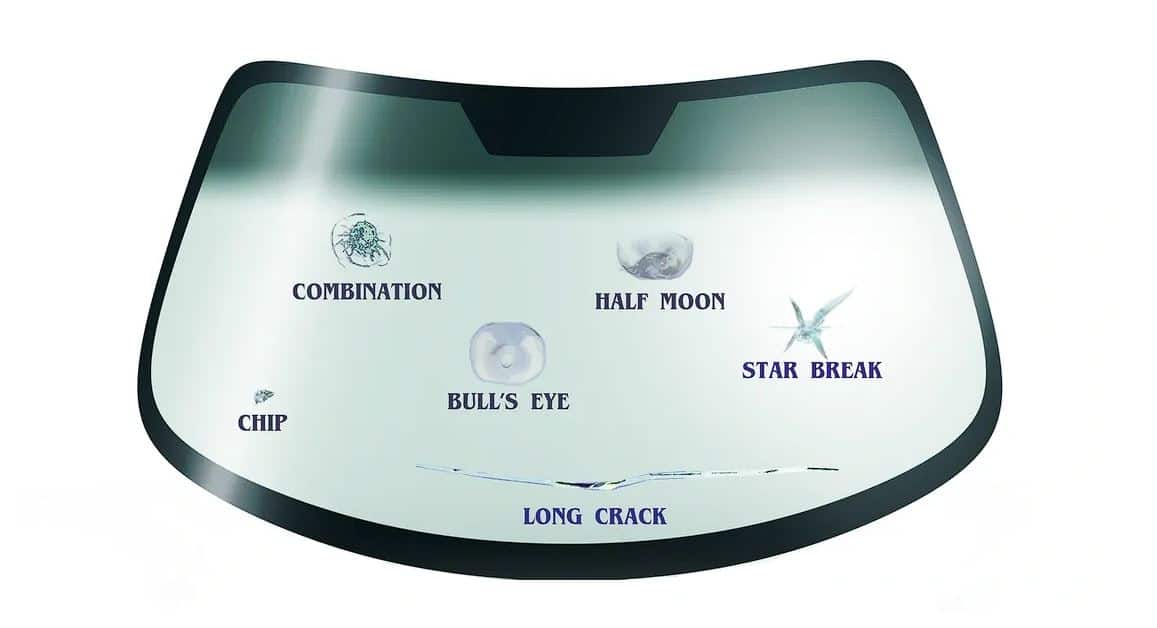
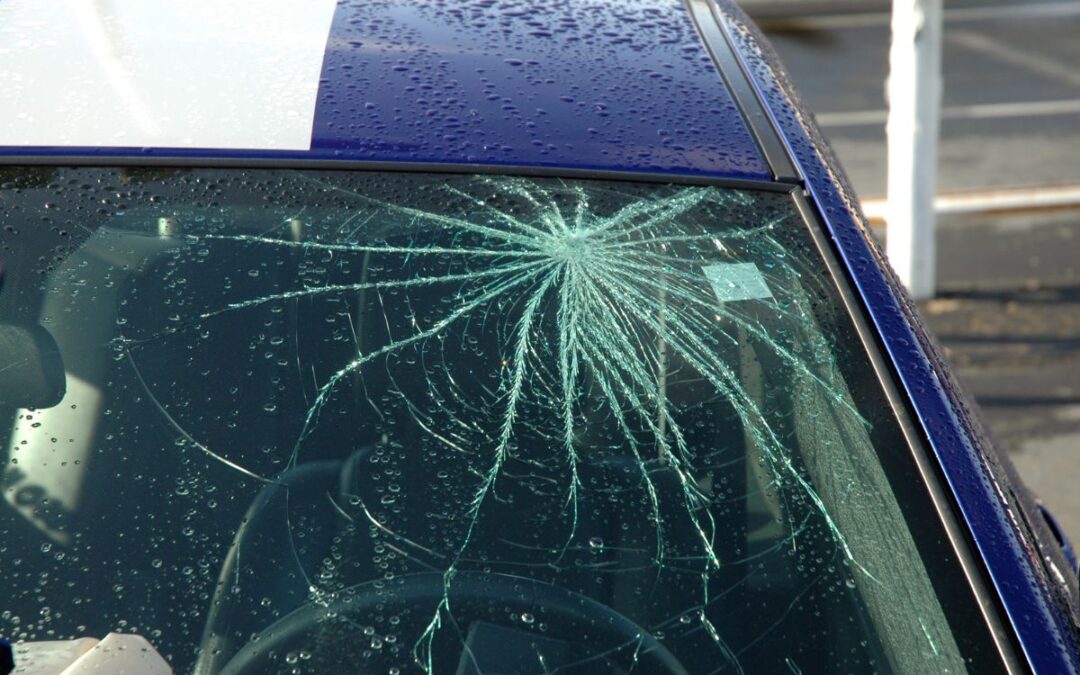
    Windshield damage comes in several forms. Chips happen when small stones hit the glass. Cracks are longer lines that spread across the windshield. Bullseye cracks look like a circle with a dot in the middle. Star cracks have lines spreading out like a star. Each type weakens the windshield in different ways.

    Factors Affecting Windshield Strength

    Several factors affect how strong a windshield is. The glass thickness plays a key role. Thicker glass resists damage better. The age of the windshield matters too. Older glass can be more brittle. Temperature changes cause the glass to expand and contract. This can create stress points. Installation quality also impacts strength. Poorly installed windshields are more likely to crack.

    Can Potholes Cause Cracks?

    Potholes are common on many roads and cause trouble for drivers. They can damage tires, suspension, and sometimes the windshield. People often ask: can potholes cause windshield cracks? The answer depends on several factors, including the force of impact and the car’s condition. Understanding how potholes affect your windshield helps protect your vehicle and avoid costly repairs.

    Direct Vs Indirect Damage

    Direct damage happens when the windshield hits the pothole or debris inside it. This can cause chips or cracks immediately. Indirect damage occurs when the shock from the pothole travels through the car. This stress can weaken the glass over time, leading to cracks later. Both types of damage reduce windshield strength and safety.

    Role Of Suspension And Impact Force

    The car’s suspension absorbs some impact from potholes. A strong suspension lessens shock to the windshield. Worn or damaged suspension parts make the impact harder on the glass. Higher impact force means more chance of cracks. Speed and pothole size also increase the risk. Slower driving over potholes helps protect the windshield and suspension.

    Can Potholes Cause Windshield Cracks? Shocking Truth Revealed!

    Credit: only1autoglass.com

    Signs Of Pothole-induced Damage

    Potholes can cause more than just a bumpy ride. They may lead to cracks in your windshield. These cracks often start small but can grow quickly. Spotting damage early helps prevent costly repairs. It also keeps your car safe to drive.

    Look for subtle signs after hitting a pothole. Changes in your vehicle’s behavior or appearance can signal trouble. Knowing what to watch for is key to catching damage early.

    Detecting Early Windshield Cracks

    Small lines or chips on the glass may appear after a pothole impact. These cracks often start near the edges of the windshield. Check for spiderweb patterns or tiny dots. Light passing through the glass can make cracks easier to see. Use a flashlight at night to spot hidden damage. Early cracks can spread fast due to road vibrations and temperature changes.

    Other Vehicle Symptoms

    Listen for unusual noises like clunks or rattles after hitting a pothole. Your steering might feel loose or shaky. Tires may show uneven wear or bulges. Suspension parts can get damaged, causing poor handling. Check wheel alignment if the car pulls to one side. These signs often come with windshield damage after rough road hits.

    Preventing Windshield Damage

    Preventing windshield damage is important for every driver. Small cracks can grow quickly and block your view. Potholes can cause sudden jolts that stress the glass. Taking simple steps helps keep your windshield strong and clear.

    Safe Driving Tips

    Slow down near potholes or rough roads. Avoid sudden stops and sharp turns. Keep a good distance from other cars to see road damage early. Drive carefully on wet or icy roads to prevent slips. These habits reduce the risk of hitting potholes hard.

    Vehicle Maintenance Strategies

    Check your tires often for proper air pressure. Well-inflated tires absorb shocks better. Inspect your suspension system regularly to keep rides smooth. Replace worn shocks and struts to lower windshield stress. Clean your windshield and wipers to spot cracks early.

    Repair And Replacement Options

    Potholes can cause cracks in your windshield. Fixing these cracks quickly keeps you safe and avoids bigger problems. There are two main ways to fix a damaged windshield: repair or replacement. Understanding your options helps you choose the best solution for your car and budget.

    When To Repair Vs Replace

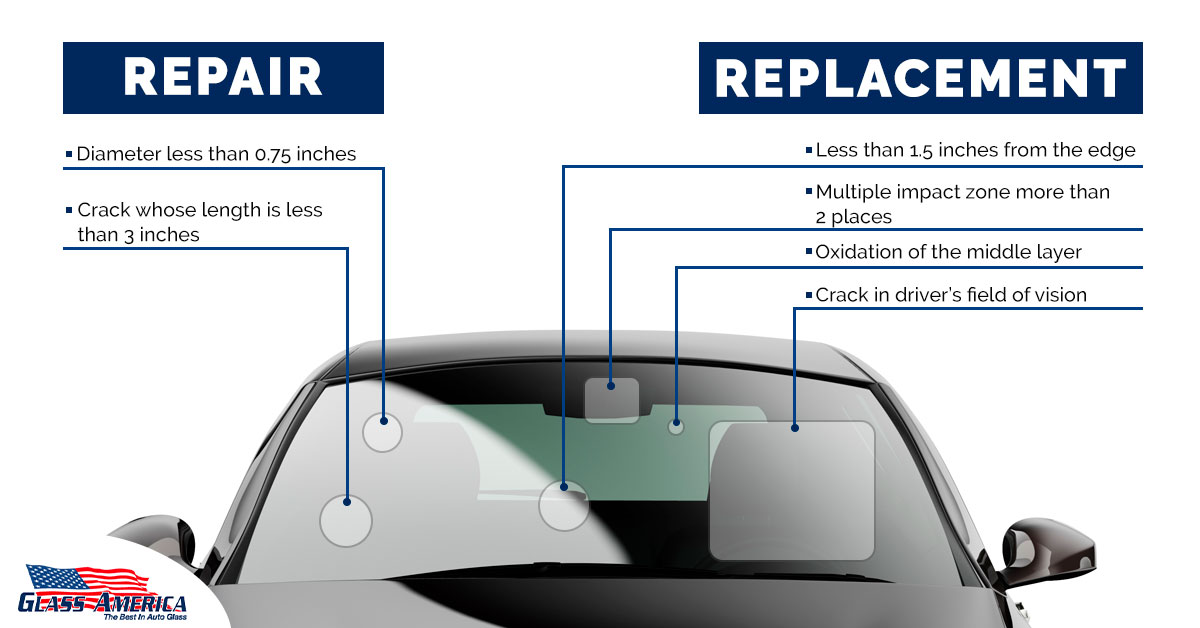
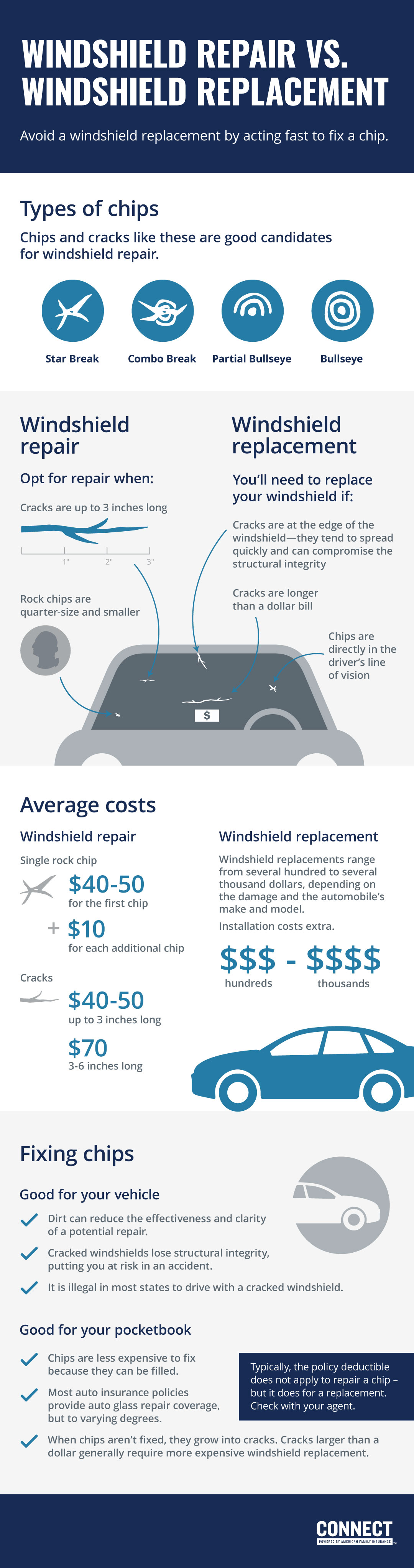
    Small chips and cracks can often be repaired. Repairs work best if the damage is smaller than a dollar bill. Cracks in the driver’s view usually need replacement. Large cracks or those that spread quickly also require a new windshield. Deep damage that reaches both glass layers means replacement is necessary. Repair stops cracks from growing and saves money. Replacement ensures full safety and clear vision.

    Cost And Insurance Considerations

    Repairing a windshield is usually cheaper than replacing it. Repairs often cost between $50 and $150. Replacement can cost from $200 to $500 or more. Many insurance policies cover windshield repairs with little or no deductible. Replacement may require paying a deductible. Check your insurance terms for glass coverage. Quick repairs can prevent the need for costly replacements later.

    Can Potholes Cause Windshield Cracks? Shocking Truth Revealed!

    Credit: www.glassfixitauto.com

    Frequently Asked Questions

    Can Potholes Directly Crack A Windshield?

    Potholes can cause windshield cracks indirectly. The impact from hitting a pothole jars the vehicle. This sudden force stresses the glass, leading to cracks.

    How Do Potholes Damage A Car’s Windshield?

    Potholes cause sudden jolts that transfer to the windshield. The glass flexes under pressure, which may cause chips or cracks. Repeated impacts worsen the damage over time.

    Are Windshield Cracks From Potholes Covered By Insurance?

    Coverage depends on your insurance policy. Comprehensive insurance usually covers windshield damage from potholes. Check your policy details or contact your insurer for confirmation.

    Can Pothole Damage Worsen Existing Windshield Chips?

    Yes, pothole impacts can enlarge existing chips. The vibrations and shocks cause small chips to spread into bigger cracks. Repair small chips promptly to avoid costly replacements.

    Conclusion

    Potholes can cause cracks in your windshield. The impact from hitting a pothole puts strong pressure on glass. Even small cracks can grow bigger over time. Driving with a cracked windshield is unsafe. Fixing cracks early saves money and trouble later.

    Watch the road and avoid potholes when possible. Regularly check your windshield for any damage signs. Taking care of your car keeps you safer on the road. Don’t ignore small cracks—they can lead to bigger problems. Stay alert and protect your windshield from pothole damage.

  • How Glass Safety Contributes to Road Safety: Essential Insights

    How Glass Safety Contributes to Road Safety: Essential Insights

    Imagine driving down the road and suddenly facing a crash. What keeps you safe in that moment?

    One key factor is often overlooked: glass safety. Your car’s glass isn’t just there to let you see clearly—it plays a crucial role in protecting you during accidents. Understanding how glass safety works can change the way you think about your vehicle and your safety on the road.

    Keep reading to discover how something as simple as glass can make a big difference in keeping you and your loved ones safe every time you drive.

    How Glass Safety Contributes to Road Safety: Essential Insights

    Credit: www.chhs.ca.gov

    Role Of Glass In Vehicles

    Glass plays a key role in vehicle safety. It protects passengers from outside elements and sharp objects. It also helps drivers see clearly and avoid accidents. The right type of glass improves strength and reduces injury risks. Understanding the role of glass in cars shows why it matters for road safety.

    Types Of Automotive Glass

    Vehicles use mainly two types of glass: laminated and tempered. Laminated glass has two layers with a plastic layer in between. This stops the glass from shattering on impact. It is mostly used for windshields. Tempered glass breaks into small pieces to reduce injury risk. This type is used for side and rear windows.

    Glass Placement And Function

    The windshield is the largest glass piece and protects from wind and debris. Side windows allow drivers to see around and help with ventilation. Rear windows improve rear visibility and help when reversing. Each glass placement supports driver safety and comfort. Strong, clear glass helps prevent accidents and keeps passengers safe.

    Safety Features Of Modern Glass

    Modern glass plays a big role in keeping roads safe. It is not just clear material; it has special features. These features protect drivers and passengers during accidents. Modern glass reduces injuries and helps drivers see better.

    Two common types of safety glass are tempered and laminated glass. Each has unique benefits that improve road safety. Understanding these types helps us appreciate their importance in vehicles.

    Tempered Glass Benefits

    Tempered glass is stronger than regular glass. It breaks into small, blunt pieces instead of sharp shards. This reduces the chance of deep cuts during a crash. It also resists heat and pressure better. Drivers can trust tempered glass to stay intact in many situations. It is often used for side and rear windows.

    Laminated Glass Advantages

    Laminated glass has a plastic layer between two glass sheets. This layer holds the glass together if it breaks. It stops glass from flying inside the car during accidents. Laminated glass also blocks harmful UV rays and noise. It is usually used for windshields. This glass keeps the driver inside the vehicle and helps avoid serious injuries.

    Impact On Crash Protection

    Glass safety plays a key role in protecting passengers during crashes. Strong, well-designed glass helps keep people inside the vehicle. It also lowers the risk of serious injuries by controlling how glass breaks. This section explains how glass impacts crash protection and improves road safety.

    Preventing Ejections

    Safety glass stops passengers from being thrown out of a vehicle. In a crash, regular glass can shatter and create openings. Laminated or tempered glass stays mostly intact, acting as a barrier. This barrier keeps occupants inside the car, reducing fatal ejections. Staying inside the vehicle greatly increases chances of survival.

    Reducing Injury Severity

    Modern safety glass breaks into small, less harmful pieces. This reduces cuts and wounds during accidents. Laminated glass holds shards together, preventing sharp edges from causing harm. It absorbs impact energy, lowering force on the passengers. This means fewer and less serious injuries after a crash.

    How Glass Safety Contributes to Road Safety: Essential Insights

    Credit: drivingtoindependence.com

    Regulations And Standards

    Regulations and standards are key to making sure vehicle glass is safe. They set rules that glass must meet before use. These rules protect drivers, passengers, and pedestrians by reducing risks from broken or weak glass.

    Safety rules for glass cover strength, shatter patterns, and visibility. They help prevent serious injuries in crashes. Following these standards helps improve overall road safety.

    Global Safety Requirements

    Many countries have laws about vehicle glass safety. These laws often follow international rules. For example, the United Nations has regulations for automotive glass.

    These global rules include how glass should break and how strong it must be. They ensure glass does not create sharp shards. This reduces harm during accidents.

    Manufacturers must meet these safety rules before selling cars worldwide. This creates a safer road environment everywhere.

    Testing And Certification Processes

    Glass must pass strict tests before approval. These tests check impact resistance and breaking behavior. They also measure light transmission for clear vision.

    Certified labs perform these tests to guarantee quality. Only glass that meets all criteria receives certification. This process ensures safety standards are consistent.

    Certification marks on glass show it has passed tests. Drivers can trust certified glass to protect them in crashes.

    Maintenance And Damage Prevention

    Maintaining vehicle glass is key to road safety. Clear, intact glass protects drivers and passengers. It helps drivers see the road and other vehicles clearly. Preventing damage keeps the glass strong and reliable. Regular checks catch problems early. Small cracks or chips can grow and cause bigger issues. Taking care of glass stops accidents and saves money over time.

    Identifying Glass Damage

    Look closely for cracks, chips, or scratches. Check the windshield and windows often. Even tiny chips can spread quickly. Dirty or foggy glass can hide damage. Use good lighting to see clearly. Notice any unusual sounds when driving. Glass that vibrates or rattles may be loose. Early signs of damage need quick attention.

    Repair Vs Replacement

    Small chips and cracks often can be repaired. Repairs prevent damage from growing larger. Repairing is cheaper and faster than replacement. Large cracks or broken glass need replacement. Replace glass that blocks driver’s view. Safety glass must meet quality standards. Choose replacement to keep strong protection. Proper glass maintenance improves road safety for all.

    Innovations In Glass Technology

    Innovations in glass technology are shaping the future of road safety. New materials and smart designs improve how glass behaves in vehicles. These advances help protect drivers, passengers, and pedestrians by reducing injuries and accidents.

    Smart Glass Features

    Smart glass can change its transparency based on light or temperature. It reduces glare from the sun and headlights, helping drivers see better. Some smart glass can display important information directly on the windshield. This allows drivers to keep their eyes on the road. Other types of smart glass can automatically darken to block harmful UV rays.

    Impact On Future Road Safety

    Future vehicles may use glass that repairs itself after small cracks. This reduces the need for immediate replacements and keeps visibility clear. Advanced glass materials can absorb more impact energy during crashes. This lowers the chance of glass shattering and causing injuries. As technology improves, glass will play a bigger role in preventing accidents and saving lives.

    How Glass Safety Contributes to Road Safety: Essential Insights

    Credit: www.scottsautocarrier.com

    Frequently Asked Questions

    What Role Does Glass Safety Play In Road Safety?

    Glass safety ensures vehicle windows and windshields resist impact and shatter safely. This reduces injuries during crashes and improves driver visibility, directly contributing to safer roads.

    How Does Laminated Glass Improve Vehicle Safety?

    Laminated glass holds together when shattered, preventing sharp shards from causing injuries. It also maintains visibility after impact, allowing drivers to stay aware and avoid further accidents.

    Why Is Tempered Glass Used In Car Windows?

    Tempered glass breaks into small, blunt pieces instead of sharp shards. This minimizes injury risk in accidents and enhances overall passenger safety on the road.

    Can Glass Safety Prevent Accidents Caused By Poor Visibility?

    Yes, high-quality safety glass reduces glare and distortion. Clear visibility allows drivers to react quickly, reducing accidents caused by impaired vision on the road.

    Conclusion

    Glass safety plays a key role in protecting drivers and passengers. Strong, clear glass helps prevent accidents and reduces injuries. It allows drivers to see the road clearly at all times. Cracked or weak glass can cause distractions and danger.

    Using safety glass in vehicles saves lives every day. Choosing quality glass means safer journeys for everyone. Road safety depends on many things, and glass is one of them. Stay aware, drive carefully, and trust the glass to help keep you safe.

  • Can Rain Damage Car After Side Window Breaks? Shocking Truths Revealed

    Can Rain Damage Car After Side Window Breaks? Shocking Truths Revealed

    Imagine this: your car’s side window suddenly shatters during a rainstorm. You might wonder, “Can rain damage my car after the side window breaks?” The answer isn’t as simple as you think.

    Water can sneak inside, causing problems you may not see right away. If you don’t act quickly, your car could face expensive repairs down the road. Keep reading to discover exactly how rain affects your car after a broken window—and what you can do to protect your investment before it’s too late.

    Can Rain Damage Car After Side Window Breaks? Shocking Truths Revealed

    Credit: www.dreamstime.com

    How Rain Affects Car Interiors

    Rain entering a car through a broken side window can harm the interior quickly. Water seeps inside and spreads over seats, floors, and electronics. The damage worsens if the car stays wet for long. Understanding how rain affects car interiors helps protect your vehicle better.

    Water Damage Risks

    Water can soak the carpet and padding under seats. This leads to stains and weak spots. Electronics under the dashboard may short circuit or stop working. Water left inside can cause metal parts to rust. The longer water stays, the more damage it causes.

    Impact On Upholstery And Electronics

    Upholstery absorbs water, causing fabric or leather to warp. Wet cushions lose shape and comfort. Electronics like speakers and control panels may fail. Moisture can cause wires to corrode. Repairing these parts can be costly and time-consuming.

    Mold And Mildew Growth

    Damp interiors create a perfect place for mold growth. Mold spreads fast and causes bad smells. It can damage fabrics and the car’s structure. Mildew also affects your health by causing allergies. Drying the car quickly is crucial to prevent mold.

    Consequences Of A Broken Side Window

    A broken side window can cause several serious problems for your car. It is not just about the glass being shattered. The damage opens your vehicle to many risks. Rain, dirt, and wind can enter easily. This leads to more issues inside the car.

    Exposure To Elements

    Rainwater can enter through the broken window. It soaks the seats, floor, and electronics inside. Water can cause stains and bad smells. Moisture can damage the wiring and controls. Over time, this may lead to costly repairs.

    Security Concerns

    A broken side window makes your car an easy target. Thieves can reach inside and steal valuables quickly. The broken glass also reduces the car’s overall safety. It leaves your vehicle vulnerable to further damage or theft.

    Insurance Implications

    Insurance claims may be affected by a broken window. Some policies cover glass damage, others do not. Delaying repairs could cause insurers to deny claims. Document the damage and act fast to avoid problems.

    Immediate Actions To Take After Window Breaks

    After a car’s side window breaks, quick action is key. Rain can cause damage inside the car fast. Water can soak seats, electronics, and the floor. Protecting the car helps avoid costly repairs. Start by covering the broken window right away. Then, dry and clean the inside to stop water damage. Some problems need expert help. Knowing what to do next keeps your car safe and dry.

    Temporary Cover Solutions

    Use plastic sheets or garbage bags to cover the broken window. Secure the cover with strong tape like duct tape. Make sure the cover fits tight to keep rain out. Avoid using newspapers or thin paper. They soak water and let rain inside. Cover both inside and outside if possible. This stops water from blowing in during storms. A quick cover protects your car until proper repair.

    Drying And Cleaning Tips

    Remove wet items from the car quickly. Use towels to soak up water on seats and floor. Open car doors and windows in dry weather to air out moisture. A small fan or portable dryer helps dry hidden spots. Clean glass shards carefully with gloves to avoid injury. Wipe down surfaces with a dry cloth to prevent mold. Act fast to stop water damage from spreading.

    When To Seek Professional Help

    Call a car repair shop if water soaked deep inside. Electronics and wiring can get damaged by rain. Professionals can check for hidden problems. Window replacement needs skill and special tools. Experts ensure the new window fits well and seals tight. If you see mold or strong smells, get help immediately. Early repair saves money and keeps your car safe.

    Can Rain Damage Car After Side Window Breaks? Shocking Truths Revealed

    Credit: www.dreamstime.com

    Long-term Effects Of Rain Exposure

    Rainwater entering through a broken side window can harm a car over time. Even small amounts of water cause damage that worsens if ignored. The long-term effects of rain exposure go beyond wet seats or carpets. It impacts key parts of the vehicle’s structure and function.

    Corrosion And Rust Formation

    Water inside the car leads to metal parts rusting. Rust weakens the car’s body and frame slowly. Areas around the broken window are most at risk. Corrosion spreads under paint and inside panels unseen. Left untreated, rust can cause holes and structural damage.

    Electrical System Damage

    Rainwater can reach wires and connectors inside the door and cabin. Moisture causes short circuits and electrical faults. This leads to problems with windows, locks, and lights. Over time, electrical components may fail completely. Repairing this damage can be expensive and complicated.

    Decreased Vehicle Value

    Visible water damage reduces a car’s resale price. Buyers avoid vehicles with signs of water issues. Rust, mold, and electrical problems decrease market appeal. Insurance may also reject claims related to water damage. Protecting the car from rain helps maintain its value.

    Preventing Damage After Window Breakage

    After a car’s side window breaks, rain can cause serious damage inside the vehicle. Water can soak the seats, carpets, and electronics. Preventing this damage requires quick and careful action. Taking the right steps protects your car and saves you money.

    Regular Maintenance Checks

    Check your car windows often for cracks or chips. Small damages can become big problems during rain. Inspect the seals around windows to ensure they are tight and not worn out. Clean the window tracks to avoid dirt build-up that may block proper closing. Regular checks help spot issues early and keep your car safe.

    Use Of Protective Accessories

    Use plastic covers or waterproof tarps to cover broken windows temporarily. Secure them well to prevent rainwater from entering. Window protection kits are easy to find and affordable. These accessories act as shields until you can get the window fixed. They reduce water damage risks significantly.

    Prompt Window Replacement

    Replace the broken window as soon as possible. Delaying repairs increases the chance of water damage inside your car. A new window restores the car’s protection from weather. Professional installation ensures the window fits well and seals tightly. Quick replacement keeps your vehicle dry and safe.

    Can Rain Damage Car After Side Window Breaks? Shocking Truths Revealed

    Credit: www.nwahomepage.com

    Frequently Asked Questions

    Can Rain Damage My Car After A Side Window Breaks?

    Yes, rain can damage your car’s interior and electronics after a side window breaks. Water exposure may lead to mold, rust, and electrical issues.

    How Soon Should I Fix A Broken Side Window?

    You should fix a broken side window as soon as possible. Prompt repair prevents water damage, theft, and further vehicle deterioration.

    Will Rain Ruin The Car Upholstery If Windows Are Broken?

    Rain can soak car upholstery through broken windows, causing stains, mold, and unpleasant odors. Immediate drying and cleaning are essential.

    Can Rain Cause Electrical Problems In My Car After Window Break?

    Rain entering through a broken side window can cause short circuits and electrical malfunctions. Protect your car by fixing windows quickly.

    Conclusion

    A broken side window lets rain inside the car easily. Water can damage seats, electronics, and metal parts fast. Dry the car quickly to avoid mold and rust. Cover the broken window with plastic or tape for protection. Repair the window as soon as possible to keep the car safe.

    Small actions now save big repair costs later. Don’t wait until damage gets worse. Stay alert and act fast to protect your car from rain damage.

  • How to Clean Car Windows That are Tinted: Expert Tips Revealed

    How to Clean Car Windows That are Tinted: Expert Tips Revealed

    Are your tinted car windows looking cloudy or streaky? Cleaning them the wrong way can damage the tint and ruin the look of your car.

    But don’t worry—you can keep your windows crystal clear without risking any harm. In this guide, you’ll discover simple, effective methods to clean your tinted windows safely and easily. Keep reading to protect your tint and enjoy a spotless, glare-free view every time you drive.

    How to Clean Car Windows That are Tinted: Expert Tips Revealed

    Credit: thetintguy.com

    Choosing Safe Cleaning Products

    Cleaning tinted car windows needs care and the right products. Using the wrong cleaner can damage the tint. Choosing safe cleaning products protects your windows and keeps them clear. It also helps your tint last longer and stay smooth.

    Avoiding Ammonia-based Cleaners

    Ammonia can harm tinted windows. It can cause the film to bubble or peel. Many household cleaners have ammonia, so check labels carefully. Avoid any product that lists ammonia or contains strong chemicals. Use gentle cleaners made for car windows instead.

    Recommended Mild Solutions

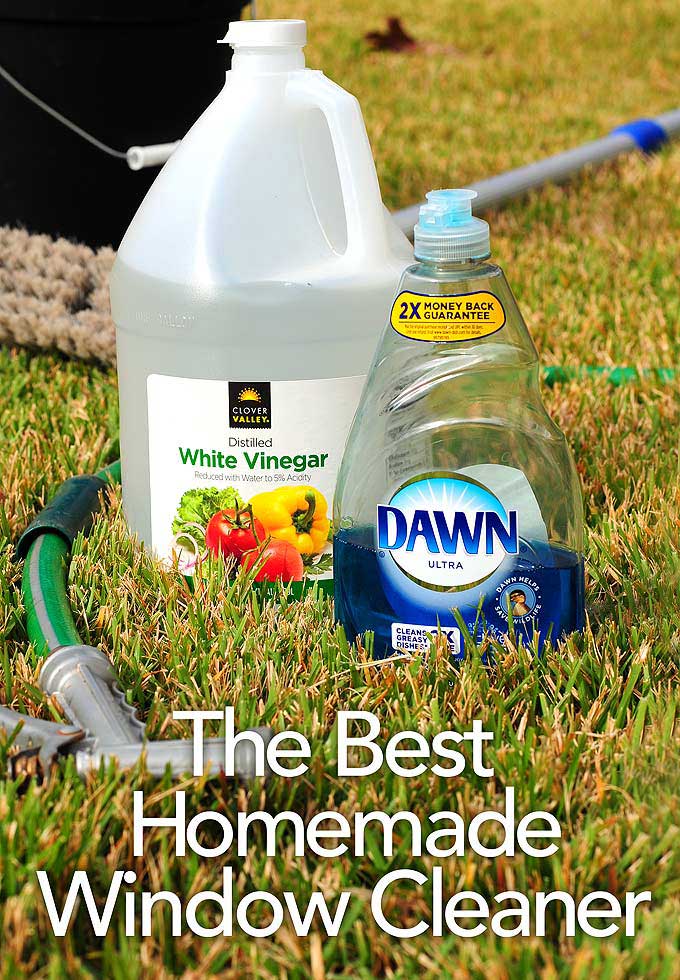
    Use mild soap mixed with water for cleaning. A few drops of dish soap in warm water works well. You can also buy cleaners labeled safe for tinted glass. Spray lightly and wipe with a soft cloth. Avoid abrasive sponges or rough towels that may scratch the tint.

    How to Clean Car Windows That are Tinted: Expert Tips Revealed

    Credit: www.chemicalguys.com

    Gathering Essential Tools

    Cleaning tinted car windows needs the right tools. Using the wrong items can damage the tint or leave streaks. Gathering essential tools helps you clean safely and effectively. It also saves time and effort. Prepare everything before you start for the best results.

    Microfiber Cloths

    Microfiber cloths are soft and gentle on tinted windows. They absorb dirt without scratching the surface. Use a clean microfiber cloth to wipe the glass. It helps remove dust and grime without harming the tint film. Avoid paper towels or regular cloths. They can leave fibers or cause scratches.

    Soft Sponges And Brushes

    Soft sponges and brushes help clean stubborn dirt. Choose sponges with a smooth texture. Avoid rough or abrasive sponges that can damage tint. Use a soft brush for edges and corners. It reaches spots that cloths cannot. These tools work well with mild cleaning solutions.

    Preparing The Car For Cleaning

    Preparing your car properly helps protect the tinted windows during cleaning. Taking a few careful steps ensures the tint stays safe and clean. This preparation also makes the cleaning process easier and more effective.

    Parking In The Shade

    Park your car in a shaded area before cleaning. Direct sunlight heats the windows and can cause cleaning solutions to dry too fast. Fast drying may leave streaks or damage the tint film. Shade helps maintain a cooler surface for gentle cleaning.

    Removing Dust And Debris

    Use a soft brush or microfiber cloth to remove dust and dirt first. Dirt particles can scratch the tint if rubbed directly. Gently wipe away all loose debris from the windows. This step prevents damage and prepares the surface for a smooth clean.

    Step-by-step Cleaning Process

    Cleaning tinted car windows needs care and the right method. Dirt and dust reduce visibility and look bad. Using harsh products or rough cloths can damage the tint. Follow these simple steps to clean your tinted windows safely and well.

    Applying Cleaner Gently

    Choose a cleaner made for tinted windows or a mild soap solution. Spray the cleaner lightly on the glass. Do not soak the edges where the tint film meets the glass. Too much liquid can weaken the tint adhesive. Use a soft cloth or sponge to spread the cleaner gently.

    Wiping Without Scratching

    Use a microfiber cloth to wipe the window. Avoid paper towels or rough fabrics. Wipe in small, circular motions to remove dirt and spots. Do not press too hard. This prevents scratches and damage to the tint film. Change to a clean part of the cloth often.

    Drying The Windows Properly

    Use a dry microfiber cloth to dry the glass. Pat the surface gently instead of rubbing. This helps avoid streaks and keeps the tint safe. Make sure no moisture stays at the edges. Proper drying keeps your tinted windows clear and lasting longer.

    Handling Stubborn Stains

    Stubborn stains on tinted car windows need careful cleaning. Strong chemicals or rough tools can damage the tint film. Gentle and safe methods work best to keep windows clear and tint intact.

    Using Vinegar Solutions

    Vinegar is a natural cleaner that removes tough spots well. Mix equal parts of water and white vinegar in a spray bottle. Spray the solution on the stained area. Let it sit for a few minutes to soften the dirt. Wipe gently with a soft microfiber cloth. Repeat if needed but avoid soaking the tint.

    Avoiding Abrasive Materials

    Never use scrubbing pads or rough brushes on tinted windows. These can scratch or peel the tint film. Choose soft cloths or sponges made for delicate surfaces. Avoid paper towels as they can leave fibers behind. Use gentle circular motions to clean without pressure. This protects the tint and keeps windows smooth and clear.

    Maintaining Tinted Windows

    Tinted windows add style and protect your car from sun damage. Keeping them clean helps maintain their look and function. Proper care extends the life of the tint and keeps windows clear.

    Regular Cleaning Schedule

    Clean tinted windows often to avoid dirt buildup. Use a soft cloth and gentle cleaner made for tinted glass. Avoid ammonia-based products as they can damage the tint. Light cleaning every two weeks keeps windows clear and tint fresh.

    Protecting Tint From Damage

    Avoid sharp tools or rough cloths when cleaning. Do not use abrasive pads or scrapers on tinted windows. Park in shaded areas to reduce sun fading. Avoid rolling down windows quickly to prevent peeling. Gentle care helps tint last longer and look better.

    How to Clean Car Windows That are Tinted: Expert Tips Revealed

    Credit: www.youtube.com

    Frequently Asked Questions

    How Do I Safely Clean Tinted Car Windows?

    Use a soft microfiber cloth and a gentle, ammonia-free cleaner. Avoid harsh chemicals that can damage tint film. Spray cleaner on the cloth, not directly on the window, to prevent streaks and bubbles.

    Can I Use Vinegar To Clean Tinted Windows?

    No, vinegar contains acids that can damage the tint film. Use specially formulated tint-safe cleaners or mild soap and water for best results. This protects the tint and keeps windows clear.

    How Often Should I Clean Tinted Car Windows?

    Clean tinted windows every two weeks or as needed. Regular cleaning prevents dirt buildup, which can scratch or degrade the tint. Frequent gentle cleaning maintains clarity and extends tint life.

    What Materials Are Best For Cleaning Tinted Windows?

    Use a soft, lint-free microfiber cloth and a spray bottle with tint-safe cleaner. Avoid paper towels or abrasive materials that can scratch or peel the tint film.

    Conclusion

    Cleaning tinted car windows takes care and the right tools. Use gentle cleaners that protect the tint film. Avoid harsh scrubbing to keep the tint intact. Regular cleaning keeps your windows clear and your car looking good. Clean windows also improve your driving safety by giving you a better view.

    Small steps make a big difference over time. Keep your tinted windows shining without damage. Simple habits help your car stay in great shape.

  • How Vibration Affects Glass Safety: Essential Insights Revealed

    How Vibration Affects Glass Safety: Essential Insights Revealed

    Have you ever wondered how tiny shakes and vibrations can impact the safety of the glass around you? Whether it’s the windows in your home, the glass doors at work, or even your car windshield, vibrations play a bigger role than you might think.

    Understanding how these movements affect glass can help you protect yourself and your property. Keep reading to discover how vibration influences glass safety and what you can do to prevent accidents before they happen.

    Vibration And Glass Integrity

    Vibration plays a crucial role in the strength and safety of glass. Glass may seem solid and unbreakable. Yet, vibration can weaken its structure over time. Understanding how vibration affects glass integrity helps improve safety in buildings, vehicles, and other uses. It reveals why some glass breaks easily under stress.

    Types Of Vibrations Impacting Glass

    Different vibrations affect glass differently. Some are slow, like shaking from nearby machinery. Others are fast, like impacts or sound waves. Continuous vibrations cause small cracks to grow. Sudden shocks can cause immediate breaks. Knowing the type helps choose the right glass and protection.

    Frequency And Amplitude Effects

    Frequency is how fast vibrations happen. Amplitude is how strong they are. High frequency with low amplitude might not harm glass much. Low frequency with high amplitude can cause cracks quickly. Both factors matter in testing glass durability. Proper design reduces damage risk from vibrations.

    Material Stress Responses

    Glass reacts to stress by bending or cracking. Some glass types handle stress better than others. Tempered glass resists cracks and breaks safely. Annealed glass is more fragile under vibration. Stress builds up in weak spots and causes failure. Understanding these responses helps improve glass safety.

    Glass Types And Vibration Resistance

    Vibration can affect glass safety in many ways. Different glass types react to vibration differently. Understanding these differences helps in choosing the right glass for safety and durability. Some glass types handle vibration stress better than others. This section explores common glass types and their vibration resistance.

    Tempered Vs. Annealed Glass

    Tempered glass is heat-treated to increase strength. It can resist higher vibration forces without breaking. If broken, it shatters into small, safe pieces. Annealed glass is standard and not heat-treated. It breaks more easily under vibration and forms sharp shards. Tempered glass is safer in places with high vibration.

    Laminated Glass Advantages

    Laminated glass has a plastic layer between two glass sheets. This layer holds the glass together if it breaks. It reduces the risk of injury from sharp glass pieces. Laminated glass also absorbs vibration better than tempered or annealed glass. It is common in car windshields and windows near heavy traffic.

    Specialty Glass Materials

    Specialty glass includes reinforced and coated types. These glasses have added layers or treatments to improve strength. Some materials reduce vibration damage by absorbing shocks. Others have chemical treatments to increase durability. These glasses are used in buildings near machines or heavy transport.

    Common Sources Of Vibrations

    Vibrations can affect glass safety in many ways. They create stress and small movements that can weaken glass over time. Understanding where these vibrations come from helps protect glass surfaces and structures. Vibrations often come from everyday sources near buildings and homes.

    Environmental Vibrations

    Natural forces cause many vibrations. Wind shakes windows and glass panels. Earthquakes send strong vibrations through the ground. Thunder and heavy rain can also create small vibrations. These natural events may cause cracks or weaken glass if they happen often.

    Industrial Machinery

    Factories and workshops have machines that vibrate. Large motors, drills, and presses produce constant shaking. These vibrations travel through floors and walls to nearby glass. Over time, this can lead to chips or cracks in the glass surface. Proper glass safety must consider these industrial sources.

    Transportation-induced Vibrations

    Vehicles cause vibrations near roads and railways. Trucks, trains, and buses create shocks that reach buildings. Bridges and tunnels also transfer vibrations to glass. These movements can stress glass, especially in buildings close to busy transport routes. Careful design helps glass withstand these effects.

    How Vibration Affects Glass Safety: Essential Insights Revealed

    Credit: www.ebay.com

    Testing Glass For Vibration Durability

    Testing glass for vibration durability is essential to ensure safety and reliability. Glass must withstand different vibration forces without cracking or breaking. This testing helps manufacturers create stronger, safer glass products. It also reduces the risk of accidents caused by glass failure.

    Laboratory Vibration Tests

    Laboratory vibration tests apply controlled vibrations to glass samples. Machines simulate different frequencies and intensities of vibrations. These tests reveal weak points in the glass structure. Engineers observe how glass responds under stress. This data guides improvements in glass design and production.

    Real-world Simulation

    Real-world simulation mimics the actual conditions glass faces daily. This includes vibrations from vehicles, machinery, or natural forces. Testing in these conditions helps predict how glass performs outside the lab. It ensures glass can handle real-life challenges safely and effectively.

    Standards And Certifications

    Standards and certifications set the rules for vibration testing. They ensure consistent quality and safety across glass products. Certified glass meets strict vibration durability requirements. This gives customers confidence in the product’s safety and strength.

    Preventing Vibration Damage

    Vibration can cause cracks and weaken glass over time. Preventing vibration damage is key to keeping glass safe and strong. Simple steps help protect glass from everyday shaking and movement.

    Design Considerations

    Choose thicker or tempered glass for better strength. Design frames to hold glass firmly but allow slight movement. Avoid sharp corners or edges that increase stress on the glass.

    Installation Techniques

    Secure glass with proper fasteners to reduce shaking. Use flexible seals that absorb small vibrations. Check alignment carefully to avoid pressure points on the glass surface.

    Use Of Dampening Materials

    Place rubber or silicone pads between glass and frame. These materials soften impacts and reduce vibration forces. Add vibration dampeners in areas with heavy foot traffic or machinery nearby.

    How Vibration Affects Glass Safety: Essential Insights Revealed

    Credit: www.amazon.com

    Safety Measures And Regulations

    Vibration can cause glass to crack or shatter, creating safety risks. To reduce these dangers, strict safety measures and rules exist. These help protect people and buildings from glass failures caused by vibrations. Understanding these safety steps is important for builders and occupants.

    Building Codes

    Building codes include rules for glass installation and strength. They set limits on how much vibration glass can handle. Codes require using tempered or laminated glass in risky areas. These types of glass break safer and reduce injuries. Engineers must follow these codes during design and construction.

    Safety Protocols

    Safety protocols guide how to inspect and maintain glass surfaces. Regular checks help find cracks or weaknesses early. Workers use tools to measure vibration levels near glass. If vibrations are too high, changes are needed to protect the glass. Protocols also advise on safe glass replacement procedures.

    Emergency Response Planning

    Emergency plans prepare people for glass breakage incidents. They include clear steps to follow if glass shatters. Evacuation routes avoid areas with damaged glass. First responders learn how to handle glass-related injuries. Plans reduce panic and keep everyone safe during emergencies.

    Future Trends In Glass Safety

    Glass safety is evolving with new technology and materials. Vibrations can cause damage, but future trends aim to reduce risks. These innovations focus on stronger, smarter, and more responsive glass solutions. The goal is safer environments in buildings, vehicles, and public spaces.

    Innovative Materials

    Researchers develop new glass types that resist vibrations better. These materials absorb shocks and reduce cracks. Laminated glass with special layers holds together after impact. Flexible glass options also adapt to movement without breaking. These materials extend the life and safety of glass surfaces.

    Smart Glass Technologies

    Smart glass changes its properties in response to conditions. It can become stronger during strong vibrations or impacts. Some smart glass adjusts transparency to protect against sun and heat. These technologies improve safety and comfort. They react quickly to threats, reducing damage from vibrations.

    Advanced Monitoring Systems

    Sensors now track vibrations in real-time on glass surfaces. They alert users to risks before cracks appear. These systems use data to predict when glass needs repair. Early warnings prevent accidents and costly replacements. Monitoring improves safety by catching problems early.

    How Vibration Affects Glass Safety: Essential Insights Revealed

    Credit: www.sciencebuddies.org

    Frequently Asked Questions

    How Does Vibration Impact Glass Safety?

    Vibration causes micro-cracks in glass, weakening its structure. Over time, this can lead to fractures or shattering. Proper design and damping materials help minimize these risks, enhancing glass safety in buildings and vehicles.

    Can Vibration Cause Glass To Break Suddenly?

    Yes, continuous vibration can accumulate stress in glass. This stress may cause sudden breakage without visible damage. Preventive measures, like using tempered or laminated glass, reduce this risk significantly.

    What Types Of Glass Resist Vibration Best?

    Tempered and laminated glass resist vibration better than regular glass. They absorb and distribute stress evenly, reducing breakage chances. These types are ideal for high-vibration environments like vehicles and industrial settings.

    How Can Vibration Damage Be Detected In Glass?

    Visible cracks, chips, or cloudiness often indicate vibration damage. Regular inspections using specialized tools can detect micro-damage early. Early detection helps prevent sudden glass failure and ensures safety.

    Conclusion

    Vibration can weaken glass over time. Small cracks may grow and cause breakage. Choosing the right glass helps improve safety. Regular checks catch damage early and prevent accidents. Simple steps keep glass strong and reliable. Understanding vibration’s effect helps protect homes and workplaces.

    Stay alert to signs of wear and act fast. Safe glass means peace of mind for everyone.

  • Can Tape Cover Broken Side Window Temporarily? Effective Fix Tips

    Can Tape Cover Broken Side Window Temporarily? Effective Fix Tips

    Have you ever faced the sudden shock of a broken side window on your car? It’s frustrating, stressful, and leaves your vehicle vulnerable.

    You might be wondering, can tape cover a broken side window temporarily? The answer isn’t as simple as you think. You’ll discover practical tips to protect your car quickly, what types of tape work best, and the risks you should avoid.

    Keep reading to find out how you can secure your window until proper repairs are done—your car and peace of mind depend on it.

    Can Tape Cover Broken Side Window Temporarily? Effective Fix Tips

    Credit: www.autozone.com

    Using Tape As A Temporary Fix

    Using tape as a temporary fix for a broken side window can help protect your car until you get a full repair. It stops rain, dust, and wind from entering your vehicle. This quick solution also keeps the glass pieces together and reduces the risk of injury.

    Keep in mind that tape is only a short-term fix. It cannot replace proper glass repair. Choosing the right tape and applying it correctly is key to making this fix effective.

    Types Of Tape Suitable For Windows

    Not all tapes work well on broken windows. Clear packing tape is a good choice. It is strong and sticks well to glass.

    Duct tape also works but is less clear and looks messier. Electrical tape can help seal small cracks but is not very strong.

    Use waterproof tape to keep water out. Avoid tapes that lose stickiness when wet.

    How To Prepare The Broken Window

    First, clean the glass around the break. Remove dust and dirt with a damp cloth. This helps the tape stick better.

    Wear gloves to protect your hands from sharp edges. Remove any loose glass pieces carefully.

    Make sure the window frame is dry before applying tape. This prevents the tape from peeling off quickly.

    Step-by-step Taping Process

    Cut strips of tape longer than the broken area. This gives full coverage and better hold.

    Start taping from the inside of the window. Press the tape firmly onto the glass.

    Cover the entire broken section with overlapping strips. This adds strength and stops air leaks.

    Check that all edges of the tape are sealed tightly. Press down again to remove air bubbles.

    Replace the tape every few days or if it starts to peel. This keeps the window protected until repair.

    Limitations Of Tape Repairs

    Tape can seem like a quick fix for a broken side window. It holds glass pieces and blocks wind. Yet, tape repairs have clear limits. Knowing these helps avoid bigger problems later. Tape is not a perfect or long-lasting solution. It should only protect your car for a short time.

    Durability And Weather Resistance

    Tape loses strength fast outdoors. Rain, sun, and wind weaken the adhesive. Heat makes tape peel off. Cold can make it brittle and crack. Strong winds can tear tape apart easily. Tape cannot stop water from leaking in during storms. It is not designed for long-term protection.

    Security Concerns

    Tape does not secure your car well. It cannot stop thieves or vandals. A taped window is easy to break again. Tape gives a false sense of safety. It does not replace real glass or locks. Your car remains vulnerable until fixed properly.

    Visibility And Aesthetic Issues

    Tape blocks clear views through the window. It creates glare or shadows while driving. Dirty or wrinkled tape looks bad on your car. It lowers your car’s curb appeal. Tape repairs can make your vehicle look neglected. This may affect its resale value.

    Alternative Temporary Fixes

    Broken side windows need quick fixes to protect your car. Tape can help but might not be strong enough. There are other easy ways to cover the window temporarily. These methods keep rain, wind, and dust out until you get a full repair.

    Plastic Wrap And Sheeting

    Plastic wrap is clear and easy to find. It blocks rain and wind well. Stretch the plastic over the broken window frame. Use strong tape to hold it tight. This method keeps your car dry and visible. Choose thick plastic for better protection.

    Cardboard Or Plywood Covers

    Cardboard or plywood works as a solid cover. Cut a piece to fit the window size. Attach it with tape or screws if possible. This stops wind and debris from entering. It is stronger than plastic but blocks light. Use it for short trips or parking.

    Using Glue And Sealants

    Glue and sealants can hold loose glass pieces. Apply clear glue around cracks or broken edges. Sealants fill gaps to stop air and water leaks. Use only small amounts for temporary fixes. This method helps keep glass stable until repair.

    When To Seek Professional Repair

    Covering a broken side window with tape can be a quick fix. It keeps rain and wind out for a short time. But tape is not a long-term answer. Knowing when to seek professional repair is important. A trained technician can restore your window safely and correctly.

    Signs You Need Immediate Replacement

    Cracks spreading across the glass show the window is weak. Shattered glass pieces inside the car are dangerous. Fog or moisture between double panes means the seal is broken. If the window won’t stay up or rolls down slowly, it needs fixing. Any damage that affects visibility or security calls for fast repair.

    Cost And Safety Considerations

    Delaying repair can lead to higher costs later. Water leaks can damage the car’s interior. Broken glass can hurt passengers or drivers. Tape does not protect against theft. Professionals use strong materials that match your vehicle. Investing in proper repair keeps everyone safe and saves money over time.

    Preventing Side Window Damage

    Side windows on cars often face risks from weather, accidents, or theft attempts. Preventing damage saves money and avoids inconvenience. Taking small steps can protect these windows effectively.

    Some methods help reduce the chance of cracks, chips, or breaks. These tips keep your side windows safer over time.

    Parking Tips

    Park your car away from busy streets or tight spaces. Avoid spots near large trucks or construction zones. These areas increase the risk of flying debris or accidental hits.

    Choose shaded areas to protect windows from extreme sun damage. Shade lowers the chance of glass weakening over time.

    Use parking spots with wide spaces to reduce door dings from other cars. Less crowd means less risk to your side windows.

    Protective Films And Covers

    Install clear protective films on your side windows. These films act as a shield against minor scratches and cracks.

    Window covers provide extra protection during storms or hail. Covers absorb impact, reducing damage chances.

    These barriers also help block harmful UV rays. UV protection keeps glass stronger and prevents fading inside the car.

    Can Tape Cover Broken Side Window Temporarily? Effective Fix Tips

    Credit: www.youtube.com

    Can Tape Cover Broken Side Window Temporarily? Effective Fix Tips

    Credit: glassdoctor.com

    Frequently Asked Questions

    Can Tape Safely Cover A Broken Car Side Window Temporarily?

    Yes, tape can temporarily cover a broken side window. It prevents rain and debris from entering. Use strong, weather-resistant tape for best results. Remember, this is a short-term fix until proper repair is possible.

    What Type Of Tape Is Best For Covering Broken Windows?

    Duct tape or packing tape works best for covering broken windows. These tapes are strong, waterproof, and stick well to glass. Avoid thin or masking tapes as they won’t hold securely or protect against weather elements.

    How Long Can Tape Cover A Broken Side Window?

    Tape can cover a broken side window for a few days to a week. Prolonged use is not recommended as tape loses adhesion. Get the window repaired quickly to avoid security and weather issues.

    Does Taping A Broken Window Affect Car Security?

    Taping a broken window offers minimal security. It keeps out wind and rain but can’t prevent theft. Replace the broken glass as soon as possible to maintain proper vehicle security.

    Conclusion

    Tape can help cover a broken side window for a short time. It stops rain and wind from coming inside. Tape is easy to use and saves money temporarily. Still, tape won’t last long or protect well from thieves. Fix the window as soon as you can.

    A quick tape job is only a temporary fix. Keep safety and weather in mind while using tape. Don’t rely on tape for a long time. Acting fast helps avoid more damage or trouble.

  • Which Glass Type is Safest for Cars: Ultimate Safety Guide 2025

    Which Glass Type is Safest for Cars: Ultimate Safety Guide 2025

    When it comes to your car, safety is always a top priority. But have you ever stopped to think about the glass that surrounds you every time you drive?

    Choosing the right type of glass can make a huge difference in protecting you and your passengers during an accident. You might be surprised to learn that not all car glass is created equal. You’ll discover which glass type offers the best protection and why it matters for your safety.

    Keep reading to find out how a simple choice can keep you safer on the road.

    Which Glass Type is Safest for Cars: Ultimate Safety Guide 2025

    Credit: miracleagc.com

    Types Of Car Glass

    Car glass plays a crucial role in safety and visibility. Different types of glass offer different protection levels. Understanding these types helps you know which is safest for your vehicle. Three main types of car glass exist: tempered glass, laminated glass, and plastic glass variants.

    Tempered Glass

    Tempered glass is heat-treated to increase strength. It breaks into small, blunt pieces when shattered. This reduces the risk of serious cuts. Tempered glass is often used for side and rear windows. It provides good safety and is less likely to cause injury.

    Laminated Glass

    Laminated glass consists of two glass layers with a plastic layer in between. It stays in one piece after impact. This prevents passengers from being thrown out. Laminated glass is common for windshields. It offers excellent protection from road debris and accidents.

    Plastic Glass Variants

    Plastic glass variants include materials like polycarbonate and acrylic. These are lighter than traditional glass and highly impact-resistant. Plastic glass is used in some specialty vehicles and aftermarket parts. It resists shattering but can scratch more easily than real glass.

    Which Glass Type is Safest for Cars: Ultimate Safety Guide 2025

    Credit: elmersautobody.com

    Safety Features Of Car Glass

    Car glass plays a big role in keeping passengers safe. It protects from wind, dust, and accidents. Not all car glass is the same. Different types have special safety features. These features help reduce injuries during crashes.

    Impact Resistance

    Impact resistance means the glass can absorb force without breaking easily. Strong glass protects drivers and passengers from flying objects. Laminated glass, used in windshields, holds together even if cracked. This type stops sharp pieces from hurting people inside the car.

    Shatter Patterns

    Shatter patterns show how glass breaks under stress. Tempered glass, found in side and rear windows, breaks into small, blunt pieces. This reduces the chance of cuts. Laminated glass cracks but stays mostly in place. This keeps the glass from falling inside the car during accidents.

    Uv Protection

    UV protection blocks harmful sun rays. Car glass with UV filters helps protect skin from damage. It also stops the car’s interior from fading quickly. This feature keeps passengers safer and the car looking good longer.

    Comparing Glass Types

    Choosing the right glass type for your car is important for safety. Different types of glass offer various benefits. Understanding these can help you decide which is safest for your vehicle. Below, we compare the main glass types used in cars.

    Durability

    Laminated glass is strong and holds together when broken. It uses a plastic layer between two glass sheets. This design stops sharp pieces from flying.

    Tempered glass is tough and shatters into small, blunt pieces. It breaks easily under strong impact but reduces injury risk.

    Toughness varies by glass type. Laminated glass offers more protection in crashes.

    Visibility And Clarity

    Clear vision is vital for safe driving. Laminated glass usually has better optical quality. It reduces glare and distortion.

    Tempered glass offers good clarity but may cause slight distortion at edges. Both types meet safety and visibility standards.

    Quality of glass affects how well you see the road and other vehicles.

    Cost Implications

    Tempered glass is generally cheaper to produce and replace. It costs less upfront.

    Laminated glass costs more but adds safety value. Repairs can be pricier.

    Consider long-term safety benefits versus initial cost when choosing glass.

    Regulations And Standards

    Car glass safety depends on strict regulations and standards. These rules protect drivers and passengers from injuries. Governments and organizations set clear guidelines. They ensure all automotive glass meets safety needs. Understanding these rules helps you know which glass type is safest.

    Global Safety Standards

    Many countries follow global safety rules for car glass. The United Nations Economic Commission for Europe (UNECE) sets key standards. These include strength, shatter behavior, and visibility. Most automakers comply with these rules. This ensures glass performs well in crashes worldwide.

    Regional Variations

    Different regions have unique regulations. The United States follows Federal Motor Vehicle Safety Standards (FMVSS). Europe uses UNECE regulations but with local updates. Asia and other areas may have their own rules. These variations affect glass type and installation methods.

    Testing Procedures

    Car glass undergoes strict tests before approval. Tests check impact resistance and how glass breaks. Laminated glass must hold together under stress. Tempered glass should shatter into small pieces. These tests confirm glass meets safety and quality standards.

    Innovations In Car Glass

    Car glass has improved a lot over the years. New technology makes it safer and smarter. These changes help protect drivers and passengers better than before.

    Innovations in car glass focus on strength, safety, and added features. They also aim to make driving more comfortable and secure. Below are some of the latest advances in car glass.

    Smart Glass Technology

    Smart glass can change its transparency. It can switch from clear to tinted in seconds. This helps reduce glare and heat inside the car. Drivers get better visibility and less eye strain. Smart glass also improves privacy without needing curtains or blinds.

    Self-healing Materials

    Self-healing glass can fix small scratches and cracks automatically. The material uses special chemicals that react to damage. This keeps the glass clear and strong for longer. It reduces the need for costly repairs or replacements. Self-healing glass improves safety by preventing cracks from growing.

    Enhanced Coatings

    New coatings on car glass protect against UV rays and dirt. They make the glass easier to clean and keep it clearer. Anti-fog coatings stop moisture buildup on windows. Some coatings also strengthen the glass to resist impact. These features add safety and comfort for all passengers.

    Which Glass Type is Safest for Cars: Ultimate Safety Guide 2025

    Credit: collisionhub.com

    Choosing The Right Glass For Your Car

    Choosing the right glass for your car is important for safety and comfort. The glass protects you from wind, debris, and accidents. Different types of glass offer various benefits. Picking the right one depends on several factors. Consider your vehicle type, the environment, and how to maintain the glass.

    Vehicle Type Considerations

    Different cars need different kinds of glass. Passenger cars often use laminated glass on the windshield. It holds together when cracked, preventing injuries. Side and rear windows usually use tempered glass. This glass breaks into small pieces, reducing harm. Trucks and SUVs might require stronger or thicker glass for extra protection. Choose glass that fits your vehicle’s design and safety needs.

    Environmental Factors

    Weather affects the type of glass you need. In hot areas, glass with UV protection keeps the car cooler. Cold climates benefit from glass that resists cracking in freezing temperatures. Dusty or windy places need glass that is scratch-resistant and durable. Consider local weather conditions to pick glass that lasts longer and keeps you safe.

    Maintenance Tips

    Proper care extends the life of your car glass. Clean it regularly with mild soap and water. Avoid harsh chemicals that can damage the surface. Check for chips or cracks and repair them quickly. Use sunshades to protect the glass from strong sunlight. Regular maintenance helps keep your glass clear and strong.

    Frequently Asked Questions

    What Glass Type Is Safest For Car Windshields?

    Laminated glass is safest for windshields. It has a plastic layer between glass sheets. This prevents shattering and reduces injury risk.

    Are Tempered Glass Windows Safer For Cars?

    Tempered glass is strong and shatters into small pieces. It reduces injury during impact but is less safe than laminated glass for windshields.

    How Does Laminated Glass Improve Car Safety?

    Laminated glass holds together when broken. It prevents glass shards from flying inside the car, protecting passengers from cuts and injuries.

    Why Is Laminated Glass Preferred Over Tempered Glass?

    Laminated glass offers better impact resistance and stays intact. Tempered glass breaks easily, which can be dangerous during accidents or break-ins.

    Conclusion

    Tempered and laminated glass offer strong safety for cars. Laminated glass holds together if it breaks, protecting passengers. Tempered glass shatters into small pieces, reducing injury risk. Choosing the right glass helps keep drivers and passengers safer. Always check your vehicle’s glass type before buying or replacing.

    Safety matters most on the road. Stay informed and choose wisely for peace of mind.

  • What is Side Window Glass: Essential Guide for Car Owners

    What is Side Window Glass: Essential Guide for Car Owners

    Have you ever wondered what makes your car’s side windows so important? Side window glass is more than just a piece of clear material—it plays a key role in your safety, comfort, and even your car’s style.

    Whether you’re curious about how it works, what it’s made of, or why it matters, understanding side window glass can help you make better choices for your vehicle. Keep reading to discover everything you need to know about this everyday part that often goes unnoticed but is crucial every time you get behind the wheel.

    Side Window Glass Types

    Side window glass plays a crucial role in vehicle safety and comfort. Different types of glass offer various benefits. Each type affects strength, visibility, and protection in unique ways.

    Tempered Glass

    Tempered glass is common in many cars. It is strong and breaks into small, blunt pieces. This reduces the risk of serious injury during an accident. Tempered glass is heat-treated to increase its strength. It also resists scratches and minor impacts well.

    Laminated Glass

    Laminated glass consists of two glass layers with a plastic layer in between. This design keeps the glass in place if it breaks. It prevents sharp shards from flying inside the vehicle. Laminated glass also reduces noise and blocks some UV rays.

    Hybrid Glass Options

    Hybrid glass combines tempered and laminated layers. This type offers the best of both worlds. It provides strong impact resistance and safety. Hybrid glass is often found in high-end or newer vehicles. It improves security and passenger protection effectively.

    Functions Of Side Window Glass

    Side window glass plays a crucial role in every vehicle. It is not just clear glass on the doors. It provides many important functions that help drivers and passengers. Understanding these functions helps us appreciate this simple part of a car.

    Safety Features

    Side window glass helps protect passengers in case of accidents. It is made to break into small pieces, reducing injury risk. Some windows have special layers to keep glass from falling inside. This safety design stops sharp glass from causing harm.

    Noise Reduction

    Side window glass reduces outside noise. It blocks sounds from traffic, wind, and other vehicles. This creates a quieter cabin for a calm drive. Thicker or laminated glass improves noise control even more.

    Uv Protection

    Side window glass blocks harmful ultraviolet (UV) rays. It protects skin from sun damage during travel. UV protection also prevents car interiors from fading. This helps keep the car looking new longer.

    Common Side Window Glass Issues

    Side window glass plays a key role in vehicle safety and comfort. Many problems can affect its condition and performance. Understanding common issues helps in keeping windows clear and secure.

    Cracks And Chips

    Cracks and chips often happen from rocks or debris hitting the glass. Small chips can turn into bigger cracks over time. This weakens the glass and can be dangerous. Repairing cracks early can prevent costly replacements.

    Fogging And Condensation

    Fogging occurs when moisture gets trapped between glass layers. Condensation reduces visibility and can be annoying. It may also signal a seal problem in the window. Fixing the seal stops moisture and clears up fogging.

    Wear And Tear

    Daily use causes scratches, scratches, and dull spots on side window glass. Over time, this wear reduces clarity and appearance. Cleaning with proper products helps maintain the glass. Replace severely worn windows to ensure safety and clear views.

    What is Side Window Glass: Essential Guide for Car Owners

    Credit: www.glassfixitauto.com

    Repair Vs Replacement

    Deciding between repairing or replacing side window glass depends on the damage type and extent. Both options have benefits and drawbacks. Understanding when to repair or replace helps save time and money.

    When To Repair

    Small chips or cracks often qualify for repair. Repairs prevent cracks from growing larger. They restore glass strength without full replacement. Repair is quick and less costly. It keeps the original glass intact.

    When To Replace

    Large cracks or shattered glass need replacement. Damage near the edges weakens the glass. Replacement ensures safety and proper function. Old or worn glass may require replacement too. It guarantees clear visibility and security.

    Cost Considerations

    Repairs usually cost less than replacements. Repair price depends on crack size and location. Replacement costs include new glass and labor. Insurance might cover some expenses. Choosing repair or replacement affects your budget and safety.

    Choosing The Right Glass

    Choosing the right side window glass for your vehicle matters. It affects safety, appearance, and comfort. This guide helps you understand key options. Make an informed choice that fits your needs.

    Oem Vs Aftermarket

    OEM glass is made by the car’s original manufacturer. It fits perfectly and matches your vehicle’s specs. Aftermarket glass comes from other suppliers. It may cost less but can vary in quality and fit. Choose OEM for best fit and safety. Pick aftermarket to save money but check reviews carefully.

    Tinted And Privacy Glass

    Tinted glass reduces sunlight and glare inside the car. It helps keep the cabin cool and protects your skin. Privacy glass offers a darker shade. It hides the inside from outside view. Both types improve comfort and add style. Make sure the tint level follows local laws.

    Energy Efficiency

    Energy-efficient glass blocks heat from the sun. It keeps your car cooler and lowers air conditioning use. This saves fuel and reduces emissions. Some glass types have special coatings for better insulation. Choose energy-efficient glass to increase comfort and save money over time.

    What is Side Window Glass: Essential Guide for Car Owners

    Credit: m.made-in-china.com

    Installation And Maintenance Tips

    Installing and caring for side window glass is important for safety and appearance. Proper installation ensures the glass fits well and lasts long. Good maintenance keeps the glass clear and prevents damage. Follow simple tips to keep your side window glass in top shape.

    Professional Installation

    Choose a skilled technician for installing side window glass. Professionals use the right tools and materials. They check the fit and seal to avoid leaks. Proper installation prevents rattling and keeps the glass secure. It also ensures the glass meets safety standards.

    Cleaning Methods

    Clean side window glass regularly to keep it clear. Use a soft cloth and mild soap with water. Avoid harsh chemicals that can damage the glass or tint. Wipe in gentle, circular motions to remove dirt and spots. Dry the glass with a clean, dry cloth to avoid streaks.

    Preventive Care

    Protect the glass from sudden impacts and extreme weather. Avoid slamming doors to reduce stress on the glass. Park in shaded areas to prevent sun damage and fading. Check for small chips or cracks and repair them early. Regular care helps the glass stay strong and clear longer.

    What is Side Window Glass: Essential Guide for Car Owners

    Credit: www.safelite.com

    Frequently Asked Questions

    What Is Side Window Glass In Cars?

    Side window glass is the glass panel on vehicle doors. It provides visibility, protection, and ventilation for passengers inside the car.

    What Materials Are Used For Side Window Glass?

    Side window glass is usually made from tempered or laminated glass. These materials ensure safety by resisting shattering and reducing injury risk.

    How Does Side Window Glass Improve Vehicle Safety?

    Side window glass offers protection during impacts. Laminated glass holds shards together, while tempered glass breaks into small, less harmful pieces.

    Can Side Window Glass Be Tinted Or Customized?

    Yes, side window glass can be tinted for UV protection and privacy. Customization options include different shades and decorative films.

    Conclusion

    Side window glass plays a key role in vehicle safety and comfort. It helps protect passengers from wind, rain, and noise. Many types of glass offer different levels of strength and clarity. Choosing the right side window glass can improve your driving experience.

    Remember to check for quality and proper fit when replacing it. Keep your car safe and comfortable with good side window glass. Simple but important.

  • What to Do If Side Window Glass Breaks: Essential Safety Tips

    What to Do If Side Window Glass Breaks: Essential Safety Tips

    Imagine this: you’re driving, and suddenly, you hear a sharp crack from the side window. Your heart races, and you’re left wondering what to do next.

    If your side window glass breaks, it’s easy to feel overwhelmed and unsure. But don’t worry—you’re not alone, and there are clear steps you can take right now to stay safe and handle the situation smoothly. You’ll discover exactly what to do if your side window glass breaks, so you can protect yourself, your car, and your peace of mind.

    Keep reading—you’ll want to know these crucial tips before you ever face this unexpected moment.

    Immediate Actions After Breakage

    When side window glass breaks, quick and careful action is vital. These first moments determine safety and prevent further damage. Knowing what to do right away helps you stay safe and calm.

    Stay Calm And Assess The Situation

    Take a deep breath. Look around carefully. Check the area inside and outside the car. Find out what caused the glass to break. Make sure nothing else is damaged. Staying calm helps you think clearly and act wisely.

    Check For Injuries

    Look for cuts or scratches from the broken glass. Check yourself and any passengers. Even small injuries need attention. Use a clean cloth to stop bleeding. If injuries are serious, call emergency services immediately.

    Avoid Touching Broken Glass

    Do not pick up or touch sharp glass pieces. Broken glass can cause deep cuts. Use gloves or thick cloth if you must handle it. Clean up carefully to avoid accidents later. Keep children and pets away from the area.

    What to Do If Side Window Glass Breaks: Essential Safety Tips

    Credit: 5starautoglass.ca

    Securing The Vehicle

    Securing the vehicle after the side window glass breaks is important. It protects your car from weather, theft, and further damage. Acting quickly helps keep your vehicle safe and clean.

    Remove Loose Glass Pieces

    First, carefully remove loose glass pieces from the window frame. Use gloves to protect your hands from sharp edges. Gently clear the area to avoid glass falling inside the car. This step prevents injuries and keeps the inside clean.

    Cover The Window Opening

    Next, cover the broken window opening to stop wind and rain. Use a plastic sheet or heavy-duty trash bag. Secure it tightly with strong tape around the edges. This temporary cover keeps your car dry and prevents dirt from entering.

    Park In A Safe Location

    Finally, park your vehicle in a safe, well-lit area. Avoid places with heavy foot traffic or bad weather. Choose a spot where your car is less likely to be damaged again. This reduces the risk of theft and further breakage.

    Preventing Further Damage

    When a side window glass breaks, quick action helps stop more damage. Protecting your car’s inside and avoiding extra harm is key. These steps can keep your vehicle safe until you fix the window.

    Avoid Driving If Unsafe

    Broken glass can be sharp and dangerous. Driving with a shattered window can hurt you or others. Strong wind or rain can enter the car and distract you. Stay put until the window is safe or replaced. Find a safe place to wait or call for help.

    Use Temporary Window Solutions

    Cover the broken window with plastic or a strong bag. Tape it tightly to keep rain and wind out. This stop-gap fix shields the car’s interior from weather and dirt. Clear plastic works best so you can still see outside. Replace the temporary cover as soon as possible.

    Keep The Interior Protected

    Broken glass can damage seats and electronics inside your car. Remove loose glass pieces carefully to avoid cuts. Place towels or cloths over seats and dashboard. This helps catch small glass shards and protects your belongings. Keep the car locked to prevent theft or animals entering.

    What to Do If Side Window Glass Breaks: Essential Safety Tips

    Credit: www.championautoglass.com.au

    Seeking Professional Help

    When a side window glass breaks, getting help from a professional is very important. They have the right tools and skills to fix the problem safely. Trying to fix it alone can cause more damage or injury. Professionals also ensure the repair lasts long.

    Contacting Auto Glass Repair Services

    Find a trusted auto glass repair service near you. Call them quickly to explain the damage. They can offer advice and schedule a visit. Many services provide mobile repair, so they come to your home or work. This saves time and helps you avoid driving with broken glass.

    Understanding Repair Vs. Replacement

    Professionals check the damage carefully. Small chips or cracks might only need repair. Large breaks or shattered glass usually need full replacement. Repair is cheaper and faster. Replacement takes more time but restores safety fully. Experts help decide which option fits your situation best.

    Insurance Considerations

    Check your car insurance policy for glass coverage. Some plans pay for repair or replacement with little or no cost to you. Contact your insurance company before calling a repair service. They can guide you on approved shops and claim steps. Proper insurance use can save money and stress.

    Tips For Future Prevention

    Preventing side window glass from breaking again saves time and money. Small actions can protect your vehicle. These tips help keep your windows safe in the future.

    Regular Vehicle Maintenance

    Check your vehicle’s windows regularly for cracks or chips. Fix small damages before they get worse. Clean windows often to spot problems early. Make sure window seals are tight and not worn out. Proper maintenance keeps windows strong and reliable.

    Safe Parking Practices

    Park in well-lit and busy areas to reduce risks. Avoid parking near construction sites or places with heavy foot traffic. Use garages or covered parking when possible. Choose spots away from trees and places where objects may fall. Safe parking lowers chances of window damage.

    Using Protective Window Films

    Apply protective films to your side windows. These films add an extra layer of defense against impacts. They hold broken glass pieces together if shattered. Window films also reduce glare and block harmful UV rays. They are an affordable way to boost window safety.

    What to Do If Side Window Glass Breaks: Essential Safety Tips

    Credit: www.speersautoglass.ca

    Frequently Asked Questions

    What Immediate Steps Should I Take After Side Window Breaks?

    First, ensure your safety and check for injuries. Clear broken glass carefully using gloves. Cover the window temporarily with plastic or cardboard to protect from weather and theft. Avoid driving if visibility is affected or glass shards remain.

    How Do I Safely Remove Broken Side Window Glass?

    Wear thick gloves and eye protection. Gently remove large shards first to prevent injury. Use a vacuum to clean smaller glass pieces. Dispose of broken glass in a sturdy container to avoid accidents.

    Can I Drive With A Broken Side Window Glass?

    Driving with a broken side window is risky. It exposes you to weather and theft, and may reduce visibility. If the damage is minor and safe, drive slowly to a repair shop. Otherwise, arrange alternative transport or towing.

    How Much Does Side Window Glass Replacement Typically Cost?

    Side window glass replacement costs vary by car model and location. On average, expect $150 to $350. Luxury or specialty vehicles may cost more. Always get multiple quotes and verify warranty coverage before proceeding.

    Conclusion

    A broken side window glass needs quick action. Clean the area carefully to avoid cuts. Cover the window to keep out rain and dust. Contact a professional to replace the glass safely. Driving with broken glass can be risky and illegal.

    Taking these steps helps protect you and your car. Stay calm and act fast to fix the problem. Your safety matters most in this situation.