Blog

  • Can Slamming Door Affect Windshield Chip? Shocking Truth Revealed!

    Can Slamming Door Affect Windshield Chip? Shocking Truth Revealed!

    Have you ever slammed your car door and wondered if it could make that tiny chip on your windshield worse? It might seem harmless, but even small shocks can affect the glass in ways you didn’t expect.

    If you’re worried about your windshield cracking further or needing an expensive replacement, understanding how these impacts connect is important. Keep reading to discover why your everyday actions could be putting your windshield at risk—and what you can do to protect it.

    Can Slamming Door Affect Windshield Chip? Shocking Truth Revealed!

    Credit: autoglassinsanantonio.com

    How Windshield Chips Form

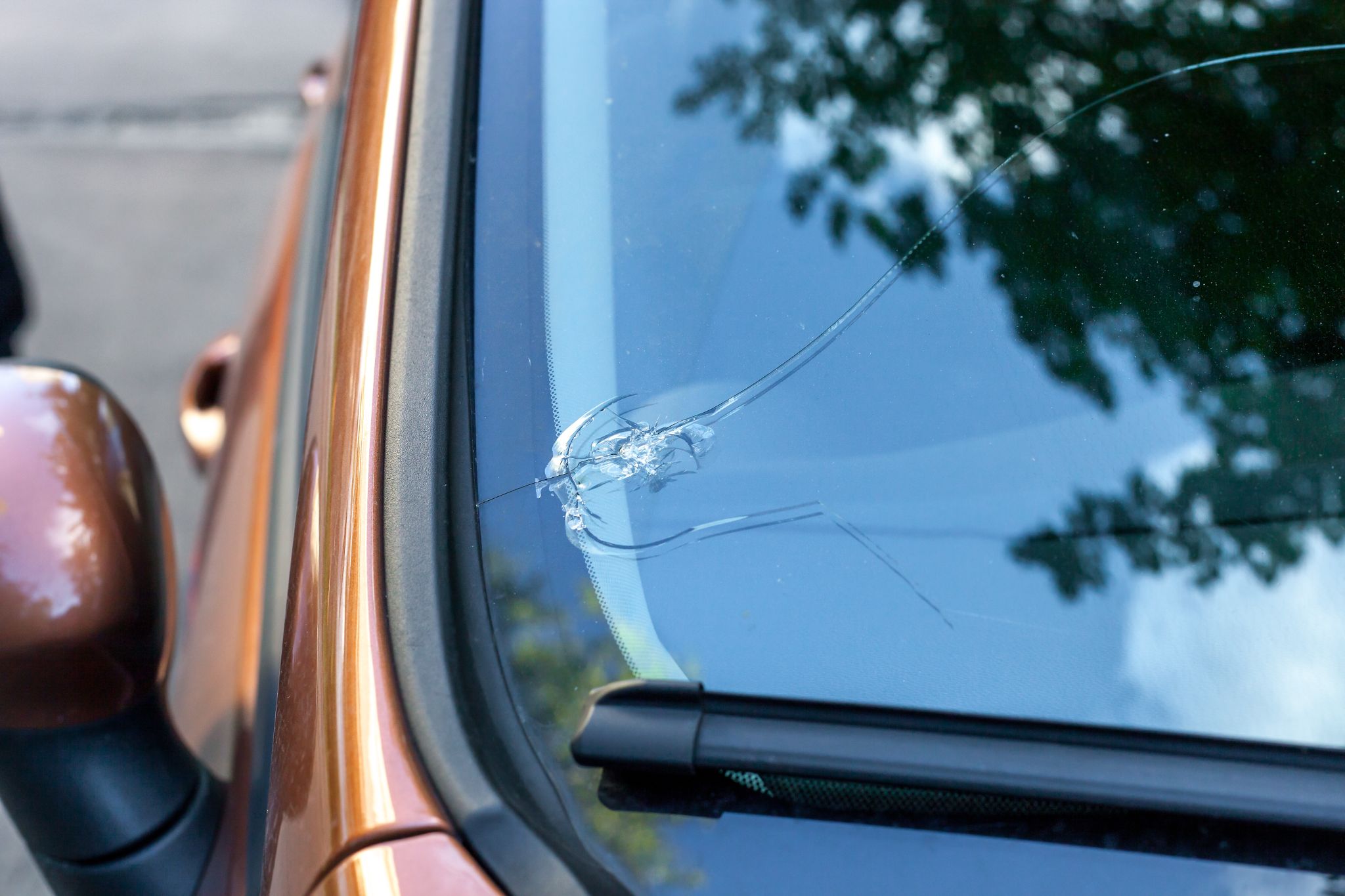
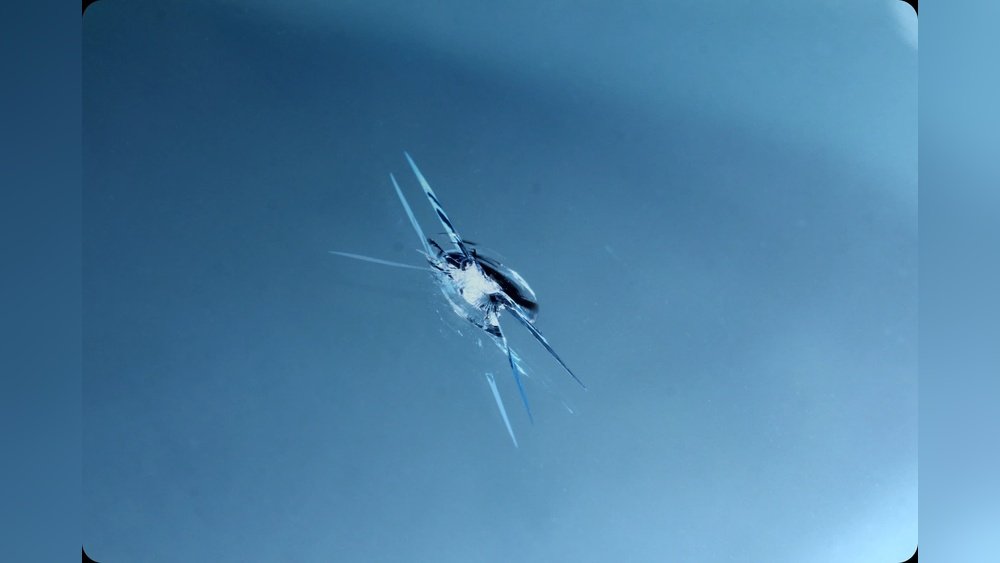
    Windshield chips start with small cracks or breaks in the glass surface. These chips form when the glass faces a strong impact or stress. Even tiny impacts can cause a chip. Over time, these chips can grow into larger cracks, affecting the windshield’s strength and safety.

    Common Causes Of Chips

    Small rocks or debris hitting the windshield cause most chips. Driving behind trucks or on gravel roads increases this risk. Sudden temperature changes can also create stress on the glass. Sometimes, accidents or minor collisions lead to chips. Even careless handling during car repairs might cause damage.

    Factors That Worsen Damage

    Temperature changes can make chips grow quickly. Heat causes glass to expand, cold makes it contract. Repeated stress from bumps or vibrations worsens the damage. Moisture entering a chip can freeze and crack the glass more. Ignoring small chips allows them to spread and weaken the windshield.

    Impact Of Vibrations On Windshield Chips

    Vibrations play a big role in the health of windshield chips. Small cracks or chips in glass can react to shaking and movement. Vibrations cause pressure changes inside the glass. This pressure can make chips grow bigger. Understanding these effects helps protect your windshield from damage.

    Sources Of Vibrations In Vehicles

    Vehicles create vibrations from many places. Engine movements cause constant shaking. Rough roads make the car bounce and vibrate. Slamming doors create sharp, sudden jolts. Even loud music adds to the vibrations inside. All these sources send waves through the car frame and glass.

    Effect Of Sudden Vibrations On Glass

    Sudden vibrations stress the glass around chips. Glass is strong but weak at cracks. Sharp jolts can cause chips to spread fast. Repeated shocks weaken the glass structure. This makes small damage turn into big cracks. Avoiding harsh impacts helps keep chips from growing.

    Can Slamming Doors Worsen Windshield Chips?

    Slamming car doors might seem harmless, but it can affect windshield chips. Even small cracks or chips in glass can grow worse over time. The sudden impact from slamming doors creates forces that travel through the car’s frame. These forces can reach the windshield and cause existing chips to spread.

    Understanding how this happens helps protect your windshield. The next sections explain the force generated by door slamming and how shock waves reach the glass.

    Force Generated By Door Slamming

    Slamming a door sends a strong burst of energy through the car. This energy comes from the fast, hard impact of the door closing. The force can be much greater than normal door closing. This sudden energy pushes and shakes the car’s body parts.

    The harder the door slam, the stronger the force. This force can cause vibrations that move through the entire car frame. These vibrations may affect areas far from the door itself.

    Transmission Of Shock Waves To The Windshield

    Shock waves travel through the metal frame after a door slam. The car’s body acts like a pathway for these waves. The windshield, fixed tightly to the frame, receives these shocks. Tiny chips or cracks in the glass can feel this stress.

    This stress can cause chips to grow larger. The glass weakens where the chip exists. Repeated shock waves from door slamming add pressure. This pressure makes the chip spread and crack the glass further.

    Scientific Studies And Expert Opinions

    Experts and scientists have studied how stress affects glass, including car windshields. They want to know if slamming doors can make small chips worse. Their findings help us understand the risks and how to protect our windshields.

    This section shares research and expert views on the subject. It explains how glass reacts to pressure and what causes chips to grow.

    Research On Glass Stress And Damage

    Scientists use tests to see how glass handles force. Car windshields are made of layers to resist breaking. Even small cracks or chips weaken the glass structure.

    Studies show sudden shocks, like slamming doors, send vibrations through the car. These vibrations create stress on the windshield glass. This stress can make tiny chips spread into bigger cracks.

    Experts warn that repeated impacts add up. Each slam may not cause damage alone but can worsen existing chips over time.

    Mechanics Behind Chip Expansion

    Small chips have sharp edges inside the glass. Stress from vibrations pushes these edges to open up. This causes cracks to grow slowly but surely.

    Temperature changes and pressure from slamming doors both affect the chip’s size. The glass tries to move but the crack stops it, causing more damage.

    Experts say the main risk is the combination of stress and weak points in the glass. This explains why a slammed door can turn a small chip into a big problem.

    Preventing Chip Expansion

    Preventing chip expansion on your windshield is crucial to avoid costly repairs. Small chips can grow bigger quickly due to stress and vibrations. Taking steps to protect your windshield helps keep your car safe and clear.

    Safe Driving Habits

    Drive smoothly to reduce stress on the windshield. Avoid sudden stops and sharp turns. Keep a safe distance from other cars to prevent debris hits. Slow down on rough roads to limit vibrations. These habits help keep chips from growing.

    Maintenance Tips For Windshield Care

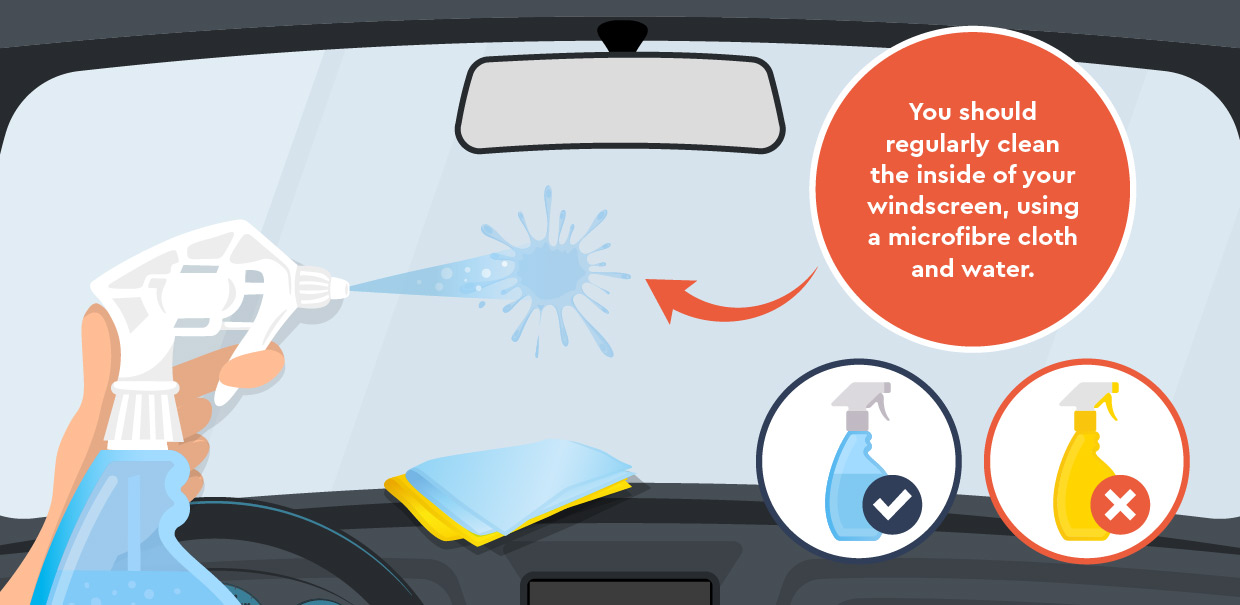
    Check your windshield regularly for new cracks or chips. Clean it gently with soft cloths and mild cleaners. Avoid using harsh chemicals that can weaken glass. Park in shaded areas to prevent heat damage. Repair chips quickly to stop them from spreading.

    Can Slamming Door Affect Windshield Chip? Shocking Truth Revealed!

    Credit: www.nuvisionautoglass.com

    Repair Options For Windshield Chips

    Repairing a windshield chip quickly can prevent bigger problems. Small chips can spread into cracks, making the windshield unsafe. Choosing the right repair method is important for safety and cost.

    Some repairs are simple and can be done at home. Others need tools and skills only professionals have. Understanding your options helps protect your car and your wallet.

    Diy Vs Professional Repairs

    DIY repair kits are affordable and easy to find. They work best for very small chips or cracks. These kits fill the chip with resin to stop spreading.

    DIY kits may not fully restore the windshield’s strength. Mistakes can cause the chip to grow or reduce visibility. Professional repair uses special tools and materials.

    Experts clean and fill the chip precisely. They also polish the glass to improve appearance. Professionals guarantee the repair will last longer and keep the glass strong.

    When To Replace The Windshield

    Some chips are too large or deep to repair. If the damage affects the driver’s view, replacement is safer. Cracks longer than a dollar bill usually need a new windshield.

    Severe damage can weaken the glass structure. Replacement restores full strength and ensures safety. A cracked windshield can break easily in an accident.

    Replacing the windshield is more expensive than repair. But it prevents accidents and keeps insurance valid. Check with a professional to decide the best option.

    Can Slamming Door Affect Windshield Chip? Shocking Truth Revealed!

    Credit: www.msglassoutlet.com

    Frequently Asked Questions

    Can Slamming Doors Worsen Windshield Chips?

    Yes, slamming doors can worsen windshield chips. The force creates vibrations that may expand small cracks. Over time, this can lead to larger cracks and costly repairs.

    Does Door Impact Cause Windshield Crack Expansion?

    Door impact causes vibrations that can expand existing windshield cracks. Even minor slams generate stress waves that weaken chip edges and promote crack growth.

    How To Prevent Windshield Chip Damage From Door Slamming?

    Avoid slamming car doors near a chipped windshield. Close doors gently to minimize vibrations and reduce the risk of crack expansion.

    Can Windshield Chips Turn Into Cracks From Door Slamming?

    Yes, slamming doors can turn chips into full cracks. The shockwaves from a slam can stress chip edges, causing cracks to spread quickly.

    Conclusion

    Slamming a door near your car can make windshield chips worse. The sudden shock may cause small cracks to grow fast. Fixing chips early helps avoid costly windshield repairs. Take care when closing doors close to your vehicle. Protect your windshield to keep it strong and safe.

    Small actions prevent bigger problems later. Stay mindful around your car to keep it damage-free.

  • Can Windshield Chip Reappear After Repair: What You Must Know

    Can Windshield Chip Reappear After Repair: What You Must Know

    Have you ever noticed a small chip on your windshield and wondered if fixing it is really worth it? You might be asking yourself, “Can a windshield chip reappear after repair?” It’s a common concern that many drivers face.

    Understanding what happens during the repair and what could cause the chip to come back can save you time, money, and frustration. Keep reading to discover the truth behind windshield chip repairs and how you can protect your car’s glass for the long haul.

    Can Windshield Chip Reappear After Repair: What You Must Know

    Credit: www.youtube.com

    Causes Of Windshield Chips

    Windshield chips often happen without warning. Tiny stones or debris hit the glass while driving. The damage can seem small but may cause bigger problems later. Understanding what causes these chips helps prevent them and know when to repair.

    Common Sources Of Damage

    Road debris like gravel and small rocks strike the windshield at high speed. Weather changes cause glass to expand and contract, making chips worse. Car accidents and door dings also cause cracks or chips. Sometimes, faulty installation leads to weak spots.

    Types Of Chips And Cracks

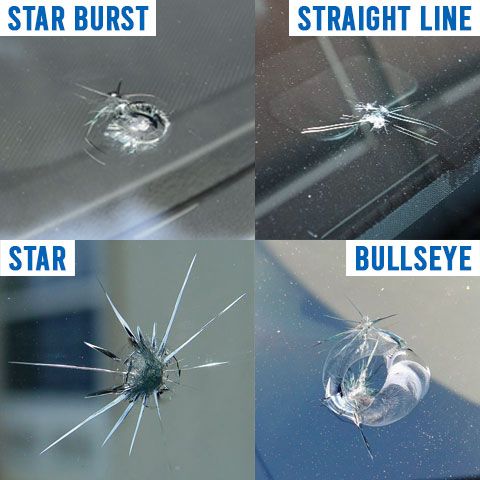
    Star breaks have lines radiating from the impact point. Bullseye chips look like a small circle with a dark center. Combination breaks mix features of star and bullseye. Cracks can be long or short and often grow over time.

    Can Windshield Chip Reappear After Repair: What You Must Know

    Credit: www.ebay.com

    How Repairs Work

    Understanding how windshield chip repairs work helps explain why some chips might reappear. The repair process fills the damaged area to restore strength and clarity. Skilled technicians use special methods and materials to fix chips quickly. Proper repair improves safety and prevents cracks from spreading.

    Repair Techniques

    Technicians first clean the damaged area to remove dirt and moisture. They use a tool to inject resin deep into the chip or crack. Pressure forces the resin to fill all tiny cracks. Then, ultraviolet light cures the resin, making it hard and clear. This seals the chip and restores the glass’s strength.

    Materials Used In Repair

    Resin is the main material used in windshield repairs. It has a clear, glass-like look after curing. This resin bonds tightly with the glass, preventing further damage. The quality of resin affects how well the repair lasts. Good resin keeps the glass strong and clear for a long time.

    Reasons For Chip Reappearance

    Windshield chips can sometimes come back after repair. This issue frustrates many car owners. Understanding why chips reappear helps prevent future damage. Several factors cause this problem. Below are the main reasons for chip reappearance.

    Incomplete Resin Penetration

    Resin fills the chip to stop cracks from growing. If the resin does not fully enter the chip, the repair is weak. Tiny air pockets or gaps may remain inside. These weak spots let cracks return over time. Proper resin penetration is key to a lasting repair.

    Environmental Factors

    Heat changes can make glass expand and contract. Cold weather shrinks the glass. This constant change stresses the repaired area. Dirt, moisture, and road debris also harm the repair. These conditions can cause the chip to reappear or spread.

    Quality Of Repair

    Not all repairs are equal. Cheap or rushed jobs often fail. Using low-quality resin or poor tools weakens the fix. Skilled technicians ensure the best repair results. A good repair lasts longer and prevents chip reappearance.

    Signs A Chip May Return

    After a windshield chip repair, the chip may come back. Some signs warn that the damage is not fully fixed. Spotting these signs early helps avoid bigger cracks later. Knowing what to watch for keeps your windshield safer.

    Visible Changes After Repair

    Look closely at the repaired chip area. If the chip looks cloudy or foggy, it may not be fully sealed. Tiny cracks around the repair spot can mean the damage is spreading. Sometimes the chip looks larger than before. These visible changes show the repair did not hold well.

    Structural Weakness Indicators

    Feeling a rough or uneven surface near the repair is a bad sign. The glass may flex more when you tap it, which means weak spots. Small vibrations while driving can cause the chip to grow. If the repaired area feels fragile, the chip might return soon.

    Preventing Chip Reappearance

    Preventing a windshield chip from reappearing after repair is important. Proper care and timing can keep your windshield strong and clear. Small steps make a big difference in avoiding repeated damage.

    Proper Repair Timing

    Repair the chip as soon as possible. Fresh chips heal better and stay fixed longer. Waiting allows dirt and moisture inside the chip. This can cause the damage to grow or reappear.

    Choosing Skilled Technicians

    Pick technicians with experience in windshield repair. Skilled workers use the right tools and materials. They fill chips thoroughly to prevent cracks and reappearance. Poor repairs often fail quickly and need more work.

    Post-repair Care Tips

    Avoid sudden temperature changes after repair. Do not wash your car with hot water right away. Drive carefully on rough roads to prevent extra stress. Check the windshield regularly for any signs of new chips.

    Can Windshield Chip Reappear After Repair: What You Must Know

    Credit: www.youtube.com

    When To Replace The Windshield

    Knowing when to replace your windshield is important for safety and clarity. Small chips can often be fixed, but some damage calls for full replacement. This section explains the limits of repair and key safety points to help you decide.

    Limits Of Repair

    Not all chips or cracks can be repaired. If the damage is larger than a dollar bill, replacement is needed. Cracks that spread across the glass also cannot be fixed. Damage near the edges weakens the windshield’s structure. Deep cracks that reach the inner layer require a new windshield.

    Safety Considerations

    The windshield supports the roof in a crash. A damaged windshield may break easily on impact. Cracks can block your view and cause distractions. Windshield repair may not restore full strength. Replacing a badly damaged windshield ensures better protection. Always prioritize your safety and the safety of others.

    Frequently Asked Questions

    Can A Windshield Chip Reappear After Repair?

    Yes, a windshield chip can reappear if the repair was incomplete or the glass was weakened. Extreme temperatures or impacts may cause the chip to resurface or spread over time.

    How Long Does A Windshield Chip Repair Last?

    A properly done chip repair can last several years. However, durability depends on chip size, location, and driving conditions. Regular inspections help ensure the repair remains intact.

    What Causes A Repaired Chip To Crack Again?

    Repaired chips may crack again due to stress from temperature changes, vibrations, or further impacts. Poor-quality repairs or existing glass damage also increase the risk of recurrence.

    Can I Drive Safely After A Chip Repair?

    Yes, driving is generally safe after a proper chip repair. Still, avoid sudden temperature shifts and rough roads to prevent the chip from worsening.

    Conclusion

    Windshield chips can sometimes reappear after repair. This happens if the damage was deep or repair was not done well. Small chips usually heal better and stay fixed longer. Watching for cracks and fixing them early helps. A clean, dry windshield also supports better repairs.

    Regular checks keep your glass safe and clear. Remember, timely action saves money and avoids bigger problems. Stay alert and take care of your windshield. It protects you every time you drive.

  • How to Clean Side Window Glass Safely: Expert Tips Revealed

    How to Clean Side Window Glass Safely: Expert Tips Revealed

    Your car’s side window glass may seem simple to clean, but if you don’t do it right, you risk scratches, streaks, or even damage. You want clear, spotless windows that improve your view and keep your car looking sharp.

    This guide will show you exactly how to clean your side window glass safely and effectively. By following these easy steps, you’ll save time, avoid costly mistakes, and enjoy crystal-clear windows every time. Ready to learn the secrets to perfect side window glass cleaning?

    Keep reading—you won’t want to miss this.

    How to Clean Side Window Glass Safely: Expert Tips Revealed

    Credit: www.amazon.com

    Choosing The Right Cleaning Tools

    Choosing the right cleaning tools makes a big difference in cleaning side window glass safely. The right tools protect the glass and help remove dirt quickly. Using poor tools can cause scratches or streaks. Select tools that are gentle yet effective for best results.

    Selecting Safe Glass Cleaners

    Pick glass cleaners made for automotive windows. These cleaners do not harm the glass or car paint. Avoid cleaners with ammonia or harsh chemicals. They can damage the glass and rubber seals. Water-based cleaners work well and are safe for most surfaces.

    Using Microfiber Cloths

    Microfiber cloths are soft and absorbent. They clean without scratching the glass. Use a clean, dry microfiber cloth to wipe the glass. Damp cloths help remove tough dirt. Wash cloths regularly to keep them free of dirt and grit.

    Avoiding Abrasive Materials

    Never use rough sponges or scrubbers on window glass. These materials can cause tiny scratches. Avoid paper towels or old rags with hard fibers. Stick to smooth, soft tools for a clear, scratch-free finish. Gentle cleaning keeps glass looking new longer.

    How to Clean Side Window Glass Safely: Expert Tips Revealed

    Credit: www.walmart.com

    Preparing The Window Surface

    Preparing the window surface is the first step for safe and effective cleaning. This stage ensures the glass is free from loose dirt and that the surrounding area stays protected. Taking time here reduces the risk of scratches and mess. It also helps the cleaning solution work better on the glass.

    Removing Dust And Debris

    Start by gently wiping the window with a soft brush or dry cloth. This removes dust particles that can scratch the glass during cleaning. Use a vacuum cleaner with a brush attachment to lift debris from corners and edges. Avoid using rough materials that may damage the glass surface.

    Protecting Surrounding Areas

    Cover nearby surfaces like door frames and car paint with clean cloths or plastic sheets. This prevents cleaning liquids from causing stains or damage. Secure the covers with tape so they do not move during cleaning. Protecting these areas helps keep the whole space neat and safe.

    Step-by-step Cleaning Process

    Cleaning side window glass can seem tricky, but a clear plan helps. Follow each step carefully for safe and spotless results. This process keeps the glass clean without damage or streaks. Prepare your materials and focus on each part of the cleaning.

    Applying Cleaner Correctly

    Start with a gentle glass cleaner or a mix of water and vinegar. Spray the cleaner evenly on the glass surface. Avoid soaking the edges to protect the seals. Use a soft cloth or sponge to spread the cleaner. Cover all areas but do not overuse the liquid.

    Wiping Techniques For Streak-free Glass

    Use a clean microfiber cloth for wiping the glass. Move the cloth in circular motions to remove dirt. Finish with vertical or horizontal strokes for a streak-free shine. Change to a dry part of the cloth if it gets wet. Avoid using paper towels or rough fabrics that scratch the glass.

    Handling Tough Stains And Spots

    For stubborn spots, dampen a cloth with rubbing alcohol. Gently rub the stained area without pressing too hard. Repeat if needed but do not scrub aggressively. Use a plastic scraper for sticky residues, moving it carefully. Always test cleaning solutions on a small spot first.

    Safety Precautions

    Cleaning side window glass requires care to avoid injuries and damage. Safety precautions protect your health and ensure a smooth cleaning process. Follow simple steps to keep yourself safe.

    Working In A Well-ventilated Area

    Always clean side windows in a space with fresh air. Open windows or doors to let air flow freely. This reduces fumes from cleaning products. Breathing fresh air keeps you safe and comfortable.

    Wearing Protective Gear

    Wear gloves to protect your hands from chemicals and sharp edges. Use safety glasses to shield your eyes from splashes. Comfortable clothes that cover your skin add extra protection. Safety gear prevents injuries during cleaning.

    Avoiding Hazardous Chemicals

    Choose cleaning products with safe, non-toxic ingredients. Avoid strong chemicals like ammonia or bleach. These can harm your skin and eyes. Read labels carefully and follow instructions. Safe products protect you and your car’s glass.

    Maintaining Clean Side Window Glass

    Maintaining clean side window glass keeps your vehicle looking clear and fresh. Clean windows improve visibility and safety. Dirt and grime buildup reduces light and view. Regular care stops damage from hard water and dust.

    Regular Cleaning Schedule

    Clean side windows at least once every two weeks. More often in dusty or rainy areas. Use a soft cloth and gentle cleaner. Avoid harsh chemicals that can scratch or damage glass. Stick to a simple routine for best results.

    Preventing Water Spots And Smudges

    Dry windows immediately after washing. Use a microfiber cloth for a streak-free finish. Avoid cleaning in direct sunlight to prevent quick drying spots. Clean hands before touching glass to avoid leaving smudges. Use a glass sealant to repel water and dirt.

    Tips For Long-term Glass Care

    Protect your windows by parking in shade or covered areas. Avoid using abrasive tools or rough towels. Check window seals regularly to prevent leaks and dirt entry. Use quality glass cleaner designed for automotive use. Keep cleaning tools clean to avoid scratching glass.

    How to Clean Side Window Glass Safely: Expert Tips Revealed

    Credit: www.walmart.com

    Frequently Asked Questions

    How Do I Safely Clean Side Window Glass?

    Use a gentle glass cleaner and a microfiber cloth. Avoid harsh chemicals and abrasive materials to prevent scratches. Clean in circular motions and wipe dry to avoid streaks.

    What Tools Are Best For Cleaning Side Window Glass?

    Microfiber cloths, soft sponges, and a spray bottle with glass cleaner work best. These tools prevent scratches and provide a streak-free finish.

    Can I Use Household Cleaners On Side Window Glass?

    Avoid ammonia-based or abrasive cleaners. Use a mild, glass-specific cleaner for safety and clarity. Household cleaners may damage the glass or window seals.

    How Often Should I Clean Side Window Glass?

    Clean side window glass every 1-2 weeks or as needed. Frequent cleaning prevents buildup of dirt, grime, and water spots for clear visibility.

    Conclusion

    Cleaning side window glass safely keeps your car looking clear. Use gentle cleaners to avoid scratches or damage. Soft cloths work best for a streak-free shine. Take your time and clean both inside and outside surfaces. Regular cleaning helps you see better while driving.

    Remember, safety comes first when handling glass. Follow these steps often for spotless windows every time. Simple care makes a big difference in your car’s appearance. Keep your windows clean and enjoy a safer ride.

  • Is It Safe to Drive before Windshield Replacement: Crucial Safety Tips

    Is It Safe to Drive before Windshield Replacement: Crucial Safety Tips

    Have you ever wondered if it’s safe to drive before your windshield replacement? You might think a small crack or chip isn’t a big deal, but your safety—and the safety of others on the road—could be at risk.

    Driving with a damaged windshield can lead to unexpected problems that you don’t want to face. You’ll discover important facts about why waiting or rushing matters, and what you need to know to protect yourself. Keep reading to make sure you’re making the safest choice for you and your vehicle.

    Risks Of Driving With A Damaged Windshield

    Driving with a damaged windshield is risky. Even small cracks or chips can cause big problems. The windshield is more than just glass. It helps keep the car strong and safe. Ignoring damage can lead to accidents and injuries. Understanding these risks helps you stay safe on the road.

    Impact On Structural Integrity

    The windshield supports the car’s roof. It helps prevent the roof from collapsing in a crash. A damaged windshield weakens this support. The car may bend or break more easily in an accident. This can cause serious harm to passengers. A strong windshield keeps the car safe and stable.

    Visibility Issues

    Cracks and chips block your view. They create blind spots and distractions. Sunlight or headlights can make the damage worse. This reduces your ability to see clearly. Poor visibility increases the chance of accidents. Clear glass is essential for safe driving.

    Airbag Deployment Concerns

    The windshield helps airbags work correctly. It acts as a backstop for the passenger airbag. A damaged windshield may not hold the airbag in place. This can cause the airbag to fail or deploy incorrectly. Proper airbag function saves lives during crashes. A strong windshield is key for safety systems.

    Is It Safe to Drive before Windshield Replacement: Crucial Safety Tips

    Credit: www.windshieldexperts.com

    Factors Influencing Safety Before Replacement

    Driving before windshield replacement carries risks. Safety depends on several factors. Understanding these can help you make a better decision. Consider the damage size, weather, and time before replacement.

    Size And Location Of Damage

    Small chips might be less risky than big cracks. A crack near the driver’s line of sight is more dangerous. Damage at the edges weakens the whole windshield. Large cracks can spread quickly, making driving unsafe.

    Weather Conditions

    Hot or cold weather affects windshield strength. Extreme heat can cause cracks to grow faster. Cold weather makes glass brittle and more prone to shattering. Rain or snow reduces visibility through damaged glass.

    Duration Until Replacement

    Delaying replacement increases the chance of damage worsening. Vibrations from driving can make cracks bigger. The longer you wait, the higher the risk of glass failure. Plan replacement as soon as possible for safety.

    Temporary Measures To Enhance Safety

    Driving with a damaged windshield can be risky. Temporary steps can help keep you safer before replacement. These simple actions reduce danger and improve visibility. Follow these tips to protect yourself and others on the road.

    Using Windshield Repair Kits

    Windshield repair kits fill small cracks or chips. They stop damage from growing larger. The kits are easy to use and affordable. Apply the resin carefully to seal the crack. This helps prevent further spreading and improves clarity.

    Avoiding Rough Roads

    Rough roads cause more stress on a cracked windshield. Bumps and vibrations can make cracks worse. Choose smooth, paved routes whenever possible. Drive slowly on uneven surfaces to reduce impact. This keeps the windshield more stable until repair.
    Limiting Driving Distance

    Short trips limit the chance of sudden damage. Avoid long drives on highways or busy streets. Less time on the road means less risk of accidents. Stay close to home until the windshield is fixed. This keeps you safer during daily travel.

    Is It Safe to Drive before Windshield Replacement: Crucial Safety Tips

    Credit: allstar-glass.com

    When To Avoid Driving Completely

    Knowing when to avoid driving before windshield replacement is crucial. Some damages make driving unsafe. Understanding these signs helps protect you and others on the road.

    Severe Cracks And Chips

    Large cracks or deep chips weaken the windshield. They can spread quickly while driving. The glass might shatter with a small impact. Avoid driving until a professional replaces the windshield.

    Compromised Visibility

    Cracks or chips in the driver’s line of sight block vision. Dirt and water collect in the damage. This causes glare or blurriness. Poor visibility increases accident risk. Never drive if you cannot see clearly through the windshield.

    Post-accident Damage

    After a crash, the windshield may be cracked or loose. The frame could be bent. This reduces the windshield’s strength. It may fall out during driving. Do not drive until experts inspect and fix the damage.

    Tips For Safe Windshield Replacement

    Tips for safe windshield replacement help protect you and your vehicle. A well-done replacement keeps your windshield strong and clear. Follow simple steps to avoid risks and ensure a smooth process.

    Safety starts before the replacement. Preparation and care matter. After replacement, proper checks keep you safe on the road.

    Choosing A Trusted Service Provider

    Pick a service with good reviews and experience. Experts use quality materials and tools. Trustworthy providers ensure the windshield fits perfectly. Ask about their warranty and safety standards. A reliable team reduces chances of mistakes.

    Scheduling Replacement Timely

    Replace the windshield as soon as damage appears. Delays make cracks worse and unsafe. Timely service prevents accidents and higher repair costs. Book your appointment quickly after noticing damage. Avoid driving long distances with a cracked windshield.

    Post-replacement Inspection

    Check the new windshield for proper fit and seal. Look for gaps or loose edges that cause leaks. Test the windshield wipers and visibility in daylight. Ask the technician to explain care tips. A careful inspection ensures your safety on the road.

    Is It Safe to Drive before Windshield Replacement: Crucial Safety Tips

    Credit: autoglassmn.com

    Frequently Asked Questions

    Is It Dangerous To Drive Before Windshield Replacement?

    Yes, driving with a damaged windshield can be dangerous. It weakens structural integrity and reduces visibility, increasing accident risk.

    How Long Should I Wait After Windshield Replacement?

    Wait at least one hour after replacement before driving. This allows the adhesive to properly cure and secure the glass.

    Can I Drive Immediately After Windshield Repair?

    Minor repairs usually allow immediate driving. However, larger cracks or full replacements require curing time before driving.

    What Risks Exist If I Drive Before Windshield Replacement?

    Driving too soon can cause glass to shift or shatter. It also compromises vehicle safety in case of collisions.

    Conclusion

    Driving before windshield replacement carries risks you should not ignore. A cracked or loose windshield can break easily during a sudden stop or accident. This endangers your safety and others on the road. It is best to wait until professionals finish the replacement.

    Your car will be safer, and your peace of mind will improve. Taking this simple step protects your investment and your life. Safety should always come first when dealing with windshield issues. Don’t rush—wait for the job to be done right.

  • Can Cracked Windshield Cause Wind Noise: Shocking Truth Revealed

    Can Cracked Windshield Cause Wind Noise: Shocking Truth Revealed

    Have you noticed a strange whistling sound every time you drive, especially at higher speeds? That annoying wind noise might be coming from a cracked windshield.

    You might think a crack is just a visual flaw, but it can actually affect more than just how your car looks. You’ll discover how even a small crack in your windshield can cause wind noise, why it matters for your driving experience, and what you can do to fix it.

    Keep reading to find out how to keep your rides quiet and comfortable again.

    How Windshields Affect Car Aerodynamics

    Windshields play an important role in a car’s aerodynamics. They help shape how air moves around the vehicle. Smooth airflow reduces drag and noise.

    A cracked windshield can disturb this smooth flow. Air can catch on cracks and edges. This causes wind noise and affects driving comfort.

    Windshield Shape And Airflow

    The shape of the windshield guides air over the car. A curved, smooth windshield lets air flow easily. This lowers wind resistance and noise.

    Flat or damaged windshields break this flow. Air hits cracks and rough spots. This causes turbulence and loud wind sounds.

    Windshield Seals And Noise Prevention

    Seals around the windshield stop air leaks. Good seals keep air outside the cabin. This reduces wind noise inside the car.

    Damaged seals let air enter through small gaps. This increases wind noise and can make driving less pleasant.

    Impact Of Cracks On Aerodynamics

    Cracks create uneven surfaces on the windshield. Air hits these surfaces and breaks its flow. This causes extra drag and noise.

    Small cracks may cause minor noise. Larger cracks can cause louder sounds and affect car performance.

    Can Cracked Windshield Cause Wind Noise: Shocking Truth Revealed

    Credit: www.reddit.com

    Sources Of Wind Noise In Vehicles

    Wind noise in vehicles often comes from gaps around windows or doors. A cracked windshield can create small openings, letting air rush inside. This can cause annoying whistling or humming sounds while driving.

    Cracked Windshield And Air Leaks

    A cracked windshield can create small gaps between the glass and the frame. These gaps let air slip inside the vehicle. Air rushing through these cracks causes whistling or hissing sounds. Even tiny cracks affect how tightly the windshield fits. This loose fit can increase wind noise while driving at high speeds.

    Door Seals And Window Alignment

    Worn door seals allow air to enter around the edges. Poorly aligned windows do not close fully. Both problems cause wind to enter the cabin. The air pressure creates noise that distracts drivers and passengers. Replacing old seals and fixing window alignment reduces wind noise significantly.

    Side Mirrors And Roof Racks

    Side mirrors stick out from the vehicle’s body and disrupt airflow. This disruption causes air to swirl, creating noise. Roof racks or cargo carriers also block smooth air movement. The result is a constant whooshing sound. Removing or properly installing these parts helps lower wind noise.

    Body Panel Gaps And Trim Issues

    Loose or damaged body panels create spaces for air to enter. Missing or broken trim pieces worsen this issue. These gaps allow wind to push against the vehicle’s surface. The pressure causes vibrations and noise inside the car. Fixing panels and trim tightens the vehicle’s exterior.

    Impact Of Cracks On Windshield Integrity

    A cracked windshield loses its original strength and shape. This damage affects how well it holds against wind pressure. Cracks create weak points that can change how air flows around the glass.

    These weak spots can let air slip through. This slipping causes odd sounds, often called wind noise. The crack’s size and location change the noise’s loudness and pitch.

    How Cracks Weaken The Windshield

    Windshields are made to be strong and smooth. Cracks break this smooth surface. This break reduces the glass’s ability to resist wind pressure. The windshield becomes less safe and less stable.

    Airflow Changes Around Cracks

    Wind moves differently over a cracked windshield. The crack creates small gaps or rough edges. These spots disturb the airflow and cause vibrations. These vibrations produce the wind noise that drivers hear.

    Effect On Vehicle Safety

    Cracked windshields can fail during strong winds or accidents. This failure risks passenger safety. A damaged windshield cannot support the roof well in a crash. Fixing cracks quickly helps keep the car safe.

    Cracked Windshield And Wind Noise Connection

    A cracked windshield can cause more than just a bad look. It can affect the way wind flows around your car. This change can create extra wind noise. The crack changes the smooth surface of the glass. This makes the air hit the glass differently.

    As the wind moves past the crack, it can cause a whistling or howling sound. The noise may grow louder with speed. Small cracks can cause big noise problems. The location of the crack also matters. Cracks near the edges often cause more noise.

    How Cracks Change Airflow

    Cracks break the smooth glass surface. Air hits the crack and swirls around it. This swirl causes vibrations in the air. Vibrations turn into sounds we hear as wind noise. The bigger the crack, the more air moves unevenly.

    Wind Noise And Crack Location

    Cracks near the edge of the windshield cause more noise. Edges are where the glass meets the car frame. This area is key for keeping air out. A crack here lets air slip through. The slipping air makes a whistling sound.

    Speed And Wind Noise Levels

    Wind noise grows louder as the car speeds up. Faster air means more pressure on the crack. More pressure means more air swirls and noise. Even a small crack can make loud sounds at high speeds.

    Detecting Wind Noise From A Damaged Windshield

    Detecting wind noise from a damaged windshield is important for a quiet drive. Cracks or chips can change how air flows around your car. This change can cause annoying sounds. These noises may seem small at first. They often get louder at higher speeds. Identifying wind noise helps prevent bigger problems later.

    How To Notice Wind Noise

    Listen carefully while driving on highways. A whistling or humming sound may appear. The noise often comes from the front of the car. It can be worse on windy days. Try to find the exact spot where the sound is strongest.

    Signs Of A Damaged Windshield

    Look for visible cracks or chips on the glass. Small cracks can spread over time. Check if the glass feels loose or moves slightly. This can let air leak inside. Any damage near the edges is more likely to cause noise.

    Testing For Wind Noise At Home

    Close all windows and doors tightly. Drive slowly and listen for sounds. Roll down the window near the crack. If the noise changes, the windshield may be the cause. You can also use your hand to feel for air leaks around the glass.

    Can Cracked Windshield Cause Wind Noise: Shocking Truth Revealed

    Credit: www.reddit.com

    Risks Of Ignoring Windshield Cracks

    Ignoring a cracked windshield can cause many problems. Small cracks may seem harmless at first. They can grow over time and lead to bigger issues. A damaged windshield affects more than just looks. It impacts safety and car performance.

    Cracks can let wind enter the car. This causes annoying noises and distractions. The crack may also weaken the windshield’s strength. This makes it less able to protect you in an accident.

    Increased Wind Noise Inside The Car

    Cracks create gaps in the windshield. These gaps let wind rush into the cabin. The noise can be loud and distracting. It makes driving less comfortable and safe.

    Reduced Structural Integrity

    The windshield helps keep the car’s frame strong. Cracks weaken this support. A weak windshield may shatter more easily during a crash. This puts everyone inside at risk.

    Visibility Problems And Safety Hazards

    Cracks can block or distort your view. This makes it harder to see the road clearly. Poor visibility increases the chance of accidents. Clean, clear glass is essential for safe driving.

    Higher Repair Costs Over Time

    Small cracks often cost less to fix. Left alone, they grow and spread. Repair becomes more difficult and expensive. Early action saves money and avoids bigger problems.

    Repair Vs Replacement For Cracked Windshields

    Cracked windshields can cause wind noise, affecting driving comfort. Choosing between repair and replacement depends on the crack’s size and location. Each option has benefits and drawbacks to consider carefully.

    When To Choose Windshield Repair

    Small chips or cracks under six inches often qualify for repair. Repair keeps the original windshield intact, saving time and money. It prevents cracks from growing and reduces wind noise by sealing gaps. Quick fixes restore windshield strength and clarity effectively.

    When Windshield Replacement Is Necessary

    Large cracks or damage near edges usually require full replacement. Replacement ensures proper sealing and structural safety. It stops wind noise caused by gaps or loose glass. New windshields restore original fit, improving noise reduction and visibility.

    Cost Differences Between Repair And Replacement

    Repairs cost less than replacements, often under $100. Replacements can cost several hundred dollars depending on the car model. Insurance may cover repairs fully but only partially cover replacements. Choosing repair or replacement affects your budget significantly.

    Impact On Wind Noise After Repair Or Replacement

    Proper repair reduces wind noise by sealing cracks carefully. Poor repairs may leave small gaps that increase noise. Replacement usually offers the best noise control by fitting new glass tightly. Professional service ensures less wind noise and safer driving.

    Preventing Wind Noise And Windshield Damage

    Preventing wind noise and windshield damage protects your car’s comfort and safety. Small cracks can cause loud wind sounds. Over time, these cracks grow and worsen noise problems. Taking steps to stop damage keeps your drive quiet and safe.

    Regular care helps avoid costly repairs. Simple checks and quick fixes prevent cracks from spreading. A tight, clean windshield reduces air leaks that cause wind noise. These easy actions improve your car’s performance and your driving experience.

    Keep Your Windshield Clean And Dry

    Clean the windshield often. Dirt and moisture hide small cracks. Dirt blocks repair materials from sticking well. Dry the glass after rain or washing. Moisture can make cracks bigger and louder.

    Repair Cracks Early

    Fix chips and cracks quickly. Small damage is easy to repair. Early repair stops cracks from growing. It also reduces wind noise caused by gaps in the glass.

    Check Window Seals

    Inspect rubber seals around windows. Damaged seals let air pass through. Replace old or cracked seals fast. Good seals keep wind noise out and protect the windshield edges.

    Park In Safe Areas

    Avoid parking under trees or in harsh weather. Falling branches and debris cause windshield cracks. Sunlight and heat stress the glass. A safe spot lowers damage risk and noise problems.

    Can Cracked Windshield Cause Wind Noise: Shocking Truth Revealed

    Credit: www.reddit.com

    Frequently Asked Questions

    Can A Cracked Windshield Increase Wind Noise?

    Yes, a cracked windshield can disrupt airflow. This causes gaps where wind enters, increasing noise inside the car.

    Does Windshield Damage Affect Car Aerodynamics?

    Yes, cracks alter the smooth surface, impacting aerodynamics. This can cause more wind turbulence and noise while driving.

    How Quickly Does Wind Noise Worsen With Cracks?

    Wind noise usually worsens as cracks grow. Larger cracks create bigger gaps, letting in more wind sound.

    Can Repairing A Cracked Windshield Reduce Wind Noise?

    Yes, fixing cracks seals gaps and restores smooth airflow. This often reduces or eliminates wind noise during driving.

    Conclusion

    A cracked windshield can let air slip through small gaps. This causes annoying wind noise while driving. Fixing the crack helps stop the sound and keeps your ride quiet. Ignoring it may lead to bigger problems later. A smooth, noise-free drive feels better and safer.

    Taking care of windshield damage soon saves time and money. Keep your car comfortable by addressing cracks quickly. It’s a simple step that makes a big difference on the road.

  • Can Side Window Glass Cause Wind Noise? Shocking Truth Revealed!

    Can Side Window Glass Cause Wind Noise? Shocking Truth Revealed!

    Have you ever noticed an annoying whooshing sound while driving, especially around your car’s side windows? That irritating wind noise can turn a peaceful ride into a frustrating experience.

    You might be wondering, can side window glass actually cause this noise? Understanding what’s behind that sound is key to fixing it and enjoying a quieter drive. Keep reading, because you’re about to learn how your side window glass might be the culprit—and what you can do about it.

    Can Side Window Glass Cause Wind Noise? Shocking Truth Revealed!

    Credit: www.reddit.com

    How Wind Noise Happens

    Wind noise in vehicles can be annoying and distracting. It happens when air moves around the car and creates pressure changes. These changes cause sounds that passengers hear inside the vehicle. Understanding how wind noise happens helps to find ways to reduce it.

    Airflow Around Vehicles

    Air flows over and around a vehicle as it moves. The shape of the car affects how air moves. Smooth shapes help air flow easily, reducing noise. Sharp edges or gaps disturb the airflow. This disturbance causes air to swirl and create noise.

    Side windows play a key role in airflow. If a window is not fully closed or has a poor seal, air can leak in. This leak makes a whistling or whooshing sound. The faster the vehicle moves, the louder the noise becomes.

    Common Noise Sources

    Wind noise often comes from door seals, window gaps, and mirrors. Poorly sealed side windows let air slip inside. Small gaps or cracks increase this effect. Side mirrors also disrupt airflow and cause noise.

    Loose or damaged window glass can vibrate. This vibration adds to the wind noise. Dirt or wear on window seals makes them less effective. These common problems increase the chance of wind noise.

    Can Side Window Glass Cause Wind Noise? Shocking Truth Revealed!

    Credit: www.youtube.com

    Role Of Side Window Glass

    Side window glass plays an important role in reducing wind noise inside a vehicle. It acts as a barrier that stops air from rushing into the cabin. When the glass fits well, it keeps the interior quiet and comfortable.

    Even small gaps or misalignment in the glass can cause loud wind noise. The condition of the seals around the glass is just as important. These parts work together to block outside noise and protect from weather.

    Glass Fit And Seals

    Proper glass fit is essential to stop wind noise. The glass should sit tightly in its frame without any space. Loose glass lets air pass through, causing whistling sounds.

    Seals around the glass help fill gaps and keep out wind. Over time, seals may crack or shrink. Damaged seals allow air to leak inside, raising noise levels.

    Replacing worn seals or adjusting the glass fit can greatly reduce wind noise. Regular checks help maintain a quiet ride.

    Window Alignment Issues

    Window alignment affects how well the glass fits in its frame. Misaligned windows create gaps that let wind enter the vehicle.

    Common causes of misalignment include wear and tear or accidents. Poor alignment also makes the window harder to open or close.

    Fixing alignment issues restores the tight fit needed to block wind noise. A well-aligned window improves comfort and safety.

    Factors Increasing Wind Noise

    Wind noise can make driving uncomfortable and distracting. Several factors related to side window glass can increase this noise. Understanding these factors helps in reducing unwanted sounds inside your vehicle.

    Damaged Or Worn Seals

    Seals around the side window glass keep air from entering the car. Over time, these seals can crack or wear out. Damaged seals create gaps for wind to pass through. This causes a whistling or whooshing sound while driving. Replacing worn seals can significantly reduce wind noise.

    Improper Window Installation

    Windows must fit tightly in their frames to block wind. Poor installation leaves small spaces between the glass and frame. These gaps let air leak inside, causing noise. Incorrect installation also affects the window’s ability to stay closed properly. Ensuring a proper fit reduces wind noise and keeps the cabin quiet.

    Diagnosing Side Window Noise

    Side window glass can cause wind noise if it does not seal properly. Diagnosing this noise helps you find the issue quickly. You can fix it or tell a mechanic exactly what to check. Start by listening carefully and inspecting the window closely.

    Listening Techniques

    Drive your car at different speeds and listen near the side windows. Notice if the noise changes when windows are up or down. Try to hear if the sound is sharp, like whistling, or more like a rush of air. This helps locate the exact spot where the noise comes from.

    Turn off the radio and close all windows. Listen carefully for any wind sounds around the side glass. Pay attention to corners and edges of the window frame. This step can show if the glass or seals cause the noise.

    Visual Inspection Tips

    Check the window glass for small gaps or cracks along the edges. Look at the rubber seals around the window. See if they are worn, loose, or damaged. These seals stop air from leaking inside the car.

    Open and close the window slowly. Watch if it moves smoothly and fits tightly in the frame. Misalignment can cause gaps that let wind noise in. Use a flashlight to see hard-to-check spots. Clean dirt or debris may also cause poor sealing.

    Solutions To Reduce Noise

    Side window glass can cause wind noise during driving. Fixing this noise improves comfort. Several solutions reduce or stop the noise effectively. These focus on sealing, adjusting, and adding soundproofing around the window.

    Seal Replacement

    Old or damaged seals let air pass through gaps. Replacing these seals blocks wind from entering. New seals fit tightly around the glass edges. This stops most wind noise near side windows. Check seals for cracks or wear regularly.

    Glass Adjustment

    Improperly aligned glass causes gaps and noise. Adjusting the glass fits it better in the frame. This reduces air leaks and wind noise. A professional can realign the glass precisely. Proper fit keeps the window snug and quiet.

    Additional Soundproofing

    Extra soundproofing materials absorb or block noise. Use foam strips or rubber inserts around the window. These materials fill small gaps and soften air flow. Applying soundproofing improves noise reduction significantly. It is a simple way to enhance comfort.

    Can Side Window Glass Cause Wind Noise? Shocking Truth Revealed!

    Credit: www.youtube.com

    When To Seek Professional Help

    Side window glass can cause wind noise in some cases. Small issues might be easy to fix by yourself. Other times, the noise stays or gets worse. That means it is time to get help from a professional. Knowing when to seek professional help can save time and money. It also keeps your drive quiet and safe.

    Persistent Noise Problems

    Sometimes, wind noise stays after you try to fix it. Persistent noise means the problem is deeper. It might come from a bad seal or damaged glass. Professionals have tools to find hidden problems quickly. They also know how to fix these issues correctly. Do not ignore constant wind noise. It may cause distractions while driving. A professional can stop the noise for good.

    Complex Repairs

    Some wind noise problems need complex repairs. This includes fixing window seals, frames, or glass alignment. These repairs require special skills and equipment. Trying to fix them alone may cause more damage. Professionals have experience with different car models. They can fix complex issues safely and fast. Trust experts for repairs beyond simple fixes. This ensures your car stays quiet and secure.

    Frequently Asked Questions

    Can Side Window Glass Cause Wind Noise In Cars?

    Yes, side window glass can cause wind noise if it is not properly sealed or aligned. Gaps or misfits allow air to pass through, creating whistling or whooshing sounds during driving.

    How Does Window Alignment Affect Wind Noise Levels?

    Misaligned windows create uneven gaps that let air leak inside. This air movement causes turbulence and wind noise, especially at high speeds. Proper alignment ensures a tight seal, reducing noise significantly.

    Can Damaged Window Seals Increase Wind Noise?

    Absolutely, damaged or worn window seals fail to block air effectively. This leads to increased wind noise as air enters through the gaps. Replacing seals can restore a quiet cabin environment.

    What Role Does Window Glass Quality Play In Wind Noise?

    High-quality window glass fits better and often includes noise-reducing features. Poor-quality or aftermarket glass may not fit perfectly, causing gaps and wind noise. Using OEM glass helps maintain sound insulation.

    Conclusion

    Side window glass can cause wind noise if it does not fit well. Gaps or cracks let air rush in, making noise. Fixing or replacing the glass can reduce this sound. Seals and weather stripping also help block wind noise.

    Keep windows clean and well-maintained for best results. Quiet drives matter, and small changes make a difference. Check your side windows to enjoy a smoother ride.

  • When Windshield Replacement is Required: Essential Signs to Know

    Your windshield is more than just a piece of glass—it’s a crucial part of your safety on the road. But how do you know when it’s time to replace it?

    Small chips or cracks might seem harmless, but they can quickly turn into serious hazards. If you ignore the signs, you could be putting yourself and your passengers at risk. You’ll discover the key moments when windshield replacement is necessary and why acting quickly can save you money and keep you safe.

    Keep reading to find out exactly what to look for and what steps to take next.

    Common Windshield Damage Types

    Windshields face many types of damage daily. Knowing these types helps decide if replacement is needed. Some damages look small but can worsen fast. Others appear large and unsafe immediately. Understanding common damage types keeps drivers safe on the road.

    Chips And Small Cracks

    Chips are tiny breaks in the glass surface. They usually happen from small rocks or debris. Small cracks often start near chips and spread slowly. These damages may not block view but weaken the windshield. Quick repair can stop chips and cracks from growing.

    Long Cracks And Splintering

    Long cracks run several inches across the glass. They can spread quickly with bumps or temperature changes. Splintering means many tiny cracks spread from one spot. These damages reduce the strength of the windshield. Replacement is often safer than repair for long cracks.

    Bullseye And Star Breaks

    Bullseye breaks look like a circle with a dark center. Star breaks have lines radiating out like a star shape. Both damage types occur from sharp impacts. They weaken the glass and can grow over time. Early repair can prevent these breaks from spreading.

    Safety Risks Of A Damaged Windshield

    A damaged windshield is more than a cosmetic problem. It poses serious safety risks for drivers and passengers. Cracks and chips weaken the glass, making it less reliable in crashes. The windshield plays a key role in vehicle safety. Understanding these risks shows why timely replacement matters.

    Compromised Structural Integrity

    The windshield supports the car’s roof during accidents. Damage reduces its strength and stability. In a rollover crash, a weak windshield may fail to hold the roof. This increases the chance of injury from roof collapse. The windshield also helps keep the car’s frame rigid. A damaged windshield can cause the vehicle to bend more in crashes. This puts everyone inside at greater risk.

    Reduced Visibility Hazards

    Cracks and chips block or distort the driver’s view. Even small damage can create glare from sunlight or headlights. This distraction makes it hard to see the road clearly. Poor visibility increases chances of accidents at night or in bad weather. Water and dirt collect in cracks, making the problem worse. Clear vision is critical for safe driving and quick reaction.

    Airbag Deployment Issues

    The windshield helps guide airbag inflation during crashes. A damaged windshield may not hold the airbag properly. This can cause the airbag to deploy incorrectly or late. Faulty airbag deployment reduces protection for the driver and front passenger. The windshield acts as a backstop for the airbag’s force. Without strong support, airbags cannot work as designed.

    When To Repair Vs. Replace

    Knowing when to repair or replace a windshield saves time and money. Small chips often need repair. Large cracks usually need full replacement. Understanding the damage helps you decide the best option.

    Size And Location Considerations

    Small chips under the size of a quarter usually get repaired. Cracks longer than a few inches mean replacement. Damage near the edges weakens the whole windshield. Edge cracks often require replacement for safety.

    Depth Of Damage

    Shallow chips only affect the outer layer. These chips heal well with repair. Deep cracks reach the inner layers of glass. Deep damage means the windshield loses strength. Deep cracks almost always need full replacement.

    Impact On Driver’s Line Of Sight

    Damage in front of the driver is dangerous. Chips or cracks here blur vision and cause glare. Any crack blocking the driver’s view needs replacement. Repairs may not restore clear vision in this area.

    When Windshield Replacement is Required: Essential Signs to Know

    Credit: www.acg.aaa.com

    Legal And Insurance Factors

    Understanding legal and insurance factors is important when deciding on windshield replacement. These rules help keep drivers safe and protect their rights. Insurance can help cover costs but knowing the details can prevent surprises.

    State Regulations On Windshield Damage

    Each state has different rules about windshield damage. Some states require a windshield to be free of cracks in the driver’s view. Others allow small chips without fines. Driving with a damaged windshield may lead to tickets or fines. Checking local laws helps avoid legal trouble.

    Insurance Coverage And Claims

    Many insurance policies cover windshield repair or replacement. Some offer full coverage with no deductible. Others require you to pay part of the cost. Filing a claim quickly can speed up repairs. Always read the policy to understand coverage limits and rules.

    Consequences Of Ignoring Damage

    Ignoring windshield damage can cause bigger problems. Cracks may grow and block your view. This can make driving dangerous. Insurance may refuse claims if damage is ignored too long. Repairing early saves money and keeps you safe.

    Choosing A Windshield Replacement Service

    Choosing a windshield replacement service is an important step after damage. The right service ensures safety and quality. It protects your vehicle and your driving experience. Careful choice prevents future problems and extra costs.

    Certified Technicians And Quality Standards

    Choose a service with certified technicians. Certification means they have proper training. Skilled technicians handle your windshield with care. They follow strict quality standards for installation. This ensures the windshield fits perfectly and stays secure. Quality materials and tools matter too. They keep your car safe on the road.

    Warranty And Aftercare

    A good service offers a warranty on parts and work. This shows confidence in their job. Warranty protects you from defects or problems. Ask about the length and coverage of the warranty. Aftercare services help with any issues later. Some offer free inspections or repairs. These services give peace of mind after replacement.

    Cost And Time Estimates

    Get clear cost estimates before starting work. Transparent pricing avoids surprise fees. Compare prices from different services but watch for very low offers. Cheap may mean low quality. Ask how long the replacement will take. A reliable service respects your time. Fast and efficient work gets you back on the road.

    When Windshield Replacement is Required: Essential Signs to Know

    Credit: www.reddit.com

    Preventive Measures To Protect Your Windshield

    Protecting your windshield helps avoid costly repairs and keeps you safe. Taking simple steps can extend its life. These preventive measures reduce the chance of cracks and chips. A strong windshield also improves driving visibility and vehicle strength.

    Safe Driving Habits

    Drive carefully on rough roads to avoid flying debris. Keep a safe distance from other vehicles. Rocks and stones kicked up by trucks often hit windshields. Avoid sudden stops and sharp turns to reduce stress on the glass. Slow down in construction zones or gravel areas.

    Regular Inspections

    Check your windshield often for small chips or cracks. Early damage can be fixed before it spreads. Inspect after hitting bumps or debris. Clean the glass regularly to spot issues easily. Use a soft cloth and mild cleaner to avoid scratches.

    Using Protective Films

    Apply a protective film to add a shield against impacts. Films absorb shocks from small stones and debris. They also reduce sun glare and block harmful UV rays. Professional installation ensures the film fits correctly. This simple addition can save your windshield from damage.

    When Windshield Replacement is Required: Essential Signs to Know

    Credit: only1autoglass.com

    Frequently Asked Questions

    When Should I Replace My Cracked Windshield?

    Replace your windshield if cracks are longer than six inches. Small chips may be repairable. Large or spreading cracks impair visibility and safety.

    How Does A Damaged Windshield Affect Driving Safety?

    A damaged windshield weakens the vehicle’s structure. It reduces visibility and increases injury risk during accidents. Prompt replacement ensures driver and passenger safety.

    Can Windshield Chips Be Repaired Instead Of Replaced?

    Small chips under the size of a quarter can often be repaired. Larger cracks or multiple chips usually require full replacement for safety.

    How Long Does Windshield Replacement Take?

    Windshield replacement typically takes about 30 to 60 minutes. Additional curing time may be needed before driving to ensure adhesive sets properly.

    Conclusion

    A cracked or chipped windshield can be dangerous. Small damage may get worse over time. Clear vision keeps you safe on the road. A quick replacement saves money and stress. Trust only skilled professionals for the job. Don’t wait until the damage spreads more.

    Your safety depends on a strong windshield. Keep your car in good shape always. Simple steps protect you and your passengers. Act early to avoid bigger problems later.

  • Best Way to Clean Car Tinted Windows: Expert Tips for Spotless Shine

    Best Way to Clean Car Tinted Windows: Expert Tips for Spotless Shine

    If you have tinted windows on your car, you know how important it is to keep them clean without damaging the tint. But cleaning tinted windows can be tricky—you want them spotless, yet you don’t want to ruin the film that gives your car its sleek look.

    Are you tired of streaks, smudges, or even bubbles appearing after cleaning? You’re not alone. This guide will show you the best way to clean your car’s tinted windows easily and safely. Keep reading to discover simple tips that protect your tint and make your windows shine like new.

    Best Way to Clean Car Tinted Windows: Expert Tips for Spotless Shine

    Credit: thetintguy.com

    Choosing The Right Cleaner

    Choosing the right cleaner is key to protecting your car’s tinted windows. The wrong cleaner can damage the tint film and reduce its lifespan. Use gentle products that clean well without harming the tint. This helps keep windows clear and looking new for longer.

    Avoiding Harsh Chemicals

    Harsh chemicals can cause bubbles and peeling on tinted windows. Avoid cleaners with ammonia, bleach, or alcohol. These substances break down the tint film. Stick to mild, tint-safe products to keep your windows safe. Harsh chemicals also leave streaks and damage glass.

    Recommended Cleaning Solutions

    Use a mixture of water and mild dish soap for effective cleaning. Commercial tint-safe cleaners are good choices too. These products clean dirt and grime without hurting the film. Always test a small area before full use. Soft microfiber cloths work best to avoid scratches.

    Tools For Cleaning Tinted Windows

    Cleaning tinted windows needs special care and the right tools. Using the wrong items can damage the tint or leave streaks. Choosing the best tools helps keep windows clear and tint intact. Simple tools make the job easier and protect the film.

    Microfiber Cloths

    Microfiber cloths work well for tinted windows. They are soft and do not scratch the surface. These cloths absorb dirt and dust without spreading it. Use a clean microfiber cloth to wipe gently. Avoid rough fabrics that can cause damage.

    Soft Sponges And Squeegees

    Soft sponges clean without harming the tint. Pick sponges with a smooth texture. Squeegees help remove water and cleaner quickly. They prevent streaks and leave windows shiny. Use a squeegee with a rubber blade for best results.

    Step-by-step Cleaning Process

    Cleaning tinted car windows needs care and the right steps. Following a clear process helps avoid damage and keeps tints looking new. This step-by-step guide makes cleaning easy and safe.

    Preparing The Surface

    Start by parking the car in shade to avoid quick drying. Use a soft cloth or brush to remove dust and dirt. This prevents scratching the tint during cleaning. Avoid harsh scrubbing on the film.

    Applying The Cleaner

    Choose a cleaner made for tinted windows or use a mild soap solution. Spray the cleaner lightly on the glass. Avoid using ammonia-based products as they can harm the tint. Let the cleaner sit for a few seconds.

    Wiping Techniques

    Use a soft microfiber cloth for wiping. Wipe gently in a circular motion to lift dirt. Do not press too hard or use paper towels, which can scratch. Change cloth sections to avoid spreading dirt.

    Drying And Polishing

    Use a dry microfiber cloth to remove any moisture. Buff the window with light strokes for a clear finish. Ensure no streaks or spots remain on the glass. This keeps the tint bright and clean for longer.

    Best Way to Clean Car Tinted Windows: Expert Tips for Spotless Shine

    Credit: blisscarwash.com

    Common Mistakes To Avoid

    Cleaning tinted car windows needs care and the right methods. Many people make errors that harm the tint or reduce its life. Avoiding these mistakes keeps the tint clear and long-lasting. Read the common mistakes below to protect your car’s tinted windows.

    Using Ammonia-based Products

    Ammonia can damage the tint film. It causes bubbles and discoloration. Many glass cleaners contain ammonia. Always check labels before use. Choose cleaners made for tinted windows. These are safe and effective.

    Scratching The Tint Film

    Using rough cloth or paper towels can scratch the tint. Dirt and debris can cause scratches too. Use a soft microfiber cloth to clean. Clean gently with light pressure. Avoid scrubbing hard to protect the film.

    Cleaning In Direct Sunlight

    Cleaning windows in bright sun dries the cleaner too fast. This leaves streaks and spots. The heat can also weaken the tint film. Clean windows in shade or cool areas. This helps cleaner work well and keeps tint safe.

    Maintaining Tinted Windows Between Washes

    Maintaining tinted windows between washes helps keep them clear and scratch-free. Dirt and dust can build up quickly. Cleaning often prevents damage and keeps your car looking sharp.

    Simple care steps protect the tint and extend its life. Gentle cleaning and sun protection help avoid fading and peeling. Small efforts make a big difference over time.

    Regular Dusting Tips

    Use a soft microfiber cloth to dust the windows. Avoid rough or abrasive materials. Lightly wipe to remove dust and dirt without scratching.

    Dust your windows weekly to stop buildup. Use gentle circular motions for best results. Keep the cloth clean and dry for every use.

    Protecting From Sun Damage

    Park in shaded areas to reduce sun exposure. Direct sunlight can fade and weaken tint films. Use sunshades inside the car for extra protection.

    Apply a UV-protective spray made for tinted windows. This helps shield the film from harsh rays. Follow product instructions for safe use.

    When To Seek Professional Help

    Knowing when to seek professional help for cleaning tinted windows is important. Some problems need expert care to avoid damage. Proper cleaning keeps the tint looking good and lasting longer.

    Signs Of Tint Damage

    Look for bubbles or peeling on the tint surface. Fading or discoloration also shows damage. Scratches or cracks can weaken the tint film. If water spots won’t come off, the tint may be harmed. These signs mean cleaning needs more than simple tools.

    Professional Cleaning Services

    Experts use special products safe for tint films. They remove tough stains without scratching or peeling. Professionals know how to handle delicate tints carefully. They can also fix minor tint damage during cleaning. Choose trusted services to protect your car’s appearance.

    Best Way to Clean Car Tinted Windows: Expert Tips for Spotless Shine

    Credit: www.chemicalguys.com

    Frequently Asked Questions

    How Do I Safely Clean Tinted Car Windows?

    Use a microfiber cloth and a cleaner designed for tinted windows. Avoid ammonia-based products to prevent damage. Gently wipe in a circular motion to remove dirt without scratching.

    What Is The Best Cleaner For Tinted Windows?

    Choose a non-ammonia, pH-balanced cleaner or a mild soap solution. These cleaners protect the tint film and prevent discoloration or peeling over time.

    Can I Use Regular Glass Cleaner On Tinted Windows?

    No, regular glass cleaners often contain ammonia, which can damage tint film. Always opt for ammonia-free products specifically made for tinted windows to maintain clarity and longevity.

    How Often Should I Clean My Tinted Car Windows?

    Clean tinted windows every two weeks or as needed. Regular cleaning prevents buildup of dirt and grime, preserving the tint’s appearance and effectiveness.

    Conclusion

    Cleaning tinted car windows is simple with the right steps. Use gentle cleaners and soft cloths to avoid damage. Regular care keeps the tint clear and fresh. Avoid harsh chemicals that can harm the film. Clean windows improve your driving safety and car look.

    Take your time and clean gently for best results. This easy routine helps your tint last longer. Keep your car looking great every day.

  • Can Cracked Windshield Shatter Suddenly? Essential Safety Facts

    Can Cracked Windshield Shatter Suddenly? Essential Safety Facts

    Have you ever noticed a small crack on your windshield and wondered if it could suddenly shatter while you’re driving? It’s a scary thought, and you’re not alone in worrying about it.

    Your windshield is more than just glass—it’s a vital part of your safety. Understanding whether that crack could turn into a dangerous break can help you stay safe and avoid costly repairs. Keep reading to discover the surprising truth about cracked windshields and what you need to watch out for.

    Can Cracked Windshield Shatter Suddenly? Essential Safety Facts

    Credit: only1autoglass.com

    How Windshields Are Made

    Understanding how windshields are made helps explain their strength and risks. Windshields do not use regular glass. They use special glass designed to protect drivers and passengers. This glass has layers that work together to keep it safe and strong.

    Laminated Glass Structure

    Windshields have a laminated glass structure. It means two glass layers sandwich a plastic layer. This plastic layer holds the glass together if it breaks. The glass does not fall apart easily. This design helps prevent sharp glass pieces from flying inside the car.

    Impact Resistance Features

    The plastic layer also gives impact resistance. It absorbs shocks from stones or accidents. This reduces the chance of the windshield shattering suddenly. The glass layers are treated to be tough and flexible. This combination helps the windshield stay intact longer after damage.

    Can Cracked Windshield Shatter Suddenly? Essential Safety Facts

    Credit: www.windshieldexperts.com

    Why Windshields Crack

    Windshields protect drivers and passengers from wind, rain, and debris. They also keep the car structure strong during crashes. Despite their strength, windshields can crack. These cracks may start small but can grow quickly. Understanding why windshields crack helps in preventing bigger problems.

    Common Causes Of Cracks

    Temperature changes cause glass to expand and contract. This stress can create cracks over time. Flying rocks or debris from other vehicles often chip the glass. Small chips can turn into large cracks if not fixed. Poor installation or old age also weakens the windshield. Even hitting a pothole or bump may cause cracks to appear.

    Types Of Windshield Damage

    There are several types of windshield damage. Chips are small, shallow marks on the glass surface. Cracks are longer breaks that spread across the windshield. Bullseye damage looks like a circle with a dark center. Star breaks have lines radiating from a central point. Combination damage mixes chips and cracks in one area. Each type needs different repair methods to avoid shattering.

    Crack Growth And Risks

    A cracked windshield is more than just a cosmetic issue. Over time, small cracks can grow bigger and cause serious problems. The glass may shatter suddenly, putting everyone in the car at risk. Understanding how cracks grow and what makes them worse helps keep you safe.

    Windshield cracks start small but can spread fast. The longer the crack, the weaker the glass becomes. Even a tiny chip can turn into a large crack if not fixed quickly. Stress on the glass makes the crack grow and can lead to sudden breakage.

    Factors That Worsen Cracks

    Temperature changes cause the glass to expand and contract. Hot sun and cold nights make cracks grow. Driving on rough roads shakes the windshield, adding stress. Water can seep into cracks and freeze, pushing the crack wider. Even small impacts can worsen an existing crack.

    Stress Points And Weaknesses

    Cracks near the edges of the windshield are more dangerous. The glass is thinner and less supported there. Areas around the rearview mirror or wiper blades face extra pressure. These points can cause the crack to spread quickly. Weak spots make the glass prone to sudden shattering.

    Can Cracks Cause Sudden Shattering?

    Cracks in a windshield can be more than just an eyesore. Many wonder if these cracks might cause the glass to shatter suddenly. The truth is, cracks do weaken the windshield’s strength. This damage makes the glass vulnerable to breaking unexpectedly under certain conditions.

    Understanding how and why these cracks lead to sudden shattering can help drivers take better care of their vehicles. It also highlights the risks of ignoring even small chips or cracks.

    Scenarios Leading To Shattering

    Temperature changes can cause cracked windshields to shatter. Heat makes the glass expand, while cold causes it to contract. This constant shifting stresses the damaged area. Driving over bumps or hitting potholes adds extra pressure. Sudden impacts near the crack can cause the glass to break completely. Improper repairs or poor-quality glass increase the risk of sudden shattering. These scenarios show how fragile a cracked windshield can become.

    Real-life Incidents And Studies

    Many drivers have experienced sudden windshield shattering without warning. Studies confirm that cracks weaken glass strength by up to 40%. Research also shows that even small cracks can grow quickly under stress. Experts advise replacing or repairing cracked windshields promptly. Insurance claims often report shattered windshields due to small, ignored cracks. These real cases prove that cracked windshields can fail suddenly and without clear signs.

    Safety Risks Of Driving With A Cracked Windshield

    Driving with a cracked windshield carries serious safety risks. A crack can grow quickly and cause sudden problems. The damage affects more than just looks. It can change how safe your car is on the road.

    Understanding the risks helps you decide when to fix or replace your windshield. The two main dangers are visibility impairment and compromised structural integrity.

    Visibility Impairment

    Cracks block your clear view of the road. Even small cracks create glare from sunlight or headlights. This glare can distract you or hide important details. It becomes harder to see road signs, pedestrians, and other cars. Driving with limited vision raises the chance of accidents.

    Night driving gets tougher too. Cracks reflect light and cause blurriness. This reduces your ability to judge distances and react fast. Every crack makes driving riskier.

    Compromised Structural Integrity

    The windshield supports your car’s frame. A crack weakens this support. In a crash, the windshield may break apart more easily. It might not keep the roof from collapsing in a rollover.

    The airbags also rely on a strong windshield. If the glass breaks, airbags may not work properly. This reduces your protection in a crash. Driving with a cracked windshield puts your safety at risk.

    When To Repair Or Replace

    Knowing when to repair or replace a cracked windshield is important. Small cracks may seem harmless but can grow quickly. Deciding the right action helps keep you safe on the road. This section explains key factors to consider.

    Size And Location Guidelines

    Cracks smaller than six inches often qualify for repair. Larger cracks usually need a full replacement. The crack’s location matters too. Cracks in the driver’s direct line of sight require replacement. Those near the edges can spread faster and weaken the glass. Assess size and location carefully before choosing repair or replace.

    Professional Inspection Tips

    Experts check cracks for depth and spread risk. They use special tools to measure damage. Professionals look for damage between glass layers. Some cracks may seem small but hide bigger problems. Get a professional opinion to avoid sudden shattering. Timely inspection helps prevent costly repairs later.

    Preventive Measures

    Cracked windshields can shatter without warning. Taking steps to protect your windshield helps avoid sudden breaks. Small cracks may grow quickly if you do not act. Preventive measures keep you safe and save money on repairs.

    Avoiding Temperature Shocks

    Rapid temperature changes stress the glass. Do not pour hot water on a cold windshield. Park your car in the shade on hot days. Use a windshield cover in winter to reduce frost. These actions reduce the risk of cracks spreading.

    Safe Driving Habits

    Drive carefully on rough roads. Avoid hitting potholes and debris. Keep a safe distance from trucks that may kick up stones. Slow down on gravel roads. Good driving habits lower the chance of new cracks forming.

    Can Cracked Windshield Shatter Suddenly? Essential Safety Facts

    Credit: affordableautoglasswi.com

    Legal And Insurance Considerations

    Cracked windshields pose more than just a safety risk. They also involve legal rules and insurance matters. Knowing these helps you handle the issue quickly and avoid troubles on the road.

    Regulations On Cracked Windshields

    Many states have laws about cracked windshields. Driving with a damaged windshield can lead to fines. Some cracks block the driver’s view and are illegal. The size and location of the crack matter. Police can stop you if the crack is unsafe. It is best to check your local laws. Fixing the windshield quickly avoids legal problems.

    Insurance Coverage For Repairs

    Most car insurance policies cover windshield repairs. Comprehensive insurance usually pays for glass damage. Some policies cover repairs without a deductible. This means you might not pay anything out of pocket. Reporting the damage early helps with claims. Insurance companies often prefer repairs over full replacements. Keep your policy details handy for quick assistance.

    Frequently Asked Questions

    Can A Cracked Windshield Shatter Without Warning?

    Yes, a cracked windshield can shatter suddenly due to temperature changes or impact. Cracks weaken the glass, making it unstable.

    What Causes A Cracked Windshield To Shatter Suddenly?

    Rapid temperature shifts, road vibrations, or further impact can cause a cracked windshield to break unexpectedly.

    Is It Safe To Drive With A Cracked Windshield?

    Driving with a cracked windshield is risky. It reduces visibility and structural integrity, increasing accident danger.

    How Can I Prevent My Cracked Windshield From Shattering?

    Avoid extreme temperatures and sudden impacts. Repair small cracks promptly to prevent spreading and shattering.

    Conclusion

    A cracked windshield can break without warning. Small cracks often spread fast from bumps or temperature changes. Driving with a damaged windshield puts you at risk. Fixing cracks early can stop bigger problems. Stay safe by checking your windshield often.

    Don’t wait for the crack to grow. A strong windshield protects you in accidents. Take action quickly to avoid sudden shattering. Keep your car safe and your mind at ease.

  • Will Insurance Rates Increase After Windshield Claim? Shocking Truths Revealed

    Have you ever wondered if filing a windshield claim will make your insurance rates go up? You’re not alone.

    Many drivers hesitate to report small damages because they fear higher premiums. But what really happens after you make that claim? Understanding how insurance companies handle windshield repairs can save you money and stress. Keep reading to discover the truth about your rates and learn how to protect your wallet when dealing with windshield damage.

    How Windshield Claims Affect Insurance

    Filing a windshield claim can make many drivers wonder about their insurance costs. Understanding how these claims affect your insurance helps you make better choices. The effects on your policy are not always clear. Some claims might change your rates, while others do not.

    Insurance companies treat windshield claims differently from other types of claims. The impact depends on several key factors. Knowing these can help you decide whether to file a claim or pay out of pocket.

    Impact On Premiums

    Windshield claims often have less impact on premiums than other claims. Some insurers offer glass coverage without raising rates. Others may increase premiums slightly after a claim. The increase depends on your insurer’s policies.

    Minor windshield repairs usually do not cause a rate hike. Full windshield replacements may affect premiums more. Repeat claims for glass damage can lead to higher costs. Safe driving history can also reduce premium changes.

    Factors Influencing Rate Changes

    Insurance companies consider several factors when changing rates. The size and cost of the claim matter. Higher repair costs might lead to bigger rate increases.

    Your overall claim history plays a role. Multiple claims in a short time raise red flags. The type of coverage you have influences the impact. Policies with glass coverage often protect your rates better.

    State laws may limit how insurers adjust rates after glass claims. Some states forbid premium increases for windshield repairs. Always check local rules before filing a claim.

    Will Insurance Rates Increase After Windshield Claim? Shocking Truths Revealed

    Credit: www.mcconnellautoglass.com

    Types Of Windshield Repairs And Costs

    Windshield damage varies in type and cost. Knowing repair options helps you decide quickly. Repairing small chips can save money and time. Larger cracks often need a full replacement. Each choice affects your wallet and insurance differently.

    Repair Vs. Replacement

    Small chips and cracks can often be repaired. Repair stops damage from spreading. It takes less time and costs less. Replacement means removing the entire windshield. This is necessary for big cracks or shattered glass. Replacement is more expensive and takes longer. Insurance may cover repairs fully. Replacements might cause higher deductibles or rates.

    Average Expenses

    Repair costs typically range from $50 to $150. The price depends on chip size and location. Replacements cost between $200 and $500 on average. Luxury or specialty cars may cost more. Some insurance policies cover full repair costs. Replacement coverage varies and may include deductibles. Knowing costs helps you prepare for expenses.

    Insurance Company Policies

    Insurance company policies play a key role in deciding if rates rise after a windshield claim. Each company follows its own rules about claims and pricing. Knowing these policies helps you understand possible cost changes.

    Policies focus on how often claims are made and the size of your deductible. These factors can impact your insurance premium. Companies aim to balance fair pricing with risk management.

    Claim Frequency Considerations

    Insurance companies watch how often you file claims. One windshield claim may not affect rates much. Multiple claims in a short time can raise flags. Frequent claims suggest higher risk to insurers. This can lead to rate increases or policy review.

    Deductible Effects

    The deductible is the amount you pay before insurance helps. A higher deductible usually means lower premiums. Choosing a low deductible might increase your premium. After a windshield claim, the deductible affects your out-of-pocket cost. Insurers check if you often make small claims below your deductible. This behavior influences future rates.

    Will Insurance Rates Increase After Windshield Claim? Shocking Truths Revealed

    Credit: www.reddit.com

    State Regulations And Protections

    State laws play a big role in how insurance companies handle windshield claims. These rules help protect drivers from sudden rate hikes. Not all states treat windshield claims the same. Understanding these laws can save money and stress.

    No-impact Laws

    Some states have no-impact laws. These laws stop insurers from raising rates after a windshield claim. They recognize windshield damage as common and low risk. Drivers in these states can file claims without fear of higher premiums. This encourages safe and timely repairs.

    Consumer Rights

    States also protect consumer rights in insurance claims. They require insurers to explain how claims affect rates. Drivers can ask for claim reviews or dispute decisions. These protections ensure transparency and fairness. Consumers gain confidence in managing their insurance.

    Tips To Avoid Rate Hikes

    Insurance rates may rise after a windshield claim. Small steps can help keep your rates steady. Understanding how to handle repairs and claims plays a big role. Here are tips to avoid rate hikes and manage your insurance wisely.

    Choosing Repair Options

    Select repair shops that work with your insurer. This can lower costs and speed up the process. Ask if the shop uses original parts or quality alternatives. Cheaper options might save money now but cause issues later. Always check if repairs come with a warranty. Clear communication with your insurer helps avoid misunderstandings.

    When To File A Claim

    Think twice before filing small claims. Minor chips may not need a claim. Fix small damage yourself to avoid rate increases. Large cracks or damage need prompt reporting. Delaying claims can cause bigger problems and higher costs. Keep a record of damage and repair estimates. This helps when discussing your claim with the insurer.

    Will Insurance Rates Increase After Windshield Claim? Shocking Truths Revealed

    Credit: landminsurancegroup.com

    Alternatives To Insurance Claims

    Choosing not to file an insurance claim after a windshield repair can save money. There are other ways to handle the damage without affecting your rates. These options can be quicker and simpler. They help avoid increased premiums and keep your insurance history clean.

    Paying Out-of-pocket

    Paying for the repair yourself is often cheaper than filing a claim. Minor cracks and chips usually cost less than your deductible. This choice stops your insurance from rising due to claims. It also keeps your record free of claims, which may help future rates.

    Using Discount Services

    Many shops offer discounts for windshield repairs. Some provide coupons or seasonal deals to lower costs. Using these services can reduce the price without insurance involvement. Check local repair centers or online platforms for offers. This option helps you save money and avoid rate increases.

    Frequently Asked Questions

    Will My Insurance Rates Increase After A Windshield Claim?

    Not always. Many insurers do not raise rates for windshield claims. It depends on your policy and claim history.

    How Do Windshield Claims Affect Car Insurance Premiums?

    Windshield claims usually have minimal impact. Some insurers offer glass coverage without premium hikes. Check with your provider.

    Can Filing A Windshield Claim Raise My Deductible?

    No, filing a windshield claim does not increase your deductible. However, your deductible applies to the repair cost.

    Are There Insurance Companies That Won’t Raise Rates For Glass Claims?

    Yes, several insurers exclude glass claims from premium increases. Choose a policy with glass coverage for savings.

    Conclusion

    Windshield claims usually do not raise insurance rates much. Many insurers treat these claims as minor repairs. Costs stay low, so your premium often remains stable. Still, frequent claims might make rates go up. Check your policy details to know for sure.

    Choosing a repair shop approved by your insurer helps. Keep records of your claims and repairs too. Staying informed saves money and stress. Remember, a single windshield claim rarely changes your insurance cost.