Blog

  • Does Windshield Replacement Affect Airbags: Safety Myths Busted

    Does Windshield Replacement Affect Airbags: Safety Myths Busted

    Have you ever wondered if replacing your windshield could impact how your airbags work? Your car’s safety features are designed to protect you in emergencies, and the windshield plays a bigger role than you might think.

    If your windshield isn’t installed correctly, it could affect the way your airbags deploy during a crash. This is something you don’t want to overlook. Keep reading to discover why the windshield matters for your airbags and how to make sure your replacement keeps you safe on the road.

    Windshield Role In Airbag Safety

    The windshield plays a key role in keeping airbags effective and safe. It is not just a glass panel but part of the car’s safety system. The windshield helps airbags work properly during a crash. Understanding this role is important for car owners.

    Structural Support Functions

    The windshield adds strength to the car’s frame. It supports the roof to prevent it from collapsing in a crash. This support helps keep passengers safe inside the vehicle. Without a strong windshield, the car’s structure weakens. This can reduce the effectiveness of airbags.

    Interaction With Airbag Deployment

    The windshield acts as a backing for the passenger airbag. During an accident, the airbag pushes against the windshield to inflate fully. A properly installed windshield ensures the airbag inflates at the right speed. A weak or loose windshield can cause the airbag to fail or deploy incorrectly.

    Common Myths About Windshield Replacement

    Many people have questions about windshield replacement and airbags. Some believe replacing a windshield can harm airbag function. These ideas cause confusion and fear. Clearing up these myths helps you make smart decisions. Understanding facts makes your car safer and keeps airbags working well.

    Myth: Replacement Disables Airbags

    Some think replacing the windshield stops airbags from working. This is not true. Airbags rely on sensors, not the glass itself. Professionals follow strict rules to keep airbags active. A good windshield repair or replacement will not affect airbag safety. The glass supports airbags during crashes. Replacing it properly keeps the system intact.

    Myth: Any Replacement Is Risky

    Many believe any windshield replacement is unsafe. This is false. Using certified technicians reduces risks. They use strong adhesives and proper tools. A poor installation might cause problems, but a quality one does not. Always choose trusted repair shops. This ensures the windshield fits well and protects you. The right replacement improves your car’s safety features.

    How Windshield Replacement Works

    Understanding how windshield replacement works is important for your car’s safety. The windshield is not just glass. It supports airbags and keeps passengers safe. Proper replacement ensures these safety features work well after repair.

    Use Of Oem Vs. Aftermarket Glass

    OEM glass comes from the car maker. It matches the original windshield exactly. This glass fits perfectly and meets all safety rules. Aftermarket glass is made by other companies. It may cost less but might not fit as well. Poor fit can affect airbag function and safety.

    Installation Techniques And Standards

    Technicians clean and remove the old windshield carefully. They use special adhesives to secure the new glass. The glue must cure for a set time to be strong. Proper curing keeps the windshield in place during a crash. Following safety standards ensures airbags deploy correctly with the windshield.

    Does Windshield Replacement Affect Airbags: Safety Myths Busted

    Credit: www.modifiedrides.net

    Impact On Airbag Performance

    The windshield plays a vital role in airbag performance. It helps support the passenger-side airbag during a crash. A properly installed windshield ensures airbags deploy correctly. Any mistake in replacement can affect this safety feature.

    Proper Adhesive Curing Time

    The adhesive holds the windshield in place. It needs time to dry and bond fully. Quick driving or accidents before curing can cause windshield failure. This weakens airbag support and may reduce protection. Waiting at least one hour after replacement is crucial. This time ensures strong bonding and proper airbag function.

    Effect Of Poor Installation

    Incorrect installation can cause gaps or weak spots. These flaws affect windshield strength and airbag deployment. Poor sealing may lead to windshield detachment in a crash. This puts passengers at risk and reduces airbag effectiveness. Skilled technicians use exact methods to avoid these problems. Proper installation safeguards both windshield and airbag performance.

    Ensuring Safety After Replacement

    Replacing a windshield involves more than just swapping glass. The windshield supports the vehicle’s structure and plays a key role in airbag deployment. Proper replacement ensures airbags work correctly during a crash. Safety depends on careful installation and thorough checks after the job.

    Choosing Certified Technicians

    Certified technicians have proper training to handle windshield replacement safely. They understand how to keep airbag sensors intact. These experts use approved materials and follow strict guidelines. Their work reduces risk of airbag failure or false deployment.

    Post-replacement Checks

    After replacement, technicians should check the airbag system. Scanners detect any faults or errors in airbag sensors. The windshield’s fit and seal must be inspected for strength. Tests confirm the replacement does not affect airbag timing or deployment.

    Does Windshield Replacement Affect Airbags: Safety Myths Busted

    Credit: affordableautoglasswi.com

    Technological Advances In Windshields

    Windshields have changed a lot in recent years. They are no longer just glass to protect you from wind and rain. New technology has made windshields smarter. This affects safety features like airbags.

    Modern windshields now have parts that work with your car’s safety system. Understanding these changes helps you see why proper replacement matters. The technology inside the glass plays a key role in airbag function and other safety tools.

    Integrated Sensors And Cameras

    Many new windshields hold sensors and cameras. These parts watch the road and inside the car. They help detect collisions and trigger airbags at the right time.

    Replacing a windshield means these sensors must work correctly. If not, airbags may not deploy when needed. Proper installation is critical to keep these systems active.

    Smart Windshield Features

    Some windshields have features like heads-up displays and rain sensors. These tools improve driver safety and comfort. They rely on exact placement and connection to the car’s systems.

    Incorrect windshield replacement can disrupt these features. It can also affect how airbags respond during a crash. Trained technicians use special methods to keep smart features intact.

    Does Windshield Replacement Affect Airbags: Safety Myths Busted

    Credit: affordableautoglasswi.com

    Frequently Asked Questions

    Does Windshield Replacement Impact Airbag Functionality?

    Yes, improper windshield replacement can affect airbag deployment. The windshield provides structural support for airbags during a crash. Certified technicians ensure the adhesive and installation meet safety standards to maintain airbag effectiveness.

    Can A Faulty Windshield Cause Airbag Failure?

    A poorly installed windshield may cause airbag malfunction. If the windshield is not securely bonded, airbags might not deploy correctly, risking passenger safety. Proper installation is crucial for airbag reliability.

    How Does Windshield Adhesive Affect Airbag Safety?

    Windshield adhesive secures the glass and supports airbag deployment. Using the correct adhesive ensures the windshield stays in place during impact. This stability helps airbags inflate properly and protect occupants.

    Should Airbag Sensors Be Checked After Windshield Replacement?

    Yes, airbag sensors should be inspected post-replacement. Technicians must verify sensors are intact and functional to ensure airbags deploy correctly in a collision. This step is vital for vehicle safety.

    Conclusion

    A properly installed windshield supports airbag safety. Poor installation can cause airbag malfunction. Always choose skilled technicians for windshield replacement. This helps keep your car’s safety features working well. Don’t ignore the quality of materials used. Your safety depends on both the windshield and airbags.

    Regular checks ensure everything stays in good condition. Stay safe by paying attention to these details. Your car’s safety system works best with care. Trust the experts for windshield replacement and airbag protection.

  • How to Clean Car Windows With Vinegar And Water: Easy Streak-Free Tips

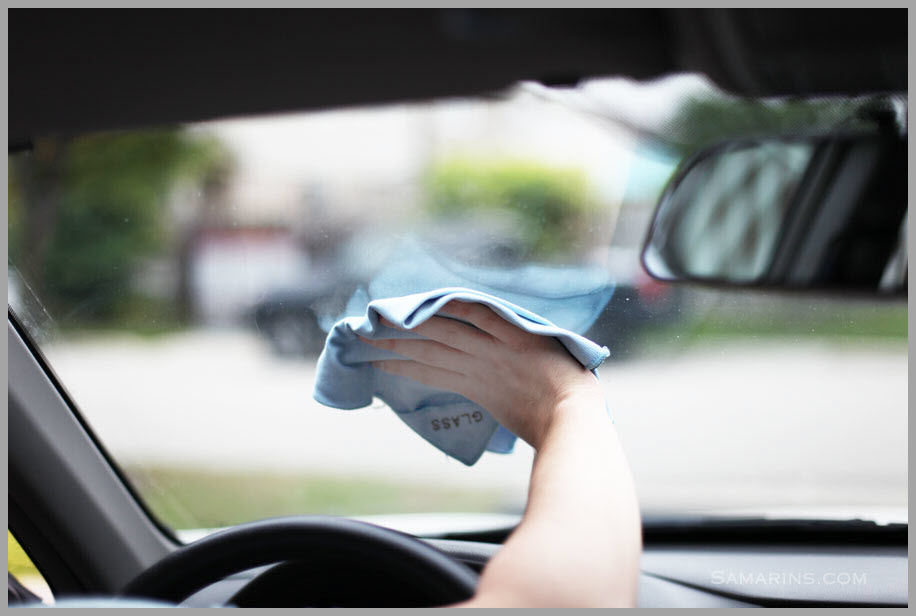
    How to Clean Car Windows With Vinegar And Water: Easy Streak-Free Tips

    Are your car windows streaky, dirty, or full of grime that just won’t come off? You want a clear, spotless view while driving, but harsh chemicals can be expensive and harmful.

    What if you could clean your car windows quickly, effectively, and naturally using something you probably already have at home? Vinegar and water make a powerful cleaning duo that can leave your windows sparkling without any toxic residue. Keep reading, and you’ll learn exactly how to mix and use this simple solution to get crystal-clear car windows every time.

    Your car—and your wallet—will thank you.

    Benefits Of Using Vinegar And Water

    Using vinegar and water to clean car windows offers many benefits. It is simple, safe, and effective. This natural solution removes dirt and grime without harsh chemicals. It leaves windows sparkling clear and streak-free.

    Vinegar and water is an affordable option. Many people already have these items at home. This makes it easy to clean windows anytime. It also helps protect the environment by avoiding toxic cleaners.

    Cost-effective Cleaning Solution

    Vinegar and water costs very little. You save money compared to buying special glass cleaners. A small bottle of vinegar lasts a long time. This makes it budget-friendly for regular window cleaning.

    Non-toxic And Environmentally Friendly

    This mix contains no harmful chemicals. It is safe for you and the car’s surface. Vinegar is biodegradable and does not pollute water. It is a green choice for eco-conscious drivers.

    Effective Dirt And Streak Removal

    The acidity in vinegar breaks down grease and grime. It cleans without leaving streaks or residue. Water dilutes the vinegar for a gentle but strong cleaner. Your windows will look clear and fresh.

    Easy To Make And Use

    Simply mix equal parts vinegar and water in a spray bottle. Spray the solution on the window surface. Wipe with a clean cloth or paper towel. No special skills or tools are needed.

    How to Clean Car Windows With Vinegar And Water: Easy Streak-Free Tips

    Credit: shewearsmanyhats.com

    Materials Needed

    Cleaning car windows with vinegar and water is simple and effective. You only need a few basic items to get started. These materials are easy to find and affordable. Using the right tools makes the job faster and leaves your windows spotless.

    White Vinegar

    White vinegar is the key ingredient. It cuts through dirt and grease well. Choose distilled white vinegar for best results. Avoid colored vinegars to prevent stains.

    Water

    Use clean, lukewarm water. It helps dilute the vinegar properly. Tap water works fine if it is not too hard.

    Spray Bottle

    A spray bottle makes application easy. It helps spread the solution evenly on the glass. Use a clean bottle to avoid streaks.

    Microfiber Cloths

    Microfiber cloths are soft and absorbent. They clean without scratching the glass. Use one cloth for washing and another for drying.

    Optional: Newspaper

    Newspaper can replace cloth for drying. It leaves a streak-free shine. Make sure the paper is clean and dry.

    Preparing The Cleaning Solution

    Preparing the cleaning solution is the first step to clean car windows effectively. A simple mix of vinegar and water works well to remove dirt and streaks. Making the right solution ensures a clear and spotless finish on your windows.

    Gathering Ingredients

    Start by collecting white vinegar and clean water. Use distilled water if possible. This reduces spots caused by minerals in tap water. Measure the ingredients carefully for the best results.

    Mixing The Solution

    Combine one part white vinegar with two parts water. Pour both into a clean spray bottle. Shake gently to mix the solution evenly. This mix is strong enough to clean but safe for glass.

    Using The Right Tools

    Grab a soft microfiber cloth or a lint-free towel. Avoid rough materials that can scratch glass. Keep the cloth clean and dry before spraying the solution.

    Step-by-step Cleaning Process

    Cleaning car windows with vinegar and water is simple and effective. Follow these steps carefully to get clear, streak-free glass. This process removes dirt and grime without harsh chemicals. It saves money and protects your car’s surfaces. Let’s break down each step for easy cleaning.

    Removing Surface Dirt

    Start by wiping off dust and loose dirt. Use a dry microfiber cloth or a soft brush. This stops dirt from scratching the glass. Make sure to clean corners and edges well. Removing surface dirt first makes the vinegar solution work better.

    Applying The Vinegar Solution

    Mix equal parts white vinegar and water in a spray bottle. Spray the solution evenly on the window surface. Cover all areas but avoid soaking the edges. Vinegar breaks down grease and grime gently. Let it sit for one minute for better cleaning power.

    Wiping Techniques For Streak-free Finish

    Use a clean microfiber cloth to wipe the window. Move the cloth in horizontal strokes for even cleaning. Flip the cloth to a dry side and wipe again. This helps remove moisture and prevents streaks. For best results, avoid direct sunlight during cleaning.

    Tips For Tough Stains

    Cleaning car windows with vinegar and water is simple and effective. Some stains, though, need extra care. Tough stains like bug splatters, bird droppings, and hard water spots can be stubborn. These tips help remove those marks without scratching or damaging the glass.

    Use gentle methods first to avoid harm. Patience and the right tools make a big difference in cleaning results.

    Use A Soft Cloth Or Sponge

    Choose a soft cloth or sponge for scrubbing. Avoid rough materials that can scratch glass. Dampen the cloth with vinegar and water before wiping. Rub gently in small circles to lift stains.

    Apply Vinegar Solution Twice

    For strong stains, apply vinegar and water twice. Spray the solution and let it sit for five minutes. Wipe off with a clean cloth. Repeat if stains remain. This helps break down tough dirt.

    Use A Plastic Scraper Carefully

    A plastic scraper can remove sticky spots safely. Soften the stain with vinegar solution first. Hold the scraper at a low angle. Gently scrape without pressing hard. Avoid metal tools that can scratch glass.

    Dry Windows With Newspaper

    Dry the windows using crumpled newspaper. It helps remove streaks and leaves glass shiny. Newspaper also absorbs extra moisture better than cloth. Use this after cleaning to finish the job.

    Preventing Future Smudges

    Cleaning car windows with vinegar and water is effective. Yet, smudges can return quickly. Preventing future smudges keeps windows clear longer. This saves time and effort in cleaning.

    Simple habits and smart products help keep windows spotless. Small changes make a big difference. Here are ways to prevent smudges after cleaning.

    Keep Your Hands Off The Glass

    Touching car windows leaves oils and dirt behind. These cause smudges and streaks. Avoid resting hands or arms on glass surfaces. Use the door handle or armrest instead. This limits the chance of new marks.

    Use Microfiber Cloths For Drying

    Microfiber cloths absorb moisture well without scratching. Use them to dry windows after cleaning. This stops water spots and streaks from forming. Replace cloths often to avoid dirt buildup. Clean cloths mean cleaner windows.

    Park In Shaded Or Covered Areas

    Sunlight heats glass and dries cleaning solution too fast. This leaves streaks and spots behind. Parking in the shade slows drying. It keeps windows cleaner longer. Covered spots also protect from dust and rain.

    Apply A Glass Sealant

    Glass sealants create a thin protective layer. They repel water, dust, and oils. This reduces smudges and makes cleaning easier next time. Apply sealant as directed, usually once a month. It keeps windows clear and shiny.

    Safety Precautions

    Cleaning car windows with vinegar and water is safe if done carefully. Safety precautions protect your skin, eyes, and car surfaces. They help avoid accidents and damage during cleaning. Follow these tips for a safe and effective window cleaning experience.

    Wear Protective Gloves

    Vinegar is acidic and can irritate your skin. Wear rubber gloves to protect your hands. Gloves also keep your hands clean from dirt and grime.

    Avoid Direct Sunlight

    Clean windows in the shade or on a cool day. Heat causes the solution to dry fast and leave streaks. Shade helps you clean windows smoothly and clearly.

    Keep Windows Open Slightly

    Ventilation is important when using vinegar. Keep car windows open a little for fresh air. This reduces the chance of strong vinegar smells inside your car.

    Test On Small Area First

    Test the vinegar solution on a small window corner. Check if it causes any damage or discoloration. This prevents unwanted harm to your car glass.

    Use Soft Cloths Only

    Use microfiber or soft cloths to clean windows. Hard materials can scratch the glass surface. Soft cloths clean well without causing damage.

    How to Clean Car Windows With Vinegar And Water: Easy Streak-Free Tips

    Credit: evercareprotection.com

    How to Clean Car Windows With Vinegar And Water: Easy Streak-Free Tips

    Credit: www.youtube.com

    Frequently Asked Questions

    What Is The Best Vinegar-to-water Ratio For Cleaning Car Windows?

    A 1:1 ratio of white vinegar to water works best. This mixture effectively removes dirt and streaks without damaging glass.

    Can Vinegar Damage Car Window Tint Or Seals?

    Vinegar is safe for most tints and seals if diluted properly. Avoid using full-strength vinegar to protect your car’s finish.

    How Often Should I Clean Car Windows With Vinegar Solution?

    Cleaning car windows with vinegar every two weeks keeps them clear and streak-free. Frequent cleaning prevents buildup and improves visibility.

    Is Vinegar Better Than Commercial Glass Cleaners For Cars?

    Vinegar is a natural, cost-effective alternative to commercial cleaners. It removes grime and streaks without harsh chemicals or fumes.

    Conclusion

    Cleaning car windows with vinegar and water is simple and effective. This method removes dirt and streaks without harsh chemicals. It saves money and uses common household items. Just mix, spray, and wipe with a clean cloth. Your windows will look clear and bright again.

    Keep this easy solution handy for regular car care. Clear windows help you drive safer every day. Try this natural cleaner for a fresh, spotless finish.

  • How Long Can You Drive With Windshield Chip: Essential Safety Tips

    How Long Can You Drive With Windshield Chip: Essential Safety Tips

    You just noticed a small chip on your windshield. It might seem harmless, but how long can you actually drive with it before it turns into a bigger problem?

    Ignoring that tiny crack could lead to expensive repairs or even put your safety at risk. You’ll discover why acting quickly matters, how to spot warning signs, and what steps you should take to protect yourself and your car. Keep reading to find out exactly how long you can drive with a windshield chip—and when it’s time to fix it.

    Risks Of Driving With A Windshield Chip

    Driving with a windshield chip can seem harmless at first. Many drivers ignore small chips, thinking they cause no harm. This can lead to bigger problems. Understanding the risks helps you make safer choices on the road.

    Impact On Visibility

    A chip can block your view while driving. Sunlight or headlights can reflect off the damaged area. This creates glare and makes it harder to see clearly. Poor visibility increases chances of accidents.

    Potential For Crack Expansion

    Chips often grow into cracks over time. Temperature changes and road bumps stress the glass. A small chip can quickly turn into a large crack. This weakens the windshield and may cause it to shatter.

    Legal Implications

    Many states have laws about windshield damage. Driving with a chip or crack might break these rules. This could lead to fines or failed vehicle inspections. Keeping your windshield in good shape avoids legal trouble.

    How Long Can You Drive With Windshield Chip: Essential Safety Tips

    Credit: www.glasshopperautoglass.com

    Factors Influencing Chip Severity

    Understanding the factors that affect how long you can drive with a windshield chip helps keep you safe. Not all chips are the same. Some can get worse quickly. Others may stay small for weeks. Knowing what changes a chip’s size or shape is important. These factors guide you on when to repair the damage.

    Size And Location Of The Chip

    Small chips less than a quarter are often less risky. Large chips spread faster and weaken the glass. Chips near the edge of the windshield are more dangerous. They can grow into cracks faster than those in the center. The location affects how much pressure the chip faces while driving.

    Weather Conditions

    Cold weather can make chips worse. Freezing temperatures cause glass to contract and expand. Heat also affects the chip by expanding the glass. Sudden temperature changes, like using hot water on a cold windshield, increase damage risk. Rain and moisture can seep into the chip, making cracks grow.

    Driving Habits

    Rough roads cause more stress on the windshield. Bumps and potholes shake the glass, enlarging chips. High-speed driving increases wind pressure on the chip. Frequent stops and sharp turns also strain the damaged area. Gentle driving on smooth roads puts less pressure on the chip.

    When To Repair Or Replace Your Windshield

    Deciding whether to repair or replace your windshield depends on the chip’s size, location, and damage extent. Acting fast can save your windshield and money. Understanding the signs for repair or replacement helps keep your car safe.

    Signs Repair Is Possible

    Small chips under the size of a quarter usually can be repaired. Cracks shorter than three inches also qualify for repair. Damage that does not block the driver’s view is easier to fix. Clear chips without dirt inside have a higher chance of repair. Repairs stop the chip from spreading and restore strength.

    Situations Requiring Full Replacement

    Large chips or cracks over six inches need full replacement. Damage in the driver’s direct line of sight reduces visibility and safety. Multiple chips or cracks close together weaken the glass structure. When chips have dirt or moisture inside, repairs may fail. Deep cracks that reach the inner layer always require replacement.

    How Long Can You Drive With Windshield Chip: Essential Safety Tips

    Credit: www.reddit.com

    Safe Driving Tips With A Windshield Chip

    Driving with a windshield chip requires extra care to keep you safe. Small chips can turn into big cracks if not handled properly. Follow these tips to protect your windshield and avoid costly repairs. Stay alert and drive carefully.

    Avoiding Extreme Temperatures

    Heat and cold can make a chip worse. Avoid parking in direct sunlight for long times. In winter, do not pour hot water on the windshield. Sudden temperature changes can cause the chip to spread quickly. Use shade or a cover to protect your glass.

    Reducing Stress On The Glass

    Drive gently on rough roads. Bumps and vibrations can enlarge the chip. Avoid slamming doors hard, as this shakes the car frame. Keep a safe distance from large trucks to reduce flying debris. Smooth driving helps keep the chip stable.

    Monitoring Chip Progression

    Check the chip every day for growth or cracks. Use a bright light to see small changes clearly. Mark the edges with a washable pen to track size. If the chip grows, get it repaired immediately. Early repair prevents big damage and saves money.

    Choosing The Right Repair Service

    Choosing the right repair service for a windshield chip affects safety and cost. Quick and proper repair stops cracks from growing. The service quality impacts how long your windshield lasts. Consider repair options carefully to avoid future issues.

    Professional Vs. Diy Repairs

    Professional repairs use special tools and resins. Experts know how to fix chips without causing more damage. DIY kits are cheaper but need careful handling. They work best for very small chips. Big cracks need professional help to ensure safety.

    Cost Considerations

    Professional repairs cost more but last longer. DIY kits are affordable but may not fix chips fully. Insurance often covers professional repair costs. Choosing a service depends on your budget and chip size. Avoid cheap fixes that can lead to bigger expenses.

    Warranty And Quality Assurance

    Look for services that offer warranties on repairs. A warranty shows the company trusts its work. Quality assurance means the repair meets safety standards. Without warranty, you risk paying twice for the same problem. Reliable services protect your investment and safety.

    How Long Can You Drive With Windshield Chip: Essential Safety Tips

    Credit: www.smileysglass.com

    Frequently Asked Questions

    How Long Is Safe To Drive With A Windshield Chip?

    You can drive safely for a few days with a small chip. However, quick repair is recommended to prevent spreading and visibility issues.

    Can A Windshield Chip Cause Accidents While Driving?

    Yes, chips can obstruct vision or weaken the glass, increasing accident risk. Repairing chips promptly ensures clear sight and safer driving.

    When Should You Repair A Windshield Chip?

    Repair a chip as soon as possible, ideally within 24 to 48 hours. Quick repair prevents crack growth and maintains windshield strength.

    Does Temperature Affect How Long You Can Drive With A Chip?

    Yes, extreme heat or cold can worsen chips quickly. Avoid driving in harsh weather and get the chip fixed promptly to prevent damage.

    Conclusion

    A windshield chip can last days or weeks, but risks grow fast. Small chips can spread and turn into big cracks. Driving with a damaged windshield can be unsafe and may block your view. Fix chips soon to avoid costly repairs or replacements.

    Check your windshield often and act quickly when you see damage. Keeping it clear helps protect you and others on the road. Don’t wait—address chips before they get worse. Safety matters most.

  • Does Windshield Replacement Affect Inspection: What You Must Know

    Does Windshield Replacement Affect Inspection: What You Must Know

    Have you ever wondered if getting your windshield replaced could impact your vehicle inspection? You might think it’s just a simple fix, but the truth can affect whether your car passes or fails.

    Understanding how windshield replacement ties into inspection rules can save you time, money, and stress. Keep reading to discover what you need to know to keep your car road-ready and inspection-approved.

    Windshield Replacement Basics

    Windshield replacement is a common repair for many drivers. Knowing the basics helps you understand when and why it matters. A damaged windshield can cause safety issues and may affect your vehicle inspection. Replacing it correctly keeps your car safe and legal.

    When Replacement Is Necessary

    Cracks longer than a few inches need replacement. Chips in the driver’s direct view often require a new windshield. Damage at the edges weakens the glass. If the windshield leaks or distorts vision, replacement is best. Small cracks may still need repair to pass inspection.

    Common Replacement Procedures

    Technicians remove the old windshield carefully. They clean the frame and remove old adhesive. New adhesive is applied evenly for a strong bond. The new windshield is placed and sealed tightly. The vehicle must rest to let adhesive cure fully before driving.

    Does Windshield Replacement Affect Inspection: What You Must Know

    Credit: www.sweeneymerrigan.com

    Inspection Criteria For Windshields

    Windshield inspection checks are important after a replacement. Inspectors ensure the new windshield meets safety and quality rules. These checks protect drivers and passengers from risks. Understanding inspection criteria helps car owners prepare for a smooth process.

    Safety Standards

    Windshields must meet strict safety standards. They should be made of tempered or laminated glass. This glass prevents sharp shards if it breaks. Inspectors check that the windshield is not cracked or chipped. Any damage can reduce protection in accidents.

    Visibility Requirements

    Clear visibility through the windshield is critical. Inspectors look for any cracks or chips in the driver’s view. Scratches, fogging, or discoloration are also checked. Windshields that block or blur vision may fail the test. Proper visibility helps avoid accidents and keeps roads safe.

    Seal And Installation Checks

    The windshield must be sealed tightly to the car frame. Inspectors verify there are no gaps or leaks. Proper installation prevents water from entering the vehicle. It also ensures the windshield stays secure during driving. A poor seal or loose fit will cause inspection failure.

    Impact Of Replacement On Vehicle Inspection

    Replacing a windshield can affect your vehicle inspection in several ways. Inspectors check the windshield for cracks, chips, and proper installation. A new windshield must meet safety standards to pass inspection. Any issues with the replacement can cause problems during the inspection process. Understanding these impacts helps you prepare and avoid delays.

    Potential Inspection Challenges

    New windshields must be installed correctly to pass inspection. Poor installation can cause leaks or impair visibility. Inspectors look for bubbles or gaps around the glass edges. Using non-standard glass may lead to immediate failure. Sensors and cameras linked to the windshield need proper calibration. Missing or misaligned parts can also cause inspection issues.

    Inspection Delays After Replacement

    Delays often happen after windshield replacement. The vehicle might need extra time for sensor calibration. Some states require a waiting period before inspection. Paperwork or warranty checks can slow down approval. If the replacement is recent, inspectors may require proof of quality. These factors can push back your inspection date.

    Does Windshield Replacement Affect Inspection: What You Must Know

    Credit: www.magicwindshield.com

    Choosing The Right Replacement Service

    Choosing the right windshield replacement service matters a lot. It affects your car’s safety and inspection results. A good service ensures the new windshield fits well and works like the original.

    Not all replacement shops offer the same quality. Some use poor materials or lack skilled workers. This can cause problems during vehicle inspection. Picking a trusted service avoids these issues.

    Certified Technicians

    Certified technicians have special training to replace windshields correctly. They follow safety rules and use proper tools. This reduces the risk of leaks or cracks after replacement.

    Experts know how to handle different car models. They ensure the windshield fits perfectly. Certified work often meets inspection standards without extra fixes.

    Quality Of Materials

    High-quality glass and adhesives keep the windshield strong and safe. Cheap materials may not hold up well under stress or weather changes. This can cause cracks or detachment later.

    Good materials also help pass safety inspections easily. They meet the car maker’s requirements for durability and clarity. Choosing quality parts protects your investment and safety.

    Maintaining Inspection Compliance Post-replacement

    Maintaining inspection compliance after a windshield replacement is important. A new windshield must meet safety standards to pass inspections. Proper care and attention ensure your vehicle stays road legal. This section covers key steps to keep your windshield inspection-ready after replacement.

    Following correct procedures helps avoid issues during your vehicle’s inspection. Small mistakes can lead to failed checks or safety risks. Stay informed and proactive to keep your windshield in good condition.

    Proper Installation Tips

    Choose a skilled technician for windshield replacement. They must use the right tools and materials. The glass should fit perfectly without gaps or leaks. Proper sealing prevents water damage and fogging. Allow the adhesive to cure fully before driving. This ensures the windshield stays secure and stable. Incorrect installation can cause cracks or detachment during inspection.

    Monitoring For Issues

    Check the windshield regularly for chips, cracks, or leaks. Minor damage can worsen over time and fail inspections. Watch for unusual noises or vibrations while driving. These signs may indicate poor installation. Address problems quickly to avoid inspection delays. Keep records of the replacement and any repairs. This documentation helps during vehicle inspections.

    Does Windshield Replacement Affect Inspection: What You Must Know

    Credit: vatire.com

    Legal And Insurance Considerations

    Replacing a windshield involves more than just fixing glass. It also brings legal and insurance matters that drivers must know. These aspects affect inspections and coverage. Understanding them helps avoid fines and claim issues.

    State Regulations

    Each state has rules about windshield condition. Some states require the glass to be free of cracks or chips. Others set clear standards for windshield replacement quality. After replacement, some states need a certification or inspection. Failing to follow state laws can lead to fines or failed inspections. Check local laws before replacing your windshield.

    Insurance Claims Impact

    Insurance companies often cover windshield replacement. Some policies offer full coverage with no deductible for glass damage. Filing a claim might affect your premium depending on the insurer. Some insurers require approved repair shops to keep coverage valid. Keep all receipts and documents after replacement. This helps with future claims and inspections.

    Frequently Asked Questions

    Does Windshield Replacement Delay Vehicle Inspection?

    No, windshield replacement does not delay inspection. Once properly installed, the vehicle is ready for inspection without extra waiting time.

    Will A New Windshield Pass The Inspection Test?

    Yes, a new windshield passes inspection if installed correctly and meets safety standards. It should be free of cracks or defects.

    How Soon Can I Get My Car Inspected After Replacement?

    You can get your car inspected immediately after windshield replacement. Ensure the new glass is properly secured and clear of damage.

    Can Windshield Damage Cause Inspection Failure?

    Yes, cracks or chips in the windshield can cause inspection failure. The damage must be repaired or the windshield replaced before passing.

    Conclusion

    Replacing a windshield does not usually cause inspection problems. Inspectors check for clear visibility and proper installation. A new windshield must fit well and be free of cracks. Poor installation can lead to inspection failure. Always choose a trusted professional for replacement work.

    This ensures safety and helps pass inspections smoothly. Keep your vehicle in good condition for better results. Regular checks prevent surprises during inspections. Simple steps make a big difference in passing inspections. Stay informed and maintain your car wisely.

  • How to Clean Hazy Car Windows: Easy Steps for Crystal Clear Glass

    How to Clean Hazy Car Windows: Easy Steps for Crystal Clear Glass

    Have you ever struggled to see clearly through your car windows because of that annoying haze? Hazy car windows can make driving unsafe and frustrating.

    But the good news is, you don’t have to live with them. You’ll discover simple, effective ways to clean your hazy car windows and restore crystal-clear visibility. Keep reading, and you’ll learn easy steps that save you time and money while making your drive safer and more enjoyable.

    Causes Of Hazy Car Windows

    Hazy car windows reduce visibility and make driving unsafe. Understanding why windows become foggy helps in cleaning them properly. Several factors cause this haze, ranging from outside elements to inside buildup and natural aging.

    Environmental Factors

    Dirt, dust, and pollution settle on car windows over time. Rainwater can leave spots and streaks that blur vision. Sunlight can fade window surfaces, causing a dull look. Road salt in winter adds grime and corrosion risks.

    Interior Residue

    Inside the car, smoke and cooking odors leave oily films on glass. Dust from the cabin air mixes with moisture, creating foggy layers. Cleaning products that are not wiped off properly can also cause haze.

    Aging And Wear

    Old windows develop tiny scratches that scatter light and reduce clarity. The protective coatings on glass wear off with time. Heat and cold cycles cause glass to weaken and cloud.

    How to Clean Hazy Car Windows: Easy Steps for Crystal Clear Glass

    Credit: www.reddit.com

    Tools And Materials Needed

    Cleaning hazy car windows requires the right tools and materials. Having the proper items makes the job easier and more effective. This section lists the essential supplies needed for clear, streak-free windows.

    Cleaning Solutions

    Choose a good glass cleaner or make a simple homemade solution. Mix equal parts water and vinegar for a natural cleaner. Avoid harsh chemicals that can damage the glass or tint.

    Window-specific cleaners work well to remove dirt and haze. Spray the solution directly on the window for best results.

    Cloths And Towels

    Use soft, lint-free cloths to avoid scratches. Microfiber towels are ideal because they absorb moisture well. Old t-shirts or cotton cloths can also work if clean.

    Have several cloths on hand to use for different stages. One for applying cleaner, another for drying and polishing.

    Additional Supplies

    Keep a spray bottle for homemade solutions. Rubber gloves protect your hands from cleaning agents. A small bucket helps with rinsing cloths if needed.

    For stubborn haze, consider a clay bar or a glass polish kit. These tools help remove deeper grime and oxidation from the surface.

    Preparing Your Car For Cleaning

    Preparing your car for cleaning is a crucial step to get clear, streak-free windows. Proper preparation makes the cleaning process smoother and protects your car’s interior from damage. It also helps you avoid extra work later.

    Start by picking the right place to clean your windows. This ensures safety and good results. Next, take steps to protect the inside of your car. This stops dirt and cleaning products from harming the surfaces.

    Choosing The Right Location

    Select a shaded area to clean your car windows. Direct sunlight can dry cleaning products too fast. This causes streaks and spots on the glass. A flat surface helps keep cleaning tools steady. Avoid windy spots to stop dust from landing on wet windows. Parking your car in a quiet place also reduces distractions.

    Protecting Interior Surfaces

    Use towels or cloths to cover the dashboard and seats. This prevents water or cleaner from soaking into the fabric. Remove any items from the car doors to avoid spills. Keep windows slightly open if you use strong cleaners. This allows fresh air to enter and stops fumes from building up. Protecting the interior saves time on extra cleaning later.

    How to Clean Hazy Car Windows: Easy Steps for Crystal Clear Glass

    Credit: www.youtube.com

    Step-by-step Cleaning Process

    Cleaning hazy car windows can improve visibility and safety. Follow a simple step-by-step process to clear the haze effectively. Each step prepares the glass for the next, ensuring a clean and streak-free finish.

    Initial Wipe Down

    Start by wiping the windows with a dry microfiber cloth. This removes dust and loose dirt that can scratch the glass. Use gentle, circular motions to avoid damage. Clean both inside and outside surfaces for best results.

    Applying Cleaner

    Choose a glass cleaner made for automotive use or a mild vinegar solution. Spray the cleaner evenly over the hazy areas. Avoid using too much liquid, as it can leave streaks. Let the cleaner sit for a minute to loosen grime and buildup.

    Scrubbing Techniques

    Use a soft scrub pad or a non-abrasive sponge. Gently scrub the window in small, circular motions. Focus on the hazy spots with extra care. Avoid hard pressure to prevent scratches. Repeat scrubbing until the haze starts to clear.

    Rinsing And Drying

    Rinse the window with clean water to remove all cleaner residue. Use a spray bottle or a damp cloth for rinsing. Dry the glass with a fresh microfiber cloth using vertical strokes. Check for any missed spots and wipe again if needed.

    Removing Stubborn Haze And Stains

    Stubborn haze and stains on car windows can block your view and ruin your ride’s look. Regular cleaning might not remove these tough marks. Special methods and products help clear the cloudiness and grime. This section explains easy ways to clean those hard spots and bring back clear glass.

    Using Vinegar Or Baking Soda

    Vinegar is a natural cleaner that cuts through haze and dirt. Mix equal parts of white vinegar and water in a spray bottle. Spray the solution on the window and let it sit for a few minutes. Wipe with a clean cloth using circular motions. Rinse with water and dry to avoid streaks.

    Baking soda is another gentle but effective cleaner. Make a paste with baking soda and water. Apply the paste to the stained areas with a soft cloth. Rub gently to break down the haze. Rinse well with water and dry the window. Both vinegar and baking soda are safe and affordable options.

    Commercial Products For Tough Haze

    Special glass cleaners and polishes work well for very stubborn haze. Look for products designed for automotive glass. These usually contain mild abrasives or chemicals that dissolve tough stains.

    Follow the instructions on the product label carefully. Use a soft cloth to apply and buff the cleaner. Repeat the process if needed but avoid scrubbing too hard. Commercial cleaners save time and often restore windows to near-new clarity.

    Preventing Future Haze

    Preventing haze on car windows helps keep them clear and safe. Clean windows improve your view and reduce glare. A little care after cleaning stops haze from coming back. Follow simple steps for lasting clarity.

    Regular Maintenance Tips

    Clean windows often with a soft cloth and mild cleaner. Avoid harsh chemicals that can damage the glass. Use a microfiber cloth to avoid scratches. Dry windows completely to stop water spots. Check for dirt and grime regularly to clean early. Keep the inside glass free from moisture and dust. Ventilate your car to reduce fog build-up inside.

    Using Protective Coatings

    Apply a protective coating designed for car windows. These coatings help repel water and dirt. They create a smooth surface that resists haze. Reapply the coating every few months for best results. Use products that are easy to apply and safe for glass. Protective coatings also help during rain and snow. They keep your windows clearer longer without extra effort.

    Safety Tips While Cleaning

    Cleaning hazy car windows improves your view and driving safety. It is important to follow safety tips during cleaning. These tips help protect you and your car from damage or harm.

    Avoiding Harsh Chemicals

    Harsh chemicals can damage car windows and paint. Use gentle cleaners made for glass surfaces. Avoid ammonia and bleach as they can cause harm. Always read product labels before use. Wear gloves to protect your skin from irritation.

    Ensuring Proper Ventilation

    Clean car windows in a well-ventilated area. Open doors or windows to allow fresh air. This reduces inhaling fumes from cleaning products. Fresh air keeps you safe and comfortable during the process. Avoid closed spaces to prevent dizziness or headaches.

    How to Clean Hazy Car Windows: Easy Steps for Crystal Clear Glass

    Credit: evercareprotection.com

    Frequently Asked Questions

    What Causes Car Windows To Become Hazy?

    Hazy car windows result from dirt, moisture, and oxidation buildup. Poor ventilation and temperature changes also contribute. Regular cleaning and maintenance prevent haze and improve visibility.

    How Can I Clean Hazy Car Windows Effectively?

    Use a mixture of vinegar and water or a commercial glass cleaner. Apply with a microfiber cloth and wipe in circular motions. Avoid harsh chemicals that can damage window surfaces.

    Is It Safe To Use Household Cleaners On Car Windows?

    Some household cleaners can damage car window tint or glass. Use cleaners labeled safe for automotive glass. Always test on a small area before full application.

    How Often Should I Clean My Car Windows To Prevent Haze?

    Clean car windows every two weeks or more often in dusty areas. Regular cleaning stops haze buildup and keeps windows clear and safe for driving.

    Conclusion

    Cleaning hazy car windows keeps your drive safe and clear. Use gentle cleaners and soft cloths to avoid scratches. Regular cleaning stops haze from building up again. Remember, clear windows help you see the road better. Take a few minutes often to keep windows spotless.

    A clean car feels fresh and looks great too. Simple steps make a big difference every time you drive. Keep your car windows shining and enjoy safer journeys ahead.

  • Can Windshield Be Replaced in Rain: Essential Tips Revealed

    Have you ever wondered if your windshield can be replaced when it’s raining? You might think it’s risky or even impossible.

    But what if waiting means driving with a cracked windshield that could put you in danger? You’ll discover the truth about windshield replacement in wet weather. You’ll learn what really happens during the process and how to keep your car safe, no matter the weather outside.

    Keep reading to find out how to protect your vehicle and yourself without delay.

    Challenges Of Replacing Windshield In Rain

    Replacing a windshield during rain poses several challenges. Rain creates moisture that affects the repair process. It also makes handling tools and working conditions harder. Safety risks increase too. Understanding these difficulties helps in deciding the best time for replacement.

    Impact Of Moisture On Adhesive

    Moisture reduces the strength of the adhesive used in windshield replacement. Wet surfaces prevent the glue from sticking properly. This can cause leaks or even the windshield falling out later. The adhesive needs dry conditions for a strong bond and proper curing time.

    Visibility And Safety Concerns

    Rain lowers visibility for both the technician and driver. Working in poor visibility raises the risk of mistakes. Wet surfaces can be slippery, increasing chances of accidents. Safety is harder to maintain during rainy conditions.

    Tools And Equipment Handling

    Rain affects how tools and equipment work. Wet tools can slip from hands easily, causing damage or injury. Electrical equipment may short circuit if exposed to water. Extra care is needed to keep tools dry and safe to use.

    Preparation Steps For Rainy Conditions

    Replacing a windshield in rainy weather needs special care. Rain can cause delays and affect the quality of work. Proper preparation helps avoid problems and keeps the new windshield safe. Follow clear steps to prepare for wet conditions.

    Selecting A Suitable Workspace

    Choose a covered area to protect from rain. A garage or carport works best. Avoid open spaces where water can drip on the windshield. Make sure the ground is dry and clean. Good lighting is important to see every detail clearly.

    Weatherproofing Techniques

    Use plastic sheets or tarps to cover the car. Secure them tightly to stop water from getting inside. Seal gaps around doors with tape. Keep tools and materials dry by placing them on raised surfaces. Work quickly to reduce exposure to rain.

    Gathering Necessary Materials

    Prepare all tools before starting the job. Include windshield adhesive, glass cleaner, and a scraper. Have clean rags and gloves ready to handle wet surfaces. Use waterproof containers to store small parts. Double-check everything to avoid interruptions during replacement.

    Techniques For Effective Windshield Replacement

    Replacing a windshield in the rain needs careful steps to ensure safety and quality. Techniques must adapt to wet conditions without losing strength or precision. Each stage, from removing the old glass to installing the new one, needs special attention.

    Removing The Old Windshield

    Start by carefully cutting the seal around the old windshield. Use tools designed to avoid damage to the frame. Clear away all glass pieces to prevent injury. Dry the edges as much as possible with towels or air blowers. This step ensures a clean base for the new glass.

    Applying Adhesive In Wet Conditions

    Choose an adhesive suited for damp weather. Clean the frame thoroughly before applying the glue. Use a primer if needed to improve bonding on wet surfaces. Apply adhesive evenly and quickly to avoid drying issues. Proper adhesive use is key to a strong, water-tight seal.

    Installing The New Windshield

    Handle the new windshield with care to avoid cracks. Align it precisely to the frame before placing it down. Press gently but firmly to set the glass in the adhesive. Use clamps or tape to hold the windshield in place. Let it cure fully, even if the rain continues outside.

    Can Windshield Be Replaced in Rain: Essential Tips Revealed

    Credit: www.safelite.com

    Drying And Curing Time Considerations

    Drying and curing time is crucial after a windshield replacement, especially in rainy weather. The adhesive used to hold the new glass needs time to set properly. Moisture can affect this process, causing delays or weak bonds. Understanding the right curing time helps ensure safety and durability of the windshield.

    Recommended Curing Duration

    The adhesive usually needs at least one hour to cure. Some types require up to 24 hours for full strength. Temperature and humidity affect drying time. Cooler, wetter weather slows the process. Technicians often advise waiting longer in rain or cold conditions. Rushing this step can cause leaks or glass movement.

    Avoiding Water Exposure Post-installation

    Water on the new windshield can weaken the bond. Rain or washing the car too soon may cause damage. It is best to keep the car indoors or covered after replacement. Avoid driving through heavy rain right away. Protecting the windshield from water helps the adhesive cure properly.

    Professional Vs. Diy Replacement In Rain

    Replacing a windshield during rain brings unique challenges. The decision between hiring a professional or doing it yourself is critical. Each choice affects the quality and safety of the replacement. This section explores the benefits of expert help and the risks of a DIY approach in wet weather.

    Benefits Of Hiring Experts

    Professionals have the right tools to work in wet conditions. They use special adhesives that cure correctly even if damp. Experts know how to protect your car interior from rain. Their experience reduces the chance of leaks and cracks. A certified technician ensures the windshield fits perfectly. They complete the job faster and cleaner than most amateurs.

    Risks Of Diy Approach In Wet Weather

    Replacing a windshield yourself in rain is risky. Water can weaken the bonding glue, causing poor adhesion. Moisture trapped inside can lead to fogging and mold. Improper sealing increases the risk of leaks during driving. A small mistake can cause costly damage to your car. Lack of experience makes handling wet materials difficult and unsafe.

    Can Windshield Be Replaced in Rain: Essential Tips Revealed

    Credit: affordableautoglasswi.com

    Maintenance Tips After Replacement

    After replacing a windshield, proper care is key to keep it safe and clean. This helps your new windshield last longer and stay clear. Small actions can prevent damage and keep your view sharp.

    Cleaning And Inspection

    Use a soft cloth and mild soap to clean the windshield. Avoid harsh chemicals that can weaken the glass or seals. Check for any cracks or chips daily. Early detection helps avoid bigger problems later.

    Preventing Seal Damage

    Keep the windshield area dry to protect the seal. Avoid washing your car for at least 24 hours after replacement. Do not slam doors hard near the windshield. These steps stop water leaks and keep the seal strong.

    Can Windshield Be Replaced in Rain: Essential Tips Revealed

    Credit: www.2addicts.com

    Frequently Asked Questions

    Can A Windshield Be Replaced During Rain?

    Yes, windshield replacement during rain is possible but not ideal. Rain can affect adhesive curing and visibility. Professionals may use shelters or tents to protect the area and ensure proper installation despite wet conditions.

    Does Rain Affect Windshield Adhesive Curing?

    Rain can slow down the curing of windshield adhesive. Moisture interferes with adhesive bonding, potentially compromising safety. Installers use fast-curing adhesives and controlled environments to minimize rain’s impact on the curing process.

    Is It Safe To Drive After Windshield Replacement In Rain?

    Driving immediately after replacement in rain is risky. Adhesive needs time to set fully for safety. It’s best to wait recommended curing time, usually an hour or more, before driving in wet conditions.

    Will Rain Damage A Newly Replaced Windshield?

    Rain itself won’t damage the glass but can affect adhesive strength if not cured properly. Proper installation methods protect the seal and prevent leaks, ensuring the windshield remains secure despite rain exposure.

    Conclusion

    Replacing a windshield in the rain is possible but tricky. Rain can affect the glue’s drying time and strength. Choosing a professional service ensures safety and quality. Waiting for dry weather is best but not always needed. Protect your car by covering it after replacement.

    Taking care helps the new windshield last longer. Stay safe on the road with a strong, clear windshield.

  • Does Windshield Replacement Leave Marks? Truth Revealed!

    Does Windshield Replacement Leave Marks? Truth Revealed!

    Have you ever wondered if replacing your windshield might leave marks behind? It’s a common concern that can make you hesitate before getting your glass fixed.

    You want your car to look perfect, without any visible signs of repair. But what actually happens after a windshield replacement? Will your car’s appearance change for better or worse? Keep reading, because we’re about to clear up the mystery and help you feel confident about your next windshield repair.

    Does Windshield Replacement Leave Marks? Truth Revealed!

    Credit: grimmermotors.co.nz

    Common Concerns About Windshield Replacement

    Many car owners worry about marks left after windshield replacement. They ask if the new glass might have scratches, stains, or other flaws. These concerns are common and understandable. Knowing what to expect helps reduce stress during the process.

    Types Of Marks Left Behind

    Scratches are the most common marks after replacement. They can happen on the glass surface or around the edges. Sometimes, adhesive residue stays on the windshield. This sticky film may look like smudges or streaks. Dirt or dust can also settle on the glass during installation. These marks usually clean off easily.

    Causes Of Marks During Replacement

    Improper handling can cause scratches or chips. Using the wrong tools may damage the glass or car paint. Old adhesive removal sometimes leaves sticky spots on the frame. Dust in the air or on tools can land on the glass. Quick installation might trap dirt or bubbles under the glass. Skilled technicians know how to avoid these issues.

    Does Windshield Replacement Leave Marks? Truth Revealed!

    Credit: ackodrive.com

    How Professionals Prevent Marks

    Professionals take great care to prevent marks during windshield replacement. They use special tools and follow careful steps. This helps keep the glass clean and clear. The process requires skill and attention to detail.

    Tools And Techniques Used

    Technicians use soft, non-abrasive tools to avoid scratches. They work with plastic or rubber pads to protect the glass edges. Cleaners and adhesives are chosen carefully to prevent stains or marks.

    Proper techniques include steady, gentle handling of the windshield. The old glass is removed slowly to avoid damage. Installation happens in a dust-free area to keep the surface spotless.

    Importance Of Skilled Technicians

    Experienced technicians understand how to handle delicate glass. They know how to control pressure and avoid sudden movements. This reduces the risk of cracks or marks.

    Skilled workers check their work thoroughly for any spots or flaws. They fix small issues before finishing the job. Their training ensures the windshield looks perfect and lasts long.

    Signs Of Poor Windshield Installation

    Poor windshield installation can cause many problems. It affects safety and the look of your car. You may notice issues soon after replacement. Spotting these signs helps avoid bigger troubles later.

    Check your windshield carefully. Some problems are easy to see. Others may need close attention. Knowing what to watch for saves time and money.

    Visible Marks And Scratches

    Scratches and marks on the glass can happen during installation. These marks reduce visibility and spoil the glass’s look. Sometimes, glue or sealant leaves stains or streaks. These remain even after cleaning.

    Rough handling or poor tools cause these marks. They show that the installer was careless. Clear glass means careful work and respect for your vehicle.

    Leaks And Structural Issues

    Water leaks inside your car after rain or washing are bad signs. Leaks come from poor sealing or wrong fit. This can lead to mold and damage inside the car.

    Structural problems include a loose windshield or gaps around the edges. These issues weaken the windshield’s strength. A weak windshield can be dangerous in crashes.

    Cleaning And Maintenance Post-replacement

    Cleaning and maintenance after windshield replacement are important. The new glass needs proper care to stay clear and safe. Small marks or residue may appear after the replacement. These can be removed with the right steps. Regular care helps keep the windshield in good condition for a long time.

    Removing Residue And Adhesive

    Sometimes, adhesive or dirt sticks to the windshield edges. Use a soft cloth and a mild cleaner to wipe it off gently. Avoid sharp tools that can scratch the glass. Rubbing alcohol or a special adhesive remover works well. Clean the area carefully to remove all sticky spots. This keeps the glass clear and smooth.

    Tips For Keeping Windshield Clear

    Keep the windshield clean by washing it often. Use water and a mild soap or a glass cleaner. Wipe with a soft cloth to avoid scratches. Avoid parking under trees to reduce dirt and sap. Replace wiper blades regularly to prevent streaks. Clean the windshield before driving at night for better vision.

    When To Seek Repairs Or Replacements

    Knowing when to seek repairs or replacements for your windshield is important. Small marks or scratches may seem harmless but can grow worse. Some marks can affect your driving view. Others may weaken the glass structure. Acting early can save money and keep you safe.

    Dealing With Persistent Marks

    Some marks do not go away after cleaning. These stubborn scratches or scuffs may need expert repair. If marks blur your vision, repairs should be a priority. Deep cracks or chips often need full replacement. Never ignore marks that distract or block your view.

    Warranty And Service Guarantees

    Check if your windshield replacement has a warranty. Many shops offer guarantees on workmanship and materials. A warranty covers defects and future issues with marks. Always keep your receipts and service records. This helps if you notice marks after replacement.

    Does Windshield Replacement Leave Marks? Truth Revealed!

    Credit: www.amazon.com

    Frequently Asked Questions

    Does Windshield Replacement Leave Visible Marks?

    Windshield replacement may leave minor marks temporarily. Skilled technicians use proper tools to minimize marks. Most marks disappear after cleaning and curing.

    How Long Do Windshield Replacement Marks Last?

    Any marks from replacement usually fade within a few days. Proper installation and cleaning ensure no permanent marks remain.

    Can Windshield Replacement Damage Car Paint?

    If done carefully, windshield replacement does not damage paint. Professional installers use protective measures to avoid scratches or paint damage.

    Are Marks From Windshield Replacement Harmful?

    Marks are usually cosmetic and not harmful. They do not affect windshield strength or driver visibility once fully cured.

    Conclusion

    Windshield replacement usually does not leave marks if done right. Skilled technicians use proper tools and methods. Marks can appear if the job is rushed or careless. Always choose experienced professionals for the best results. Clean, clear glass keeps your view safe and sharp.

    Taking care of your windshield helps your car look good. Trust the process, and your windshield will stay smooth and spotless.

  • Car Glass Polish: Restore Shine and Clarity Like New

    Car Glass Polish: Restore Shine and Clarity Like New

    Have you ever noticed tiny scratches or dull spots on your car’s glass that just won’t go away? These imperfections don’t just look bad—they can also affect your visibility and safety on the road.

    That’s where car glass polish comes in. Imagine restoring your windshield and windows to a crystal-clear shine, making every drive safer and more enjoyable. You’ll discover how car glass polish can transform your vehicle’s appearance and protect your investment. Keep reading to learn simple tips and secrets to make your glass look brand new again.

    Car Glass Polish: Restore Shine and Clarity Like New

    Credit: www.amazon.com

    Why Polish Car Glass

    Polishing car glass is an important step to keep your vehicle safe and looking good. Clear glass helps you see better while driving. Dirt, scratches, and water spots can block your view. Polishing removes these issues and restores clarity. It also helps protect the glass from future damage. Regular polishing saves money by avoiding costly replacements later.

    Benefits Of Clear Glass

    Clear glass improves your vision on the road. It reduces glare from the sun and headlights. This helps prevent accidents. Polished glass also makes your car look newer and cleaner. It repels dirt and water better, keeping the glass cleaner for longer. A smooth surface stops dust from sticking easily. Polished glass adds value to your vehicle.

    Common Glass Imperfections

    Car glass often has scratches, water spots, and stains. Small chips and cracks can also appear. These imperfections block your view and weaken the glass. Dirt buildup makes the glass look dull. Hard water leaves white spots that are tough to remove. Polishing removes or reduces these problems. It smooths the surface and restores shine. Polishing keeps your glass safe and clear.

    Car Glass Polish: Restore Shine and Clarity Like New

    Credit: 3dproducts.com

    Tools And Materials Needed

    Polishing car glass requires the right tools and materials. Having the correct supplies ensures a smooth process and better results. This section covers essential items needed for effective car glass polishing.

    Types Of Polishing Compounds

    Polishing compounds remove scratches and haze from glass surfaces. Choose a compound based on scratch depth and glass condition. Fine compounds suit light scratches and minor haze. Coarser compounds handle deeper scratches but require careful use. Some compounds include cerium oxide, a popular choice for glass polishing. Always pick a compound designed specifically for automotive glass.

    Choosing The Right Applicators

    Applicators help spread the polishing compound evenly. Foam pads are common and come in soft, medium, and hard textures. Soft pads work well for light polishing. Medium pads offer balanced polishing for moderate scratches. Hard pads suit heavy-duty polishing but may risk glass damage. Microfiber cloths can be used for hand polishing and cleaning. Use applicators that match the polish type for best results.

    Safety Equipment

    Protect yourself during the polishing process. Wear safety glasses to shield eyes from debris and compound splashes. Use gloves to avoid skin irritation from chemicals. A dust mask prevents inhaling fine particles. Work in a well-ventilated area to reduce fumes. Safety gear keeps the process safe and comfortable.

    Preparing The Glass Surface

    Preparing the glass surface is the first step in car glass polish. It ensures the polish works well and lasts longer. Clean glass helps polish to spread evenly and removes any dirt that may block the shine.

    Taking time to prepare the glass surface can save effort later. It also prevents scratches during polishing. The process involves two main steps: cleaning and drying, then removing debris and contaminants.

    Cleaning And Drying

    Start by washing the glass with mild soap and water. Use a soft cloth or sponge to avoid scratches. Rinse the glass thoroughly to remove all soap. Dry the surface with a clean microfiber towel. Make sure no water spots remain. Dry glass allows the polish to stick properly.

    Removing Debris And Contaminants

    Next, check the glass for stuck dirt or bugs. Use a clay bar or glass cleaner to remove stubborn particles. Avoid harsh chemicals that can damage the glass. Gently rub the surface until it feels smooth. This step clears any invisible grime. It helps the polish to work deeply and evenly.

    Step-by-step Polishing Process

    Polishing car glass improves clarity and removes minor scratches. The process requires care and the right steps. Follow these simple steps to achieve clear, shiny glass.

    Applying Polish Evenly

    Start with a clean, dry glass surface. Apply a small amount of polish to a soft cloth. Spread the polish in a circular motion. Cover the glass evenly without using too much polish. This helps avoid streaks and uneven spots.

    Buffing Techniques

    Use a clean microfiber cloth for buffing. Rub the glass gently in small circles. Keep the pressure light to avoid damage. Buff until the polish starts to clear and shine appears. This step removes haze and enhances smoothness.

    Final Wipe Down

    Take a dry, clean cloth for the final wipe. Remove any leftover polish residue carefully. Check the glass from different angles for clarity. Repeat buffing if any dull spots remain. The glass should look clear and smooth.

    Tips For Best Results

    Getting the best results from car glass polish takes some care and smart steps. Simple actions can make the glass clear, smooth, and shiny. Follow these tips to avoid problems and keep your glass looking great after polishing.

    Small mistakes can hurt the polish or glass. Maintaining the glass right after polishing helps keep it clean and damage-free longer.

    Avoiding Common Mistakes

    Do not polish glass that is wet or dirty. Water and dirt can cause scratches. Use a clean, dry cloth first. Use the right polish for glass only. Some car polishes can damage glass surfaces. Apply polish in small areas at a time. Too much polish can leave streaks. Use gentle pressure with a soft cloth or pad. Hard rubbing can cause marks. Avoid polishing in direct sunlight or very hot weather. Heat can dry polish too fast and leave spots.

    Maintaining Glass After Polishing

    Clean the glass regularly with a mild glass cleaner. Avoid harsh chemicals that can wear down polish. Use a soft microfiber cloth to wipe the glass. Do not use abrasive sponges or brushes. Park your car in shaded areas to protect glass from sun damage. Reapply polish every few months to keep shine and protection. Check the glass for chips or cracks and repair quickly to avoid spreading damage.

    When To Seek Professional Help

    Knowing when to seek professional help for car glass polish saves time and prevents damage. Some issues need expert care to fix properly. Professionals have the right tools and skills to handle tough problems safely.

    Deep Scratches And Damage

    Deep scratches on car glass often go beyond simple polishing. These can weaken the glass and cause cracks. Professionals can assess the damage and decide if repair or replacement is needed. Trying to polish deep scratches at home may make the problem worse. Experts use special equipment to restore clarity and strength safely.

    Cost Considerations

    Professional car glass polishing might seem costly upfront. But it can save money by avoiding further damage. DIY fixes may lead to bigger repairs later. Experts work efficiently to deliver long-lasting results. Spending on professional care protects your car’s value over time. Think of it as an investment in safety and quality.

    Car Glass Polish: Restore Shine and Clarity Like New

    Credit: www.mirka.com

    Frequently Asked Questions

    What Is Car Glass Polish Used For?

    Car glass polish removes minor scratches and haze from windshields. It improves clarity and restores smoothness for safer driving.

    How Often Should I Polish My Car Glass?

    Polish your car glass every 6 to 12 months. Frequent polishing prevents buildup and keeps the glass clear and scratch-free.

    Can Car Glass Polish Remove Deep Scratches?

    Car glass polish works best on light scratches and haze. Deep scratches may require professional repair or glass replacement.

    Is Car Glass Polish Safe For Tinted Windows?

    Yes, most car glass polishes are safe for tinted windows. Always check product labels to ensure compatibility before use.

    Conclusion

    Car glass polish helps keep your windshield clear and smooth. It removes small scratches and water spots easily. Regular polishing improves visibility and safety on the road. It also makes cleaning your glass faster and easier. Using the right polish can save money on repairs.

    Try polishing your car glass to see the difference yourself. Clear glass means safer driving every day. Give your car a fresh, polished look today.

  • How Long Does Windshield Chip Repair Take: Quick & Easy Guide

    Have you just noticed a chip on your windshield and wondered how long it will take to fix? You’re probably worried about how much time the repair will eat up from your busy day.

    The good news is, windshield chip repair is usually quicker than you think. But exactly how long does it take? Understanding the process can help you plan better and avoid unnecessary stress. Keep reading, and you’ll discover everything you need to know about how long your windshield chip repair will take—and why it’s worth getting it done as soon as possible.

    How Long Does Windshield Chip Repair Take: Quick & Easy Guide

    Credit: www.juddsglass.com

    Factors Affecting Repair Time

    Several factors influence how long windshield chip repair takes. The repair time depends on the chip’s size, depth, and damage type. Also, the repair method plays a role in the time needed. Understanding these factors helps set the right expectations.

    Size And Depth Of The Chip

    Small chips usually take less time to fix than larger ones. Deep chips need more careful treatment. A deep crack may require extra steps to fill and seal. Larger or deeper damage often means longer repair sessions.

    Type Of Damage

    Different damage types affect repair time. A simple chip is quicker to repair than a crack. Star-shaped chips can be more complex to fix. Damage location also matters; edges need more caution.

    Repair Method Used

    Repair methods vary in time needed. Resin injection is common and fast for small chips. Advanced techniques may take more time but improve results. The technician’s experience also affects repair speed.

    How Long Does Windshield Chip Repair Take: Quick & Easy Guide

    Credit: caliglassntint.net

    Typical Repair Duration

    Knowing the typical repair duration helps set clear expectations. Windshield chip repair usually does not take long. The time depends on the size and number of chips. Understanding these details makes scheduling easier.

    Average Time For Small Chips

    Small chips take about 30 minutes to fix. The process involves cleaning the chip area first. Then, a special resin fills the damaged spot. Finally, ultraviolet light hardens the resin. The repair restores strength and clarity.

    Time For Larger Or Multiple Chips

    Larger or several chips need more time. Repairs might take 45 minutes to an hour. Each chip requires careful attention during the process. Sometimes, technicians repair chips one at a time. This ensures the best results for your windshield.

    Step-by-step Repair Process

    Understanding the step-by-step repair process helps set clear expectations. It shows how experts fix windshield chips safely and quickly. Each stage matters to ensure a strong, clear repair.

    Inspection And Assessment

    The technician starts by examining the chip closely. They check its size, depth, and location. This helps decide if repair is possible or if a replacement is needed. Accurate assessment saves time and ensures safety.

    Cleaning The Damaged Area

    Next, the damaged spot gets cleaned carefully. Dirt, dust, and moisture are removed from the chip. Clean surfaces help the resin stick better. This step improves repair quality and durability.

    Applying Resin

    After cleaning, a special resin fills the chip. The resin flows into cracks and gaps inside the glass. This stops the chip from spreading further. It also restores the glass’s strength and clarity.

    Curing And Polishing

    The resin needs to harden under UV light. This curing process takes a few minutes. Once cured, the surface is polished smooth and clear. Polishing removes excess resin and restores visibility.

    Diy Vs Professional Repair Time

    Deciding between DIY and professional windshield chip repair depends on time and quality. Both methods take different amounts of time. Understanding the pros and cons helps choose the best option.

    Pros And Cons Of Diy Kits

    DIY kits usually take about 30 minutes to an hour. You can do the repair at home. This saves travel and waiting time.

    These kits are cheaper than professional services. They include resin and tools for filling chips.

    DIY repairs work well for small chips. Larger cracks may not fix properly. Mistakes can cause bubbles or poor sealing.

    DIY kits need careful application. Rushing can make damage worse. Results vary based on skill and patience.

    Advantages Of Professional Services

    Professional repairs often take 20 to 40 minutes. Experts use advanced tools and resins. This ensures a strong, clear fix.

    Technicians can handle bigger chips and cracks. They clean and prepare the glass thoroughly. This improves adhesion and durability.

    Professionals guarantee quality results. They reduce the risk of damage spreading. Most shops offer a warranty on repairs.

    Though it may cost more, professional repair saves time and worry. It keeps your windshield safer and clearer for longer.

    Tips To Speed Up The Repair

    Speeding up windshield chip repair saves time and stress. A quick repair keeps your car safe and avoids bigger damage. Simple steps before and during the repair help it finish fast. Here are some tips to make the process smoother and quicker.

    Scheduling And Preparation

    Book your repair early in the day. Morning appointments often face fewer delays. Prepare your car by cleaning the windshield gently. Remove any dirt or debris around the chip. Avoid heavy rain or snow on the repair day. Clear parking space near the service center. This reduces waiting time and hassle.

    Choosing The Right Service Provider

    Pick a repair shop with good reviews and fast service. Check if they use modern tools and materials. Experienced technicians fix chips quickly and well. Ask if they offer online booking to save time. Choose a location close to your home or work. This cuts travel time and makes visits easier.

    How Long Does Windshield Chip Repair Take: Quick & Easy Guide

    Credit: www.snowautoglass.com

    Frequently Asked Questions

    How Long Does Windshield Chip Repair Usually Take?

    Windshield chip repair typically takes 30 to 60 minutes. The process depends on chip size and technician experience. Most repairs are quick and can be done during a short wait.

    Can I Drive Immediately After Windshield Chip Repair?

    Yes, you can drive right after repair. The resin used cures quickly, restoring strength. Avoid slamming doors or hitting potholes for a few hours.

    Does Windshield Chip Repair Require Special Tools?

    Yes, technicians use specialized resin injection kits and curing lights. These tools ensure chips are filled and sealed properly. Proper equipment is essential for a lasting repair.

    What Factors Affect Windshield Chip Repair Time?

    Chip size, location, and technician skill impact repair duration. Larger or complex chips may take longer. Accessibility of the chip also plays a role in repair time.

    Conclusion

    Windshield chip repair usually takes about 30 minutes. Most repairs finish quickly without needing long waits. Quick service helps you get back on the road fast. Small chips can be fixed before they turn into big cracks. Timely repair saves money and avoids windshield replacement costs.

    Trust trained technicians to restore your glass safely and clearly. Taking care of chips early keeps your windshield strong and safe. Simple, fast, and effective—repair is worth the short time spent. Don’t let a small chip become a bigger problem later.

  • Should I Replace Windshield With Crack? Essential Tips Revealed

    Should I Replace Windshield With Crack? Essential Tips Revealed

    You just noticed a crack on your windshield, and now you’re wondering: should I replace it or not? It’s a question that can feel overwhelming.

    After all, your windshield isn’t just glass—it’s a key part of your safety and your car’s structure. Ignoring that crack might seem easy, but it could cost you more in the long run. You’ll discover the signs that mean replacement is your best choice and what risks come with waiting too long.

    Keep reading to protect yourself, your passengers, and your wallet.

    Should I Replace Windshield With Crack? Essential Tips Revealed

    Credit: www.franksautoglasschicago.com

    Signs A Crack Needs Replacement

    Knowing when a windshield crack needs replacement helps keep you safe on the road. Cracks can start small but grow quickly. Some cracks are easy to repair, but others need a full replacement. Understanding the signs can save you money and prevent accidents.

    Size And Length Matters

    Small cracks under six inches often get repaired. Larger cracks over six inches usually need replacement. Long cracks spread stress across the windshield. This weakens the glass and causes more damage.

    Location Of The Crack

    Cracks near the driver’s line of sight are dangerous. These cracks block clear vision and distract you. Cracks close to the edges can grow faster. The glass is weaker around the edges and may break easily.

    Type Of Crack

    Different cracks mean different risks. Star cracks and bullseye cracks sometimes repair well. Multiple cracks or spiderweb cracks often require replacement. Stress cracks from temperature changes weaken the windshield.

    Visibility And Driver Safety

    Cracks that block your view put you at risk. Clear vision is critical for safe driving. Even small cracks in the center can distract you. Replace cracks that affect your ability to see the road.

    Should I Replace Windshield With Crack? Essential Tips Revealed

    Credit: weareprotech.com

    Risks Of Ignoring A Windshield Crack

    Ignoring a cracked windshield can lead to serious problems. Small cracks may seem harmless at first. They often grow over time and cause bigger issues. Understanding the risks helps you make a smart choice about repair or replacement.

    Compromised Structural Integrity

    The windshield supports the roof and frame of your car. A crack weakens this support. In a crash, the windshield may fail to protect you. This increases the chance of injury. Safety systems like airbags depend on a strong windshield.

    Reduced Visibility

    Cracks can block your view while driving. Light can reflect off the crack, causing glare. This makes it hard to see the road clearly. Poor visibility raises the risk of accidents. Clear vision is essential for safe driving.

    Legal Consequences

    Many places have laws about windshield damage. Driving with a cracked windshield can lead to fines. Police may stop you for unsafe vehicle conditions. Insurance claims might be denied if damage is ignored. Keeping your windshield in good shape helps avoid legal trouble.

    Increased Repair Costs

    Small cracks are easier and cheaper to fix. Over time, cracks spread and worsen. Repairing a large crack can cost much more. Sometimes replacement is the only option. Timely repair saves money and prevents bigger expenses.

    Repair Vs. Replacement

    Deciding between repairing or replacing a cracked windshield can be tricky. The choice depends on the size, location, and severity of the damage. Understanding when repair works and when replacement is necessary saves time and money. This guide helps you make the right decision for your windshield.

    When Repair Is Enough

    Small chips or cracks less than six inches usually need repair. Repair stops the crack from spreading and restores strength. If the crack is not in the driver’s direct view, repair can keep visibility clear. Repair is quick and keeps your original windshield intact.

    Situations Demanding Replacement

    Long cracks over six inches need replacement. Cracks near the edges weaken the whole windshield. Multiple cracks or deep damage cannot be fixed by repair. Replacement is also needed if the damage blocks the driver’s view. Safety risks increase with severe damage.

    Cost Comparison

    Repair costs much less than replacement. Repair often costs between $50 and $150. Replacement may cost $200 to $500 or more, depending on the car. Insurance may cover repair fully but only part of replacement. Repair saves money when the damage is minor.

    Time And Convenience

    Repair usually takes 30 minutes to an hour. Replacement can take several hours or a full day. Repair may allow you to drive immediately after. Replacement needs extra drying time before driving. Repair is less disruptive and easier to schedule.

    Choosing The Right Service

    Choosing the right service for windshield replacement matters a lot. A cracked windshield can affect your safety and car’s value. Picking a trusted service ensures the job is done well. It also saves time and money. Here are key points to consider before deciding on a service.

    Certified Technicians

    Certified technicians have special training. They know how to handle windshield repairs properly. Certification shows they follow safety rules and use correct tools. This reduces the risk of errors. It also means the windshield will fit perfectly and last longer.

    Warranty And Guarantees

    A good service offers warranty and guarantees. This covers any issues after replacement. You get peace of mind knowing the company stands behind their work. Check the length and terms of the warranty before choosing a provider.

    Mobile Vs. In-shop Service

    Mobile service comes to your home or office. It saves time and effort. In-shop service often has better tools and controlled conditions. Choose based on your schedule and how complex the repair is. Both have pros and cons for convenience and quality.

    Customer Reviews

    Customer reviews reveal real experiences. They show how satisfied people are with the service. Look for patterns in feedback about quality, speed, and price. Reviews help avoid bad services and find trustworthy providers.

    Preventing Future Cracks

    Preventing future cracks in your windshield helps keep your car safe and saves money. Small cracks can grow quickly and cause big damage. Taking steps to protect your windshield is smart and easy. Simple habits can stop cracks from spreading or appearing.

    Safe Driving Habits

    Drive carefully on rough roads to avoid stones hitting your windshield. Keep a safe distance from other cars to reduce flying debris risks. Slow down near construction zones where dust and rocks are common. Avoid sudden stops or sharp turns to lessen pressure on the glass.

    Parking Tips

    Park your car in shaded areas to protect the glass from sun damage. Avoid parking under trees that drop branches or sap. Choose flat, smooth surfaces to prevent stress on the windshield. Use a garage or covered spot to shield your car from weather.

    Regular Maintenance

    Check your windshield for small chips or cracks regularly. Clean the glass gently using soft cloths and mild cleaners. Replace worn wiper blades to avoid scratches. Fix minor damage quickly to stop cracks from growing larger.

    Protective Films And Treatments

    Apply protective films to add a strong layer over your windshield. These films reduce damage from small rocks and debris. Consider treatments that help prevent cracks from spreading. These options enhance durability without changing how your windshield looks.

    Should I Replace Windshield With Crack? Essential Tips Revealed

    Credit: www.connectbyamfam.com

    Frequently Asked Questions

    What Size Crack Requires Windshield Replacement?

    Cracks longer than six inches usually need windshield replacement. Smaller cracks may be repaired, but size and location matter. Severe damage affects safety and visibility, making replacement necessary.

    Can A Small Crack Expand Over Time?

    Yes, small cracks can grow due to temperature changes and road vibrations. Repairing early prevents further damage and saves costs. Ignoring cracks risks windshield integrity and driving safety.

    Is Windshield Repair Cheaper Than Replacement?

    Repairing small cracks is generally cheaper and faster than replacement. Replacement costs more but is necessary for extensive damage. Repair keeps your vehicle safe without the higher expense.

    How Long Does Windshield Replacement Take?

    Windshield replacement typically takes one to two hours. The adhesive needs time to cure, usually a few hours more. Quick service helps you get back on the road safely.

    Conclusion

    A cracked windshield can be risky. Small cracks might grow fast. Driving with damage affects safety and visibility. Repairing might work for minor cracks only. Big cracks usually need full replacement. Choose wisely to protect yourself and others. Check with a professional to decide best.

    Stay safe on the road every time. Your windshield matters more than you think.