
Have you ever wondered if replacing a cracked or damaged windshield is more than just a safety choice? You might be surprised to learn that it could actually be a legal requirement where you live.
Ignoring a broken windshield isn’t just risky—it might put you on the wrong side of the law. You’ll discover exactly when and why windshield replacement matters legally, how it affects your driving, and what steps you need to take to stay safe and compliant.
Keep reading to make sure you’re fully informed and protected every time you hit the road.
Credit: www.bisonautoinc.com
Windshield Laws By Region
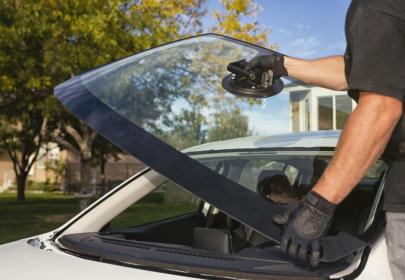
Windshield laws vary widely by region. Each area sets its own rules on when and how to replace a damaged windshield. These laws protect drivers by ensuring clear visibility and vehicle safety.
State-specific Regulations
In the United States, each state has different windshield rules. Some states require immediate replacement for cracks in the driver’s view. Others allow small chips if they do not block vision. Certain states require certification that the new windshield meets safety standards. Penalties for ignoring these laws range from fines to failed vehicle inspections.
International Differences
Countries around the world have unique windshield laws. Some nations have strict rules on glass quality and damage size. Others focus on repair rather than replacement. In Europe, safety standards often require laminated glass for front windshields. In some Asian countries, local climate influences the rules. The goal remains the same: protect driver safety and road visibility.
Local Enforcement Practices
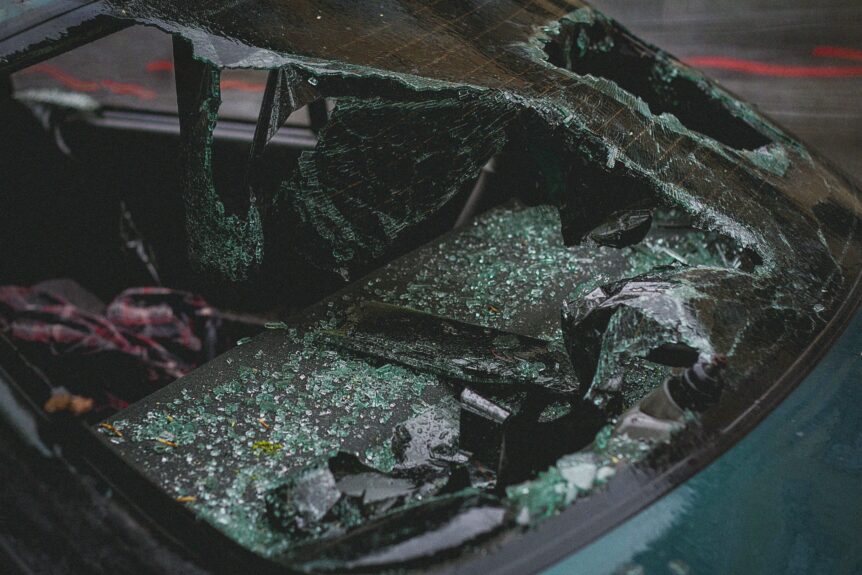
Local authorities enforce windshield laws differently. Some police officers may issue tickets for minor cracks. Others only act when visibility is seriously affected. Vehicle inspection centers check windshields during routine tests. Enforcement can depend on the area’s road safety priorities. Staying informed about local rules helps avoid fines and keeps roads safer.
Credit: rrbhlaw.com
Safety Standards For Windshields
Windshields protect drivers and passengers from wind, dust, and debris. They also provide structural support to the vehicle. Safety standards ensure windshields meet strict rules. These rules help keep roads safer for everyone. Understanding these standards is key to knowing why windshield replacement is often required.
Federal Safety Requirements
The government sets rules for windshield quality. The Federal Motor Vehicle Safety Standards (FMVSS) regulate windshields. These rules cover strength, visibility, and materials. Windshields must use laminated safety glass. This type of glass stays intact during impacts. It prevents sharp shards from causing injuries.
Impact On Vehicle Safety
A strong windshield supports the car’s roof. This helps prevent roof collapse in crashes. It also keeps airbags in place. Airbags rely on the windshield to deploy correctly. A damaged windshield can weaken the entire safety system. Replacing broken glass restores full protection.
Role In Accident Prevention
Clear, undamaged windshields improve driver vision. Good visibility helps spot hazards sooner. Cracks or chips can block sight or distract drivers. A safe windshield reduces accident risks. Keeping it in good condition helps avoid dangerous situations.
When Replacement Is Mandatory
Knowing when windshield replacement is mandatory helps keep you safe and legal. Laws about windshield damage vary by state or country. These rules guide drivers on when to repair or replace their windshield to avoid fines and ensure clear vision.
Crack Size Limits
Small cracks or chips often do not require replacement. Most places allow cracks under three inches to stay. Larger cracks mean the glass is weak and must be replaced. This limit protects drivers from sudden glass failure.
Visibility Obstructions
Damage in the driver’s line of sight is not allowed. Even small chips or cracks in this area can block vision. Windshields must stay clear to prevent accidents. Replacement is required to maintain safe driving conditions.
Damage Location Rules
Cracks near the edges of the windshield are more dangerous. They can spread quickly and weaken the glass structure. Many laws demand replacement if damage is close to the border. This rule helps stop windshield collapse during a crash.
Insurance And Windshield Repairs
Insurance plays a key role in windshield repairs and replacement. Many drivers wonder if their insurance covers windshield damage. Understanding how insurance handles these repairs can save money and avoid legal trouble.
Coverage For Replacement
Most auto insurance policies include glass coverage. This can cover full or partial costs of windshield replacement. Some policies cover repairs without a deductible. Others may require paying a deductible first. Check your specific policy details to know your coverage.
Filing Claims Process
Start by contacting your insurance provider after windshield damage. Provide details like photos and damage description. The insurer will guide you on approved repair shops. Some companies offer direct billing to ease the process. Keep records of all communication for reference.
Cost Considerations
Windshield replacement costs vary by car model and location. Insurance can reduce out-of-pocket expenses significantly. Some policies waive deductibles for glass repairs. Without insurance, windshield replacement can be costly. Compare repair quotes to find the best price.
Choosing Replacement Services
Choosing the right windshield replacement service matters for safety and legal reasons. A poor replacement can lead to problems like leaks, cracks, or weak glass. It is important to pick a service that meets legal standards and uses the best methods.
Quality work ensures your car stays safe and your insurance stays valid. Here are key points to consider when selecting a windshield replacement service.
Certified Technicians
Technicians with proper certification have training in windshield installation. They know how to handle glass safely and follow safety rules. Certified technicians reduce the risk of errors and improve the quality of the replacement. This certification shows they meet industry standards and legal requirements.
Quality Of Materials
High-quality glass is crucial for strength and durability. Poor materials may crack easily or let water in. Use original equipment manufacturer (OEM) glass or safety-approved alternatives. Good adhesives and sealants help keep the glass firmly in place. Quality materials protect you and your passengers on the road.
Warranty And Guarantees
A reliable service offers a warranty on their work and materials. This promise covers defects or installation problems. Warranties give peace of mind and protect your investment. Check the length and terms of the warranty before choosing a service. Guarantees show the company stands behind its work.
Penalties For Non-compliance
Ignoring windshield replacement laws can lead to serious penalties. These rules exist to keep drivers safe on the road. Damaged windshields reduce visibility and increase accident risks. Breaking these laws comes with costs that affect more than just your wallet.
Fines And Legal Consequences
Driving with a damaged windshield can result in fines. Police may stop you and issue tickets on the spot. The amount depends on local traffic laws. Repeat offenses often lead to higher fines. In some cases, courts may require you to fix the windshield quickly. Failure to comply can lead to further legal action.
Impact On Vehicle Inspection
Many states require vehicles to pass regular safety inspections. A cracked or chipped windshield often causes automatic failure. This means you cannot renew your vehicle registration. You must replace or repair the windshield before passing inspection. Delays can leave your car off the road legally. This adds inconvenience and extra costs.
Insurance Implications
Insurance companies expect drivers to maintain safe vehicles. A damaged windshield left unrepaired may reduce coverage. Claims related to accidents could be denied. Some insurers may raise your premiums for poor maintenance. Timely windshield replacement protects your insurance benefits. It also helps avoid potential financial losses.
Preventive Measures For Windshield Care
Taking care of your windshield helps keep it safe and strong. Preventive measures reduce damage and improve driving safety. Regular attention prevents small problems from becoming big issues. Simple steps keep your windshield clear and reliable.
Regular Inspections
Check your windshield often for cracks or chips. Small damage can grow over time. Inspect after rough roads or storms. Early spotting stops damage from spreading. Use good light and look closely.
Timely Repairs
Fix chips or cracks quickly. Repairs prevent damage from getting worse. A small repair costs less than a full replacement. Fast action helps keep your windshield safe. Visit a professional as soon as possible.
Protective Accessories
Use sunshades to block harsh sunlight. Sun can weaken glass and damage seals. Consider windshield covers during winter. Covers stop ice buildup and scratches. These accessories extend your windshield’s life.
Credit: quicksetautoglass.com
Frequently Asked Questions
Is Windshield Replacement Legally Required After Damage?
Yes, many states legally require windshield replacement if damage obstructs driver vision or compromises safety. Laws vary, so check local regulations for specific requirements and timely repairs.
When Must A Cracked Windshield Be Replaced By Law?
A cracked windshield must be replaced if cracks are large, in the driver’s line of sight, or impair structural integrity, according to most state laws.
Can I Drive With A Damaged Windshield Legally?
Driving with a damaged windshield may be illegal if it obstructs vision or violates safety standards. Fines or penalties can apply depending on local laws.
Does Insurance Cover Windshield Replacement Legally?
Most comprehensive auto insurance policies cover windshield replacement legally and without affecting premiums. Verify your policy details to confirm coverage and claim processes.
Conclusion
Windshield replacement often matters more than you think. Many places require it by law to keep drivers safe. Cracks or chips can block your view and cause accidents. Fixing your windshield quickly helps avoid fines and keeps your car legal.
Always check your local rules about windshield damage. Staying safe on the road means keeping your windshield clear and strong. Don’t wait until damage gets worse or causes trouble. Taking care of your windshield protects you and others every time you drive.
Leave a Reply