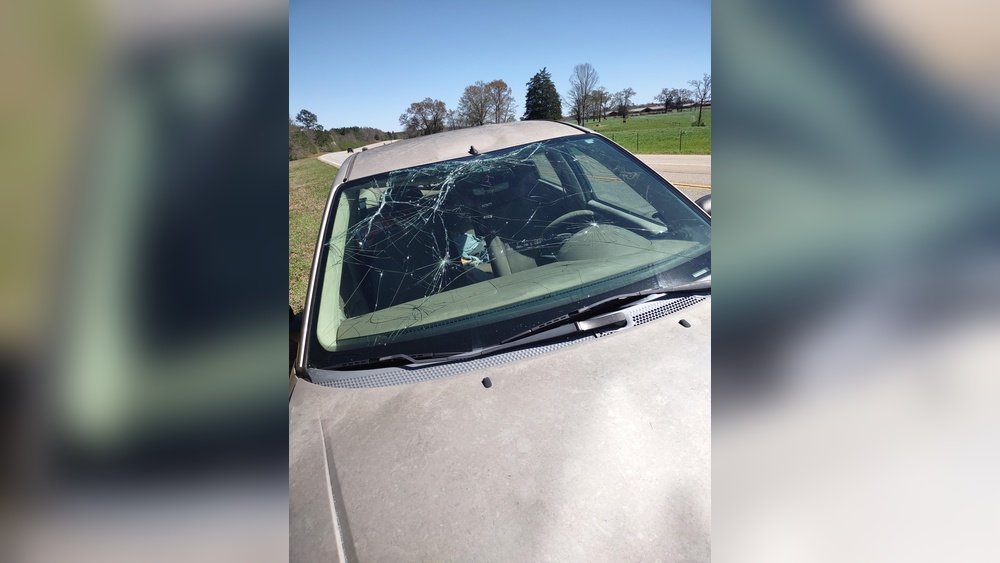
Have you ever noticed a crack on your windshield and wondered, “Is this illegal?” You might think a small crack is harmless, but it could lead to serious trouble.
Your safety and your wallet could both be at risk. You’ll discover the laws around windshield cracks, why they matter, and what you need to do if your glass isn’t perfect. Keep reading to avoid unexpected fines and stay safe on the road.

Credit: www.novusglass.com
Legal Limits On Windshield Damage
Legal limits on windshield damage exist to keep drivers safe. Cracks or chips can weaken the glass and block vision. Laws help decide when damage is too big or in the wrong place. These rules vary depending on size, location, and state.
Crack Size Restrictions
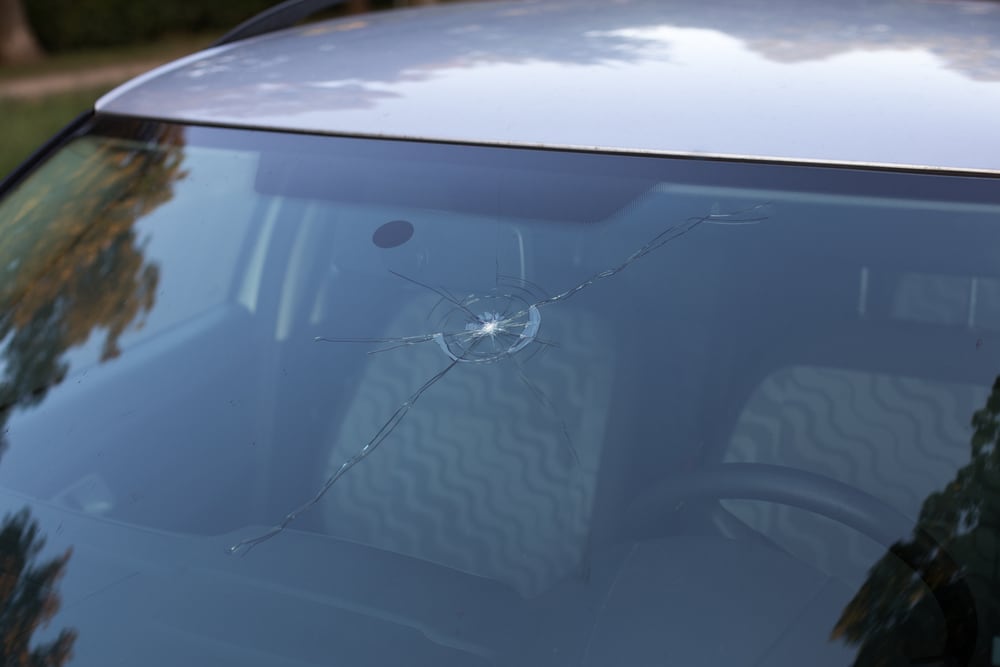
Most states set a size limit for cracks or chips on windshields. Small chips under a certain length, like three inches, are usually allowed. Larger cracks often require repair or replacement. Size rules aim to prevent glass from breaking easily.
Location-based Rules
Damage near the driver’s line of sight is often illegal. Cracks in this area can blur vision and cause accidents. Some laws ban any crack or chip in the central windshield area. Other spots may be less strict but still checked.
Variations By State
Each state has its own rules about windshield cracks. Some states are strict about size and location. Others allow small chips anywhere except the driver’s view. It is important to know local laws before driving with windshield damage.
Safety Concerns With Windshield Cracks
Windshield cracks are more than just an eyesore. They pose real safety concerns for drivers and passengers. Small cracks can grow over time, making the windshield weaker and less safe. Understanding these risks helps to know why cracked windshields matter.
Impact On Driver Visibility
Cracks can block the driver’s view. Light can reflect on the crack, causing glare. This makes it hard to see the road clearly. Poor visibility increases the chance of accidents. Even small cracks near the driver’s line of sight can be dangerous.
Structural Integrity Risks
The windshield adds strength to the car’s frame. Cracks weaken this support. In a crash, a cracked windshield may break more easily. This reduces the car’s overall safety. A strong windshield helps keep the cabin intact during impacts.
Effect On Airbag Deployment
Windshields help airbags deploy correctly. A damaged windshield may not hold the airbag in place. This can cause airbags to fail or deploy poorly. Proper airbag function depends on a solid windshield. Cracks may put passengers at greater risk in a crash.
Consequences Of Driving With A Cracked Windshield
Driving with a cracked windshield carries serious risks beyond safety. Small cracks can grow, reducing visibility and weakening the glass. Law enforcement and insurance companies treat this issue seriously. Understanding the consequences helps avoid trouble on the road.
Ignoring a cracked windshield can lead to fines, insurance problems, and failed vehicle checks. These consequences affect your wallet and your driving privileges. Addressing cracks quickly keeps you safe and legal.
Traffic Fines And Penalties
Many states have laws against driving with a damaged windshield. Police officers can stop drivers and issue tickets. Fines vary but can be costly. Repeated offenses might lead to higher penalties or court appearances. Law enforcement aims to reduce accidents caused by poor visibility.
Insurance Implications
Insurance companies may refuse to cover damages if the windshield is cracked. They view cracks as a risk factor. Claims might get denied or reduced. Some insurers require repairs before approving coverage. Maintaining a clear windshield protects your insurance benefits.
Vehicle Inspection Failures
Many regions require regular vehicle inspections. A cracked windshield often causes automatic failure. Vehicles may not pass safety or emissions checks. This means you cannot legally drive until fixed. Repairing cracks before inspection saves time and money.

Credit: www.reddit.com
Repair Vs Replacement Options
Deciding between repairing or replacing a cracked windshield is important. Each option has its own benefits and limits. Understanding these helps keep you safe and legal on the road.
When To Repair
Small cracks and chips can often be repaired. Repairs work best if the damage is less than six inches. The crack should not be in the driver’s direct view. Quick repairs prevent cracks from spreading. Repair also keeps the windshield strong and clear.
When To Replace
Replace the windshield if the crack is large or deep. Cracks longer than six inches usually need replacement. Damage in the driver’s line of sight requires a new windshield. Also, if the glass is shattered or has many cracks, replacement is safer. Replacement restores full strength to your car’s glass.
Cost Considerations
Repair costs less than replacement. Repair prices range from $50 to $150. Replacement can cost $200 or more. Insurance may cover repairs or replacements. Repair saves money and time. Replacement is more expensive but necessary for big damage.
Preventing Windshield Damage
Preventing windshield damage saves money and keeps you safe. Small cracks can grow fast and block your view. Taking steps to avoid damage protects your car and passengers.
Safe Driving Practices
Drive at a safe distance from other vehicles. Rocks and debris often fly from trucks. Avoid sudden stops or swerves that can cause accidents. Watch the road and stay alert to hazards. Slow down on rough roads to reduce impact.
Protective Measures
Use a car cover when parked outside. Park in shaded areas to avoid heat stress on glass. Avoid extreme temperature changes, like pouring hot water on ice. Consider installing a windshield protector for extra safety. Replace windshield wipers regularly to prevent scratches.
Regular Maintenance Tips
Check your windshield for small chips or cracks often. Repair minor damage quickly before it worsens. Clean the glass with proper products to avoid scratches. Schedule professional inspections during routine car maintenance. Keep the windshield clear to improve visibility and safety.
Credit: www.yourmechanic.com
Frequently Asked Questions
Is It Illegal To Drive With A Cracked Windshield?
Driving with a cracked windshield can be illegal if the damage obstructs the driver’s view. Laws vary by state, but visible cracks in the driver’s line of sight often lead to fines or failed vehicle inspections. It’s best to repair or replace it promptly.
When Does A Windshield Crack Become A Legal Issue?
A windshield crack becomes a legal issue when it impairs driver visibility or safety. Small cracks outside the driver’s view might be acceptable, but larger cracks or chips in key areas can violate vehicle safety standards and traffic laws.
Can Police Stop You For A Cracked Windshield?
Yes, police can stop you if your windshield crack affects safety or visibility. Officers may issue citations if the crack violates local vehicle codes or endangers safe driving. It’s important to keep your windshield in good condition to avoid legal trouble.
What Are The Penalties For Windshield Crack Violations?
Penalties vary by location but usually include fines or repair orders. In some cases, you may fail vehicle inspections or receive warnings. Repeated offenses might lead to higher fines or more severe consequences, emphasizing the importance of timely windshield repairs.
Conclusion
A cracked windshield can cause safety risks while driving. Many places have laws about windshield damage. Small cracks might be okay, but big ones often break the law. Fixing or replacing a cracked windshield keeps you safe and legal. Always check your local rules to avoid fines.
Drive with a clear windshield for better vision. Safety and following the law go hand in hand. Don’t ignore cracks—they can grow and cause trouble. Stay safe and stay informed.
Leave a Reply