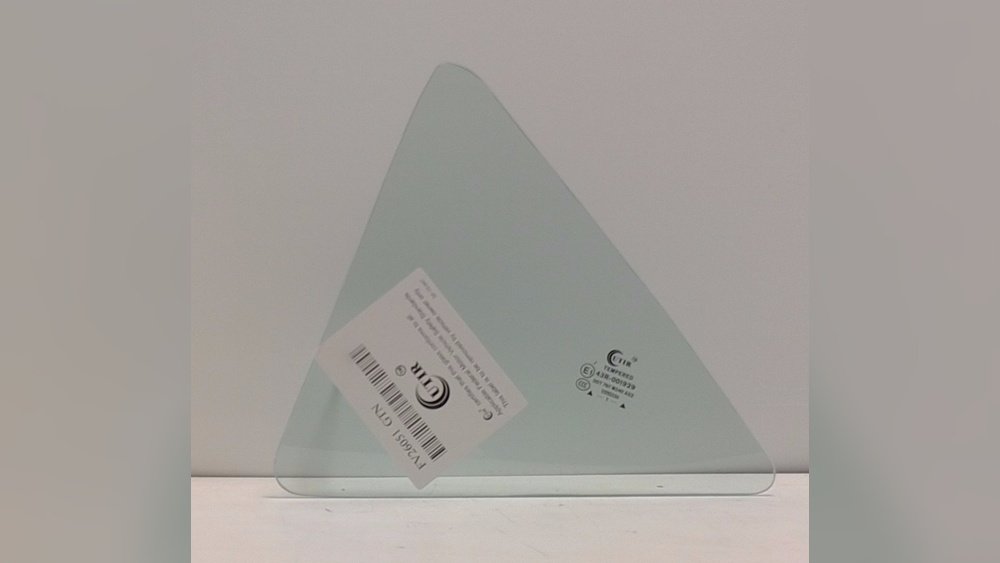
Have you ever wondered what makes your car’s side windows so safe? You might assume they’re just ordinary glass, but there’s more to it than meets the eye.
Understanding whether your side window glass is tempered can change how you think about your safety on the road. You’ll discover the surprising truth about side window glass, why it matters to you, and how it protects you every time you drive.
Keep reading to find out what sets tempered glass apart and why knowing this could make a difference for you and your passengers.
Credit: www.pirouette-editions.fr
Tempered Glass Basics
Tempered glass is a special type of glass used in many places, including car side windows. It is stronger and safer than regular glass. Understanding the basics of tempered glass helps explain why it is used in side windows.
This section explains what tempered glass is and how it is made. Both points are important to know for anyone curious about car window safety.
What Is Tempered Glass
Tempered glass is a type of safety glass. It is much stronger than normal glass. When it breaks, it shatters into small, blunt pieces. These pieces are less likely to cause injury. That is why tempered glass is used in car windows and doors.
How Tempered Glass Is Made
The making process of tempered glass involves heating and cooling. First, the glass is heated to about 620°C (1148°F). This makes the glass soft and flexible. Then, it is quickly cooled by blowing cold air on the surface. This process creates pressure inside the glass. This pressure makes the glass stronger and safer. The quick cooling also causes the glass to break into small pieces if shattered.

Credit: www.pirouette-editions.fr
Side Window Glass Types
Side window glass plays a key role in vehicle safety and comfort. Different types of glass offer various benefits. Understanding these types helps in choosing the right glass for your vehicle. Two main types of side window glass are tempered and laminated glass. Each has unique features and uses in vehicles.
Tempered Vs Laminated Glass
Tempered glass is heat-treated to increase strength. It breaks into small, blunt pieces when shattered. This reduces injury risk during accidents. Laminated glass has a plastic layer between two glass sheets. This layer holds the glass together when broken. It prevents sharp shards from flying. Tempered glass is stronger but shatters more easily. Laminated glass is safer but less strong.
Common Uses In Vehicles
Most side windows use tempered glass. It offers good strength and clear visibility. Laminated glass appears in some luxury cars or special vehicles. It improves sound insulation and security. Windshields always use laminated glass for safety. Rear windows sometimes use tempered glass. Choosing the right glass depends on safety needs and vehicle design.
Safety Benefits Of Tempered Glass
Tempered glass offers important safety benefits for side windows. It is designed to protect passengers during accidents. The glass is stronger and safer than regular glass. This makes side windows more reliable in everyday use.
Impact Resistance
Tempered glass is much tougher than normal glass. It can handle strong hits without breaking easily. This resistance helps protect people from flying glass shards. Side windows made from tempered glass reduce injuries during collisions. The strength comes from a special heating and cooling process.
Shatter Behavior
When tempered glass breaks, it does not create sharp pieces. Instead, it shatters into small, dull cubes. These tiny pieces are less likely to cut or hurt someone. This type of breakage is safer for passengers and pedestrians. The glass is designed to reduce harm if broken.
Signs Your Side Window Is Tempered
Knowing if your side window glass is tempered is important for safety. Tempered glass breaks differently than regular glass. It shatters into small, blunt pieces instead of sharp shards. This reduces injury risk during accidents. Some signs can help you identify tempered side windows quickly.
Visual Inspection Tips
Start with a close look at the glass surface. Tempered glass often has a slight ripple or wave pattern. This happens during the heating process used to strengthen it. The edges might look smooth and rounded, not sharp. Try tapping the glass gently; tempered glass sounds solid and dull. Regular glass has a higher-pitched, clear sound.
Manufacturer Markings
Check for small labels or etchings on the glass corners. Tempered glass usually has a stamp from the maker. The mark may include words like “tempered” or “safety glass.” It might also show a certification symbol or a code. These markings prove the glass meets safety standards. Sometimes the stamp is hard to see without cleaning the glass first.
Regulations And Standards
Vehicle glass must follow strict rules for safety and quality. These rules protect drivers, passengers, and pedestrians from harm. Regulations and standards ensure glass meets strong safety tests.
Side window glass often must be tempered. Tempered glass breaks into small, less dangerous pieces. This reduces injury risk during accidents or impacts. Laws and testing confirm glass is safe and reliable.
Legal Requirements For Vehicle Glass
Many countries have laws for vehicle glass types. Side windows usually require tempered glass or laminated glass. These laws aim to reduce injury in crashes. Glass must pass specific criteria before use in cars. Manufacturers follow these legal rules closely.
Failure to meet glass laws can cause fines or bans. Vehicle inspections check glass compliance regularly. Drivers should know their vehicle glass meets these rules.
Safety Testing Procedures
Glass undergoes tough tests to ensure safety. Tests include impact resistance, break pattern, and strength checks. Tempered glass must break into small pieces. This test confirms it meets safety standards.
Other tests check for clarity and durability. Testing labs certify glass for vehicle use. Only certified glass gets approval for car windows. These procedures protect everyone on the road.

Credit: www.martinispa.com
Replacement And Repair Insights
Replacing or repairing side window glass needs careful thought. Choosing the correct glass type and getting expert help matter a lot. These choices affect your safety and comfort while driving.
Understanding the difference between glass types helps you make better decisions. Proper installation keeps your vehicle secure and prevents future problems.
Choosing The Right Glass Type
Side window glass is usually tempered. This glass breaks into small pieces, reducing injury risk. Some vehicles might use laminated glass for extra protection. It stays in place even when cracked. Check your car manual or ask a professional. Selecting the right glass keeps you safe and meets legal rules.
Professional Installation Importance
Installing side window glass needs skill and the right tools. Experts ensure the glass fits perfectly and seals correctly. Poor installation can cause leaks and noise. It may weaken the glass and cause early damage. A professional also checks for hidden damage during replacement. Trusting a trained installer protects your vehicle and yourself.
Common Myths About Side Window Glass
Side window glass has many myths around it. These myths can cause confusion about its use and safety. Understanding the truth helps you make better decisions about your car’s glass.
Durability Misconceptions
Many believe side window glass breaks easily. This is not always true. Side windows are made of tempered glass. Tempered glass is stronger than regular glass. It can handle small hits without breaking.
People think side windows shatter with slight pressure. Actually, tempered glass resists impact well. It breaks only under strong force. This makes it safer in accidents. The glass breaks into small, less harmful pieces.
Safety Misunderstandings
Some think side window glass is unsafe in crashes. The truth is opposite. Tempered glass is designed for safety. It reduces injury by breaking into tiny bits.
Others assume side windows do not protect from outside threats. Tempered glass offers good protection. It can stop objects from easily entering the car. This adds security for passengers inside.
Frequently Asked Questions
Is Side Window Glass Always Tempered?
Side window glass in most vehicles is tempered for safety. Tempered glass shatters into small pieces on impact, reducing injury risk. However, some vehicles use laminated glass for side windows, especially luxury or newer models, for added noise reduction and security.
How Does Tempered Glass Differ From Laminated Glass?
Tempered glass is heat-treated to increase strength and breaks into small pieces. Laminated glass consists of two glass layers with a plastic layer in between, holding shards together when broken. Both enhance safety but serve different purposes in vehicle windows.
Why Is Tempered Glass Used In Car Side Windows?
Tempered glass is used because it is strong and breaks safely. It reduces injury risk during accidents by shattering into small, blunt pieces. This makes it ideal for side windows where impact risk is higher.
Can Side Window Glass Be Replaced With Laminated Glass?
Yes, some vehicles allow replacing tempered side windows with laminated glass. Laminated glass offers better sound insulation and security. However, replacement must meet vehicle safety standards and manufacturer recommendations.
Conclusion
Side window glass in cars is usually tempered for safety. It breaks into small, less harmful pieces on impact. This helps reduce injuries during accidents. Tempered glass is strong and resists shattering easily. Knowing this can help you understand vehicle safety better.
Always choose a car with proper safety glass installed. Safety matters every time you drive or ride. Keep this in mind when checking your vehicle’s windows. It’s a small detail that makes a big difference.
Leave a Reply