
Are you sure your glass installations are safe and up to legal standards? When it comes to glass safety, the rules might be stricter than you think.
Understanding whether glass safety is legally required can protect you from accidents, costly fines, and legal trouble. You’ll discover what the law says about glass safety and why it matters for your home or business. Keep reading to find out how to stay compliant and keep everyone safe around you.

Credit: www.getlabtest.com
Legal Standards For Glass Safety
Glass safety laws protect people from harm caused by broken or unsafe glass. These laws set rules for the type of glass used in buildings and workplaces. They ensure glass is strong enough to resist impacts and reduce injury risks.
Legal standards for glass safety vary by country but share similar goals. They focus on the strength, quality, and installation of glass. These standards help builders, employers, and manufacturers follow safe practices.
Key Regulations Worldwide
Many countries have rules for glass safety. The United States follows the Consumer Product Safety Commission (CPSC) guidelines. Europe uses the EN 12600 and EN 12150 standards for tempered glass. Australia and New Zealand follow AS/NZS 2208 for safety glazing. These laws set clear requirements for glass thickness and strength.
Building Codes And Glass Safety
Building codes include rules for glass used in windows, doors, and walls. They demand safety glass in areas prone to impact. These codes require laminated or tempered glass in critical spots. Local authorities inspect buildings to ensure compliance. This reduces accidents and protects occupants.
Workplace Glass Safety Laws
Workplace laws require safe glass to protect employees. OSHA in the U.S. sets standards for glass in work areas. Employers must use safety glazing in doors and near floors. These laws aim to prevent injuries from broken glass. Regular checks ensure workplaces meet these safety standards.
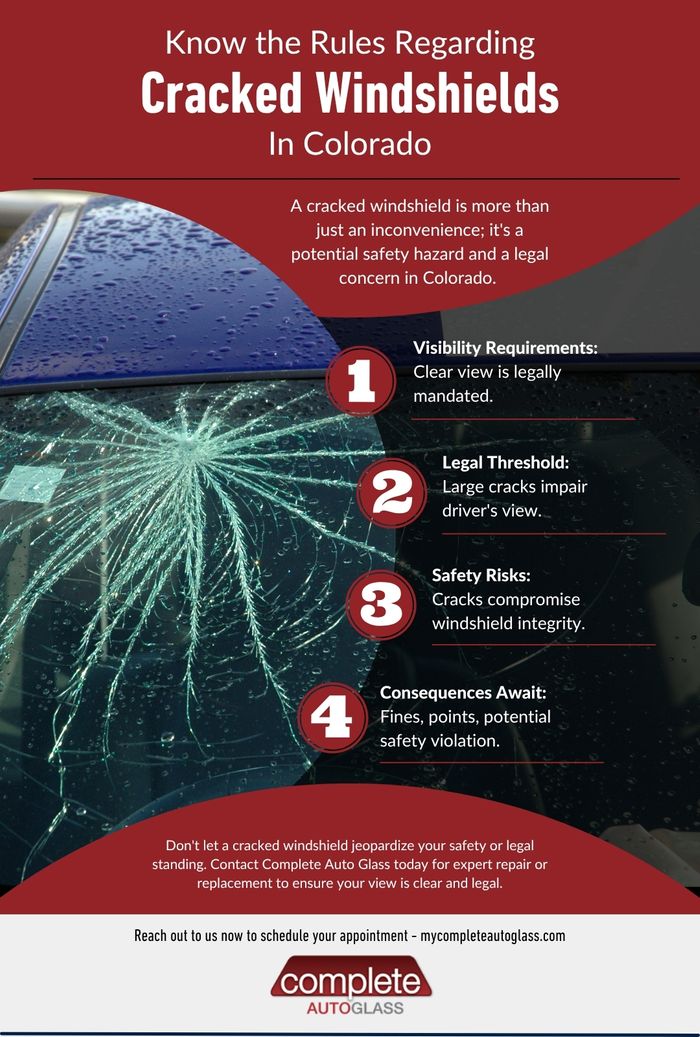
Credit: www.mycompleteautoglass.com
Types Of Safety Glass
Safety glass is designed to reduce injury risks during accidents. Different types of safety glass offer varied protection levels. Understanding these types helps you know what is legally required.
Tempered Glass
Tempered glass is heated and cooled quickly. This process makes it stronger than regular glass. If broken, it shatters into small, blunt pieces. This reduces the chance of serious cuts. Common in car windows and doors.
Laminated Glass
Laminated glass has two or more layers. A plastic layer holds the glass together if broken. It keeps shards from falling apart. Used in windshields and skylights for extra safety. It also blocks harmful UV rays.
Wire Glass
Wire glass contains a metal mesh inside. The mesh holds the glass in place when shattered. It prevents fire and smoke from spreading. Often found in schools and commercial buildings. It is less common for homes due to visibility issues.
Applications Requiring Safety Glass
Safety glass is crucial in many places to protect people from injury. It is designed to break safely or resist impact. Laws often require its use to reduce accidents and injuries. Various buildings and vehicles need safety glass to keep everyone safe.
Here are some common applications where safety glass is legally required.
Residential Buildings
Safety glass is used in homes, especially in windows and doors near floors. It prevents serious cuts if the glass breaks. Building codes often require it in bathrooms and kitchens. Glass near staircases or balconies also needs to be safety glass.
Commercial Properties
Offices and shops use safety glass in windows and doors to protect workers and visitors. It helps prevent injuries from accidental breakage. Many local laws demand safety glass in large glass panels. This reduces risks in busy public spaces.
Automotive Industry
Cars use safety glass to protect drivers and passengers. Windshields are usually laminated glass that stays intact when cracked. Side and rear windows are often tempered glass, which breaks into small pieces. Laws require this to reduce injuries in crashes.
Testing And Certification Processes
Testing and certification play a big role in glass safety. They make sure glass products meet legal rules. These processes check the strength, durability, and safety of glass. They also help protect people from accidents and injuries.
Manufacturers test glass to prove it is safe for use. Certified glass products show quality and trust. Understanding these processes helps buyers and builders choose the right glass.
Safety Testing Methods
Glass undergoes different tests to check safety. One common test is impact resistance. It shows how glass reacts to sudden hits or shocks. Another test is heat resistance. This checks if glass can handle high temperatures without breaking.
Some tests measure how glass breaks. For example, laminated glass should stay in place even if cracked. Tempered glass breaks into tiny pieces to reduce injury risk. These tests ensure glass performs well in real life.
Certification Agencies
Certification comes from trusted agencies. These groups follow strict rules and standards. They inspect and test glass products carefully. Some well-known agencies include ANSI, UL, and ISO. These agencies set the safety requirements for glass.
Certified glass carries approval marks from these agencies. This shows the glass meets legal safety standards. It gives confidence to buyers, builders, and inspectors.
Labeling Requirements
Glass products need clear labels. Labels show certification status and safety details. They include the agency’s logo and product information. Labels help users identify safe and approved glass.
Law requires labels on many glass types. This rule ensures everyone knows the glass meets safety laws. Proper labeling also helps during inspections and quality checks.
Consequences Of Non-compliance
Failing to follow glass safety laws can cause serious problems. These rules exist to protect people and property. Ignoring them leads to legal trouble, dangers, and financial losses. Understanding these consequences helps highlight the importance of compliance.
Legal Penalties
Breaking glass safety laws can result in fines and court cases. Businesses may face heavy penalties for unsafe installations. Repeated violations might cause licenses to be revoked. Legal trouble harms reputation and costs money.
Safety Risks
Unsafe glass increases the chance of injuries. Broken glass can cause cuts or worse accidents. People in buildings without safety glass face higher dangers. Protecting everyone starts with following safety rules.
Insurance Implications
Insurance companies may refuse claims linked to unsafe glass. Non-compliance can cause higher premiums or policy cancellations. Insurance helps cover damages, but only if rules are met. Skipping safety steps puts your finances at risk.
Tips For Ensuring Glass Safety Compliance
Ensuring glass safety compliance is important for legal and safety reasons. Proper steps help avoid accidents and fines. Following clear tips makes the process easier and more effective.
Hiring Qualified Installers
Choose installers with proper training and certification. They know the correct methods to handle and install safety glass. Skilled installers reduce risks of breakage and injury. Ask for references and check past work. This ensures quality and compliance with laws.
Regular Inspections
Schedule inspections to catch issues early. Look for cracks, chips, or loose fittings. Fix problems immediately to maintain safety. Regular checks keep glass secure and meet legal standards. Use professional inspectors for accurate results.
Keeping Up With Regulation Updates
Glass safety laws change over time. Stay informed about new rules and guidelines. Follow updates from local authorities and industry groups. Adjust your safety practices to meet current standards. This keeps your property safe and legally compliant.

Credit: www.mobilework.law
Frequently Asked Questions
Is Glass Safety Legally Required In Homes?
Yes, glass safety is legally required in many regions for homes. Building codes often mandate safety glazing in certain locations like doors and windows to prevent injuries from glass breakage.
What Regulations Govern Glass Safety Standards?
Glass safety standards are regulated by local building codes and organizations like ANSI and ASTM. These rules ensure the use of tempered or laminated glass in hazardous areas to protect users.
When Is Safety Glass Mandatory By Law?
Safety glass is mandatory in areas prone to impact, such as shower doors, glass railings, and doors. Laws require safety glass to reduce injury risks in these vulnerable spots.
How Do Legal Requirements Affect Glass Installation?
Legal requirements dictate the type of glass used and installation methods. Compliance ensures safety, reduces liability, and meets building regulations, preventing costly fines or renovations.
Conclusion
Glass safety laws protect people from harm and accidents. Many places require safety glass by law. This helps reduce injuries from broken glass. Choosing the right glass keeps homes and workplaces safer. Following these rules also avoids legal trouble. Safety is key when using glass in buildings.
Remember, simple safety steps make a big difference. Always check local laws before installing glass. Stay safe and protect those around you.
Leave a Reply