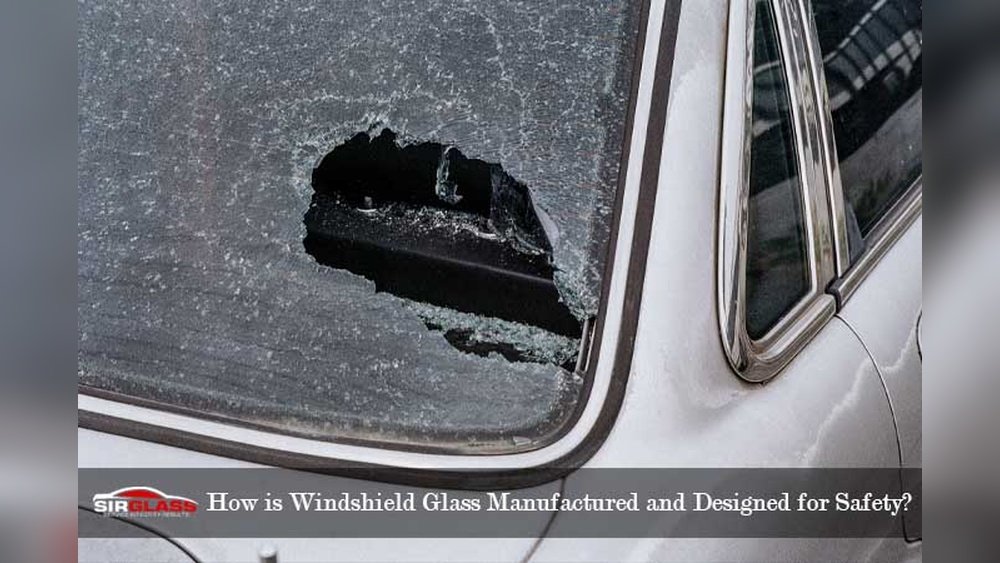
Have you ever wondered if the glass in your car is truly designed to keep you safe? Every time you drive, your car’s windows and windshield face countless risks—from flying debris to sudden impacts.
But what if the glass isn’t just there to let you see outside? What if it’s actually working hard to protect you and your loved ones in ways you never realized? Keep reading to uncover the surprising safety features built into your car’s glass, and why understanding them could change the way you think about your daily drive.
Types Of Car Glass
Car glass is not just clear plastic. It plays a big role in your safety. Different parts of the car use different types of glass. Each type is made for a special purpose. Knowing these types helps you understand how your car protects you.
Laminated Windshields
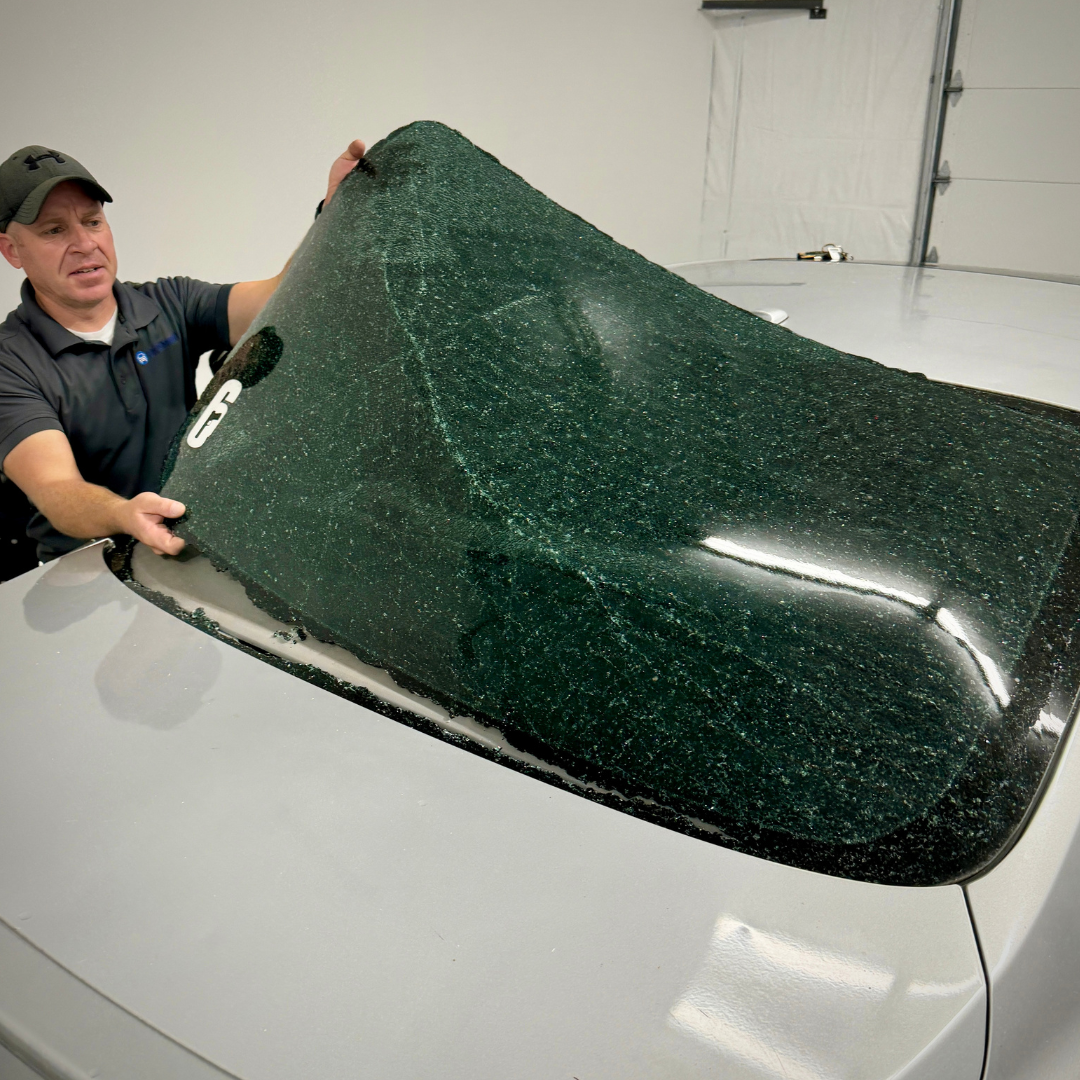
Laminated windshields have two layers of glass. Between these layers is a thin plastic sheet. This plastic holds the glass together if it breaks. It stops the glass from flying into the car. This design protects passengers during crashes.
It also keeps the windshield from shattering into sharp pieces. Laminated glass helps keep the car’s structure strong. It reduces the chance of passengers being thrown out.
Tempered Side And Rear Windows
Tempered glass is used for side and rear windows. It is made by heating and then quickly cooling the glass. This process makes it much stronger than regular glass.
When tempered glass breaks, it shatters into tiny, dull pieces. These small pieces are less likely to cause injury. This type of glass also helps in emergency escapes by breaking easier than laminated glass.
Tempered glass offers a good balance between strength and safety.

Credit: www.amazon.com
Safety Features Built Into Car Glass
Car glass is not just clear plastic or simple glass. It has special safety features to protect drivers and passengers. These features help keep everyone safe during accidents and harsh weather. Car manufacturers design glass to handle impacts, stop shattering, and block harmful rays from the sun.
Impact Resistance
Car glass is made strong to resist impacts. It can absorb energy from hits or crashes. This strength helps prevent the glass from breaking easily. Toughened glass or laminated glass is often used. It protects people by holding together during collisions.
Shatter Prevention
Shatter prevention is key for safety glass. Laminated glass has a plastic layer between glass sheets. This layer keeps glass pieces stuck if it breaks. Instead of sharp shards, it cracks safely. This reduces injuries and keeps the glass intact longer.
Uv Protection
Car glass also blocks harmful UV rays. These rays can cause skin damage and fade car interiors. Special coatings or tints absorb or reflect UV light. This protects both passengers and the car’s inside materials. UV protection helps keep everyone safer and more comfortable.
How Car Glass Protects Passengers
Car glass is more than just a window. It plays a key role in passenger safety. Designed with special materials, car glass helps protect people inside during accidents. It prevents serious injuries and keeps the car’s shape strong.
Preventing Ejection
Car glass stops passengers from being thrown out in crashes. The glass holds strong under pressure. This keeps people inside the vehicle. Being inside the car increases chances of survival.
Maintaining Structural Integrity
Car glass supports the car’s frame. It helps keep the roof from collapsing. This protection is vital during rollovers. Strong glass makes the entire car safer.
Reducing Injury From Shards
Special glass breaks into tiny pieces instead of sharp shards. These small pieces reduce cuts and wounds. Some glasses have a plastic layer to hold fragments. This design lowers the risk of serious injury.
Regulations And Standards For Car Glass
Car glass plays a vital role in vehicle safety. It protects passengers from wind, debris, and accidents. Strict rules control its design and quality. These rules ensure glass can withstand impacts and reduce injuries.
Regulations focus on strength, visibility, and how glass breaks. These standards vary by region but share the goal of protecting people inside vehicles.
Global Safety Requirements
Many countries follow international rules for car glass. These rules set limits on how strong and clear the glass must be. They demand glass to resist shattering into sharp pieces.
Most car windshields are made from laminated glass. This type of glass holds together after breaking. Side and rear windows often use tempered glass, which breaks into small, less harmful pieces.
Testing Procedures
Car glass undergoes many tests before use. One test drops a steel ball on the glass to check strength. Another test measures how the glass breaks.
Visibility tests check if the glass distorts the driver’s view. Heat and weather tests ensure glass stays safe in all conditions. These tests protect drivers and passengers every day.
Common Myths About Car Glass Safety
Car glass safety often gets misunderstood. Many people believe false ideas about how strong or safe car windows really are. These myths can cause confusion about car safety. Clearing up these wrong ideas helps drivers trust their car glass more.
Understanding the truth about car glass helps in making safer choices. It also shows why car manufacturers use special glass types. Let’s explore some common myths about car glass safety.
Myth: Car Glass Breaks Like Regular Glass
People think car windows shatter easily like home windows. This is not true. Car glass is made to break differently. It breaks into small, blunt pieces to reduce injury. This keeps passengers safer in crashes.
Myth: All Car Glass Is The Same
Some believe all car glass types offer equal protection. Front windshields use laminated glass, which stays mostly intact. Side and rear windows use tempered glass, designed to break into small bits. Each type has a special safety role.
Myth: Car Glass Cannot Withstand Any Impact
Many think car glass breaks from the slightest hit. Actually, it is strong against many impacts. Windshields resist stones and debris on the road. This strength helps protect drivers during accidents.
Myth: Cracked Glass Is Always Dangerous
Not all cracks make car glass unsafe immediately. Small chips can be repaired without replacing the whole glass. But large cracks need prompt attention to keep safety intact.

Credit: www.amazon.com
Innovations Enhancing Car Glass Safety
Car glass safety has improved a lot over the years. New technologies make windows stronger and smarter. These changes protect drivers and passengers better during accidents.
Innovations in car glass focus on strength, visibility, and interaction. They help reduce injuries and improve driving comfort. Let’s explore some key advances in this field.
Smart Glass Technologies
Smart glass changes its properties with the touch of a button. It can darken to block sunlight or clear up for better visibility. This helps reduce glare and heat inside the car.
Some smart glasses can even show information on the windshield. This keeps drivers’ eyes on the road while checking speed or navigation. These features improve safety by reducing distractions.
Advanced Laminates
Advanced laminates are layers of glass and plastic. They hold the glass together if it breaks. This stops sharp pieces from flying inside the car during crashes.
These laminates also reduce noise and block harmful UV rays. They make the ride quieter and protect skin from sun damage. Stronger laminates improve overall car safety and comfort.
Maintenance Tips To Preserve Glass Safety
Maintaining car glass is important for safety. Clear, strong glass protects you during drives. Small cracks or chips can grow. They weaken the glass and risk your safety. Proper care helps keep your glass intact. Follow these tips to preserve glass safety.
Regular Inspections
Check your car glass often. Look for any chips, cracks, or scratches. Inspect both inside and outside surfaces. Early detection stops damage from spreading. Clean the glass with soft cloths and gentle cleaners. Avoid harsh chemicals that can weaken the glass.
Timely Repairs
Fix any damage quickly. Small chips can turn into big cracks fast. Repairing early keeps the glass strong. Use professional services for repairs. Avoid driving with damaged glass in bad weather. Timely repairs save money and improve safety.
Credit: carsrenewed.com
Frequently Asked Questions
What Materials Are Used In Car Glass For Safety?
Car glass is typically made from laminated or tempered glass. Laminated glass has a plastic layer that holds shards together. Tempered glass shatters into small, blunt pieces to reduce injury. Both materials enhance passenger protection during collisions and accidents.
How Does Laminated Glass Improve Car Safety?
Laminated glass consists of two glass layers with a plastic interlayer. This design prevents the glass from shattering on impact. It keeps passengers inside the vehicle and reduces injuries from flying glass shards. Laminated glass is mainly used for windshields.
Why Is Tempered Glass Used In Car Side Windows?
Tempered glass is heat-treated to increase strength. When broken, it crumbles into small, less harmful pieces. This reduces the risk of serious cuts during accidents. It is commonly used for side and rear windows in vehicles.
Does Car Glass Affect Crash Safety Ratings?
Yes, car glass quality directly impacts crash safety ratings. Strong, well-designed glass helps maintain cabin integrity. It protects occupants from ejection and sharp glass shards. Safety glass is an essential factor in vehicle safety assessments.
Conclusion
Car glass plays a key role in keeping drivers safe. It is made with strong materials that resist breaking. In accidents, it helps protect people inside the car. The glass also reduces injuries by breaking into small, less dangerous pieces.
Safety features like laminated and tempered glass are common. These designs meet strict safety standards worldwide. Choosing a car with quality glass adds extra protection. Always remember, car glass is not just for clear vision. It is a vital safety tool every driver needs.
Leave a Reply