
Glass is everywhere—in your home, car, and workplace. But have you ever stopped to think about how to keep it safe?
Cracks, chips, or breaks in glass can lead to accidents that put you and your loved ones at risk. You might not realize it, but simple steps can make a huge difference in maintaining glass safety. You’ll discover easy tips and practical advice to protect your glass surfaces and prevent dangerous situations.
Keep reading to learn how you can take control and keep your environment safer starting today.
Types Of Safety Glass
Safety glass plays a key role in protecting people and property. It is stronger and safer than regular glass. Different types of safety glass serve different purposes. Knowing these types helps in choosing the right glass for your needs.
Tempered Glass
Tempered glass is heat-treated to increase strength. It breaks into small, blunt pieces instead of sharp shards. This reduces the risk of injury. It is often used in car windows and shower doors. Tempered glass also withstands high temperatures well.
Laminated Glass
Laminated glass consists of two glass layers with a plastic layer in between. The plastic holds the glass pieces together when broken. This prevents glass from falling apart. It is common in windshields and skylights. Laminated glass also reduces noise and blocks UV rays.
Wire Mesh Glass
Wire mesh glass has a wire grid embedded inside the glass. The wire keeps the glass intact if it breaks. It is used in places requiring fire resistance. Schools, factories, and public buildings often use wire mesh glass. It offers extra safety against heat and impact.
Common Glass Hazards
Glass is a common material in homes and offices. It looks clean and modern. But glass can be dangerous if not handled properly. Knowing common glass hazards helps keep everyone safe. Small problems can cause big accidents.
Cracks And Chips
Cracks and chips weaken glass strength. Even tiny cracks can spread quickly. Damaged glass may shatter without warning. Watch for any lines or broken pieces. Replace or repair glass at once. Do not ignore small damage.
Sharp Edges
Broken glass often has sharp edges. These edges can cause cuts and injuries. Touching or handling broken glass is risky. Always use protective gloves when cleaning. Smooth or cover sharp edges immediately. Keep children away from broken glass.
Improper Installation
Glass must be installed correctly to stay safe. Poor installation can cause instability or falling glass. Use professional help for fitting glass panels or windows. Check that glass is well secured and aligned. Loose glass is a serious hazard. Regular inspections prevent accidents.
Regular Inspection Tips
Regular inspection is key to keeping glass safe. Checking glass often helps catch small problems early. This prevents accidents and costly repairs.
Simple checks make a big difference. Spend a few minutes each month to look over your glass surfaces. Focus on damage, frame, and wear signs.
Checking For Damage
Look closely for cracks or chips on the glass. Even small cracks can grow over time. Check edges carefully, as they are more likely to crack. Any visible damage means you should replace or repair the glass quickly.
Assessing Frame Stability
Check the glass frame for looseness or rust. A weak frame cannot hold glass securely. Push gently on the frame to test its strength. Tighten screws or bolts if needed. A stable frame keeps the glass safe and firm.
Identifying Wear And Tear
Look for signs of wear like scratches or cloudy spots. These reduce glass clarity and strength. Check seals around the glass for gaps or damage. Replace worn seals to stop water or air leaks. Regular care extends glass life and safety.

Credit: blog.fullsource.com
Cleaning Techniques
Cleaning glass safely is key to keeping it clear and strong. Proper cleaning stops damage and helps glass last longer. It also keeps your space looking bright and fresh.
Using The Right Cleaners
Choose cleaners made for glass surfaces. Avoid harsh chemicals like ammonia or bleach. These can weaken or scratch the glass. Use mild soap mixed with water for best results. Spray the cleaner lightly and wipe gently with a soft cloth.
Avoiding Abrasive Materials
Never use rough sponges or scrub brushes on glass. They can leave tiny scratches that grow over time. Instead, pick microfiber cloths or soft cotton towels. These materials clean well without harming the surface. Always check for grit before wiping to prevent scratches.
Safe Cleaning Practices
Clean glass in a shaded area to stop streaks. Use gentle, circular motions to remove dirt. Rinse with clean water to clear soap residue. Dry with a clean, dry cloth to prevent water spots. Avoid cleaning glass under direct sunlight or heat.
Protective Measures
Protecting glass surfaces is important to prevent injuries and damage. Using the right safety measures keeps everyone safe. These measures reduce risks and make glass safer in homes and workplaces.
Simple steps can make a big difference in glass safety. The following methods help protect glass effectively and clearly.
Applying Safety Films
Safety films add a strong layer to glass surfaces. They hold glass pieces together if broken. This prevents sharp shards from falling and causing harm. Films are easy to apply and do not change glass look. They also protect from scratches and UV rays.
Installing Guards And Barriers
Guards and barriers block direct contact with glass. They stop people from bumping into glass doors or windows. Barriers are useful in busy areas or places with children. They can be made of metal, plastic, or wood. Guards also support glass panels and add strength.
Using Proper Signage
Signage warns people about glass presence. Clear signs prevent accidental collisions with transparent glass. Use bright colors and easy symbols for better visibility. Place signs at eye level and near glass doors. This simple step greatly reduces glass accidents.
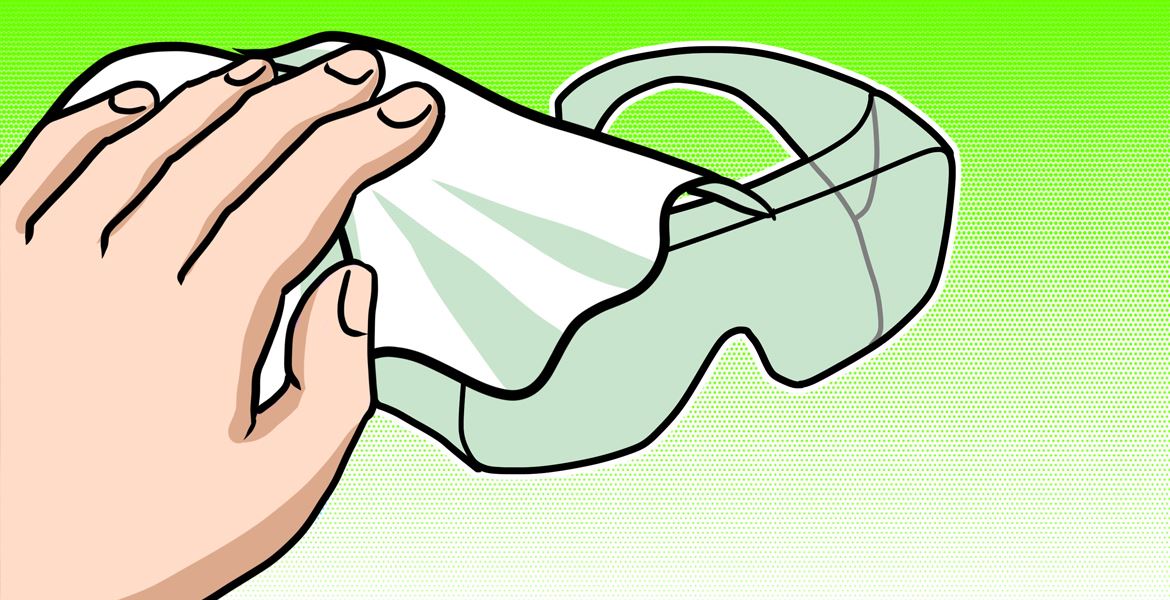
Credit: www.eyeweb.com
Handling And Installation Advice
Handling and installing glass safely is key to preventing accidents and damage. Proper care during these steps ensures glass stays intact and secure. Follow clear guidelines to protect yourself and others.
Safe Handling Practices
Always wear gloves and safety glasses when moving glass. Hold glass panels vertically, not flat. Use suction cups or grips designed for glass. Avoid sudden movements or dropping glass. Clear the path before carrying large sheets.
Professional Installation Benefits
Experts know how to fit glass securely and safely. They use correct tools and techniques that reduce breakage risk. Professionals also ensure glass meets safety standards. Their experience saves time and avoids costly mistakes.
Choosing Quality Materials
Select tempered or laminated glass for stronger safety features. Quality glass resists cracks and shattering better than cheaper options. Confirm glass thickness matches the intended use. Good materials improve durability and protect users.
Repair And Replacement Guidelines
Maintaining glass safety involves careful attention to repairs and replacements. Proper guidelines help keep glass strong and secure. Acting quickly on damage prevents bigger problems later. Understanding when to repair or replace glass is key to safety.
When To Repair
Small chips or cracks can often be fixed. Repair stops damage from growing. Fixing minor issues saves money and time. Check for chips smaller than a quarter. Clear cracks that do not spread are good candidates for repair.
Signs For Replacement
Large cracks or shattered glass need full replacement. Glass that has lost strength or clarity should be replaced. Look for cracks longer than six inches. Broken seals or foggy glass also mean replacement is necessary. Replacement ensures safety and restores appearance.
Hiring Qualified Professionals
Choose experienced and certified glass technicians. Professionals have tools to handle glass safely. They know how to assess damage correctly. Proper installation prevents future problems. Always ask for proof of training and insurance. Skilled workers keep your home or office safe.

Credit: www.youtube.com
Safety Tips For Specific Settings
Glass safety varies by location. Each setting needs special care to prevent accidents and injuries. Understanding these differences helps keep everyone safe.
Homes
Use tempered or laminated glass for windows and doors. These types break into small, less harmful pieces. Apply safety film on glass surfaces to reduce shattering risks. Keep sharp objects away from glass to avoid cracks. Install corner guards on glass furniture to protect family members. Regularly check for cracks or chips and fix them quickly.
Offices
Mark large glass panels with decals or stickers to make them visible. Use safety glass for partitions and doors to prevent serious injuries. Ensure glass walls and doors have sturdy frames for support. Conduct routine inspections to spot damage early. Train employees to handle glass items carefully to avoid accidents.
Public Spaces
Choose toughened glass for windows, doors, and barriers to withstand impact. Place warning signs near glass areas to alert people. Use protective films to keep glass intact during breakage. Design glass installations with safety in mind, avoiding sharp edges. Maintain regular cleaning and inspections to spot damage early.
Frequently Asked Questions
How Can I Prevent Glass From Breaking Easily?
Use tempered or laminated glass for durability. Avoid hitting glass with hard objects. Regularly inspect for chips or cracks and repair immediately. Proper installation reduces stress on glass, preventing breakage and enhancing safety.
What Safety Measures Protect Glass During Installation?
Wear protective gloves and eyewear during installation. Use suction cups for handling large glass panels. Ensure a secure frame fit to avoid pressure points. Follow manufacturer guidelines to maintain glass integrity and safety.
How Often Should Glass Safety Inspections Be Done?
Inspect glass safety at least twice a year. Check for cracks, chips, and loose fittings. Early detection prevents accidents and costly repairs. Regular maintenance ensures long-lasting glass performance and safety.
What Cleaning Methods Are Safest For Glass Maintenance?
Use a soft cloth and mild detergent for cleaning. Avoid abrasive materials that scratch the surface. Clean glass gently to maintain clarity and strength. Regular cleaning prevents buildup that can weaken the glass.
Conclusion
Maintaining glass safety protects you and others from harm. Regular checks help find cracks or chips early. Clean glass with gentle products to avoid damage. Always handle glass carefully and avoid sudden impacts. Use safety films or guards in high-risk areas.
Keep children away from fragile glass objects. Following these simple steps keeps glass strong and safe. Stay alert and treat glass with respect every day. Safety is easy when you stay aware and cautious.
Leave a Reply