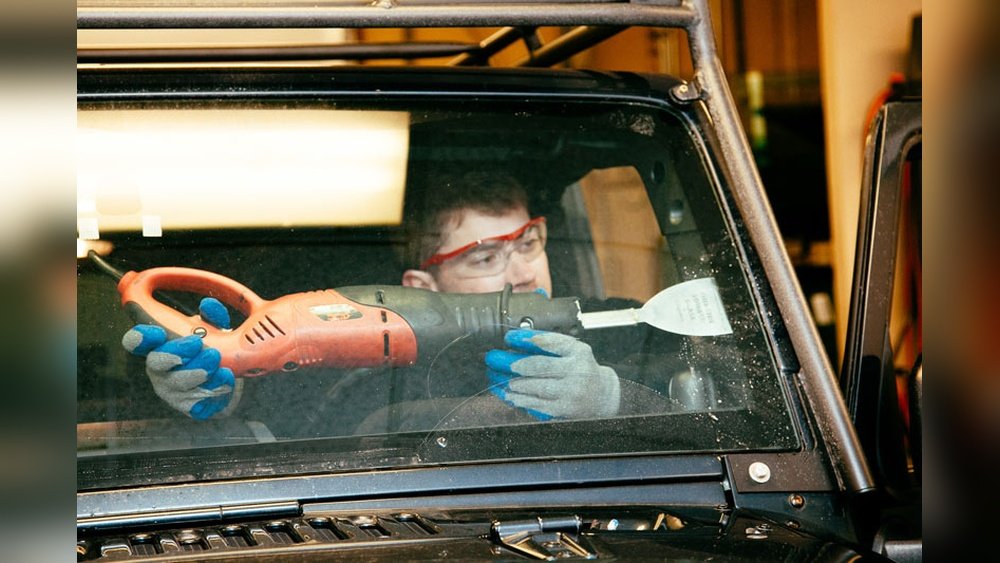
Your car’s glass does more than just keep the wind out—it protects you in ways you might not even realize. But how can you be sure your windshield and windows are safe enough?
A small crack or chip might seem harmless now, but it could turn into a major hazard when you least expect it. If you want to keep yourself and your passengers safe on the road, knowing how to inspect your car glass properly is a must.
You’ll discover simple, effective steps to check your car glass for safety, so you can drive with confidence every time you get behind the wheel. Keep reading to learn how to spot problems early and avoid costly, dangerous surprises.
Signs Of Damaged Car Glass
Damaged car glass can be a serious safety risk. It weakens the structure and can block your view. Detecting problems early helps prevent accidents. Watch for clear signs that show your glass needs attention.
Cracks And Chips
Cracks often start small but grow fast. A tiny chip can turn into a long crack. Even a small crack can reduce glass strength. Check for lines or breaks on the surface. Any crack or chip should be fixed quickly.
Scratches And Pits
Scratches and pits may look harmless. They can blur your vision, especially at night. Dirt and water can collect in scratches. This makes driving more dangerous in bad weather. Inspect your glass closely for rough spots or marks.
Discoloration And Fogging
Discoloration can cause glare and reduce visibility. Fogging inside the glass is a sign of seal failure. It happens when moisture gets trapped between layers. Both issues affect your ability to see clearly. Clean and clear glass keeps you safe on the road.

Credit: www.portlandglass.com
Tools For Glass Inspection
Inspecting car glass properly needs the right tools. These tools help find cracks, chips, and other problems. Using them makes sure the glass stays safe and strong.
Each tool has a special job. Some help see small cracks. Others measure glass thickness. Safety gear protects you during inspection. These tools are easy to use and important for checking car glass.
Flashlight And Magnifying Glass
A flashlight shines light on the glass surface. It helps reveal tiny cracks and scratches. A magnifying glass makes small damage easier to see. Together, they spot problems that are hard to notice with the naked eye.
Glass Thickness Gauge
This tool measures the thickness of car glass. The right thickness keeps the glass strong. Thin or uneven glass may break easily. Using a thickness gauge helps check if the glass meets safety standards.
Safety Gloves And Eye Protection
Wearing safety gloves protects your hands from sharp glass edges. Eye protection guards your eyes from glass shards. These safety items reduce the risk of injury during inspection. Always use them before handling or checking glass.
Step-by-step Inspection Process
Inspecting car glass is important for safe driving. A clear and strong windshield protects you from road debris and bad weather. Follow these simple steps to check your car glass carefully. This helps spot cracks, chips, or other problems early.
Exterior Glass Check
Start by looking at the outside of the glass. Walk around your car and examine all windows and the windshield. Look for cracks, chips, or scratches. Small cracks can grow bigger while driving. Check if the glass is clean. Dirt or grime can hide damage. Shine a light on the glass to see tiny cracks better.
Interior Glass Examination
Next, inspect the glass from inside the car. Sit in the driver’s seat and look closely at the windshield and windows. Watch for any bubbles or fogging inside the glass. These signs mean moisture is trapped and can weaken the glass. Check for any chips or cracks on the inside surface too. Make sure the glass does not have scratches that block your view.
Checking Glass Seals And Frames
Finally, check the seals and frames around the glass. Look for gaps, cracks, or loose rubber seals. Damaged seals let water and air into the car. This can cause foggy glass and rust around the frame. Press gently on the seals to see if they are firm. Replace any seals that look old or broken. A tight seal keeps the glass secure and protects the car interior.

Credit: www.nachi.org
Assessing Glass Safety Standards
Assessing glass safety standards is important for your car’s protection. Car glass must meet strict rules to keep passengers safe. Knowing these standards helps you spot safe glass from unsafe glass. It also guides you in choosing the right replacement glass. This section explains key points about glass safety standards.
Laminated Vs Tempered Glass
Laminated glass has two layers of glass with a plastic layer between. This plastic holds the glass together during a break. It stops sharp pieces from flying. Laminated glass is mainly used for windshields. Tempered glass is heat-treated to be strong and breaks into small pieces. It is used for side and rear windows. Both types protect differently but meet safety needs.
Certification Labels To Look For
Car glass should have certification labels. These show the glass meets safety laws. Look for marks like DOT (Department of Transportation) or ECE (Economic Commission for Europe). These labels prove the glass passed tests. The labels usually appear in a corner of the glass. Avoid glass without proper certification.
Impact Resistance Ratings
Impact resistance ratings tell how strong the glass is. They measure how well glass can handle hits or crashes. Higher ratings mean better protection. Ratings come from tests that simulate real accidents. Check these ratings before buying or replacing glass. Strong glass reduces injury risk in collisions.
Common Glass Repair Techniques
Car glass damage affects safety. Small chips or cracks can worsen quickly. Repairing glass early keeps you safer and saves money. Different techniques fix various types of damage. Knowing these methods helps you decide the best action for your car.
Chip Repair Kits
Chip repair kits fix small chips on car glass. These kits include resin and tools to fill the chip. Resin seals the damage and stops it from growing. Using a kit is simple and cost-effective. Apply resin carefully and let it cure under sunlight or UV light. This method works best for chips smaller than a quarter.
Crack Sealing Methods
Crack sealing repairs longer cracks in the glass. A special resin is injected into the crack. This resin bonds the glass and prevents spreading. The process requires cleaning the crack first. After injection, the resin cures and hardens. Crack sealing is a temporary fix for cracks up to 6 inches long. Larger cracks usually need full replacement.
When To Replace The Glass
Replace the glass if damage is severe. Large cracks or multiple chips weaken the glass structure. Damage near the edges is dangerous and hard to repair. Also, if cracks block the driver’s view, replacement is necessary. Safety laws may require glass replacement for certain damages. Always consult a professional to assess if replacement is needed.
Preventing Future Glass Damage
Preventing future glass damage is key to keeping your car safe. Small cracks or chips can grow and reduce visibility. Proper care helps you avoid costly repairs and keeps your glass strong. Follow these simple tips to protect your car glass every day.
Safe Driving Habits
Drive carefully on rough roads. Avoid sudden stops near construction sites. Keep a safe distance from trucks to reduce rock chips. Slow down on gravel roads to prevent flying debris. These habits lower the chance of glass damage.
Proper Cleaning Techniques
Use soft cloths to clean your car glass. Avoid abrasive materials that cause scratches. Choose mild, non-ammonia cleaners made for car glass. Clean gently to avoid pressure cracks. Regular cleaning keeps the glass clear and safe.
Parking And Storage Tips
Park away from trees and places with heavy foot traffic. Avoid spots under loose branches or near construction. Use a garage or covered area to shield the glass from weather. Proper parking reduces risks from falling objects and extreme conditions.
Professional Inspection And Maintenance
Professional inspection and maintenance ensure your car glass stays safe and strong. Experts can spot hidden damage and fix it properly. This keeps your view clear and your car secure. Trusting skilled technicians helps avoid bigger problems later. Regular checks keep small cracks from growing into serious issues.
When To Seek Expert Help
Call a professional if you see chips, cracks, or scratches. Sudden damage after a stone hit needs quick attention. Also, if your glass wobbles or feels loose, get it checked. Strange noises while driving may signal glass problems. Early expert help prevents accidents and costly repairs.
Choosing A Qualified Technician
Pick a technician with proper training and experience. Check for certifications from recognized auto glass organizations. Read reviews to find trusted service providers. A good technician uses the right tools and quality materials. Clear communication and honest advice show professionalism.
Regular Maintenance Schedule
Set a routine for glass inspection every six months. Clean your glass gently to avoid scratches. Avoid sudden temperature changes that can cause cracks. Replace wipers regularly to prevent damage to the glass. Keep your car in a safe place to reduce risks.
Credit: taylorautoglass.com
Frequently Asked Questions
How Do I Check Car Glass For Cracks Safely?
Inspect your car glass under bright light to spot cracks or chips. Use a magnifying glass for better visibility. Avoid touching damaged areas to prevent injury and further damage. Regular inspections help maintain safety and prevent costly repairs.
What Tools Are Needed To Inspect Car Glass?
A flashlight, magnifying glass, and a clean cloth are essential tools. These help identify chips, cracks, and dirt on the glass surface. Using the right tools ensures a thorough and safe inspection, improving your car’s safety.
How Often Should Car Glass Be Inspected?
Inspect your car glass at least once a month or after any impact. Regular checks help detect damage early, preventing accidents and costly replacements. Consistent inspections keep your vehicle safe and compliant with safety standards.
Can Small Chips In Car Glass Be Repaired?
Yes, small chips can usually be repaired by professionals to prevent cracks. Timely repairs restore glass strength and visibility, saving replacement costs. Ignoring chips may lead to larger cracks and safety hazards.
Conclusion
Checking your car glass often keeps you safe on the road. Small cracks can grow fast and block your view. Clear glass means better vision and fewer accidents. Use good light and a clean cloth to inspect. Fix or replace damaged glass without delay.
A quick check saves money and stress later. Stay alert and protect yourself every time you drive. Safety starts with your car glass. Keep it strong, clear, and secure.
Leave a Reply