
A cracked windshield can be more than just an eyesore—it can put your safety at risk and lead to costly repairs if left untreated. You might be wondering how to protect your car and avoid further damage right now.
The good news is, you don’t have to rush to the shop immediately. You’ll discover simple, effective ways to cover a cracked windshield, keeping it safe until you can get a proper fix. Keep reading, and you’ll learn practical tips that anyone can use to protect their car and save money.
Assessing The Damage
Assessing the damage to your cracked windshield is the first step before any repair. It helps you understand how serious the crack is. This knowledge guides you on whether to fix the crack yourself or seek professional help.
Types Of Cracks
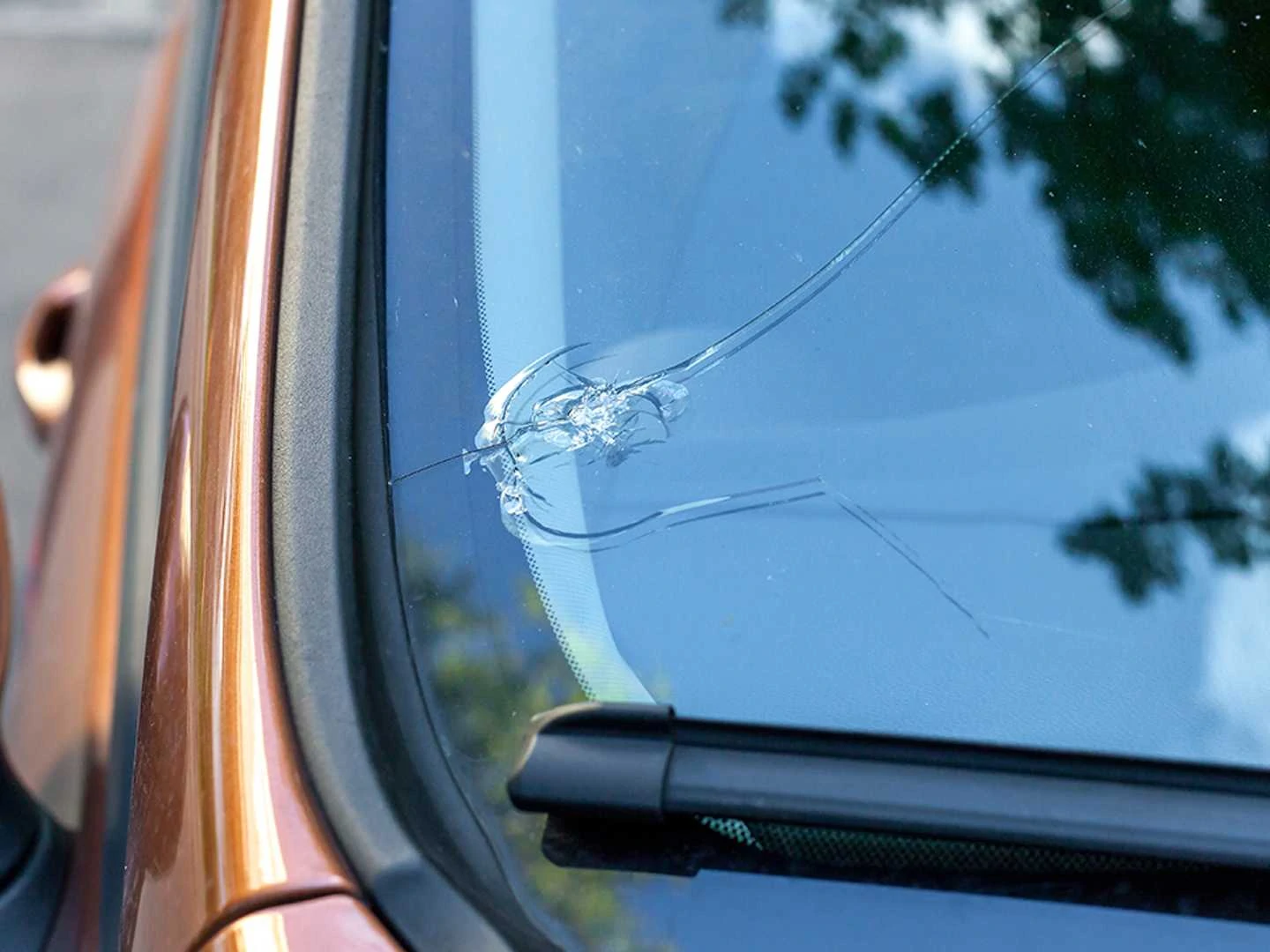
Cracks come in different shapes and forms. Common types include star cracks, bullseye cracks, and long cracks. Star cracks look like small stars with lines spreading out. Bullseye cracks are circular with a dark center. Long cracks stretch across the windshield and can be more dangerous. Identifying the crack type helps decide the best repair method.
Size And Location Matters
The size of the crack is crucial. Small cracks under six inches often get repaired easily. Larger cracks may need a full windshield replacement. The crack’s location affects safety. Cracks near the driver’s line of sight are risky. Cracks at the edge can spread faster due to stress. Knowing these details helps choose the right fix.

Credit: www.amazon.com
Gathering Repair Materials
Before you start fixing a cracked windshield, gather all needed materials. Having the right tools and supplies saves time. It also helps you do the repair correctly. This step is important for a smooth repair process.
Prepare a clean, well-lit workspace. This will make the repair easier and safer.
Essential Tools
Start with basic tools for windshield repair. A repair kit often includes a resin injector, curing strips, and a pedestal. You will also need a razor blade to remove excess resin. Clean cloths or paper towels are useful for wiping the glass. A small drill may help widen the crack if needed. Safety glasses protect your eyes from glass shards.
Choosing The Right Resin
Resin is the key material to fill the crack. Pick a resin designed for windshield repair. It should match your car’s glass type. Clear resin works best to keep visibility clear. Some resins cure under sunlight or UV light. Make sure to read instructions on curing time and method. Using the wrong resin can cause poor results or damage.
Preparing The Windshield
Preparing the windshield is a key step before covering a crack. It helps the patch or tape stick better. A clean and dry surface prevents dirt from causing more damage. Proper preparation ensures the repair lasts longer and works well.
Cleaning The Surface
Start by wiping the cracked area with a soft cloth. Use glass cleaner or soapy water to remove dirt and grease. Avoid harsh chemicals that can damage the glass. Clean gently to avoid making the crack worse. Removing dust and grime helps the cover stick firmly.
Drying And Clearing Debris
After cleaning, dry the windshield with a clean towel or air dry. Make sure no water remains around the crack. Use a small brush or compressed air to clear tiny debris from the crack. Dirt inside the crack can stop the patch from sealing well. A dry, debris-free surface is ready for covering.
Applying The Repair Resin
Applying the repair resin is a key step in fixing a cracked windshield. This resin fills the crack and stops it from growing. It also restores the glass’s strength and clarity. Doing this carefully helps avoid the need for a full windshield replacement.
Step-by-step Application
First, clean the cracked area to remove dirt and dust. Use a dry cloth or air blower. Next, place the repair bridge or injector over the crack. This tool helps push the resin deep inside the crack.
Then, inject the resin slowly into the crack. Avoid rushing. Let the resin fill all tiny gaps completely. After filling, remove the tool carefully.
Use a flat razor blade to spread the resin evenly. This smooths the surface and removes excess resin. Finally, let the resin cure under sunlight or a UV lamp. This hardens the resin and seals the crack.
Avoiding Common Mistakes
Do not apply resin on a wet or dirty windshield. Moisture stops the resin from bonding well. Avoid rushing the injection process. Rushing can trap air bubbles inside.
Never skip curing the resin. Without curing, the repair stays weak. Avoid touching the resin before it hardens. Touching causes uneven repair and weak spots.
Use the correct amount of resin. Too little resin leaves gaps. Too much creates mess and weak spots. Follow the product instructions carefully for best results.
Curing The Repair
Curing the repair is a key step after applying resin to a cracked windshield. It helps the resin harden and fill the crack properly. Proper curing restores the glass strength and prevents the crack from growing.
This process uses light to activate the resin’s hardening chemicals. The resin turns from liquid to solid quickly under the right light. Without proper curing, the repair may fail or look cloudy.
Using Sunlight Or Uv Light
Sunlight works well for curing windshield repairs. Place the car in direct sunlight for about 15 to 30 minutes. The UV rays trigger the resin to harden fast. Avoid shade or cloudy weather, as it slows curing.
UV light lamps are another option. They emit strong UV rays focused on the crack. This method works faster, curing the resin in 5 to 10 minutes. UV lamps are useful when sunlight is not available.
Timing For Best Results
Timing matters for curing. Start curing immediately after applying the resin. Delays can cause air bubbles or weak spots. A fully cured repair is clear and smooth.
Check the resin hardening before driving. It should feel solid to touch. If not, let it cure longer under sunlight or UV light. Proper timing ensures a strong, lasting repair.
Finishing Touches
After applying the resin to your cracked windshield, the last steps are crucial. These finishing touches help make the repair less visible and more durable. Proper handling here ensures a smooth and clear surface.
Removing Excess Resin
Use a razor blade carefully to scrape off extra resin. Hold the blade at a 45-degree angle. Gently slide it across the glass. Avoid pressing too hard to prevent new scratches. Remove all resin that extends beyond the crack edges.
Smoothing The Surface
After removing excess resin, smooth the repaired area. Use fine-grit sandpaper or a polishing pad. Lightly buff the surface in small circles. This step blends the repair with the rest of the glass. Finish with a clean cloth to wipe away dust.
When To Seek Professional Help
Knowing when to seek professional help for a cracked windshield is important. Some cracks are small and can be fixed at home. Others need a specialist to ensure safety and proper repair.
Ignoring severe damage can cause bigger problems. A professional can assess the crack and decide the best solution. This keeps your windshield strong and clear.
Signs The Damage Is Too Severe
Large cracks that spread over six inches need expert care. Cracks near the edges weaken the whole windshield. Damage that blocks your view is dangerous. Multiple cracks or chips show the glass is weak. If the crack changes size or shape quickly, call a professional.
Costs Vs. Diy Benefits
DIY fixes cost less but may not last long. Temporary repairs can hide damage but not fix it fully. Professionals use tools and materials that last longer. They offer warranties for their work. A quality repair may save money over time. Repairing early avoids full windshield replacement costs. Safety is worth the extra cost sometimes.
Credit: caliglassntint.net
Preventing Future Cracks
Preventing future cracks in your windshield helps keep your car safe and saves money. Small cracks can grow fast if you don’t take care of your windshield. Taking simple steps can stop new cracks from forming or old ones from getting worse.
Protecting your windshield is easy with good habits. Drive carefully and check your car often. These actions keep your glass strong and clear.
Safe Driving Tips
Drive at a steady speed to avoid sudden bumps. Keep a safe distance from other cars. Rocks and debris can hit your windshield at high speed. Avoid driving behind trucks or vehicles carrying loose loads. Slow down on rough or gravel roads. Sharp jolts can cause existing cracks to expand. Handle your car smoothly. Quick stops or sharp turns stress the windshield.
Regular Maintenance
Check your windshield regularly for small chips or cracks. Fix tiny damage quickly before it grows. Clean your windshield with soft cloths and mild cleaners. Harsh chemicals can weaken the glass. Avoid extreme temperature changes. Park in shade or garage when possible. Sudden heat or cold can cause glass to crack. Inspect windshield wipers and replace them if worn. Old wipers scratch the glass and create weak spots.

Credit: goodcar.com
Frequently Asked Questions
How To Temporarily Cover A Cracked Windshield?
Use clear tape or a windshield cover to prevent dirt and moisture. This helps avoid further damage until repair. Avoid heavy pressure on the crack while driving.
Can I Drive With A Cracked Windshield?
Small cracks may allow safe driving, but larger cracks compromise visibility and safety. Get your windshield repaired or replaced promptly.
What Materials Are Best For Covering Windshield Cracks?
Clear packing tape or specialized windshield repair kits work well. They seal the crack and keep out debris and moisture temporarily.
How Long Can I Wait To Fix A Cracked Windshield?
Repair as soon as possible to prevent crack spreading. Delaying can increase repair costs and reduce windshield safety.
Conclusion
Covering a cracked windshield protects it from dirt and rain. Acting quickly can stop the crack from growing bigger. Use simple materials like tape or plastic wrap to cover the crack. Check the cover often and replace it if needed.
Remember, this is a short-term fix, not a permanent solution. Visit a professional to repair or replace the windshield soon. Keep your car safe and avoid bigger problems by taking care of cracks early. Small steps make a big difference in car safety.
Leave a Reply