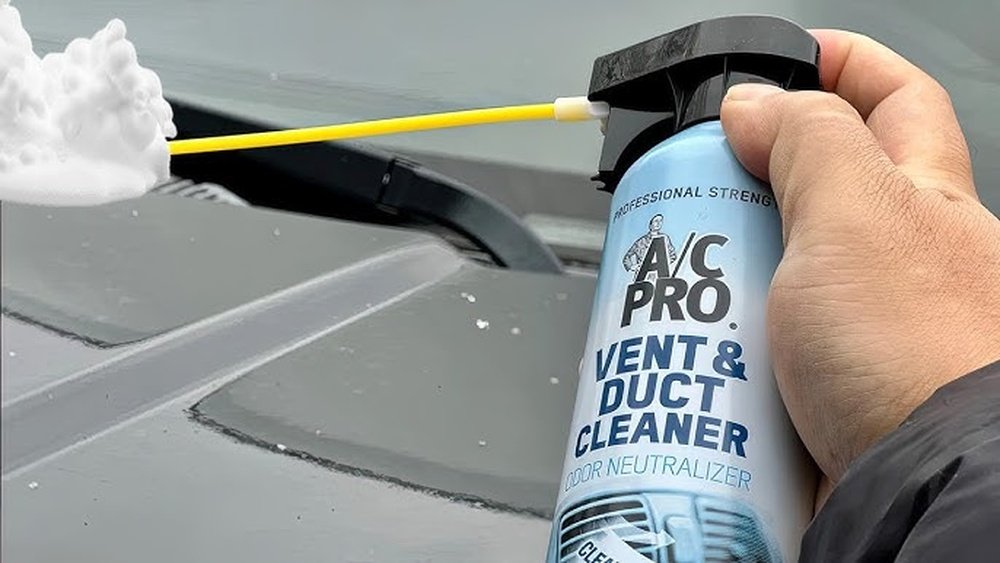
Your windshield vents play a bigger role than you might think. They help keep your car’s air fresh and clear, but when they get clogged with dust and debris, they can stop working properly.
If you’ve noticed weak airflow or unpleasant smells, it’s time to clean those vents. In this guide, you’ll discover simple steps to make your windshield vents spotless and efficient again. Keep reading—you’ll be surprised how easy it is to improve your driving comfort with just a little cleaning.
Tools Needed
Cleaning windshield vents needs the right tools. Using proper tools makes the job easier and faster. It also helps avoid damage to the vents and dashboard. Gathering these tools before starting will save time and effort.
Soft-bristle Brush
A soft-bristle brush helps remove dust and dirt gently. It reaches inside the small vent slats without scratching surfaces. Use a brush with flexible bristles to clean tight spaces well.
Compressed Air Can
Compressed air blows out dust stuck deep inside the vents. It clears areas brushes cannot reach. Hold the can upright and spray short bursts for best results.
Microfiber Cloth
A microfiber cloth wipes away loosened dirt and dust. It traps particles without spreading them around. Use a clean, dry cloth for a streak-free finish.
Vacuum Cleaner With Brush Attachment
A vacuum cleaner removes dirt and dust effectively. Use a brush attachment to avoid scratching. It helps suck out debris after brushing and blowing air.
Mild Cleaning Solution
A mild cleaning solution loosens stubborn grime and sticky residue. Mix water with a small amount of dish soap. Avoid harsh chemicals that can damage vents or dashboard.
Preparing The Car
Preparing your car is an important first step before cleaning the windshield vents. It makes the process easier and more effective. A clean and organized space helps you reach all vent areas without trouble.
Take a few minutes to get ready. This ensures better results and protects your car’s interior.
Gather Basic Cleaning Supplies
Start by collecting simple tools. You will need a soft brush, microfiber cloth, and a vacuum cleaner. A small brush helps remove dust inside vents. The vacuum cleans loose dirt quickly. Use a damp cloth to wipe surfaces gently.
Park The Car In A Well-lit Area
Find a bright spot to park your car. Natural light shows dirt clearly. It also helps you see every vent opening. Proper lighting avoids missing hidden dust and debris.
Turn Off The Engine And Remove Keys
Switch off your car’s engine before cleaning. Remove the keys for safety. This prevents accidental air flow or fan movement. It also stops dust from spreading inside the car.
Open All Car Doors
Open every door to let fresh air in. Good air circulation dries damp surfaces fast. It keeps the car fresh during cleaning. Open doors also give better access to vents.
Accessing The Vents
Accessing the windshield vents is the first step to clean them properly. These vents can collect dust, leaves, and dirt over time. Cleaning the vents helps keep air fresh and clear inside your car.
Finding and reaching the vents may require some patience. Some vents are easy to reach, while others need small tools or careful handling. The right approach depends on your car model.
Locate The Windshield Vents
Start by identifying where your windshield vents are. Usually, they sit at the base of the windshield. Look for small openings or grilles on the dashboard or under the windshield wipers.
Remove Dashboard Panels Carefully
Some vents hide under dashboard panels. Gently pry these panels off using a plastic tool. Avoid using metal tools to prevent scratches or damage. Keep screws and clips safe for reassembly.
Use Basic Tools For Access
A screwdriver, plastic trim tool, or small brush can help reach inside vents. Use these tools carefully to avoid breaking vent fins. Soft brushes help remove dust without damage.
Removing Dust And Debris
Dust and debris can build up inside windshield vents. This buildup blocks airflow and reduces air quality. Cleaning vents regularly helps keep the air fresh and the system working well. Removing dust and debris is the first step in vent cleaning. It prevents clogs and improves your car’s comfort.
Using Compressed Air
Compressed air is a quick way to blow out dust from vents. Use a can of compressed air with a thin nozzle. Aim the nozzle into each vent slot. Short bursts of air push dust and small debris out. Hold the nozzle a few inches away to avoid damage. This method reaches deep inside vents where cloths cannot.
Vacuuming The Vents
A vacuum cleaner with a narrow hose or brush attachment works well. Gently insert the vacuum tool into vent openings. Move it slowly to suck out dust and dirt. Vacuuming removes loose debris without spreading it around. It also helps clean vent edges and nearby areas. Use this method after blowing out dust with compressed air.
Deep Cleaning Techniques
Deep cleaning windshield vents helps keep your car fresh and clear. Dust and dirt build up inside vents over time. This can block airflow and cause bad smells. Using the right techniques makes the cleaning easy and effective. Focus on tools and solutions that reach every corner of the vents.
Cleaning With Brushes
Use small brushes to clean inside the vents. A soft-bristle brush works best to avoid damage. Move the brush gently along the vent slats. This removes dust and loose dirt. Toothbrushes or paintbrushes are good options. For tight spaces, try a foam brush or pipe cleaner. Regular brushing prevents buildup and keeps vents clean.
Using Cleaning Solutions
Cleaning solutions help remove stubborn dirt and grime. Mix mild soap with warm water for a safe option. Dip a cloth or brush in the solution before cleaning. Avoid harsh chemicals that can damage plastic vents. Spray cleaners made for car interiors work well too. Wipe the vents carefully and dry them with a clean cloth. This stops moisture from causing mold or odors.

Credit: www.amazon.com
Drying And Reassembling
Drying and reassembling windshield vents is a key step after cleaning. Wet parts can cause mold or damage inside the vents. Proper drying ensures no moisture stays trapped, keeping vents fresh and working well. Reassembling the vents carefully helps maintain their function and prevents air leaks.
Drying The Windshield Vents
Use a clean towel to wipe off excess water from each vent part. Let the parts air dry in a dry, warm place for at least a few hours. Avoid direct sunlight to prevent warping or cracking of plastic parts. Make sure all small crevices are dry before assembly.
Reassembling The Vents
Start by matching each vent piece to its original position. Snap or screw the parts back together gently but firmly. Check that the vents open and close smoothly without resistance. Tighten screws evenly to avoid bending or breaking the vents.
Final Check For Proper Function
Test the vents by turning on your car’s air system. Confirm air flows freely through the vents. Listen for unusual noises that might mean parts are loose. Adjust any parts that feel out of place or stiff.
Maintenance Tips
Keeping windshield vents clean helps air flow well and stops dust build-up. Regular care prevents blockages and bad smells. Follow easy steps to keep vents fresh and working right.
Simple habits make cleaning easier and save time later. Small efforts protect your car’s air system and improve air quality inside.
Use A Soft Brush For Dust
Brush vents gently with a soft brush. This removes loose dust without damage. Use a small paintbrush or a makeup brush for best results. Brush all vent slats carefully.
Vacuum To Remove Debris
Use a vacuum cleaner with a nozzle to suck out dirt. Vacuuming pulls out dirt trapped deep inside vents. It stops dust from spreading inside your car.
Clean With A Damp Cloth
Wipe vents with a damp cloth to remove sticky residue. Avoid soaking vents with too much water. A lightly dampened cloth cleans well and dries fast.
Use Compressed Air For Tight Spots
Blow compressed air into vents to clear hard-to-reach areas. It removes dust stuck in corners and crevices. Use short bursts to avoid damage.
Check Vents Regularly
Look at vents often for dust or blockages. Regular checks help catch dirt early. Clean vents before dust builds up heavily.

Credit: www.gilgharda.com

Credit: www.wikihow.com
Frequently Asked Questions
How Often Should I Clean Windshield Vents?
Cleaning windshield vents every 3-6 months is ideal. Regular cleaning prevents dust buildup and ensures proper airflow. It also helps maintain clear visibility and a fresh interior.
What Tools Are Best For Cleaning Windshield Vents?
Use a soft brush, microfiber cloth, and compressed air. These tools effectively remove dust and debris without damaging vent surfaces. Avoid harsh chemicals to protect vent material.
Can Clogged Vents Affect Car Air Quality?
Yes, clogged vents reduce airflow and trap pollutants. This lowers air quality inside the vehicle and can cause unpleasant odors. Regular cleaning keeps air fresh and healthy.
Is It Safe To Use Household Cleaners On Vents?
Avoid harsh household cleaners as they may damage vents. Use mild soap and water or specialized car interior cleaners. Always test on a small area first.
Conclusion
Cleaning windshield vents keeps your car fresh and safe. Dust and debris block airflow and cause bad smells. Use simple tools like a vacuum and brush to clean well. Regular cleaning prevents damage and improves air quality inside. Make it a habit every few months for best results.
Clear vents help your defroster work faster too. A little effort goes a long way in car care. Try these easy steps and enjoy a cleaner drive.
Leave a Reply