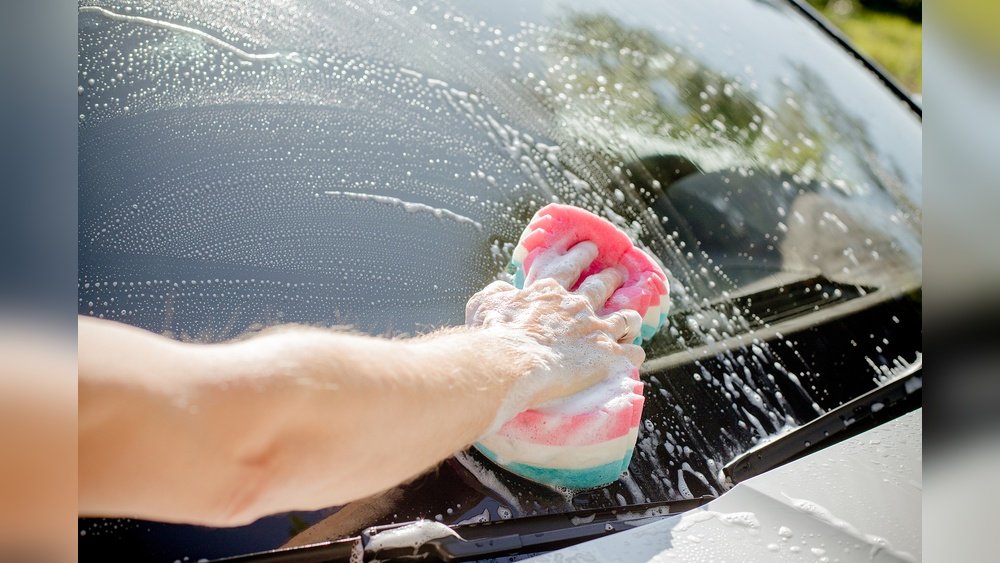
Are your car windows streaky, cloudy, or just not as clear as you want them to be? You might think you need expensive cleaners or special tools, but the solution is simpler than you imagine.
With just white vinegar, a common household item, you can make your car windows shine like new. You’ll discover easy steps to clean your car windows quickly and effectively. Keep reading, and you’ll learn how to get crystal-clear windows that improve your driving safety and your car’s look—all without breaking the bank.
Benefits Of Using White Vinegar
White vinegar is a popular choice for cleaning car windows. It offers many benefits that make it ideal for this task. Using white vinegar helps achieve a clear, streak-free shine.
This natural cleaner removes dirt and grime effectively. It also protects your car surfaces without harsh chemicals.
Natural Cleaning Agent
White vinegar is made from natural ingredients. It contains acetic acid that breaks down dirt and grease. This makes it very effective for cleaning glass. It does not contain harmful chemicals that can damage your car windows.
Cost-effective Solution
White vinegar is inexpensive and easy to find. A small bottle can last for many cleaning sessions. Using vinegar saves money compared to buying special car cleaning products. It is a budget-friendly option for regular car care.
Safe For Car Surfaces
White vinegar is gentle on car paint and trims. It does not cause scratches or dull surfaces. It cleans without leaving residue or streaks behind. This makes it safe to use on windows and mirrors. Your car stays clean and protected.
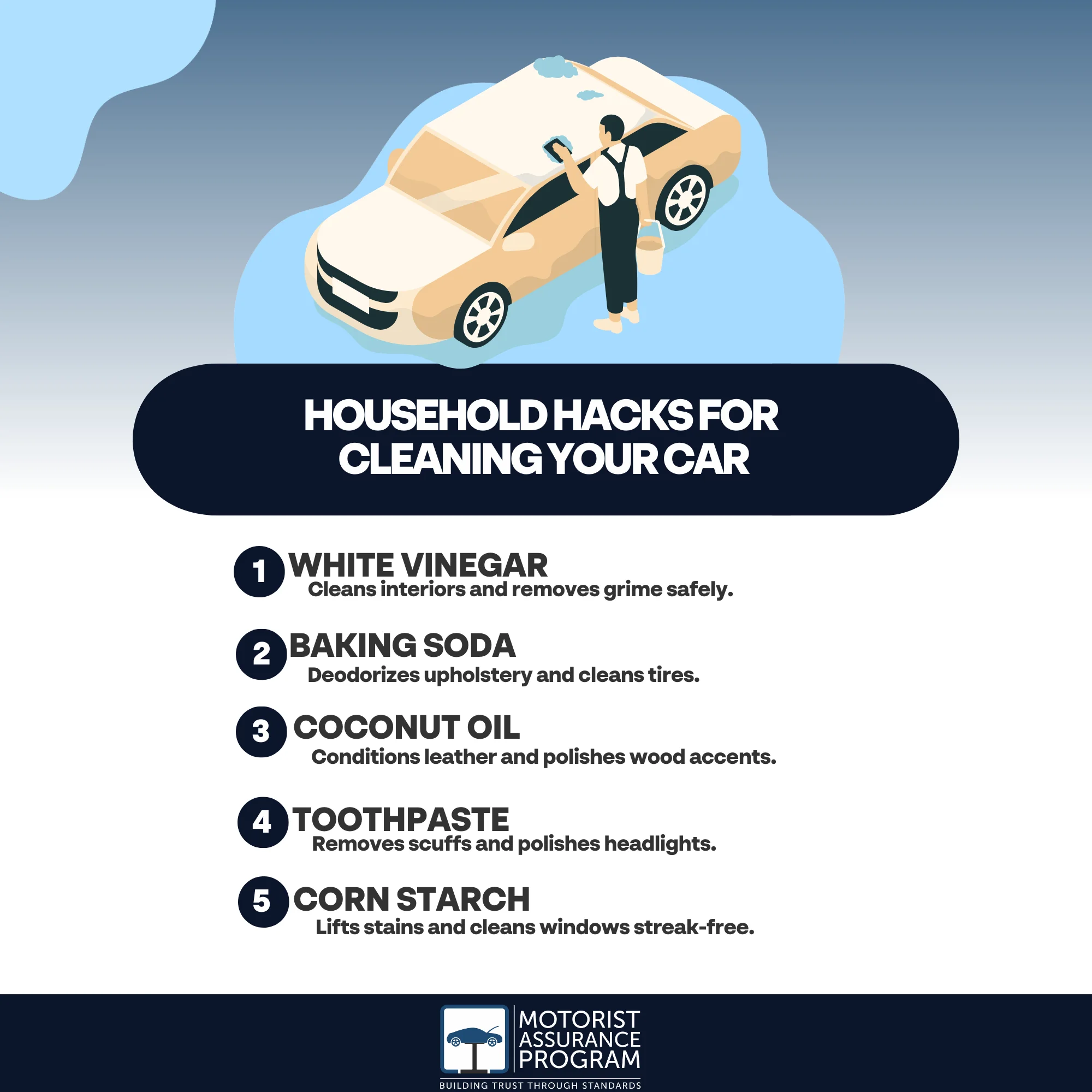
Credit: motorist.org
Materials Needed
Start with white vinegar, water, and a spray bottle for easy cleaning. Grab a microfiber cloth to wipe the windows without streaks. Having paper towels handy helps with quick drying and polishing.
White Vinegar
White vinegar is the main ingredient for cleaning car windows. It cuts through dirt and grime well. It is safe and natural, making it a great choice for cleaning glass.
Water
Water dilutes the vinegar to avoid strong smells and damage. Use clean, room temperature water. Mixing vinegar and water creates an effective cleaning solution.
Spray Bottle
A spray bottle helps apply the cleaning solution evenly. It makes the process faster and less messy. Choose a bottle that sprays a fine mist for best results.
Microfiber Cloths
Microfiber cloths are soft and absorbent. They clean without scratching the glass. Use one cloth for wiping and another for drying to avoid streaks.
Optional Tools
For tough stains, a soft-bristle brush can help. Newspaper can also be used for polishing the glass. Gloves protect your hands from vinegar’s acidity.
Preparing The Cleaning Solution
Preparing the cleaning solution is the first step to clear, streak-free car windows. White vinegar works well because it cuts through dirt and grime. Mixing it correctly ensures your windows get cleaned without damage. The right ratio and safe mixing help you get the best results every time.
Choosing The Right Vinegar-water Ratio
Use a simple mix of white vinegar and water. The most common ratio is one part vinegar to two parts water. This ratio cleans well without leaving a strong smell. For tougher stains, use equal parts vinegar and water. Avoid using pure vinegar, which can be too harsh for glass.
Adjust the ratio based on your window condition. More water for light dirt, more vinegar for heavy grime. Always start with a small amount to test on your car window.
Mixing The Solution Safely
Use a clean spray bottle for mixing the solution. Pour vinegar and water slowly to avoid spills. Shake the bottle gently to mix the liquids. Keep the bottle out of direct sunlight to preserve the solution.
Label the bottle clearly to prevent confusion. Store it in a cool, dry place. Always wear gloves if you have sensitive skin. Avoid mixing vinegar with other cleaning chemicals to prevent harmful fumes.
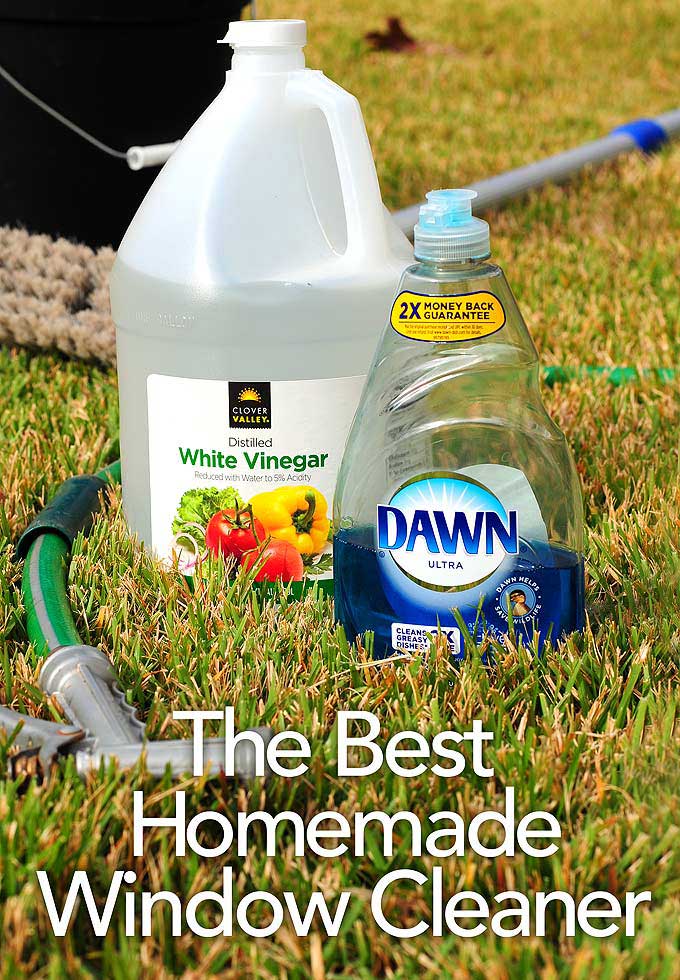
Credit: shewearsmanyhats.com
Step-by-step Cleaning Process
Cleaning car windows with white vinegar is simple and effective. Follow these clear steps for shiny, streak-free glass. This guide shows how to clean your windows using only vinegar and a few tools. Each step is easy and fast.
Removing Loose Dirt And Dust
Start by removing loose dirt and dust from the windows. Use a soft brush or dry cloth. Gently wipe the glass surface to avoid scratching. This step prevents dirt from spreading when you apply the vinegar.
Applying The Vinegar Solution
Mix equal parts white vinegar and water in a spray bottle. Spray the solution evenly on the window. Cover all areas but avoid soaking the edges. Vinegar breaks down grime and leaves glass clear.
Wiping And Polishing Windows
Use a clean microfiber cloth to wipe the window in circular motions. Focus on spots with stubborn dirt. For best results, polish the glass with a dry cloth. This removes any remaining vinegar and dirt.
Drying Tips To Avoid Streaks
Dry the windows immediately after cleaning to prevent streaks. Use a fresh, dry microfiber cloth. Wipe the glass in a vertical or horizontal pattern. Let the windows air dry if needed, but avoid direct sunlight.
Dealing With Tough Stains
Tough stains on car windows need special care. White vinegar is a natural cleaner that helps break down stubborn marks. It works well without harsh chemicals. Use it carefully for best results.
Removing Bug Residue
Bug residue can stick hard to windows. Spray white vinegar on the spots. Let it sit for a few minutes. Then wipe gently with a soft cloth. The vinegar softens the residue, making it easier to remove. Repeat if needed for tough bugs.
Handling Water Spots
Water spots leave white marks on glass. Dab white vinegar on the spots using a spray bottle. Wait a few minutes to let the vinegar work. Wipe the area with a clean microfiber cloth. This removes mineral deposits and restores clarity.
Cleaning Interior Windows
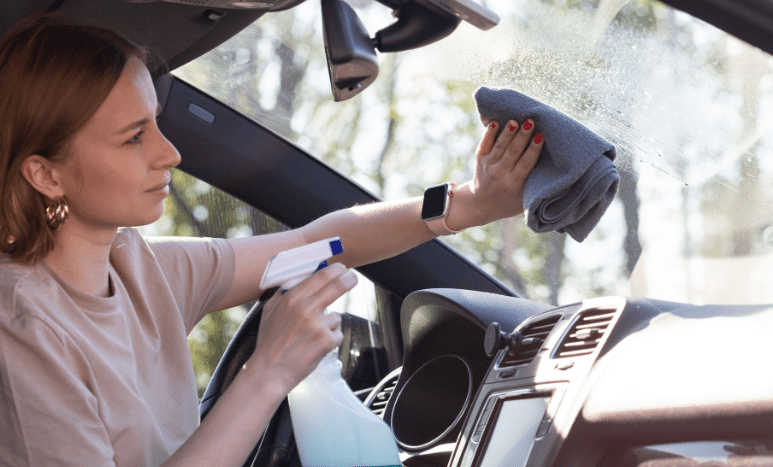
Interior windows get foggy and dirty over time. Mix equal parts white vinegar and water in a spray bottle. Spray lightly on the inside glass. Wipe with a clean cloth in circular motions. This cleans fingerprints and dust without streaks.
Precautions And Tips
Cleaning car windows with white vinegar is easy and effective. Still, taking some precautions helps protect your vehicle and ensures the best results. These tips keep your windows spotless without causing damage. Follow these simple steps for a safe and successful cleaning process.
Avoiding Damage To Window Tint
White vinegar is acidic and can harm window tint films. Avoid applying vinegar directly on tinted areas. Use a soft cloth with diluted vinegar solution instead. Test the solution on a hidden spot before cleaning the whole window. This prevents peeling or discoloration of the tint.
Testing On Small Areas First
Always test white vinegar on a small area first. This shows how your car’s glass reacts. Spray a little vinegar on the corner of the window. Wait a few minutes and check for any damage or streaks. Testing helps avoid surprises and protects your car’s surface.
Best Time To Clean Windows
Choose a cool, shady spot to clean your windows. Avoid direct sunlight because it dries vinegar too fast. Fast drying can leave streaks or spots on glass. Early morning or late afternoon works best. Cleaning at these times gives you clear, streak-free windows.
Maintaining Clean Car Windows
Keeping car windows clean is important for clear vision and safety. Dirt, dust, and water spots can build up fast. White vinegar is a natural cleaner that helps remove grime without harsh chemicals. Regular care keeps windows sparkling and easy to clean.
Regular Cleaning Schedule
Set a routine to clean your car windows. Aim for once every two weeks. This stops dirt from sticking too much. Use a mix of white vinegar and water for best results. Wipe with a soft cloth or newspaper for a streak-free shine. Don’t forget to clean inside windows too. Regular cleaning keeps glass clear and safe to drive.
Additional Products To Enhance Shine
After cleaning with vinegar, use a glass polish or a commercial window cleaner. These products add extra shine and protection. A microfiber cloth works well to buff windows after cleaning. Avoid harsh chemicals that can damage tint or glass. Small steps like this keep your windows bright and clear longer.
Credit: evercareprotection.com
Frequently Asked Questions
Can White Vinegar Damage Car Window Tint?
No, white vinegar is safe for most window tints. Use a diluted solution to avoid damage. Test a small area first to ensure compatibility with your tint type.
How To Mix White Vinegar For Cleaning Windows?
Mix equal parts white vinegar and water in a spray bottle. This solution effectively removes dirt and grime without harming the glass.
Can I Use White Vinegar For Interior Car Windows?
Yes, white vinegar cleans interior windows safely. It removes smudges and film, leaving glass clear and streak-free.
How Often Should I Clean Car Windows With Vinegar?
Clean your car windows with vinegar every two weeks. Regular cleaning prevents buildup and improves visibility while driving.
Conclusion
Cleaning car windows with white vinegar is simple and effective. It removes dirt and leaves windows clear. Use a soft cloth to avoid scratches. Vinegar is safe and affordable for regular use. Try this method for a streak-free shine every time.
Keep your car windows clean easily and quickly. A small effort brings big results. Give it a try and see the difference yourself. Clean windows improve your driving view and car’s look. White vinegar works well and saves money too.
Leave a Reply