Are your car windows looking foggy, streaky, or just plain dirty? You might think cleaning them requires expensive products or special tools.
But what if you could get crystal-clear windows using simple ingredients you already have at home? Vinegar and baking soda are powerful, natural cleaners that can make your car windows shine like new. You’ll discover step-by-step how to use these easy items to get spotless, streak-free glass every time.
Say goodbye to smudges and hello to a clearer view on the road—keep reading to learn how!
Why Choose Vinegar And Baking Soda
Choosing vinegar and baking soda for cleaning car windows is smart and simple. These two common ingredients work well together to remove dirt and grime. They provide a clear, streak-free shine without harsh chemicals. Many people prefer these natural cleaners for their safety and effectiveness.
Natural Cleaning Benefits
Vinegar is acidic, helping to break down grease and grime. Baking soda acts as a gentle scrub, lifting dirt without scratching glass. Together, they clean thoroughly while being gentle on surfaces. These natural ingredients do not leave harmful residues behind.
Cost-effective Solution
Vinegar and baking soda cost very little. A small amount cleans many windows. This makes them affordable for regular use. No need to buy expensive, special cleaners. Save money and get great results with common household items.
Eco-friendly Impact
Both vinegar and baking soda are safe for the environment. They do not pollute water or soil. Using them reduces the need for chemical cleaners that harm nature. This choice helps protect the planet while keeping your car clean.
Essential Supplies Needed
Cleaning car windows with vinegar and baking soda is simple and effective. Having the right supplies makes the process smooth. Gather all essential items before starting. This saves time and avoids interruptions.
Each supply plays a key role in cleaning. Choosing the correct type of vinegar and baking soda ensures the best results. Other tools help apply and wipe the solution easily. Below are details about each needed supply.
Types Of Vinegar To Use
White distilled vinegar is best for cleaning car windows. It is clear and does not leave stains. Apple cider vinegar has color and may leave marks. Avoid using any flavored or colored vinegars. The acidity in white vinegar helps remove dirt and grime quickly.
Choosing The Right Baking Soda
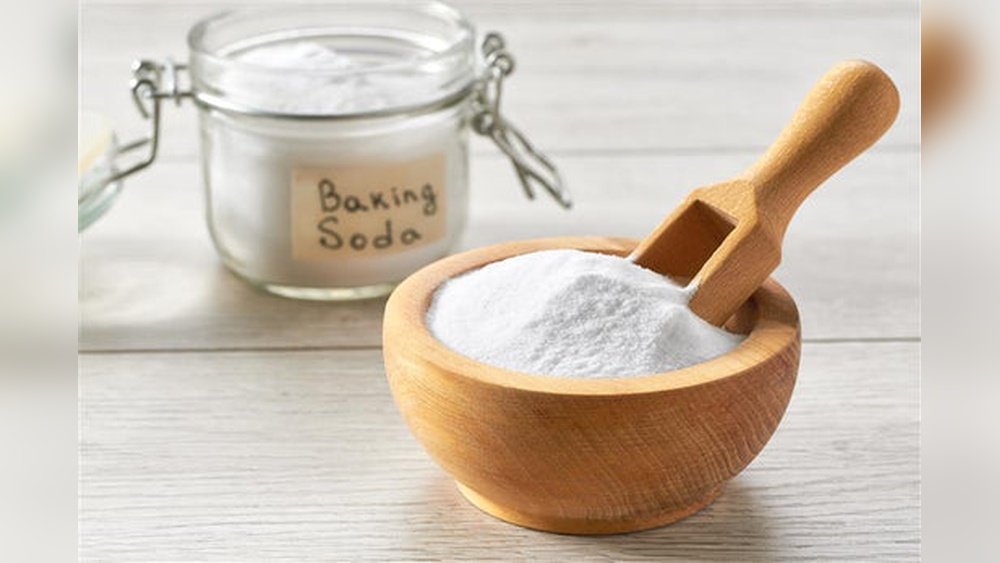
Use pure baking soda without added scents or chemicals. Baking soda softens grime and boosts vinegar’s cleaning power. Avoid baking powders or mixes with other ingredients. Regular baking soda is easy to find and safe for glass surfaces.
Additional Tools For Cleaning
Prepare a spray bottle to hold the vinegar solution. Use a soft microfiber cloth to wipe the glass without scratching. A small brush or sponge helps apply baking soda paste. Paper towels are useful for drying and polishing the windows.
Preparing The Cleaning Mixture
Preparing the cleaning mixture is the first step to sparkling car windows. Mixing the right ingredients in the correct way helps clean effectively. This section explains how to prepare the mixture using vinegar, water, and baking soda. Follow these simple steps for the best cleaning results.
Correct Vinegar To Water Ratio
Use one part white vinegar to two parts water. This ratio is strong enough to cut through dirt. At the same time, it is gentle enough not to harm the glass. Always measure carefully to keep the mixture balanced.
How To Add Baking Soda Safely
Start by adding a small amount of baking soda, about one teaspoon per cup of liquid. Add it slowly to avoid fizzing over. Baking soda helps remove grime and stains without scratching the glass. Stir gently to mix it well.
Mixing Tips For Best Results
Use a clean spray bottle or bowl for mixing. Pour water and vinegar first, then add baking soda. Stir the mixture slowly to avoid bubbles. Shake the spray bottle gently before each use. This keeps the ingredients well blended and ready to clean.
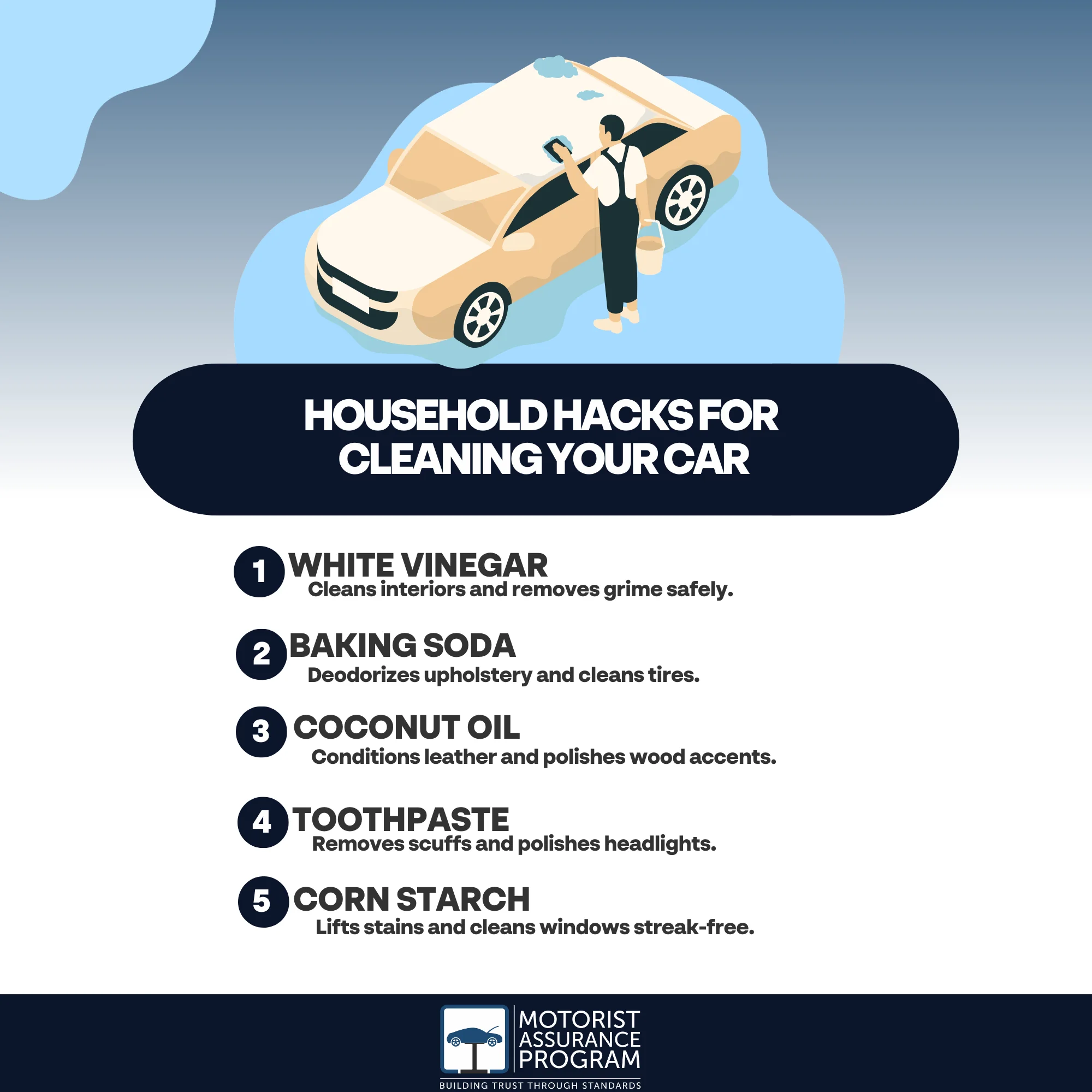
Credit: motorist.org
Step-by-step Window Cleaning Process
Cleaning car windows with vinegar and baking soda is simple. Follow this step-by-step process to get clear, streak-free windows. Each step ensures the dirt and grime are removed without harming the glass or car paint.
Initial Window Inspection
Check the windows for heavy dirt, bird droppings, or sticky spots. Note any areas with grease or bugs. This helps decide where to apply more cleaning effort. Inspect both inside and outside surfaces.
Applying The Cleaning Solution
Mix equal parts vinegar and water in a spray bottle. Sprinkle baking soda gently on the glass surface. Spray the vinegar solution over the baking soda. The mix will fizz and lift dirt from the glass.
Scrubbing And Wiping Techniques
Use a soft cloth or sponge to scrub the windows in small circles. Focus on stained or foggy spots. Avoid hard scrubbing to prevent scratches. Wipe the glass with a clean, damp cloth to remove residue.
Rinsing And Drying
Rinse the windows with plain water to clear any leftover solution. Use a microfiber cloth to dry the glass thoroughly. Drying prevents streaks and water spots. Repeat if any spots remain for a perfect finish.
Tips For Stubborn Stains And Smudges
Stubborn stains and smudges on car windows need special care. Simple cleaning may not remove tough dirt or marks. Vinegar and baking soda can work well with the right method. Use these tips to get clear, spotless windows faster.
Using Baking Soda Paste
Make a thick paste with baking soda and water. Apply the paste directly to the stained areas. Let it sit for 5 to 10 minutes. Gently scrub with a soft cloth or sponge. Rinse with clean water to remove all residue. This method helps break down tough grime without harsh chemicals.
Extra Vinegar Applications
Spray undiluted vinegar on tough smudges for stronger cleaning. Let it sit for a few minutes to dissolve dirt. Wipe off with a clean microfiber cloth using small circles. Repeat this process if stains remain after the first try. Vinegar’s acidity cuts through grease and fingerprints well.
Avoiding Scratches
Use only soft cloths or sponges to clean windows. Avoid rough materials like paper towels or brushes. Do not scrub too hard to protect the glass surface. Rinse windows thoroughly before wiping to remove loose dirt. This prevents tiny scratches that harm window clarity.
Maintaining Sparkling Windows
Keeping car windows clear and shiny improves your driving safety and car’s look. Dirt, dust, and smudges build up fast. Using vinegar and baking soda helps clean windows deeply. But maintaining that sparkle needs regular care and smart habits. Follow simple steps to keep your windows bright and clear for longer.
Regular Cleaning Schedule
Clean your car windows every two weeks. This stops dirt from sticking and becoming hard to remove. Use a mix of vinegar and water to spray on windows. Sprinkle baking soda on tough spots, then scrub gently. Wipe with a soft cloth until dry. A regular schedule keeps windows fresh and easy to clean.
Protecting Windows From Future Dirt
Keep windows cleaner by parking in shaded or covered places. Avoid touching windows with dirty hands. Use a microfiber cloth to wipe off dust before it builds up. Applying a small amount of vinegar solution after cleaning leaves a thin protective layer. This helps slow down dirt and grime.
Quick Touch-up Methods
For quick clean-ups, mix vinegar and water in a spray bottle. Spray lightly on windows and wipe with a clean cloth. Use a damp sponge with a pinch of baking soda to remove sudden spots. These fast touch-ups keep windows looking good between full cleanings.
Common Mistakes To Avoid
Cleaning car windows with vinegar and baking soda works well. Still, some common mistakes can spoil the job. Avoid these errors to get clear, streak-free windows every time.
These tips help you use the right amount, choose the best time, and clean every part of the window.
Using Too Much Baking Soda
Using too much baking soda makes the mix gritty and hard to rinse. It can leave white marks on your glass. Always use a small amount to avoid scratches and residue. A little baking soda goes a long way.
Cleaning In Direct Sunlight
Cleaning windows under direct sunlight causes the solution to dry too fast. This leads to streaks and spots on the glass. Pick a cool, shaded spot to clean your car windows. This slows drying and helps a spotless finish.
Ignoring Window Frames
Many forget to clean window frames and edges. Dirt and grime build up here and affect window clarity. Use a small brush or cloth to clean frames well. This keeps the entire window area fresh and clean.

Credit: www.onegoodthingbyjillee.com

Credit: www.folsomlakehonda.com
Frequently Asked Questions
Can Vinegar And Baking Soda Damage Car Windows?
No, vinegar and baking soda are safe for car windows when used correctly. They effectively remove dirt and grime without scratching glass.
How Do I Mix Vinegar And Baking Soda For Cleaning?
Mix equal parts of white vinegar and water in a spray bottle. Add a small amount of baking soda for scrubbing power.
Is Vinegar Better Than Commercial Car Window Cleaners?
Vinegar is a natural, cost-effective alternative to commercial cleaners. It removes streaks and residue without harsh chemicals.
Can Baking Soda Remove Tough Stains On Car Windows?
Yes, baking soda acts as a mild abrasive. It helps eliminate stubborn spots and bird droppings without damaging the glass.
Conclusion
Cleaning car windows with vinegar and baking soda is simple and effective. These common ingredients remove dirt and streaks without harsh chemicals. Just mix, apply, and wipe for clear, shiny glass. This method saves money and helps the environment. Try it regularly to keep windows spotless and safe while driving.
A clean window means better visibility and a nicer car. Give this easy cleaning trick a go today. You’ll see the difference right away.
Leave a Reply