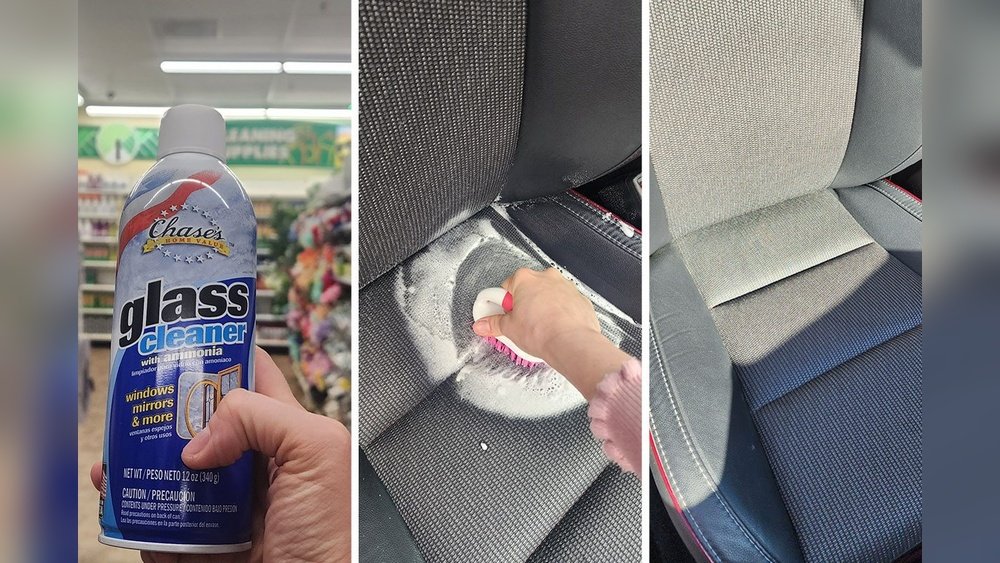
Are your car seats looking dull, stained, or just plain dirty? You might not realize it, but the solution to bringing them back to life could be sitting in your cleaning cabinet right now—glass cleaner.
Yes, that simple spray you use on your windows can work wonders on your car seats too. If you want a quick, easy, and affordable way to refresh your car’s interior without harsh chemicals or expensive products, keep reading. In this guide, you’ll discover step-by-step how to clean your car seats with glass cleaner and get that fresh, spotless look you’ve been craving.
Ready to see your car seats shine again? Let’s dive in!
Choosing The Right Glass Cleaner
Choosing the right glass cleaner is key to cleaning car seats effectively. Not all glass cleaners work well on fabric or leather. Some can cause damage or leave stains. Picking a safe and suitable cleaner protects your car’s interior. It also makes cleaning easier and faster.
Types Suitable For Car Seats
Look for glass cleaners labeled as safe for fabrics or leather. Water-based cleaners usually work well. They clean dirt without harsh chemicals. Avoid cleaners with ammonia. Ammonia can bleach or damage seat material. A mild cleaner with natural ingredients often suits car seats best.
Avoiding Harmful Ingredients
Check the ingredients list before buying. Avoid glass cleaners with ammonia, bleach, or strong acids. These can harm fabric, leather, or stitching. Harsh chemicals may cause discoloration or weaken the seat material. Choose cleaners with gentle, non-toxic ingredients. This keeps your car seats safe and clean without damage.

Credit: www.youtube.com
Preparing Your Car Seats
Preparing your car seats is the first step to a deep, effective clean. Taking time to get them ready helps the glass cleaner work better. Clean seats mean a fresher, more comfortable ride. Follow simple steps to prepare your seats before applying any cleaner. This ensures the best results and protects your seat fabric.
Vacuuming Loose Dirt
Start by vacuuming your car seats thoroughly. Remove loose dirt, crumbs, and dust from the surface. Use a brush attachment to reach tight spots and seams. This step stops dirt from spreading when you clean. A clean base makes the glass cleaner more effective. Take your time and cover every inch of the seat.
Spot Testing The Cleaner
Test the glass cleaner on a small, hidden area first. This check prevents damage or discoloration to your seats. Apply a little cleaner and wait a few minutes. Look for any changes in color or texture. If the seat shows no reaction, the cleaner is safe. This simple test protects your car’s interior from harm.
Step-by-step Cleaning Process
Cleaning car seats with glass cleaner is simple and effective. Follow this step-by-step process to get your seats fresh and spotless. Each step helps remove dirt, stains, and grime without harming the fabric or leather.
Applying The Glass Cleaner
Start by spraying a small amount of glass cleaner directly on the seat. Focus on stained or dirty areas only. Avoid soaking the fabric to prevent damage. Let the cleaner sit for a minute to loosen dirt.
Scrubbing Techniques
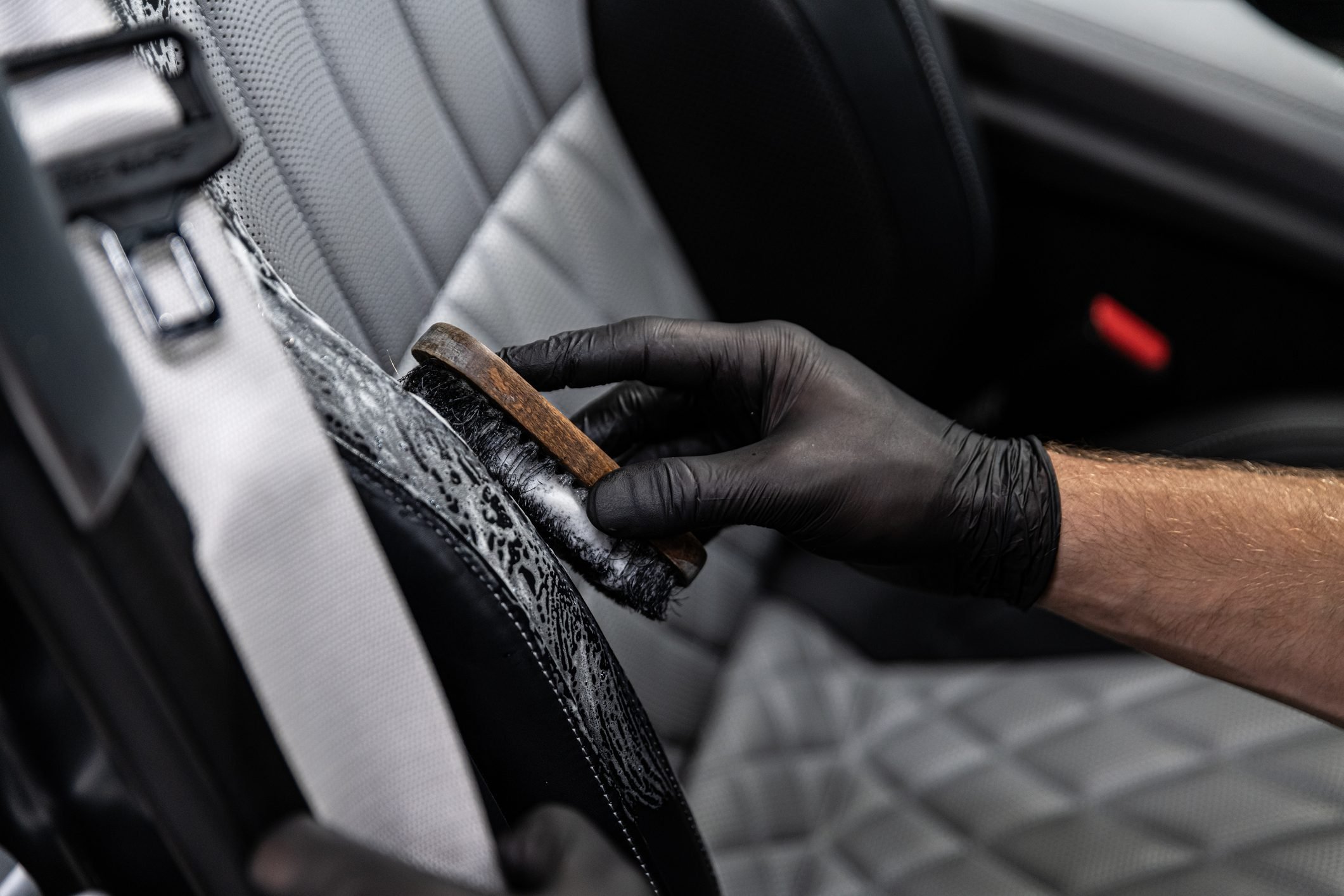
Use a soft brush or cloth to scrub the seat gently. Work in small circular motions to lift stains. Avoid scrubbing too hard to protect the material. For tough spots, apply a bit more cleaner and scrub again.
Wiping And Drying
Take a clean, dry cloth and wipe off the cleaner from the seat. Make sure to remove all residue to avoid sticky spots. Allow the seat to air dry completely before using the car. This helps prevent any new dirt from sticking.
Tips For Different Seat Materials
Different car seat materials need different care when cleaning with glass cleaner. Each type reacts uniquely to cleaning products. Using the right method keeps your seats safe and fresh. Follow these tips for fabric, leather, and vinyl seats.
Fabric Seats
Test glass cleaner on a small, hidden spot first. Spray lightly to avoid soaking the fabric. Use a soft brush or cloth to gently scrub stains. Blot the area with a clean towel to remove moisture. Let the seat air dry fully to prevent mildew.
Leather Seats
Use glass cleaner sparingly on leather seats. Avoid spraying directly on the surface. Apply cleaner to a soft cloth and wipe gently. Do not scrub hard to prevent damage. Finish by applying a leather conditioner for softness and protection.
Vinyl Seats
Vinyl seats handle glass cleaner well but avoid excess liquid. Spray cleaner on a cloth first, then wipe seats evenly. Use a soft brush for stubborn spots. Dry the seat with a clean towel to avoid streaks. Vinyl stays smooth and shiny with proper care.
Preventing Future Stains
Preventing future stains on car seats saves time and effort. Clean seats look fresh and keep your car nice. Small habits protect your seats from dirt and spills. These tips help your seats stay clean longer.
Using Seat Covers
Seat covers protect fabric from spills and stains. They are easy to remove and wash. Choose covers that fit well and match your car’s style. Covers stop dirt from reaching the seat material. Using covers is a simple way to keep seats clean.
Regular Maintenance
Clean seats often to avoid stain build-up. Wipe spills immediately with a clean cloth. Vacuum seats weekly to remove dust and crumbs. Use mild cleaners to keep fabric fresh. Small efforts prevent tough stains and keep seats looking new.
Credit: www.familyhandyman.com
Common Mistakes To Avoid
Cleaning car seats with glass cleaner might sound easy. Still, many make mistakes that harm the seats or leave stains. Avoiding these errors saves time and keeps seats looking fresh. Here are common mistakes to watch out for.
Using Too Much Glass Cleaner
Applying a large amount of glass cleaner can soak the seat. This leads to dampness and bad odors. Spray a small amount on a cloth instead. Wipe gently for best results.
Cleaning Without Testing First
Not testing the cleaner on a small seat area causes surprises. Some seats react badly to glass cleaner. Test on a hidden spot to check for color or fabric damage.
Scrubbing Too Hard
Rubbing the seat roughly can wear out the fabric. Use soft, circular motions with a clean cloth. This protects the seat and removes dirt effectively.
Ignoring Seat Material Type
Different materials need different care. Glass cleaner works best on vinyl or leather. Avoid using it on cloth seats, which may stain or get damaged.
Not Drying The Seat Properly
Leaving the seat wet invites mold and mildew. After cleaning, dry the seat quickly with a dry cloth. Keep car doors open if possible to air out moisture.

Credit: cprcleaningproducts.com
Frequently Asked Questions
Can Glass Cleaner Damage Car Seat Fabric?
Glass cleaner is generally safe for synthetic fabrics but may harm leather or suede. Always test on a small, hidden area first to avoid discoloration or damage.
How Do You Use Glass Cleaner On Car Seats?
Spray a small amount of glass cleaner on a microfiber cloth. Gently wipe the car seat in circular motions. Avoid soaking the fabric to prevent damage.
Is Glass Cleaner Effective On Car Seat Stains?
Glass cleaner can remove light stains and grime on car seats. For tough stains, specialized upholstery cleaners are more effective and safer for the material.
Can Glass Cleaner Be Used On Leather Car Seats?
It is not recommended to use glass cleaner on leather seats. Leather requires specific cleaners and conditioners to maintain softness and prevent cracking.
Conclusion
Cleaning car seats with glass cleaner works well for many stains. It removes dirt and grime without harsh chemicals. Always test a small area first to avoid damage. Use a soft cloth and gentle rubbing for best results. Let seats dry fully before using the car again.
This simple method saves time and money. Keep your car interior fresh and clean with this easy tip. Try it today and see the difference yourself.
Leave a Reply