Have you ever wondered how long a replaced windshield will actually last? Whether you’ve just had yours fixed or are thinking about it, knowing what to expect can save you stress and money.
Your windshield isn’t just glass—it’s a key part of your car’s safety. You’ll discover the factors that affect your new windshield’s lifespan and how to keep it in top shape. Keep reading to find out exactly what you need to know to protect yourself and your vehicle for the road ahead.
Factors Affecting Windshield Longevity
The lifespan of a replaced windshield depends on several key factors. These factors influence how long the glass stays clear, safe, and strong. Understanding them helps you care for your new windshield better. It also sets realistic expectations about its durability.
Quality Of Replacement Glass
The type of glass used affects windshield longevity. OEM glass matches the original and often lasts longer. Aftermarket glass may vary in quality and durability. Higher-quality glass resists cracks and chips better. Choose glass with proper safety certifications for the best results.
Installation Techniques
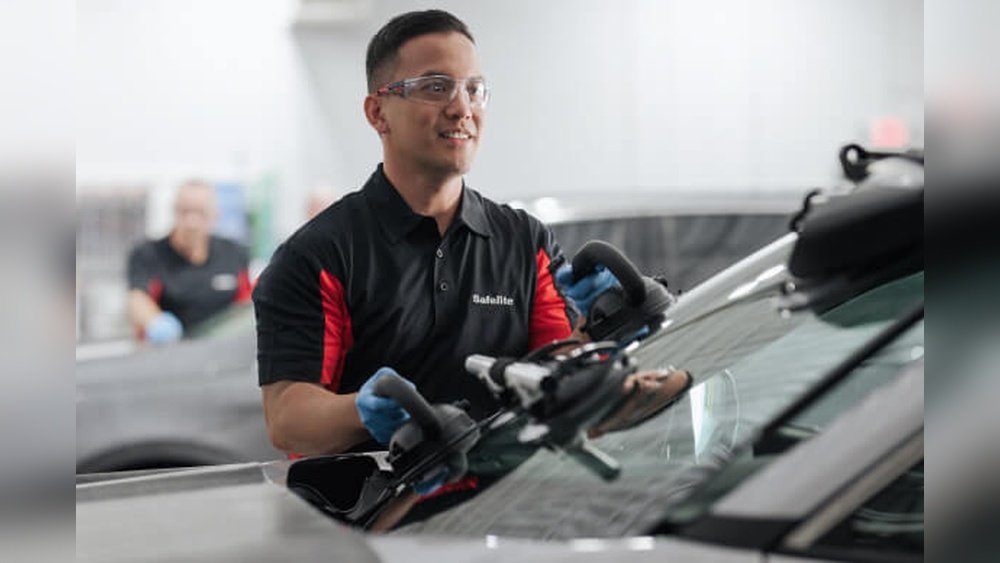
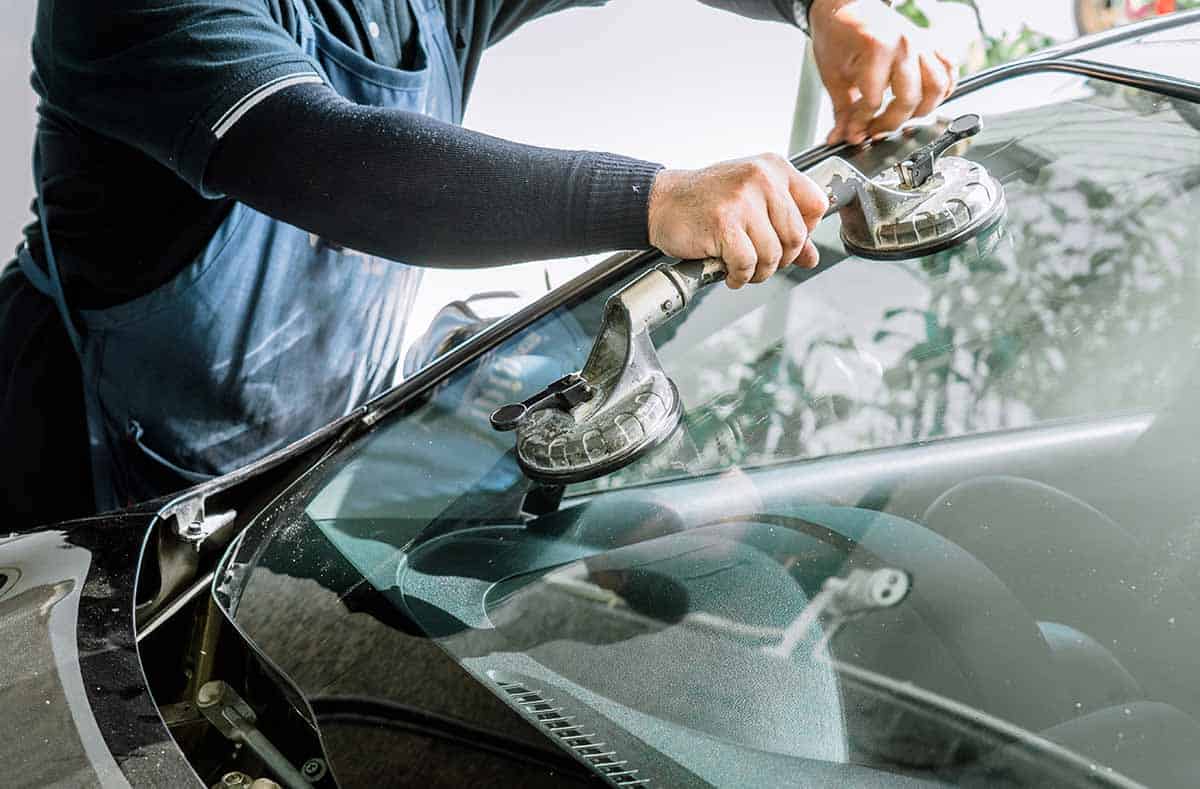
Proper installation is crucial for durability. Skilled technicians use the right tools and adhesives. A poor installation can cause leaks or weak spots. Correct curing time for adhesives ensures a strong bond. This prevents future damage and extends the windshield’s life.
Environmental Conditions
Weather impacts windshield health. Extreme heat can weaken glass or adhesives. Cold temperatures may cause cracks from sudden changes. Road salt and debris also cause wear and damage. Parking in shaded or covered areas helps protect the glass.
Vehicle Usage Patterns
How often and where you drive matters. Rough roads cause more stress on the windshield. Frequent long trips expose the glass to varying conditions. Careful driving reduces the risk of chips and cracks. Regular cleaning keeps the glass clear and safe.
Credit: www.mach1services.com
Average Lifespan Of Replaced Windshields
A replaced windshield is a key part of vehicle safety. Knowing its average lifespan helps drivers plan for maintenance. Windshields protect against wind, debris, and accidents. Their durability depends on many factors like quality and driving conditions.
Understanding how long a new windshield lasts helps avoid surprises on the road. It also ensures your car stays safe and looks good.
Typical Durability Range
Most replaced windshields last between 5 and 10 years. Some high-quality windshields can last longer. Factors such as weather, road conditions, and driving habits affect lifespan. Frequent exposure to sun and extreme temperatures may shorten life. Proper installation also plays a big role in durability.
Signs Of Wear And Tear
Look for cracks or chips on the glass surface. Small chips can grow over time and cause problems. Cloudy or hazy glass reduces visibility. Loose or shifting windshields create noise and leaks. These signs mean the windshield is aging and may need attention soon.
When To Consider Another Replacement
Replace the windshield if cracks block your view. Large or spreading cracks weaken the glass’s strength. If the windshield leaks water, it needs fixing or replacement. Any damage that affects safety requires immediate action. Regular checks help catch problems early and keep you safe.
Maintenance Tips To Extend Windshield Life
Keeping a replaced windshield in good shape helps it last longer. Simple care steps protect your windshield from damage. These tips keep your glass clear and strong.
Proper Cleaning Methods
Use a soft cloth or sponge for cleaning. Avoid abrasive materials that can scratch the glass. Clean with a mild soap and water mix. Dry with a lint-free towel to prevent streaks. Do not use harsh chemicals or ammonia-based cleaners.
Avoiding Extreme Temperatures
Park in the shade or garage to avoid heat damage. Sudden temperature changes can cause cracks. Avoid pouring hot water on a frozen windshield. Use a windshield cover during cold weather. These steps reduce stress on the glass.
Timely Repairs For Chips And Cracks
Fix chips and cracks immediately to prevent spreading. Small repairs cost less than full replacements. Use professional services for proper fixes. Early repair keeps the windshield strong and safe. Ignoring damage can lead to bigger problems.
Credit: www.reddit.com
Comparing Oem And Aftermarket Windshields
Choosing the right windshield affects safety and longevity. OEM and aftermarket windshields differ in several ways. Understanding these differences helps make a better choice for your vehicle.
Material Differences
OEM windshields use the same glass as the original car. They meet strict factory standards for quality and safety. Aftermarket windshields may use glass from other manufacturers. The material can vary in thickness and clarity. OEM glass often has better fit and finish. This can reduce wind noise and leaks. Aftermarket glass might not match the exact shape of the original.
Cost Vs. Durability
Aftermarket windshields usually cost less than OEM ones. This makes them popular for budget repairs. OEM windshields tend to last longer due to better materials. They resist chips and cracks more effectively. Aftermarket glass may wear faster under harsh conditions. Choosing between cost and durability depends on your needs. A cheaper windshield might save money upfront. But it could cost more if it needs replacing sooner.
Warranty And Support
OEM windshields often come with a strong warranty from the car maker. This covers defects and installation issues. Aftermarket windshields may have limited or shorter warranties. Support varies between suppliers and installers. OEM parts usually have easier access to service centers. This can simplify claims and repairs. Warranty coverage can impact peace of mind after installation.
Impact Of Driving Habits On Windshield Durability
Driving habits play a big role in how long a replaced windshield lasts. Careful driving can protect your windshield from cracks and chips. Rough driving or careless actions can shorten its life. Understanding these habits helps keep your windshield strong and clear.
Safe Driving Practices
Driving smoothly reduces stress on your windshield. Avoid sudden stops and sharp turns. These actions can shake the glass and cause damage. Maintaining a steady speed helps protect the glass. Keep a safe distance from other cars to avoid flying debris. Slow driving in bad weather also lowers the risk of damage.
Avoiding Road Hazards
Road hazards like gravel and potholes can hurt your windshield. Watch for loose stones on highways and avoid them. Potholes cause vibrations that may weaken the glass. Drive carefully on rough roads to prevent cracks. Clear dirt and debris from your windshield regularly. This keeps the glass clean and reduces scratches.
Effect Of Off-roading
Off-roading puts extra pressure on your windshield. Rocks and branches can hit the glass hard. Dust and mud may scratch the surface over time. Driving on uneven ground causes more stress on the glass. Limit off-road trips to protect your windshield. Clean your windshield thoroughly after off-roading to prevent damage.
Technological Advances In Windshield Materials
Windshield technology has improved a lot over the years. New materials make windshields stronger and safer. These advances help your replaced windshield last longer. They also improve visibility and protect you better.
Laminated Glass Improvements
Laminated glass now uses stronger layers of plastic between glass sheets. This helps the glass hold together during impacts. It stops the glass from shattering into sharp pieces. These layers also reduce noise inside the car. The improved glass keeps you safer in crashes.
Coatings And Treatments
Special coatings now protect windshields from scratches and dirt. These make cleaning easier and keep glass clear longer. Some coatings reduce glare from sunlight. Others help water slide off fast, improving vision in rain. These treatments help maintain the windshield’s quality over time.
Smart Windshields
Smart windshields include built-in technology like sensors and displays. They can show important info on the glass itself. Some detect rain or fog and adjust visibility automatically. Others warn drivers about obstacles or lane departures. This tech adds safety and convenience while driving.

Credit: trueblueautoglass.com
Frequently Asked Questions
How Long Does A Replaced Windshield Usually Last?
A replaced windshield typically lasts 5 to 10 years. Its lifespan depends on installation quality, driving conditions, and maintenance. Proper care extends durability and safety. Regular inspections help catch damage early and maintain windshield integrity.
What Factors Affect The Lifespan Of A Replaced Windshield?
Factors include installation quality, weather exposure, road conditions, and driving habits. Extreme temperatures and debris can cause cracks. Proper maintenance and timely repairs also impact durability. Choosing a professional installer ensures longer-lasting results.
Can A Replaced Windshield Last As Long As The Original?
Yes, a replaced windshield can last as long as the original if installed correctly. Using OEM-quality glass and proper adhesives ensures durability. Regular care and avoiding harsh impacts also help maintain its lifespan.
How Does Weather Impact Replaced Windshield Longevity?
Weather extremes like intense heat, cold, or hail can weaken the windshield. Sudden temperature changes may cause cracks or chips. Protecting the windshield from direct sun and freezing conditions improves longevity.
Conclusion
A replaced windshield can last many years with proper care. Regular cleaning and avoiding harsh impacts help keep it strong. Small chips or cracks need quick repair to stop spreading. Quality installation also plays a key role in durability. Remember, a well-maintained windshield ensures clear vision and safety.
Treat it gently to enjoy long-lasting protection on the road.
Leave a Reply