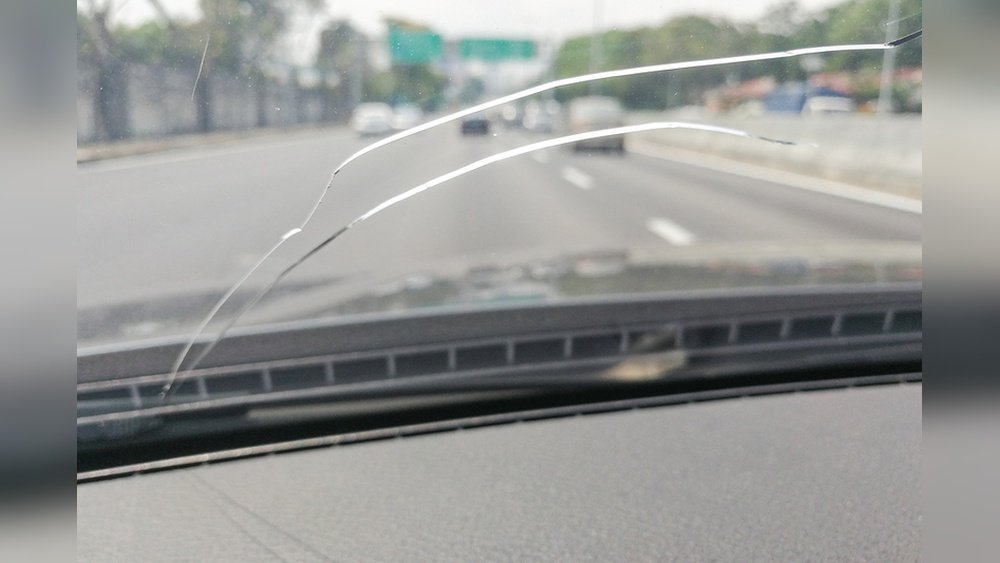
Have you noticed a crack spreading across your windshield and wondered how long you can keep driving without fixing it? You might think it’s just a small issue, but that crack can quickly turn into a bigger problem that affects your safety and could even cost you more money.
You’ll learn exactly how long it’s safe to drive with a cracked windshield and what risks you should be aware of. Keep reading to protect yourself, your passengers, and your wallet before it’s too late.
Risks Of Driving With A Cracked Windshield
Driving with a cracked windshield carries several risks that affect your safety and driving experience. The damage may seem minor at first. Yet cracks can grow quickly and cause serious problems. Understanding these risks helps you decide when to repair or replace your windshield.
Impact On Visibility
Cracks distort your view of the road. Sunlight can create glare through the crack. Night driving becomes harder with light reflection. Small cracks can block your sight of pedestrians or signs. This increases the chance of accidents.
Structural Safety Concerns
The windshield supports your car’s structure. A crack weakens this support. In a crash, the windshield may shatter more easily. This raises the risk of injury from glass or roof collapse. Airbags rely on the windshield to deploy properly. A damaged windshield can reduce airbag effectiveness.
Legal Implications
Many places have laws about windshield damage. Driving with big cracks can lead to fines. Some states require immediate repair or replacement. Police may stop you for unsafe vehicle conditions. Insurance claims can be denied if damage is ignored. Check local rules to avoid penalties.

Credit: www.novusglass.com
Factors Influencing Crack Severity
Understanding the factors that affect crack severity helps decide how long you can drive with a cracked windshield. Not all cracks are the same. Some may stay small for a while, while others grow fast. The size, type, and weather play important roles in this.
Size And Location Of Crack
Small cracks usually cause less worry than large ones. A tiny chip may stay stable for days or weeks. Large cracks spread quickly and weaken the glass. Cracks near the driver’s line of sight are more dangerous. They block vision and can cause accidents. Cracks at the edges often grow faster. Stress from the car’s frame can widen these cracks.
Type Of Crack
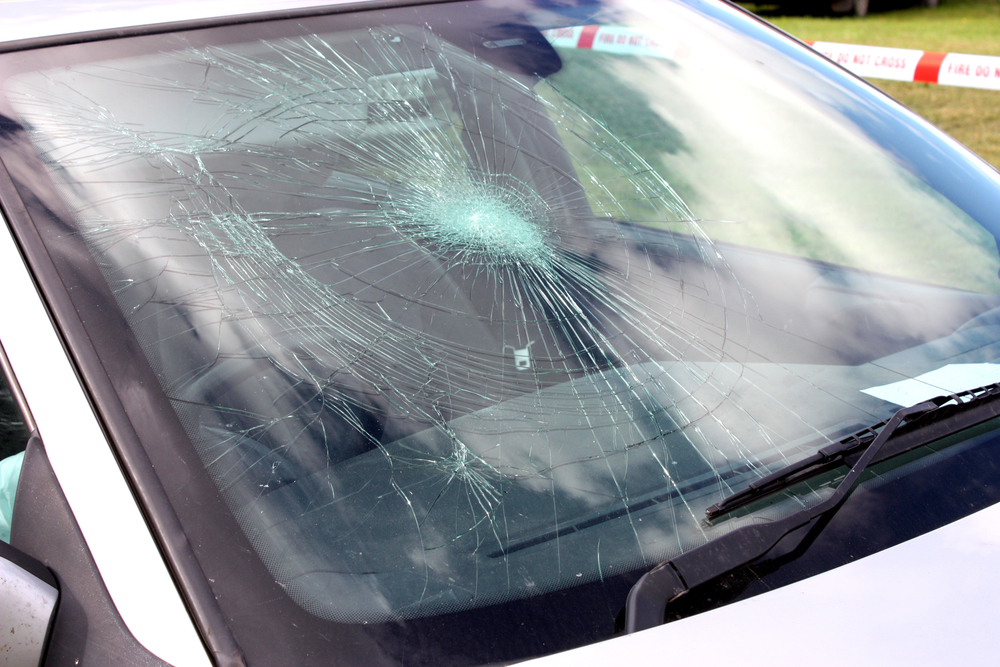
Different cracks show different risks. Star cracks have lines spreading out like a star. They may get bigger with bumps or vibrations. Bullseye cracks form a circle and usually stay contained. Long cracks, also called stress cracks, spread fast. They weaken the windshield more than small chips. Knowing the crack type helps estimate how soon it might worsen.
Weather And Temperature Effects
Heat and cold affect windshield cracks. Hot weather makes glass expand and cracks grow. Cold causes glass to contract and can spread cracks too. Sudden temperature changes are the worst. For example, using hot water on a frozen windshield can cause cracks to spread fast. Rain can seep into cracks and weaken the glass. Driving in rough weather shakes the glass and can make cracks worse.
When To Replace Vs. Repair
Deciding between repairing or replacing a cracked windshield depends on several factors. The size, location, and depth of the crack affect the choice. Safety is a top concern. A small chip might be fixable, but a large crack often needs full replacement. Understanding when to repair or replace helps keep your car safe and road legal.
Repair Eligibility Criteria
Small chips or cracks less than six inches usually qualify for repair. Cracks that do not block the driver’s view are easier to fix. Repairs work best when damage is on the outer layer only. If the crack is clean and not spreading, repair is possible. Quick repair prevents dirt from entering and worsening the damage. Repair saves time and money compared to replacement.
Signs You Need A Full Replacement
Large cracks longer than six inches need full replacement. Cracks near the edges weaken the windshield’s strength. Damage that blocks the driver’s line of sight is unsafe. Multiple cracks or deep cracks through both layers require replacement. If the glass is shattered or spider-webbed, replace it immediately. A new windshield restores safety and visibility fully.
Driving Tips With A Cracked Windshield
Driving with a cracked windshield needs care and attention. Small cracks can grow fast if you do not handle your car properly. These tips help keep the crack from getting worse. They also keep you safe on the road.
Avoiding Rough Roads
Rough roads shake your car. This makes cracks spread quickly. Try to drive on smooth roads as much as possible. Slow down over bumps and potholes. This reduces the stress on your windshield.
Controlling Temperature Changes
Hot and cold changes can make cracks bigger. Avoid parking your car in direct sunlight. Use shade or a car cover if you can. In cold weather, warm up your car slowly. Sudden temperature changes cause glass to expand or shrink fast.
Regular Monitoring
Check your windshield every day. Look for new cracks or changes in size. Take photos to track the damage over time. Early spotting helps you decide when to fix or replace the glass. Stay alert to keep your windshield safe.
Preventive Measures For Windshield Damage
Preventive measures help protect your windshield from cracks and damage. Taking simple steps can save money and keep you safe. A strong windshield supports your car’s structure and keeps debris out.
Small cracks can grow fast. Stopping damage early prevents costly repairs. Follow these tips to maintain a clear, strong windshield.
Safe Driving Practices
Drive carefully to avoid stones and debris hitting the glass. Keep a safe distance from trucks and construction zones. Avoid sudden stops and sharp turns that stress the windshield. Slow down on rough roads to reduce vibration damage.
Parking Strategies
Park your car in shaded or covered areas to protect from sun damage. Avoid parking under trees that drop branches or sap. Choose spots away from busy streets to reduce risk of accidents. Use a windshield cover in harsh weather to prevent cracks.
Routine Maintenance
Check your windshield regularly for small chips and cracks. Clean glass with gentle, non-abrasive products to avoid scratches. Replace worn windshield wipers to prevent streaks and damage. Fix small chips quickly to stop cracks from spreading.
Credit: www.reddit.com
Choosing A Repair Or Replacement Service
Choosing the right service for windshield repair or replacement matters a lot. This decision affects your safety and the cost you pay. Pick a service that fits your needs and budget. Understanding key factors helps you make a smart choice.
Certification And Experience
Check if the technician is certified. Certification shows they have proper training. Experienced technicians handle repairs and replacements better. They know how to work with different car models. Trust services that have positive reviews and proven skills.
Cost And Warranty Considerations
Compare prices from different shops. Low cost may mean poor quality. High cost does not always guarantee the best work. Ask about warranties on parts and labor. A good warranty protects you against future problems. Choose a service with clear and fair warranty terms.
Mobile Repair Options
Mobile repair services come to your location. This saves time and effort. Mobile teams often handle small cracks well. They use special tools for quick fixes. Make sure the mobile service has good reviews. Confirm they offer the same quality as in-shop repairs.
Credit: www.glasshopperautoglass.com
Frequently Asked Questions
How Long Is It Safe To Drive With A Cracked Windshield?
Driving with a cracked windshield is risky. Minor cracks might last a few days, but they can worsen quickly. It’s best to repair or replace it promptly to ensure safety and avoid legal issues.
Can I Drive With A Cracked Windshield Legally?
Laws vary by location, but many places prohibit driving with significant windshield damage. Cracks that impair visibility can lead to fines or failed vehicle inspections. Check local regulations and repair your windshield as soon as possible.
Does A Cracked Windshield Affect Car Safety?
Yes, a cracked windshield compromises structural integrity. It reduces protection during accidents and increases the risk of the glass shattering. Fixing cracks promptly helps maintain vehicle safety and occupant protection.
What Causes A Windshield Crack To Worsen?
Temperature changes, road vibrations, and moisture can expand cracks quickly. Driving on rough roads or hitting bumps also worsens damage. Repairing cracks early prevents them from spreading and saves costs.
Conclusion
A cracked windshield can be dangerous and unsafe. Small cracks may last longer, but they can grow quickly. Driving with a damaged windshield reduces your view and increases risk. Fixing or replacing it soon keeps you safe on the road.
Don’t wait until the crack gets worse. Take action early to avoid bigger problems. Your safety matters most every time you drive.
Leave a Reply