
Have you ever wondered how the glass around you stays safe and strong? Whether it’s the windows in your home, the screen on your phone, or the glass in your car, safety is not something left to chance.
But how do experts make sure glass won’t shatter into dangerous shards or fail when you need it most? You’ll discover the secrets behind glass safety testing. You’ll learn the simple yet powerful methods used to keep you and your loved ones protected every day.
Keep reading to find out what goes into making glass both beautiful and safe for your world.
Types Of Safety Glass
Safety glass is designed to reduce injuries during breakage. Different types of safety glass serve specific purposes. Each type has unique features that improve strength and safety. Understanding these types helps choose the right glass for various needs.
Tempered Glass
Tempered glass is heat-treated to increase strength. It is about four times stronger than regular glass. When broken, it shatters into small, blunt pieces. This reduces the risk of serious cuts. It is commonly used in car windows and shower doors.
Laminated Glass
Laminated glass consists of two glass layers with a plastic layer between. This plastic holds the glass together if it breaks. It prevents glass shards from falling apart. It is often found in windshields and skylights for added safety.
Heat-strengthened Glass
Heat-strengthened glass is stronger than regular glass but less than tempered glass. It is heated and cooled slowly to reduce stress. It breaks into large pieces instead of sharp shards. This glass is used in windows and doors that need extra strength.
Key Safety Standards
Glass safety standards ensure products protect people from harm. These rules define how glass must perform in different situations. Testing against these standards proves glass is safe and reliable. Various standards exist worldwide, shaped by local needs and industries. Understanding key safety standards helps explain how glass stays secure in homes, cars, and public places.
International Standards
International standards set broad rules for glass safety. Organizations like ISO create these rules. They cover strength, impact resistance, and heat tolerance. These standards help manufacturers sell glass worldwide. Testing follows strict procedures to meet these global benchmarks. This ensures glass can handle everyday use and accidents.
Regional Regulations
Different regions have specific glass safety laws. Europe, North America, and Asia each set unique rules. These rules match local conditions and risks. For example, European EN standards focus on building glass safety. The United States follows ASTM standards for impact and breakage. Testing labs check glass to meet these legal needs.
Industry-specific Requirements
Some industries demand special glass safety tests. Automotive glass must resist strong impacts and shattering. Construction glass needs to handle wind pressure and weather. Electronics use glass that resists heat and scratches. Each sector has tailored standards. Testing confirms glass can perform well in its field.
Testing Methods
Testing methods ensure glass meets safety standards. These tests check strength, durability, and resistance. Each method simulates real-life conditions. This helps prevent accidents and injuries from glass failure.
Impact Resistance Tests
Impact resistance tests measure how glass reacts to sudden force. A heavy object or pendulum strikes the glass. The test shows if the glass breaks or stays intact. This test is crucial for windows and doors. It ensures glass can handle impacts like hail or accidental hits.
Thermal Stress Tests
Thermal stress tests check glass reaction to temperature changes. Glass heats up and cools down repeatedly. This tests if glass can resist cracking or warping. It is important for glass exposed to sun or heat sources. Thermal stress tests help avoid dangerous breakage.
Load Bearing Tests
Load bearing tests measure how much weight glass can hold. Pressure is applied to simulate real loads, like people leaning on glass. The test shows the maximum load before glass bends or breaks. Load bearing tests are vital for glass floors and railings. These tests ensure glass supports weight safely.

Credit: www.portlandglass.com
Testing Equipment
Testing equipment plays a vital role in checking glass safety standards. These machines help ensure glass can handle stress and impact. Each device tests different properties to meet safety rules.
Drop Ball Test Machines
Drop ball test machines check how glass reacts to sudden impacts. A steel ball is dropped from a set height onto the glass. The test shows if the glass will break or stay safe.
This test is common for car windows and building glass. It helps confirm the glass can resist hits without shattering dangerously.
Thermal Chambers
Thermal chambers expose glass to extreme heat and cold. This tests how glass handles temperature changes. Sudden shifts can cause glass to crack or break.
By using thermal chambers, manufacturers ensure glass can survive weather changes. This is important for windows and outdoor glass surfaces.
Load Frames
Load frames apply pressure on glass to test strength. The machine pushes or pulls the glass until it bends or breaks. This shows the maximum load glass can bear.
Such tests help identify weak spots in the glass. Load frames are key for making safe glass for construction and vehicles.
Certification Process
The certification process for glass safety standards ensures that glass products meet strict safety and quality requirements. This process helps protect users from potential harm caused by glass breakage. It involves several key steps, each important to confirm the glass’s strength and durability.
Sample Preparation
Samples of the glass are carefully selected for testing. The size and shape must match the product’s intended use. Each piece is cleaned and inspected to avoid defects. Proper preparation ensures reliable and accurate test results.
Test Execution
The prepared glass samples undergo various tests. These include impact resistance, thermal stress, and load-bearing capacity. Machines apply controlled forces to check the glass’s performance. Each test follows strict guidelines to simulate real-life conditions.
Result Evaluation
Test results are reviewed by experts. They compare data against safety standards and regulations. Any cracks, breaks, or failures are noted. Only glass meeting all criteria receives certification. This step guarantees the glass is safe for public use.
Common Failure Modes
Understanding common failure modes helps improve glass safety standards. These failures show how glass breaks and what causes it. Testing reveals weak points and ensures safer glass products.
Shattering Patterns
Shattering patterns show how glass breaks under stress. Some glass breaks into large, sharp pieces. Others crumble into small, less dangerous fragments. Testing checks the type of shatter to ensure safety.
Delamination Issues
Delamination means layers of laminated glass separate. This can reduce strength and safety. Tests check if layers stay bonded under pressure or heat. Proper bonding prevents glass from falling apart.
Stress Cracks
Stress cracks form from uneven pressure or impacts. These cracks can grow and cause sudden failure. Testing finds these cracks early. It helps improve glass design to resist cracking longer.
Advances In Safety Testing
Safety testing for glass has evolved a lot in recent years. New methods help ensure glass is stronger and safer. These advances improve how tests are done and how results are measured. They help manufacturers create better safety glass for homes, cars, and public places.
Digital Simulation
Digital simulation uses computers to predict how glass reacts to stress. It allows testing without breaking real glass. This method saves time and money. Engineers can try many designs quickly. They find weak spots before making physical samples. Simulations help improve safety by showing risks early.
Automated Testing Systems
Automated testing uses machines to perform safety checks. These systems work faster and more accurately than manual tests. They apply pressure, impact, and heat in controlled ways. Robots collect data and analyze results instantly. This reduces human error and speeds up quality control. Consistent testing means safer glass products.
New Material Innovations
Researchers develop new materials to make glass safer. Laminated glass with plastic layers is one example. It holds shards together if broken. Tempered glass is another, designed to break into small, less harmful pieces. Scientists test these materials under strict conditions. Innovations improve glass strength and reduce injury risks.

Credit: www.texanglass.com
Importance Of Compliance
Compliance with glass safety standards is essential for every manufacturer. It ensures products meet strict quality and safety rules. These standards help avoid accidents and protect users from harm. Meeting these rules also builds trust and keeps businesses out of legal trouble. Understanding the importance of compliance highlights why testing is crucial in the glass industry.
Protecting Users
Glass safety standards focus on user protection. They test how glass reacts to impact and pressure. This prevents breakage that can cause injuries. Safe glass reduces risks in homes, cars, and public places. Compliance means users can trust the glass products they use daily.
Legal Implications
Failing to meet glass safety standards can lead to legal problems. Manufacturers may face fines or lawsuits. Laws require proof that products are safe for consumers. Compliance helps companies avoid costly penalties. It also ensures they follow national and international laws.
Market Trust
Products that pass safety tests gain customer confidence. Buyers prefer brands known for safe and reliable glass. Compliance acts as a quality mark in the market. It increases sales and strengthens brand reputation. Trust leads to long-term success for manufacturers.
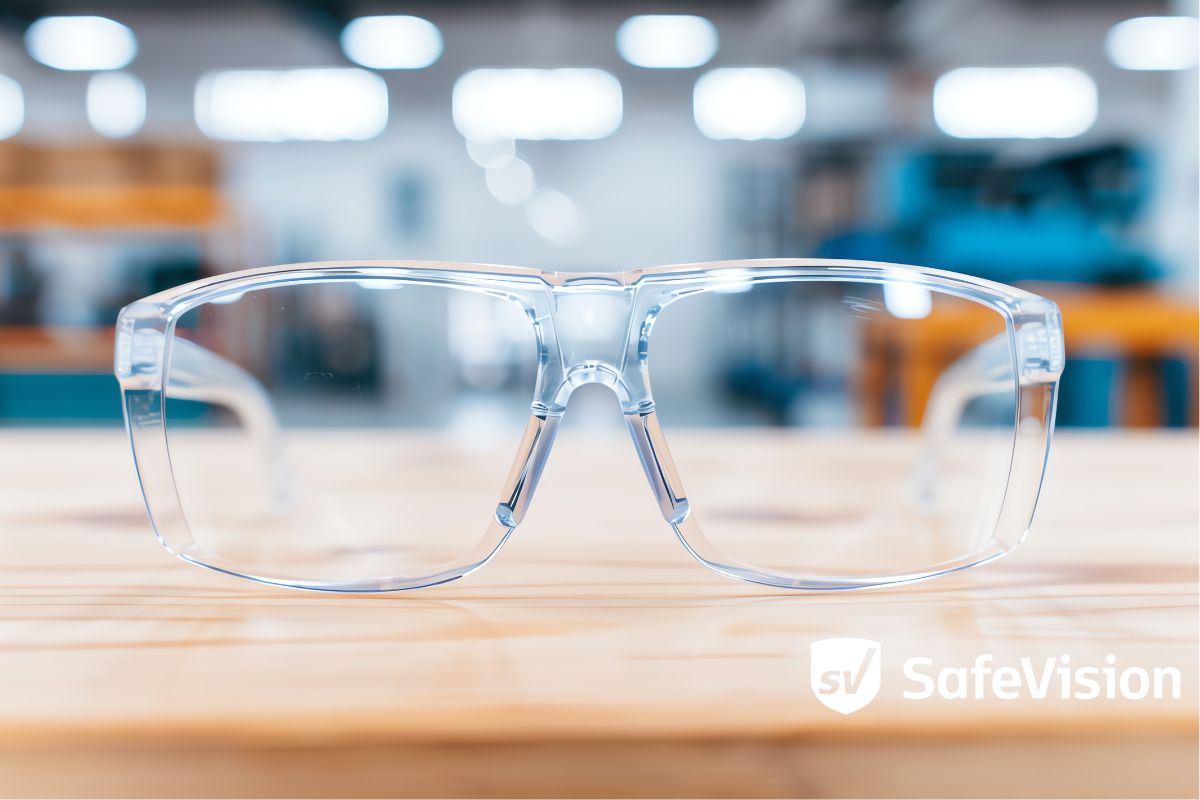
Credit: safevision.com
Frequently Asked Questions
What Methods Test Glass Safety Standards Effectively?
Glass safety standards are tested using impact, heat, and pressure tests. These simulate real-life conditions to ensure durability and safety. Tests include drop tests, thermal shock, and fragmentation analysis. These methods confirm glass meets regulatory safety requirements before market release.
How Is Tempered Glass Safety Tested?
Tempered glass is tested by applying rapid heating and cooling cycles. This process checks its strength and resistance to breakage. Impact tests simulate accidental hits. The glass must shatter into small, blunt pieces to pass safety standards.
What Role Does Impact Testing Play In Glass Safety?
Impact testing measures glass resistance to sudden forces. It ensures the glass can withstand accidental impacts without dangerous breakage. This test helps assess if the glass is safe for use in buildings, vehicles, and public spaces by meeting safety regulations.
Why Is Fragmentation Analysis Important In Glass Testing?
Fragmentation analysis checks how glass breaks upon impact. Safety glass should break into small, less harmful pieces. This reduces injury risks. The analysis confirms if glass complies with safety standards and protects users during accidents.
Conclusion
Testing glass safety standards ensures products are strong and safe. Experts check for impact, heat, and stress resistance. These tests help prevent accidents and injuries. Knowing how testing works builds trust in glass products. Safety standards keep homes and workplaces secure.
Choosing glass that meets these rules protects everyone. Quality glass stands up to daily use and risks. Safe glass means peace of mind for users everywhere. Understanding testing helps you see why standards matter.
Leave a Reply