Imagine a simple slip or a tiny crack turning into a painful accident right in your own home or workplace. You might not realize it, but glass safety plays a huge role in keeping you and your loved ones safe every day.
When glass is designed and handled the right way, it can stop injuries before they even start. You’ll discover how glass safety works to protect you, why it matters more than you think, and easy steps you can take to prevent accidents around glass surfaces.
Keep reading—your safety could depend on what you learn next.

Credit: upgpa.com
Glass Hazards At Home
Glass is common in many homes. It looks nice but can cause harm if not safe. Knowing glass hazards helps keep families safe. It is important to spot risks and take action early.
Many accidents happen because of glass in daily life. These dangers are often hidden in plain sight. Careful attention to glass safety prevents injuries.
Common Risks In Glass Fixtures
Glass doors and windows can break easily. Sharp edges on glass tables or shelves cause cuts. Old or damaged glass is more likely to shatter. Poorly installed glass items may fall or break suddenly. Glass mirrors can crack and fall during accidents or earthquakes. Children often do not notice glass hazards around them.
Accidents In Kitchens And Bathrooms
Kitchens have glass cabinets and containers. Dropped glass bottles or jars break and cause injuries. Bathrooms use glass shower doors and mirrors. Slippery floors increase the risk of falling on glass. Broken glass in these areas can cause deep cuts. Proper glass safety reduces these common accidents.
Safety Features In Modern Glass
Modern glass is designed with safety in mind. It protects people and reduces injuries. Advances in technology have made glass much stronger and safer. These safety features help prevent accidents in homes, offices, and public places.
Different types of safety glass serve different purposes. Each type offers unique benefits that make glass safer to use. Understanding these types helps you choose the right glass for your needs.
Tempered Glass Benefits
Tempered glass is heat-treated to increase its strength. It is about four times stronger than regular glass. When broken, it shatters into small, blunt pieces. These pieces are less likely to cause cuts or injuries. This makes tempered glass ideal for doors, windows, and car windows. It also resists impacts and thermal stress better than normal glass.
Laminated Glass Protection
Laminated glass consists of two or more layers of glass with a plastic layer in between. The plastic layer holds the glass together if it breaks. This prevents shards from flying and causing harm. Laminated glass also blocks harmful UV rays. It is often used in car windshields and skylights. This glass type offers strong protection against break-ins and accidents.
Preventive Measures For Glass Safety
Preventive measures for glass safety play a key role in reducing accidents. They focus on proper handling and maintenance. These steps help keep people safe and glass intact.
Using the right methods during installation and regular checks can stop many problems. These actions make glass strong and reliable in homes and workplaces.
Proper Installation Techniques
Correct installation is the first step to glass safety. Experts use the right tools and follow guidelines carefully. This prevents cracks and breaks caused by poor fitting.
Glass must fit well in frames to avoid pressure points. Sealing edges tightly stops moisture and dirt buildup. These steps keep glass stable and less likely to fail.
Routine Glass Inspection
Regular inspection helps catch damage early. Look for chips, cracks, or loose fittings often. Fixing small issues prevents bigger accidents later.
Inspect both inside and outside surfaces. Check frames and seals as well. Routine checks extend the glass life and improve safety for everyone.

Credit: www.lwmpersonalinjurylawyers.com
Safe Handling And Maintenance
Safe handling and maintenance of glass play a big role in preventing accidents. Proper care keeps glass strong and reduces the chance of breakage. Simple habits protect you and others from injury. Knowing how to clean and fix minor problems helps keep glass safe for long use.
Cleaning Without Damage
Use soft cloths or sponges to clean glass surfaces. Avoid rough materials that can scratch the glass. Choose gentle cleaners made for glass to prevent damage. Do not use abrasive powders or harsh chemicals. Clean regularly to remove dust and dirt that might weaken the glass over time.
Repairing Minor Glass Issues
Small chips or cracks need quick attention. Fix minor damage with clear repair kits found in stores. Do not ignore small problems; they can grow bigger fast. Replace glass pieces that show signs of serious damage. Timely repairs keep glass strong and reduce accident risks.
Safety Tips For Children And Pets
Keeping children and pets safe around glass is very important. Glass can break and cause serious injuries. Simple safety steps can reduce risks at home. These tips help protect your loved ones from accidents.
Clear glass doors and windows can be hard to see. Kids and pets may run into them. Making glass areas safer is a smart choice for every home.
Childproofing Glass Areas
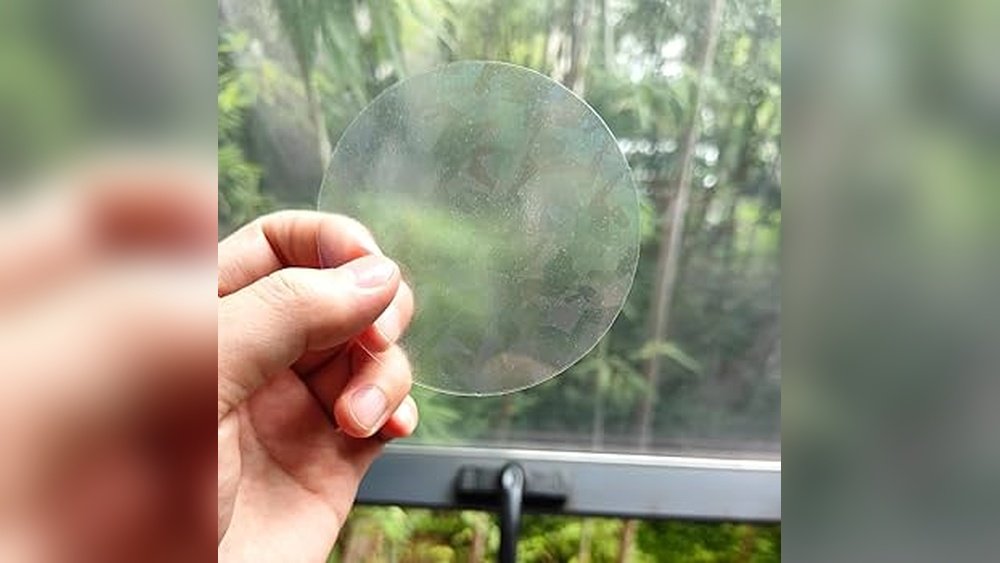
Apply stickers or decals at child eye level on glass surfaces. This makes glass easier to see and prevents running into it. Use safety film on glass to hold shards if it breaks. Install guards or barriers around glass tables and shelves. Teach children to be careful near glass and explain the dangers. Regularly check glass for cracks or chips and fix them fast.
Protecting Pets From Glass Injuries
Keep pet doors clean and clear to avoid confusion. Use pet gates to limit access to glass areas. Cover sharp edges on glass furniture with soft padding. Never leave broken glass where pets can reach it. Train pets to avoid jumping on glass surfaces. Watch pets closely in rooms with glass walls or doors. Regularly inspect glass for damage and repair it quickly.

Credit: www.safetynational.com
Emergency Actions For Glass Accidents
Accidents involving glass can cause sudden injuries that need quick attention. Knowing the right emergency actions helps reduce harm and speeds recovery. Proper care stops small wounds from becoming serious problems.
Clear steps to handle glass injuries keep you calm and effective. Acting fast protects against infection and further damage. This guide explains essential first aid and when to get medical help.
First Aid For Cuts And Scrapes
Stop the bleeding by pressing a clean cloth on the wound. Wash the area gently with water to remove dirt and glass bits. Avoid rubbing the injury to prevent more damage. Use an antiseptic to kill germs and lower infection risk. Cover the cut with a sterile bandage or dressing. Keep the wound clean and dry. Change the bandage daily or if it gets wet or dirty.
When To Seek Medical Help
Seek medical help if bleeding does not stop after 10 minutes. Visit a doctor if the cut is deep or jagged. Go to the hospital if glass remains inside the wound. Get treatment if you notice redness, swelling, or pus. Call for help if you feel numbness or severe pain. Always see a doctor if you have not had a tetanus shot in five years.
Frequently Asked Questions
What Is Glass Safety And Why Is It Important?
Glass safety involves using tempered or laminated glass to reduce injury risks. It prevents sharp shards during breakage, enhancing protection in homes and workplaces. Proper glass safety decreases accidents and ensures safer environments for everyone.
How Does Tempered Glass Prevent Accidents?
Tempered glass is heat-treated to increase strength. It breaks into small, blunt pieces instead of sharp shards. This reduces cuts and serious injuries, making it ideal for windows, doors, and vehicle glass.
Where Is Safety Glass Commonly Used?
Safety glass is used in car windshields, shower doors, windows, and glass furniture. It is vital in public places and homes to protect people from accidental cuts or falls involving glass.
Can Laminated Glass Improve Accident Prevention?
Yes, laminated glass has a plastic layer between two glass sheets. It holds broken pieces together when shattered, reducing the risk of injury and maintaining security in buildings and vehicles.
Conclusion
Glass safety reduces the risk of serious injuries at home and work. Safe glass products break into small, less harmful pieces. Installing tempered or laminated glass adds extra protection. Clear safety rules help people handle glass carefully every day. Choosing the right glass keeps families and workers safer.
Simple safety steps prevent many accidents before they happen. Protecting yourself and others is always worth the effort. Stay alert and choose safe glass for peace of mind. Safety matters, and glass safety plays a key role.
Leave a Reply