
When it comes to your safety in a car, you probably think about airbags and seat belts first. But have you ever stopped to consider how the glass around you plays a crucial role, especially during a rear impact?
The type of glass used in your vehicle isn’t just about keeping the wind out—it can actually protect you from serious injury in a crash. Understanding how glass safety affects rear impact safety could change the way you think about your car’s design and your personal protection.
Keep reading to discover why the glass in your vehicle matters more than you might expect.

Credit: kirkscollisioncenter.com
Role Of Glass In Vehicle Safety
Glass plays a key role in keeping passengers safe inside a vehicle. It protects from outside objects during crashes. The strength and type of glass affect how well it can handle impacts. Safe glass reduces injuries in rear-end collisions. It also helps maintain the vehicle’s shape and structure.
Glass must be strong but also break in a safe way. This prevents sharp shards that can harm passengers. The right glass helps absorb some of the crash energy. It supports airbags and seatbelts by staying in place. Thus, glass is a vital part of vehicle safety systems.
Types Of Automotive Glass
There are mainly two types of glass used in cars: laminated and tempered. Laminated glass has a plastic layer between two glass sheets. This keeps glass pieces stuck together if it breaks. It is mostly used in windshields.
Tempered glass is heat-treated to be stronger than regular glass. It breaks into small, round pieces to reduce injury risk. Tempered glass is common in side and rear windows. Each type offers specific safety benefits in crashes.
Glass Placement In Rear Impact Zones
Glass placement affects how well a car protects passengers in rear impacts. Rear windows and side windows near the back take most of the force. These glass parts must be strong and break safely.
Proper glass placement helps prevent passengers from being ejected. It also supports the vehicle’s frame during a crash. Designers carefully place glass to balance visibility and safety. This placement plays a big role in overall rear impact protection.

Credit: www.consumeraffairs.com
Impact Dynamics And Glass Behavior
Understanding how glass behaves during rear collisions helps improve car safety. Glass plays a key role in protecting passengers from injuries. Its reaction to impact affects how well a vehicle absorbs energy and shields people inside. Studying impact dynamics and glass behavior reveals important safety insights.
Glass Response To Rear Collisions
During a rear collision, glass faces sudden force and pressure changes. Tempered glass quickly cracks into small pieces to reduce sharp edges. Laminated glass holds together, preventing passengers from being cut. The type of glass affects how energy spreads across the vehicle. Strong glass helps keep the passenger compartment intact. It also limits the chance of objects entering from outside.
Fragmentation Patterns And Injury Risks
Glass breaks in different ways depending on its design. Tempered glass shatters into tiny granules, which lowers deep cuts but may cause eye injuries. Laminated glass cracks but stays mostly in place, lowering the risk of ejection. Loose shards can cause serious wounds or blindness. Proper glass safety reduces these risks by controlling fragmentation. Safer glass means fewer injuries in rear impact crashes.
Safety Features In Rear Glass Design
The rear glass plays an important role in car safety during rear impacts. It must protect passengers and keep the car structure strong. Careful design helps reduce injuries and damage.
Manufacturers use special glass types and add layers to make the rear glass safer. These features control how the glass breaks and how it supports the car frame.
Laminated Vs Tempered Glass
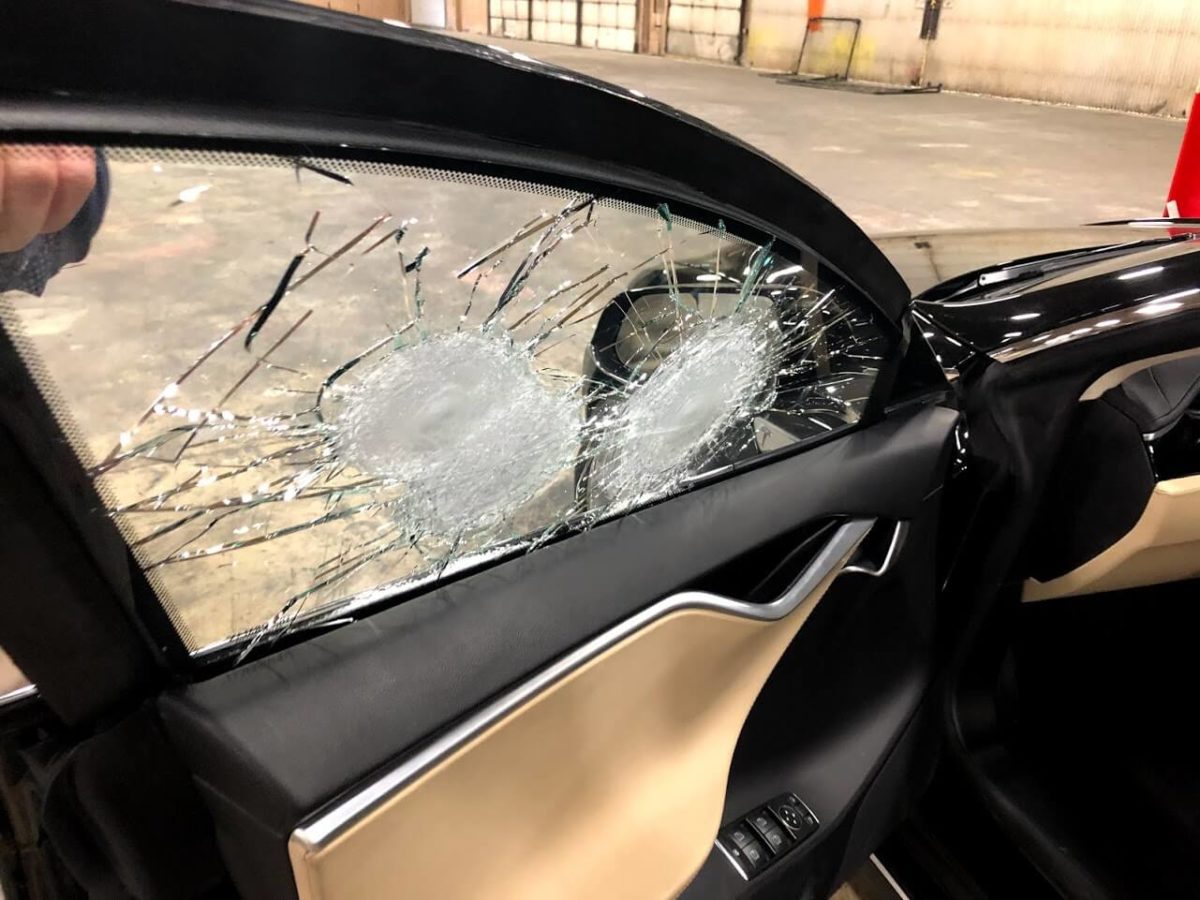
Laminated glass has two layers with a plastic sheet between them. It stays mostly in one piece when broken. This reduces sharp glass pieces inside the car.
Tempered glass is heat-treated to be stronger. It breaks into small, rounded pieces that are less harmful. But it shatters completely on impact, leaving a hole.
Laminated glass helps keep the car’s structure intact. Tempered glass clears quickly but offers less protection from flying shards.
Reinforcements And Coatings
Reinforcements add strength to the rear glass edges and frame. They help the glass hold better during a crash.
Special coatings can block UV light and reduce heat inside the car. Some coatings also improve glass strength and prevent shattering.
These reinforcements and coatings work together to keep the glass safer. They help protect passengers and maintain car integrity.
Credit: armormax.com
Technologies Enhancing Rear Impact Protection
Rear impact accidents cause serious injuries. Protecting passengers is a priority for car makers. Glass safety plays a key role in this protection. New technologies improve the strength and function of rear glass. These innovations help reduce injuries during crashes. They also assist in avoiding collisions before they happen.
These advances make cars safer and help save lives. Understanding these technologies shows how safety evolves.
Smart Glass Innovations
Smart glass changes its properties based on conditions. It can become stronger during a crash. Some types of smart glass reduce shattering on impact. This lowers the risk of glass pieces hitting passengers.
Smart glass can also control light and heat. This improves visibility and comfort for drivers. Better visibility helps drivers notice dangers faster. This can prevent rear collisions.
Sensor Integration For Collision Detection
Sensors detect objects near the rear of the car. They warn drivers about approaching vehicles or obstacles. These sensors activate safety systems quickly. This reduces crash severity or prevents crashes.
Some sensors work with the rear glass. They monitor cracks or damage that could weaken the glass. Early detection of glass issues keeps the car safer over time.
Regulations And Testing Standards
Glass safety plays a key role in rear impact protection. Strict regulations and testing ensure glass can protect passengers during crashes. These rules keep glass strong yet able to break safely. Testing standards check how glass behaves in real accidents.
Global Safety Requirements
Different countries set rules for automotive glass safety. These rules cover strength, clarity, and shatter resistance. The United States follows Federal Motor Vehicle Safety Standards (FMVSS). Europe uses the Economic Commission for Europe (ECE) regulations. Both require laminated glass in windshields and tempered glass in side windows. These standards aim to reduce injuries from broken glass in rear impacts.
Crash Test Protocols For Rear Impact
Crash tests simulate rear impacts to study glass performance. Tests measure how glass absorbs energy and prevents ejection. Sensors record glass breakage and deformation during impact. Manufacturers use these tests to improve glass design. Passing these protocols confirms the glass meets safety goals. Better glass reduces the risk of cuts and head injuries in crashes.
Real-world Impact On Passenger Safety
Glass safety plays a key role in protecting passengers during rear-end collisions. The quality and design of car windows affect how well passengers avoid injuries. Strong, well-designed glass absorbs impact forces and prevents sharp fragments from causing harm. Understanding real-world effects shows why this matter is crucial.
Case Studies And Accident Analysis
Studies of real crashes reveal how glass safety affects injury outcomes. In many accidents, tempered glass broke into small, blunt pieces. This reduced cuts and eye injuries for passengers. Other cases showed laminated glass stayed intact, stopping passengers from being ejected. Analysts use crash data to find patterns in glass performance. These patterns help improve car glass standards for better protection.
Injury Reduction Statistics
Research shows safer glass cuts injury risks significantly. Cars with laminated rear windows report 30% fewer head injuries. Cuts and lacerations drop by nearly 40% in vehicles with advanced glass. These numbers prove glass design saves lives in rear impacts. Safer glass also lowers hospital visits and recovery time. The stats push car makers to use improved glass for all passengers.
Future Trends In Glass Safety
Glass safety is evolving fast. New technology aims to improve rear impact protection. Safer glass means fewer injuries in crashes. Car makers and scientists work together on this.
Advanced Materials Development
New materials make car glass stronger and lighter. Laminated glass with special layers can absorb impact better. Some glass types can self-heal small cracks. These materials help keep passengers safer in rear impacts. They also reduce glass shattering and sharp edges.
Integration With Autonomous Vehicle Systems
Smart glass connects with car sensors and cameras. It can change its tint to reduce glare and improve visibility. This helps the driver see better and react faster. In self-driving cars, glass systems share data with the vehicle. This improves crash prevention and passenger safety during impacts.
Frequently Asked Questions
How Does Glass Safety Improve Rear Impact Protection?
Glass safety enhances rear impact protection by preventing sharp shards from causing injuries. Laminated glass stays intact, reducing passenger harm. It also maintains vehicle structure, improving crash energy absorption during collisions.
What Types Of Glass Are Used For Rear Impact Safety?
Laminated and tempered glass are common for rear safety. Laminated glass holds together when shattered. Tempered glass breaks into small, less harmful pieces, minimizing injury risk during rear collisions.
Why Is Laminated Glass Important In Rear Impacts?
Laminated glass prevents glass from shattering completely. It holds shards in place, protecting passengers from cuts. This glass type also supports vehicle integrity, enhancing overall safety in rear-end crashes.
Can Glass Safety Affect Vehicle Crash Ratings?
Yes, glass safety influences crash ratings. Vehicles with advanced glass designs show better passenger protection. Proper glass reduces injury risks, improving safety scores in rear impact tests.
Conclusion
Glass safety plays a key role in protecting passengers during rear impacts. Strong, well-designed glass helps reduce injuries by staying intact. It prevents sharp pieces from flying inside the car. Car makers focus on improving glass to keep people safer.
Choosing vehicles with good glass safety features adds peace of mind. Every small safety step counts in a crash. Safe glass means safer rides for everyone.
Leave a Reply