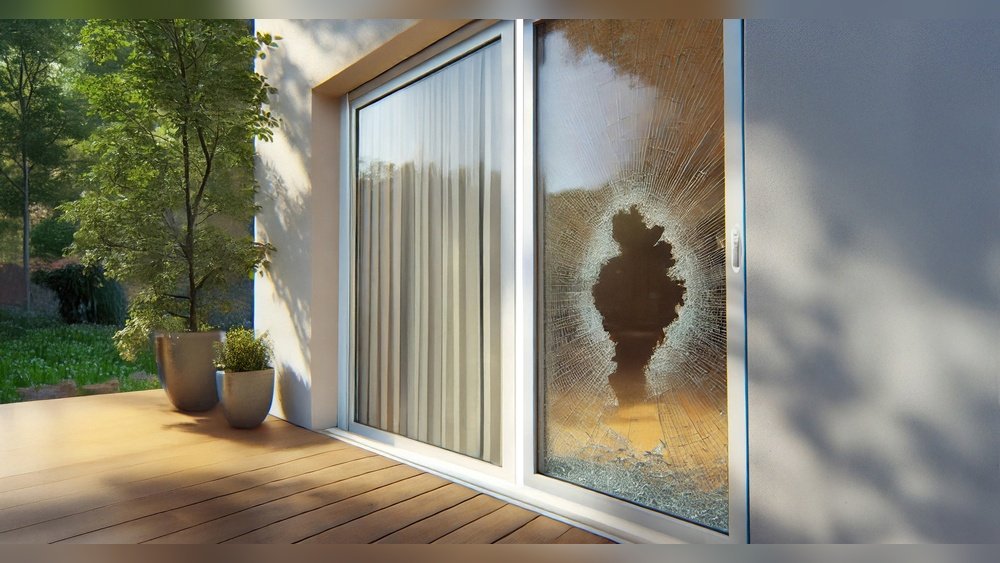
Have you ever stopped to think about how glass in your home or workplace keeps you safe? Glass safety might seem like a small detail, but it plays a huge role in preventing injuries.
Imagine a broken window or a shattered glass door—without the right safety measures, accidents can happen in an instant. You’ll discover exactly how glass safety works to protect you and your loved ones from harm. Keep reading to learn simple yet powerful ways glass safety reduces injuries and why it matters more than you might think.

Credit: www.hillcrestvision.com
Glass Hazards At Home And Work
Glass is common in homes and workplaces. It adds beauty and light but also brings risks. Glass hazards can cause serious injuries if not handled well. Understanding these risks helps prevent accidents and keeps everyone safe.
Common Injury Causes
Broken glass is the main cause of injuries. Sharp edges cut skin easily. Slippery glass surfaces lead to falls. Glass doors and windows can hit people unexpectedly. Poorly installed glass may fall and break. Handling glass without proper tools increases danger.
High-risk Areas
Kitchens often have glass jars and containers. Bathrooms have mirrors and glass shelves. Office spaces use glass partitions and doors. Shops display items behind glass cases. Construction sites handle large glass panels. Each area needs special attention to avoid accidents.
Types Of Safety Glass
Safety glass plays a key role in reducing injuries from broken glass. Different types of safety glass have unique features. Each type helps protect people in various settings like homes, cars, and public places.
Understanding these types helps choose the right glass for safety and durability.
Tempered Glass Features
Tempered glass is strong and breaks into tiny pieces. These small pieces are less likely to cause cuts. It is made by heating glass and cooling it quickly. This process makes it much tougher than regular glass. You often find tempered glass in car windows and shower doors. It resists heat and impact well.
Laminated Glass Benefits
Laminated glass has two layers of glass with a plastic layer between them. If it breaks, the plastic holds the pieces together. This stops glass shards from flying and causing injuries. Laminated glass also blocks noise and harmful UV rays. It is common in car windshields and building windows. This glass provides extra protection against break-ins and accidents.
Other Safety Glass Varieties
Other types include wired glass and heat-strengthened glass. Wired glass contains a metal mesh for added strength. It holds together even if cracked. Heat-strengthened glass is stronger than regular glass but not as strong as tempered glass. These types suit specific safety needs in schools and factories. Choosing the right safety glass depends on the use and risk involved.
Installation Best Practices
Installation best practices play a key role in glass safety. Correct installation helps prevent glass from breaking. It also reduces risks of injuries from sharp edges or falling glass. Following simple steps ensures strong, safe glass fittings. Proper framing and sealing are essential parts of this process.
Proper Framing Techniques
Framing must fit the glass size exactly. Frames that are too tight can stress the glass. Loose frames let the glass move and break easily. Use materials that hold glass firmly in place. Metal or wood frames should be smooth and free of splinters. Frames should support the entire edge of the glass. This support prevents pressure points that cause cracks.
Sealing And Support Tips
Sealing stops water and air from reaching the glass edges. Moisture can weaken the glass over time. Use high-quality sealants made for glass installation. Sealants should be flexible to absorb movement without cracking. Support under glass panels adds extra safety. Use rubber or plastic pads to cushion glass edges. These pads reduce impact and protect from damage.
Protective Measures For Glass Use
Using glass safely can greatly reduce injuries in homes and workplaces. Protective measures help keep glass strong and prevent accidents. These methods also protect people from sharp edges and broken pieces.
Simple changes can make glass much safer. They help avoid cuts and serious harm. Two common protective steps include using films and coatings, and adding safety bars and guards.
Using Films And Coatings
Films and coatings stick to glass surfaces. They hold glass pieces together if the glass breaks. This stops sharp shards from flying around.
These layers add strength and reduce the chance of cracks. They also block harmful UV rays, protecting skin and furniture. Applying films is an easy way to improve glass safety.
Safety Bars And Guards
Safety bars and guards act as physical barriers. They stop people from hitting glass or falling through it. These supports are common on windows and glass doors.
They absorb impact and help hold glass in place. Guards reduce injuries by preventing direct contact with glass. Installing these bars adds a strong layer of protection.
Maintenance And Inspection
Maintenance and inspection play a key role in glass safety. Regular care helps spot problems early. This stops accidents before they happen. Safe glass reduces injuries and keeps everyone secure.
Routine Checks
Routine checks find cracks, chips, or loose fittings. Inspect glass surfaces and frames often. Use a soft cloth and gentle light for better view. Small issues can turn into big dangers. Catch them early to keep glass strong and safe.
Repairing Minor Damages
Minor damages need quick repair to avoid risks. Fix chips and cracks with proper tools and products. Replace broken seals or worn-out parts fast. Timely repairs stop damage from growing. Safe glass means fewer injuries and safer spaces.
Credit: bisonlifeusa.com
Emergency Response To Glass Injuries
Glass injuries can cause pain and bleeding quickly. Knowing how to act fast helps reduce damage. Emergency response to glass injuries is key to safer outcomes. Proper care lowers the risk of infection and serious harm.
First Aid Steps
Stop the bleeding by applying gentle pressure with a clean cloth. Avoid using dirty materials to prevent infection. Clean the wound carefully with water to remove dirt and glass shards. Do not rub the injury, as it may cause more damage. Cover the wound with a sterile bandage or dressing. Keep the injured area raised to reduce swelling and bleeding. Watch for signs of shock, such as pale skin or dizziness. Stay calm and keep the person still until help arrives.
When To Seek Medical Help
Seek medical care if the wound is deep or bleeding does not stop. Large or jagged cuts need professional treatment. Go to the doctor if glass remains inside the wound. Visit emergency services if the injury is near the eyes or face. Get help if there are signs of infection like redness or pus. Call for help if the injured person feels weak or faint. Always better to be safe than sorry with glass injuries.
Regulations And Standards
Glass safety plays a key role in reducing injuries in homes and workplaces. Regulations and standards guide how glass should be made and used. These rules help prevent accidents by ensuring glass is strong and safe. They set clear safety requirements for manufacturers and builders. Following these rules protects people from cuts and falls caused by broken glass.
Building Codes
Building codes include specific rules about glass safety. They require using tempered or laminated glass in certain areas. For example, glass near doors and windows must resist breaking easily. These codes also set size limits for glass panels. They ensure glass is installed securely to avoid accidents. Builders must follow these codes to meet safety standards. Inspectors check compliance to protect public safety.
Industry Safety Guidelines
Industry safety guidelines help manufacturers create safer glass products. These guidelines cover the type of glass, thickness, and treatment. They recommend safety features such as shatterproof coatings. Factories test glass to meet these guidelines before selling it. Workers handling glass also follow safety protocols. These guidelines reduce risks during production and use. They help lower injury rates related to glass accidents.
Innovations In Glass Safety
Innovations in glass safety have greatly reduced injuries in homes, cars, and public spaces. New technologies focus on making glass stronger and smarter. These advances help prevent accidents and protect people from sharp shards.
Smart Glass Technologies
Smart glass changes its properties based on the environment. It can become opaque or clear with a simple switch. This helps reduce glare and heat, making spaces safer and more comfortable. Some smart glass types can even detect impacts and alert users. This early warning helps avoid injuries.
Impact-resistant Materials
Impact-resistant glass uses special layers to absorb shocks. Laminated glass holds together even when it breaks. This stops sharp pieces from falling and hurting people. Tempered glass is heat-treated for extra strength. It breaks into small, less harmful pieces. Both materials are common in cars and buildings for safety.

Credit: joegardener.com
Frequently Asked Questions
What Is The Role Of Glass Safety In Injury Prevention?
Glass safety reduces injuries by using stronger, shatter-resistant materials. It prevents sharp shards from causing cuts during breakage. Safety glass absorbs impact to minimize harm. This protective design is crucial in homes, vehicles, and workplaces.
How Does Tempered Glass Reduce Injury Risks?
Tempered glass is heat-treated to enhance strength. When broken, it shatters into small, blunt pieces. This reduces the chance of deep cuts and serious injuries. It’s commonly used in car windows and shower doors for safety.
Why Is Laminated Glass Safer Than Regular Glass?
Laminated glass contains a plastic interlayer that holds shards together. Upon impact, it cracks but stays intact. This prevents glass from flying and causing injuries. It is widely used in windshields and skylights for added protection.
Where Is Safety Glass Most Commonly Used?
Safety glass is used in vehicles, building windows, doors, and furniture. It’s essential in public spaces and homes to prevent injury. Its use is mandated by safety codes in many regions for risk reduction.
Conclusion
Glass safety plays a key role in preventing injuries. Stronger glass breaks less and holds together when cracked. This reduces sharp edges and flying shards. Safety glass protects people in homes, cars, and offices. It helps avoid cuts and serious accidents.
Choosing the right glass can save lives and lower risks. Simple safety steps make a big difference every day. Stay aware and pick safer glass options. Your health and safety matter most.
Leave a Reply